Blog

  • Troubleshooting Google Maps: What to Do When the Start Button Is Missing

    Troubleshooting Google Maps: What to Do When the Start Button Is Missing

    If you’ve ever opened Google Maps ready for turn-by-turn directions only to find the Start button missing, you’re not alone. This common glitch can stem from outdated apps, location permission issues, or misconfigured navigation settings. Fortunately, most causes are easy to fix. Follow these steps to get back on track.

    Update Your Apps and Operating System

    First, ensure both the Google Maps app and your phone’s operating system are up to date. Outdated software can cause compatibility issues that hide the Start button. Check your device’s app store for updates and install any pending system updates.

    Enable Precise Location and GPS

    Google Maps relies on accurate location data. Go to your device settings and confirm that location services are turned on, GPS is active, and Google Maps has permission to access your precise location. Weak or denied location signals can prevent navigation from starting.

    Select a Valid Destination and Travel Mode

    Before the Start button appears, you must choose a valid destination and a travel mode—Driving, Walking, Cycling, or Transit. Double-check that your destination is correctly entered and that a route exists.

    Disconnect and Reconnect Android Auto or Apple CarPlay

    If you’re using Android Auto or Apple CarPlay, the Start button may be missing due to a connection hiccup. Disconnect your phone from the vehicle system, reconnect it, and then reopen Google Maps. This often refreshes the navigation interface.

    Clear Cache or Reinstall the App

    For Android users, clearing the Google Maps cache can resolve temporary data corruption. On an iPhone, reinstalling the app may be more effective. Always restart your device after these steps to ensure changes take effect.

    Disable Battery Optimization for Google Maps

    Aggressive power-saving settings can interfere with navigation features. Check your phone’s battery optimization or background restrictions and set Google Maps to ‘Unrestricted’ or ‘Not optimized.’ This allows the app to run smoothly even when in the background.

    Check Your Internet Connection

    While offline maps work for basic routing, live navigation features like real-time traffic and turn-by-turn directions require a stable internet connection. Switch to Wi-Fi or ensure your mobile data is strong.

    Report the Issue to Google

    If none of the above steps work, submit feedback through the Google Maps Help section. Temporary bugs are often addressed in future updates, and your report helps developers prioritize fixes.

    By systematically checking these common culprits, you can usually restore the Start button and get back to navigating with confidence.

  • China Debuts First Homegrown 3D AI Chip; CuspAI Raises $450M with Jeff Bezos Backing

    China Debuts First Homegrown 3D AI Chip; CuspAI Raises $450M with Jeff Bezos Backing

    Good morning, tech enthusiasts. Here are the top tech stories making headlines today, from groundbreaking semiconductor advancements to major funding rounds and regulatory actions.

    China Launches Its First Homegrown 3D AI Chip

    China has officially launched its first domestically developed 3D AI chip, the DF1000, in Shanghai. Built by startup Dongfang Suanxin, the chip is engineered to enhance AI computing capabilities and reduce China’s reliance on foreign semiconductor technology. This milestone marks a significant step forward for the country’s AI and semiconductor industries, signaling growing self-sufficiency in critical tech sectors.

    Jeff Bezos Backs CuspAI in $450 Million Funding Round

    CuspAI, a UK-based AI startup, has secured $450 million in fresh funding, with support from Jeff Bezos and Sovereign AI investors. The company leverages artificial intelligence to accelerate the discovery of new materials for clean energy, computer chips, and other industrial applications. The capital will be used to expand research, refine its technology, and scale its business operations globally.

    MIT Expert Warns Against Replacing Entry-Level Jobs with AI

    MIT researcher Andrew McAfee has cautioned companies against using AI to replace entry-level positions. He argues that these roles are essential for young workers to develop skills and prepare for advanced responsibilities. Removing them could lead to a shortage of skilled talent and hinder long-term organizational growth.

    San Francisco Demands Apple and Google Remove AI Nudify Apps

    San Francisco City Attorney David Chiu has formally requested that Apple and Google remove AI-powered “nudify” apps from their app stores. These apps generate fake nude images without consent, causing significant harm. Google has already removed many such apps, while Apple has yet to respond. Legal action may follow if the companies do not comply.

    Crypto Futures Market Sees $226 Million in Liquidations

    The cryptocurrency futures market experienced $226 million in liquidations over the past 24 hours due to sharp price fluctuations. The majority of losses came from traders betting on price increases. Bitcoin and Ethereum accounted for the largest liquidations, underscoring the ongoing volatility and risk in leveraged crypto trading.

  • Why the RBI Warns Private Cryptocurrencies Threaten Emerging Economies Like India

    Why the RBI Warns Private Cryptocurrencies Threaten Emerging Economies Like India

    The Reserve Bank of India (RBI) has reiterated its warning that private cryptocurrencies pose significant risks to emerging economies like India. In its latest comments before a parliamentary standing committee, the central bank underscored that virtual digital assets (VDAs) should not receive legal recognition as they could undermine the country’s financial system.

    According to RBI officials, private cryptocurrencies operate outside the control of India’s financial system, creating risks that are difficult to manage. The central bank supports strict restrictions rather than full legal approval, emphasizing that innovation is welcome only when it protects the economy.

    Loss of Control Over the Economy

    One of the RBI’s primary concerns is the potential loss of control over India’s monetary system. Central banks manage money supply, interest rates, and inflation to maintain economic stability. If cryptocurrencies become widely used for savings or payments, fewer people may rely on the Indian rupee, reducing the RBI’s ability to implement effective monetary policy. This risk is amplified if foreign stablecoins gain acceptance, as they are tied to currencies like the US dollar rather than the rupee.

    Financial Stability Risks

    The RBI warns that cryptocurrencies can cause financial instability due to their extreme price volatility. A digital asset may surge in value one week and plummet the next, leading to heavy investor losses. If a large portion of household savings shifts into cryptocurrencies, a market downturn could reduce consumer spending and savings, affecting the broader economy. Unlike bank deposits, cryptocurrencies lack government backing or deposit insurance, leaving investors unprotected if a platform fails or a token collapses.

    Illegal Transactions and Tax Compliance

    Another major concern is the facilitation of illegal activities through cryptocurrencies. Cross-border transactions and offshore exchanges make it difficult for authorities to track money movements, potentially enabling money laundering, tax evasion, and financing of unlawful activities. Even when suspicious transactions are identified, enforcement is challenging if the platform is based abroad.

    India taxes cryptocurrency profits at 30%, with a 1% Tax Deducted at Source (TDS) on many transactions. However, tax compliance remains weak. Despite nearly 39 million crypto holders and digital assets worth $2.1 billion as of May 2026, fewer than 25% of traders correctly reported their holdings in 2022-23. Offshore exchanges and private wallets exacerbate this issue.

    Greater Vulnerability of Emerging Economies

    The RBI believes developing countries face higher risks than advanced economies. India’s financial system relies heavily on banking for economic growth. A shift of household savings from banks to cryptocurrencies could reduce deposits, limiting loans to businesses and consumers. Additionally, investments in foreign-backed digital assets may pressure the Indian rupee, especially during economic uncertainty.

    Digital Rupee as the Preferred Alternative

    Instead of supporting private cryptocurrencies, the RBI promotes the Digital Rupee (e₹), India’s Central Bank Digital Currency (CBDC). Unlike private digital assets, the Digital Rupee is issued and backed by the RBI, offering digital payment speed and convenience while maintaining official monetary oversight. This approach allows financial innovation without exposing the economy to the uncertainties of private crypto assets.

    With nearly 39 million Indians holding virtual currencies worth $2.1 billion, the debate over cryptocurrency regulation is crucial. The RBI continues to advocate for financial innovations that ensure stability as India advances its digital economy.

  • Dogecoin Price Analysis: Bearish Momentum Persists as DOGE Hovers Near Yearly Low

    Dogecoin Price Analysis: Bearish Momentum Persists as DOGE Hovers Near Yearly Low

    Dogecoin (DOGE) Struggles Near Yearly Low, Bears Dominate

    Dogecoin (DOGE) continues to face downward pressure, trading near its yearly low of $0.069. The token is currently at $0.07188, down 0.58% in the last 24 hours, and remains below all key moving averages, signaling weak momentum. The bearish sentiment is reinforced by derivatives data and technical indicators that suggest a prolonged recovery remains elusive.

    Derivatives Data Points to Widespread Bearish Sentiment

    According to CoinGlass data, DOGE’s long-to-short ratio has fallen to 0.7211, its lowest level in over a month. A ratio below 1.0 indicates that short positions outweigh long positions, reflecting traders’ expectations of further declines. Funding rates also turned negative at -0.003% on Friday, though they have since recovered to 0.067%. This negative funding rate historically suggests that short sellers are paying to keep their positions, a bearish sign.

    Additionally, spot Dogecoin ETFs have seen minimal activity in the past two weeks, offering no support to the token’s price during its recent drop.

    MVRV Ratio Drops Below 0.8, Historically a Bearish Zone

    DOGE’s Market Value to Realized Value (MVRV) ratio has fallen below 0.8, indicating that the average holder is sitting on unrealized losses. This level has historically appeared during periods of low market confidence, such as the accumulation phases before major rallies in 2017 and 2021. However, past behavior suggests that such zones can persist for extended periods without an immediate recovery.

    Technical Analysis: Resistance Levels and Key Support

    The nearest resistance levels are the 20-day EMA at $0.0765, followed by the 50-day EMA at $0.0819 and the 100-day EMA at $0.0893. The 200-day EMA at $0.1057 remains a significant hurdle for any bullish reversal. Since late June, DOGE has traded sideways between $0.071 and $0.078, suggesting buyers have not yet taken control.

    The Relative Strength Index (RSI) stands at 36.36, recovering from oversold conditions earlier in July but still well below the 50 midline. Trading volume increased by 26.74% to $365 million over the past 24 hours, hinting at heightened activity. For a bullish reversal, DOGE must reclaim the $0.0765 level, followed by a move above $0.082. On the downside, a break below $0.071 could expose the token to further losses toward $0.065.

    Frequently Asked Questions

    Why is Dogecoin price under pressure?

    Dogecoin remains under pressure due to its proximity to yearly lows, a lack of momentum, bearish derivatives data, limited ETF inflows, and low investor confidence.

    What does DOGE’s long-to-short ratio indicate?

    The long-to-short ratio of 0.7211 shows that short positions outnumber long positions, indicating traders expect further downside rather than a quick recovery.

    Why is the MVRV ratio below 0.8 important for Dogecoin?

    An MVRV ratio below 0.8 places Dogecoin in a historically stressed valuation zone. Similar levels preceded past accumulation phases, but recovery may take time.

    What resistance levels should DOGE reclaim?

    DOGE needs to reclaim the 20-day EMA near $0.0765, then the 50-day EMA around $0.0819. Clearing the 100-day EMA near $0.0893 would be a stronger bullish signal.

    What happens if Dogecoin falls below $0.071?

    A break below $0.071 would weaken the short-term structure and could lead to a decline toward the $0.065 support area.

    Disclaimer: This article is for informational purposes only and does not constitute financial advice. Cryptocurrency investments are risky; always conduct your own research (DYOR) before investing.

  • HDFC Bank Shares Drop to ₹776.55 After Q1 Results: Margin Pressure Overrides Profit Growth

    HDFC Bank Shares Drop to ₹776.55 After Q1 Results: Margin Pressure Overrides Profit Growth

    HDFC Bank shares came under intense selling pressure on Monday after the country’s largest private lender announced its June quarter (Q1 FY27) results. The stock dropped to ₹776.55, extending losses as investors reacted to weaker-than-expected profitability despite steady business growth.

    Though the bank reported better performance in profitability, loan growth, and deposits, it was under constant pressure on net interest margins (NIMs). The negative market sentiment affected other private banks, including Axis Bank and Kotak Mahindra Bank, which also saw sharp declines.

    Business Growth Remains Strong

    During the quarter, HDFC Bank reported a standalone net profit of ₹19,060 crore, recording year-on-year growth of nearly 5%. Its net interest income increased to approximately ₹33,535 crore, driven by robust credit demand in the retail and corporate segments. Gross advances stood at ₹30.61 lakh crore, while deposits reached ₹31.68 lakh crore, reflecting the performance of its core banking business.

    However, the most disheartening figure was its NIM of 3.26%, which continued to decline due to high funding costs and intense deposit competition.

    Margins Continue to Dominate Investor Concerns

    Although HDFC Bank delivered healthy business growth, investors remained focused on profitability. The banking sector is currently facing higher funding costs, aggressive competition for deposits, and lower lending yields following interest-rate changes. These factors have made margins one of the most closely watched indicators for banking stocks.

    Private Banking Stocks Extend Selloff

    HDFC Bank wasn’t the only one facing troubles. The share prices of Axis Bank and Kotak Mahindra Bank also fell after the release of their quarterly earnings results. ICICI Bank outperformed due to its strong operations and margins.

    Brokerages Continue to See Long-Term Value

    Despite the sharp correction, most brokerage firms have maintained an upbeat outlook on HDFC Bank. Analysts say the lender still benefits from structural advantages, such as a diversified credit book, a solid balance sheet, strong asset quality, and an industry-leading deposit franchise. Several brokerages expect margins to improve gradually as funding costs moderate and the benefits of lower interest rates begin to flow through the balance sheet.

    What Should Investors Watch Next?

    Over the next few quarters, HDFC Bank is expected to face a critical stretch. Investors will be tracking margin recovery, deposit mobilization, and management commentary on funding costs. Meanwhile, Reserve Bank of India policy decisions and the speed of interest rate changes will shape profitability across the banking sector.

    Market Outlook

    Despite Monday’s sharp dip, analysts remain constructive on HDFC Bank’s long-term outlook. The lender continues to show steady business momentum, strong asset quality, and a solid balance sheet. For the near term, the stock may remain reactive to movements in NIMs and funding costs. If margins improve, investor comfort could return and help the share price recover.

    FAQs

    Why did HDFC Bank shares fall after the Q1 results?

    Investors were disappointed by continued pressure on net interest margins despite healthy profit growth, loan expansion and stable deposit mobilisation during the quarter.

    What was HDFC Bank’s net profit in Q1 FY27?

    HDFC Bank reported a standalone net profit of around ₹19,060 crore, registering nearly 5% year-on-year growth in the June quarter.

    What is worrying investors about HDFC Bank?

    The biggest concern remains declining net interest margins, driven by higher funding costs, intense deposit competition and changing interest-rate conditions.

    Are analysts still bullish on HDFC Bank stock?

    Yes. Most brokerages have retained positive ratings, citing strong fundamentals, healthy asset quality, robust loan growth and long-term earnings potential.

    What should investors watch in the coming quarters?

    Investors should monitor margin recovery, deposit growth, funding costs, RBI policy decisions and management’s outlook on future profitability and business growth.

  • FTSE 100 Dips 34 Points Amid Middle East Turmoil; Brent Crude Surpasses $90

    FTSE 100 Dips 34 Points Amid Middle East Turmoil; Brent Crude Surpasses $90

    The FTSE 100 opened 34.07 points lower at 10,566.30 on Monday, as continued US airstrikes against Iran and expanding Iranian retaliation across the Gulf region deepened risk-off sentiment. Brent crude futures surged 2.62% to $90.41 per barrel, while US West Texas Intermediate (WTI) advanced 2.39% to $84.36 per barrel. Sterling edged lower to $1.3452 against the US dollar.

    Gainers and Losers

    On the upside, Computacenter led gains with a 3.49% rise to £4,740, followed by Entain (+1.61%), Auto Trader (+0.94%), BP (+0.81%), JD Sports Fashion (+0.76%), and Convatec Group (+0.74%). On the downside, Coca-Cola Europacific Partners fell 1.02%, Spirax Group slipped 1.15%, Unilever dropped 1.40%, Reckitt Benckiser eased 1.14%, Rio Tinto declined 0.83%, and Next edged 0.37% lower.

    Political Shake-Up: Andy Burnham Poised to Become UK Prime Minister

    Andy Burnham, the former mayor of Greater Manchester and new Labour Party leader, is expected to succeed Keir Starmer as Britain’s seventh prime minister in the last decade. Burnham returned to Parliament last month after winning a special election and was sworn in on July 12, shortly after Starmer announced his resignation. Starmer will formally step down during a meeting with King Charles III.

    Ryanair Profit Slumps on Fuel Costs

    Ryanair reported a 36% slump in pre-tax profit to €593 million for the three months to June, as rising jet fuel prices driven by the Iran conflict took a toll. The airline noted that the cost of 20% of unhedged fuel more than doubled to $150 per barrel, pushing operating costs up 11% to €3.8 billion. Although traffic rose 6%, lower fares caused revenue to dip 1% to €4.3 billion.

    Craneware Cyberattack Shakes Shares

    Craneware shares fell as much as 8% after the healthcare software firm disclosed a cyberattack involving unauthorized access to a subset of its data environment. Employee data and a portion of customer and partner records were accessed and exfiltrated. Analysts at Panmure Liberum warned that consistency in breach reporting is critical to avoid regulatory penalties.

    Big Yellow Group Invests in Automation

    Big Yellow Group said it is increasing investment in automation and energy efficiency to reduce headcount and staff costs amid rising national insurance and minimum wage pressures. CEO Jim Gibson noted the move allows the company to avoid replacing certain leavers. Group revenue edged up 3% to £53.2 million, though the operating environment is expected to remain challenging until autumn.

    Global Market Overview

    US futures were mixed early Monday, with S&P 500 futures up 0.04% and Nasdaq-100 futures up 0.14%, while Dow futures dipped 59 points. Asian markets saw sharp declines: Tokyo’s Nikkei 225 fell 4.03%, China’s Shanghai Composite dropped 0.85%, and South Korea’s Kospi slid 4.46%. Hong Kong’s Hang Seng bucked the trend with a 2.25% gain. Indian indices Nifty 50 and Sensex declined 0.42% and 0.53%, respectively.

    This article is for informational purposes only and does not constitute financial advice. Please conduct your own research before making investment decisions.

  • Top Free AI Certifications in 2026: Google, IBM, Microsoft, AWS, and NVIDIA

    Top Free AI Certifications in 2026: Google, IBM, Microsoft, AWS, and NVIDIA

    Artificial intelligence is no longer a niche skill for software engineers. In 2026, industries from banking to healthcare to retail expect employees to understand AI fundamentals. To meet this demand, leading tech companies offer free certification programs that award verifiable credentials. Here’s a breakdown of the best free AI certifications available this year.

    Google: Generative AI Foundations

    Google Cloud’s ‘Introduction to Generative AI’ course provides a beginner-friendly overview of large language models, prompt engineering, and ethical AI. Lessons range from 30 minutes to two hours and include shareable skill badges. Advanced modules cover Vertex AI, TensorFlow, and BigQuery ML.

    IBM: Extensive Free Course Library

    IBM offers over 1,500 free courses on AI, cybersecurity, and cloud computing. Popular options include AI Fundamentals, Generative AI Basics, and AI Ethics. Many courses award digital badges that enhance LinkedIn profiles. The content covers natural language processing, machine learning essentials, and IBM watsonx.

    Microsoft: Practical AI for the Workplace

    Microsoft’s ‘Career Essentials in Generative AI’ learning path, created with LinkedIn Learning, focuses on real-world application. Topics include Microsoft Copilot, responsible AI, and prompt writing. This certification is ideal for business professionals and managers seeking to integrate AI into daily tasks.

    AWS: Cloud-Based AI Skills

    Amazon Web Services’ AWS Skill Builder offers free beginner courses on generative AI, Amazon Bedrock, and machine learning basics. The modular design allows learners to complete lessons in a few hours, making it easy to gain cloud AI knowledge over a weekend.

    NVIDIA: Technical AI Made Accessible

    NVIDIA provides free courses on neural networks, deep learning, and GPU computing. The material is written in plain language, making complex topics approachable for those with some AI background. Perfect for future software developers, engineers, and data analysts.

    DeepLearning.AI: Foundational Knowledge

    Founded by Andrew Ng, DeepLearning.AI offers ‘AI for Everyone’ — a non-technical course covering AI basics, business strategy, and ethics. No coding required, making it suitable for students, entrepreneurs, and professionals from all backgrounds.

    Elements of AI: Beginner-Friendly Worldwide

    Developed by the University of Helsinki, Elements of AI has trained millions globally. It covers machine learning, neural networks, and AI limitations in simple, step-by-step lessons. A certificate is awarded upon completion.

    Government-Supported Certifications

    India’s YUVA AI course, part of the IndiaAI Mission, offers a government-recognized certificate for beginners. No prior AI experience is needed, and the credential carries trust for job seekers.

    Which Certification Is Best?

    Each certification serves a different goal. Google excels for generative AI beginners, IBM for breadth of topics, Microsoft for workplace practicality, AWS for cloud AI, NVIDIA for technical depth, DeepLearning.AI for foundational knowledge, and Elements of AI for absolute novices. Government-backed options like YUVA AI add credibility.

    Final Thoughts

    Free AI certifications from top tech companies are more valuable than ever in 2026. They provide structured learning paths, practical skills, and respected credentials — all without tuition costs. As AI reshapes industries globally, these courses offer an affordable way to build future-ready skills that employers increasingly demand.

    FAQs

    1. Are these certifications really free? Yes, introductory courses are free; optional advanced exams may charge fees.

    2. Which is best for beginners? Google’s Introduction to Generative AI, IBM AI Fundamentals, and DeepLearning.AI’s AI for Everyone are top picks.

    3. Do they provide certificates? Many offer digital badges or certificates after completion.

    4. Is coding required? No, several beginner courses require no coding.

    5. Which certification is most useful for jobs in 2026? It depends on your goals: Google/IBM for general AI, Microsoft for workplace tools, AWS for cloud AI, NVIDIA for technical roles.

  • India’s AI Boom Propels Data Centres to Strategic National Infrastructure Status

    India’s AI Boom Propels Data Centres to Strategic National Infrastructure Status

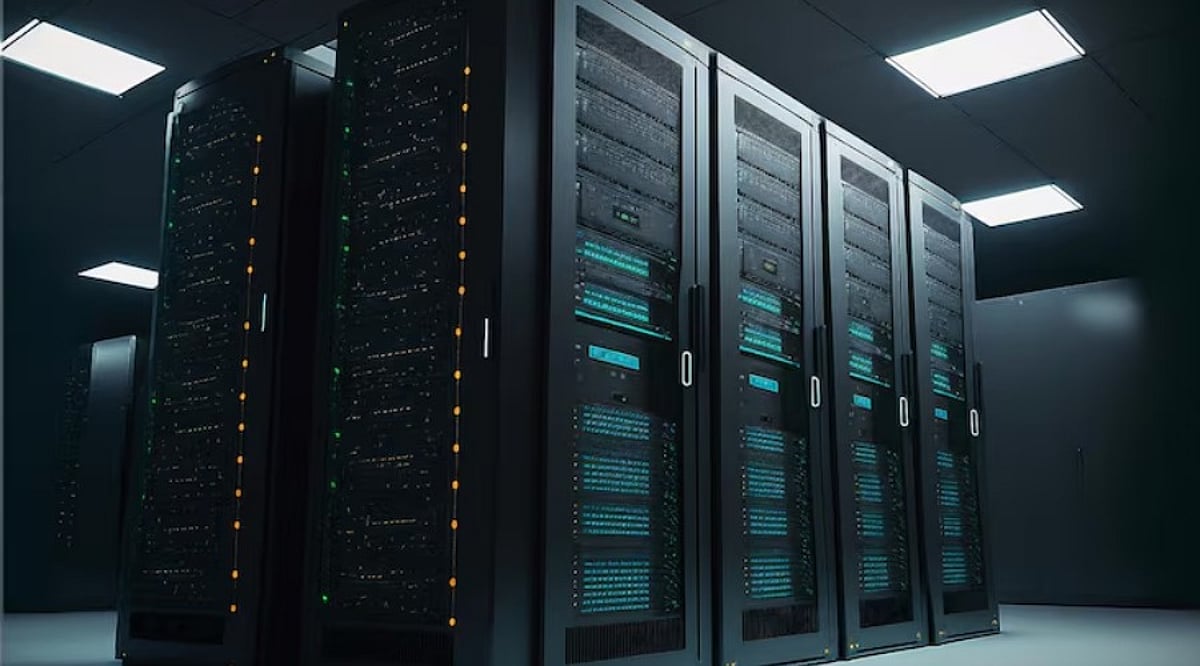
    India’s AI-driven digital transformation is rapidly elevating data centres from supporting infrastructure into a strategic national asset. With cumulative investment commitments exceeding $126 billion, strong government incentives, and surging demand from global hyperscalers, the sector is entering an unprecedented expansion phase.

    Global tech giants including Google, Microsoft, Amazon Web Services (AWS), and domestic operators like AdaniConneX and STT GDC India are aggressively building AI-ready facilities to meet soaring demand for cloud computing and AI workloads. However, long-term success will depend on overcoming significant challenges related to power supply, water usage, land availability, skilled talent, and project execution.

    Market Inflection Point

    According to a July 2026 KPMG report, India’s data centre sector stands at an inflection point where demand visibility, capital inflows, and technology shifts are aligning. The country’s total data centre capacity crossed 1,700 MW in 2025, with 440 MW added—a 160% jump from 2024. Projections indicate another 30% year-on-year growth in 2026, with approximately 500 MW of fresh supply expected. The market’s financial trajectory reflects this pace: IBEF projects the sector will reach $22 billion by 2030 at a 14-15% CAGR, while KPMG identifies a $46 billion opportunity in AI-optimised data centres alone by 2033, growing at a 35.1% CAGR.

    This growth is driven by three simultaneous forces: the explosion in AI workloads, accelerating enterprise cloud adoption, and India’s Digital Personal Data Protection Act, which restricts cross-border data transfers and effectively requires global companies to build physical infrastructure inside the country.

    Hyperscaler Commitments at Unprecedented Scale

    The scale of hyperscaler commitments to India in the past eighteen months is without precedent. Google announced a $15 billion investment in AI data centres in Andhra Pradesh in October 2025. Microsoft followed with a $17.5 billion commitment through 2030, building on an earlier $3 billion program. Amazon Web Services has pledged $35 billion by 2030. Domestically, AdaniConneX has announced $100 billion in renewable-powered hyperscale capacity through 2035, while STT GDC India was recently valued at close to $14 billion.

    India’s attractiveness rests on structural advantages: over 900 million internet users, average monthly wireless data consumption exceeding 25 GB per user, nearly 20% of global AI-related development activities, and software engineers available at roughly $20,000 per year—a fraction of costs in the US, Europe, or Singapore.

    Policy Shift: From Neutral to Active Enabler

    India’s regulatory environment has moved from passive observation to active facilitation. The Union Budget 2026-27 extended a 20-year tax holiday to eligible foreign cloud providers through 2047, along with 25-35% capital incentives for green technology adoption and a 15% safe harbor margin to reduce transfer pricing disputes. The draft National Data Center Policy, when finalized, is expected to streamline land, power, and environmental approvals—historically a primary bottleneck.

    Multiple states have introduced incentive frameworks: Telangana, Maharashtra, Andhra Pradesh, Tamil Nadu, and Uttar Pradesh are leading inflows, while tier-II cities including Ahmedabad, Visakhapatnam, Patna, and Bhopal are seeing growing developer interest driven by lower land costs and 5G rollout.

    The Execution Gap

    Despite momentum, a significant gap exists between announced and operational capacity. Less than 20% of announced capacity from roughly 30 large projects launched between March 2025 and April 2026—collectively adding around 3.5 GW—is currently live. Most large, multi-phase campuses have commissioning timelines extending to 2028 and beyond. Mumbai still accounts for over 50% of operational inventory, and with Chennai, Delhi-NCR, and Bengaluru, these four cities host nearly 90% of tier-I capacity. Hyderabad and Visakhapatnam together account for over 2 GW of planned AI-native capacity, but execution risk remains.

    Sustainability Constraints: Power and Water

    The most consequential constraints are physical. A 100 MW hyperscale facility requires approximately 2 million liters of water per day for cooling, yet 60-80% of Indian data centres face high water stress. Visakhapatnam district, where a 1 GW AI-native campus is planned, has the lowest groundwater availability for industrial use in Andhra Pradesh. On power, AI-ready facilities demand far higher density, often exceeding 50 kW per rack, straining local grid infrastructure. While India has surpassed 500 GW of total installed power capacity and renewables exceed 50% of generation in some periods, coal still supplies around 70% of actual generation. Operators like Nxtra and STT GDC India are already running at 60-63% renewable energy integration, but alignment between renewable capacity additions and data centre locations remains uneven.

    What Must Happen Next

    KPMG’s KG Purushothaman emphasized the need for integrated execution models combining engineering capability, AI readiness, regulatory understanding, and operational accountability. India needs to build delivery infrastructure: grid modernization, water-efficient and liquid-cooling technologies, specialized data centre workforce pipelines, and environmental frameworks that accommodate hyperscale facilities without depleting local resources.

    The workforce dimension is frequently underestimated. India has a world-leading IT workforce but not yet a world-class data centre operations workforce at the scale required. A modern hyperscale campus needs highly specialized mechanical and electrical engineers, HVAC and cooling plant operators, cybersecurity professionals, and power systems specialists—roles not produced in large numbers by current engineering education pipelines.

    The strategic parallel with India’s IT services industry is instructive. Data centres require a different asset base—land, power, water, fiber, and specialized operations—but the underlying logic of structural cost advantage and scale remains similar. Whether India captures 4-5% of global data centre capacity additions between 2026 and 2032, as CBRE projects, will depend less on capital availability and far more on whether physical, human, and regulatory infrastructure can be delivered fast enough to match the ambition.

    Why This Matters

    Artificial intelligence is dramatically increasing demand for computing power, cloud services, and high-performance data centres worldwide. As one of the world’s fastest-growing digital economies, India has an opportunity to become a major global AI infrastructure hub. However, investment announcements alone are not enough. Delivering hyperscale facilities requires reliable electricity, sustainable water management, high-speed connectivity, regulatory clarity, and a skilled workforce. Understanding these opportunities and constraints is essential for technology companies, cloud providers, policymakers, investors, and enterprises planning long-term digital infrastructure strategies.


  • Quordle Hints and Answers for July 20, 2026: Strategies to Solve Today’s Puzzle

    Quordle Hints and Answers for July 20, 2026: Strategies to Solve Today’s Puzzle

    Today’s Quordle puzzle (July 20, 2026) features four five-letter words linked to cake decoration, slippery surfaces, cheerful expression, and rising. One answer contains repeated letters, adding a small twist that requires careful letter placement. Below, we provide spoiler-free hints and the full answers to help you conquer all four grids.

    Overview

    The puzzle includes words related to cake decoration, slimy texture, happiness, and upward movement. The starting letters are I, S, G, and R, offering a useful clue before revealing the answers. Quordle challenges players to solve four words in just nine guesses, with each guess applying to all boards. Strategic word choices and careful elimination are key.

    Clues for Today’s Quordle

    • Word 1 (Top Left): Used for decorating cakes and pastries; also a hockey penalty.
    • Word 2 (Top Right): Slimy and smooth.
    • Word 3 (Bottom Left): Done in a light-hearted, joyful way.
    • Word 4 (Bottom Right): Has risen upwards; the sun has risen, or bread dough after proofing.

    Additional Clues

    One of today’s answers contains a pair of repeated letters. The four words begin with the letters I, S, G, and R. If you’re still solving, this is your final spoiler warning—stop reading if you want to find the answers yourself.

    Quordle Answers for July 20, 2026

    The answers are: ICING, SLICK, GAILY, and RISEN.

    Puzzle Analysis

    This puzzle is moderately difficult. ICING is easy from the baking hint, while SLICK may take time due to multiple meanings. GAILY is uncommon in everyday conversation, making it the hardest. RISEN is straightforward once you know the start and end.

    Conclusion

    Today’s Quordle offers a balanced mix of everyday vocabulary covering baking, textures, emotions, and movement. Most clues are direct, but the repeated letters in ICING and the less-used GAILY provide a satisfying challenge for regular players.

  • Bitcoin Slips to $63,870: Can BTC Reclaim the $64,400 Resistance Level?

    Bitcoin Slips to $63,870: Can BTC Reclaim the $64,400 Resistance Level?

    Bitcoin is currently trading near $63,870 after a sharp intraday decline that pushed the price below the critical $64,000 mark. Buyers stepped in to defend the $63,800 area, but bearish momentum remains strong. The short-term outlook depends on BTC’s ability to reclaim the $64,400 resistance level.

    Key Takeaways

    • Bitcoin trades near $63,870 after a sharp intraday selloff.
    • Key support stands at $63,700, while resistance begins near $64,400.
    • Fresh Bitcoin ETF inflows offer support, but bearish momentum remains strong.

    Bitcoin Technical Analysis

    The latest TradingView chart reveals a clear bearish trend on the 5-minute time frame. Bitcoin has formed a series of lower highs and lower lows, signaling that sellers remain in control. The price now sits below the 20-period, 50-period, and 200-period moving averages, indicating weak short-term momentum. Earlier in the session, Bitcoin failed to hold above the $64,800 to $65,000 zone. Heavy selling with large red candles and elevated volume suggests institutional or large trader participation. The lack of a strong recovery after the drop reinforces the current weakness.

    RSI Shows Selling Pressure May Slow

    The Relative Strength Index (RSI) dropped close to 30, a level often associated with oversold conditions. It has since edged slightly higher to near 32. This modest uptick suggests that the most intense selling pressure may have eased for now. However, the RSI remains well below the neutral 50 mark, confirming that bearish momentum still dominates. A meaningful recovery would require much stronger buying activity.

    Important Support and Resistance Levels

    Bitcoin is hovering near a crucial support zone at $63,700. If this level fails, the next support is around $63,500. A breakdown below these levels could trigger another wave of selling. On the upside, immediate resistance lies at $64,000, followed by $64,400. The strongest resistance zone is between $64,800 and $65,000, where sellers were active earlier in the day. A clear break above this area would be needed to shift sentiment bullish.

    Market Trend Remains Weak

    The overall market structure favors bears. Bitcoin trades below all key short-term moving averages and continues to make lower highs. Trading volumes have risen during the decline, confirming the bearish conviction. While buyers managed to halt the drop near $63,800, the resulting bounce is tepid and lacks the strength to signal a sustainable recovery.

    Latest Bitcoin News

    Spot Bitcoin ETFs have recorded fresh inflows after a period of outflows, providing some support. However, the inflows remain modest compared to prior outflows. Investors are also watching Federal Reserve policy expectations and geopolitical developments. Reports indicate that automated trading systems contributed to the latest selloff, briefly pushing Bitcoin below $63,000 before a partial recovery.

    Outlook

    Bitcoin remains under short-term bearish pressure despite the recent bounce. The price is around $63,900, but chart patterns favor sellers. A bullish reversal would require a decisive break above $64,400. If support at $63,700 breaks, a retest of $63,500 is likely. The next few trading sessions will be critical as the battle around $64,000 could set the near-term direction.

    FAQs

    What is Bitcoin’s current price? Bitcoin is trading around $63,870 after a sharp drop below $64,000. The short-term momentum remains bearish.

    Why did Bitcoin fall below $64,000? Strong selling pressure from automated trading systems and large institutional traders drove the price lower, with insufficient buying volume to absorb the selling.

    What are the important support levels? Immediate support is at $63,700. A break below this could lead to a move toward $63,500.

    What resistance levels should traders watch? Watch $64,000 as immediate resistance, followed by $64,400. The strongest zone is $64,800–$65,000.

    What could move Bitcoin next? ETF flows, Federal Reserve updates, geopolitical news, and whether buyers can push past key resistance levels will be decisive.