Blog

  • DDR4 vs DDR5 RAM: The Definitive Guide for Gamers and PC Builders in 2026

    DDR4 vs DDR5 RAM: The Definitive Guide for Gamers and PC Builders in 2026

    As we approach 2026, the debate between DDR4 and DDR5 RAM remains a critical decision for PC builders and gamers. Both memory standards offer distinct advantages, but choosing the right one depends on your budget, performance needs, and future‑proofing goals. Here is a comprehensive breakdown to help you decide.

    DDR4: Affordable and Reliable

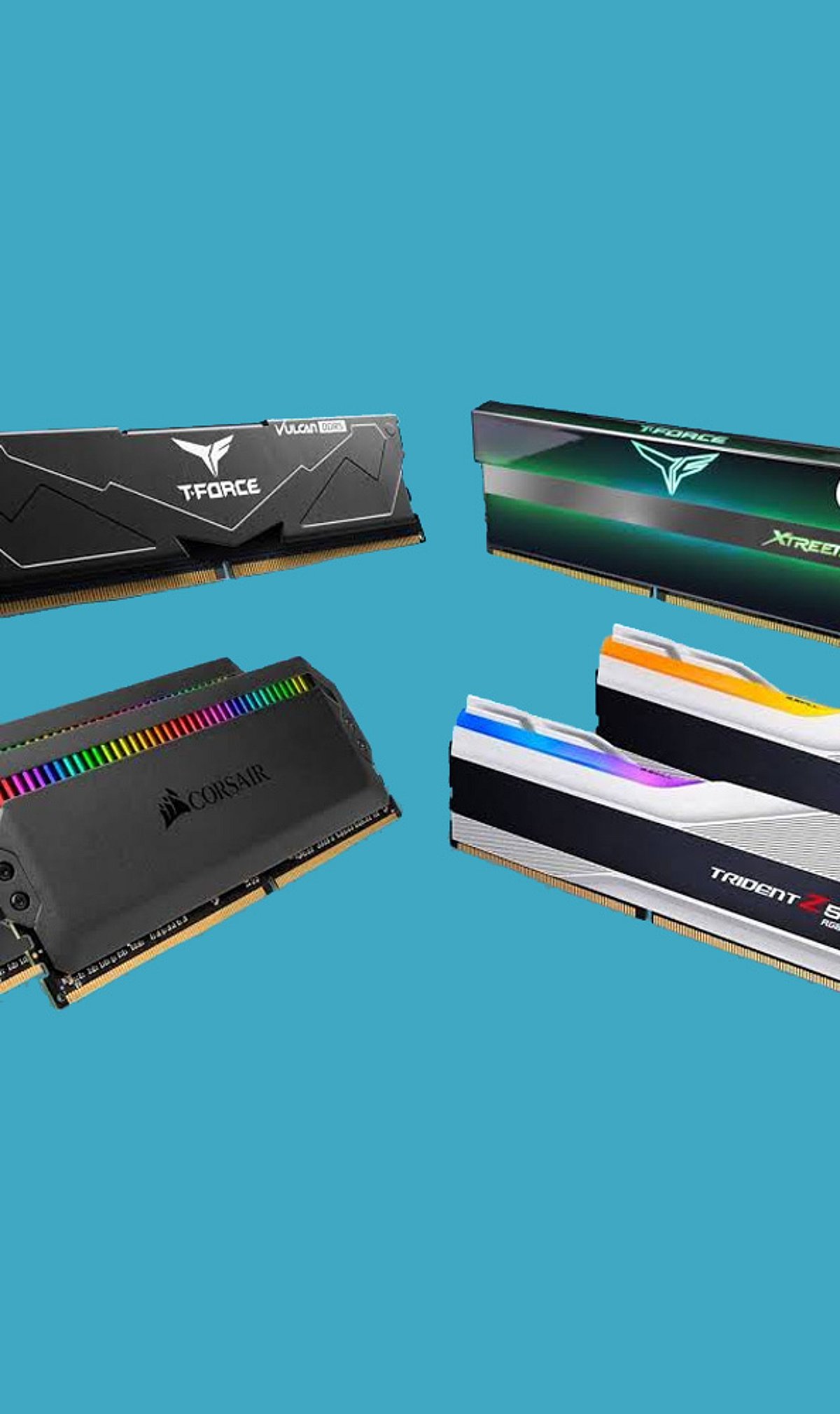
    DDR4 memory has been the industry standard for years and continues to deliver excellent gaming performance for budget and mid‑range PCs. Its mature ecosystem means lower prices and broad compatibility with existing motherboards and processors. For gamers who prioritize value and are building a system without cutting‑edge demands, DDR4 remains a smart choice.

    DDR5: Higher Bandwidth and Future‑Ready

    DDR5 offers significantly higher bandwidth and faster data transfer rates, which translate to better multitasking and improved performance in modern workloads. It operates at a lower voltage (1.1 V vs. 1.2 V for DDR4) and includes advanced power management for greater efficiency. New Intel and AMD platforms increasingly favor DDR5, making it the forward‑looking option.

    Gaming Performance: Where It Matters

    In most games, the difference in frame rates between DDR4 and DDR5 is modest. However, CPU‑intensive titles—such as open‑world games and real‑time strategy—benefit noticeably from DDR5’s higher bandwidth. Gamers who play demanding simulators or esports titles at high refresh rates may see tangible improvements, while casual players will likely be satisfied with DDR4.

    Content Creation and Productivity

    For video editing, 3D rendering, and AI workloads, DDR5’s increased memory bandwidth provides a clear advantage. Tasks that involve large datasets or frequent memory access run noticeably faster, making DDR5 the preferred choice for creators and professionals who rely on their PC for work.

    Power Efficiency

    DDR5 not only uses less voltage but also incorporates on‑module power management and improved data integrity features. This leads to lower overall power consumption and heat output, which can be beneficial in compact builds or systems where thermal management is a priority.

    Cost and Upgrade Path

    DDR4 systems remain significantly cheaper to build today. The memory itself is less expensive, and compatible motherboards and processors are widely available at lower price points. In contrast, DDR5 requires a newer motherboard and processor, increasing the upfront investment. However, as DDR5 matures, its prices continue to drop.

    Future‑Proofing

    Looking ahead, new Intel and AMD platforms are designed with DDR5 in mind. Choosing DDR5 now ensures your system can take advantage of upcoming CPU architectures and software optimizations. For builders who plan to keep their PC for several years, DDR5 is the smarter long‑term investment.

    Who Should Choose Which?

    Choose DDR4 if: You are building a budget‑focused gaming PC and want the best performance per dollar without needing the latest platform.

    Choose DDR5 if: You are building a high‑end gaming rig, a workstation for content creation, or simply want the most future‑proof memory available.

    Ultimately, both standards are viable in 2026. Your decision should balance current needs, budget, and how long you plan to keep your system before upgrading again.

  • AI-Powered Car Shopping: How to Find Your Ideal Vehicle in 2026

    AI-Powered Car Shopping: How to Find Your Ideal Vehicle in 2026

    Buying a car has never been smarter than in 2026, thanks to AI-powered tools that streamline the entire process. From setting a budget to evaluating electric vehicles, artificial intelligence now helps you make informed decisions in minutes rather than days.

    Define Your Budget Instantly

    AI filters thousands of vehicles based on your budget and preferred financing options, showing only the cars you can afford.

    Compare Models Side by Side

    Within seconds, AI compares performance, fuel efficiency, maintenance costs, and total ownership expenses across multiple models.

    Get Personalized Recommendations

    Receive tailored suggestions based on your driving habits, family size, and lifestyle preferences, ensuring the car truly fits your needs.

    Analyze Thousands of Reviews

    AI summarizes customer reviews into easy-to-understand insights, saving you hours of reading.

    Predict Ownership Costs

    Estimate fuel, insurance, maintenance, and depreciation before you buy, so there are no surprises down the road.

    Discover the Best Deals

    AI automatically tracks discounts, dealership offers, and seasonal promotions to help you find the best price.

    Check Safety Ratings

    Compare crash-test results and safety technologies across vehicles, giving you peace of mind.

    Evaluate Electric Vehicles

    AI calculates charging costs, driving range, and long-term savings for EVs, making the switch to electric easier than ever.

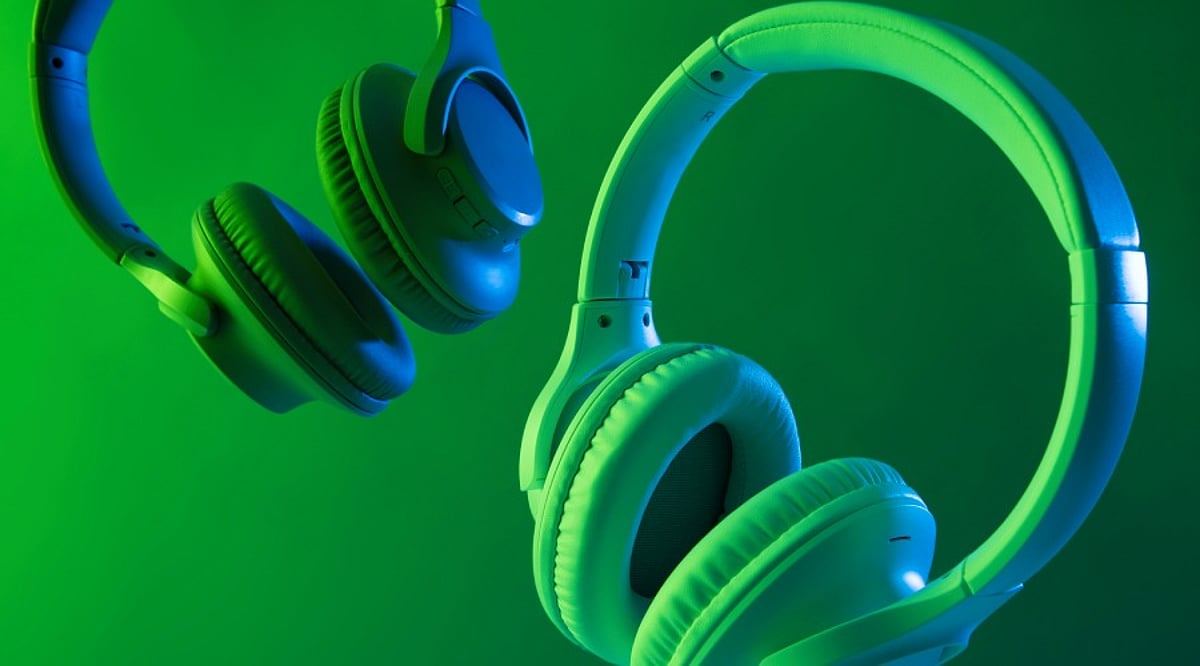
  • 2026 Noise-Canceling Headphones Buyer’s Guide: Top Models Compared

    2026 Noise-Canceling Headphones Buyer’s Guide: Top Models Compared

    Active noise cancellation (ANC) has evolved significantly, making headphones smarter and more effective than ever. Today’s top models offer improved sound quality, longer battery life, and advanced features like adaptive ANC, multipoint Bluetooth, and high-resolution audio support. Sony and Bose continue to lead the premium segment with industry-leading ANC, while Sennheiser focuses on audio fidelity and JBL delivers feature-rich options at competitive prices. This guide compares the best noise-canceling headphones of 2026 to help you find the perfect pair for your needs.

    Overview of the Best ANC Headphones

    • Sony WH-1000XM6 – Exceptional ANC, premium sound, smart features, and reliable all-day battery life.
    • Bose QuietComfort Ultra – Best for travelers needing class-leading noise cancellation and comfort.
    • JBL and Sony – Offer affordable, feature-packed options without compromising battery life or comfort.

    Top Noise-Canceling Headphones Compared

    Sony WH-1000XM6

    The WH-1000XM6 delivers ANC that effectively blocks aircraft cabin noise, traffic, and office conversations without sacrificing audio quality. It supports LDAC for high-resolution wireless audio, multipoint Bluetooth for seamless device switching, and offers over 30 hours of battery life. Buy Now!

    Bose QuietComfort Ultra

    The QuietComfort Ultra is one of the best ANC headphones for challenging environments like flights, trains, and busy areas. It features a well-balanced sound signature, sturdy build, and exceptional comfort. Although battery runtime is lower than some competitors, overall performance is outstanding. Buy Now!

    Sennheiser Momentum 4 Wireless

    Built for audiophiles, the Momentum 4 delivers clear vocals, excellent instrument separation, and a balanced sound signature suitable for any genre. Battery life reaches up to 60 hours, though ANC isn’t as powerful as Sony or Bose models. Buy Now!

    JBL Live 780NC

    This mid-range model brings flagship features like adaptive ANC, LDAC and LC3 codec support, spatial audio, and over 60 hours of battery life. Noise cancellation is especially effective against low-frequency sounds, making it ideal for office use and commuting. Buy Now!

    Sony WH-CH720N

    Lightweight and comfortable, the WH-CH720N offers noise cancellation and up to 50 hours of battery life. Despite a plastic build, it delivers the best listening experience in its price range. Buy Now!

    JBL Tune 780NC

    An affordable option with adaptive ANC, powerful bass-heavy sound, and a remarkable 76 hours of battery life. Buy Now!

    Which One Should You Buy?

    Your choice depends on your priorities. For overall performance, the Sony WH-1000XM6 is the best all-rounder. If maximum ANC is critical, the Bose QuietComfort Ultra is unmatched. Music lovers will appreciate the Sennheiser Momentum 4’s sound quality, while budget-conscious buyers should consider the Sony WH-CH720N or JBL Tune 780NC.

    Final Verdict

    Active noise cancellation technology continues to evolve, turning headphones into personal sanctuaries you can carry anywhere. Whether for remote work, travel, gaming, or entertainment, today’s best models adapt to your lifestyle. Investing in a pair that complements your daily routine delivers far greater value than focusing on specs alone.

    Frequently Asked Questions

    Which noise-canceling headphones offer the best overall performance in 2026?

    The Sony WH-1000XM6 stands out with industry-leading ANC, excellent sound quality, multipoint Bluetooth, premium comfort, and over 30 hours of battery life.

    Which headphones have the strongest active noise cancellation?

    The Bose QuietComfort Ultra delivers the most effective ANC, ideal for flights, trains, offices, and other noisy environments.

    Which noise-canceling headphones are best for music lovers?

    The Sennheiser Momentum 4 Wireless offers a balanced sound signature, detailed vocals, impressive instrument separation, and up to 60 hours of battery life.

    What is the best budget noise-canceling headphone under Rs. 10,000?

    The Sony WH-CH720N provides dependable ANC, lightweight comfort, impressive battery life, and strong overall performance at an affordable price.

    Are JBL noise-canceling headphones worth buying?

    Yes, JBL’s Live 780NC and Tune 780NC offer excellent value with adaptive ANC, long battery life, rich audio features, and competitive pricing.

  • Top 8 Cryptocurrencies Over $10 Billion Market Cap in 2026: Performance and Adoption

    Top 8 Cryptocurrencies Over $10 Billion Market Cap in 2026: Performance and Adoption

    The cryptocurrency market continues to evolve, with large-cap assets maintaining their dominance through strong adoption and technological innovation. In 2026, several cryptocurrencies with market capitalizations exceeding $10 billion are leading the charge. Here’s a closer look at the best performers.

    Bitcoin (BTC)

    As the world’s largest cryptocurrency, Bitcoin remains the benchmark for long-term investors. Its established track record and institutional adoption solidify its position as a store of value.

    Ethereum (ETH)

    Ethereum dominates the decentralized finance (DeFi) and smart contract space. Continuous network upgrades, including scalability improvements, enhance its utility and developer appeal.

    Solana (SOL)

    Solana is known for lightning-fast transactions and a rapidly expanding developer ecosystem. Its high throughput and low fees make it a favorite for decentralized applications.

    XRP

    XRP continues to expand cross-border payment solutions, attracting growing institutional interest. Its focus on efficient global transactions keeps it relevant in the financial sector.

    BNB

    BNB powers one of the world’s largest blockchain ecosystems, the Binance platform. It offers multiple real-world utilities, including transaction fee discounts and participation in token sales.

    Dogecoin (DOGE)

    Dogecoin remains one of the most recognized community-driven digital assets. Its widespread acceptance and active community contribute to its enduring popularity.

    Cardano (ADA)

    Cardano focuses on research-driven blockchain innovation and sustainable scalability. Its peer-reviewed approach and commitment to interoperability set it apart.

    Chainlink (LINK)

    Chainlink provides secure blockchain oracles that connect smart contracts with real-world data. Its critical role in DeFi and enterprise solutions ensures continued demand.

    These large-cap cryptocurrencies are not only performing well but also driving the next wave of blockchain adoption. Investors and enthusiasts should keep an eye on their developments throughout 2026.

  • Christopher Nolan Calls AI a ‘Trojan Horse’ and Says Young Audiences Are Turning Away from AI-Generated Content

    Christopher Nolan Calls AI a ‘Trojan Horse’ and Says Young Audiences Are Turning Away from AI-Generated Content

    Renowned filmmaker Christopher Nolan has described artificial intelligence as a “Trojan horse,” warning that while AI can be a useful tool, replacing human creativity with it is “nonsense.” His comments come amid growing debate over the technology’s impact on filmmaking, storytelling, and the value of human-made work.

    Nolan Says AI Is Facing Strong Public Resistance

    Nolan believes that public reactions to generative AI have been particularly swift and aggressive. According to the director, younger generations—including his own children—can easily identify and disregard what is often called “AI slop.”

    “The younger generation has grown up online and understands how digital content is created and circulated,” Nolan said. That familiarity, he suggested, makes it easier for them to recognize content that feels artificial or lacks genuine creative effort.

    He also views AI as an irreversible technological wave. The industry, he noted, has spent enormous effort marketing AI, but audiences are not responding in the same way.

    ‘Replacing Human Creativity Is Nonsense’

    Nolan does not believe artificial intelligence will replace human creativity. While he acknowledged that AI might be useful as a practical tool, he stressed that it cannot substitute the human role as a creative filmmaker and artist.

    For Nolan, filmmaking is always about the human element, the physical world, and performances. His creative process typically relies on practical effects, location shooting, and large-format cinematography. This approach was evident in his adaptation of The Odyssey, an ancient epic designed to be a big-screen experience emphasizing scale and physical filmmaking.

    Nolan’s remarks arrive as Hollywood continues to debate the use of generative AI. The technology has sparked concerns over hiring writers, the nature of writers’ work, and the future of creative jobs. The debate also played a role in the 2023 Hollywood strikes. While some filmmakers and studios are exploring AI tools, others argue that technology should assist human creators rather than replace them.

    Also read: San Francisco Urges Apple, Google to Remove AI Nudify Apps

  • Xbox Game Pass Loses 7 Titles on July 31 – Final Chance to Play These Games

    Xbox Game Pass Loses 7 Titles on July 31 – Final Chance to Play These Games

    Microsoft has confirmed that seven games will leave Xbox Game Pass on July 31, giving subscribers a limited window to finish them or purchase them at a discount before they’re removed from the service.

    The departing titles are Crusader Kings 3, My Friendly Neighborhood, Back to the Dawn, Mount and Blade 2: Bannerlord, Rain World, Celeste, and Sniper Elite: Resistance. Among these, Crusader Kings 3 and Celeste hold impressive OpenCritic scores of 90 and 92, making them especially notable for gamers looking to grab a bargain before they vanish.

    As always, Game Pass members can purchase any of these games at a discounted price before they leave the library. This is the last opportunity to add them to your permanent collection without paying full retail.

    New Games Are on the Way

    Games rotate out of Xbox Game Pass every month, but fresh titles are constantly being added. Microsoft has not yet revealed the full lineup for the coming weeks, but two new arrivals have been confirmed: Shift at Midnight, a cooperative detective horror game, arrives on July 22, followed by Halo: Campaign Evolved on July 28. More announcements are expected shortly.

    Strategy Alternatives for Fans

    If you’re sad to see Crusader Kings 3 go, don’t worry — Game Pass still offers several strong strategy titles. Age of Empires IV lets you manage armies and build empires, while Age of Mythology: Retold adds mythological creatures and divine powers. If Civilization VI is available in your region, it’s another excellent choice for fans of deep, turn-based strategy.

  • Apple Music and Apple One Subscription Prices Rise in India

    Apple Music and Apple One Subscription Prices Rise in India

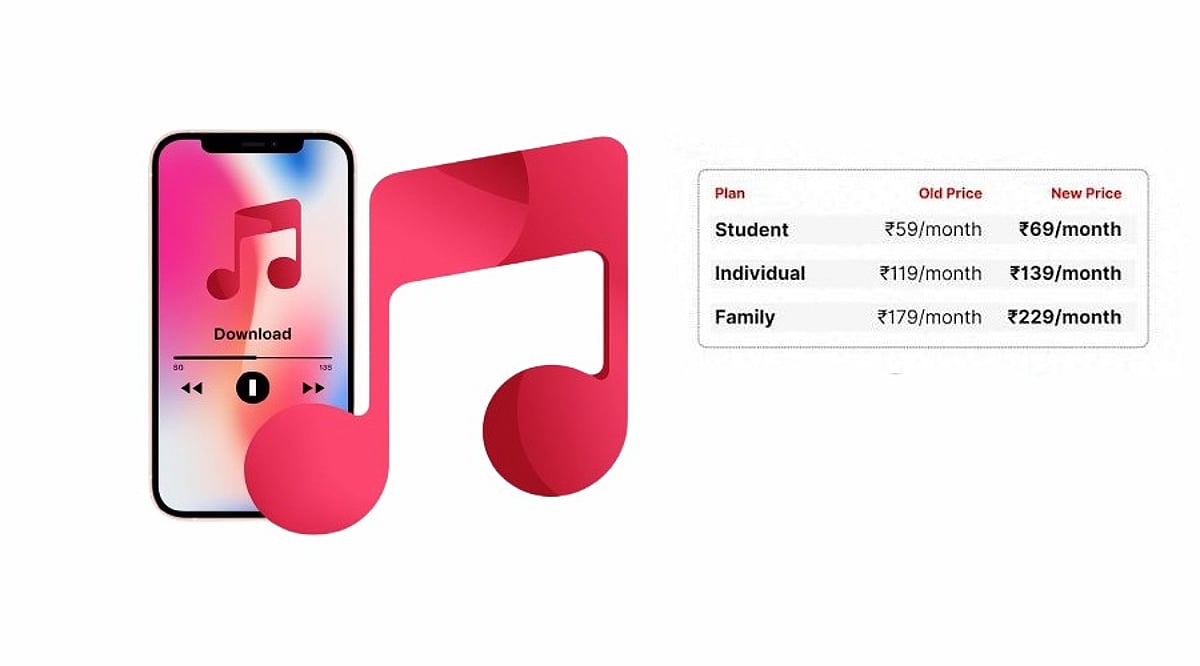
    Apple has increased the prices of Apple Music and Apple One subscription plans in India. The new rates are effective immediately for new subscribers, while existing users will see the higher charges applied starting with their next monthly payment. This marks the first price adjustment for Apple’s music streaming service in the country since 2024.

    The Apple Music Individual plan now costs ₹139 per month, up from ₹119. The Student plan has risen from ₹59 to ₹69 per month. The Family plan, which allows up to six family members to enjoy separate accounts with personalized playlists and recommendations, now costs ₹229 per month instead of ₹179.

    Apple has also revised the pricing for its Apple One bundles. The Individual plan now costs ₹195 per month, up from ₹175. The Family plan has increased from ₹365 to ₹445 per month. The Premier plan, which includes the most services, now costs ₹595 per month, compared to the previous ₹499.

    Apple One combines multiple Apple services—including Apple Music, Apple TV+, Apple Arcade, and iCloud storage—into a single subscription. For users who regularly use more than one Apple service, the bundle can still offer cost savings despite the price increases.

    Apple has not provided an official reason for the price hike. However, similar increases have already been implemented in markets such as the United States, the United Kingdom, and parts of Europe. Industry reports suggest that rising music licensing fees and service delivery costs may be contributing factors.

    This subscription price adjustment follows recent price increases on select Mac, MacBook, iPad, Apple TV, and HomePod models in various regions. Apple also raised iPhone prices in Japan. The pattern indicates a broader strategy of increasing costs across both hardware and subscription services.

    Even with the higher prices, Apple One may remain a cost-effective choice for households that use multiple Apple services. The narrower price gap between Apple Music and Apple One could encourage more users to opt for the bundle rather than paying for each service individually.

  • BTC Holds Steady Near $64K as Oil Rally and AI Uncertainty Rattle Markets

    BTC Holds Steady Near $64K as Oil Rally and AI Uncertainty Rattle Markets

    Bitcoin remained near $64,200 on Monday as traders weighed a sharp jump in oil prices against ongoing market disruption from Moonshot AI’s Kimi K3 release. Ether outperformed at $1,860, while most major tokens saw minimal movement.

    The cryptocurrency market stayed mixed. XRP held near $1.09, Solana traded around $76, BNB eased to $565, and Dogecoin remained close to $0.07. HYPE fell 10% on the week to $60.

    Oil and AI Reset Risk Appetite

    Brent crude rose as much as 4% to $91.42 a barrel, its highest level since June, following wider US and Iranian strikes that extended beyond military targets. This surge revived inflation worries just after soft US price data had eased them. Rising oil prices also pressured risk assets across markets, including crypto.

    At the same time, equities continued digesting Friday’s AI-led selloff. Moonshot AI’s Kimi K3, an open-weight Chinese model, took the top spot on a widely watched coding benchmark.

    Crypto Follows the Broader Risk Trade

    The Kimi K3 release hit semiconductor shares and pulled crypto lower into the weekend. The pressure spread into Asia on Monday, where South Korea’s Kospi fell 3.5% after a holiday break. US futures steadied later in the session. The Nasdaq 100 rose 0.5%, but the market still faced questions about the strength of the AI trade.

    For crypto, the two shocks pulled in different directions. War-driven oil supported inflation concerns and rate pressure. Meanwhile, AI weakness hit chip stocks that bitcoin has tracked closely during the month.

    With major US economic data largely out of the way, the focus this week shifts to corporate earnings. Alphabet reports on Tuesday, Tesla on Wednesday, and Intel on Thursday.

    Armstrong Rejects Mining Alarm

    Coinbase CEO Brian Armstrong dismissed Chamath Palihapitiya’s warning that AI demand could threaten Bitcoin mining. Armstrong said Bitcoin’s difficulty adjustment keeps price separate from hash power.

    Palihapitiya argued that miners could earn 10 to 20 times more by selling electricity to AI operators. He described the shift as structural, while also saying he could be wrong. He also said marginal liquidity now favors prediction markets and equities over bitcoin, pointing to daily prediction market activity that often exceeds $300 million.

    Armstrong answered that falling hash power does not determine Bitcoin’s price. He said the network adjusts automatically and keeps block production near ten minutes. He linked Bitcoin’s value to sovereign deficits rather than mining power. His remarks matched recent views that frame BTC as digital gold instead of a payments network.

    Investors will now watch major corporate earnings for further market direction.

  • Netflix Acquires Ben Affleck’s AI Startup InterPositive for $587 Million to Boost Original Content Production

    Netflix Acquires Ben Affleck’s AI Startup InterPositive for $587 Million to Boost Original Content Production

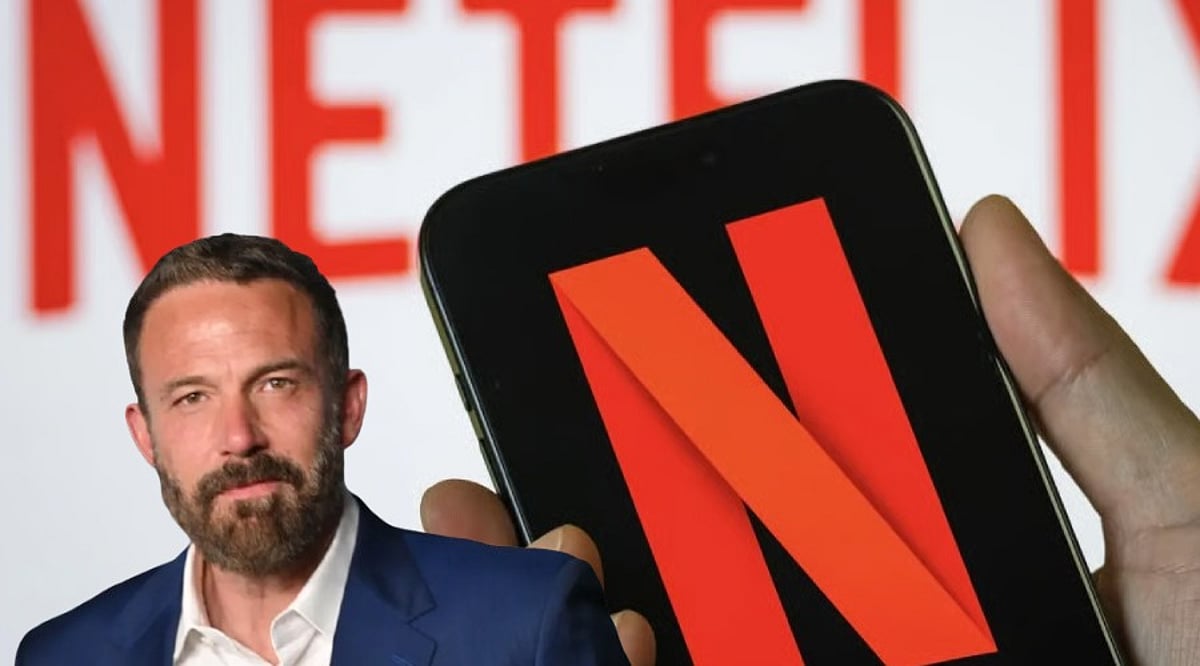
    Netflix is making another big bet on artificial intelligence by agreeing to buy InterPositive, the AI filmmaking startup co-founded by Ben Affleck. The acquisition news came to light initially in March 2026.

    According to the latest reports found in a regulatory filing, the deal is worth around $587 million, and they paid this amount in cash as part of the acquisition. If the acquisition successfully happens, it will be Netflix’s biggest investment in AI tools for film and TV production.

    When the news first surfaced, Ben Affleck mentioned that the deal aims to ‘protect the power of human creativity.’ He added, “InterPublic’s AI tools help filmmakers improve their footage in post-production, particularly with real-world production challenges such as missing shots, background replacements or incorrect lighting.”

    Netflix also announced that the entire InterPositive team will join the company, with Affleck as a senior advisor. While Netflix has not shared exactly when the technology will be used, the company believes AI can help creators work faster without replacing them.

    The move comes as streaming companies continue to spend billions on original content every year. Finding ways to streamline production has become just as important as creating new shows. InterPositive’s technology could help Netflix release more original movies and series each year. If parts of the production process take less time, creative teams may be able to work on more projects over the same period.

    Netflix has not announced any immediate changes to its production process. However, this deal shows that the company believes AI will play a bigger role in creating future Netflix Originals.

  • Samsung Galaxy Unpacked 2026: What to Expect from the July 22 London Event

    Samsung Galaxy Unpacked 2026: What to Expect from the July 22 London Event

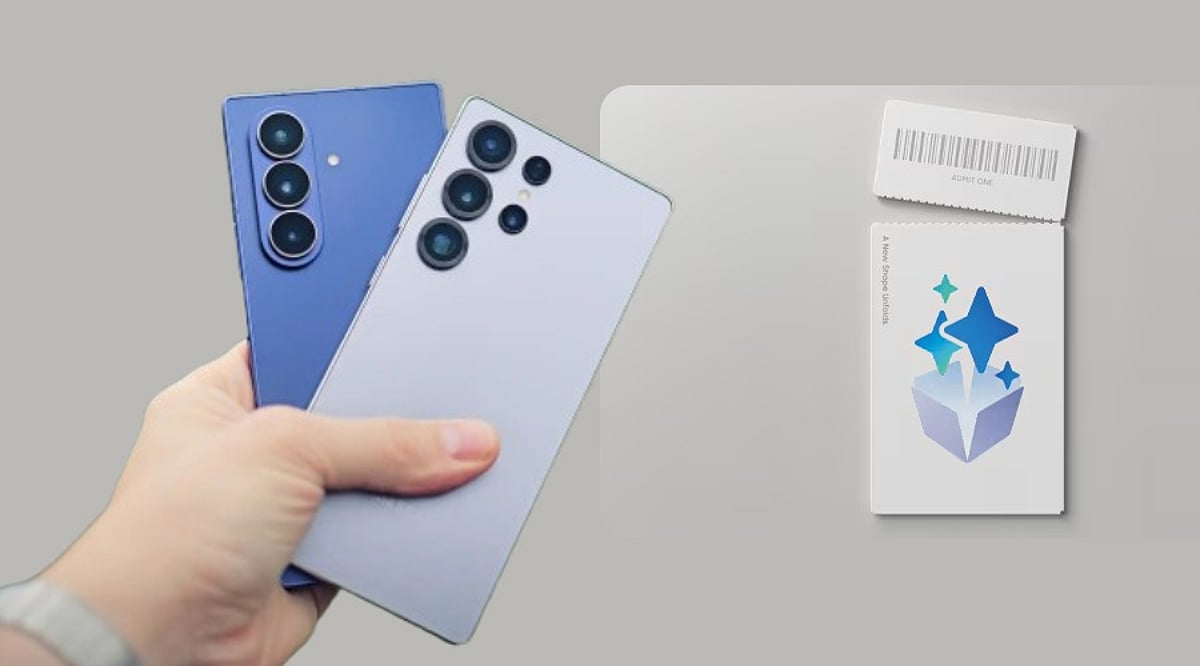
    Samsung is gearing up for one of its biggest technology showcases of the year with Galaxy Unpacked 2026, scheduled for July 22 in London. The event is expected to highlight the company’s next-generation foldable smartphones, AI-powered software features, and an expanded lineup of wearable devices. While Samsung has kept official details under wraps, teasers, industry leaks, and analyst reports suggest that the company is preparing one of its most comprehensive product launches in recent years.

    Next-Generation Foldables Expected to Lead the Showcase

    It seems that the foldable phones will continue to serve as the highlight of the Galaxy Unpacked event for the year. It is believed that Samsung will be unveiling its Galaxy Z Fold 8, Galaxy Z Flip 8, and the new flagship foldable phone which some sources claim to be named the Galaxy Z Fold 8 Ultra. There have been rumors about the launch of an additional foldable phone which will come with a book-fold design similar to that of a tablet.

    The upcoming foldables will feature slimmer designs, better hinges, minimized display creases, increased battery capacity, and the latest generation of the Snapdragon processor by Qualcomm. Samsung has also announced the development of its new foldable display technology called the Flex Titanium.

    Galaxy AI and Wearables Could Receive Major Upgrades

    Artificial intelligence is projected to feature prominently in various parts of the event. Samsung has dropped subtle hints that its upcoming Galaxy products will offer improved AI experiences compared to those seen previously in the form of Galaxy AI which was unveiled in early 2023. The advancements are expected to boost productivity, communication, photography, and on-device intelligence.

    Apart from smartphones, Samsung will reveal the Galaxy Watch 9 and Galaxy Watch Ultra 2 along with advanced health tracking features thanks to wearable processors. Speculations abound of new AI-driven products being announced at the event, including Samsung’s much-talked-about smart glasses and potentially, new open-ear wireless earbuds that could increase situational awareness for users.

    AI Ecosystem and Software Experience in Focus

    In contrast to just concentrating on hardware, it seems that Samsung plans to turn Galaxy Unpacked 2026 into an event that will demonstrate its comprehensive approach to the AI ecosystem. Samsung has been stressing its vision of the intelligent software that is coupled with innovative forms of devices that would help to have better experiences while using different products.

    Software-related improvements may come from a new edition of One UI, additional AI features, health tracking enhancements, better multitasking experience on foldable devices, and improved connectivity between devices. All these developments may be helpful for Samsung to compete better, as smartphones are currently becoming more about AI than about hardware specifications.

    Also Read: Samsung Drops Biggest Galaxy Watch 9 Tease Yet Ahead of Unpacked 2026

    A Pivotal Event for Samsung’s Mobile Strategy

    Galaxy Unpacked has always been Samsung’s stage for unveiling its most innovative products in the mobile category, and the Galaxy Unpacked event in 2026 is not an exception. With the introduction of new foldables, smartwatches with new capabilities, and even possibly the launch of some other product lines, Galaxy Unpacked 2026 can define Samsung’s mobile strategy in the rest of the year.

    The increasing competition in the premium smartphones and AI devices market means that Galaxy Unpacked 2026 will provide insight into how Samsung intends to preserve its leading position in foldable devices while building up its ecosystem. It is anticipated that Samsung will officially reveal the details of the products in its lineup during its event on July 22.