Blog

  • Bitcoin Targets $65,000 as JPMorgan Highlights Growing Institutional Demand

    Bitcoin Targets $65,000 as JPMorgan Highlights Growing Institutional Demand

    Bitcoin is trading near $63,963 after a 1.7% gain in the last 24 hours, fueled by renewed demand for US spot Bitcoin ETFs and a broader recovery in risk assets. The cryptocurrency reached an intraday high of $64,287 but has yet to break decisively above the $65,000 mark.

    Spot Bitcoin ETFs have recorded four consecutive sessions of net inflows, a shift from earlier reports of three days. This sustained demand provides a stronger foundation for Bitcoin’s price, although resistance persists and lower trading volumes may limit further upside. Softer US inflation data has also supported demand for rate-sensitive assets, including major cryptocurrencies and tech stocks.

    Bitcoin ETF Inflows Extend to Four Days

    US spot Bitcoin ETFs saw $181.1 million on July 14, $107.7 million on July 15, and $79.1 million on July 16, totaling about $368 million. An additional $132.3 million inflow on July 17 extended the positive run to four trading days. This marks a sharp reversal from July 13, when net outflows hit $424.7 million. BlackRock’s IBIT led with $136.5 million in inflows on Friday, while Fidelity’s FBTC saw a $4.2 million outflow. Total net inflows since launch now stand at approximately $51.4 billion.

    JPMorgan Sees Support From Strategy

    JPMorgan analysts described Strategy’s larger cash reserve and positive Bitcoin futures flows as encouraging signs for the cryptocurrency’s outlook. They noted that spot ETF flows have fluctuated sharply but expressed support for the longer-term picture without confirming a trend from the recent rebound. Strategy increased its cash reserve from $2.55 billion to $3 billion to support preferred stock dividends and interest payments. The company holds 843,775 BTC on its balance sheet, purchased for $63.69 billion at an average price of $75,476. No Bitcoin was bought in the latest reporting week.

    JPMorgan also reported positive flows in both Chicago Mercantile Exchange Bitcoin futures and perpetual futures markets, which often reflect institutional activity more closely than leveraged products tied to Strategy. The analysts noted it is difficult to determine whether Strategy’s cash buildup directly influenced market sentiment.

    Bitcoin Price Faces the $65,000 Test

    Bitcoin’s next key test is the $65,000 level, which it briefly surpassed earlier in the week before losing momentum. A daily close above this area, supported by higher trading volume and continued ETF inflows, could open the path toward the recent upper range. Failure to hold $63,500 would shift focus to the $62,500 area, near the latest intraday low.

    Separate data shows that digital asset products recently ended an eight-week outflow streak totaling about $8 billion. Approximately $287 million returned last week, followed by further inflows after softer US inflation data. However, a move toward $80,000 may require a clearer change in interest-rate expectations.

    ETF flow figures will provide the next direct measure of regulated demand. Price action around $65,000 will also indicate whether buyers can absorb available supply. A close below $62,500 would weaken the current structure, while a close above $65,000 on higher volume would confirm a stronger short-term recovery.

  • Tesla Stock Poised for 7% Swing as Q2 Earnings Put AI and Robotaxi Plans in Focus

    Tesla Stock Poised for 7% Swing as Q2 Earnings Put AI and Robotaxi Plans in Focus

    Tesla stock enters a key earnings week with options traders preparing for a sharp move. The company will release its second-quarter results after the market closes on Wednesday, July 22, followed by an earnings call at 5:30 p.m. Eastern Time.

    Recent options pricing points to a potential swing of about 7% in either direction by Friday. Based on Thursday’s close, that range could take TSLA stock near $365 or above $416. Shares closed Friday at $380.84, down 2.6%.

    The expected move reflects that traders see room for a strong reaction to the Q2 report, though options pricing does not predict direction. Tesla shares have fallen more than 10% since the start of 2026, and a 7% rise would recover part of those losses, while a similar decline would push the stock further below analyst targets.

    Wall Street remains divided on Tesla’s valuation. Among 11 analysts tracked by Visible Alpha, six rate the stock neutral, four rate it a buy, and one recommends selling. Price targets range from $130 to $600, with a $408 average. Morgan Stanley recently raised its price target to $417 from $415, maintaining an equal-weight rating and expecting a solid quarter. The firm noted that the key investor debate remains whether Robotaxi and Optimus progress can justify an accelerating AI investment cycle.

    For the second quarter, Tesla’s company-compiled consensus calls for revenue of $27.58 billion, up from $22.50 billion a year ago. Analysts expect non-GAAP earnings of $0.55 per share and GAAP earnings of $0.36. Automotive revenue is projected at $20.05 billion, energy storage at $3.77 billion, and services at $3.76 billion. Wall Street anticipates a 19.5% gross margin but also forecasts negative free cash flow of about $3.25 billion and capital spending near $6.70 billion.

    Tesla delivered 480,126 vehicles during the quarter and produced 451,758, with Model 3 and Model Y deliveries reaching 467,762. The company also deployed 13.5 gigawatt-hours of energy storage products.

    Investors are expected to look beyond vehicle sales during the call, as Tesla shifts resources toward autonomous driving, Robotaxi services, the Optimus humanoid robot, energy storage, and other AI-linked projects. Progress on Robotaxi and Optimus could shape the stock reaction, with analysts seeking clearer timelines, spending plans, and commercial targets. The Tesla Semi program may also draw questions, especially after Tesla opened a public Megacharger station in Bloomington, California, and encouraged fleet customers to install chargers at their depots.

    Investors have submitted questions about Semi production, sales estimates, and revenue. While Tesla does not answer every submitted question, the Q2 call will provide the next scheduled update on financial results and the company’s broader growth plans.

  • JEE Main 2027 Book Selection Guide: Subject-Wise Best Resources for Success

    JEE Main 2027 Book Selection Guide: Subject-Wise Best Resources for Success

    Overview

    Choose limited trusted books and revise repeatedly instead of collecting unnecessary study materials for success. Build strong concepts through NCERT before moving to advanced practice books across all subjects consistently. Maintain an error notebook and prioritize revision to improve accuracy, confidence, and final examination performance effectively.

    Most JEE aspirants face the same problem at the start of their preparation. Their study table fills up with six Physics books, four Maths books, and half-finished chapters everywhere. This scattered approach rarely works. Toppers do not win by owning the biggest book collection. They win by picking a few good books, reading them again and again. This guide breaks down the best books for JEE Main 2027, subject by subject, to remove the confusion most students face when choosing study material.

    Start with NCERT First

    NCERT deserves the first spot on every JEE aspirant’s list. Many students ignore it, thinking it is too basic for JEE Main. This is a costly mistake. A large share of Chemistry questions comes straight from the NCERT lines. Physics also draws several core concepts from it. Finish the NCERT for all three subjects before touching any reference book. NCERT works as the base layer, not a side note.

    Physics: Understanding Comes Before Speed

    Many students struggle with Physics in the early months. They memorize formulas without understanding why they exist. Their scores stay flat for weeks as a result. Things usually change once a student picks up Concepts of Physics by H.C. Verma. This book explains the logic behind each formula. It does not rush the reader. Toppers often solve both volumes slowly and revisit tricky chapters more than once. After building that base, most students move to DC Pandey’s Understanding Physics Series. This set offers structured practice with rising difficulty. Speed and confidence tend to grow together through this stage. Advanced books like Irodov work best later in preparation. Jumping into hard problems too soon only creates frustration and wastes valuable time.

    Chemistry: A Different Plan for Each Part

    Chemistry is not one subject. It has three distinct parts, each requiring its own approach. For Physical Chemistry, OP Tandon and N. Awasthi work well alongside NCERT. These books contain strong numerical sections. Solving each sum by hand, instead of jumping straight to the answer key, builds real calculation speed over time. For Organic Chemistry, M.S. Chauhan’s practice book remains a strong choice. It focuses heavily on reaction mechanisms. Practicing the same reaction types multiple times helps students recognize patterns rather than memorize them blindly. For Inorganic Chemistry, NCERT alone does most of the job. Reading it five or six times over two years builds strong recall. Advanced books can confuse students at this stage, so sticking to the NCERT revision usually pays off more.

    Mathematics: Pick One Book and Stay Loyal

    Mathematics tests patience more than any other subject. Many students collect Cengage, Arihant, and a few random guides, yet finish none of them properly. The better path is to choose one main book, such as the Cengage Mathematics Series, and solve every question inside it, from the easy ones to the tough ones. Switching books halfway through only breaks momentum. Once the main book is complete, two full revisions before adding new material work far better than jumping around. Arihant Skills in Mathematics can help later with topic-wise practice. It works best once Cengage or a similar main book is already finished.

    The One Lesson that Changes Preparation

    Buying books feels productive, but it is not the real work. The real work happens when a student sits down and solves problems from the same book repeatedly. Keeping an error log makes a real difference here. Every mistake, along with a short note on why it happened, teaches more about weak spots than any new book ever could. Revision beats variety, plain and simple. One book solved five times will always outperform five books read once each.

    Final Thoughts

    JEE success depends on discipline, not on the number of books stacked on a desk. H.C. Verma for Physics, OP Tandon for Physical Chemistry, MS Chauhan for Organic Chemistry, and Cengage for Mathematics can support serious aspirants through their preparation. Students should pick their books early and solve every problem themselves before checking the solution. Regular revision and honest tracking of mistakes matter more than adding new material. This approach has worked for countless JEE toppers, and it can work for anyone willing to follow it with discipline. Rank in JEE will depend less on the books a student owns and more on how deeply they study the ones they choose.

    FAQs

    1. Which is the best book to start JEE Main 2027 preparation? Students should begin with NCERT textbooks for Physics, Chemistry, and Mathematics. They build the basic concepts needed before moving to advanced reference books.
    2. Is NCERT enough for JEE Main 2027? NCERT is essential, especially for Chemistry, but it should be supplemented with standard reference books like H.C. Verma, DC Pandey, OP Tandon, and Cengage for complete preparation.
    3. Which Physics book is best for JEE Main 2027? Concepts of Physics by H.C. Verma is one of the best books for understanding fundamentals. Students can then practice advanced questions with DC Pandey’s Understanding Physics series.
    4. Which Mathematics book should students use for JEE Main? The Cengage Mathematics Series is a popular choice for comprehensive preparation. Completing one book thoroughly is more effective than using multiple books without finishing them.
    5. How many books are enough for JEE Main 2027 preparation? Students do not need a large collection of books. One reliable book per subject, along with NCERT and regular revision, is usually enough for effective JEE Main preparation.
  • Why iMessage Fails HIPAA Compliance and What Healthcare Teams Need Instead

    Why iMessage Fails HIPAA Compliance and What Healthcare Teams Need Instead

    If anyone on your team uses an iPhone, iMessage is already in their pocket. It’s encrypted, and Apple has built its entire brand around privacy. So is iMessage safe for texting about patients? Can you configure it to be HIPAA-compliant, or does the encryption already take care of that? If your team texts about patients on iMessage, or you suspect they do, the question deserves a direct answer.

    Here’s whether iMessage meets HIPAA requirements, where it falls short, what continued use can cost, and what to look for in a compliant team chat app.

    The Short Answer: iMessage Isn’t HIPAA-Compliant

    iMessage isn’t HIPAA-compliant, and no setting inside the app changes that. According to Apple’s iCloud Terms of Service, healthcare organizations agree not to “use any component, function or other facility of iCloud to create, receive, maintain or transmit any ‘protected health information.’” In plain terms, Apple bans patient information from iCloud entirely. And because iMessages back up to iCloud by default, using iMessage to share patient information with your team is both a HIPAA violation and a violation of Apple’s own terms.

    Why iMessage Isn’t HIPAA-Compliant

    The verdict comes down to three gaps, and any one of them would be enough on its own. Here’s each one and why it matters for your organization.

    Apple won’t sign a Business Associate Agreement

    HIPAA requires a signed BAA from any vendor that stores or transmits protected health information (PHI). It’s a contract that makes the service provider legally responsible for protecting that data. Apple doesn’t offer one for iMessage, and without a BAA, no messaging app can be HIPAA-compliant, no matter how secure it feels.

    End-to-end encryption stops at the iCloud backup

    iMessage has a strong security reputation because messages are end-to-end encrypted on their way to the recipient, but HIPAA compliance breaks down after the message is sent. According to Apple’s own iCloud data security overview, with default settings your iCloud backup includes a copy of the Messages encryption key, and Apple keeps those backup keys in its own data centers. Unless every staff member turns off iCloud backup or turns on Advanced Data Protection, and nobody in your organization can check either one, the content of those messages sits where Apple can read it and where a breach of Apple’s servers could reach it. “Encrypted” sounds like “compliant,” and with iMessage the gap between the two is wide.

    There’s no admin control and no audit trail

    iMessage runs on personal Apple IDs, and its group chats have no admin roles. Anyone can start a group chat about work, and anyone in it can add more people, with no way to limit who can see or share what’s posted. HIPAA expects your organization to control who can access patient information and to prove that it can. iMessage offers no way to do either.

    What’s at Stake When Staff Text About Patients on iMessage

    Every patient-related text on iMessage carries a cost, even when nothing goes wrong right away. Here’s what those threads mean for your organization in practice.

    Patient data syncs to every Apple device staff own

    An iMessage thread doesn’t stay on one phone. It syncs to the personal iPads and Macs signed into the same Apple ID, and iCloud backups keep copies of everything. A photo of a wound or a screenshot of a lab result can end up on a personal device, where nobody in your organization can retrieve or delete it.

    Former employees keep every thread

    When someone leaves, there’s no account to close and no access to shut off. Even if you remove them from every group chat you know about, everything already on their phone stays theirs: the full chat history, the files, and the patient photos, all synced to their personal iCloud account. And because these group chats live on personal devices, you don’t know how many work group chats exist in the first place, let alone which ones a former employee is sitting in. You can’t cut off access to a text thread that lives on hardware you don’t own.

    You can’t produce records for reviews or investigations

    Compliance reviews, HR investigations, and legal holds all run on records. iMessage gives you nothing to export, because there are no admin accounts and no activity records. If an investigator asks how patient information moved through your team, the honest answer is that nobody knows.

    Fines and breach costs pile up before anyone notices

    HIPAA fines can reach $50,000 or more per violation, and every patient-related text sent through a personal messaging app such as iMessage counts as one. HIPAA violations accumulate quietly, one thread at a time, until a complaint, a lost phone, or a resentful former employee brings them to light. According to the HIPAA Journal, the average healthcare data breach costs $7.42 million once you count legal fees, patient notification, and cleanup, and that figure doesn’t include the damage to patient trust when the story gets out.

    Why Staff Text About Patients on iMessage Anyway

    Healthcare teams run on quick messages. A question about a med change, a heads-up before a shift, a photo that needs a second opinion. For iPhone users, iMessage is the most convenient way to send them. It’s already on the phone, it opens in a second, and the whole team knows how to use it. If your approved messaging option is slower, desktop-bound, or not intuitive enough to open quickly, staff will fall back to iMessage every time. Compliance teams call this shadow IT, which means staff solving a work problem with tools the organization never approved and can’t see. With iMessage, it’s the quietest version of the problem, because there’s nothing to install and no sign-up to flag. The way out is a HIPAA-compliant team chat app that’s as easy as texting, because policy memos don’t beat convenience.

    What a HIPAA-Compliant Team Chat App Needs to Have

    If your team is already texting about patients, the goal is to move those conversations into a HIPAA-compliant messaging app built for them. Look for:

    • A signed BAA, offered as a standard part of onboarding
    • Secure cloud storage your organization controls, so nothing is saved on personal devices
    • One-click offboarding, so you can instantly remove access to the entire workspace when someone leaves
    • Admin controls with granular permissions, so you can manage exactly who can see and do what, and the right people see the right information
    • Exportable activity records for compliance reviews, HR investigations, and legal holds

    There’s one more requirement that’s just as important as everything on that list. Your team has to want to use the app, because the fanciest tool in the world is useless if it’s too complicated to open during a busy shift. Your healthcare team needs a HIPAA-compliant iMessage alternative that staff will pick up without training. Zenzap is a team chat app built for healthcare that’s intuitive and easy to use while meeting all HIPAA requirements, with the professional features your organization needs. For teams that use iMessage today, switching barely feels like a change, and that’s what finally moves conversations about patients off personal texting for good.

    Get Conversations About Patients Off iMessage

    iMessage isn’t HIPAA-compliant, and it can’t be configured into compliance. The texts your team has already sent are out of reach, but the next ones don’t have to follow them. Start by finding out where conversations about patients happen today, then give your team a HIPAA-compliant team chat app that’s just as easy to use. That’s how you protect your organization and the patients it cares for.

    Frequently Asked Questions

    Is iMessage HIPAA-compliant?

    No, iMessage isn’t HIPAA-compliant, and every patient-related message your team sends through it violates both HIPAA and Apple’s iCloud terms.

    Does iMessage’s end-to-end encryption make it HIPAA-compliant?

    No, iMessage’s end-to-end encryption doesn’t make it HIPAA-compliant. With default settings, messages back up to iCloud and Apple keeps the encryption key on its servers. Compliance also requires a signed BAA, admin control over who can access patient information, and records your organization can produce on request. iMessage provides none of those.

    Can we make iMessage HIPAA-compliant by turning off iCloud backup?

    No, turning off iCloud backup doesn’t make iMessage HIPAA-compliant. Your organization has no way to verify or enforce settings on personal devices, and Apple won’t sign a BAA or take responsibility for patient information on its devices either way. Without a BAA, the app can’t be compliant no matter how it’s configured.

    Can my team use iMessage if we never mention patient names?

    No, leaving out patient names doesn’t make iMessage safe for messages about patients. Protected health information covers far more than names: photos, room numbers, appointment details, and any detail that could identify a patient all count. If a text is about a patient, treat it as PHI.

    What is the best HIPAA-compliant messaging app for healthcare teams?

    For healthcare teams, Zenzap is one of the best HIPAA-compliant messaging apps. It feels as familiar as texting, so staff use it the way they use iMessage today, without the compliance problems that come with a personal messaging app.


  • 7 Deep Tech Startups in India Poised for Global Impact in 2026

    7 Deep Tech Startups in India Poised for Global Impact in 2026

    India’s deep-tech ecosystem is entering a transformative phase as artificial intelligence, space technology, quantum computing, robotics, and advanced manufacturing move from research labs to commercial markets. Backed by rising venture capital investments, government initiatives such as the National Deep Tech Startup Policy discussions and IndiaAI Mission, and growing global demand for frontier technologies, 2026 is shaping up to be a defining year for Indian startups building intellectual property with worldwide impact.

    Leading Deep Tech Companies in India

    Deep-tech ventures are driving innovation through supportive government policies, research institutions, and increased funding. Unlike typical software startups, these companies develop intellectual property in fields like AI, space technology, quantum computing, robotics, and mobility. Here are seven startups to watch in 2026:

    1. Pixxel (Space Technology)

    Founded in 2019 by Awais Ahmed and Kshitij Khandelwal, Bengaluru-based Pixxel is building the world’s largest hyperspectral satellite constellation. Its Earth Observation Platform delivers high-quality imagery for agriculture, climate monitoring, mining, and defense. With global investments and commercial satellite launches, Pixxel has strengthened its international position and advanced analytical capabilities. As demand for geospatial intelligence soars, Pixxel stands out as one of India’s most promising space tech companies in 2026.

    2. Agnikul Cosmos (Space Launch)

    Set up in 2017 by Srinath Ravichandran and Moin SPM, Chennai-based Agnikul Cosmos offers custom-built launch vehicles for small satellites. The company gained worldwide attention by demonstrating a rocket launch using a 3D-printed engine made from a single piece. Supported by institutional and individual investors, Agnikul serves the commercial space sector, research institutions, and defense.

    3. QpiAI (Quantum Computing & AI)

    Founded in 2019 by Dr. Nagendra Nagaraja, QpiAI specializes in using AI and quantum computing to solve complex optimization problems. The company develops quantum computers, software, and AI for enterprise applications in manufacturing, pharma, logistics, and finance. With significant investments and government partnerships, QpiAI is accelerating India’s quantum sector.

    4. Sarvam AI (Generative AI)

    Founded in 2023 by Vivek Raghavan, Pratyush Kumar, and Ankit Jain, Bengaluru-based Sarvam AI focuses on developing sovereign generative AI models tailored for India’s multilingual environment. Its large language models, enterprise AI, and conversational systems support business and government initiatives. Having attracted funding from prominent investors and being selected for the IndiaAI Mission to build sovereign AI, Sarvam AI is poised to become a key player in India’s AI landscape in 2026.

    5. Qure.ai (Healthcare AI)

    Formed in Mumbai in 2016 by Prashant Warier and Pooja Rao, Qure.ai enhances medical imaging using AI. Its diagnostic tools help doctors identify diseases such as tuberculosis, lung conditions, and strokes from radiology images. The company operates in multiple countries, expanding through partnerships, and is one of the most commercially successful Indian healthcare AI firms.

    6. Ati Motors (Autonomous Industrial Robotics)

    Established in 2017 by Saurabh Chandra, Saurabh Agarwal, and Sikander Khan, Bengaluru-based Ati Motors specializes in Autonomous Mobile Robots (AMRs) for material movement in factory floors and warehouses. With enterprise adoption worldwide and additional funding, the company has gained a strong market position. As smart factories become more common, Ati Motors is well-positioned for growth in industrial automation.

    7. Vecmocon Technologies (EV Deep Tech)

    Headquartered in New Delhi and founded in 2016 by Peeyush Asati, Pallav Gupta, and Aman Raj, Vecmocon Technologies provides intelligent electronics, battery management systems, IoT platforms, and vehicle control units for electric vehicles. Serving two-wheelers, three-wheelers, and commercial EVs, the company continues to attract investment amid India’s growing electric mobility push, making it a leading innovator in clean mobility.

    Deep Tech Market Overview

    Rising enterprise adoption, defense requirements, and global demand for frontier technologies are accelerating commercialization. As startups increasingly collaborate with academia, industry, and public institutions, India’s deep-tech ecosystem is expected to expand further. For enterprise AI, Sarvam AI leads the way, while Pixxel and Agnikul Cosmos are reshaping space and defense technologies. Qure.ai continues transforming healthcare diagnostics, Ati Motors strengthens industrial automation, Vecmocon advances clean mobility, and QpiAI represents India’s growing ambitions in quantum computing. Together, these companies showcase the breadth and maturity of India’s rapidly evolving deep-tech ecosystem heading into 2026.

    Frequently Asked Questions

    What are deep tech companies?

    Deep tech companies create breakthrough technologies rooted in scientific research and engineering, including artificial intelligence, robotics, quantum computing, biotechnology, semiconductors, and space systems with strong intellectual property.

    Why is India’s deep tech sector growing rapidly?

    India’s deep tech sector is expanding due to increasing venture capital, government initiatives, research collaboration, skilled talent, and rising enterprise demand for frontier technologies across multiple industries.

    Which Indian company is leading in space technology?

    Pixxel specializes in hyperspectral Earth observation satellites, while Agnikul Cosmos develops customizable launch vehicles, making both companies pioneers in India’s rapidly growing private space industry.

    Which startups are driving AI innovation in India?

    Sarvam AI develops multilingual foundation models for enterprises, while Qure.ai uses artificial intelligence to improve medical imaging, disease detection, and clinical decision-making across healthcare systems worldwide.

    Which deep tech sectors offer the biggest opportunities in 2026?

    Artificial intelligence, quantum computing, space technology, robotics, healthcare AI, clean mobility, and semiconductor innovation are expected to drive investment, commercialization, and global competitiveness throughout India’s deep tech ecosystem in 2026.

  • NYT Strands for July 18, 2026: Theme Hint, Spangram, and All Answers Revealed

    NYT Strands for July 18, 2026: Theme Hint, Spangram, and All Answers Revealed

    The NYT Strands puzzle for July 18 challenges solvers to uncover a hidden theme by linking related words across a 6×8 letter grid. Unlike Wordle or Connections, Strands rewards thematic thinking over speed.

    How NYT Strands Works

    Each day presents a new grid with a brief topic hint. Players find all words related to that concept. Correct words turn blue. Letters can be connected diagonally, vertically, or horizontally, and you can change direction mid-word.

    Today’s Clues and Hints

    Theme hint: A HEALTHY BREAKFAST

    Non-theme words that unlock the hint button: HOWL, BEET, WHOLE, HOLE, YARN, OATS

    Spangram

    BOWLOFGRANOLA

    Full List of Answers

    • OATY
    • CRUNCHY
    • SWEET
    • NUTTY
    • WHOLESOME
    • SALTY

    Final Thoughts

    Strands emphasizes observation and pattern recognition. Cracking the spangram early reveals the puzzle’s central idea, making the remaining words easier to find. Each solved puzzle is a satisfying mental workout.

  • Weekend HP Laptop Deals 2026: Pavilion, Envy & OmniBook Compared for Best Value

    Weekend HP Laptop Deals 2026: Pavilion, Envy & OmniBook Compared for Best Value

    Weekend laptop deals can be misleading. The biggest discount rarely means the best long-term value. A cheaper laptop with older hardware can end up costing more in the long run, through slower performance and a shorter useful life, than a newer model with a smaller price cut. HP’s current Amazon India lineup makes this easy to see, with budget-friendly Pavilion laptops, premium Envy convertibles, and AI-ready OmniBook models all sitting side by side. That range makes careful comparison worth the extra few minutes.

    These four HP laptops each suit a different kind of use, and picking the right one comes down to performance, features, and everyday comfort rather than the size of the discount.

    HP Pavilion x360 (13th Gen Core i5-1355U, model ek1148TU)

    Students and everyday multitaskers get the most out of this one. It runs a 13th Gen Intel Core i5-1355U with 16GB DDR4 RAM and a 512GB SSD, paired with a 14-inch FHD IPS touchscreen and Iris Xe integrated graphics. The touch-and-flip form factor works well for note-taking in class or sketching over PDFs, and the i5 chip handles browser-heavy multitasking and office apps without lag. Battery life varies by unit based on user reviews, so check current buyer feedback before purchase rather than relying on the spec sheet alone. Treat it as a dependable everyday productivity laptop, not a machine for heavy editing.

    Buy Now on Amazon India

    HP Pavilion Plus (13th Gen Core i5-1335U, model ew0107TU)

    The display is one of the biggest factors that separates this model from the standard Pavilion. It pairs the same generation i5-1335U processor with faster 16GB LPDDR5x memory and a 512GB SSD but adds a 14-inch 2K IPS panel at 300 nits. That higher resolution gives noticeably sharper text and more workspace for spreadsheets, coding, and document-heavy tasks, while core performance stays close to the standard Pavilion. It works well for professionals who want a sharper screen without paying OLED prices.

    Buy Now on Amazon India

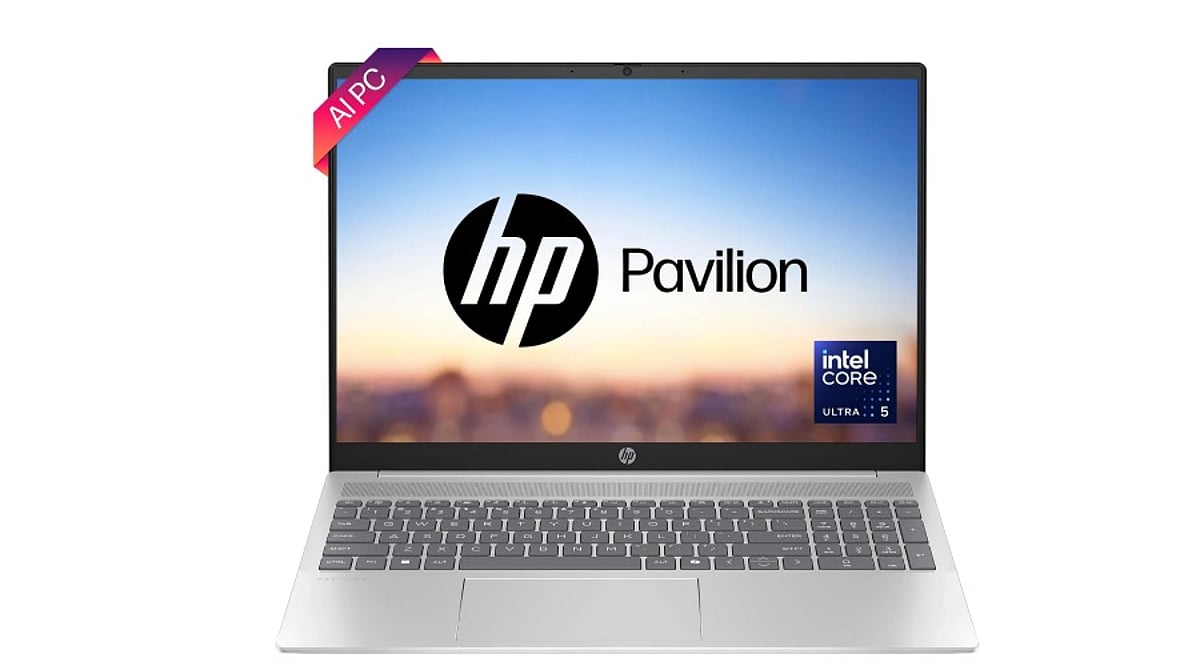
    HP Envy x360 AI laptop (Intel Core Ultra 5 125U, 12 TOPS NPU)

    A dedicated NPU is what sets this laptop apart from the rest of the lineup. The Core Ultra 5 125U includes a neural processing unit rated at 12 TOPS, which offloads supported tasks like background blur and noise suppression from the CPU, improving speed and battery efficiency during those workloads. NPUs currently accelerate a limited set of tasks, and that set will grow as more Windows apps add on-device AI support. It comes with 16GB LPDDR5 RAM, a 512GB SSD, and a 14-inch OLED touchscreen in 2K or 3K, depending on the variant. For professionals who want a machine that stays relevant as more apps add local AI features, this is the more future-ready pick over a standard Core i5 model, even at a higher price point.

    Buy Now on Amazon India

    HP OmniBook 5 Flip (13th Gen Core i5-1334U)

    Portability and screen comfort are the selling points here. The OmniBook 5 Flip is HP’s newer branding for its mid-range 2-in-1 line, replacing older Pavilion x360 naming in parts of the catalog, and it runs a 13th Gen Core i5-1334U with 16GB LPDDR5 RAM and a 512GB SSD on a 14-inch 2K WUXGA anti-glare touchscreen rated at 300 nits. The anti-glare coating is the standout feature, useful for anyone working near windows or under harsh office lighting. Performance sits in the same bracket as the Pavilion x360, so pick this one for the better display and hinge flexibility, and skip it if screen glare isn’t a concern for you.

    Buy Now on Amazon India

    Comparison Table

    Model Processor RAM Storage Display Best For
    Pavilion x360 i5-1355U 16GB DDR4 512GB SSD 14″ FHD Touch Students, multitasking
    Pavilion Plus i5-1335U 16GB LPDDR5x 512GB SSD 14″ 2K IPS Professionals, sharp display
    Envy x360 AI Core Ultra 5 125U 16GB LPDDR5 512GB SSD 14″ OLED 2K/3K AI features, future-proof
    OmniBook 5 Flip i5-1334U 16GB LPDDR5 512GB SSD 14″ 2K Anti-glare Hybrid workers, glare reduction

    Weight and battery-life figures vary by unit and seller listing on Amazon India, so confirm both on the live product page before checkout rather than relying on spec sheets alone.

    Which HP Laptop Should You Buy?

    Students on a budget do well with the Pavilion x360. Office workers who spend hours in spreadsheets or code editors get more value from the Pavilion Plus display. Creators and professionals who want AI-assisted features should look at the Envy x360. Hybrid workers who move between meeting rooms and desks benefit from the OmniBook 5 Flip’s lighter build and anti-glare screen.

    A note on buying this weekend: prices and stock on Amazon India shift daily during sale periods. Each link above takes you to the live search results for that exact model so you can confirm the current price, seller, and delivery date before checkout. Favor listings marked Amazon Fulfilled, check the seller rating, and confirm the listing carries HP’s official India warranty before you buy.

    Final Thoughts

    The best weekend laptop deal is rarely the one with the biggest discount. It is the one that still performs well long after the sale ends. The right choice depends on how the laptop actually gets used, whether that means an affordable everyday machine, a sharper screen for work, AI-ready features, or the flexibility of a 2-in-1. Comparing specs closely, checking the seller and warranty, and choosing lasting value over the lowest price tag will matter far more once the discount banner disappears.

    FAQs

    1. Are HP AI laptops worth buying in 2026?

    Yes. HP AI laptops powered by Intel Core Ultra or AMD Ryzen AI processors offer improved multitasking, AI-assisted features, and better long-term performance for work, study, and creative tasks.

    2. Is the HP Pavilion series still a good choice?

    Yes. The HP Pavilion series remains a reliable option for students, families, and everyday users who need solid performance for productivity, web browsing, streaming, and light content creation.

    3. What should I look for in an HP laptop deal?

    Focus on the processor, RAM, SSD storage, battery life, display quality, and warranty rather than the discount percentage alone. A well-balanced configuration usually offers better long-term value.

    4. Which HP laptop is better for students: AI laptops or Pavilion models?

    Pavilion laptops are ideal for most students since they provide excellent value for everyday coursework. Students with heavier workloads or AI-based applications may benefit from an HP AI laptop with 16GB RAM.

    5. How can I tell if a weekend laptop deal is genuinely good?

    Compare the final price with the laptop’s specifications, recent pricing, warranty, and included features. A worthwhile deal should match your workload and provide lasting value beyond the sale period.

  • Weekend Robot Vacuum Deals: Save Up to 72% on Top Smart Home Cleaners

    Weekend Robot Vacuum Deals: Save Up to 72% on Top Smart Home Cleaners

    Robot vacuum cleaners have become smarter, quieter, and more capable than ever before. This weekend’s deals offer substantial savings on models designed for apartments, family homes, and pet owners. Picking the right combination of navigation, suction, and automation is the key to a worthwhile purchase.

    Robot vacuum discounts this weekend are more than marketing noise. Several models have genuine, verifiable price cuts, some slashing the sticker price by more than half. But suction numbers alone don’t tell a buyer much. Around 3,000 Pa handles everyday dust and crumbs on hard floors reasonably well, while 6,000 Pa and above start to matter on carpets and against pet hair.

    AGARO Alpha Robot Vacuum Cleaner

    First-time buyers with smaller apartments get the most value here. It has no self-emptying dock, so the dustbin needs manual clearing after each run. In return, it uses SLAM LiDAR navigation for room mapping, delivers 3,000 Pa of suction, and combines sweeping and mopping in one pass. It connects to the Smart Life app along with Alexa and Google Assistant. Currently listed at Rs. 16,999, down from Rs. 44,990 — a cut of over 60 percent.

    Eureka Forbes SmartClean Auto Bin Turbo

    Buyers who value a recognized Indian brand with an established local service network should look here first. The standout feature is a self-emptying bin holding up to 40 days of debris, paired with LiDAR 3.0 navigation. Suction goes up to 7,000 Pa in Max mode. Priced at Rs. 23,999, down from Rs. 32,500.

    Dreame D10 Plus Gen 2

    Anyone tired of pulling tangled hair out of a brush roller should consider this one. Its tangle-resistant rubber brush is a genuine fix. The self-emptying station stores dust for up to 90 days. LiDAR Pathfinder navigation handles multi-floor mapping, suction adjusts up to 6,000 Pa. Available at Rs. 25,013, cut from Rs. 49,998 — roughly a 50 percent reduction.

    ILIFE T20s Pro

    Multi-floor homes on a mid-range budget suit this model well. It runs 6,500 Pa suction with LiDAR navigation, stores up to five floor maps, and has a 5,200 mAh battery rated for roughly 260 minutes of runtime. The Y-shaped mopping path mimics manual scrubbing. Priced at Rs. 26,899 on ILIFE’s own store, down from an MRP of Rs. 99,990.

    ILIFE T20s Ultra

    Larger homes needing longer stretches between manual emptying are the target here. It steps up to 10,000 Pa suction and a 3.5L self-emptying dustbin rated for up to 70 days of hands-free use. LiDAR navigation handles multi-floor mapping. Priced at Rs. 30,900 on ILIFE’s official store, down from an MRP of Rs. 1,10,000.

    Before Buying a Robot Vacuum

    • Clear loose cables off the floor before the first run; they’re the most common cause of a stuck robot.
    • Thick high-pile rugs can trap wheels or overwhelm entry-level suction, so check a model’s carpet rating.
    • Empty and rinse the water tank after mopping sessions to avoid stagnant water and odour buildup.
    • Check spare part and consumable availability for the specific brand before buying.

    Which One Should You Buy?

    Apartments under 1,200 sq ft: AGARO Alpha. Homes with pets or preference for local service: Eureka Forbes SmartClean. Hair tangle frustration: Dreame D10 Plus Gen 2. Larger multi-floor homes: ILIFE T20s Pro or T20s Ultra.

    Final Thoughts

    The best robot vacuum deal is rarely the one with the biggest discount. It is the one that keeps your floors clean with minimal effort long after the sale has ended. Suction power, navigation, self-emptying features, spare part availability, and reliable after-sales support all matter more than a temporary price cut.

  • Top Electric Hand Blender Deals This Weekend: Expert Picks for Every Kitchen

    Top Electric Hand Blender Deals This Weekend: Expert Picks for Every Kitchen

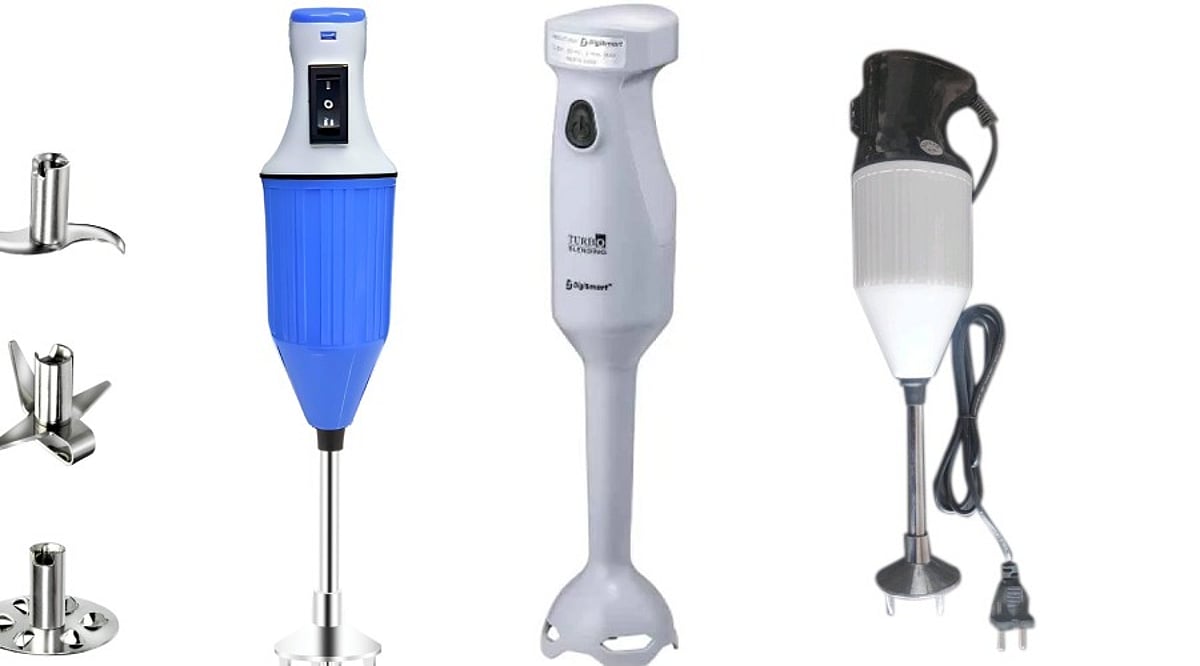
    Electric hand blenders have become a practical tool for quick blending, mixing, and pureeing at home. Weekend sales often include attractive discounts across budget and premium models. Looking beyond the sale price helps identify the best value. Performance, durability, and convenience should guide the final choice.

    Choosing the right hand blender depends on factors such as motor power, build quality, warranty, and practical features like detachable stems and stainless steel arms.

    What Actually Separates a Good Hand Blender From a Weak One

    Motor power sets the ceiling for what a blender can do. A 250W to 300W motor works well for smoothies, lassi, and thin soups — the tasks that cover most daily use. Thicker mixtures like dal, batter, or a small batch of chutney need 600W or more to avoid stalling mid-blend.

    Motor quality decides how a hand blender holds up over time. Stainless steel arms are more durable and last longer than plastic ones. Detachable stems and dishwasher-safe parts make daily cleanup easier. Warranty length is a quiet but useful signal — brands rarely offer two years of warranty on a motor they expect to fail early.

    Top Electric Hand Blender Picks

    1. Orpat HHB-100E WOB — Best Budget Pick

    This is the lowest-risk entry point into hand blenders. It runs on a 250W motor with single-button operation and has drawn over 24,000 ratings on Amazon India. It handles milkshakes, lassi, and soft soups well. No extra attachments — treat it as a no-frills first blender or a reliable backup.

    2. Philips HL1681 — Best for Everyday Home Use

    The HL1681 pairs a 300W motor with a rust-free stainless steel arm and single-trigger operation, backed by a 2-year warranty. It sits at the sweet spot most Indian kitchens actually need: strong enough for daily smoothies, soups, and purees, without the bulk or price of a premium set. Philips also has wide service coverage across India.

    3. INALSA Robot Inox 1000E — Best for Heavy-Duty Cooking

    This is the pick for frequent cooks who push their blender hard. A 1000W motor with 100% copper winding gives it enough torque for thick batters and large batches without slowing down. Variable and turbo speed settings add control, anti-splash technology keeps your counter clean, and it comes with chopper and whisker attachments so it doubles as a mini food processor.

    4. Havells Duro Blend-S — Best for Easy Cleanup and Quiet Use

    The Duro Blend-S runs on a 300W copper motor with a detachable stainless steel stem, which pulls apart in seconds for washing. Havells built this one for low noise, making it a good fit for shared kitchens or homes with light sleepers nearby. The 2-year warranty adds peace of mind for a mid-range buy.

    5. KENT 150W Hand Blender — Best for Multi-Speed Control

    KENT’s model trades raw wattage for control, offering 5 speed settings on a 150W copper motor with overheating protection. This suits buyers who blend a wide mix of textures and want to fine-tune speed rather than rely on one fixed setting.

    Matching the Pick to the Kitchen

    A first-time buyer testing the category gains little from paying extra for features that go unused. The Orpat covers that entry point without waste. A household cooking daily across smoothies, soups, and purees fits the Philips HL1681. Kitchens that push through thick batters or cook in larger batches need the torque the INALSA 1000E provides. Anyone weighing noise and cleanup time above raw power should look at the Havells Duro Blend-S. Buyers who value fine control over texture will get more use out of the KENT’s five-speed settings.

    Final Thoughts

    The best deal on an electric hand blender is not just the lowest price tag. It is the one that fits both budget and cooking habits. A well-built model with enough power, useful features, and solid warranty backing will serve better day to day than a heavily discounted pick chosen on price alone.

  • NYT Connections Puzzle for July 18, 2026: Hints, Categories, and Complete Solutions

    NYT Connections Puzzle for July 18, 2026: Hints, Categories, and Complete Solutions

    Today’s NYT Connections puzzle offers a mix of familiar themes and cleverly disguised word relationships that can easily mislead players. Several words seem to belong to more than one group, making it helpful to identify the most obvious category first before tackling the tougher combinations. As expected, the purple category delivers the biggest challenge, requiring players to spot a less obvious word pattern rather than relying on direct associations.

    Overview of the Puzzle

    At first glance, several categories in today’s puzzle appear easy to identify thanks to strong associations between the words. However, the challenge gradually increases as players progress through the grid. Some words can fit into more than one category, making careful elimination essential to avoid incorrect groupings. The later categories, particularly the final one, feature a clever twist that can challenge even experienced players.

    Categories for July 18, 2026

    Today’s puzzle contained a combination of clear-cut and misleading clues. There were multiple easy groups and one more difficult set. Here is a color-coded overview of all four groups to help you comprehend today’s themes.

    • Yellow group: Commit a basketball violation.
    • Green group: Belief.
    • Blue group: Things tracked in video games.
    • Purple group: Words after ‘pop’.

    Complete Solutions

    If you’re still stuck, here are the full answers for each group:

    • COMMIT A BASKETBALL VIOLATION: CARRY, DOUBLE DRIBBLE, GOALTEND, TRAVEL
    • BELIEF: ATTITUDE, MIND, OPINION, VIEW
    • THINGS TRACKED IN VIDEO GAMES: HEALTH, LIVES, SCORE, TIME
    • WORDS AFTER ‘POP’: CULTURE, FLY, QUIZ, TART

    How to Play Connections: Tips and Tricks

    In NYT Connections, you will find 16 words and arrange them into four groups of four depending on certain similarities between the words. It can be difficult to identify the exact relationship because many words can fit into multiple categories.

    The best way to play this game is by starting from the easiest set of words, which is usually the yellow set. The shuffle option helps to spot connections that are not always clear. It is important to consider all forms of wordplay, such as puns, homophones, and words with multiple meanings, since they are often used to create misleading connections. If there are more than four words that fall into the same category, one of the words is added to confuse the player. The purple set is considered the hardest set to solve.

    Final Thoughts

    With a moderate difficulty level, the July 18 Connections puzzle strikes a balance between easy and challenging categories. Some words may seem confusing at first, but the connections become more apparent once the shared themes emerge.