Blog

  • Top AI-Focused Cryptocurrencies to Watch in July 2026

    Top AI-Focused Cryptocurrencies to Watch in July 2026

    As the intersection of artificial intelligence and blockchain technology continues to evolve, several crypto projects are emerging as leaders in decentralized AI solutions. Here are the standout AI crypto picks I’m keeping on my radar this July 2026:

    Bittensor (TAO)

    A decentralized AI network that rewards machine learning contributions. It enables developers to build, share, and monetize artificial intelligence models on a global scale, fostering an open marketplace for AI innovation.

    Artificial Superintelligence Alliance (FET)

    Combines AI infrastructure, autonomous agents, and decentralized computing to power intelligent blockchain applications across multiple industries. FET is designed for efficiency and scalability in real-world use cases.

    Render (RENDER)

    Connects GPU providers with AI developers who need high-performance computing for machine learning, rendering, and advanced AI workloads. The platform ensures secure and efficient resource sharing.

    Akash Network (AKT)

    Offers a decentralized cloud computing platform with affordable GPU resources for AI training and inference. Its blockchain-powered infrastructure enables scalable deployment worldwide.

    NEAR Protocol (NEAR)

    Expands AI integration through developer-friendly infrastructure and scalable blockchain technology. It supports decentralized applications that leverage intelligent automation and AI-powered services.

    Internet Computer (ICP)

    Enables decentralized AI applications to run entirely on-chain. It supports scalable smart contracts and efficient data processing across networks, pushing the boundaries of what’s possible in Web3 AI.

    AIOZ Network (AIOZ)

    A decentralized infrastructure platform supporting AI computation, media streaming, and distributed storage. Its globally connected blockchain-powered network ecosystem is built for performance.

    The Graph (GRT)

    Indexes blockchain data efficiently, allowing AI applications and decentralized services to access structured information for analytics and intelligent decision-making.

    io.net (IO)

    Aggregates distributed GPU resources to provide AI developers with scalable, cost-effective computing power for training advanced artificial intelligence models. This project is particularly promising for reducing the barriers to AI development.

    Stay tuned for more updates on these exciting projects as they shape the future of decentralized AI.

  • Top Java Books to Master Programming and Software Development in 2026

    Top Java Books to Master Programming and Software Development in 2026

    Java remains one of the most versatile and widely used programming languages in the world. Whether you’re a beginner looking to build a strong foundation or an experienced developer aiming to deepen your expertise, the right books can make all the difference. Here are the best Java books for 2026 that cover everything from best practices and concurrency to algorithms and enterprise development.

    • Effective Java – Joshua Bloch: Covers Java best practices, design patterns, generics, concurrency, and performance optimization through practical examples for professional developers.
    • Head First Java – Kathy Sierra & Bert Bates: Uses visual explanations and interactive exercises, making Java concepts easy for beginners while building strong programming fundamentals quickly.
    • Core Java Volume I – Cay S. Horstmann: Explains Java syntax, object-oriented programming, collections, exceptions, and modern language features with detailed examples and practical exercises.
    • Core Java Volume II – Cay S. Horstmann: Focuses on advanced Java topics including networking, databases, XML, security, modules, and enterprise-level application development for experienced programmers.
    • Java: The Complete Reference – Herbert Schildt: Provides comprehensive coverage of Java language features, APIs, libraries, multithreading, networking, and application development in one authoritative resource.
    • Java Concurrency in Practice – Brian Goetz: Helps developers understand multithreading, synchronization, thread safety, and concurrent programming techniques for building efficient Java applications.
    • Clean Code – Robert C. Martin: Teaches developers to write readable, maintainable, scalable, and efficient code using software engineering principles applicable across Java projects.
    • Spring in Action – Craig Walls: Introduces Spring Framework fundamentals, dependency injection, Spring Boot, REST APIs, security, and enterprise application development with practical implementation guidance.
    • Grokking Algorithms – Aditya Bhargava: Simplifies algorithms and data structures using illustrations, helping Java developers improve logical thinking and coding interview preparation with confidence.

    These books are essential additions to any Java developer’s library in 2026, offering both foundational knowledge and cutting-edge techniques to excel in software development.

  • OpenAI Rolls Out GPT-Live Voice Model for Real-Time, Interruption-Free ChatGPT Conversations

    OpenAI Rolls Out GPT-Live Voice Model for Real-Time, Interruption-Free ChatGPT Conversations

    OpenAI has launched GPT-Live, a next-generation voice model for ChatGPT that enables real-time, interruption-free conversations, background reasoning, and faster responses across web, Android, and iOS for both free and paid users.

    Unlike earlier voice experiences that relied on turn-based interactions, GPT-Live supports simultaneous listening and speaking. Users can interrupt ChatGPT mid-sentence, change topics naturally, or continue talking without waiting for the AI to finish its response. The system also uses conversational cues, such as brief acknowledgments while listening, to make interactions feel more like a real discussion than a question-and-answer session. OpenAI says the technology is designed to reduce awkward pauses and improve the overall flow of conversations.

    A key addition is GPT-Live’s ability to continue speaking while handling complex tasks in the background. Whether it is conducting a web search, performing deeper reasoning, or processing multiple requests, the AI can keep the conversation going instead of asking users to wait. The company also highlighted improvements to live translation and richer responses through visual cards for topics such as weather, sports, and financial information when relevant.

    OpenAI has started rolling out GPT-Live globally from today. Paid subscribers on Go, Plus, and Pro plans will receive GPT-Live-1 as the default voice model. Free-tier users will get the GPT-Live-1 mini, a lighter version designed to deliver the same conversational experience while using fewer computing resources. The feature is available on ChatGPT for iOS, Android, and web users.

    The launch signals OpenAI’s push to make voice interaction a primary way of using AI assistants. Instead of treating speech as a simple input method, GPT-Live aims to replicate the rhythm of human conversation with fewer interruptions, faster responses, and real-time task handling. The release also comes as competition in voice AI intensifies, with major technology companies racing to build assistants that can communicate more naturally.

  • India’s Crypto Policy Hardens: RBI Pushes for Ban as Tax Department Flags Offshore Tracking Risks

    India’s Crypto Policy Hardens: RBI Pushes for Ban as Tax Department Flags Offshore Tracking Risks

    India’s cryptocurrency policy remains in flux, but internal government documents reviewed by Reuters indicate that authorities are increasingly leaning toward stricter control over digital assets. The Reserve Bank of India (RBI) has reiterated its stance favoring a policy that ‘leans toward prohibition,’ while the Income Tax Department has raised serious concerns about regulating transactions conducted through offshore exchanges and private wallets.

    The RBI believes that banks and financial institutions should be barred from holding, trading, or gaining any exposure to cryptocurrencies and privately issued stablecoins. The central bank is particularly worried about the potential impact of crypto-related exposures on the broader financial system. Although there is no official ban preventing Indian banks from transacting with crypto assets, most top lenders have voluntarily avoided the sector following multiple RBI alerts.

    A source familiar with the RBI’s thinking, who spoke on condition of anonymity, told Reuters that the central bank prefers keeping cryptocurrencies entirely outside the regulated financial system.

    Stablecoins remain a major concern. According to the RBI, foreign currency-backed stablecoins could threaten India’s monetary sovereignty, while rupee-backed tokens would result in lost government revenue from currency issuance and pose risks during periods of market stress.

    The Income Tax Department has also warned that monitoring cryptocurrency trading conducted through overseas exchanges is extremely difficult. As of May 31, India had approximately 39 million cryptocurrency traders holding about $2.1 billion in digital assets, according to the documents.

    The department identified significant gaps in tax reporting. Fewer than 25% of the 645,000 individuals who conducted crypto transactions during the financial year ending March 2023 reported those transactions in their tax returns. Foreign exchanges, private wallets, and peer-to-peer rupee trades make it challenging to identify beneficial owners and collect taxes.

    India’s current tax regime imposes a 30% rate on crypto asset gains, but volatility and a lack of uniform valuation methods complicate assessment. The Ministry of Corporate Affairs is also reviewing accounting standards and guidance for virtual digital assets.

    India has allowed cryptocurrencies to exist in a legal gray zone since a 2018 court ruling struck down RBI policies that effectively banned them. A 2021 draft bill to ban private cryptocurrencies was never introduced in Parliament, while a broader discussion paper has been repeatedly delayed.

    The newly surfaced documents suggest that India’s policy debate is shifting from light-touch regulation toward tighter restrictions, as unresolved issues around financial stability, tax compliance, and monetary sovereignty continue to mount.

  • Sonos Restructuring: Top Product and Design Executives Depart in Leadership Overhaul

    Sonos Restructuring: Top Product and Design Executives Depart in Leadership Overhaul

    Premium audio product manufacturer Sonos has laid off several senior executives from its product and design divisions, moving ahead with a larger restructuring plan. The move follows earlier workforce reductions and aims to flatten management layers, improve execution, and accelerate product development.

    Among those laid off was Dana Krieger, Vice President of Design, who spent 12 years at Sonos. The restructuring also affects other experienced leaders across product and user experience teams, raising questions about the company’s future product pipeline.

    In a memo seen by Bloomberg, Sonos CEO Tom Conrad wrote, “I want a Sonos that moves with more conviction and more velocity. Fewer months in conference rooms. More prototypes in our labs. More decisions made and executed. More exceptional products in the world for our customers.”

    The latest changes follow an earlier round of layoffs in June, when Sonos cut around 3% of its workforce, mostly involving workers in product, design, and user experience fields. Sonos is still reeling from the results of its ill-fated decision to introduce a major redesign of its mobile app in 2024, which was heavily criticized for removing important features and causing usability problems. The backlash eroded customer trust and ultimately led to leadership changes.

    The departure of key figures has raised concerns within the industry regarding Sonos’ capacity to continue innovating in the premium smart audio market. However, Sonos believes that a reduction in bureaucracy will make product development more efficient and improve collaboration across teams. The latest restructuring signals that Sonos remains committed to streamlining its business despite concerns over the departure of experienced product leaders. Given rising competition in the connected audio and smart home product market, Sonos hopes that its organizational structure will help it get back on track. The results will be seen in the upcoming quarter.

  • Top 7 Budget-Friendly Gaming Laptop Accessories Worth Buying in 2026

    Top 7 Budget-Friendly Gaming Laptop Accessories Worth Buying in 2026

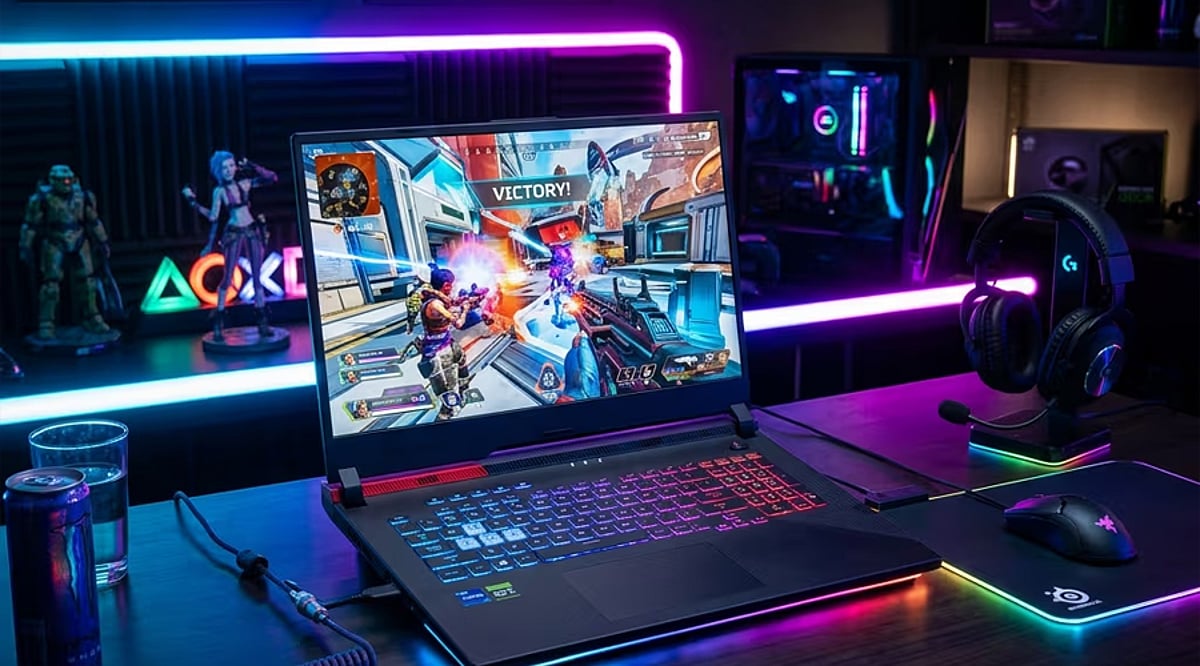
    Gaming on a laptop can be incredibly immersive, but the right accessories can elevate your experience without breaking the bank. In 2026, budget-friendly options for gamers have become more advanced and affordable than ever. Here are seven essential accessories that combine performance, comfort, and value.

    Cooling Pad

    A good cooling pad is a must-have for any gaming laptop owner. It keeps your system at a safe temperature during intense gaming sessions by improving airflow and reducing overheating. Many budget models now come with adjustable fan speeds, RGB lighting, and multiple height settings for added comfort. This accessory not only protects your hardware but also helps maintain stable performance over long periods.

    Gaming Mouse

    A responsive gaming mouse can drastically improve your performance in fast-paced titles. Today’s budget options offer adjustable DPI, programmable buttons, and lightweight designs — all at an accessible price. Whether you play FPS, MOBA, or battle royale games, a quality gaming mouse ensures precision and comfort even during marathon gaming sessions.

    Mechanical Gaming Keyboard

    Mechanical keyboards are no longer a luxury. Affordable models now feature durable switches, anti-ghosting support, and vibrant backlighting. They provide faster key response and a satisfying typing feel, making them ideal for both gaming and everyday use. A compact mechanical keyboard can also save desk space, which is especially handy for laptop gamers.

    Gaming Headset

    A quality gaming headset enhances both gameplay and communication. Budget-friendly options now include clear microphones, comfortable ear cushions, and balanced audio that highlights footsteps and in-game effects. Beyond gaming, these headsets work great for online classes, video calls, and entertainment, making them a versatile addition to your setup.

    Large Mouse Pad

    A large mouse pad offers plenty of room for smooth mouse movement during competitive gaming. It also protects your desk surface and keeps both keyboard and mouse stable. Many affordable designs feature stitched edges and water-resistant materials for improved durability, ensuring long-lasting use.

    Laptop Stand

    A laptop stand elevates your screen to a more comfortable viewing angle while promoting airflow beneath the device. It helps reduce neck strain and encourages better posture during long gaming sessions. Foldable budget stands are lightweight, portable, and compatible with most gaming laptops, making them a practical choice for gamers on the go.

    USB Hub

    Modern gaming laptops often come with limited ports. A budget USB hub adds extra connections for your keyboard, mouse, controller, and external storage. Some models even include SD card slots and fast data transfer support. This accessory is useful not only for gaming but also for everyday productivity tasks.

    Whether you’re a casual player or a competitive gamer, these budget-friendly accessories can significantly enhance your gaming experience in 2026 without straining your wallet.

  • Stargate LLM Emerges as Crypto’s First Real Utility Token as XRP and Cardano Struggle in 2026

    Stargate LLM Emerges as Crypto’s First Real Utility Token as XRP and Cardano Struggle in 2026

    Most people would struggle to explain what XRP or Cardano does for them personally on a day-to-day basis. XRP moves money across borders faster than a bank wire; Cardano is infrastructure for developers building elsewhere. Neither gives an ordinary holder a reason to open their wallet unless they are checking a price or making a trade. This gap—crypto’s long-standing criticism—has now become its most visible problem as XRP slides to $1.04 and Cardano drops nearly 40% in a single month.

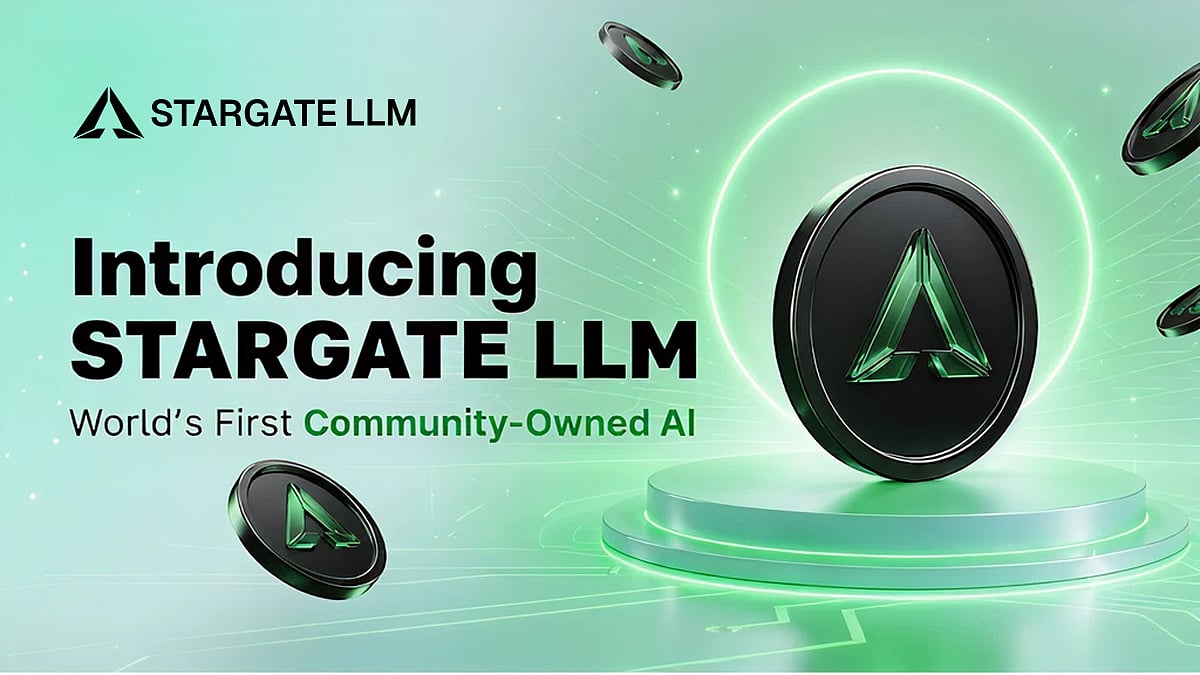
    Stargate LLM aims to answer that criticism directly. It is a coin you spend inside an actual AI platform—chat, image generation, video, a coding assistant—through the same wallet that holds it. Its presale offers a 50X price ratio from first batch to launch, giving participants a stake in a token with a non-circular use case.

    XRP Price: Stuck Below $1.10 With No Clear Catalyst

    Through early July, XRP started near $1.30 and slid to close the month around $1.04–$1.14, its weakest level since late 2024. The token is barely holding the $1 psychological floor; technical indicators show it oscillating near key moving averages with no clear direction. Broader market fear has outweighed positive developments: spot XRP ETFs have pulled in roughly $1.48 billion in cumulative inflows since launch, and Ripple secured full MiCA compliance across all 30 countries in the European Economic Area. Mastercard also named Ripple a settlement partner in its new AI-payments network. Yet none of that good news has moved the price because XRP’s core function—cross-border settlement—does not give everyday holders a reason to interact with it daily.

    Cardano News: A Multi-Year Low Despite Real Upgrades

    Cardano’s ADA dropped nearly 40% in June alone, hitting levels unseen since 2020. This decline occurred even as the Ouroboros Leios scalability upgrade cleared testnet and the Midnight privacy sidechain rolled out with institutional backing from Google Cloud and Vodafone. Whale wallets kept accumulating through the slide, growing their share of total supply, yet daily transactions fell to a 45-day low and smart contract activity dropped sharply from its early-June peak. A separate exploit drained $2.4 million in ADA from hundreds of addresses, though a recovery path has since been confirmed. Cardano’s roadmap remains ambitious, but infrastructure progress does not automatically create a reason for regular people to use the token beyond holding or trading.

    Stargate LLM: A Crypto That Actually Does Something

    Crypto’s recurring criticism is that most tokens ultimately do the same handful of things: move money, sit as a speculative position, or facilitate a transaction that could happen through traditional finance anyway. Stargate flips that structure. It is a coin you spend, and on the other side of that spending is a real product: chat, image and video generation, a coding assistant, and an agent marketplace. That is a non-circular use case: value is not just moved or speculated on; it is spent on something people actually want to use, the same way a subscription gets spent on a product.

    The presale reflects that logic: ten batches from $0.0005 to $0.0125, building toward a $0.025 launch target—a 50X ratio for Batch 1 participants. Of the fixed 150 billion coin supply, 96% goes to community and presale participants. For anyone asking which crypto to buy now while XRP and Cardano search for relevance beyond payments, Stargate offers a meaningfully different bet.

    The Bottom Line

    XRP and Cardano are not failing because their technology is broken. Both have real teams, upgrades, and roadmaps. They are running into the same wall crypto has hit for years: payments and infrastructure promises do not give a token daily relevance the way an actual product does. Stargate LLM’s coin takes a different path: it gets spent inside a platform people log into to use AI—chat, image and video generation, a coding assistant—the same way a subscription gets used, not just held or traded. For anyone tired of watching established coins struggle to justify themselves beyond speculation, that is the difference worth understanding.

    Explore Stargate LLM: Website | Buy | Telegram | X/Twitter

  • 7 Must-Read AI Newsletters for Business Leaders in 2026

    7 Must-Read AI Newsletters for Business Leaders in 2026

    As artificial intelligence reshapes industries at an unprecedented pace, executives need curated, reliable sources to separate signal from noise. The right AI newsletter delivers actionable insights, strategic analysis, and practical use cases—without overwhelming your inbox. Here are seven top newsletters every business leader should consider adding to their morning routine.

    Top AI Newsletters at a Glance

    The Rundown AI

    Perfect for those with only five minutes a day, The Rundown AI covers AI breakthroughs, product launches, and regulatory news in a concise format. It also includes productivity tips and tutorials, making it valuable for both engineers and executives seeking actionable insights.

    The Batch

    Created by DeepLearning.AI, The Batch translates complex AI research into digestible explanations for business leaders. It focuses on why a development matters and how companies can apply it, helping executives bridge the gap between technical teams and corporate strategy.

    Exponential View

    Written by technology analyst Azeem Azhar, Exponential View offers deep analysis of the intersection of AI, geopolitics, economics, and innovation. It’s ideal for long-term strategic thinking rather than daily news consumption.

    Superhuman AI

    Designed for professionals who want to leverage AI for productivity, Superhuman AI delivers practical tips on new tools, automation, and prompts. Busy executives will appreciate its focus on actionable suggestions without heavy technical jargon.

    The Neuron

    The Neuron presents the latest AI news in a conversational, easy-to-read tone. It covers major company updates, new products, enterprise software, and productivity—all in short articles perfect for morning reading.

    TLDR AI

    For executives working closely with engineering or product teams, TLDR AI summarizes research papers, product updates, and machine learning news in a few minutes. It’s a quick way to stay informed on technical developments.

    Ben’s Bites

    Founded by entrepreneur Ben Tossell, Ben’s Bites offers a founder’s perspective on the AI ecosystem, tracking startups, investments, product announcements, and real-world case studies. It’s a valuable source for executives scouting innovations, partnerships, and acquisition opportunities.

    Why This Matters

    Regularly reading a trusted AI newsletter sharpens strategic thinking, provides fresh ideas, and supports informed decision-making in an increasingly AI-driven world. A balanced mix of daily briefings and weekly deep-dives keeps leaders ahead without information overload.

    Conclusion

    No single newsletter covers everything. Combine a daily briefing like The Rundown AI for news, The Batch for knowledge, and Exponential View for long-term strategy. This trio ensures you stay informed, educated, and strategically prepared.

    Frequently Asked Questions

    Which AI newsletter is best for busy executives?

    The Rundown AI offers concise daily updates, helping executives stay informed about major AI developments, business trends, and useful productivity tools.

    Are AI newsletters free to subscribe to?

    Many leading AI newsletters offer free editions, while some provide premium subscriptions with deeper analysis, exclusive content, and additional resources.

    How often should executives read AI newsletters?

    Reading one daily newsletter and one weekly strategic publication is usually enough to stay updated without feeling overwhelmed by information.

    Which AI newsletter focuses on long-term business strategy?

    Exponential View examines AI, innovation, economics, and technology trends, helping leaders understand long-term business opportunities and emerging market shifts.

    Can AI newsletters help with business decision-making?

    Yes. They provide curated insights, practical use cases, and industry trends that support informed decisions on AI adoption and digital transformation.

  • S&P 500 and NASDAQ Dip as Oil Surges on Trump’s Iran Warning

    S&P 500 and NASDAQ Dip as Oil Surges on Trump’s Iran Warning

    Wall Street moved lower on Wednesday after President Donald Trump declared the interim US-Iran accord ‘over,’ reigniting fears of conflict near a critical global energy route. The Dow Jones Industrial Average fell roughly 1.5%, the S&P 500 dropped 0.7%, and the NASDAQ Composite declined 0.8% by late morning trading.

    The market reaction was notable but orderly. Oil prices spiked sharply, Treasury yields climbed, and investors rotated away from travel and consumer stocks. However, gains in chip and energy shares helped cushion the broader decline across major indices.

    Stocks Fall, But Losses Stay Contained

    US equities opened under pressure after Trump said he had no interest in further talks with Iran and warned of possible additional US strikes. The comments followed renewed attacks tied to the Strait of Hormuz, a key waterway for global oil flows.

    Despite the tension, the selloff remained narrower than a full risk-off event. At 11:30 a.m. ET, the Dow was down 810 points to 52,115. The S&P 500 slipped to 7,431, while the NASDAQ fell to 25,565. Decliners outpaced advancers on both the NYSE and NASDAQ, signaling broad caution.

    Oil Jumps as Hormuz Risks Return

    Oil prices delivered the clearest market reaction to Trump’s remarks. Brent and US West Texas Intermediate crude both surged more than 5% as traders reassessed supply risks from the Gulf region.

    The move was not worse because traders had already priced in months of Middle East disruption. Some investors also waited to see whether shipping through the Strait of Hormuz would face a fresh full blockade. Fiona Cincotta of City Index captured this caution, saying, “This was always a very fragile peace process.”

    Chip Gains Cushion NASDAQ

    Technology stocks offered partial support, mainly through chipmakers. Broadcom rose after Apple announced plans to spend more than $30 billion under a chip-supply agreement with the company. This gain helped ease pressure on the NASDAQ, which has faced recent volatility.

    The Philadelphia SE Semiconductor Index also advanced, while energy was one of the few S&P 500 sectors in positive territory. Nine of the 11 main S&P 500 sectors traded lower. Travel shares weakened as higher fuel prices raised cost concerns for airlines and cruise operators.

    Investors Watch Fed Minutes

    The timing added another layer for markets, with the Federal Reserve set to release minutes from its June policy meeting at 2 p.m. ET. The meeting was the first under Chair Kevin Warsh, who has shifted away from forward guidance and kept rates unchanged at 3.50% to 3.75%.

    Higher oil prices brought inflation risk back into focus before the release. Ian Lyngen of BMO Capital Markets said June core inflation figures could draw less attention if crude keeps moving higher in July. He added that the Fed minutes may look “somewhat stale” after the latest Middle East turn.

    Doubts Keep the Reaction Measured

    Analysts pointed to uncertainty rather than a single clear market path. Matthew Ryan of Ebury said ‘the million-dollar question’ was whether talks had fully broken down or only hit a temporary setback. This doubt helped explain why stocks fell but did not collapse.

    Meanwhile, the International Monetary Fund lowered its 2026 global growth forecast to 3.0% and cited war-related energy risks. The update gave investors another reason to watch oil, inflation, and central bank policy closely, while markets waited for clearer signs on Iran, shipping flows, and Fed thinking.

  • Best Fitness Trackers for Runners and Cyclists: Expert Picks for Every Athlete in 2026

    Best Fitness Trackers for Runners and Cyclists: Expert Picks for Every Athlete in 2026

    Fitness trackers have evolved from simple step counters into powerful health and training companions. Today’s devices monitor heart rate, sleep, stress, recovery, workouts, and even provide AI-powered insights to help users improve their overall fitness. Whether you are just starting a fitness journey or training for a marathon, a good fitness tracker can help you stay on track and make informed health decisions.

    Finding the right fitness tracker, though, has become even more difficult as wearables offer features such as training readiness, recovery, accurate GPS navigation, battery efficiency, and AI recommendations. This makes it necessary to select a product based on individual needs rather than the most expensive choice.

    What Makes a Great Fitness Tracker?

    The ideal fitness trackers provide accurate information while being simple to use. The importance of accuracy, comfort, and battery life outweighs the number of unused features.

    The following characteristics are worth considering before buying a fitness tracker:

    • Inbuilt GPS with accurate route tracking
    • Heart rate monitor that provides reliable data
    • High battery life
    • Water resistance for outdoor usage
    • Workout modes for running and cycling
    • Ability to analyze recovery and sleep
    • Compatibility with fitness applications such as Strava
    • Comfortable design for wearing all day

    Some high-end watches have other features, including offline maps, dual-frequency GPS, an ECG monitor, and advanced training metrics.

    Best Fitness Trackers for Running and Cycling

    Garmin Sets the Benchmark

    Garmin is still leading in fitness tracking. For example, the new Forerunner collection is one of the best options for those who plan to run half marathons, marathons, and even trail races. It provides in-depth information about pace, cadence, recovery, VO2 Max, and training readiness.

    Garmin Fenix 8 is designed for those people who spend their time on road running, mountain biking, hiking, and adventures in the wild. Its features include offline maps, precise navigation, and a durable design. Garmin’s ecosystem is commendable. The app, Garmin Connect, provides in-depth reports, and many professionals use it for training monitoring.

    Coros Delivers Premium Performance

    Coros devices are gaining popularity among athletes because the company prioritizes battery efficiency and GPS accuracy over other smart functions. Coros Pace Pro offers an efficient battery life and precise running data without being as heavy as many high-end sports watches.

    Cyclists appreciate the exact altitude measurement and compatibility with cycling gear. Coros is an excellent choice for sports enthusiasts who prioritize performance over notifications.

    Apple and Samsung Narrow the Gap

    Smartwatches are also efficient fitness devices. Apple Watch Ultra 2 features sophisticated health analytics and precise GPS, along with other safety tools and compatibility with the ecosystem’s services. It is especially suitable for those individuals who need a single gadget for fitness, communication, and efficiency.

    Samsung Galaxy Watch Ultra offers these capabilities to Android users. The company has made significant advances in the health application by providing more sophisticated sleep analysis, body composition monitoring, and wellness tips generated via artificial intelligence. Additionally, battery life favors dedicated sports watches.

    Budget Buyers Have Better Options

    Amazfit Balance offers a great GPS, decent battery life, and excellent fitness tracking at an affordable price. The user interface has been upgraded from previous versions and is now much easier to use for novices.

    Fitbit Charge 6 is still popular among novices who prefer lightweight wearable devices that track everyday activities, sleep, and heart rate but do not provide sophisticated data for athletes.

    Features that Matter

    Fitness tracking has moved beyond counting steps. Buyers should pay attention to features that genuinely improve training.

    The most useful additions include:

    • Dual-frequency GPS for better location accuracy
    • AI-powered training recommendations
    • Heart rate variability monitoring
    • Recovery scores
    • Sleep coaching
    • Offline navigation
    • Automatic workout detection
    • Cycling power meter compatibility
    • Fall detection and emergency alerts

    Many manufacturers now update these features through software, allowing devices to improve even after purchase.

    Which Tracker Should You Buy?

    The choice depends on how you plan to train, not on the brand’s popularity. Choose Garmin Forerunner 970 if running and tracking all metrics carefully are the main goals. Garmin Fenix 8 would be the right choice for running, biking, hiking, or any other outdoor activity. Coros Pace Pro stands out as one of the most balanced watches in terms of price, battery life, and training capabilities.

    Apple Watch Ultra 2 can suit iPhone owners who are interested in both a smartwatch and accurate workout tracking. Samsung Galaxy Watch Ultra is another great watch for Android users who want both health analytics and smartwatch features. Budget-conscious buyers may find the Amazfit Balance and the Fitbit Charge 6 more suitable for everyday fitness goals.

    Final Thoughts

    Fitness tracking gadgets have become smart training assistants. They can now help you monitor your recovery, analyze performance, and make informed training decisions based on real-time health data.

    The most effective device is not always the most expensive one, but the one that matches your lifestyle and needs and provides relevant stats. If you are preparing for your first 10K or training for the marathon, then fitness trackers give you more precise analysis than ever before.

    FAQ’s

    1. Which is the best fitness tracker for running?
      The Garmin Forerunner 970 is widely considered one of the best running fitness trackers. It offers dual-frequency GPS, advanced training readiness, recovery insights, VO₂ Max tracking, and detailed performance analytics for runners of all levels.
    2. Are AI-powered fitness trackers worth buying?
      Yes. Modern AI-powered fitness trackers analyze sleep, heart rate variability (HRV), recovery, and workout history to provide personalized training recommendations. These insights help users train more effectively while reducing the risk of overtraining and injury.
    3. Which fitness tracker has the longest battery life?
      Among leading wearables, the Garmin Fenix 8 and Coros Pace Pro offer some of the longest battery life. Depending on usage and GPS settings, they can last for several weeks, making them ideal for endurance athletes and outdoor adventures.
    4. Can fitness trackers accurately monitor health and recovery?
      Today’s premium fitness trackers provide highly accurate heart rate monitoring, sleep analysis, HRV tracking, and recovery scores. While they are valuable wellness tools, they should support, not replace, professional medical advice or clinical health assessments.
    5. What should I look for when buying a fitness tracker?
      Prioritize features that match your fitness goals, including accurate GPS, heart rate monitoring, battery life, sleep and recovery tracking, AI-powered coaching, water resistance, and compatibility with platforms like Strava or Apple Health for seamless data syncing.