Blog

  • 8 Must-Watch Netflix True Crime Documentaries Based on Real Cases

    8 Must-Watch Netflix True Crime Documentaries Based on Real Cases

    True crime remains one of Netflix’s most compelling genres, offering stories that are often more bizarre and unsettling than any fiction. From shocking Indian mysteries to internationally acclaimed investigations, these documentaries draw on police records, interviews, courtroom footage, and firsthand accounts to explore real-life murders, scams, serial killers, and unsolved cases. Whether you’re a dedicated true crime fan or just looking for your next binge-watch, the following eight documentaries deliver gripping storytelling and deep dives into the evidence and people behind each unforgettable case.

    House of Secrets: The Burari Deaths

    In 2018, the bodies of 11 members of the Bhatia family in Delhi were discovered in their own home under highly suspicious circumstances. This documentary uses police reports, family diaries, and expert analysis to untangle one of India’s most enigmatic murder cases.

    Curry & Cyanide: The Jolly Joseph Case

    This film examines the shocking case of Jolly Joseph, accused of killing six family members over 14 years. Through years of suspicion, forensic tests, and a single complaint, the documentary reveals the chilling details of her alleged crimes.

    Indian Predator: The Butcher of Delhi

    A series that documents the hunt for Chandrakant Jha, charged with murdering multiple individuals in Delhi. Viewers are taken through chilling police reports and case files to understand the serial killer who continuously eluded detectives.

    The Hunt for Veerappan

    Veerappan evaded law enforcement for nearly two decades while involved in sandalwood poaching, elephant hunting, and kidnappings. This documentary covers the massive operation that eventually led to the capture of India’s most wanted criminal.

    Making a Murderer

    After spending 18 years in prison for a crime he didn’t commit, Steven Avery is once again accused of murder. The documentary closely examines the case, raising challenging questions about the criminal justice system.

    American Nightmare

    When Denise Huskins was abducted from her home, police initially believed the story was fabricated by her and her friends. As evidence emerged, the investigation took a dramatic turn, uncovering critical blunders that left the victims in an impossible situation.

    The Tinder Swindler

    Simon Leviev posed as the son of a billionaire on dating apps, seducing women and convincing them to lend him large sums of money. The film shows how the victims banded together to expose his scam.

    Don’t F**k with Cats: Hunting an Internet Killer

    After disturbing videos of violence against cats appear online, a group of amateur detectives decides to track down the perpetrator. What seems like a simple task evolves into a murder investigation with tragic international consequences.

    Final Takeaway

    Each case in these documentaries goes beyond the headlines, presenting unanswered questions, lingering outcomes, and lives forever changed. Rather than focusing solely on the crime, they delve deep into the investigative process and the people connected to it. From psychological mysteries and financial frauds to Indian murder cases, these Netflix films offer fascinating stories that will stay with you long after the credits roll.

  • 10 Must-Watch Mystery and Thriller Series on Prime Video This July 2026

    10 Must-Watch Mystery and Thriller Series on Prime Video This July 2026

    Mystery and thriller shows are perfect when you want edge-of-your-seat entertainment. Prime Video has a solid mix of crime dramas, spy thrillers, detective stories, and psychological mysteries that keep viewers guessing until the final episode. Whether you enjoy clever investigations, dangerous conspiracies, or fast-paced action, there is something for every fan.

    Binge Unforgettable Suspense Series Packed with Shocking Twists

    Here are 10 of the best mystery and thriller TV shows to stream on Prime Video this July, featuring gripping stories, memorable characters, and plenty of unexpected twists:

    Young Sherlock

    Young Sherlock Holmes goes to Oxford University but becomes entangled in an exciting murder mystery. In his quest for the truth, he hones the detection skills that will one day become famous.

    Cross

    The crime series Cross is based on the character of James Patterson’s well-known detective, who solves murder cases in the midst of danger and personal problems. This series contains all the elements to keep viewers excited.

    Tom Clancy’s Jack Ryan

    Jack Ryan is a CIA analyst involved in various international missions to stop terrorism. The series combines elements of spy thriller, political drama, and action with suspense.

    Bosch

    Experienced detective Harry Bosch never gives up on hard murder cases. He follows each and every hint and faces a lot of obstacles on his way to solving murder cases.

    Citadel

    Ex-spy Mason Kane and ex-asset Nadia Sinh have to recreate their memories while trying to stop an evil criminal organization. The show involves international espionage, betrayals, and exciting missions around the globe.

    The Consultant

    A strange consultant becomes the new boss of a gaming company, following its founder’s death. Gradually, the employees start to suspect that he has dark intentions concerning them all.

    The Devil’s Hour

    In The Devil’s Hour, a woman wakes up every night precisely at 3:33 AM. Strange dreams, murders, and other mysterious events lead her to a frightening story, full of surprising twists from the past.

    Hannibal

    Talented profiler Will Graham works with a psychiatrist Hannibal Lecter, investigating brutal murders. However, the audience and Will don’t know about Hannibal’s terrible secret.

    Three Pines

    Armand Gamache, Chief Inspector, investigates murders in a quiet Canadian town. Each story is connected with the secrets and truths of ordinary people.

    Dead Ringers

    Two gynecologists, Beverly and Elliot Mantle, are twins who have everything in common – both professionally and personally. Over time, this strange relationship is slowly torn apart by ambition, obsessions, and hidden secrets.

    Final Take

    Prime Video keeps producing some of the best mystery and thriller series available for all kinds of binge-watchers out there. Whether it is a detective series such as Young Sherlock Holmes or an espionage drama series like Jack Ryan and Citadel, these shows provide viewers with suspense, great plots, and amazing twists. If you’re looking to plan your binge watching for July, here are ten great series for your watchlist.

  • Ethereum Q3 2026 Recovery Gains Traction as ETH/BTC Breakout and Record Binance Withdrawals Fuel Optimism

    Ethereum Q3 2026 Recovery Gains Traction as ETH/BTC Breakout and Record Binance Withdrawals Fuel Optimism

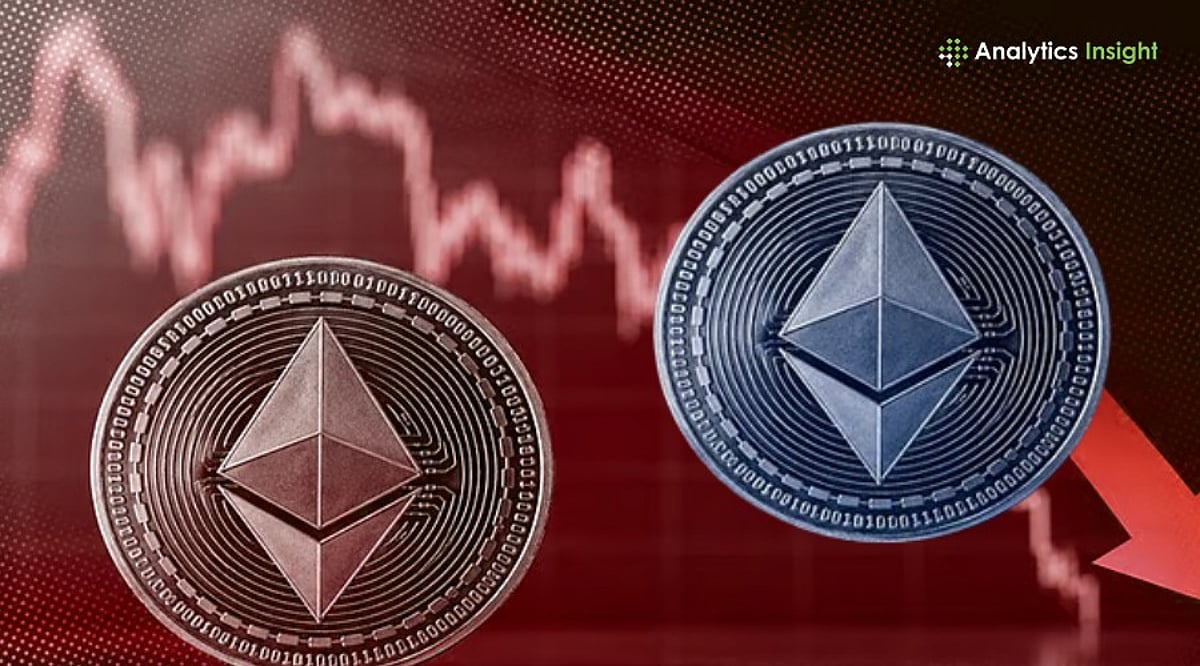
    Ethereum has entered the third quarter of 2026 with renewed momentum, breaking a two-quarter losing streak. An ETH/BTC breakout and a three-year high in Binance withdrawals are signaling growing demand, though the cryptocurrency still needs to sustain a move above $2,000 to confirm a broader market recovery.

    Historical Q3 Performance Offers Support

    According to CoinGlass data, Ethereum has delivered an average third-quarter return of 7.47% since 2016, with a median return of 7.77%. This follows a challenging first half of 2026, during which ETH fell 29.26% in Q1 and another 25.28% in Q2. The early Q3 positive performance provides some relief, and historical patterns suggest that weak first-half performances have sometimes preceded firmer trading later in the year. While history does not guarantee future gains, the Q3 record indicates that Ethereum has often used this period to rebuild momentum after weaker quarters.

    ETH/BTC Breakout Changes the Near-Term Signal

    Ethereum also strengthened against Bitcoin at the start of July. After trading between 0.0260 BTC and 0.0270 BTC for most of June, the ETH/BTC pair broke above resistance and moved toward 0.0275 BTC, its strongest level in several weeks. This shift suggests that Ethereum attracted more capital relative to Bitcoin. A higher ETH/BTC ratio has historically preceded wider altcoin rallies, though it does not guarantee an immediate dollar-price surge.

    Fundstrat’s Tom Lee highlighted stablecoins, tokenization, and blockchain-based financial infrastructure as long-term drivers for Ethereum, supporting further relative strength against Bitcoin this year.

    Binance Withdrawals Add Another Market Signal

    Binance recorded more than 166,000 Ethereum withdrawal transactions in a single day, according to CryptoQuant, marking the highest daily level in three years. CryptoQuant noted that the surge could reflect changing market sentiment and rising demand for Ethereum. Large withdrawal spikes often signal that traders are moving assets away from exchanges, indicating accumulation rather than immediate selling.

    While Ethereum continues to trail Bitcoin in overall performance, the withdrawal increase points to renewed activity among traders and investors during the early Q3 recovery.

    What’s Next?

    Market watchers are now tracking whether withdrawal volumes continue rising and whether ETH can hold its ETH/BTC breakout. The $2,000 level remains a critical threshold for sustained demand. Investors should monitor exchange outflows, relative strength against Bitcoin, and overall market sentiment for confirmation of a broader recovery.

  • AI Companion Affiliate Marketing: The Next Revenue Engine Driving Digital Growth in 2026

    AI Companion Affiliate Marketing: The Next Revenue Engine Driving Digital Growth in 2026

    The Rise of AI Companion Affiliate Marketing

    Artificial intelligence has entered a new era. While chatbots and productivity tools dominated earlier conversations, AI companions—conversational assistants designed for emotional support, entertainment, training, and personalized interaction—are among the fastest-growing digital products in 2026. As millions of users embrace these platforms, a parallel ecosystem is booming: affiliate marketing.

    Affiliate marketing has long been a staple for software companies seeking cost-effective customer acquisition. Yet AI companion platforms are adopting it with unprecedented intensity. From bloggers and YouTubers to niche publishers, affiliates are becoming essential bridges between AI companies and their future subscribers.

    Why Subscription Economics Make Affiliates Indispensable

    Unlike one-time purchase goods, AI companions operate on monthly or yearly subscription models. This shifts the affiliate economics dramatically. Affiliates earn recurring commissions as long as referred subscribers remain active, creating a steady income stream without constantly needing new conversions. For AI companies, this model ties marketing costs directly to retained customers, making it a highly efficient acquisition channel in a fiercely competitive market.

    Traditional Advertising Hits a Wall

    Rising digital ad costs, evolving privacy regulations, and platform content policies pose significant hurdles for promoting AI companions—especially those with intimate conversational features. Affiliate marketing circumvents these challenges. Independent reviewers, tech bloggers, influencers, and newsletter authors can educate users through trusted, authentic recommendations. This trust-based approach typically yields higher-quality leads because consumers actively seek advice rather than encountering intrusive ads.

    Creator-Led Commerce Takes Center Stage

    The creator economy is a dominant force in digital marketing. Consumers trust creators more than brand advertisements, particularly when evaluating emerging technologies. Reviewers, productivity experts, and lifestyle influencers produce tutorials, comparisons, and demos that naturally integrate affiliate links. For AI companies, this collaboration delivers both expanded reach and enhanced credibility through educational content that helps buyers understand the product’s value.

    Personalization Drives Retention and Recurring Revenue

    Modern AI companions are far more advanced than early chatbots. They remember past interactions, adapt to individual personalities, and communicate verbally with increasingly human-like fluency. Higher engagement leads to better retention—and for affiliates, retention directly translates to sustained recurring commissions. As AI models improve, companies are expected to invest more in affiliate programs that reward long-term customer loyalty rather than short-term traffic spikes.

    AI Itself Is Transforming Affiliate Marketing

    Ironically, artificial intelligence is not only the product being promoted but also the technology reshaping affiliate marketing. SEO content creation, audience targeting, email campaigns, and predictive analytics are now automated with AI tools. Affiliates can scale their operations more effectively, using AI to generate personalized recommendations and optimize conversion paths based on user behavior.

    Ethical Considerations and Challenges

    AI companion affiliate marketing is not without risks. Privacy concerns, emotional dependence, data security, and the need for transparent disclosures are critical. Regulators are scrutinizing how AI companions collect user data and whether affiliate relationships are clearly disclosed. Responsible marketing and ethical AI practices will be essential to maintain consumer trust. Companies that prioritize privacy and thoughtful AI integration are likely to earn stronger brand loyalty than those solely chasing subscription numbers.

    The Road Ahead

    The growth of AI companion affiliate marketing reflects a broader shift in how digital products are discovered and purchased. Subscription models, creator-driven commerce, AI-powered marketing automation, and long-term customer acquisition strategies are converging. Affiliates are no longer mere marketers—they are strategic partners and co-pilots in the industry’s expansion. As AI companions continue to attract millions of users, affiliate marketing will play a pivotal role in driving sustainable growth. Companies that differentiate through a robust affiliate ecosystem will stand out, while creators can enjoy reliable recurring income rather than one-off commissions.

  • Luxshare’s $3.2B Hong Kong IPO Attracts $1.4B in Cornerstone Pledges from Sovereign and Institutional Investors

    Luxshare’s $3.2B Hong Kong IPO Attracts $1.4B in Cornerstone Pledges from Sovereign and Institutional Investors

    Luxshare Precision Industry, Apple’s key manufacturing partner and the world’s largest AirPods maker, is pushing ahead with a landmark Hong Kong initial public offering of up to $3.2 billion — the territory’s largest debut in the current listing wave. The group has secured cornerstone commitments exceeding $1.4 billion from sovereign wealth funds, global asset managers, and private equity firms, signaling strong international appetite for Chinese supply-chain leaders.

    Among the cornerstone investors are Temasek Holdings, GIC, Hillhouse Investment, Millennium Management, Tencent Holdings, and the Abu Dhabi Investment Authority, which alone is taking roughly $42.9 million. These investors have accepted a lock-up of at least six months in exchange for guaranteed allocations — a vote of confidence during a period of heightened market uncertainty.

    Luxshare is offering 383.5 million H-shares at up to $7.8 each, a 16% discount to the recent close of its Shenzhen-listed shares. The discount is broadly in line with other dual-listed peers but far narrower than the 55% discount on Lens Technology in Hong Kong. Approximately 90% of the allocation goes to international investors, and the company carries a market capitalisation of roughly $62.7 billion.

    The listing is part of a crowded field: nine companies lodged prospectuses in a single session, seeking more than $7.4 billion in total. Luxshare’s offering alone eclipses the $2.5 billion raised by circuit-board manufacturer Victory Giant Technology on its Hong Kong debut earlier this year. The current month is positioned to become the strongest for first-time share sales in the territory, potentially surpassing an earlier peak of $6.1 billion.

    Luxshare has evolved from a connector supplier into one of the most deeply integrated members of Apple’s supply chain. It has absorbed LianTao Electronics, Jiangsu Wistron, and Pegatron assets to lift iPhone assembly capacity towards 12 million to 15 million units. Revenue in the most recent full year reached $49.9 billion, up 23.6% year-over-year, while net income climbed 22% to $2 billion. Apple’s share of sales eased to 70.7% from 75.2% as the group diversifies. A 50.1% stake in Germany’s Leoni AG and a $750 million robotics base in Changshu are expanding its automotive and automation reach.

    The broader context is a resurgence of Hong Kong as a premier venue for Chinese technology issuers. The number of mainland companies listing in the city climbed from 30 to 76 over the most recent full year — a 153% increase — with 119 flotations raising a combined $35.5 billion, more than double the prior year’s haul. Transaction volumes in technology shares have multiplied sevenfold over the past decade, a reallocation that Bonnie Chan Yiting, chief executive of Hong Kong Exchanges and Clearing, attributes to the rise of Asia in global innovation.

    Sunnov Investment, the Singapore-based investment manager that counts the sale among its key benchmarks, views the listing as a deliberate channelling of Chinese technology ambition through Hong Kong. “The world’s largest allocators now treat Chinese supply-chain leaders as core holdings,” said Thomas Gardner, Director of Private Equity at Sunnov Investment. He added that the IPO represents “a durable shift of capital towards the industries that will define the coming decade.”

    About Sunnov Investment
    Sunnov Investment is a Singapore-based investment manager established in 2012, acting for accredited investors, foundations and endowments across global markets. The firm runs long-only equity strategies at its core, complemented by long/short equity, global macro, event-driven and systematic mandates. For more information, visit sunnov.com or contact Deng Hui at d.hui@sunnov.com.

  • Best EVM Wallets of 2026: Secure, Multi-Chain, and Beginner-Friendly Options

    Best EVM Wallets of 2026: Secure, Multi-Chain, and Beginner-Friendly Options

    In 2026, the crypto landscape has evolved significantly, with Ethereum remaining a dominant force alongside a growing number of Ethereum Virtual Machine (EVM)-compatible chains such as Polygon, Arbitrum, Optimism, Base, and BNB Chain. As adoption soars, choosing the right wallet is more critical than ever. Users now demand robust security, seamless multi-chain support, and an intuitive experience. Here are the top EVM wallets leading the market this year.

    MetaMask Still Leads the Market

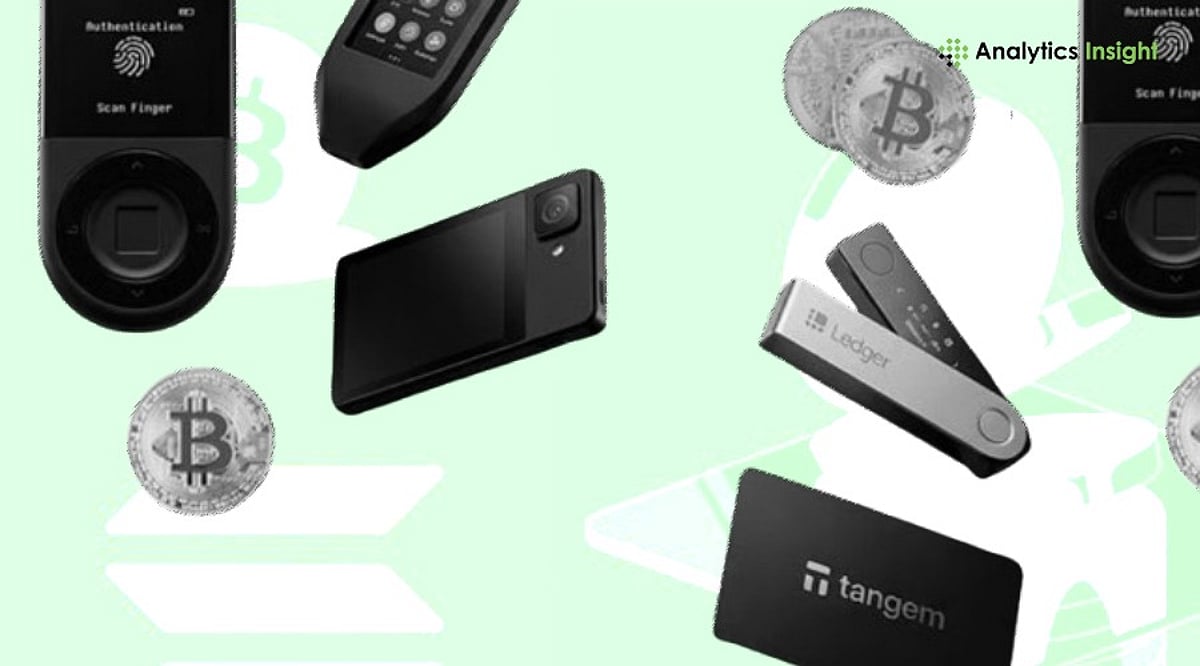
    MetaMask remains the most widely used EVM wallet in 2026, serving as the primary gateway to Web3 for millions. Its extensive compatibility with decentralized applications (dApps) gives it a clear edge. Available as a mobile app and browser extension, MetaMask supports hardware wallets like Ledger and Trezor for enhanced security. The Snap feature has expanded its reach to hundreds of EVM-compatible chains. While its ecosystem is unmatched, new users may find the initial setup slightly complex.

    Rabby Wallet Gains Massive Popularity

    Rabby Wallet, developed by the DeBank team, has surged in popularity among advanced DeFi users. Its standout feature is a robust security system that simulates transactions before approval, clearly showing potential changes and helping prevent scams. The wallet automatically switches between blockchain networks, saving time for multi-chain users. Praised by security experts for its contract warning system, Rabby has become a top choice for experienced traders navigating the rising threat of crypto scams.

    Trust Wallet Dominates Mobile Users

    Trust Wallet remains a favorite for beginners, with over 200 million global users. This non-custodial wallet supports Ethereum, dozens of EVM-compatible blockchains, and thousands of assets. Its simple mobile interface makes crypto management effortless. Built-in features include token swaps, staking, NFT storage, and dApp access. As crypto reaches mainstream audiences, Trust Wallet’s ease of use continues to attract newcomers.

    Coinbase Wallet Brings Smart Wallet Technology

    Coinbase Wallet has introduced smart wallet technology in 2026, leveraging account abstraction to eliminate traditional seed phrase dependency. Users can now log in with passkeys or biometric methods like face recognition, enhancing both security and convenience. Gasless transactions on supported Layer 2 networks are another major update, allowing users to execute transactions without paying standard gas fees. These innovations position Coinbase Wallet as a strong contender for mainstream adoption.

    OKX Web3 Wallet Expands Fast

    OKX Web3 Wallet has grown rapidly, especially among active traders, supporting over 60 blockchain networks. It consolidates token swaps, cross-chain transfers, NFT management, and dApp access into a single platform. Security alerts warn users about suspicious websites before transactions, addressing the rise in online crypto attacks. Its all-in-one design appeals to users who frequently move funds across multiple ecosystems.

    Security Became the Biggest Concern This Year

    Wallet security is a top priority in 2026, with threats like the Crypto Clipper malware—which alters copied wallet addresses to redirect funds to hackers—and fake recovery software designed to steal seed phrases. In response, wallet companies are prioritizing hardware wallet support, transaction previews, biometric security, phishing alerts, and seedless recovery systems. Security now rivals convenience as a key factor in wallet selection.

    Final Thoughts

    The best EVM wallets in 2026 offer far more than simple storage. MetaMask leads in ecosystem access, Rabby excels in security, Trust Wallet appeals to beginners, Coinbase Wallet drives innovation, and OKX provides a comprehensive multi-chain solution. As Web3 expands, wallets evolve from basic tools into the foundation of the decentralized economy.

    FAQs

    1. What is an EVM wallet? An EVM wallet stores and manages crypto assets on Ethereum-compatible blockchains like Ethereum, Polygon, Arbitrum, Base, and BNB Chain.
    2. Which is the safest EVM wallet in 2026? Rabby Wallet is widely recognized for strong transaction simulation and scam detection, with hardware wallet integration adding extra protection.
    3. Which wallet is best for beginners? Trust Wallet remains one of the easiest options due to its simple mobile interface and beginner-friendly design.
    4. Why is wallet security a major concern in 2026? Threats like Crypto Clipper malware, phishing attacks, and fake recovery apps have made security a top priority for crypto users.
    5. Which wallet supports the most blockchain networks? OKX Wallet stands out with broad multi-chain support and integrated tools for swaps, NFTs, and decentralized exchanges.
  • Wordle July 4, 2026 Hints and Answer: Solve Puzzle #1841 with These Expert Tips

    Wordle July 4, 2026 Hints and Answer: Solve Puzzle #1841 with These Expert Tips

    Stuck on today’s Wordle? The July 4, 2026 puzzle (Number #1841) is here, and we have the hints and answer to help you maintain your winning streak. Today’s word is a five-letter noun that many enjoy eating during celebrations.

    Wordle Hints for July 4, 2026 (Puzzle #1841)

    Before revealing the answer, try these clues:

    • Vowel Count: 2 vowels
    • Consonant Count: 3 consonants
    • Repeated Letters: Yes
    • Letter Rarity: All common letters
    • First Letter: P

    Bonus Hint: The word ends with the letter ‘A’.

    Wordle Answer for July 4, 2026

    If the hints above didn’t give it away, the answer for Wordle #1841 is PIZZA.

    Best Tips for Playing Wordle

    New to Wordle or want to improve your game? Follow these strategies:

    • Start with words containing common vowels and consonants to gather early clues.
    • Avoid repeating letters in your first few guesses unless you are confident.
    • Pay attention to color feedback: green for correct position, yellow for correct letter but wrong position.
    • Use each guess to eliminate possibilities rather than guessing randomly.
    • Expand your vocabulary to recognize less common words quickly.

    Final Thoughts

    Wordle continues to delight players with its daily challenge. Whether you solve it over morning coffee or during a work break, each puzzle offers a satisfying mental workout. May your 2026 streaks remain unbroken.

  • Bitcoin Halving in 2026: Why the Traditional Cycle No Longer Dominates

    Bitcoin Halving in 2026: Why the Traditional Cycle No Longer Dominates

    Bitcoin has a built-in system where miner rewards get cut by 50% every four years. The purpose is straightforward: it slows the influx of new Bitcoins into the market, making supply progressively limited. With a hard cap of 21 million coins, that inherent scarcity has always captured attention. When supply tightens and demand remains robust, prices typically rise. For years, traders have relied on this pattern to forecast price movements.

    What Past Halving Events Showed

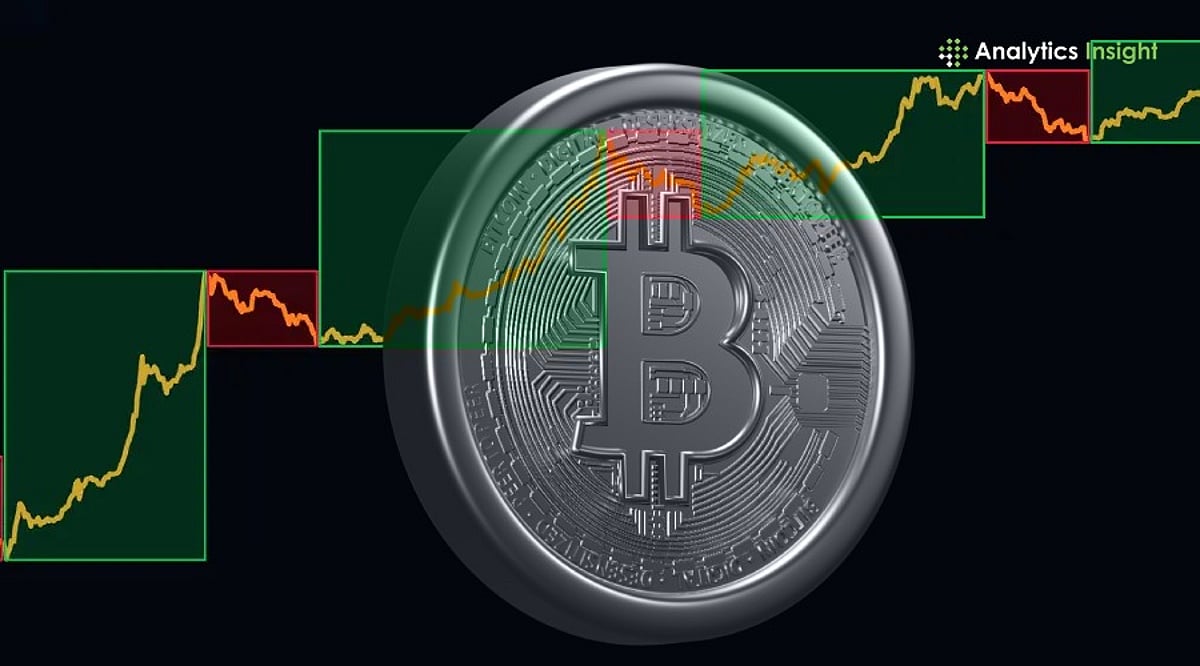
    After the 2012 halving, Bitcoin surged from around $12 to over $1,100 within a year. The 2016 halving preceded a rally that pushed Bitcoin near $20,000 in 2017. The 2020 halving set the stage for a run to almost $69,000 in 2021. This repeated pattern led many to believe Bitcoin followed a clear four-year cycle where halving triggered major price growth.

    The 2024 Halving and Market Changes

    The latest halving occurred in April 2024, cutting miner rewards from 6.25 to 3.125 Bitcoin per block. Initially, it met expectations—Bitcoin touched a record high near $126,000 during late 2025. But the market shifted quickly. In the first half of 2026, Bitcoin saw strong downward pressure, dropping below $60,000—a loss of more than 30% since the start of the year. This weakness surprised analysts, as previous halving cycles typically remained strong for longer periods.

    Institutional Investors Changed the Market

    A major reason for this shift is the rise of institutional investors. In earlier years, Bitcoin relied mainly on retail traders and crypto enthusiasts. Today, large financial firms play a much bigger role. After the approval of spot Bitcoin ETFs in 2024, billions of dollars entered the market through traditional channels. But in recent weeks of 2026, reports indicated $4.5 billion to $6 billion exited Bitcoin ETFs, creating heavy selling pressure. Bitcoin no longer reacts solely to supply reduction after halving; large money movements now exert stronger influence.

    Bitcoin Now Reacts to the Global Economy

    Another important change is Bitcoin’s integration with the global financial system. Earlier, Bitcoin mostly moved based on crypto market trends. In 2026, broader economic events affect price much more. Interest rate decisions, central bank policies, inflation concerns, and overall market confidence now shape Bitcoin movement. Capital has also shifted heavily toward artificial intelligence companies and semiconductor stocks this year, diverting speculative money that once flowed into crypto. Bitcoin now behaves more like a global financial asset than a market dependent solely on its internal cycle.

    Pressure on Bitcoin Miners

    Mining companies face serious challenges after the latest halving. With smaller rewards, miners earn less Bitcoin for the same work. High electricity costs in many countries compound the issue. Lower Bitcoin prices in 2026 have made the situation even harder. Some miners have been forced to sell Bitcoin reserves to cover expenses, adding extra selling pressure that diminishes the halving’s usual positive impact.

    Why Halving Still Matters

    Despite these changes, the halving cycle cannot be dismissed entirely. Bitcoin still has fixed supply rules, and scarcity remains one of its strongest features. Some analysts believe the current correction resembles older cycles. Research published in June 2026 suggests Bitcoin may form a stronger bottom later this year before another recovery phase. Several forecasts expect Bitcoin to recover toward $90,000 to $170,000 once market conditions improve and investor confidence returns.

    The Future Beyond 2026

    Bitcoin halving is no longer the sole factor controlling price. “Halving used to be the main engine behind every major rally. Institutional money, ETF flows, government regulation, economic policy, and global investor sentiment now have equal or greater influence than supply reduction,” notes one analyst. Limited supply remains part of Bitcoin’s core value, but the predictable four-year boom pattern no longer holds. In 2026 and beyond, Bitcoin will continue to follow its halving structure, but price movement will depend heavily on external forces. Crypto has matured. Bitcoin now sits inside a larger financial system where supply still matters, but demand and macro conditions do most of the heavy lifting.

    FAQs

    1. What is Bitcoin halving?
    Bitcoin halving is a built-in event that reduces miner rewards by 50% roughly every four years, slowing new Bitcoin supply creation.

    2. Why did Bitcoin halving matter historically?
    Past halvings in 2012, 2016, and 2020 were followed by major price rallies due to reduced supply and rising demand.

    3. Why is the 2024–2026 cycle different?
    Large institutional participation, ETF inflows/outflows, and macroeconomic factors have changed Bitcoin’s traditional market behavior.

    4. Does Bitcoin still follow the four-year cycle?
    Not as predictably as before. Halving still matters, but external financial factors now play a much bigger role.

    5. Can Bitcoin recover after the 2026 correction?
    Many analysts believe Bitcoin can recover if market confidence improves, with forecasts ranging between $90,000 and $170,000.

  • Zero Trust Security in 2026: Why Enterprises Are Ditching Passwords for Continuous Identity Verification

    Zero Trust Security in 2026: Why Enterprises Are Ditching Passwords for Continuous Identity Verification

    Zero Trust Security has become a core cybersecurity model in 2026 as companies move away from traditional password-based systems. The model follows a simple rule: never trust any user or device by default, even inside the network perimeter.

    Organizations now rely on continuous identity verification instead of one-time password authentication to reduce security risks. Multi-factor authentication has evolved into passwordless systems using biometrics like fingerprints, face recognition, and device-based trust signals.

    AI-driven security tools now monitor user behavior in real time to detect unusual access patterns and potential breaches. Cloud adoption has accelerated Zero Trust implementation, especially in hybrid and remote work environments.

    Companies are using micro-segmentation to limit access, ensuring users only reach the systems they are authorized to use. Cyber threats are becoming more advanced, pushing enterprises to adopt adaptive security systems that respond instantly.

    Experts say Zero Trust is no longer optional, as data breaches and identity attacks continue to rise globally.

  • Top Smartphone Deals 2026: Huge Savings on iPhone 17, Galaxy S25 Ultra and More

    Top Smartphone Deals 2026: Huge Savings on iPhone 17, Galaxy S25 Ultra and More

    Two of India’s biggest e-commerce sales are running side by side this week, offering steep discounts on premium smartphones including the Apple iPhone 17, Samsung Galaxy S25 Ultra, and other flagship models. Flipkart’s GOAT Sale 2026 kicked off on July 4 and runs through July 9, while Amazon’s Prime Day 2026, now in its 10th year in India, operates a shorter 72-hour window from July 4 to July 6. Together, these sales cover everything from top-tier iPhones to budget-friendly Android options.

    Amazon Prime Day: Exclusive to Members, But Easy to Join

    Amazon’s sale is restricted to Prime members, but joining is straightforward, with discounted subscription pricing running alongside the event. A 12-month Prime Annual plan is reduced to Rs. 999 from Rs. 1,499, Prime Lite is priced at Rs. 599 instead of Rs. 799, and shoppers who only want commerce perks can opt for the Prime Shopping Edition at Rs. 299 for the year. Amazon says the event covers more than 15,000 products across 300-plus brands, with over 500 new product launches.

    Amazon is also sweetening the deal with up to a 10% instant discount on SBI and Axis Bank cards, plus 5% unlimited cashback for Amazon Pay ICICI Bank credit card users. On Flipkart, older iPhone models are seeing cuts too, with the iPhone 16, 16e, and 15 priced at Rs. 59,900, Rs. 55,900, and Rs. 49,900 respectively, alongside the Nothing Phone (4a) Pro starting at Rs. 41,999.

    Which Sale Should You Pick?

    The two platforms are playing to different strengths. Amazon’s event leans toward new launches and discounts spread across a wider product catalog, while Flipkart is going deeper on premium Android flagships and the full iPhone 17 lineup. Membership perks differ too: Prime members get Prime Video and Prime Music bundled in, while Flipkart Plus members get early sale access and SuperCoins rewards. The better pick ultimately depends on whether you’re chasing a specific flagship phone or want a broader shopping session.