Blog

  • Unlock These 10 Under-the-Radar AI Features on Samsung Galaxy Phones

    Unlock These 10 Under-the-Radar AI Features on Samsung Galaxy Phones

    Samsung Galaxy phones are packed with artificial intelligence capabilities that many users never discover. From real-time language translation to intelligent photo editing, these hidden tools can transform how you work, communicate, and capture memories. Here’s a rundown of the most useful AI features you might be missing.

    Circle to Search

    Search for text, products, landmarks, or images directly from your screen by simply circling them. No need to leave the current app — just gesture and get instant results.

    Live Translate

    Translate phone calls in real time, enabling natural conversations across different languages. On-device AI processing keeps your conversations private and secure.

    Interpreter Mode

    Display instant two-way translations on a split screen, making face-to-face conversations seamless during travel, meetings, or interactions with foreign speakers.

    Note Assist

    Automatically summarize lengthy notes, create structured formats, generate titles, and improve readability. Perfect for saving time during study sessions or work.

    Browsing Assist

    Summarize lengthy web pages, translate articles, and simplify complex content directly within Samsung Internet for faster information consumption.

    Transcript Assist

    Convert voice recordings into accurate text transcripts, identify speakers, and generate concise summaries for interviews, lectures, or business meetings.

    Generative Edit

    Remove unwanted objects, reposition subjects, fill missing backgrounds intelligently, and enhance photos using Samsung’s AI-powered editing capabilities.

    Writing Assist

    Rewrite messages, adjust writing tone, correct grammar, and generate polished responses directly from the Samsung Keyboard across supported apps.

    Audio Eraser

    Reduce distracting background noises like wind, traffic, or crowds in recorded videos, making voices clearer without requiring third-party editing software.

  • Top Fantom Ecosystem Tokens by Market Cap in 2026

    Top Fantom Ecosystem Tokens by Market Cap in 2026

    The Fantom (FTM) ecosystem, now rebranded as Sonic, continues to expand with a diverse array of tokens powering decentralized finance, NFTs, and more. Here are the leading tokens by market capitalization in 2026, each playing a key role in the ecosystem’s growth.

    • Sonic (S): The rebranded native token of Fantom, Sonic is used for transactions, staking, governance, smart contracts, and ecosystem expansion. It offers improved speed and scalability, making it a foundational asset for the network.
    • Beets (BEETS): A decentralized exchange token that supports liquidity pools, governance participation, and yield farming. BEETS enables efficient token swaps within the growing Sonic ecosystem.
    • Equalizer (EQUAL): This community-driven DEX token rewards liquidity providers while enabling governance, low-cost swaps, and sustainable DeFi ecosystem growth.
    • WigoSwap (WIGO): A popular DeFi token offering staking, farming, NFT integration, and governance voting. It provides attractive rewards for active participants in the blockchain community.
    • Tarot (TAROT): A lending protocol token that facilitates leveraged yield farming, decentralized borrowing, and governance rights. It improves capital efficiency for crypto investors and traders.
    • Geist Finance (GEIST): A lending ecosystem token supporting decentralized borrowing, lending markets, liquidity incentives, and governance. It aids in expanding blockchain-based financial services globally.
    • PaintSwap (BRUSH): An NFT marketplace token that combines digital collectibles, decentralized trading, creator rewards, staking, and governance features within the Sonic ecosystem.
    • fMint (FMINT): A stable asset protocol token that supports synthetic assets, collateralized borrowing, and DeFi innovation, contributing to efficient blockchain-based financial infrastructure.
    • Beethoven X Vault Token: A governance-focused ecosystem asset supporting liquidity optimization, DeFi strategies, protocol incentives, and community-led blockchain expansion worldwide.

    These tokens represent the dynamic and growing Fantom ecosystem, each contributing unique features to foster a robust decentralized economy.

  • 10 Major E-Commerce Rivals Challenging Amazon in 2026

    10 Major E-Commerce Rivals Challenging Amazon in 2026

    The e-commerce landscape in 2026 is more competitive than ever, with a diverse set of global players challenging Amazon’s dominance. From established retail giants to rapidly growing platforms, these ten companies are reshaping online shopping through innovation, logistics, and customer-centric strategies.

    • Walmart: Expanding omnichannel retail with grocery delivery, digital marketplaces, logistics investments, and customer-focused shopping experiences to challenge Amazon’s global reach.
    • Alibaba Group: Leading Asian e-commerce through cloud computing, digital payments, logistics infrastructure, AI innovation, and international marketplace expansion across multiple regions.
    • JD.com: Strengthening retail leadership with warehouse automation, advanced logistics, premium shopping experiences, AI technologies, and reliable nationwide delivery services.
    • Shopify: Empowering merchants to build scalable online businesses with e-commerce tools, payment services, fulfillment solutions, AI features, and customizable digital storefronts globally.
    • eBay: Maintaining marketplace relevance through auctions, fixed-price listings, refurbished products, international commerce, and trusted buyer protection services for millions worldwide.
    • Mercado Libre: Dominating Latin American e-commerce with integrated payments, logistics services, financial technology innovations, marketplace expansion, and rapidly growing digital adoption.
    • Target: Growing digital retail with same-day delivery, curbside pickup, exclusive products, loyalty rewards, and seamless online-to-offline shopping experiences across the U.S.
    • Temu: Expanding rapidly through aggressive pricing, global supplier partnerships, promotional campaigns, and affordable product offerings targeting value-conscious online shoppers.
    • Costco: Leveraging membership-based retail, competitive pricing, expanding e-commerce operations, exclusive merchandise, and strong customer loyalty to compete effectively with Amazon.

    These companies are each carving out unique strengths—whether through logistics, technology, or pricing—to capture market share and offer consumers compelling alternatives to Amazon’s ecosystem.

  • 2026 Foldable Phone Buyer’s Guide: What to Look For Before You Buy

    2026 Foldable Phone Buyer’s Guide: What to Look For Before You Buy

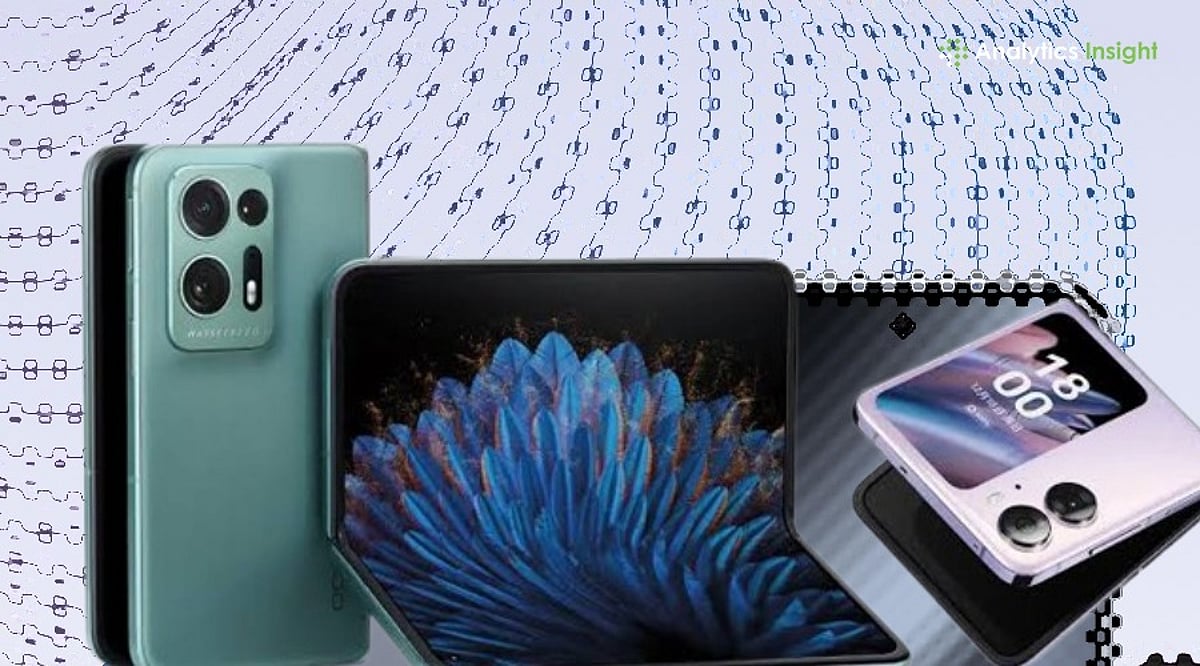
    Foldable phones have come a long way in 2026. Better displays, stronger hinges, and longer battery life have made them a practical choice for everyday users who want a phone that offers both portability and a larger screen.

    A few years back, foldable phones felt like expensive gadgets for a premium group of buyers. However, the picture has changed. These foldable devices have become part of the mainstream smartphone market. With better screens, stronger hinges, and longer battery life, models are now much more practical than before.

    Modern smartphone users prefer a device that functions as both a phone and a small tablet. A foldable phone gives them that option without carrying two devices. It is useful for watching videos, reading, gaming, and even working while traveling.

    Still, not every foldable phone is worth buying. Some focus on style, while others are built for people who need a larger screen every day. Before spending a large amount of money, it is worth knowing what really matters.

    How to Choose the Right Foldable Phone

    Foldable phones look impressive, but looks alone aren’t enough. Before you decide to purchase a model, you must cross-check some important aspects.

    1. Hinge Quality

    The hinge is the first thing to evaluate. Since you will open the phone multiple times a day, the hinge should feel smooth. A good hinge also helps the phone last longer.

    2. Display Quality

    The inner screen should be bright enough to read in scorching sunlight. Additionally, the latest models have a small external screen that allows you to reply to messages or check notifications without unfolding the phone.

    3. Battery Life

    If the screen is large, it will use more power. Thus, a bigger battery is always helpful. Fast charging is also worth looking for if you stay away from a charger for long hours.

    4. Performance

    Most users neglect this, but performance matters as much as others. A modern processor with enough RAM keeps apps running smoothly. This becomes even more important if you play games, edit photos, or use multiple apps at once.

    5. Software Support

    Do not ignore software support. Brands that promise several years of Android updates and security patches usually offer better value over time.

    6. Storage

    Photos, videos, and games continue to grow in size every year. Buying a model with enough storage now can save you trouble later.

    7. Budget

    Premium foldable phones offer the best experience, but several mid-range models now provide solid features at a much lower price.

    Foldable vs Flip vs Flat Phones

    The easiest way to understand the difference is to compare them side by side. A quick comparison reveals that foldable models offer the highest flexibility. Their biggest strength is larger screens, which make reading documents, editing photos, and using multiple apps simultaneously easier than ever.

    Flip phones are a good option for those who want a compact device that fits into a pocket. They save space but do not provide the same work experience as larger foldables. Flat phones remain the most popular option—they are affordable and reliable.

    For users who spend several hours on their phones every day, a foldable model often feels like a meaningful upgrade rather than just another smartphone.

    Are Foldable Phones Finally Worth Buying?

    If it were a few years back, most experts would tell people to wait. Early foldable phones were expensive, and many buyers worried about durability. Things look very different now. Newer models feel stronger, faster, and far more polished. The hinge has improved, the crease is less noticeable, and battery life is no longer a major concern. Software has also caught up, making better use of the larger screen.

    This does not mean everyone should rush to buy one. If you mainly use your phone for calls, messaging, and social media, a regular smartphone still does the job well. However, if your priority is watching videos, reading documents, or working while traveling, a foldable phone offers obvious advantages. It removes the need for a second screen in many cases.

    In the end, the best phone is the one that matches your daily routine. Foldable phones are no longer new. For many users, they have become a useful option that streamlines daily tasks.

    FAQs

    1. Which type of foldable phone is better for work?
    Book-style foldable phones are usually the better choice. Their larger internal display makes it easier to edit documents, attend video meetings, and use two apps simultaneously.

    2. How long do foldable phones usually last?
    Most modern foldable phones are built for years of regular use. Improved hinges, stronger screens, and better protection have made them much more reliable than older models.

    3. Are foldable phones good for gaming and streaming?
    Yes. The larger display gives games more room, and watching movies or sports feels much more enjoyable than on a standard phone.

    4. Should I buy a foldable phone or a regular smartphone?
    If you mainly use your phone for basic tasks, a flat phone is enough. If you want a bigger screen for work, entertainment, or multitasking, a foldable phone is the better option.

    5. What should I check before buying a foldable phone?
    Look at the hinge quality, display, battery life, processor, software update policy, storage, and price. These features have the biggest impact on long-term use.

  • Trump’s $1.4B Crypto Windfall: Financial Disclosure Shows Digital Assets as Top Income Source

    Trump’s $1.4B Crypto Windfall: Financial Disclosure Shows Digital Assets as Top Income Source

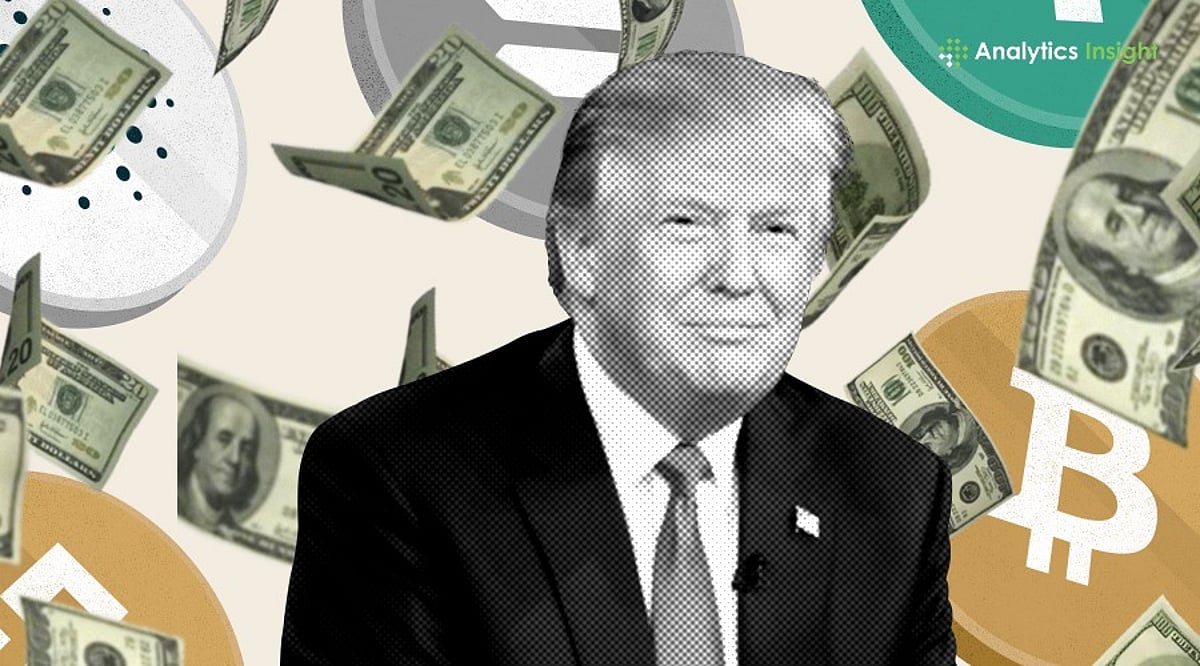
    U.S. President Donald Trump’s latest financial disclosure reveals that he earned more than $1.4 billion from cryptocurrency-related ventures, making digital assets his largest reported revenue stream. The filing provides new details on the scale of profits from his family’s entry into the crypto space, including World Liberty Financial and $TRUMP meme coins.

    Billion-Dollar Crypto Earnings

    According to Trump’s 2025 annual disclosure to the U.S. Office of Government Ethics, the president received over $500 million from World Liberty Financial, a crypto venture co-founded by him and his sons. An additional $635 million came from sales of his $TRUMP meme coins, classified under a group called ‘Celebration Coins.’ The filing also shows more than $236 million from other crypto token sales, plus over $65 million in equity sales related to World Liberty Financial. More than $290 million was listed as income from cryptocurrency wallets associated with the venture.

    Beyond crypto, Trump reported approximately $86.5 million from settlements with media companies, including $16 million each from ABC, CBS Broadcasting and CBS Interactive, $24.5 million from Meta, $22 million from YouTube, and $8 million from X.

    Contrast with Past Presidents

    Unlike many predecessors, Trump did not divest his assets or place them in a blind trust before taking office. The Trump Organization has stated that assets are managed by third-party financial institutions using automated trading technology. White House representatives have denied any conflicts of interest, emphasizing that the president’s policies, such as executive actions and support for the GENIUS Act, have made the U.S. the “crypto capital of the world.”

    Will Walker-Arnott, director of private clients at Raymond James Financial Group, noted the stark difference from previous administrations: “Jimmy Carter put his peanut farm into a blind trust and George W. Bush sold his interest in the Texas Rangers before becoming president, but Trump seems to be operating in a very different manner and seems to be making a lot of money through this family crypto company.”

    Wealth Growth and Mainstream Adoption

    Forbes estimates Trump’s net worth at $6 billion, up from $2.3 billion in 2024, while Bloomberg’s Billionaires Index places it at $7.6 billion. The disclosure underscores how cryptocurrencies have moved from niche investments into mainstream finance, becoming a significant source of wealth for high-profile figures and institutions.

  • Anthropic Launches Claude Sonnet 5: Enhanced Coding, API Pricing, and Platform Availability

    Anthropic Launches Claude Sonnet 5: Enhanced Coding, API Pricing, and Platform Availability

    Anthropic has officially launched Claude Sonnet 5, the latest iteration of its AI model, designed to enhance productivity in everyday tasks rather than adding flashy features. The update focuses on improving coding, planning, debugging, and handling long tasks, providing more reliable answers for complex assignments.

    The launch arrives amid intense competition in the AI landscape, with OpenAI, Google, Meta, Microsoft, and xAI all refining their models. Claude Sonnet 5 represents Anthropic’s latest effort to build a dependable AI tool for daily use.

    Key Features and Improvements

    Claude Sonnet 5 is now available across Free, Pro, Max, Team, and Enterprise plans, making it accessible to both individual users and businesses. For Free and Pro plans, it will be the default model. Developers can access the model at a promotional price of $2 per million input tokens and $10 per million output tokens until August 31, 2026. After that, pricing will increase to $3 per million input tokens and $15 per million output tokens.

    According to Anthropic, Sonnet 5 can complete tasks more independently than previous versions. It can plan tasks, use various tools as needed, and continue working without continuous user input. This makes it particularly useful for developers, students, researchers, and office workers.

    The company notes that Sonnet 5 exhibits “lower rates of hallucination and sycophancy than Sonnet 4.6” and scores lower on automated behavioral audits for misaligned behaviors. While not specifically trained for cybersecurity tasks, the model can perform basic and harmless cyber-related work.

    Shift Toward Practical AI

    The AI industry is evolving from simply making models faster or larger to ensuring they are reliable and useful. Claude Sonnet 5 reflects this trend, prioritizing real-world utility over benchmark scores. As competition intensifies, companies are focusing on delivering better value to users rather than just technical records.

  • Tesla’s Steerless Cybercab Test Ignites Safety and Liability Debate

    Tesla’s Steerless Cybercab Test Ignites Safety and Liability Debate

    Tesla has reignited the discussion around autonomous vehicle safety after releasing footage of its Cybercab completing a public road test in Austin, Texas—without a steering wheel or pedals. The vehicle, which relies entirely on self-driving technology, carried only a safety monitor inside, prompting fresh questions about liability and public trust.

    The video, shared by CEO Elon Musk, shows the Cybercab navigating city streets using Tesla’s camera-based autonomous system. First unveiled in 2024, the Cybercab is designed exclusively for robotaxi service, featuring a minimalist passenger display instead of a traditional dashboard. Tesla already operates robotaxi trials in Austin with Model Y vehicles, and this test signals a move toward dedicated autonomous fleets.

    Reactions on social media have been mixed. Supporters praised the technological leap, calling it a glimpse of the future. Critics, however, voiced safety concerns—wondering how the vehicle would handle emergencies, software glitches, or cyberattacks. Many asked whether a safety monitor could intervene in time, and who would be liable in an accident involving a fully driverless car.

    The debate unfolds as U.S. regulators consider a proposal from the National Highway Traffic Safety Administration (NHTSA) that could eliminate the requirement for brake pedals in fully autonomous vehicles. If passed, the rule would clear a path for companies like Tesla to deploy robotaxis without traditional controls.

    Tesla faces stiff competition from Waymo and Cruise, both of which use additional sensors like lidar and radar. Each company takes a different technical approach to safe autonomy. The Cybercab test underscores both the promise and the hurdles of driverless technology, with public confidence and clear safety regulations remaining critical barriers to widespread adoption.

  • Bitcoin ETFs See Record $4.5 Billion Outflows in June as Trump’s Crypto Holdings Surpass $500 Million

    Bitcoin ETFs See Record $4.5 Billion Outflows in June as Trump’s Crypto Holdings Surpass $500 Million

    US-listed Bitcoin exchange-traded funds recorded $4.5 billion in net outflows during June 2026, marking their worst monthly performance since launching in January 2024. The redemptions coincided with Bitcoin dropping 20.48%, its steepest monthly decline since June 2022.

    June’s withdrawals exceeded the previous monthly record of $3.56 billion set in February 2025 during an earlier period of market stress. BlackRock’s iShares Bitcoin Trust (IBIT) accounted for the bulk of the outflows, losing $3.55 billion—nearly 79% of all Bitcoin ETF redemptions for the month. That single-fund total almost matched the category’s former monthly record.

    Bitcoin closed four of 2026’s first six months in the red. In June 2022, the asset fell 37.28%. Ethereum ETFs followed Bitcoin into negative territory, posting $528.99 million in June outflows, according to SoSoValue. Solana ETFs also recorded about $786,580 in net withdrawals—a small figure compared with Bitcoin and Ethereum losses but marking their first negative month since launching, ending a streak of positive inflows.

    Meanwhile, XRP ETFs attracted $59.46 million in inflows, while Hyperliquid ETFs led the group with $161.05 million. These flows suggest some investors rotated capital from larger, established products into newer categories.

    In a separate development, President Donald Trump disclosed two cryptocurrency wallet assets in an ethics filing on Tuesday, each valued at more than $50 million. Both were described as cold-storage Bitcoin holdings. Forbes estimated Trump’s total Bitcoin exposure at more than $500 million, including his indirect share of Trump Media’s investments. Representatives of the Trump Organization and the White House did not immediately comment.

    One of the disclosed wallets is held within the entity that contains Trump’s stake in World Liberty Financial. That venture raised nearly $800 million from public offerings, much of it between the election and inauguration. The second wallet is held by CIC Digital LLC, which launched Trump’s memecoin. The company has collected more than $635 million in royalties from the token project.

    Trump Media announced plans last summer to invest in Bitcoin. The wider Trump Organization later joined companies adding the asset to their balance sheets. Michael Saylor’s Strategy built a large Bitcoin stockpile, inspiring more than 200 corporate imitators. Eric Trump publicly praised the balance-sheet strategy in September.

    Bitcoin rose 82% between Election Day and October 2025 as the administration softened the government’s approach to digital assets. The cryptocurrency later fell 53% from that high. Investors are now watching July price action and fund flows for signs of renewed demand.

  • Microsoft Layoffs Could Reshape Xbox Gaming Division Amid Shift to AI: 5,700 Jobs at Risk

    Microsoft Layoffs Could Reshape Xbox Gaming Division Amid Shift to AI: 5,700 Jobs at Risk

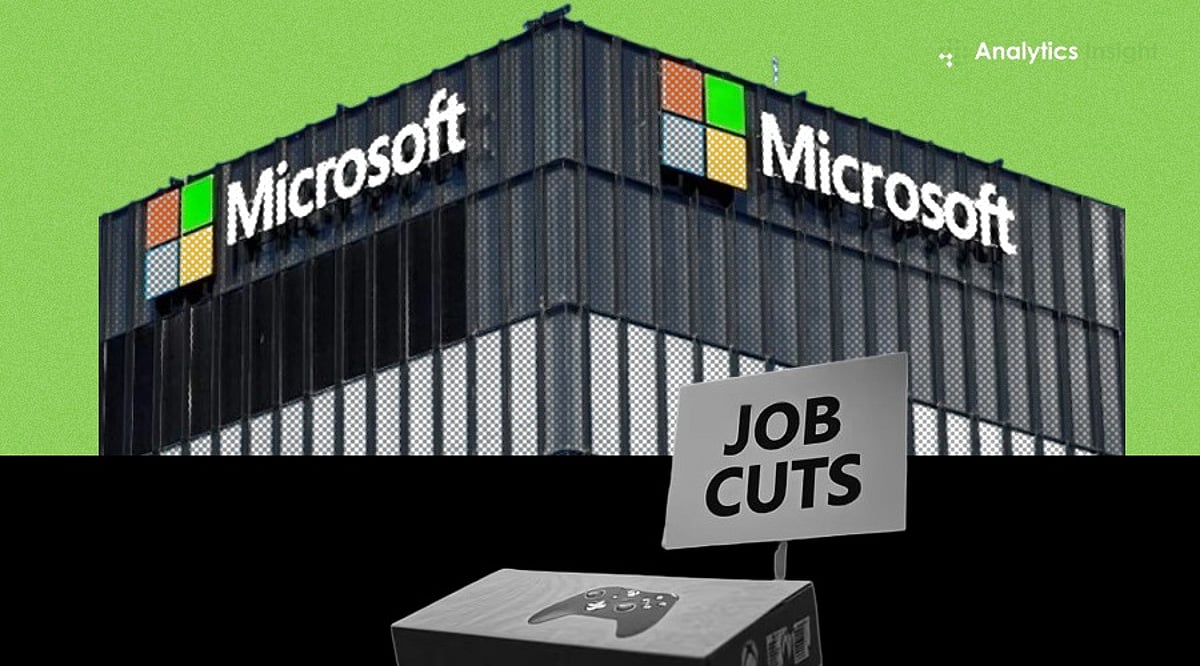
    Microsoft is reportedly preparing another round of job cuts that could affect nearly 2.5% of its workforce, placing the Xbox gaming division at the center of the restructuring. The move comes as the tech giant continues to pivot heavily toward artificial intelligence, raising questions about the future of its gaming strategy.

    Multiple reports indicate that Microsoft may announce layoffs affecting around 5,700 positions globally, impacting sales, consulting, and the Xbox gaming division. With a current global workforce of approximately 228,000, even a 2.5% reduction represents a significant number of job losses. This would mark one of the largest workforce reductions at Microsoft since the 4% layoff in July 2025.

    Although Microsoft has not officially confirmed which teams will be affected, the gaming division is widely expected to be the most impacted. Xbox has already undergone major changes since the company completed its Activision Blizzard acquisition. Several studios have closed, projects have been canceled, and teams have been reorganized. Recent reports even suggest that Microsoft is about to close Arkane Studios, effectively halting development of Marvel’s Blade.

    The layoffs come at a time when Microsoft is investing billions of dollars in AI infrastructure, cloud services, and new software. Many industry experts believe AI has become Microsoft’s biggest priority. As a result, the gaming division may need to adjust to a new reality where efficiency and cost control take precedence over rapid expansion.

    “If Xbox teams are included in the latest layoffs, it could point to a broader change in Microsoft’s gaming strategy,” the report notes. Instead of pursuing more acquisitions or larger development teams, the company may focus on making existing studios more productive. Services such as Xbox Game Pass are still expected to remain central to the company’s gaming plans.

    Microsoft is unlikely to abandon gaming entirely, given that it owns some of the industry’s biggest franchises. However, the latest reports suggest that the company’s biggest investments are now flowing into AI. For Xbox, that means a stronger emphasis on careful spending rather than breakneck growth.

    As the tech landscape continues to evolve, Microsoft’s next moves will be closely watched by industry observers and gamers alike.

  • Samsung Galaxy Z Fold 8 vs. Foldable iPhone Ultra: Early Look at Design, Camera, and Features

    Samsung Galaxy Z Fold 8 vs. Foldable iPhone Ultra: Early Look at Design, Camera, and Features

    Samsung and Apple are set to clash in the premium foldable smartphone segment for the first time in 2026. Samsung is expected to launch the Galaxy Z Fold 8 at its upcoming Galaxy Unpacked event, while Apple is rumored to introduce its first foldable iPhone, dubbed the iPhone Ultra by industry observers. Although neither company has confirmed official specifications, leaks and supply chain reports offer an early glimpse into what could be the year’s biggest smartphone rivalry.

    Foldable Battle Moves into a New Phase

    According to rumors, the Samsung Galaxy Z Fold 8 will feature a lightweight design, a reduced screen crease, and Qualcomm’s latest chipset. Meanwhile, Apple is reportedly working on a book-style foldable with an almost invisible screen crease. Apple’s device is expected to prioritize durability and long battery life, while Samsung leverages its years of foldable experience.

    Samsung May Hold the Software Advantage

    Samsung enters the race with mature foldable software, including multitasking, split-screen functionality, S Pen support (where applicable), and Galaxy AI features refined over multiple generations. Industry reports suggest Samsung is focusing on weight reduction and user experience improvements rather than radical hardware changes.

    Apple’s Ecosystem and Crease-Free Display

    Apple’s greatest strength may be its ecosystem. Leaks indicate Apple is working on a virtually crease-less display, premium build quality, and multitasking capabilities tailored for iOS. If realized, the foldable iPhone could become a compelling upgrade for existing Apple users, especially those already invested in services like iCloud, Apple Music, and the App Store.

    Creative Teasers from Samsung

    Samsung has been hinting at the Galaxy Z Fold 8 with a series of cryptic teasers on Instagram. The short videos feature a new, shorter form factor — a departure from Samsung’s usual tall, slim design. One teaser describes it as “cut to what matters,” with satisfying ASMR visuals of slicing pizza and breaking chocolate. The campaign suggests a device that “feels just right” in hand.

    Early Outlook

    At this stage, comparisons remain speculative. Samsung appears poised to refine its existing foldable technology, while Apple’s first foldable seems focused on design, ecosystem integration, and display quality. The real battle will begin once both devices launch and consumers can compare them directly.