Blog

  • Bitcoin Could Rally to $350K as Apeing Presale Targets $0.01: Which Crypto Is the Next Big Opportunity?

    Bitcoin Could Rally to $350K as Apeing Presale Targets $0.01: Which Crypto Is the Next Big Opportunity?

    Bitcoin remains the market leader, while Solana continues to attract attention through its fast blockchain and growing ecosystem. Apeing ($APEING), however, brings a different story through its live memecoin presale, early entry pricing, and community-focused features. For buyers searching for the next big crypto, the contrast is clear: established networks offer market history, while a new presale creates an early entry moment.

    Apeing ($APEING) Presale Momentum

    Apeing ($APEING) brings meme culture and Ethereum-based token utility together in a presale built for early community members. Now in Stage 4, Banana Hoarders, priced at $0.0005, it has raised $93K+, with 320+ holders and 445M+ tokens sold. A $1,000 investment gets 2,000,000 tokens, potentially worth $20,000 at the $0.01 listing price, representing a 1,900% potential ROI.

    The project raised $6,000 within minutes, reached 90 million tokens sold and $10,000 raised in 30 minutes, then sold 150 million tokens in less than an hour. Stage 2 was launched in under an hour, while Stage 3 unlocked in 6 hours of the presale. With limited tokens allocated to each stage, early buyers have a chance to secure entry before the next price change.

    $0.01 Ahead? Apeing’s Listing Strategy

    Apeing ($APEING) plans to list at $0.01, with a strategy focused on liquidity, orderly trading, and long-term market development. The first listing is planned for a decentralized exchange on Ethereum, with liquidity prepared in advance and locked for eighteen months. Centralized exchange listings are planned afterward, targeting three to five exchanges, including a United States venue when timing and compliance align.

    The project also plans on-chain staking a few weeks after trading begins. Team tokens follow a one year lock and six month release, while unsold presale tokens are removed through the burn function when a stage ends. These features matter because buyers gain a clearer picture of the project’s market plan, token handling, and future utility.

    How Early Buyers Can Secure Apeing’s Presale Advantage

    Apeing ($APEING) gives early buyers a simple route into its community. Visitors can open the official presale website, enter a valid email address, follow the purchase instructions, and complete the transaction for their desired $APEING allocation.

    The advantage is clear: early participants can enter before later stages, while limited stage allocations create urgency around timing. The project also offers staking features designed to reward committed holders. For buyers looking for the next big crypto, early access means getting closer to the project before wider market attention arrives.

    Apeing Post-Listing Price Potential

    Apeing ($APEING) has a stated listing plan of $0.01, giving its presale a clear price target for early participants. The project’s Ethereum foundation, staking features, community activity, and phased listing approach support its market narrative. Its potential future value depends on demand, trading activity, and successful execution of the listing strategy.

    The following table presents illustrative scenarios based on the stated $0.01 listing plan.

    Scenario Potential Price Key Factors
    Strong Demand $0.05 – $0.10 High community engagement, successful exchange listings, staking adoption
    Moderate Demand $0.01 – $0.03 Steady trading, average community growth
    Low Demand Below $0.01 Weak market interest, listing delays

    Bitcoin Price Prediction 2026 to 2030: Can BTC Lead the Next Market Rally?

    Bitcoin remains the market’s biggest cryptocurrency by valuation and investor attention. Its fixed maximum supply of 21,000,000 BTC, institutional interest, whale activity, and blockchain adoption all influence sentiment. The supplied live figures place Bitcoin at $78,802.21, with a 24-hour trading volume of $30,135,042,409 and a market cap of $1,582,697,576,173.

    Bitcoin is up 1.89% in the last 24 hours. Its circulating supply is 20,084,431 BTC, and its CoinMarketCap ranking is #1. For a BTC price prediction, moving averages, trading volume, market cycles, and large investor demand can act like a market compass.

    Bitcoin Bull Run Forecast

    A Bitcoin bull run could be supported by increased institutional buying, stronger exchange-traded fund demand, improving global liquidity, and wider use of Bitcoin as a digital asset. The fixed maximum supply of 21,000,000 BTC may become more important when demand rises faster than available supply. Whale accumulation could also influence sentiment because large investors can affect market direction through major purchases.

    Bitcoin Bear Collapse Scenario

    A bear collapse could develop if global liquidity weakens, institutional demand slows, or investors move away from higher-risk assets. Bitcoin may also face pressure from regulatory uncertainty, reduced trading activity, and large holders selling into a declining market.

    Solana Price Prediction 2026 to 2030: Is SOL Ready for Another Breakout?

    Solana continues to attract crypto enthusiasts through its fast blockchain, developer activity, and growing ecosystem. The supplied live price is $103.34, with a 24-hour trading volume of $3,186,912,080 and a market cap of $60,646,589,157. Solana is up 1.99% in the last 24 hours, ranking #7 on CoinMarketCap. Its circulating supply is 586,892,413 SOL coins.

    For a Solana price prediction, network usage, applications, market sentiment, and developer growth remain key factors. If demand rises, SOL could benefit from renewed attention. If activity slows, price momentum may fade.

    Conclusion: Bitcoin, Solana and Apeing ($APEING) Create a New Crypto Opportunity

    Bitcoin and Solana remain major names in the crypto market, with their future shaped by adoption, liquidity, developer activity, and investor attention. Their price predictions show how market cycles can create new opportunities. Apeing ($APEING), meanwhile, brings a different angle through its live memecoin presale, Ethereum foundation, staking features, and planned $0.01 listing price.

    For buyers searching for the next big crypto, the project’s early entry structure creates a reason to explore the opportunity now. The presale is live, and limited stage allocations add urgency. The next big crypto story could already be underway. Visit the official Apeing presale website today and explore $APEING before the next stage arrives.

    For More Information:
    Website: Visit the Official Apeing Website
    Telegram: Join the Apeing Telegram Channel
    Twitter: Follow Apeing on X (Formerly Twitter)

    FAQs about the Next Big Crypto

    What is the next big crypto to watch?
    The next big crypto may be a project that combines strong community demand, useful blockchain features, and early market interest. Bitcoin, Solana, and Apeing ($APEING) offer different opportunities to follow.

    What is the next big crypto expected to explode?
    Apeing ($APEING) is attracting attention through its presale momentum, Ethereum foundation, and planned $0.01 listing price. Its early-stage structure makes it a project worth watching.

    Which crypto could be the next big crypto in 2026?
    Bitcoin and Solana remain important market names, while Apeing ($APEING) offers an early presale opportunity. Each project has a different market story.

    What is Apeing ($APEING)?
    Apeing ($APEING) is an Ethereum-based memecoin project with a live presale, community-focused features, staking options, and a planned $0.01 listing price.

    Why are buyers interested in Apeing ($APEING)?
    Buyers may find Apeing attractive because of its early entry pricing, limited stage allocations, staking features, and planned listing strategy. The project offers a way to join its community before wider market attention.

    Disclaimer: Analytics Insight does not provide financial advice or guidance on cryptocurrencies and stocks. Also note that the cryptocurrencies mentioned/listed on the website could potentially be risky, i.e. designed to induce you to invest financial resources that may be lost forever and not be recoverable once investments are made. This article is provided for informational purposes and does not constitute investment advice. You are responsible for conducting your own research (DYOR) before making any investments. Read more about the financial risks involved here.

  • iOS 27 Hands-On: Apple Intelligence Puts AI at the Core of the iPhone

    iOS 27 Hands-On: Apple Intelligence Puts AI at the Core of the iPhone

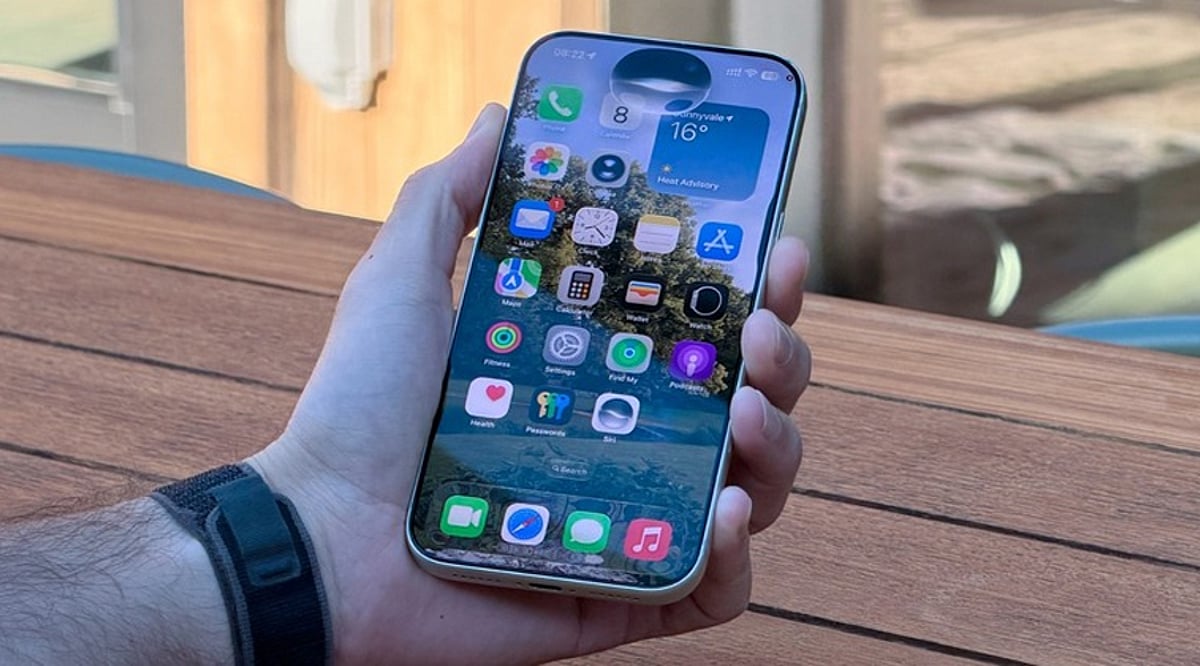
    Apple’s iOS 27 update signals a turning point for the iPhone: artificial intelligence is no longer a side feature but the backbone of the user experience. Powered by Apple Intelligence, the new OS enhances Siri, the Camera, Photos, and writing workflows — making the device more proactive, context-aware, and capable of handling complex tasks across apps.

    Siri AI Takes Center Stage

    With iOS 27, Siri becomes far more than a voice assistant. The upgraded Siri AI understands personal context, what’s on the screen, and natural language requests while executing actions across different apps. Users can ask it to find information buried in emails, photos, and notes, draft content, answer questions, and carry on continuous conversations through Siri’s dedicated app.

    Personal Context Gets Smarter

    Siri AI now draws on messages, emails, photos, and saved notes to deliver more relevant answers. Rather than interpreting isolated commands, it can locate specific details and connect information across apps, creating a more integrated assistant that works with data already stored on your iPhone.

    The Camera Becomes a Visual AI Assistant

    Visual Intelligence arrives in the iPhone Camera, letting users ask questions about objects, text, and situations visible in the viewfinder. Siri can then identify what it sees, offer relevant information, and trigger actions based on the scene. This moves AI beyond chat into everyday visual tasks.

    AI-Powered Photos and Creative Tools

    The Photos app receives new AI-driven editing tools that simplify adjustments. Apple is also expanding Image Playground with the ability to generate photorealistic imagery from natural-language prompts. Together, these features let users edit and create visual content without relying solely on traditional controls.

    Writing Assistance Gets an AI Upgrade

    Apple Intelligence brings writing support directly into iOS 27 workflows. Users can generate first drafts, get feedback, and fine-tune style or tone for different audiences. The goal is to make AI writing assistance feel native to the iPhone rather than an add-on chatbot experience.

    Hardware Limits Remain

    Not every iPhone can run the full Apple Intelligence suite. Siri AI requires an Apple Intelligence-enabled device, including iPhone 15 Pro models and iPhone 16 or later. That leaves a clear gap between supported models and older iPhones that continue to run iOS 27 without the advanced capabilities.

    AI Is Becoming the Interface

    iOS 27 shows Apple moving AI from an optional extra to a core layer of the iPhone experience. Siri, Camera, Photos, writing tools, and cross-app actions all depend on behind-the-scenes intelligence. The result is an iPhone where AI quietly powers how everyday tasks get done.

  • Google Gemini Now Uses Google Photos as References for Personalized AI Images

    Google Gemini Now Uses Google Photos as References for Personalized AI Images

    Google Gemini is taking personalized image creation further by tapping into your existing Google Photos library. With Personal Intelligence enabled, the AI can pull relevant photos as visual references and combine them with Nano Banana’s image-generation capabilities to produce images that reflect the people, pets, places, and moments you care about.

    Key Takeaways

    • Gemini can use relevant Google Photos as visual references when Personal Intelligence has access.
    • Private Google Photos libraries are not directly used to train Gemini models.
    • Personal Intelligence availability varies by country, and some Nano Banana features are limited to eligible US users.
    • Users can review and change the photo reference with the Sources option.

    A Photo Library That Does More Than Store Memories

    For years, Google Photos has been a place to organize and preserve memories. Now those same photos can act as source material for new AI-generated images. When Personal Intelligence is connected to Google Photos, Gemini can search the library for visual context, select a relevant image, and use it as a reference for a new creation.

    This removes the need to upload a separate photo for every request. You can simply describe a scene that involves a familiar person or pet, and Gemini will locate a suitable photo from the connected library, then transform it into a new style, setting, or situation.

    How Gemini Chooses the Right Photo

    Personal Intelligence gives Gemini access to selected Google services, including Google Photos. According to Google, the system works with named face groups in Google Photos, which helps Gemini recognize family members and pets. When you make a request, Gemini can search for relevant photo context and hand the chosen image to Nano Banana, the model family responsible for generating the final picture.

    The process supports far more than a single selfie. If your library contains years of family trips, celebrations, or pet photos, those images give Gemini extra context for producing a more personal result.

    Google also included a transparency feature: the Sources option shows which photo Gemini used as a reference. If the selection is off, you can choose another image from the library instead.

    Privacy and AI Training: What Google Says

    Privacy is the biggest question surrounding this feature. Google says Gemini does not directly train its models on private Google Photos libraries. The connected photo data is instead used as context for individual requests when Personal Intelligence has permission.

    This distinction matters: allowing Gemini to access a specific photo for a task does not mean the entire private library is treated as training material. At the same time, Google notes that some Gemini prompts and model responses may support service improvement, depending on the user’s settings and applicable policies.

    Users also have control over connected services. Through Personal Intelligence, you can connect or disconnect Google Photos, Gmail, YouTube, Search, or other services at any time. Control options may vary by feature, location, account type, and age.

    Availability: India, the United States, and Beyond

    Google expanded Personal Intelligence to India in April 2026. Users there can optionally connect Gemini to Google Photos, Gmail, YouTube, and Search. India also received a related Google Photos tool called Help me edit, which lets users describe changes in natural language, such as removing sunglasses or altering an expression.

    However, Personal Intelligence availability does not guarantee every Gemini photo feature is available in every market. Google’s help documentation currently describes the Nano Banana feature with Personal Intelligence as available in the United States for eligible users aged 18 and above.

    In January 2026, Google launched Personal Intelligence in the United States. By June, personalized image access expanded to all eligible US users, including free accounts. A July update added the ability to place a person into an image through an avatar, avoiding the need to upload a photo repeatedly.

    What This Means for the Future of AI Image Creation

    The shift is bigger than a smarter image editor. Gemini can now treat personal visual context as part of a creative request. The photo library supplies the reference, Personal Intelligence provides the context, and Nano Banana turns both into a brand-new image.

    This changes the role of a photo library. It is no longer just a record of what happened in the past. With permission, selected photos can become building blocks for new digital scenes, making AI image generation feel far more personal.

    FAQ

    Can Gemini use photos from Google Photos for AI images?

    Yes. Gemini can use relevant Google Photos as references when Personal Intelligence has access to the connected service.

    Does Google train Gemini directly on private Google Photos?

    Google says it does not directly train its models on private Google Photos libraries.

    Can Gemini show which photo it used?

    Yes. The Sources option shows which photo was selected as a reference, and you can replace it with another image.

    Is Personal Intelligence available in India?

    Yes. Google launched Personal Intelligence in India in April 2026, although specific features may differ by region.

    What role does Nano Banana play?

    Nano Banana provides the image generation capabilities that turn personal photo references and written requests into new AI images.

  • Axoflow Launches AxoDetect: In-Stream Sigma Detection Cuts SIEM Costs Without Sacrificing Visibility

    Axoflow Launches AxoDetect: In-Stream Sigma Detection Cuts SIEM Costs Without Sacrificing Visibility

    Axoflow has launched AxoDetect, a detection component now in early access that runs security rules directly in the data pipeline. Announced during Splunk .conf26, AxoDetect applies Sigma rules in stream to clean, normalized security data before it reaches the SIEM, changing how organizations approach detection and log storage.

    Detection before the SIEM ingest meter

    AxoDetect is designed for detection engineers who need existing detections to fire earlier on cleaner data without paying SIEM ingestion rates for raw log volume. The platform runs customer rules in the pipeline, sends alerts to the SIEM, and stores full-fidelity logs in AxoLake, Axoflow’s low-cost security data lake that can also run on-premises.

    The result makes the SIEM effectively optional as a log management system. Instead, the SIEM becomes a SecOps workflow engine for alerts and investigations, not a repository for an entire data estate.

    Sigma rules in one open format

    Detection engineers can write new Sigma rules, tune existing ones, and import community rules in one open format that works across tools. AxoDetect adds visibility that has historically been fragmented: what data is coming in, which detection each source feeds, and where a rule lacks the data it needs. That reduces the back-and-forth between detection and data teams that has typically been held together with manual processes and tool-switching.

    Customer results

    • A global industrial company cut SIEM costs by 50% and reduced mean time to resolution by 85%.
    • A government agency reduced data volume by 80% and infrastructure footprint by 85%.

    “The SIEM became the industry’s most expensive data swamp because it was the place where we kept all of our raw data,” said Balázs Scheidler, CEO and co-founder of Axoflow and creator of syslog-ng. “That constraint is gone. Detection belongs in the data layer, on normalized data, before the ingest meter starts. Keep your workflow in the SIEM. Send the alerts, but not your entire data estate.”

    What’s next

    Axoflow says the full detection lifecycle will run where the data lives, with additional capabilities rolling out in the months ahead.

    About Axoflow

    Axoflow describes itself as an autonomous security data layer for collecting, processing, routing, storing, and managing data, with in-stream detection now in early access. The company says its AI-based autonomy supports 10x faster investigations, 50% lower SIEM spend, and near-zero pipeline maintenance. Axoflow was founded by the creators of syslog-ng.

  • Beyond Mainstream: 7 Niche OTT Platforms Reshaping Digital Streaming

    Beyond Mainstream: 7 Niche OTT Platforms Reshaping Digital Streaming

    The streaming landscape is no longer dominated solely by global giants with massive libraries. A new wave of niche OTT platforms is proving that curation, regional identity, and specialized formats can build passionate audiences. From handpicked cinema to language-specific storytelling and audio-first fiction, these services are redefining how we discover and consume content.

    MUBI: Curated Cinema for Film Lovers

    MUBI takes a deliberately curated approach to streaming, spotlighting independent, international, classic, and critically acclaimed films. Instead of offering thousands of titles, it presents a carefully selected catalog designed for cinema enthusiasts. This model shows how specialized services can attract viewers through discovery, curation, and quality rather than sheer volume.

    hoichoi: Home to Bengali Storytelling

    hoichoi has built a dedicated streaming destination for Bengali-language audiences, featuring original web series, films, thrillers, comedies, and other regional entertainment. Its success underscores the growing demand for language-specific content in India. By focusing heavily on Bengali narratives, hoichoi shows how niche platforms can cultivate strong communities around regional culture.

    Planet Marathi: Celebrating Marathi Entertainment

    Planet Marathi brings Marathi-language entertainment to a dedicated digital audience, offering films, web series, music, and other regional programming. The platform reflects the increasing appetite for streaming services built around specific linguistic and cultural identities. By consolidating Marathi entertainment online, it gives viewers a compelling alternative to mainstream OTT catalogs.

    NammaFlix: Kannada Content with Local Roots

    NammaFlix centers on Kannada-language entertainment, delivering regional films, shows, and other programming for audiences connected to Karnataka’s language and culture. Its specialized approach illustrates how OTT services can serve viewers who often find limited regional options on mainstream platforms. NammaFlix also highlights the growing importance of localization in India’s streaming market.

    Neestream: Malayalam Stories Beyond Theaters

    Neestream focuses on Malayalam entertainment, bringing regional films, series, and other content to digital viewers. The platform serves audiences seeking programming tied to Kerala’s language and storytelling traditions. Its presence demonstrates how regional OTT services are carving out dedicated spaces for local entertainment while helping filmmakers reach audiences beyond traditional theatrical and television distribution.

    ShemarooMe: Multilingual Content with Cultural Depth

    ShemarooMe blends regional, Hindi, and specialized entertainment under one roof, with programming spanning Gujarati, Marathi, Hindi, and devotional content. The platform shows how OTT services can target distinct audience interests rather than following a single mainstream programming strategy. Its multilingual catalog gives viewers access to culturally specific entertainment that often receives less prominence on larger international streaming platforms.

    Pratilipi FM: Audio-First Storytelling

    Pratilipi FM expands digital storytelling beyond conventional video streaming by offering audio stories, fiction, podcasts, and spoken-word entertainment. Its model reflects the rapid growth of mobile-first audio consumption and demonstrates how audiences are discovering stories through new formats. Specialized audio platforms like this serve listeners who prefer entertainment that doesn’t require staring at a screen.

    These niche OTT platforms are proof that streaming’s future isn’t just about bigger catalogs — it’s about meaningful curation, cultural connection, and formats that meet audiences where they already are. As the digital entertainment ecosystem evolves, these focused services are changing the way we watch, listen, and engage with stories from around the world.

  • Nintendo Customer Appreciation Sale: Best Switch Game and Accessory Deals

    Nintendo Customer Appreciation Sale: Best Switch Game and Accessory Deals

    Nintendo’s Customer Appreciation Sale: What You Need to Know

    Nintendo is running a rare sale on some of its biggest Switch titles. The Customer Appreciation Sale runs from September 12 through September 26 in the U.S., with discounts of up to 30% on select games, bundles, DLC, accessories, amiibo, and apparel.

    Deals are available through the Nintendo eShop, the Nintendo Store, and select retail partners. Prices can vary by channel, so it’s worth comparing before checkout. Nintendo said the sale is a thank-you to fans, helped along by tariff refunds.

    Best Game Deals in the Sale

    Here are the standout game discounts to consider before the sale ends:

    • The Legend of Zelda: Tears of the Kingdom – drops below $50 for a rare price cut, with the full building, fusing, sky island, and underground Depths content.
    • The Legend of Zelda: Breath of the Wild – $41.99 for the open-world classic that redefined the series.
    • Mario Kart 8 Deluxe + Booster Course Pass bundle – $59.48 bundled, versus $41.99 for the game and $17.49 for the pass separately; includes 48 extra tracks.
    • Super Mario Odyssey – $41.99 for the kingdom-hopping platformer starring Cappy.
    • Super Mario Bros. Wonder – $41.99; a newer Mario title already on sale.
    • Kirby and the Forgotten Land – $41.99; an easy-to-pick-up 3D platformer.
    • Metroid Prime 4: Beyond – $41.99, but only for the standard Switch version, not the Switch 2 Edition.

    Hardware and Amiibo Deals

    Beyond games, the sale includes useful accessories:

    • Nintendo Switch Pro Controller – $55.99 with motion controls, rumble, amiibo scanning, and roughly 40 hours of battery life.
    • Rosalina and Lumas amiibo – $24.49; scanning it in either Super Mario Galaxy game grants a 1-Up Mushroom.

    Before You Buy

    Not every Nintendo title is included in this promotion. Only select items are discounted, and product availability can differ between the eShop, Nintendo Store, and participating retailers. The sale is also U.S.-only, so shoppers outside the U.S. should check their regional eShop for local deals. The promotion ends September 26, so there is limited time to decide.

    Final Thought

    This sale is a strong opportunity to fill gaps in a Switch library, especially for first-party games that rarely see major discounts. Just confirm the price, the edition, and stock before you buy.

  • India’s Commercial Vehicle Market Share in FY2025: Tata Motors and Mahindra Lead FADA Rankings

    India’s Commercial Vehicle Market Share in FY2025: Tata Motors and Mahindra Lead FADA Rankings

    India’s commercial vehicle retail market remains highly concentrated, with a handful of manufacturers controlling the majority of sales in FY2025, according to the latest data from the Federation of Automobile Dealers Associations (FADA).

    Tata Motors Leads the Market

    Tata Motors retained its position as India’s largest commercial vehicle retailer in FY2025, capturing a 33.46% market share. While that represents a slight dip from 35.69% in FY2024, the company’s wide-ranging portfolio — spanning small commercial vehicles, intermediate trucks, heavy trucks, and buses — continues to give it strong presence across multiple segments.

    Mahindra & Mahindra Gains Ground

    Mahindra & Mahindra posted a 25.52% retail market share in FY2025, up from 23.94% in FY2024. The automaker’s focus on small commercial vehicles, pickups, and utility-oriented offerings has helped it strengthen its position in last-mile transportation and goods movement.

    Ashok Leyland Holds Steady

    Ashok Leyland accounted for 16.60% of the market in FY2025, nearly unchanged from 16.64% in FY2024. The company remains a major producer of trucks and buses, serving freight, public transport, and logistics applications across the country.

    VE Commercial Vehicles Expands Slightly

    VE Commercial Vehicles, which operates the Eicher brand, recorded a 7.53% market share in FY2025, compared with 7.37% in FY2024. The company competes mainly in the medium-duty and heavy commercial vehicle segments.

    Maruti Suzuki and Others Round Out the List

    Maruti Suzuki held a 4.51% share, up from 4.22%, reflecting the growing importance of compact commercial vehicles for urban and last-mile operations. Daimler India Commercial Vehicles, under the BharatBenz brand, captured 2.06%, while Force Motors and SML Isuzu posted shares of 1.95% and 1.17%, respectively. All other manufacturers collectively accounted for 7.19%.

    These figures show that while a few automakers dominate India’s commercial vehicle sector, smaller players continue to hold meaningful positions in specialised niches. For fleet operators and industry watchers, the FADA data provides a clear snapshot of the competitive dynamics shaping the market.

  • NYT Strands #927 Answers and Hints: ‘Hard Not to Notice’ Theme for September 16, 2026

    NYT Strands #927 Answers and Hints: ‘Hard Not to Notice’ Theme for September 16, 2026

    NYT Strands #927 for Wednesday, September 16, 2026, presents a theme that is literally hard to ignore: “Hard not to notice.” This puzzle challenges players to find words describing things that strongly attract attention. Below, we provide the complete spangram, all theme answers, and helpful hints to guide you through the grid.

    Understanding Today’s Theme

    The official theme for September 16 is “Hard not to notice.” The six theme words are adjectives that describe visually bold, striking, or attention-grabbing qualities. Think of colors, styles, and designs that immediately catch the eye.

    How NYT Strands Works

    NYT Strands is a word-search game where players find words connected to the daily theme. Words can be placed horizontally, vertically, or diagonally. The Spangram describes the overall theme and stretches between two opposite sides of the grid; it is highlighted in yellow when found. Finding three non-theme words earns one hint toward a theme answer.

    Strands Hint for September 16, 2026

    Main hint: “Hard not to notice”
    More direct clue: “Think of something that immediately grabs attention.”

    The theme words describe things that stand out through their color, style, appearance, or overall visual impact.

    Spangram Hint

    Still searching for the longest answer? Today’s Spangram has 11 letters and starts with the letter E. It describes something that catches or attracts a person’s attention.

    Spangram Answer

    The Spangram for September 16, 2026 is: EYECATCHING.

    This 11-letter word captures the core of the “Hard not to notice” theme and connects all six theme answers.

    Strands Answers for September 16, 2026

    The complete answer list for today’s puzzle includes:

    • BRIGHT
    • FLASHY
    • JAZZY
    • STRIKING
    • VIBRANT
    • VIVID
    • EYECATCHING (Spangram)

    All six theme words describe something that can attract attention or stand out visually.

    Why Today’s Puzzle May Take Some Time

    Several answers have similar meanings, which can make the puzzle harder to complete. BRIGHT, FLASHY, VIBRANT, and VIVID all describe strong visual qualities, while STRIKING and JAZZY point toward something noticeable or distinctive. Finding the Spangram EYECATCHING can make the remaining words easier to identify by revealing the central connection between them.

    Another Daily Word Challenge

    NYT Strands continues to offer a new theme and hidden word set each day. Today’s “Hard not to notice” puzzle focuses on adjectives linked to attention-grabbing appearances. Those stuck on Strands #927 can use the answers above to complete the puzzle. A new Strands board will bring another theme and another set of hidden words in the next daily challenge.

    Also read: NYT Strands Hints, Spangram, Answers for September 15, 2026 (#926)

  • US Stock Futures Rise as Oil Retreats and Fed Decision Looms

    US Stock Futures Rise as Oil Retreats and Fed Decision Looms

    US stock futures edged higher on Wednesday as investors focused on the Federal Reserve’s upcoming interest rate decision. Oil prices pulled back from recent highs, while Treasury yields remained near the 5% mark. The market also tracked fresh moves in technology stocks after two consecutive sessions of losses on Wall Street.

    At 7:00 a.m. ET, Dow E-minis were up 115 points, or 0.22%. S&P 500 E-minis gained 0.25%, and NASDAQ 100 E-minis rose 0.50%. Traders are pricing a 92.5% chance of a quarter-point rate increase, according to CME FedWatch data, up from 61.2% a week earlier. The Fed will announce its decision at 2 p.m. ET, with markets widely expecting a 25-basis-point hike that would lift the federal funds target range from 3.50%–3.75% to 3.75%–4.00%.

    Oil prices eased on Wednesday after a sharp rally the previous session. Brent crude fell below $108 a barrel, while West Texas Intermediate traded near $104. The drop followed U.S. industry data showing crude inventories rose by 7.1 million barrels in the week ended September 11. Despite the pullback, oil remained above $100 a barrel as supply concerns persist.

    The 10-year U.S. Treasury yield held around 5% after moving above that level on Tuesday, briefly reaching its highest since 2007. Higher bond yields have increased borrowing costs and added pressure on stocks, particularly companies reliant on heavy capital spending.

    In the technology sector, Intel led premarket gains with a more than 5% rise after reports that SK Hynix is in talks with the U.S. chipmaker about producing memory chips domestically. NVIDIA rose less than 1%, while Meta remained nearly flat. Microsoft and Apple edged slightly lower. The broader tech sector remains under scrutiny as AI executives call for a slower pace of advanced model development, raising questions about future spending on chips, data centers, and cloud infrastructure.

    Global markets also moved higher. Europe’s STOXX 600 gained around 0.3%, and a broad Asia-Pacific share index outside Japan rose 0.6%. Investors across major markets now await the Fed’s decision and remarks from Fed Chair Kevin Warsh, which will provide clues on the future path of interest rates. Oil prices, Treasury yields, and the Fed’s rate outlook remain the primary drivers of U.S. stock futures ahead of Wednesday’s opening bell.