Tag: AI features

  • Pixel Buds Pro 2 and 2a Now Support Gemini Voice Commands for Hands-Free Settings Adjustment

    Pixel Buds Pro 2 and 2a Now Support Gemini Voice Commands for Hands-Free Settings Adjustment

    Google has officially started rolling out Gemini voice controls for its Pixel Buds Pro 2 and Pixel Buds 2a, giving users the ability to adjust earbud settings without ever opening the companion app. The update arrives through the Pixel Buds app via the Play Store as part of Google’s September software rollout.

    With the new feature, users can simply say “Hey Google, turn up the bass” or request changes to EQ presets, noise control modes, Conversation Detection, and touch settings. Gemini processes the request on the phone and then communicates with the earbuds to apply the changes instantly.

    After issuing a voice command, an overlay appears on the phone showing “Connecting to Pixel Buds” before Gemini confirms the adjustment both visually and with spoken feedback. This streamlined integration eliminates the need to navigate through the app manually.

    Beyond voice controls, Google has also teased additional features that will require separate firmware updates. Dynamic ANC will automatically compensate for subtle changes in the earbuds’ seal during movement, ensuring consistent noise cancellation. A new Pixel Watch sleep sync feature will detect when the wearer falls asleep, pausing music and disabling touch controls. Live Translate is also set to receive an upgrade that enables translated conversations directly through earbud interactions.

    Pixel Buds Pro 2 and Pixel Buds 2a owners can check the Play Store for the latest version (1.0.981607934) of the Pixel Buds app. The Gemini feature requires Gemini to be set as the default digital assistant on a compatible Android device.

  • Googlebook Laptops Hit Pre-Order Stage: $899 Starting Price, Gemini AI Integration, and Global Rollout Details

    Googlebook Laptops Hit Pre-Order Stage: $899 Starting Price, Gemini AI Integration, and Global Rollout Details

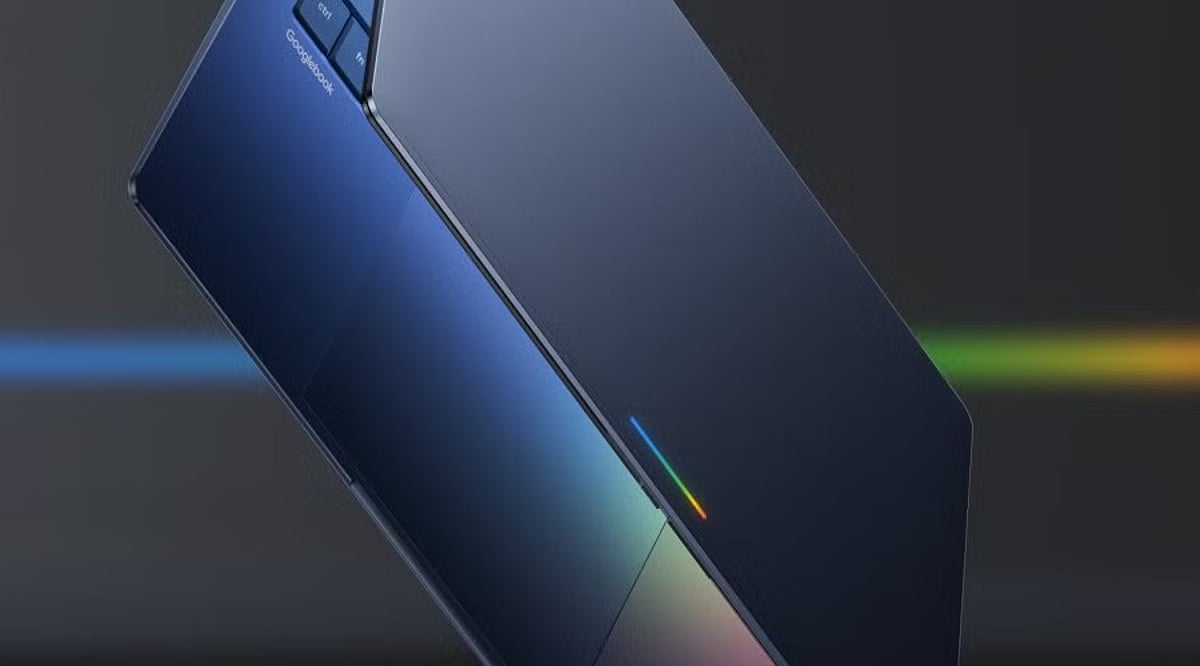
    Google has officially opened pre-orders for its new Googlebook laptops, marking a significant return to the premium laptop segment. Starting at USD 899 in the US, the lineup combines advanced Android integration with powerful Gemini AI features, all built on a foundation of premium hardware from Intel and Qualcomm processors.

    The initial batch of devices is supplied by Acer, ASUS, Dell, HP, and Lenovo. According to Google, the laptops will hit US shelves on October 4, followed by Canada, the UK, Ireland, France, Germany, and Australia on October 5.

    A New Take on Android and Laptop Computing

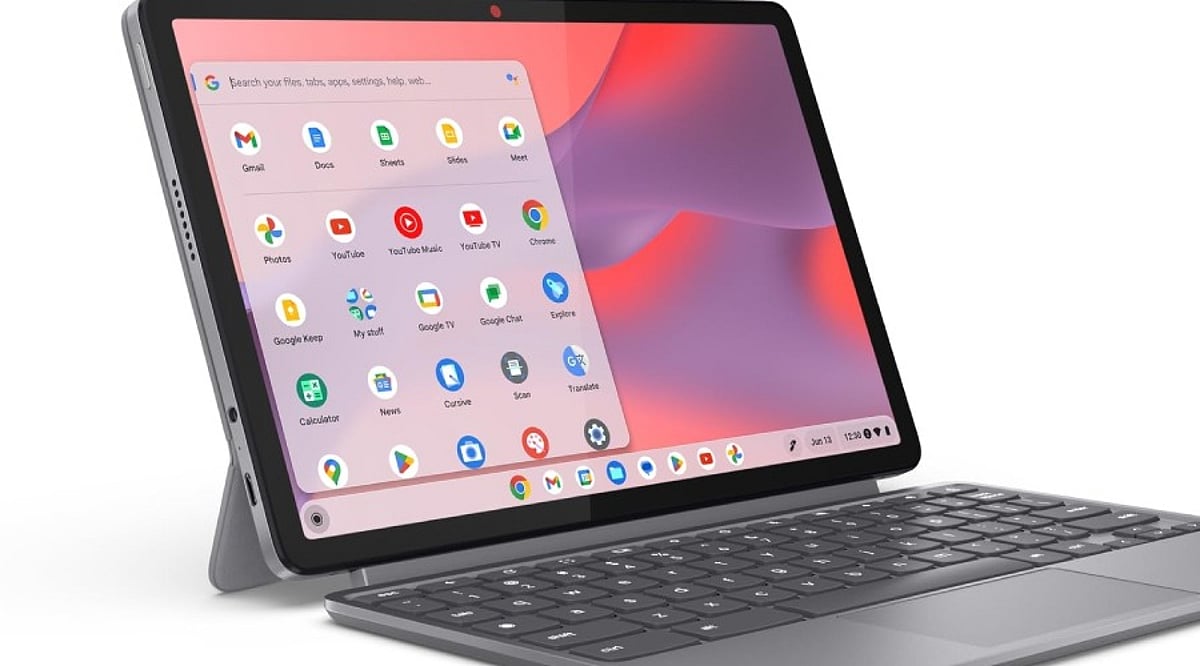
    Googlebook is built on Android technology with desktop foundations derived from ChromeOS. Google positions the platform as a premium alternative to traditional Chromebooks, emphasizing seamless integration with Android smartphones. Users can continue tasks across devices, access phone files directly, cast Android apps to the laptop, and transfer settings, passwords, Wi-Fi networks, and messages with end-to-end encryption during setup.

    Gemini AI-Powered Features

    Several Gemini-powered features are built directly into Googlebook:

    • Magic Pointer – Invokes Gemini to help with tasks involving on-screen content.
    • Rambler – Converts spoken thoughts into organized notes, checklists, and formatted content.
    • Create My Widget – Lets users describe a requirement to generate a customized desktop widget.

    Pricing and Availability

    The Googlebook range starts at USD 899. Individual models from the five manufacturers carry different price points. Each purchase includes 12 months of Google AI Pro, 5TB of cloud storage, and Gemini Advanced tools. Google also promises software updates for up to 10 years. Pre-orders are available through the Google Store, Best Buy, and select retailers.

    With its AI-first approach and deep Android ecosystem integration, the Googlebook line is poised to redefine the premium laptop experience.

  • Google Pixel 11 Pro Fold Review: AI-First Foldable with Stunning Displays and Cameras

    Google Pixel 11 Pro Fold Review: AI-First Foldable with Stunning Displays and Cameras

    The Google Pixel 11 Pro Fold is a premium foldable smartphone that prioritizes AI and software multitasking over raw performance. With its dual displays, advanced camera system, and integration with Google’s Gemini AI, it offers a compelling experience for users who value intelligent features and long-term durability.

    Key Specifications

    • 6.5-inch external OLED display
    • 8-inch internal folding OLED panel
    • 120Hz refresh rate and up to 3,600 nits peak brightness
    • Triple rear camera: 48MP main, 10.5MP ultrawide, 10.8MP telephoto with 5x optical zoom

    Pros and Cons

    Pros:

    • Excellent displays with high brightness and smooth refresh rate
    • Impressive camera versatility
    • Dust and water resistance
    • Seamless Gemini AI integration for multitasking

    Cons:

    • Heavier than some competitors
    • Moderate charging speed
    • Tensor G6 processor lags behind rivals in raw performance
    • Visible crease on the internal display

    Final Verdict

    The Google Pixel 11 Pro Fold is a solid choice for those who prioritize software experience and AI capabilities. Its bright displays, capable cameras, and Gemini features make great use of the foldable form factor. While it may not be the lightest or fastest foldable on the market, it promises several years of reliable use. If you’re more interested in Google’s ecosystem than benchmark scores, this foldable deserves your attention.

  • Is a Chromebook Ready for Everyday Use? Key Considerations for 2026

    Is a Chromebook Ready for Everyday Use? Key Considerations for 2026

    Chromebooks have evolved far beyond their reputation as simple web-only devices. With the introduction of the Chromebook Plus line, improved hardware, long software support, and integrated AI tools, they now present a compelling option for daily computing. However, software compatibility with Windows and macOS applications remains a critical factor to evaluate before making a purchase.

    ChromeOS has matured into a robust platform for web research, email, document editing, video calls, media consumption, and cloud storage. Google services like Gmail, Drive, Docs, Sheets, and Slides work offline after initial setup—a vital feature for travelers, students, and professionals in areas with unreliable internet. The simplicity of the desktop, centered around the browser, appeals to users who rely primarily on online tools rather than heavy local software.

    The Chromebook Plus category represents a significant step forward. Models such as the Lenovo Chromebook Plus 14, equipped with MediaTek Kompanio Ultra 910 chips, 16GB of RAM, OLED displays, and over 13 hours of battery life, rival premium laptops. These devices handle multitasking with ease and offer a premium experience, making them suitable as a primary computer.

    AI features are now integral to Chromebook Plus. Gemini integration enables complex topic explanations, article summarization, cross-page comparisons, and in-browser task assistance. The “Help me Read” tool can summarize pages, answer questions about content, and simplify selected text. “Help me Write” assists in drafting, rewriting, shortening, or adjusting tone. While not a replacement for a creative workstation, these tools boost productivity in office, academic, and research contexts.

    Long-term value is another strength. Google now offers up to 10 years of automatic updates for eligible Chromebooks. Older models (pre-2021) may receive extended updates at the cost of losing Android app and Google Play Store access, but newer devices avoid this trade-off. Models with update support through 2033, 2035, or 2036 justify a higher initial investment.

    However, software limits persist. ChromeOS excels with web apps, Android apps, Linux tools, and cloud services. Applications built exclusively for Windows or macOS—such as Adobe Photoshop, Premiere, DaVinci Resolve, specialized CAD tools, certain enterprise software, and many local PC games—remain hurdles. Web versions of Microsoft 365 and cloud gaming services can cover some gaps, but they don’t replace every desktop application. A thorough check of essential apps before purchase is essential.

    Hardware recommendations for a primary Chromebook: at least 8GB of RAM and 128GB of storage, a 1080p webcam for quality video calls, a comfortable keyboard and trackpad, USB-C charging, and Wi-Fi 6E or Wi-Fi 7 support. Display quality matters more on a daily driver than on a secondary device. A premium configuration could include 8–16GB RAM, 256GB storage, a 14-inch 16:10 display, and robust build quality. Prices for premium Chromebooks can reach over $800.

    In summary, the Chromebook Plus lineup offers strong hardware, AI capabilities, and long-term support. The decision hinges on software: if all critical applications have viable web, Android, or Linux alternatives, ChromeOS provides a smooth, efficient daily experience. If not, a traditional laptop remains the safer choice.

    Frequently Asked Questions

    Q: Can a Chromebook be used as a main computer?
    A: Yes—it handles browsing, email, documents, video calls, media, cloud storage, and many productivity tasks effectively.

    Q: Is Chromebook Plus better than a regular Chromebook?
    A: Generally yes for demanding daily use; Plus models offer stronger hardware, better multitasking, and additional AI capabilities.

    Q: How long do Chromebooks receive updates?
    A: Google provides eligible ChromeOS devices with up to 10 years of automatic updates, depending on the model.

    Q: Can Chromebooks run Windows applications?
    A: Not all Windows apps have native ChromeOS versions. Web, Android, Linux, and cloud services cover some needs but not every desktop program.

    Q: What should I check before buying a Chromebook?
    A: Verify essential software compatibility first, then consider RAM, storage, display, webcam, keyboard, trackpad, ports, wireless connectivity, battery life, and the device’s update-support period.

  • Apple iOS 27: September 2026 Release, AI-Powered Features, and Compatible iPhone Models

    Apple iOS 27: September 2026 Release, AI-Powered Features, and Compatible iPhone Models

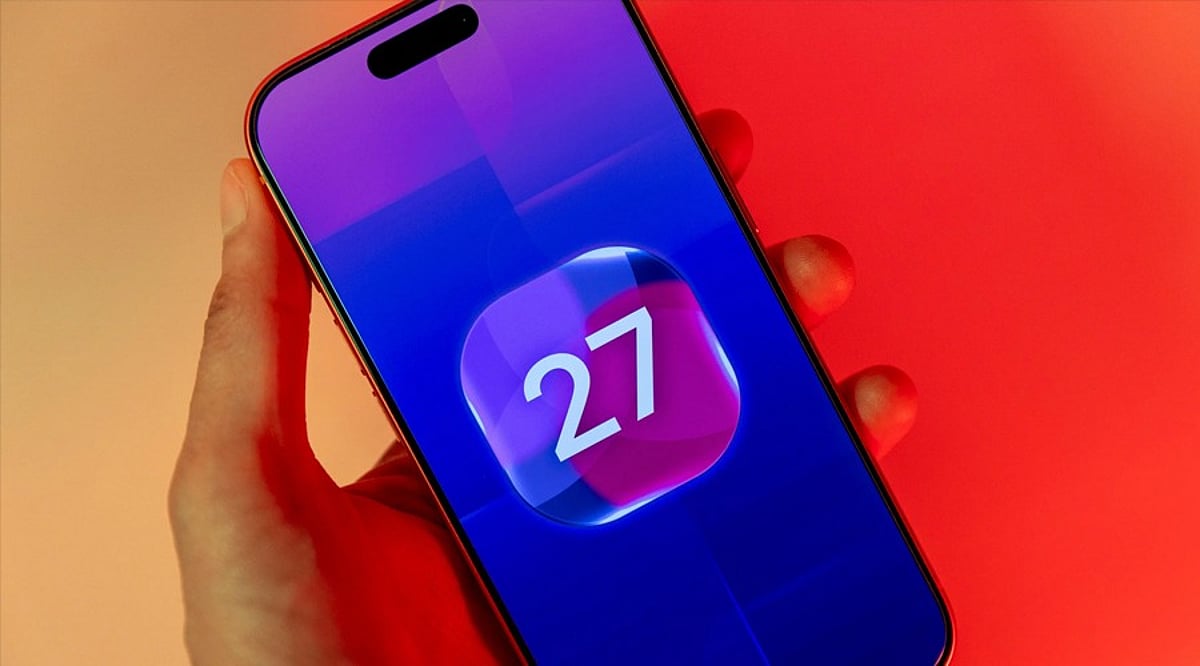
    Apple is set to release iOS 27 in September 2026, bringing a wave of artificial intelligence enhancements, a smarter Siri, upgraded Photos capabilities, and new child safety tools. The update was first previewed at WWDC 2026 on June 8 and has since undergone developer and public beta testing. Here’s everything you need to know about the release timeline, standout features, and which iPhones will support the new operating system.

    When Will iOS 27 Be Released?

    Apple plans to roll out iOS 27 sometime in September 2026, following its traditional release schedule alongside new iPhone launches. While an exact date hasn’t been confirmed, the company is expected to unveil the iPhone 18 Pro, iPhone 18 Pro Max, and its first foldable smartphone at a September 9 event. The iOS 27 update will likely become available to the public shortly after that event.

    Key Features in iOS 27

    Artificial intelligence is the centerpiece of iOS 27. The update introduces a more capable Siri that understands natural language better and delivers more helpful assistance. AI-powered tools are also coming to the Photos app, allowing users to edit and manipulate images with ease. Additionally, Siri will integrate with the Camera app to recognize objects and provide real-time information about what the iPhone is viewing.

    Apple is also adding new child safety features, alongside broader improvements to performance, Search, design, and the Liquid Glass interface.

    Which iPhones Are Compatible with iOS 27?

    iOS 27 will support iPhone models starting from the iPhone 11 and iPhone SE (2nd generation) onward. However, Apple has noted that not all supported devices will receive every AI feature. The full list of compatible models includes:

    • iPhone 17 series
    • iPhone 16 series
    • iPhone 15 series
    • iPhone 14 series
    • iPhone 13 series
    • iPhone 12 series
    • iPhone 11 series
    • iPhone SE (2nd generation and later)

    What to Expect

    As September approaches, iOS 27 promises to deliver a range of AI-based features, security enhancements, and system-level changes that will redefine the iPhone experience. Stay tuned for more details as the official launch draws near.

  • Google Pixel 11 Leak Roundup: Design, Tensor G6 Specs, Pricing, Colors, and Launch Date Revealed

    Google Pixel 11 Leak Roundup: Design, Tensor G6 Specs, Pricing, Colors, and Launch Date Revealed

    Google’s Pixel 11 leaks have unveiled key details about its design, potential Tensor G6 chipset, pricing, colors, and launch timeline ahead of the official announcement. While some information is confirmed, much of it remains based on credible leaks. Buyers may also want to consider trade-in offers and post-launch discounts before upgrading.

    Overview

    Google has confirmed the Pixel 11 event for August 12, 2026, with wide availability tracking to August 20. Leaks point to a possible 2 nm Tensor G6 chip, mandatory 256 GB base storage, and a lower-profile camera bar. Trade-in value swings and past launch discounts matter as much as specs for buyers deciding whether to wait.

    An Amazon listing error briefly revealed pricing, storage tiers, and colors before disappearing, creating one of the clearest pre-launch pictures of a Pixel flagship to date. This tracker sorts what Google has actually confirmed from what still rests on leaks.

    What Do We Know About the Google Pixel 11 So Far?

    Design

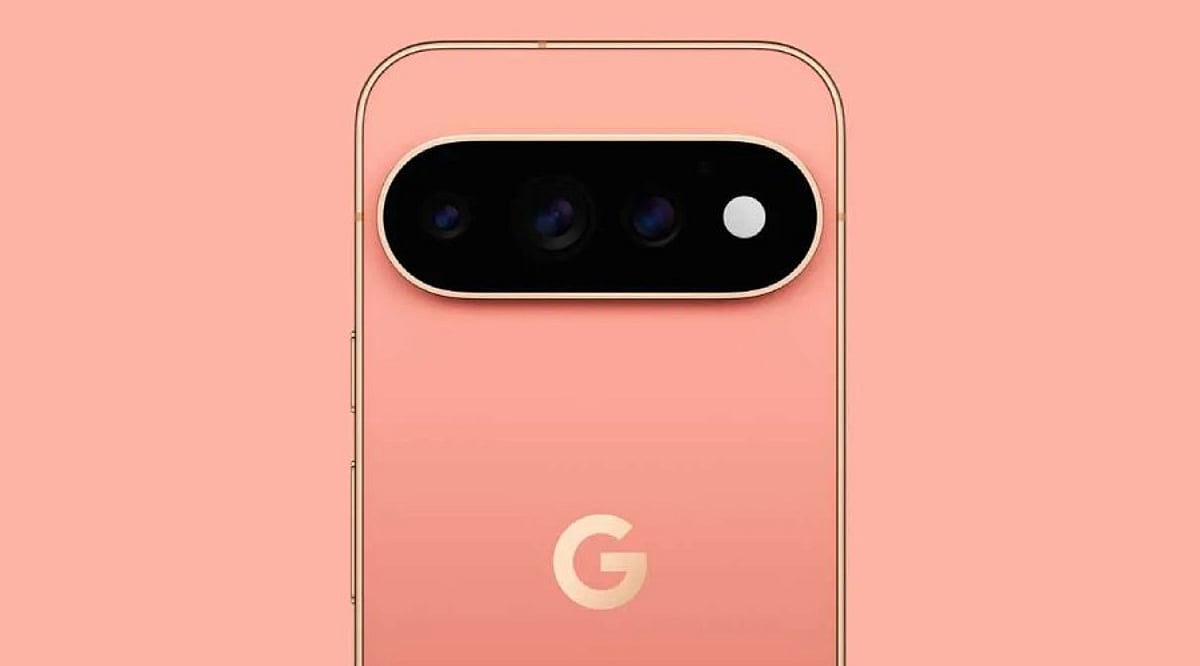
    The shape stays close to the Pixel 10. Renders show a 6.3-inch OLED display at 120Hz on the base model and Pro, growing to 6.8 inches on the Pro XL. The real change sits on the back. Case leaks from ThinBorne point to a wider camera bar that sits flatter against the body, echoing the slimming move Google made when it updated the 9a into the 10a. Some early reaction online called the design repetitive, but a flatter camera bar changes how the phone sits in a pocket and how it feels in hand. A rumored Pixel Glow light ring around the bar has also surfaced in early leaks, though Google has not confirmed it.

    Specifications

    Supply chain reports suggest the Tensor G6 could move to a 2nm process, a step that would put Pixel among the first phones built on that node. Google has not confirmed the chip. Camera leaks point to a 50MP main sensor, a 13MP ultrawide, and a 10.8MP 5x telephoto lens, alongside a battery near 5,000mAh and 30W wired charging. RAM is the messiest detail right now: some reports hold 16GB on Pro models, others describe a cut to 12GB to manage rising component costs. A single leak also mentions 3D facial recognition arriving on the Pro line, similar to Apple’s system, though one source alone is thin evidence. Cellular reception, a weak spot across past Pixel generations, has not come up in any leak yet.

    AI Features

    Android 17 is expected to ship out of the box, with Gemini Intelligence going deeper into the camera app through speak-to-tweak editing and sketch-to-image generation. Google’s own roadmap statements make this direction close to certain, even without an official feature list.

    Colors

    Base models are expected in Midnight Haze, Light Sterling, Fuchsia, and Moss. Pro and Pro XL variants lean quieter with Light Fog, Dune, and Pine. The split is deliberate: standard Pixel buyers get louder shelf appeal, while Pro buyers get a palette built to look premium in hand.

    Pricing

    Leaked US pricing lists the base Pixel 11 at $899 for 256GB, the Pro at $1,099, the Pro XL at $1,299, and the Pro Fold above $1,899. Dropping the 128GB tier explains most of the jump from last year’s $799 starting price. Google has not confirmed any of these figures.

    Release Date

    Only one date is locked: the Made by Google event on August 12, 2026, in New York. A leaker with a strong record on Pixel timing expects wide availability on August 20, exactly a year after the Pixel 10 shipped.

    Pixel 10 vs Pixel 11

    History gives a clear pattern here. The Pixel 8 dropped 20 percent by Black Friday, just five weeks after launch. Trade-in credit swings hard too, ranging from $75 to $400 depending on the promotion running that season. Software bugs at launch remain a recurring complaint among current owners, which gives patient buyers another reason to hold off past August 20. Anyone comparing a discounted Pixel 10 against a full-price Pixel 11 should watch trade-in offers closely, not just the sticker price. A budget Pixel 11a is expected separately in spring 2027.

    Final Thought

    Every Pixel cycle eventually comes down to one question: does the software gap justify the price gap? This year, with storage doubled and AI pushed further into the camera, Google is betting the answer is yes before a single review has been published.

    FAQs

    1. When will the Google Pixel 11 be released?

    Google is expected to unveil the Pixel 11 series at the Made by Google event on August 12, 2026, with pre-orders likely opening the same day. Sales are expected to begin around August 20, 2026, although regional availability may vary.

    2. What are the expected Google Pixel 11 specifications?

    Leaked information suggests the Pixel 11 could feature a 6.3-inch 120Hz OLED display, a Tensor G6 chipset, 8GB or 12GB RAM, 256GB or 512GB storage, a 5,000mAh battery, and support for 30W wired and Qi2 wireless charging. Final specifications will be confirmed at launch.

    3. What colors will the Google Pixel 11 come in?

    Rumored color options for the standard Google Pixel 11 include Light Sterling, Midnight Haze, Fuchsia, and Moss. The Pro models are expected to feature additional premium color variants, though Google has not officially confirmed them.

    4. How much will the Google Pixel 11 cost?

    Leaks indicate the base Google Pixel 11 may start at around $859 to $899, with 256GB expected to become the entry-level storage option. Official pricing for different regions, including India and the UAE, will be announced at launch.

    5. Should you wait for the Google Pixel 11?

    If you’re interested in Google’s latest AI features, Tensor G6 performance improvements, enhanced cameras, and longer software support, waiting for the Pixel 11 could be worthwhile. However, if you need a new phone immediately, discounts on the Pixel 10 series may offer better value before the new flagship arrives.

  • Apple Intelligence Explained: Complete Guide to iPhone AI Features

    Apple Intelligence Explained: Complete Guide to iPhone AI Features

    Apple Intelligence is Apple’s built-in AI system that helps users write, communicate, edit photos, and complete everyday tasks across iPhone apps. Only iPhone 15 Pro and newer support it, a hardware limit rather than a marketing choice.

    In 2026, the system behind those features has quietly shifted: Apple now leans on an outside AI partner for its hardest reasoning tasks, a development covered later in this guide. First, here’s what Apple Intelligence actually does and how it works.

    What Apple Intelligence Actually Does

    Siri is one of the most noticeable Apple Intelligence features. It understands what’s on screen, maintains conversational context, and performs actions across multiple apps without requiring users to switch between them. Writing Tools lives inside Mail, Notes, and Messages, rewriting drafts and fixing tone without pulling anyone out of the app they are typing in.

    In Photos, Clean Up erases people or objects from the background of a shot, and search works by plain description instead of date or album. Live Translation handles real-time conversation inside Messages, Phone, and FaceTime, useful for travel or chatting across languages.

    Genmoji and Image Playground turn a text description into a custom image or emoji, mostly used inside Messages and Notes. Notification Summaries condense a busy thread into one line instead of ten.

    The Architecture Behind the Features

    These features run on a system layer built into iOS itself, not a separate app. Simple tasks, like notification summaries, run right on the iPhone’s Neural Engine. Heavier requests travel to Private Cloud Compute, Apple’s server system designed to process data and then discard it rather than store it.

    Some work stays on the phone while other moves to Apple’s own servers. That split is the core idea, and it holds steady no matter which outside model powers the cloud side in a given year.

    Foundation Models, Explained Simply

    A foundation model is a large AI system trained on huge amounts of text and images, built to understand language, recognize objects, and follow instructions. Most consumer AI tools lean on one big cloud model to handle every request. Apple splits the job instead. A compact model runs on the phone for routine tasks, while a larger model sits on Apple’s servers for anything that needs deeper reasoning. Simple tasks feel instant. Complex ones take a moment longer.

    Why Some iPhones Miss Out

    Apple Intelligence needs an A17 Pro chip or newer, starting with the iPhone 15 Pro. Running AI models on a phone demands high Neural Engine performance and sufficient memory to avoid lag, overheating, and slower app performance. Older chips cannot hold that load without slowing everything else down. That limit shapes Siri’s design too: it still passes harder requests to the cloud rather than solving them on the device alone.

    Apple picked a smaller pool of supported phones over a weaker experience spread across older ones, a bet that stretched out the timeline for features first shown back in 2024.

    What It Actually Costs

    Apple Intelligence comes with supported iPhones, but its on-device AI features use extra storage and may increase battery usage. On-device models take up several gigabytes of storage, a fixed and measurable cost. Some users report higher battery usage after turning on Apple Intelligence, though it varies by device and Apple has not shared official figures. There have also been reports of software updates re-enabling Apple Intelligence after users had turned it off.

    How It Stacks Up Against Rivals

    Apple keeps sensitive tasks on the device by default. Samsung and most Android tools send far more to the cloud as a matter of routine. Apple pairs a small local model with a larger cloud one, balancing speed with depth. That pairing runs across the whole Apple lineup too: Live Translation and Writing Tools behave the same way on iPhone, iPad, and Mac rather than living inside one app alone.

    Is It Worth an Upgrade?

    The iPhone 15 Pro or newer already gets the full feature set as it rolls out through 2026. For anyone on an older phone, Apple Intelligence should count as one factor among several, since the biggest features still lean on cloud access and an active rollout schedule. Writers, photographers, and anyone deep inside Apple’s ecosystem gain the most. Casual users may barely notice the difference day to day.

    Recent Developments

    Industry reports from early and mid-2026 point to Apple licensing Google’s Gemini models for the cloud side of its Foundation Models, alongside a rebuilt Siri AI shown at WWDC 2026. Cost figures and technical specifics remain reported rather than officially confirmed, so this section will need a refresh as the story develops.

    Final Thought: What This Means Going Forward

    The Gemini reports do not change what Apple Intelligence is. They change which model handles the cloud half of a system Apple had already built. The on-device split, the A17 Pro hardware floor, and the privacy-first default remain Apple’s own design choices, separate from whichever outside company powers its toughest reasoning tasks in a given year. Providers can shift. The features and the architecture running underneath them are the part worth understanding and the part that will still be true after the next partnership announcement.

    FAQs

    1. What is Apple Intelligence? Apple Intelligence is Apple’s built-in personal intelligence system that uses generative AI to help users write, communicate, organize information, edit photos, and interact more naturally with Siri. It is integrated into iOS, iPadOS, and macOS rather than being a separate app.
    2. Which iPhones support Apple Intelligence? Apple Intelligence is available on iPhone 15 Pro, iPhone 15 Pro Max, the iPhone 16 lineup, and newer compatible models. It requires supported hardware and the appropriate version of iOS to access its AI-powered features.
    3. What AI features does Apple Intelligence include? Apple Intelligence includes Writing Tools, notification summaries, smarter Siri, ChatGPT integration, Genmoji, Image Playground, Visual Intelligence, natural language photo search, and AI-powered photo editing features like Clean Up.
    4. How does Apple Intelligence protect user privacy? Apple Intelligence performs many AI tasks directly on the device. For more demanding requests, it uses Apple’s Private Cloud Compute, which is designed to process data securely while minimizing the sharing and storage of personal information.
    5. Is Apple Intelligence worth upgrading your iPhone for? If you frequently use Siri, write emails and messages, edit photos, or want AI-powered productivity features, upgrading to a compatible iPhone can provide access to Apple’s latest AI capabilities and future software enhancements.
  • Google Pixel 11 Pro Launch Nears: Expected India Price, Tensor G6, and AI-Powered Features

    Google Pixel 11 Pro Launch Nears: Expected India Price, Tensor G6, and AI-Powered Features

    Google is gearing up to unveil its next-generation flagship, the Pixel 11 Pro, in just a few weeks. The device is expected to debut alongside the standard Pixel 11 and Pixel 11 Pro XL during the company’s annual Made by Google event, with pre-orders likely opening shortly after the presentation.

    Expected India Price

    The Pixel 11 Pro is anticipated to carry a premium price tag in India. Reports suggest a launch price of around Rs. 1,09,999, though Google has not officially confirmed this. Final pricing may vary based on storage configurations, launch offers, and regional taxes.

    Powered by Tensor G6

    Google’s next flagship is expected to feature the new Tensor G6 processor. This chip promises faster AI performance, improved battery efficiency, and smoother day-to-day operation. Running Android 17 out of the box, users can expect enhanced multitasking, stronger security, and more intelligent on-device AI capabilities.

    Camera Upgrades

    The Pixel 11 Pro will likely continue Google’s focus on computational photography. Rumors point to upgraded camera sensors, better zoom quality, and smarter AI-powered editing tools. Low-light photography, video stabilization, and portrait modes are also expected to see significant improvements over previous generations.

    Display and Design

    Leaks suggest the Pixel 11 Pro will retain Google’s premium design language with subtle refinements. A bright OLED display with a high refresh rate should deliver smooth scrolling and gaming. Slim bezels, a durable build, and fresh color options are also expected.

    Battery and Charging

    Battery life is set to improve thanks to the Tensor G6 chipset and software optimizations. The Pixel 11 Pro is expected to support fast wired charging, wireless charging, and reverse wireless charging. Google may also introduce AI-driven battery management that adapts to users’ charging habits.

    AI Features and Software

    Artificial intelligence remains the biggest highlight of the Pixel 11 Pro. Google is expected to introduce smarter Gemini-powered tools for writing, photo editing, voice assistance, and productivity. Combined with long-term Android updates, these exclusive AI features could make the Pixel 11 Pro one of the smartest flagship phones available.

  • Samsung Galaxy Tab S11 Series Unveils Galaxy AI for Enhanced Productivity and Creativity

    Samsung Galaxy Tab S11 Series Unveils Galaxy AI for Enhanced Productivity and Creativity

    The Samsung Galaxy Tab S11 series marks a significant leap forward in tablet technology, combining premium hardware with advanced Galaxy AI features. These new flagship tablets are designed to boost productivity, creativity, entertainment, and multitasking for everyday users.

    Galaxy AI Features

    Galaxy AI brings intelligent assistance to writing, image editing, note summarization, and translation. These tools simplify work, learning, communication, and creative projects, making complex tasks more accessible.

    Performance and Display

    Powered by advanced flagship processors, the Tab S11 delivers faster app launches, smoother multitasking, efficient gaming, and improved power management. The large high-resolution AMOLED displays offer vibrant colors, sharp visuals, and smooth refresh rates for an immersive viewing experience in movies, gaming, and productivity.

    Battery and S Pen Support

    A long-lasting battery supports extended work sessions, streaming, video calls, and entertainment. Fast charging minimizes downtime. The included S Pen enhances note-taking, sketching, editing, document annotation, and creative workflows with precise, responsive input.

    Multitasking and Connectivity

    Multitasking tools like split-screen mode, floating windows, and Samsung DeX transform the tablet into a versatile productivity device for professionals and students. Fast Wi-Fi, optional 5G, seamless Galaxy ecosystem integration, and quick file sharing enhance convenience across multiple Samsung devices.

    Target Users

    The Galaxy Tab S11 series is designed for professionals, students, creators, and entertainment enthusiasts seeking premium performance, intelligent AI features, and versatile tablet functionality.

  • Samsung Galaxy Z Fold 8 and Z Flip 8 Launch in India with AI Upgrades and Refined Designs

    Samsung Galaxy Z Fold 8 and Z Flip 8 Launch in India with AI Upgrades and Refined Designs

    Samsung has officially launched the Galaxy Z Fold 8 and Galaxy Z Flip 8 in India, introducing slimmer designs, flagship processors, advanced AI features, upgraded displays, and improved durability. The devices were unveiled during the Galaxy Unpacked Event in London, and advance orders are now being accepted in the Indian market.

    Galaxy Z Fold 8: Redesigned for Better Ergonomics

    The Galaxy Z Fold 8 features a 7.6-inch Dynamic AMOLED 2X foldable display and a 5.5-inch exterior display. It is powered by Qualcomm’s Snapdragon 8 Elite Gen 5 for Galaxy chipset, paired with up to 16GB of RAM and up to 1TB of storage. The new ‘passport-style’ design makes the device easier to hold in one hand, while the refined hinge mechanism reduces the visibility of the display crease. Enhanced multitasking capabilities and improved Galaxy AI tools are also included.

    Galaxy Z Flip 8: Portability Meets Functionality

    The Galaxy Z Flip 8 retains its iconic clamshell design but now features a larger 6.9-inch foldable AMOLED display and a 4.1-inch cover screen that supports more native apps and widgets without opening the phone. Samsung has made it the thinnest flip phone it has ever launched, with a lightweight body. It packs a 4,300mAh battery and comes with AI-driven personalized widgets and productivity features accessible directly from the cover display.

    India Pricing and Availability

    The Samsung Galaxy Z Flip 8 starts at Rs 1,19,999, while the Galaxy Z Fold 8 is priced from Rs 1,74,999. Pre-orders are now open through Samsung’s offline and online channels, with deliveries expected to begin within a month. Customers can avail launch offers during the pre-order period.