Tag: AI spending

  • Tesla Limits Employee AI Tool Spending to $200 Per Week Amid Corporate Cost Reviews

    Tesla Limits Employee AI Tool Spending to $200 Per Week Amid Corporate Cost Reviews

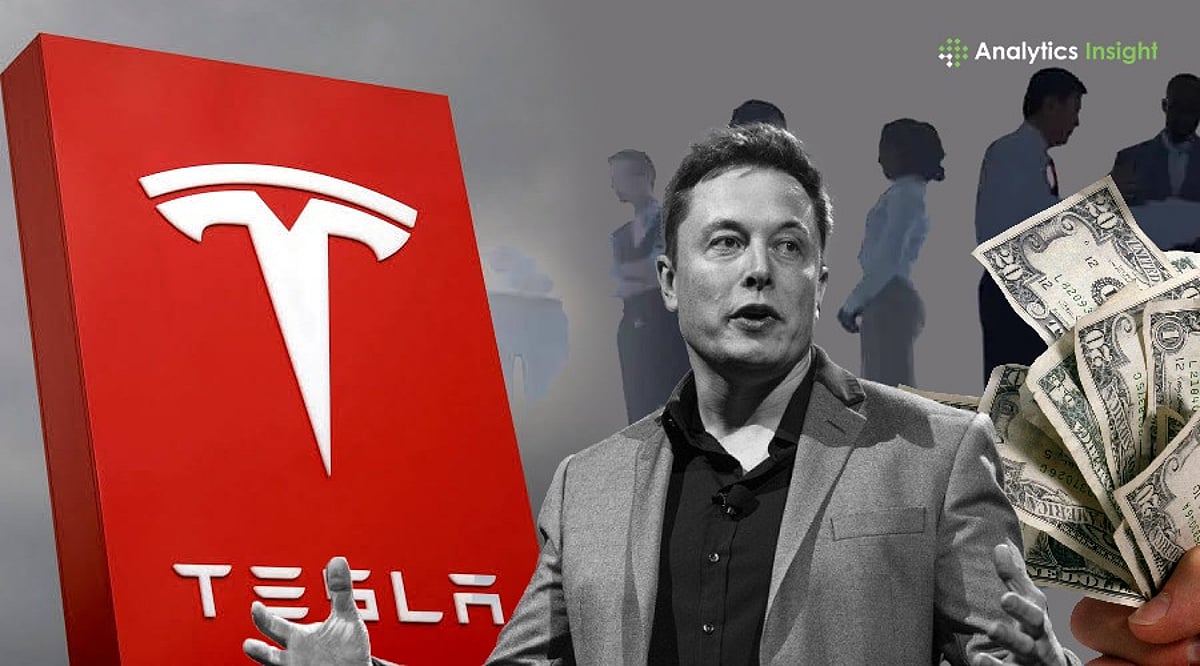
    Tesla will cap employee spending on outside AI tools at $200 per week starting July 6, according to internal reports. The move comes as companies across the U.S. review rising workplace AI costs after pushing staff to adopt the technology. Grok, the AI system linked to Elon Musk’s xAI, is excluded from the limit, while higher spending will require special approval.

    Tesla Sets Weekly AI Spending Limit

    Tesla’s new rule places a weekly limit on staff use of external AI systems, including tools for coding, research, writing, and other workplace tasks. The cap is set at $200 per employee each week, with higher spending requiring approval. This marks a shift from earlier corporate pressure to increase AI adoption. Tesla and other companies had urged employees to use AI tools to raise output and speed up work. Musk said earlier this year that AI could make worker “output” get “nutty high.”

    However, AI use has become more expensive as workers rely on advanced tools and coding agents. These systems can run tasks continuously, retry failed steps, and consume large amounts of computing power. As a result, companies are now monitoring how much each employee spends. The cap also shows how firms are trying to separate useful AI work from routine or low-value use. Some employees may now have to choose cheaper tools or reserve AI use for tasks that need more support.

    Corporate AI Bills Face New Scrutiny

    Tesla is not alone in adding limits. Uber recently capped employee use of AI tools at $1,500 per month. Meta, Walmart, Coinbase, and AT&T have also moved to review or limit staff use of external AI systems, according to reports. The change follows a period when many companies pushed workers to use AI as much as possible. Some firms tracked usage through tokens, which measure how much an AI system processes. This trend became known as “tokenmaxxing,” as workers were judged by how much AI they used.

    Nevertheless, the approach created cost concerns. Reports say some companies spent their full annual AI budgets within a few months. In other cases, small groups of employees spent more on AI tools than larger teams. AI coding agents are one reason for the higher costs. Unlike a chatbot that replies once, an agent may call AI models many times while completing a task. That can raise bills quickly, even when the price of each computing unit falls. Meanwhile, companies are trying to balance adoption with expense control. The new limits do not signal a full pullback from AI use. Instead, they show that firms want clearer rules on how employees use paid tools.

    Musk Defends Long-Term AI Growth

    The cost controls come as investors debate whether heavy AI spending can produce enough business returns. Large AI infrastructure spending has helped lift parts of the stock market, but rapid corporate adoption remains central to that growth case. Responding to a post on X this week about a possible tech crash, Musk wrote, “There are always momentary dips, even in a rapidly growing economy.” He added that “the productivity gains from AI and robotics are so enormous” that the wider trend is “overwhelmingly up.”

    Tesla still wants to present itself as an AI-focused company. Musk has pointed to driverless technology and Optimus Robots as major parts of Tesla’s future. This week, he said Tesla had started making Optimus bots at its Texas factory. However, the company faces pressure in its main electric vehicle business. Tesla is competing with lower-cost Chinese EV makers, while demand in some markets has shifted. Even so, the company posted a 25% rise in quarterly sales this week after a rebound in Europe. The weekly AI cap shows that Tesla is still pushing AI use, but under tighter spending rules. For now, the company is asking staff to use outside AI tools with more control as corporate AI bills face closer review.
  • NVIDIA Stock Stays Below $200 Ahead of Vera Rubin Launch Amid Rising Competition and AI Spending Trends

    NVIDIA Stock Stays Below $200 Ahead of Vera Rubin Launch Amid Rising Competition and AI Spending Trends

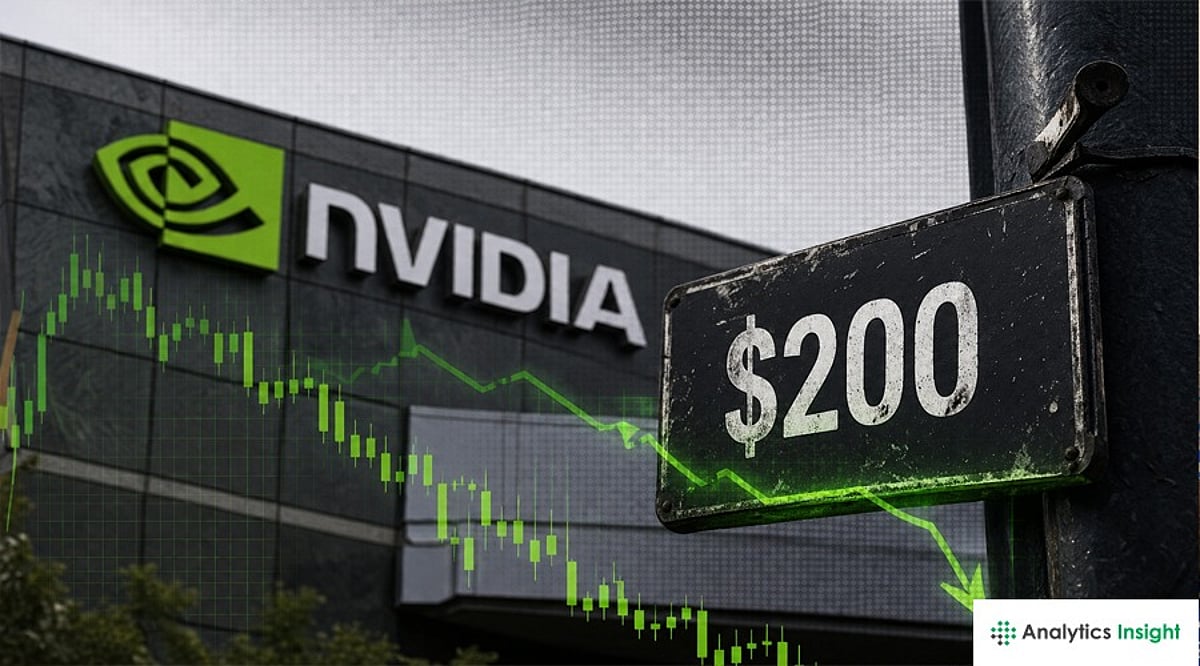
    NVIDIA shares continue to trade below the $200 mark despite a modest rebound, as investors shift their attention to the company’s upcoming Vera Rubin platform and its expanding robotics business. The stock has underperformed the broader semiconductor sector in 2026, even as demand for artificial intelligence infrastructure remains robust.

    NVIDIA Trails Semiconductor Sector Despite AI Demand

    Shares of NVIDIA rose about 1.5% to $197.96 in early Tuesday trading. However, the stock has gained only about 5% year-to-date, while the PHLX Semiconductor Index has surged approximately 94% in the same period, making NVIDIA one of the weaker performers among major chip companies. Investors have been reallocating capital to other areas of the AI supply chain, including memory chipmakers, custom chip developers, and CPU manufacturers. Intel and Advanced Micro Devices have posted significantly stronger gains in 2026, and the iShares Semiconductor ETF has also outperformed NVIDIA. Analysts point to concerns over export restrictions affecting China and questions about future growth rates as factors weighing on the stock.

    Vera Rubin Platform and Robotics Expansion

    The market is now focused on NVIDIA’s next-generation Vera Rubin platform, which could strengthen the company’s position in AI infrastructure if it delivers substantial performance improvements. Competition is intensifying as large technology companies diversify their AI spending across multiple suppliers. Meanwhile, NVIDIA is expanding beyond AI chips into robotics, having opened more than a dozen robotics-related positions in Beijing, Shanghai, and Shenzhen. The roles cover embodied intelligence, simulation, implementation, and robotics solutions. NVIDIA says the robotics team aims to build a leading platform and ecosystem for autonomous machines, speeding the transition from research to commercial use. Employees will work on Project GR00T, the Cosmos physical simulation world model, and NVIDIA’s GPU computing platform.

    Market Watches AI Spending and China Competition

    NVIDIA remains one of the world’s largest listed companies with a market valuation of about $4.696 trillion—a 1% move changes its value by approximately $47 billion. Investors are tracking broader AI capital expenditure: the Bank for International Settlements projects that the five largest hyperscalers will invest more than $1 trillion in AI capex over 2025 and 2026, while also noting funding pressure and supply constraints around power, advanced chips, and grid infrastructure. Separately, Reuters reported that Baidu’s Kunlunxin chip business targets a $50 billion Hong Kong IPO, and IDC data shows domestic suppliers now hold 41% of China’s AI accelerator server market. Despite these headwinds, NVIDIA continues to project strong growth. The company forecast fiscal second-quarter revenue of $91 billion, above analyst expectations, and announced an $80 billion share buyback. CEO Jensen Huang stated, ‘We should be growing faster than hyperscale capex.’ Analysts are monitoring whether AI investment can sustain its pace through the coming years.

  • Big Tech’s Magnificent 7 Stocks Plunge $2.3 Trillion as AI Investment Doubts Mount

    Big Tech’s Magnificent 7 Stocks Plunge $2.3 Trillion as AI Investment Doubts Mount

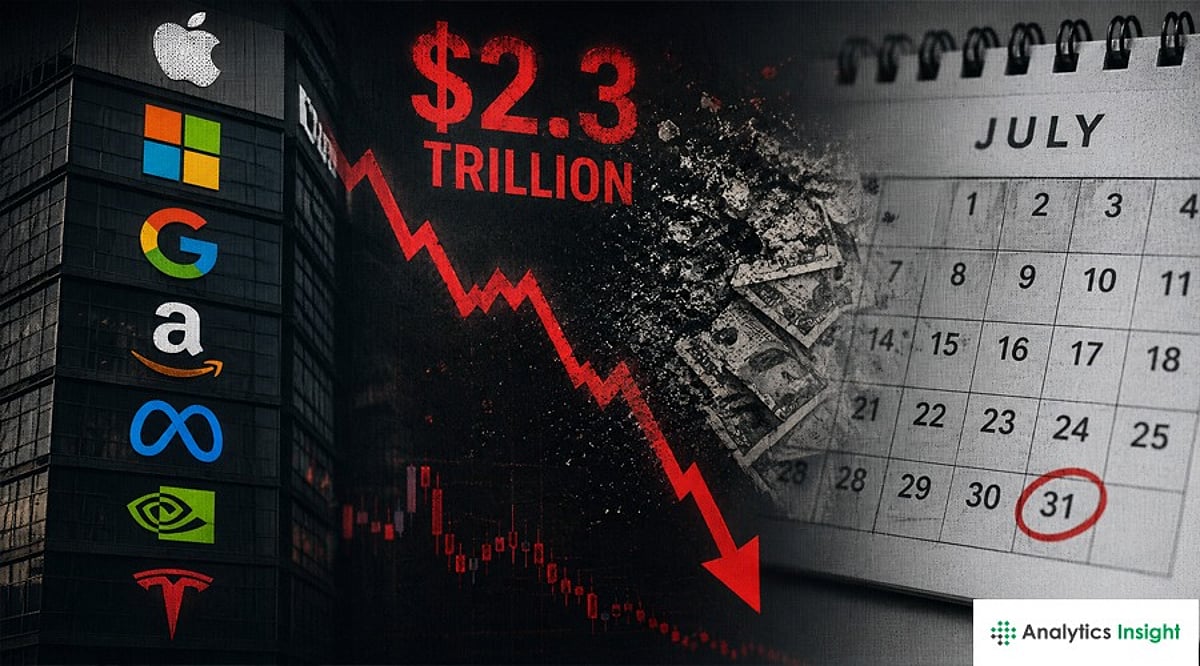
    June proved disastrous for the Magnificent 7 stocks as investor anxiety over massive AI spending and uncertain returns triggered a selloff that erased nearly $2.3 trillion in market value. The decline ranks among the steepest monthly losses ever recorded for Big Tech.

    The group—comprising Microsoft, NVIDIA, Apple, Alphabet, Amazon, Meta, and Tesla—had led the market for months on AI enthusiasm. However, June brought a sharp reversal as attention shifted from future promise to current spending and profitability.

    The Magnificent 7 Index fell roughly 10% in June, extending its decline to more than 13% from a mid-May peak. Investors now demand concrete evidence that billions poured into AI infrastructure will translate into higher earnings.

    Microsoft suffered the steepest drop among the seven, with its stock tumbling about 20% in June. NVIDIA lost nearly 13%, while Apple and Amazon each declined around 8%. The broad selloff reflects growing caution around companies investing heavily in AI without clear financial payoffs.

    Big Tech continues to pour capital into AI. Microsoft, Amazon, Alphabet, and Meta are expanding data centers and purchasing advanced AI chips to support future growth. Industry analysts estimate AI-related spending could exceed $700 billion in 2026. Such outlays have depressed free cash flow expectations, undermining investor confidence in valuations.

    Analysts believe the upcoming earnings season will be pivotal. Investors want to see that AI investments are boosting revenue rather than simply inflating costs. Wedbush analyst Dan Ives noted that the next earnings reports could clarify whether the AI investment cycle is on the right track.

    Recent market moves suggest a preference for tangible results over ambitious promises. Companies that successfully convert AI spending into stronger earnings may recover investor trust more quickly.

    Capital has also rotated toward AI hardware makers. Semiconductor and memory companies have outperformed the Magnificent 7 this month. The Philadelphia Semiconductor Index gained about 6% in June and is still up more than 90% year-to-date, indicating that investors currently favor businesses directly benefiting from AI demand.

    Many experts argue that the selloff does not signal the end of the AI story. Instead, the market is demanding clearer proof that expensive AI projects will generate improved profits. The coming round of earnings reports will be crucial in determining whether the Magnificent 7 rebound or remain under pressure for the rest of the year.

  • Meta Grants Executives Up to $921 Million in Stock Awards as It Cuts 8,000 Jobs

    Meta Grants Executives Up to $921 Million in Stock Awards as It Cuts 8,000 Jobs

    Meta Platforms reported its strongest first quarter on record while preparing a workforce reduction tied to AI restructuring. The company posted $56.31 billion in revenue for the quarter, up 33% from a year earlier. It later carried out layoffs affecting about 8,000 workers.

    The cuts followed a new equity plan for six senior executives. The awards gain value only if Meta’s share price reaches steep targets before the options expire. Meanwhile, Meta raised its 2026 capital spending forecast as it expands AI infrastructure.

    Record Revenue Comes with Higher AI Spending

    Meta generated most of its first-quarter revenue from advertising. Ad impressions rose 19%, while the average price per ad increased 12%. The company also reported $26.8 billion in net income, although an $8.03 billion tax benefit lifted that total.

    After adjusting for the tax item, earnings reached $7.31 per share, above analysts’ $6.79 estimate. Nevertheless, Meta shares fell in extended trading after the report. Investors focused on rising costs, a higher spending plan and weaker user growth.

    Meta now expects 2026 capital expenditures of $125 billion to $145 billion. Its earlier range stood at $115 billion to $135 billion. The company said the increase reflects “higher component pricing” and extra data center costs needed for future capacity.

    Executive Awards Depend on Steep Share Targets

    Meta granted 653,865 options to each of six executives in March. The recipients include Susan Li, Andrew Bosworth, Chris Cox, Javier Olivan, Dina Powell McCormick and Curtis Mahoney. Chief Executive Mark Zuckerberg did not receive an award under the plan.

    The options carry exercise prices ranging from $1,116.08 to $3,727.12. They expire in March 2031 if executives do not exercise them. At the highest target, each option package could be worth about $625.6 million, according to an Equilar analysis.

    Some executives also received restricted stock grants. When those shares are included, Bosworth, Cox and Olivan could each receive about $921.2 million at the top share-price target. Li’s potential total could reach about $786.9 million. Therefore, the $921 million figure does not apply equally to all six recipients.

    Meta described the packages as a ‘big bet’ that will pay only if the company achieves large gains for shareholders. Reaching the highest option price would place Meta’s market value above $9 trillion.

    Meta Layoffs Join a Wider Technology Shift

    Meta began cutting about 10% of its workforce on May 20. Its March headcount stood at 77,986. The company also closed about 6,000 open roles and moved around 7,000 employees into teams focused on AI workflows and internal automation.

    Chief People Officer Janelle Gale said Meta aimed “to run the company more efficiently” and offset other investments. The company reorganized teams into smaller groups and removed some management roles as part of the process.

    Meanwhile, Oracle’s workforce fell by about 21,000 employees in its latest fiscal year. Oracle said AI adoption formed one part of its restructuring, though management changes, acquisitions and performance issues also contributed.

    Still, Nvidia Chief Executive Jensen Huang questioned claims that AI alone explains job losses. He called that explanation ‘lazy’ and said companies should not use the technology as a simple reason for layoffs. Challenger, Gray & Christmas reported that employers cited AI in 87,714 planned cuts through May 2026.