Tag: Alphabet

  • Top 9 Long-Term Growth Stocks to Buy in July 2026

    Top 9 Long-Term Growth Stocks to Buy in July 2026

    Investors seeking stable, long-term growth should consider these nine stocks that are well-positioned for sustained performance across technology, healthcare, and financial services. Each company benefits from strong fundamentals, recurring revenue streams, and exposure to secular trends such as AI, cloud computing, digital payments, and advanced manufacturing.

    1. NVIDIA

    NVIDIA maintains its leadership in AI hardware innovation through advanced GPUs that power data centers, autonomous vehicles, enterprise computing, and AI applications worldwide.

    2. Microsoft

    Microsoft continues to expand its cloud computing and AI software offerings while maintaining robust recurring revenues from enterprise services, supporting long-term shareholder value and consistent growth.

    3. Amazon

    Amazon benefits from e-commerce dominance, AWS cloud leadership, and growing investments in AI, driving sustained revenue and profitability across global markets.

    4. Alphabet

    Alphabet strengthens its digital advertising, cloud computing, and AI platforms while investing aggressively in future technologies, supporting diversified long-term business expansion globally.

    5. Meta Platforms

    Meta Platforms continues to grow advertising revenue while advancing AI infrastructure, smart devices, and immersive technologies for future digital experiences.

    6. Taiwan Semiconductor Manufacturing Company (TSMC)

    TSMC manufactures advanced semiconductor chips that power smartphones, AI servers, automotive technologies, and next-generation computing platforms worldwide.

    7. Eli Lilly

    Eli Lilly strengthens its pharmaceutical leadership through innovative treatments for diabetes, obesity, and neuroscience, supported by expanding global healthcare demand and robust research pipelines.

    8. Visa

    Visa benefits from increasing digital payment adoption and cross-border transactions, along with resilient financial services that support dependable long-term earnings growth across international markets.

    9. Broadcom

    Broadcom delivers semiconductor and infrastructure software solutions while benefiting from accelerating AI networking demand and enterprise digital transformation investments globally.

  • Alphabet Stock at $356 in July 2026: Strong Buy Backed by AI and Cloud Growth

    Alphabet Stock at $356 in July 2026: Strong Buy Backed by AI and Cloud Growth

    Alphabet Inc., the parent company of Google, YouTube, Android, and Google Cloud, remains one of the most dominant technology stocks in July 2026. Trading near $356 to $367 per share, the stock has delivered nearly 20% gains year-to-date, driven by stellar earnings, rapid cloud expansion, and aggressive artificial intelligence investments. Despite regulatory headwinds, Wall Street analysts maintain a positive outlook, with price targets ranging from $399 to $435.

    Current Stock Price Performance

    As of July 3, 2026, Alphabet Class C shares (GOOG) trade around $356–$358, while Class A shares (GOOGL) hover between $360 and $367. The stock surged to a 52-week high of $404.47 in May 2026, and although it has pulled back slightly, momentum remains strong. Year-to-date returns of 15–20% outperform many large-cap tech peers.

    Strong Financial Results Drive Investor Confidence

    Alphabet reported quarterly revenue of $109.9 billion, a 22% increase year-over-year. Earnings per share came in at $5.11, far exceeding analyst expectations of $2.68. These robust figures underscore the company’s ability to generate massive profits while investing heavily in future technologies.

    Google Cloud Emerges as a Key Growth Engine

    Google Cloud posted a remarkable 63% year-over-year revenue growth in the latest quarter. Enterprises increasingly rely on cloud services for data storage, AI workloads, and cybersecurity, positioning Google Cloud as a formidable competitor to Microsoft Azure and Amazon Web Services. Analysts expect this segment to become a major profit driver in the coming years.

    Massive AI Investment Plans

    Alphabet is allocating $180–$190 billion in 2026 for AI infrastructure, including data centers, custom TPU chips, and its Gemini AI platform. The company recently raised $80–$85 billion to finance this expansion. While such spending may pressure short-term margins, investors view it as essential for maintaining leadership in the global AI race.

    Entry into the Dow Jones Industrial Average

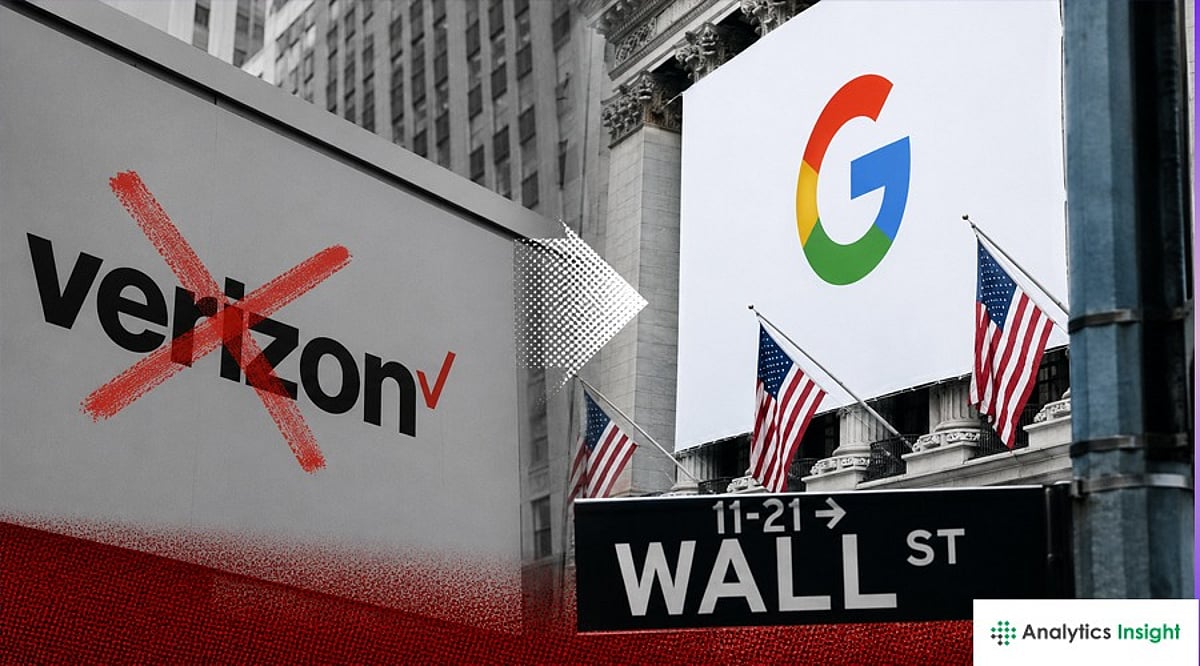
    On June 29, 2026, Alphabet joined the prestigious Dow Jones Industrial Average, replacing Verizon Communications. This milestone boosts institutional demand and underscores Alphabet’s significance in the U.S. economy, adding positive sentiment around the stock.

    Regulatory Challenges Persist

    On July 3, 2026, Alphabet lost its final appeal against a €4.1 billion ($4.68 billion) EU antitrust fine related to Android practices. Shares dipped about 1% in pre-market trading. Regulatory oversight remains a key risk, though the company had already provisioned for the penalty.

    Analyst Outlook Remains Bullish

    Wall Street remains optimistic. Firms like Morgan Stanley view recent weakness as a buying opportunity, with target prices between $400 and $415. Consensus fair value estimates range from $399 to $435 over the next 12 months, implying 15–20% upside from current levels.

    Final Outlook for July 2026

    Alphabet continues to be a top large-cap tech stock, supported by superior revenue growth, expanding profitability, and leadership in AI and cloud computing. While regulatory risks and high capital expenditure may create volatility, the company’s strong fundamentals and innovation pipeline make it a compelling long-term investment.

  • EU Court Rejects Google’s Final Appeal, Upholds $4.4 Billion Android Antitrust Fine

    EU Court Rejects Google’s Final Appeal, Upholds $4.4 Billion Android Antitrust Fine

    The Court of Justice of the European Union, Europe’s highest court, has dismissed Google’s final appeal against a €4.1 billion ($4.4 billion) antitrust fine, bringing an eight-year legal battle to a definitive close. The ruling confirms that Google abused its dominant market position through agreements tied to its Android mobile operating system.

    The European Commission originally imposed a €4.34 billion penalty in 2018 after finding that Google required smartphone manufacturers to pre-install Google Search, Chrome, and the Google Play Store on Android devices. Regulators also said Google restricted manufacturers from using alternative versions of Android, limiting competition from other mobile platforms.

    In its ruling, the court stated, “The appeal brought by Google and its parent company Alphabet against the judgment of the General Court is dismissed, thereby confirming the penalty imposed for Google Search’s abuse of a dominant position in the context of the Android operating system.” A lower court had reduced the fine to €4.1 billion in 2022, and today’s decision makes that penalty final.

    Following the ruling, a Google spokesperson defended the company’s Android business model, saying, “This judgment fails to take into account our investment to ensure Android remains open, interoperable and free.” The spokesperson added, “In any event, we adapted our agreements to comply with the initial decision back in 2018 and we remain focused on continued innovation and openness for our users, partners and developers.”

    Over the past several years, Google has already implemented changes for Android users in Europe, including allowing device owners to choose different search engines and web browsers during device setup instead of automatically using Google’s services.

    This case is part of a broader series of antitrust investigations. Over the past decade, Google has faced nearly €11 billion in EU competition fines across multiple cases involving search, shopping, Android, and digital advertising. The European Commission has now expanded its focus beyond traditional competition law, enforcing the Digital Markets Act and Digital Services Act, which introduce new obligations for major tech companies.

    Google remains under investigation over alleged preferential treatment of its own products in search results and practices involving its app store. Other large technology companies, including Apple and Meta, are also facing scrutiny under the EU’s updated digital regulations. Alphabet shares traded modestly lower in premarket trading following the ruling.

  • Best Stocks to Buy Now With $3,000: Turn a Small Investment Into Long-Term Wealth

    Best Stocks to Buy Now With $3,000: Turn a Small Investment Into Long-Term Wealth

    Investing doesn’t require a fortune. With just $3,000, you can build a diversified portfolio of high-quality stocks that have strong growth potential. Here are some of the top picks for long-term wealth creation.

    NVIDIA (NVDA)

    The AI chip leader continues to benefit from booming demand for data centers and artificial intelligence. NVIDIA’s GPUs are essential for training large language models and powering AI applications, making it a core holding for any tech-focused portfolio.

    Microsoft (MSFT)

    Its cloud business (Azure) and AI investments, including its partnership with OpenAI, make Microsoft one of the strongest long-term technology stocks. The company’s diversified revenue streams from productivity software, gaming, and enterprise services provide stability and growth.

    Amazon (AMZN)

    Beyond e-commerce, Amazon’s cloud platform (AWS) and AI services continue driving future growth. AWS remains the dominant cloud provider, and Amazon’s logistics network and advertising business add further upside.

    Alphabet (GOOGL)

    Google’s AI expansion and advertising business keep Alphabet among the market’s strongest performers. The company’s search dominance, YouTube growth, and investments in autonomous driving (Waymo) and cloud computing provide multiple growth engines.

    Meta Platforms (META)

    Meta is investing heavily in AI while maintaining strong revenue from digital advertising. Its social media platforms (Facebook, Instagram, WhatsApp) generate massive user engagement, and its metaverse and AI initiatives could unlock new revenue streams.

    Broadcom (AVGO)

    Its semiconductor and infrastructure software businesses continue benefiting from enterprise AI demand. Broadcom’s networking chips are critical for data centers, and its software acquisitions (VMware) provide recurring revenue.

    Eli Lilly (LLY)

    Strong demand for weight-loss and diabetes treatments makes Eli Lilly a healthcare favorite. Its drugs like Mounjaro and Zepbound have blockbuster potential, and the company’s pipeline includes promising treatments for Alzheimer’s and other conditions.

    Visa (V)

    Global digital payments continue expanding, giving Visa steady long-term growth potential. As cash transactions decline worldwide, Visa’s network effects and transaction volume growth provide reliable returns.

    Disclaimer: This article is for informational purposes only and does not constitute financial advice. Always do your own research before investing.

  • Alphabet to Replace Verizon in Dow Jones Industrial Average on June 29

    Alphabet to Replace Verizon in Dow Jones Industrial Average on June 29

    Alphabet, the parent company of Google, will join the Dow Jones Industrial Average on June 29, replacing Verizon Communications in the 30-stock benchmark. S&P Dow Jones Indices announced the change on June 23, placing Google’s parent company alongside other major technology groups already in the index.

    The decision comes after a difficult trading session for Alphabet stock. Its shares fell 5% on June 22 as technology stocks weakened and two senior artificial intelligence researchers prepared to join rival firms. The decline put fresh attention on Google’s ability to keep leading AI researchers.

    The change also expands the Dow’s exposure to businesses tied to cloud computing, digital advertising, and AI. It follows the additions of Amazon and NVIDIA in 2024, which moved the benchmark further toward large technology companies.

    Alphabet Replaces Verizon in the Dow

    The index provider said the change will take effect before trading opens on June 29. Alphabet will join under its Class A ticker, GOOGL, while Verizon will leave the index after holding a place since 2004.

    S&P Dow Jones Indices said Alphabet’s market value, share price, and broad business mix made it a “more representative Communication Services constituent.” Its operations cover digital advertising, cloud services, AI, hardware, healthcare technology, autonomous vehicles, and media distribution.

    Price-Weighted Structure Drives the Change

    Unlike the S&P 500, the Dow uses share prices to set each company’s weight. A company with a higher stock price has more influence on the index, regardless of its total market value.

    Verizon accounted for about 0.5% of the Dow with a lower share price. Alphabet’s higher share price will give it a larger role in daily index moves. The index provider will also adjust the Dow divisor to prevent the membership change from creating an artificial move in the benchmark.

    AI Researcher Exits Pressure Alphabet Shares

    Meanwhile, Alphabet shares closed 5% lower on June 22, marking their steepest daily fall since May 2025. The stock had fallen 6% earlier in the session and was on track to erase more than $256 billion in market value.

    John Jumper, a senior Google DeepMind scientist and 2024 Nobel Prize winner, said he would leave for Anthropic. Noam Shazeer, a Google engineering vice president and co-lead of the Gemini models, also said he would join OpenAI. Both departures came within days of each other.

    The moves added to investor concerns over competition for AI researchers. Google has invested heavily in Gemini, cloud infrastructure, and AI tools across Search, YouTube, and other services. Alphabet’s Dow entry therefore arrives as the company gains index recognition while managing changes within its AI leadership.

    Honeywell Keeps its Dow Position

    Additionally, Honeywell International will stay in the Dow after completing the planned spinoff of Honeywell Aerospace on June 29. The remaining parent company will change its name to Honeywell Technologies.

    Honeywell Aerospace will trade as a separate company but will not enter the Dow. The index will keep 30 members after the Alphabet-Verizon swap and Honeywell separation.

    Funds that track the Dow will need to adjust their portfolios before the change takes effect. They will add Alphabet shares and remove Verizon shares to match the updated index. Alphabet will join Apple, Microsoft, Amazon, NVIDIA, and Salesforce among the benchmark’s major technology-related companies.

  • DeepMind Company Profile: Business Model, Leadership, and AI Breakthroughs

    DeepMind Company Profile: Business Model, Leadership, and AI Breakthroughs

    DeepMind, a subsidiary of Alphabet Inc., is widely regarded as the world’s leading artificial intelligence research lab, with a mission to create artificial general intelligence. Known for groundbreaking achievements such as AlphaGo and AlphaFold, DeepMind applies deep learning and reinforcement learning to solve complex problems in science, healthcare, and technology, driving a global transformation in AI. Below is an in-depth look at the DeepMind company profile.

    About the Company

    Google DeepMind is a premier AI research lab within Alphabet, dedicated to building safe and ethical AI for positive impact. The lab has made significant contributions to science and technology through high-profile innovations like AlphaGo, AlphaFold, and the original transformer architecture. Beyond research, DeepMind prioritizes responsibility, inclusivity, and collaboration to ensure AI innovations are deployed safely and ethically. Its work demonstrates AI’s potential as a trusted partner working alongside human intelligence to drive discovery, deliver solutions, and create new approaches to pressing global challenges in health, climate, and beyond.

    Core Leadership Team

    DeepMind’s leadership comprises experts in AI, machine learning, and ethics, guiding the lab’s strategic direction and research priorities. Key figures include founders and senior executives who oversee operations, research, and partnerships, ensuring alignment with Alphabet’s broader goals.

    Revenue Streams

    DeepMind generates revenue primarily through its parent company Alphabet by delivering advanced AI research and solutions. Income sources include internal service agreements with Google, technology licensing (e.g., WaveNet), scientific research partnerships, and limited healthcare collaborations. While DeepMind does not sell directly to consumers, its innovations are embedded into Google products, creating indirect value across Alphabet’s global ecosystem. This positions DeepMind as both a cutting-edge research hub and a strategic enabler of enterprise-scale AI impact.

    B2B Client Segments and Target Companies

    • Client Segments: Alphabet Inc. (Google), Public Sector Institutions, Research Organizations, Healthcare Providers, AI Developers
    • Target Companies: Large Enterprises, Government Bodies, Research Labs, Cloud Platforms
    • Target Geography: Global, including North America, Europe, and selected regions in Asia-Pacific

    Social Media and Contact

    Follow DeepMind on Facebook, Twitter, LinkedIn, YouTube, and visit their official website for the latest updates.