Tag: Amazon

  • How Google Maps, Amazon, and Instagram Track Your Daily Activities: Privacy Risks and Protections

    How Google Maps, Amazon, and Instagram Track Your Daily Activities: Privacy Risks and Protections

    Your smartphone reveals far more than messages or photos. Recent research shows that ordinary apps collect details about websites visited, searches, purchases, locations, device usage, and app activity. A September 2026 study by Surfshark examined 40 popular Android and iOS apps across social media, e-commerce, messaging, and generative AI categories. The findings highlight how app tracking is widespread and how users can take steps to protect their privacy.

    Key Takeaways

    • App tracking is widespread: 18 of 40 apps (45%) in the study reported collecting browsing history.
    • Data creates detailed profiles: Combining location, searches, purchases, websites, and app activity reveals patterns about everyday behavior.
    • Privacy tools are available: iPhone’s App Privacy Report and Google Play’s Data Safety disclosures help users understand app data practices.

    How Apps Collect Your Data

    Different apps collect different types of information. A single app may gather one kind of data, but when combined, several apps can paint a much broader picture of your habits and interests. Location, search history, purchases, websites visited, contacts, device IDs, and usage details can reveal routines without any single piece telling the full story.

    Google Maps and Location Tracking

    Google Maps can store location data through your Google Account controls. The Timeline feature creates a personal map of places, routes, and trips. When Timeline is active, precise device location is saved regularly on eligible mobile devices—even when Google apps are not open. Google offers automatic deletion options after 3, 18, or 36 months, or you can keep data until manual deletion. Additionally, Search Services History can save activity from Search, Maps, Shopping, Hotels, Flights, Translate, and News.

    Social Media Browsing History

    Instagram, Facebook, TikTok, X (formerly Twitter), YouTube, and Pinterest all reported collecting browsing history on both Android and iOS in the Surfshark study. These platforms use browsing data to refine interest profiles, target ads, and shape feed content based on websites visited outside the app. Reddit, LinkedIn, and Snapchat showed browsing-history collection on Android but not iOS. Discord reported no browsing-history collection on either platform.

    E-Commerce and Shopping Apps

    Amazon Shopping collects more than just product searches. A separate August 2026 Surfshark study of 171 Apple App Store apps found that Amazon apps often collect device IDs, email addresses, names, performance data, product interaction data, and crash data. Amazon Shopper also reported browsing-history collection. A 2025 study found that Amazon collected 25 of 35 examined data types among popular U.S. shopping apps. eBay, Shopee, and Shopify reported browsing-history collection on both platforms; Taobao on iOS; and AliExpress on Android. These apps connect browsing interests with product activity for better recommendations and advertising.

    Messaging and AI Apps

    Rakuten Viber, Messenger, and LINE also reported browsing-history collection. Among generative AI apps in the 40-app study, Google Gemini stood alone with reported browsing-history collection. Poe was included after Surfshark replaced Windsurf, which lacks a mobile app. WhatsApp, Uber, and Spotify were not part of this specific browsing-history study, but they collect other types of data—WhatsApp handles contacts and communication metadata, Uber relies on trip and location data, and Spotify records music and podcast activity.

    Browser Tracking and Privacy Tools

    Chrome, Safari, and Edge reported browsing-history collection in Surfshark’s separate browser analysis, while Firefox, Aloha, and DuckDuckGo did not. Browsers can access a large record of web activity, and other apps can also collect browsing information outside a traditional browser.

    Apple provides iPhone users with the App Privacy Report, which shows access to location, photos, camera, microphone, contacts, and other sensitive resources over the previous seven days, along with network activity and frequently contacted domains. Android offers Google Play Data Safety, requiring developers to describe data collection, sharing, security practices, and other privacy details. Developers must keep disclosures accurate and consistent with their privacy policies.

    Recent Regulatory Developments

    A major 2026 development came from the U.S. Federal Trade Commission (FTC). On June 26, 2026, the FTC announced an order against data broker Kochava that prohibits the sale, licensing, transfer, sharing, or disclosure of sensitive location data without affirmative express consent. The FTC stated that Kochava had faced allegations tied to location data from hundreds of millions of mobile devices.

    The Bigger Picture

    The issue extends beyond any single app. Maps reveal places, social platforms reveal interests, retailers reveal purchases, browsers reveal websites, and AI tools record prompts or account activity. Each category offers a different view of your digital life. The combined picture can become far more detailed than any one app suggests.

    Frequently Asked Questions

    Which popular apps reported collecting browsing history?

    Surfshark’s September 2026 study found browsing-history collection reported by apps including Instagram, Facebook, TikTok, X, YouTube, Pinterest, Amazon Shopping, eBay, Shopee, and Shopify, among others.

    Does Google Maps track my location?

    Google Maps can store location information through Google Account features such as Timeline when location history is enabled. Users can configure automatic deletion periods.

    How can I check what apps access on my iPhone?

    Apple’s App Privacy Report shows access to sensitive resources such as location, photos, camera, microphone, and contacts, along with network activity from the previous seven days.

    How can Android users check app data practices?

    Google Play’s Data Safety section provides developer disclosures about data collection, sharing, security practices, and related privacy information.

    Why is app tracking a privacy concern?

    Information collected by different apps can potentially be combined to create a detailed picture of your interests, routines, purchases, locations, and online behavior.

  • AI Shopping Agents Add Fraud and Privacy Risks Before Amazon and Flipkart Festive Sales

    AI Shopping Agents Add Fraud and Privacy Risks Before Amazon and Flipkart Festive Sales

    As Amazon and Flipkart prepare for their major festive sales in India, banks are warning that AI shopping agents could introduce new fraud, payment security, and data privacy risks into online buying.

    The alert comes as technology companies develop AI tools that can search for products, compare prices, and in some cases help complete purchases on a shopper’s behalf. While these agents could make e-commerce faster and more convenient, financial institutions say they also raise concerns about scams, incorrect transactions, and the misuse of personal information.

    Why banks are concerned

    The issue goes beyond AI-powered product recommendations. Newer shopping agents are being designed to handle multiple steps of a purchase, from finding an item and comparing prices to selecting a product and helping finish the transaction.

    That changes the traditional shopping process. Instead of a customer choosing a product and authorizing every step, an AI agent could carry out much of the purchase journey based on an initial instruction.

    Banks including NatWest, Bank of America, ING, Capital One, and Commonwealth Bank of Australia have warned that consumers could end up buying the wrong product, spending more than intended, or being exposed to scams.

    Payment and data privacy questions

    Financial institutions are particularly concerned about how AI agents handle payment information. An agent could request card details, enter them directly on a website, or direct shoppers toward payment methods that offer weaker consumer protections.

    There are also questions about responsibility. If an AI agent makes a wrong purchase or a transaction turns out to be fraudulent, consumers may not know whether the retailer, payment provider, or AI service should handle the dispute.

    The banks have called for greater transparency, including clear disclosure when an AI agent is involved in a transaction, stronger data safeguards, and more information about how these systems make decisions.

    Festive sales will test consumer trust

    The timing makes the warning especially relevant for Indian shoppers. Amazon’s Great Indian Festival is scheduled to begin on October 8, while Flipkart is preparing for its Big Billion Days sale. Both events are expected to draw large numbers of shoppers looking for discounts on smartphones, electronics, appliances, fashion, and other categories.

    Festive sales typically bring a surge in online activity, and AI tools are becoming more common for product discovery and price comparisons. Consumers are therefore likely to encounter AI-assisted shopping alongside sale messages, bank offers, and promotional links.

    What shoppers should watch for

    • Verify retailer websites before entering payment or personal information.
    • Avoid suspicious links and unexpected requests for banking details.
    • Review AI-assisted purchases carefully before confirming a transaction.
    • Check which payment method is being used and whether it offers consumer protection.
    • Keep records of orders and disputes in case a transaction goes wrong.

    The bigger question for festive shoppers

    This festive season, shoppers may use AI simply to find deals, or they may allow these systems to make purchasing decisions and handle transactions for them. As AI moves closer to the payment stage, trust, transparency, and consumer protection are becoming just as important as convenience.

  • Amazon (AMZN) Stock Price Today: Key Market Data, Q2 2026 Results, and AI Investment Outlook

    Amazon (AMZN) Stock Price Today: Key Market Data, Q2 2026 Results, and AI Investment Outlook

    Amazon Stock Price and Market Data

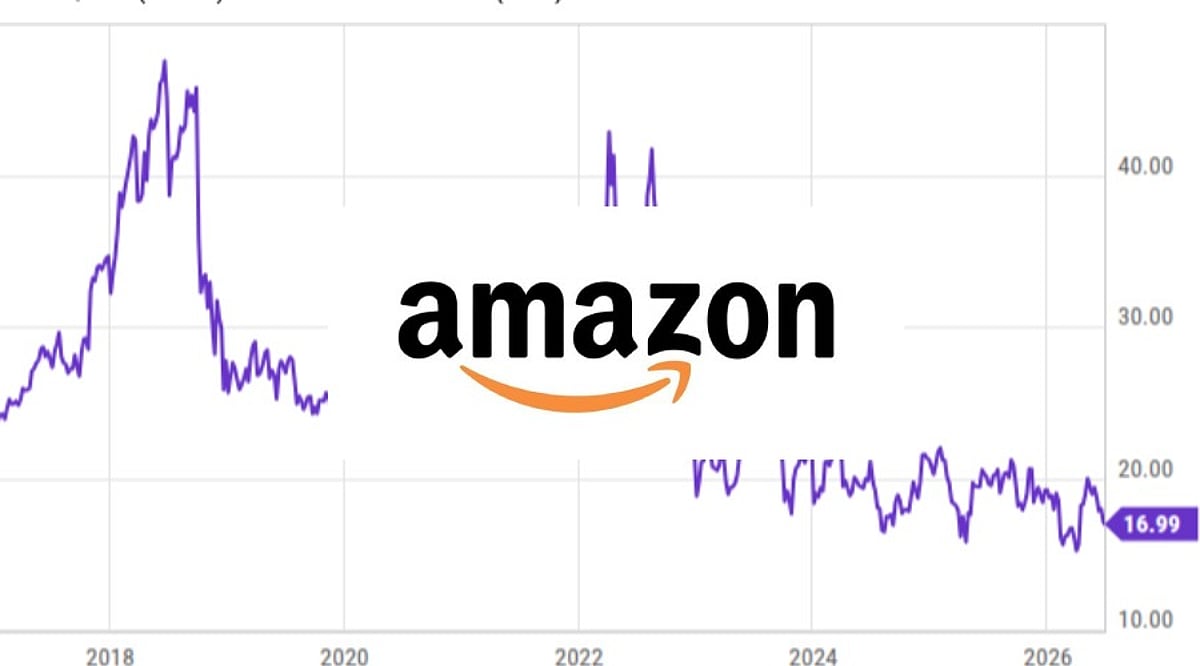
    Amazon shares closed at USD 249.38 on September 24, 2026. The stock opened at USD 245.97 and reached a high of USD 250.43 during the session, with an intraday low of USD 245.60. Trading volume was approximately 32.7 million shares. The current 52-week range is USD 196.00 to USD 287.20, and Yahoo Finance lists Amazon’s market capitalization at about USD 2.69 trillion with a beta of 1.44.

    Recent Price Movement

    Amazon shares have trended lower during September. After closing at USD 266.43 on August 28, the stock ended August at USD 259.77. September opened with a decline to USD 254.92, falling further to USD 245.96 on September 16. The stock recovered to USD 258.45 on September 21 before closing at USD 249.27 on September 23. The latest close shows little change from that session. These moves occurred amid an active period for technology stocks, with AI spending, bond yields, oil prices, and market sentiment remaining key themes.

    Q2 2026 Financial Performance

    Amazon reported second-quarter results on July 30, 2026. Net sales reached USD 200.6 billion, up 20% year over year. Operating income rose 43% to USD 27.5 billion. North America sales increased 16% to USD 116.2 billion, while international sales rose 15% to USD 42.2 billion.

    AWS remained a major growth engine, with revenue reaching USD 42.2 billion, a 37% increase from the prior year. AWS operating income reached USD 16.6 billion. Advertising services also grew strongly, with revenue increasing 26% to USD 19.8 billion. Amazon reported USD 62.6 billion in net income, which included USD 53.4 billion of non-operating income, much of it from investments in Anthropic.

    AWS Growth and AI Infrastructure Spending

    AI infrastructure has become central to Amazon’s investment plans. The company raised its 2026 capital spending outlook to approximately USD 220 billion. AWS demand remains strong, with its contract backlog reaching USD 496 billion at the end of June. However, heavy spending is affecting free cash flow: Amazon’s trailing-twelve-month free cash flow was negative USD 7.6 billion, driven by increased purchases of property and equipment. The company is balancing infrastructure expansion with cash generation, and investors are watching whether AI spending will produce durable revenue growth.

    Advertising and AI Shopping

    Amazon’s advertising business has become an important revenue source, generating USD 19.8 billion in the second quarter. The company is also expanding AI-assisted shopping through Alexa for Shopping, which combines shopping assistance with product discovery and comparisons. Additionally, Amazon Ads recently announced an integration with ChatGPT, allowing selected U.S. advertisers to test conversational advertising. Amazon is also navigating the shift toward agentic commerce, where AI systems could increasingly influence product discovery and purchasing decisions.

    What Investors Are Watching Next

    Amazon’s next reported earnings are expected on October 29, 2026. The company has guided for third-quarter sales between USD 197 billion and USD 202 billion. Beyond revenue, AWS growth, advertising growth, operating margins, and capital spending will remain closely watched. Investors may also track Amazon’s free cash flow trajectory, as AI infrastructure requires heavy investment before its full returns appear. Broader factors such as technology valuations, bond yields, consumer spending, tariffs, energy costs, and currencies can also move the shares.

    This article provides market information and is not investment advice.

  • Amazon Commits $48 Billion to India’s Digital Future with AI, Cloud, and Quick Commerce Expansion

    Amazon Commits $48 Billion to India’s Digital Future with AI, Cloud, and Quick Commerce Expansion

    Amazon has announced a massive $48 billion investment plan for India through 2030, focusing on artificial intelligence, cloud infrastructure, e-commerce, and quick commerce. The commitment follows a June 2026 meeting between Amazon CEO Andy Jassy and Indian Prime Minister Narendra Modi in New Delhi.

    More than $21 billion of the total will be directed toward AI and cloud infrastructure, with AWS expanding data center capacity in Mumbai and Hyderabad. Amazon plans to add fulfillment centers and last-mile delivery stations nationwide, targeting India’s rapidly growing digital economy. The company also intends to invest an additional $3 billion specifically in quick commerce by 2030, scaling its Amazon Now service to compete in the ultra-fast delivery segment.

    The latest pledge includes a $13 billion top-up for AI and cloud announced in June, building on a previous $35 billion commitment across Indian businesses in 2025. AWS remains central to the strategy as Indian enterprises, startups, and government entities increase adoption of cloud computing and AI tools. Amazon will provide custom AI chips, managed AI services, and developer tools, along with support for local data storage to help organizations build AI applications within India’s cloud ecosystem.

    Amazon’s cloud business is already showing strong momentum: AWS sales reached $42.2 billion in the second quarter of 2026, up 37% year over year, and the company’s AI business annual revenue run rate exceeded $25 billion. Jassy said the investment addresses strong demand across Amazon’s Indian operations and aligns with goals to digitize small businesses, create jobs, and boost exports.

    On the retail front, Amazon plans to open more than 20 new fulfillment centers and over 100 last-mile delivery stations, with expanded capacity in smaller Indian cities. The quick-commerce push, reported by Reuters on September 24, 2026, intensifies competition in the minutes-delivery space. Amazon also targets bringing AI benefits to 15 million small businesses and providing AI education to 4 million government-school students by 2030. Cumulative investment in India is expected to exceed $88 billion through the end of the decade.

  • Amazon Great Indian Festival 2026: Early Deals Begin September 25 with Confirmed SBI Card Offers

    Amazon Great Indian Festival 2026: Early Deals Begin September 25 with Confirmed SBI Card Offers

    Amazon Great Indian Festival 2026: Early Access Sale Starts September 25

    Amazon has announced the early deals phase for its Great Indian Festival Sale 2026, giving shoppers a head start on festive shopping. The early access period kicks off on September 25, while the main sale event is scheduled to begin on October 8.

    Smartphones and Laptops Lead the Early Offers

    The early deals are expected to cover a wide range of electronics, with a strong focus on smartphones and laptops. Several budget-friendly smartphone models have been tipped to appear, including the itel Zeno 100 Lite, Lava Bold N4 Lite, Tecno Pop X 5G, iQOO Z10 Lite 5G, and iQOO Neo 10, with starting prices as low as Rs 7,199.

    In addition to value segment devices, Amazon is also expected to offer deals on premium models such as the iPhone 16 and Samsung Galaxy S25 Ultra. Laptops and other electronics, including the MacBook Neo and iPad Air M4, are likely to feature in the promotional push.

    SBI Card Discounts and Prime Benefits Confirmed

    Amazon has confirmed a 10% instant discount for eligible SBI Credit and Debit Card transactions, including EMI purchases. Prime members can enjoy an additional 10% benefit on select offers, making the sale even more attractive.

    Stay tuned for more updates as the early deals go live and the main sale approaches.

  • Amazon’s $309.5 Million Refund Settlement: Eligibility, Deadlines, and Steps to Claim

    Amazon’s $309.5 Million Refund Settlement: Eligibility, Deadlines, and Steps to Claim

    Amazon has proposed a $309.5 million settlement to resolve claims that some customers did not receive accurate, timely, or complete refunds for returned physical products. The proposed class action, In re: Amazon Return Policy Litigation, is pending in Washington federal court. Amazon denies any wrongdoing, and the court has not found any legal violation or misconduct.

    What Is the Amazon Refund Settlement About?

    The lawsuit focuses on refunds that were allegedly missing, delayed, incorrect, or later reversed after customers returned products through Amazon.com. According to settlement materials, an internal review by Amazon in 2025 identified a limited group of unresolved refund cases. Some refunds failed during payment processing, while others involved issues with return verification.

    Amazon says it began issuing some affected refunds separately during 2025. The company has also agreed to make reasonable efforts to issue additional payments outside the settlement fund.

    Who Is Covered by the Settlement?

    The settlement covers U.S. customers who returned physical products through Amazon.com between September 5, 2017, and February 12, 2026. To qualify, customers must meet all of these conditions:

    • Purchased a physical product through Amazon.com
    • Initiated a return or refund request for that product
    • Amazon’s records show the returned product reached the United States during the covered period
    • The refund remained unpaid, was late or incorrect, or was later charged back after payment

    Subclass A and Subclass B

    The settlement divides eligible customers into two groups. Subclass A includes qualifying customers whose information is already in Amazon’s records. These customers will receive payments automatically if the court grants final approval, but they must visit the settlement website within 105 days to select a payment method.

    Subclass B covers eligible customers who need to submit a claim form to receive payment. The claim deadline is December 1, 2026. The same deadline applies to customers who wish to exclude themselves from the settlement or submit objections.

    Court Approval and Key Dates

    The court granted preliminary approval on August 18, 2026. A final approval hearing is scheduled for March 16, 2027, at 10 a.m. Pacific Time in Seattle. Payments will begin only after the court approves the settlement.

    How Much Will Eligible Customers Receive?

    The $309.5 million fund does not guarantee identical payments for every eligible customer. Distribution will follow the court-approved settlement plan after valid claims and approved expenses are accounted for. The fund also covers administration costs, attorney fees, and any approved incentive awards.

    How to File a Claim

    Eligible customers can check claim instructions and get the latest updates on the official settlement website, ReturnSettlement.com. The site includes court documents, deadlines, and additional information about the Amazon refund settlement.

    Amazon has stated that the settlement is not an admission of liability, and the court has not concluded that Amazon violated consumer protection laws. Customers with questions are encouraged to review the official settlement website and act before the December 1, 2026, deadline.

  • Amazon Recruits Former Employees for AI and Cloud Roles After Major Layoffs

    Amazon Recruits Former Employees for AI and Cloud Roles After Major Layoffs

    Amazon is reaching out to former employees, including those affected by recent layoffs, to fill positions in artificial intelligence, machine learning, and cloud computing. According to a report by Business Insider, the company has initiated a “Boomerang Reengagement Initiative” to bring back former staff.

    Amazon Launches Former Employee Outreach

    Recruiter emails seen by Business Insider reveal that Amazon’s AI agent organization, under AWS Vice President Swami Sivasubramanian, contacted former employees last month about available AI and machine learning positions. The outreach was described as “Swami’s Boomerang Reengagement Initiative.”

    In another instance, an AWS Finance recruiter contacted a former employee and offered an expedited interview process that could potentially lead to a job offer. One email read: “A lot has changed since you were here, and there’s some really compelling work happening across AI/ML right now.”

    Outreach Follows More Than 30,000 Job Cuts

    This outreach comes after Amazon eliminated more than 30,000 positions through multiple rounds of job cuts. Despite these reductions, the company continues to recruit for AI-related roles as it expands its focus on the technology.

    Amazon Says Rehiring is Longstanding Practice

    Amazon told Business Insider that rehiring former employees is a longstanding companywide practice. Company spokeswoman Haley Silva said that former employees, including those laid off, could be considered for open positions based on current needs. She clarified that the outreach was not specifically aimed at people who had left because of Amazon’s return-to-office policy, and that workplace attendance requirements remain unchanged.

    “We’re always interested in connecting with talented people, both new candidates and former Amazonians, for open roles,” Silva was quoted as saying.

  • YouTube Shopping Bolsters Indian Merchant Ecosystem with New Partners and AI-Powered Features as Creator Payouts Surge 160%

    YouTube Shopping Bolsters Indian Merchant Ecosystem with New Partners and AI-Powered Features as Creator Payouts Surge 160%

    YouTube has announced a major expansion of its Shopping affiliate program in India, adding Amazon, AJIO, Meesho, Snapdeal, and Tata CLiQ as new retail partners. This move creates what the company calls India’s most comprehensive digital storefront, bringing together value marketplaces, horizontal retailers, and premium brands on a single platform. The expansion builds on existing partnerships with Flipkart, Myntra, Nykaa, Purplle, Shopsy, and Tira.

    According to YouTube internal data, over 450 million logged-in users in India search for shopping-related content, and shopping-related watch time has increased by 55% year-over-year. The platform’s affiliate program has also seen remarkable growth: average creator payouts in India surged more than 160% year-over-year from Q1 2025 to Q1 2026, outpacing the global average of 100%. More than 50% of eligible Indian creators are now enrolled in the program, a 200% increase year-over-year, and they have tagged over 19 million videos.

    Gunjan Soni, Managing Director – India, YouTube, said, “We’ve crossed an incredible milestone where trusted creator voices, a comprehensive retail catalog, and AI meet at a massive scale. With this expansion in retail partners we are meeting the 450 million+ Indians searching for products on YouTube with India’s most comprehensive digital storefront. Our creators are seeing life-changing revenue, and our merchant partners and brands are seeing measurable impact.”

    Partners echoed the sentiment. Nidhi Thakkar, Head of Social Commerce – Emerging Countries at Amazon, highlighted the seamless journey from creator recommendation to purchase. Arpan Biswas of Reliance AJIO emphasized the convergence of content and commerce for fashion discovery. Nikita Dawda of Meesho noted that creators can double their earnings through the partnership. Achint Setia of Snapdeal pointed to seamless discovery for GenZ shoppers, while Gopal Asthana of Tata CLiQ stressed frictionless integration with premium fashion. Prakash Subramanian of Tira reported 2x creator engagement, and Aditya Mujumdar of Purplle shared that creator-tagged videos have driven nearly a quarter of a million orders, with top earners speaking in regional languages.

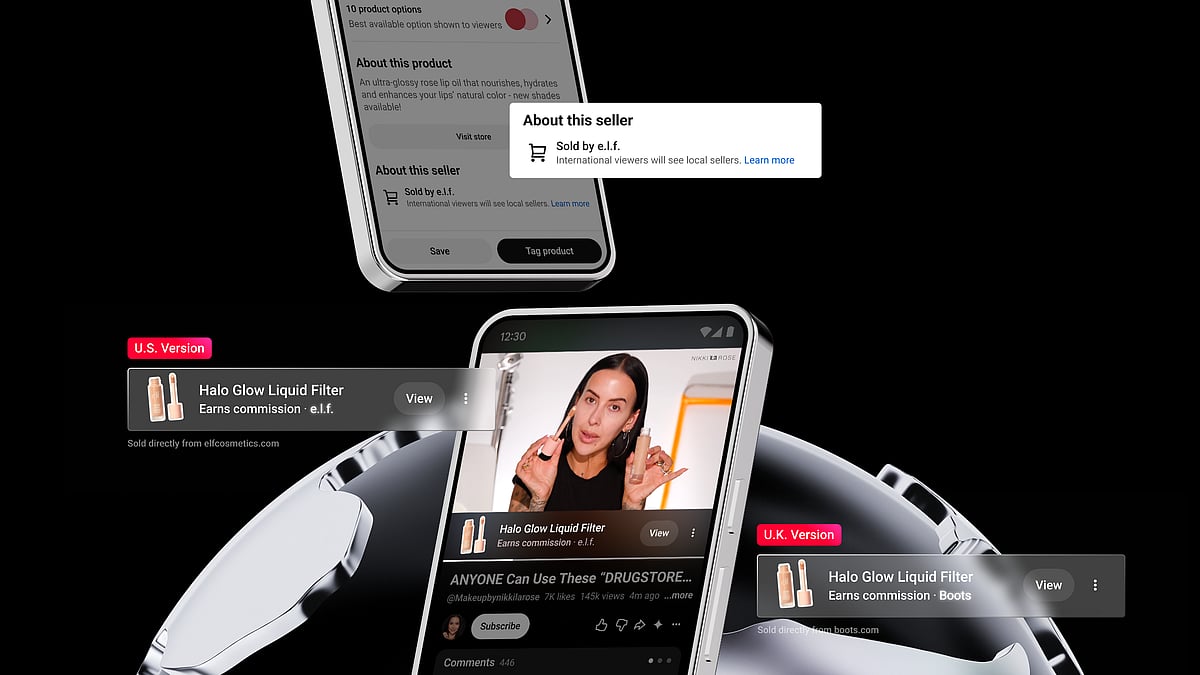
    Alongside the partner expansion, YouTube unveiled several new AI-powered features to enhance the shopping experience. The Ask YouTube capability now allows viewers to ask product-related questions directly on the watch page, with follow-up queries and voice commands on TV. Dynamic Global Retail Tags automatically adapt tagged products to domestic deals and local currencies based on the viewer’s location, enabling Indian creators to earn commissions from international audiences seamlessly.

    For brands and creators, YouTube introduced the Affiliate Partnerships Boost, which lets brands amplify organic creator content through paid campaigns. Nykaa will be the first to leverage this feature for festive sales. The upcoming Ask Studio for Brand Partnerships uses generative AI inside YouTube Studio to help creators pitch campaigns and respond to brand briefs quickly. Creator Partnerships Boost simplifies getting channels in front of top advertisers, while Dynamic Brand Segments allow creators to insert promotional segments into up to 20 long-form videos simultaneously. Exclusive Affiliate Campaigns, rolling out in India next year, will invite creators into high-priority campaigns with bonus incentives and higher commission rates.

    Globally, YouTube’s shopping-related watch time surpassed 40 billion hours in 2025, and gross merchandise value grew 13 times over two years. The new tools and partnerships aim to sustain this momentum, particularly in India where the creator economy is thriving.

  • Tech Giants Amazon, Google, and Microsoft Commit $80.5 Billion to India’s AI Infrastructure

    Tech Giants Amazon, Google, and Microsoft Commit $80.5 Billion to India’s AI Infrastructure

    Amazon, Google, and Microsoft have announced a combined investment of $80.5 billion in India’s AI and cloud infrastructure through 2030, signaling the country’s growing importance as a global technology hub. Meta and Nvidia are also expanding their presence through strategic partnerships and hardware supply deals.

    Amazon leads with a $48 billion commitment through 2030, including $13 billion specifically for AI and cloud infrastructure. The company plans to expand AWS capacity in Mumbai and Hyderabad, and support over 20 fulfillment centers and 100 delivery stations. Amazon also aims to provide AI tools for millions of small businesses in India.

    Microsoft has pledged $17.5 billion between 2026 and 2029 for cloud and AI infrastructure, including a fourth cloud region in Hyderabad. The company also launched a nationwide AI skilling program targeting 20 million people by 2030.

    Google is investing approximately $15 billion from 2026 to 2030 to build its first Indian AI hub in Visakhapatnam. The project includes gigawatt-scale computing, data centers, and new subsea connectivity, developed in partnership with AdaniConneX and Airtel.

    Meta is leasing capacity at Reliance’s 168 MW AI-enabled data center in Jamnagar, Gujarat, and has contracted nearly one gigawatt of renewable energy. While Meta did not disclose a specific financial commitment, the projects mark a significant step in its Indian infrastructure expansion.

    Nvidia is supplying advanced GPUs for India’s AI computing ecosystem. L&T is building an AI factory in Chennai with 10,000 Nvidia B300 GPUs to support Together AI workloads, demonstrating Nvidia’s role in powering India’s AI growth without a direct investment figure.

    The combined $80.5 billion from Amazon, Microsoft, and Google excludes Meta’s undisclosed deals and Nvidia’s hardware partnerships, reflecting different investment models. India’s growing AI demand, developer talent, and infrastructure plans continue to attract major technology investments, marking a shift toward building AI compute capacity inside the country.

  • Walled Garden Advertising Explained: Why Publishers Are Moving Beyond the Big Three

    Walled Garden Advertising Explained: Why Publishers Are Moving Beyond the Big Three

    Three companies now capture a larger share of global ad spend than the rest of the internet combined. At the same time, the search traffic that once funded publishers is shrinking rapidly. Alphabet, Amazon, and Meta are on track to absorb 58.8% of the global ad market outside China by 2027, according to WARC. Meanwhile, Chartbeat data shows publisher search referral traffic fell by a third globally in the year to November 2025. This double squeeze is why understanding walled garden advertising has become essential for publishers and advertisers alike.

    A walled garden is a closed system operated by a single platform that controls how ads are bought, targeted, and reported. Advertisers gain scale and precision; publishers gain access to demand. Neither side has much say in the rules or visibility into what happens behind them.

    This guide explains what walled garden advertising means, identifies the major players, outlines how the model works, and examines the real trade-offs today. It also explores why ad revenue diversification through independent platforms has become a serious strategy.

    Key Takeaways

    • A walled garden is a closed ad platform that controls buying, targeting, delivery, and reporting, sharing only the data it chooses to release.
    • Google, Meta, and Amazon are the three largest walled gardens, with TikTok and retail media networks growing rapidly behind them.
    • Walled gardens offer rich first-party data and easy setup, but limited transparency, data portability, and negotiating power for advertisers and publishers inside them.
    • Alphabet, Amazon, and Meta already absorb the majority of global ad spend, while publisher search traffic is falling simultaneously — a genuine double squeeze, not a slow drift.
    • Diversifying across walled gardens, the open web, and independent ad networks is a practical way to reduce dependency on any single platform’s rules or pricing.

    What Is Walled Garden Advertising?

    A walled garden is a closed advertising platform that controls how ads are bought, served, tracked, and reported, giving advertisers and publishers only limited visibility into what happens inside it. Google, Meta, and Amazon are the clearest examples: each runs its own auction, holds its own first-party audience data, and shares only the performance metrics it decides to surface.

    This contrasts with the open web, where advertisers buy inventory across many independent publishers through demand-side platforms, supply-side platforms, and ad exchanges, with more visibility into bid data and placement. A walled garden approach means accepting the platform’s rules, measurement, and reporting as the price of access to its audience and first-party data. There is no external audit, no alternative bid view, and no way to take that data elsewhere if you decide to leave.

    Examples of Walled Gardens in Advertising

    The term covers a small set of companies, each closed in a slightly different way. Search, social, and commerce all have their own dominant walled garden, and newer entrants are climbing the same ladder.

    Google

    Google’s walled garden spans Search, YouTube, and its ad-buying tools, including AdSense and DV360. Each surface feeds the same pool of first-party data, and the buying and measurement tools stay entirely inside Google’s own infrastructure. Advertisers get enormous reach and precise targeting. What they don’t get is an outside view of the auction their spend competes in.

    Meta

    Meta’s social advertising business runs Facebook and Instagram as one closed environment for targeting and reporting. Meta’s ad tools draw on user behavior across both apps, and campaign performance is measured entirely by Meta’s own attribution model. Advertisers can optimize inside that system but cannot independently verify it against a neutral source.

    Amazon

    Amazon’s walled garden runs on shopper and purchase data rather than social behavior. Retail media, powered by the Amazon DSP, lets advertisers target people close to a purchase decision using signals no other platform has at that scale. That purchase-intent data stays inside Amazon’s own systems.

    Other Emerging Walled Gardens

    TikTok is the clearest newer entrant, building its own closed targeting and measurement layer on top of a fast-growing audience. Retail media networks beyond Amazon, such as Walmart and other large retailers, are following the same pattern: platforms with valuable first-party data are increasingly choosing to keep that value inside a closed system.

    How the Walled Garden Model Works

    Walled gardens run on three things: first-party data, proprietary auctions, and self-reported measurement. The platform collects behavioral or transactional data from its own logged-in users, uses that data to run its own ad auction, and then reports back on performance using its own tools.

    Self-reported measurement is worth pausing on because it is the part advertisers feel most directly. It means the platform that sold you the ad is also the one telling you how well it performed, with no independent party checking the numbers. That does not necessarily make the numbers wrong, but it does mean there is no outside verification of the platform’s own report — a very different situation from buying through a neutral ad exchange.

    Platforms keep these systems closed for straightforward business reasons. Data and measurement locked inside one system — sometimes called ecosystem lock-in — makes it harder for advertisers and publishers to leave, since switching means starting audience insight and performance history from zero. It also protects a genuine competitive edge: first-party data at that scale is difficult for any single competitor to replicate.

    The Pros and Cons of Walled Garden Advertising

    Walled gardens are not good or bad by default. They represent a trade-off between reach and data on one side, and transparency and flexibility on the other.

    Advantages of Walled Gardens

    The biggest advantage is data. Walled gardens hold detailed, first-party information on logged-in users, which supports precise targeting most open-web inventory cannot match. That scale, combined with a single dashboard for buying and measurement, makes campaigns easy to launch and easy to read. For direct-response advertisers chasing conversions, that combination of targeting depth and integrated reporting often delivers strong, fast results.

    Drawbacks of Walled Gardens

    Advertisers cannot fully audit delivery or targeting because the platform controls every number it reports. Data portability is limited or nonexistent, so leaving a platform later means losing the audience insight built up while using it. The biggest risk is platform dependency: pricing, policy, and algorithm changes happen on the platform’s schedule, and advertisers and publishers relying on one walled garden exclusively have no seat at that table.

    Transparency issues compound this. Publishers using walled gardens for demand often cannot see the full bid landscape behind their earnings, which is one reason independent platforms that build in-house anti-fraud technology and share it openly with partners have become a meaningful point of difference.

    How Walled Gardens Dominate Ad Budgets

    The scale of ad spend concentration shows up clearly in the numbers. In the US, walled gardens already commanded most programmatic display spend a couple of years ago. A Skai walled garden share analysis put walled gardens at 71.5% of US programmatic display ad spending in 2024. The eMarketer 2027 programmatic forecast shows that trend extending further: US walled garden programmatic display spending is forecast to hit $182.75 billion in 2027, more than four times the open web’s projected $42.53 billion.

    Globally, the picture matches. Per the WARC global ad spend forecast (December 2025), Alphabet, Amazon, and Meta together take 56.1% of the global ad market excluding China in 2025 (about $556.6 billion), rising to 58.8% by 2027. The ExchangeWire revenue outlook, citing WARC, puts the combined figure at more than $200 billion in new ad revenue for Alphabet, Meta, Amazon, and TikTok through 2027. US digital advertising overall backs this up too: the IAB/PwC 2024 revenue report found US internet advertising revenue hit $258.6 billion in 2024, up 14.9% year over year, its strongest growth since 2021.

    The pressure is not only about ad dollars. Chartbeat data in the Reuters Institute’s Journalism and Technology Trends and Predictions 2026 report found global Google search referral traffic to publishers fell 33% year on year to November 2025, and 38% in the US. Define Media Group reported a 42% drop in organic search traffic across 64 US publishers since AI Overviews launched in 2024. Falling traffic and a shrinking share of ad dollars at the same time is what has turned this from background chatter into something publishers are watching closely.

    Alternatives to Walled Gardens: The Open Web and Ad Revenue Diversification

    The open web is what sits outside the walled gardens: independent publishers, plus the demand-side platforms, supply-side platforms, and ad exchanges that connect them to advertiser demand. Buying and selling here happens through open programmatic advertising with more visibility into bid data than any single walled garden offers.

    For publishers, ad revenue diversification comes down to a simple problem: relying on one dominant provider, such as Google AdSense, means accepting that company’s rates, policies, and payout terms as the ceiling on what a site can earn. The concentration numbers above make the risk concrete: IAB/PwC concentration data shows the top 10 companies controlled 80.8% of US digital advertising revenue in 2024, while companies ranked 11 to 25 held 11%, and everyone else split just 8.3%. A publisher earning entirely through one of the largest platforms is exposed to whatever that single company decides next.

    Independent ad networks are the practical counterweight. They give publishers a second or third demand source with its own reporting, its own payout terms, and no ownership stake in competing content. For advertisers, the same logic applies in reverse: independent platforms let you reach untapped audiences outside the walled gardens, often at a lower cost per result, through a wider set of high-performing ad formats than a single closed platform typically offers.

    How to Diversify Beyond Walled Gardens

    Diversifying means adding independent, transparent demand alongside the walled gardens you already use, so no single platform decides your results on its own.

    For publishers, start by adding an independent ad network alongside your existing AdSense setup, or, if you are monetizing a site for the first time, go straight to an independent publisher monetization platform built around these terms. From there:

    • Compare fill rate and eCPM across your demand sources, not just your top earner.
    • Check whether you can see real bid data and payout terms before committing, not just a summary dashboard.
    • Confirm the network handles anti-fraud detection in-house, since outsourced detection is harder to hold accountable.
    • Look for format variety. Spreading earnings across pop-under, in-page push, and display inventory limits how much a single format’s performance swings affect total income.
    • Weigh user experience alongside earnings. A network that respects your site’s UX keeps visitors coming back, which protects earnings long-term.

    For advertisers, the equivalent move is spreading spend across walled garden and open-web campaigns, so no single auction sets the ceiling on results. Demand transparency from every platform you use: ask what data you will actually see, not just what results you will be told. Evaluate open programmatic and independent networks on the same criteria you would apply to a walled garden: targeting precision, fraud protection, and reporting depth. Closed platforms are not automatically the safer choice just because they are familiar.

    Conclusion

    Nobody serious is arguing that publishers and advertisers should abandon Google, Meta, or Amazon. Walled gardens offer data and reach that is genuinely hard to match. But given how much of the market they already hold, and how much more they are forecast to absorb while publisher traffic keeps thinning out, treating diversification as optional is a bigger risk than it looks.

    The practical move is adding independent, transparent demand sources alongside whatever walled gardens you already use. The goal is to prevent any single platform’s policy change, algorithm update, or AI feature from defining your results on its own.