Tag: Apple Intelligence

  • iOS 27 Beta Code Hints at Apple’s Next AI Wearable: Vision Glasses or Camera-Equipped AirPods?

    iOS 27 Beta Code Hints at Apple’s Next AI Wearable: Vision Glasses or Camera-Equipped AirPods?

    New code discovered inside Apple’s iOS 27 developer beta has reignited speculation about the company’s upcoming AI-powered wearable. Initially, the code appeared to reference the long-rumored Apple Vision Glasses, but developers now believe it may point to a pair of camera-equipped AirPods instead.

    The mystery device, carrying the internal codename B790, was uncovered by developer Sam Henri Gold in the second beta of iOS 27. The code includes system messages tied to Apple’s Visual Intelligence feature, which allows a wearable to recognize landmarks, text, and objects using onboard cameras. Examples embedded in the software—such as the Eiffel Tower and a coffee mug—suggest the wearable could deliver real-time contextual information about what users see.

    What initially fueled Vision Glasses hype has shifted after closer analysis. The code describes images captured “from cameras on either side of a user’s head,” a description that aligns more naturally with earbuds than eyewear. Developers also note that the B790 codename follows a pattern consistent with earlier AirPods identifiers, while Apple’s rumored smart glasses are believed to carry a different internal designation.

    Visual Intelligence, part of Apple’s broader Apple Intelligence initiative, already enables users to identify objects and landmarks through AI-powered image recognition on the iPhone. The latest code indicates Apple intends to extend this functionality to wearable devices. Whether the final product will be Vision Glasses or camera-equipped AirPods remains unknown, but one thing is clear: Apple is actively developing software for a new class of AI-powered wearables with integrated cameras.

  • Android vs iPhone 2026: AI, Ecosystem, and Market Leadership Compared

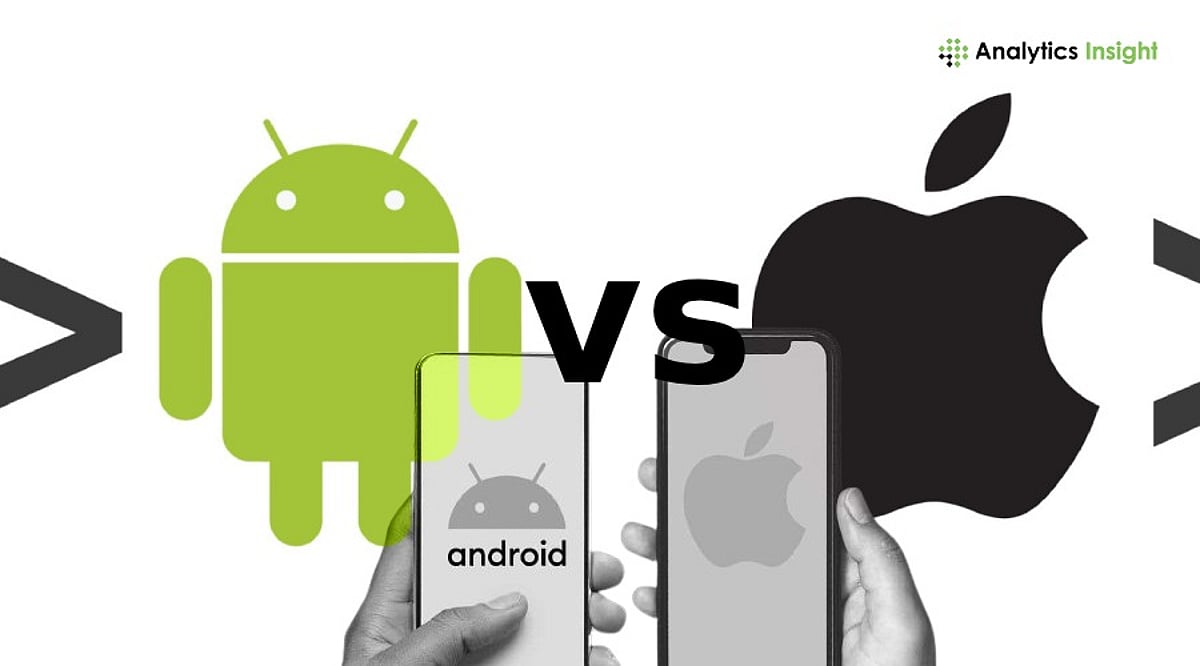
    Android vs iPhone 2026: AI, Ecosystem, and Market Leadership Compared

    The rivalry between Android and iPhone has entered a new phase in 2026, where hardware specifications take a back seat to artificial intelligence, ecosystem connectivity, and software longevity. Today, consumers evaluate smartphones not just by processing power or camera specs, but by how well they integrate with other devices, how intelligently they assist daily tasks, and how long they remain secure and up to date.

    Market Share Doesn’t Tell the Full Story

    Android continues to dominate global smartphone shipments, holding more than two-thirds of the market. This broad reach comes from a wide product range—from budget to premium devices offered by Samsung, Google, Xiaomi, Oppo, and Vivo. Meanwhile, Apple carves out a different niche. Although iPhone shipment volumes are lower, Apple leads the premium segment in North America, Japan, and parts of Europe. Customer loyalty is exceptionally high, with strong retention rates and frequent upgrades. Apple’s premium pricing strategy allows it to capture a disproportionate share of industry profits despite selling fewer devices.

    AI Has Become the New Battleground

    Artificial intelligence now serves as a key differentiator. Users judge smartphones by how useful AI features are in everyday life. Apple Intelligence combines on-device and cloud processing to offer writing assistance, image creation, notification summaries, and privacy-focused recommendations. Google integrates Gemini AI into Android for conversational help, document summarization, advanced search, and multimodal interactions. Samsung Galaxy AI adds real-time language translation, intelligent photo editing, and note summarization. Real-time translation, context-aware voice assistants, and AI image generation have moved from premium to standard expectations. On-device AI capabilities also address privacy concerns and deliver faster responses.

    Ecosystem Remains Apple’s Biggest Advantage

    Apple’s strongest competitive advantage extends beyond the iPhone itself. Seamless integration across Mac, iPad, Apple Watch, and AirPods via Continuity, AirDrop, Universal Clipboard, and iCloud synchronization creates a friction-free user experience that fosters loyalty. Android offers diversity: Google’s apps integrate smoothly across devices, while Samsung enhances interoperability among Galaxy devices, wearables, and Windows PCs. Android gives customers more choice and cross-brand flexibility, while Apple benefits from a consistent, vertically integrated strategy.

    Android Wins on Choice and Innovation

    Android’s hardware variety is unmatched. Consumers can choose from entry-level models, mid-range phones, gaming devices, high-end flagships, and foldables across every price point. Manufacturers compete on camera systems, fast charging, advanced cooling, and foldable displays, driving rapid hardware innovation. This variety allows Android to adapt quickly to consumer trends compared to Apple’s single-ecosystem approach.

    Which Platform Is Better for Different Users?

    • Business professionals prefer Apple for seamless ecosystem integration across Mac, iPad, and iPhone, plus strong security and long software support.
    • Gamers often choose Android for gaming phones with high refresh rates, better cooling, and larger batteries; iPhones excel in performance optimization and developer support.
    • Content creators enjoy color consistency and video workflows on Apple, while Android manufacturers innovate in camera hardware and computational photography.
    • Students and budget buyers favor Android for its wide range of affordable options.
    • Privacy-conscious users lean toward Apple for on-device processing and data handling; Android fans value customization and flexibility.

    For more details, read our related coverage on the Samsung Galaxy M47 5G and the iPhone 18 Pro memory upgrade.

    Frequently Asked Questions

    1. Which operating system has the largest market share in 2026?
    Android holds the largest global market share because multiple manufacturers produce devices at every price point, making it accessible worldwide.

    2. Why does Apple dominate the premium smartphone market?
    Apple combines premium hardware, extended software support, strong privacy protections, and seamless ecosystem integration, resulting in high customer loyalty and profitability.

    3. How important is AI in choosing a smartphone in 2026?
    AI significantly influences buying decisions through intelligent assistants, writing tools, live translation, image generation, and on-device processing that enhance daily experiences.

    4. Which platform offers better software support?
    Apple generally delivers longer and more consistent software updates across supported models, while Android update policies vary by manufacturer.

    5. Is Android or iPhone better for different types of users?
    Android suits budget buyers, gamers, and those seeking hardware variety. iPhone appeals to professionals, privacy-focused users, and those invested in Apple’s ecosystem.


  • iPhone 18 Pro Rumored to Feature 12GB RAM and Major Apple Intelligence Upgrades

    iPhone 18 Pro Rumored to Feature 12GB RAM and Major Apple Intelligence Upgrades

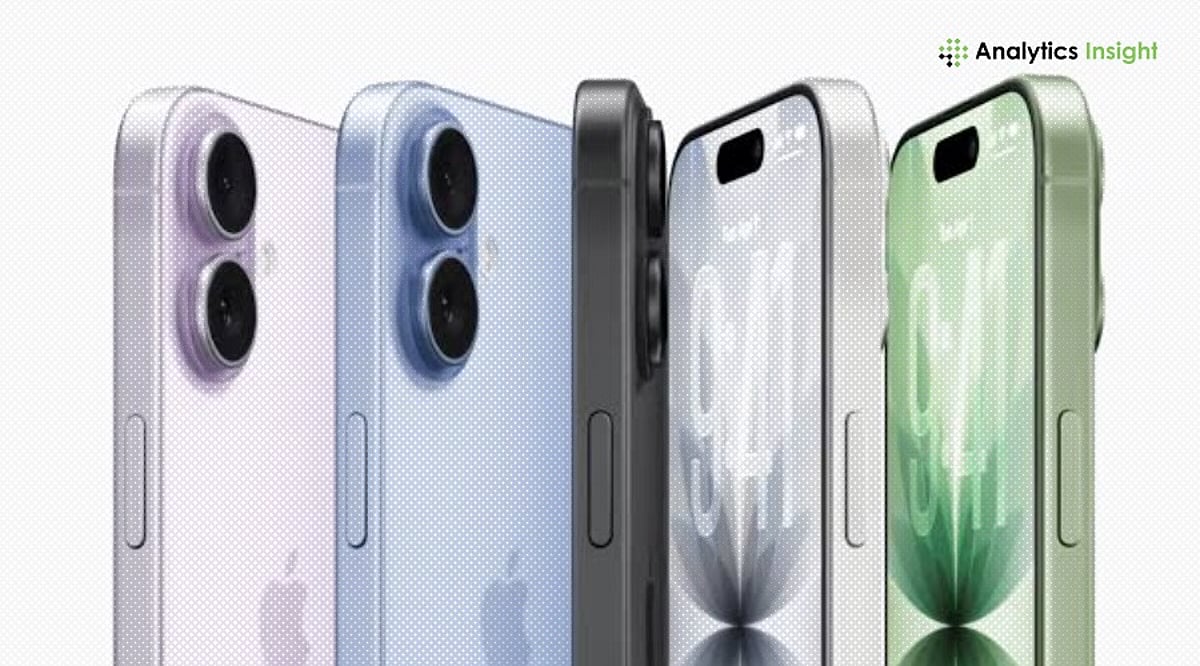
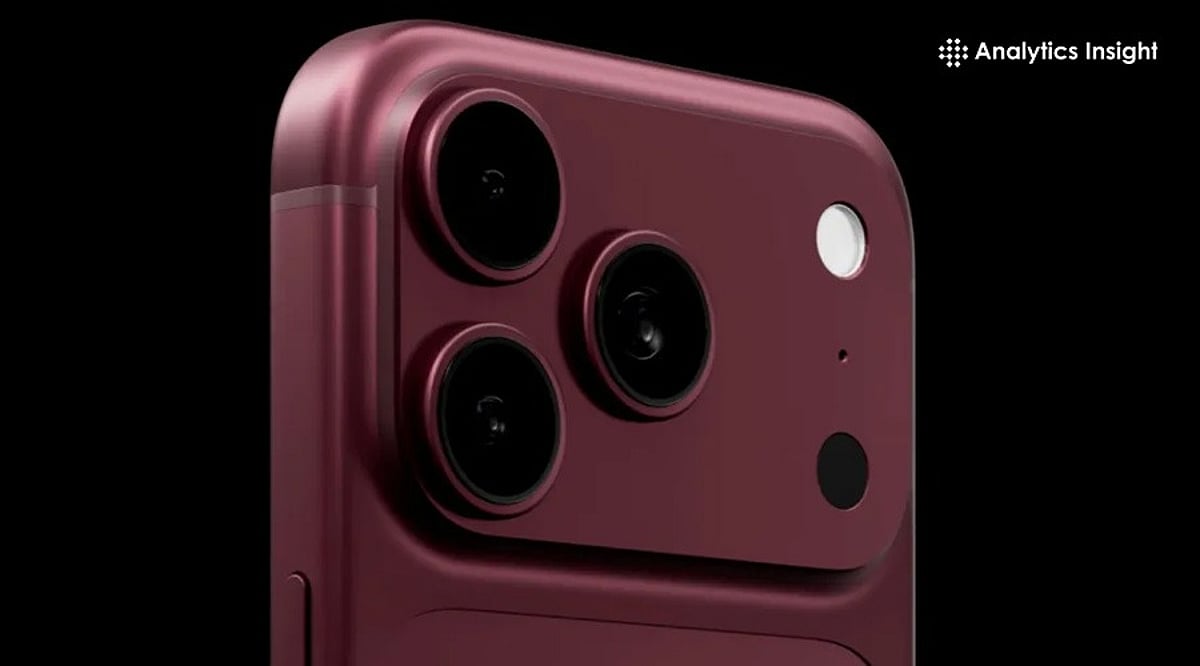
    Apple’s next flagship smartphone is already generating significant buzz, even though it remains months away from an official launch. According to the latest leaks and industry speculation, the iPhone 18 Pro could deliver one of the most substantial upgrades in recent years, with a focus on enhanced artificial intelligence capabilities, a brighter display, improved cameras, and a next-generation processor.

    12GB RAM for Smarter AI and Multitasking

    One of the most talked-about rumors is the jump to 12GB of RAM. This memory increase is expected to power more advanced Apple Intelligence features, enabling smoother multitasking and more sophisticated on-device AI processing. The move would bring the iPhone 18 Pro closer to the memory capacities seen in many high-end Android rivals.

    Display and Design Innovations

    Apple is reportedly working on a display that hides Face ID components beneath the screen, though the technology may not be ready for the iPhone 18 Pro. If delayed, users could still benefit from a larger usable screen area without sacrificing facial recognition security.

    Camera and Performance Upgrades

    According to supply chain analyst Ming-Chi Kuo, Apple is testing larger camera sensors to improve low-light photography and zoom capabilities. Video recording is also expected to see sharpness improvements thanks to sensor enhancements. The iPhone 18 Pro is likely to be powered by the A20 chipset, built on TSMC’s 2nm process, delivering a significant leap in speed and energy efficiency.

    Keeping Pace with Android Rivals

    The premium smartphone market is fiercely competitive, with Samsung, Google, Xiaomi, and Vivo all pushing boundaries in zoom, AI, and fast charging. Apple’s rumored upgrades — including better cameras, a brighter display, a faster chip, and deeper AI integration — suggest the company is aiming to match these strengths while retaining its advantages in software support and ecosystem integration.

    While none of these features have been officially confirmed, the leaks point to an iPhone 18 Pro that focuses on improving the daily user experience rather than just changing the exterior design. Improved cooling, smarter AI-assisted photography, and performance optimizations could make this one of Apple’s most meaningful upgrades in years.

  • iPhone 18 Rumored to Get 12GB RAM to Supercharge Apple Intelligence and On-Device AI

    iPhone 18 Rumored to Get 12GB RAM to Supercharge Apple Intelligence and On-Device AI

    Apple is reportedly preparing a significant RAM upgrade for its iPhone 18 series as it continues to strengthen on-device artificial intelligence features. According to industry reports, the company is expected to equip the entire iPhone 18 lineup with 12GB of RAM, a notable increase over the memory configurations found in current-generation iPhones.

    The update is meant to support Apple’s expanding AI plans, and later releases of Apple Intelligence will likely require more raw processing power and memory, especially for the more advanced tasks handled directly on the device.

    More Memory to Power Apple Intelligence

    The increased RAM is designed to enhance the performance of AI-enabled features, including advanced voice recognition, AI-based writing assistants, image creation, and language processing. With the development of Apple’s AI ecosystem, increased memory is expected to enhance multitasking and enable running more AI models on the device rather than relying on cloud processing.

    Industry expert Ming-Chi Kuo suggests that the increase in RAM will allow Apple to compete with other manufacturers that are emphasizing AI in smartphones. The move will also positively influence application performance and gaming experience, especially for users who use several apps at once.

    Supply Chain Preparing for Larger Memory Orders

    Apple’s memory makers will likely benefit from the upcoming change. The manufacturers of LPDDR5X memory chips may see a boost in supply due to the introduction of the 12GB RAM standard across all iPhone 18 models. Moreover, this improvement will reduce the hardware gap between iPhones and several premium Android phones, which already offer 12GB or even 16GB of RAM on their respective AI-optimized flagships.

    AI Strategy Shapes Apple’s Next Flagship

    Apple has been moving toward AI for quite some time. Initially, the tech giant launched Apple Intelligence on qualifying devices, and future iPhones are expected to be more dependent on on-device AI, using fewer server-based operations, resulting in enhanced privacy and performance. While there is no official information on the features of the new iPhone range, one can expect Apple’s next-generation smartphones to perform better in terms of AI.