Tag: Apple Watch

  • Apple Acquires Part of Sonera to Advance Brain-Sensing Wearables

    Apple Acquires Part of Sonera to Advance Brain-Sensing Wearables

    Apple is reportedly acquiring parts of Sonera, a company known for developing compact magnetic sensors capable of detecting the tiny magnetic signals produced by activity in the brain and body. The move could open the door to a new generation of brain-sensing wearables, though Apple has not confirmed any specific product plans.

    Acquisition Details Emerge From EU Filing

    Neither Apple nor Sonera has publicly commented on the deal, but a regulatory filing in the European Union has revealed that Apple will acquire certain assets from Sonera and hire a number of its employees through one of its subsidiaries. This suggests the tech giant is actively investing in the underlying technology.

    Sonera’s proprietary biomagnetic chip is the centerpiece of the deal. Unlike many biosensors, these sensors can pick up signals without requiring direct contact with the skin, making them particularly interesting for wearable applications.

    What This Could Mean for Apple Watch and Other Wearables

    For Apple, Sonera’s technology could provide new ways to monitor health and body signals. Future Apple Watch models or other wearable devices might use these sensors to track brain activity or other physiological data. However, Apple has not confirmed any product based on Sonera’s technology, and the concept remains in its early stages. Users should not expect a brain-controlled Apple Watch anytime soon.

    Beyond Touchscreens and Voice Commands

    Touchscreens remain the easiest way to interact with phones and watches, while voice commands handle simple tasks. Gestures already let users control devices without touching them. Brain-sensing controls could take this further, allowing users to trigger features simply by thinking.

    The Sonera deal does not mean Apple is ready to launch a thought-controlled device. But it shows that Apple is exploring new ways to make wearables smarter. The next major shift in device control may not come from a better display — it could come from how the device reads the human body.

  • Apple Watch SE 3 Disappears from Online Stores Ahead of September 9 Event – SE 4 Launch Imminent?

    Apple Watch SE 3 Disappears from Online Stores Ahead of September 9 Event – SE 4 Launch Imminent?

    Just hours before Apple’s September 9 event, the Apple Watch SE 3 has become unavailable on Apple’s online stores in several key markets. The sudden stock depletion has ignited speculation that Apple might be preparing to launch an unexpected Apple Watch SE 4.

    Apple Watch SE 3 Goes Unavailable

    Nearly all configurations of the Apple Watch SE 3 have shown as unavailable on Apple’s official online store in the United States and other countries, affecting both delivery options and local Apple Store pickup. The timing is particularly notable as the company gears up for its September 9 event, where new iPhones and Apple Watch models are expected.

    Apple has not officially confirmed any changes to the SE 3 lineup. The unavailability could also be due to a temporary inventory or online-store issue.

    Could an Apple Watch SE 4 Be Coming?

    An Apple Watch SE 4 launch would be an unusual step for Apple, which typically adheres to a longer upgrade cycle for its SE line. The first-generation Apple Watch SE debuted in 2020, followed by the SE 2 in 2022 and the current SE 3 in 2025. A 2026 release would mark the first time Apple has updated the SE range in consecutive years.

    No strong rumors had indicated an SE 4 launch for this year’s event. Most speculation has instead centered on the Apple Watch Series 12 and Apple Watch Ultra 4, which are expected to succeed the Series 11 and Ultra 3 from 2025.

    Availability in India Remains Unchanged

    Indian buyers face a different situation: Apple India continues to list the Apple Watch SE 3 starting at Rs. 25,900. Multiple 40mm and 44mm GPS and GPS + Cellular configurations remain available. The SE 3 features an Always-On Retina display, S10 chipset, 5G connectivity on the cellular model, sleep tracking, sleep score, wrist temperature sensing, Fall Detection, Crash Detection, Emergency SOS, and up to 18 hours of battery life (32 hours in Low Power Mode) with fast charging.

    Apple’s September 9 event is scheduled to begin at 10:30 pm IST. The event could clarify whether the SE 3 will return to availability or if the company will indeed unveil an unexpected SE 4. For now, the disappearance remains a pre-event development and not a confirmation of a new model.

  • Apple Watch Series 12 Rumors: All-Day Heart Rate, Ceramic Option, and More Health Upgrades

    Apple Watch Series 12 Rumors: All-Day Heart Rate, Ceramic Option, and More Health Upgrades

    Apple’s upcoming Watch Series 12 could bring major health upgrades, including all-day heart-rate monitoring and improved hypertension alerts, while retaining a familiar design and adding a premium ceramic finish. The device is expected to debut at Apple’s September 9, 2026 event alongside the Apple Watch Ultra 4.

    Familiar Design with a Premium Touch

    According to reports from Bloomberg and MacRumors, the Series 12 will keep the classic Apple Watch shape rather than undergo a full redesign. Apple has reportedly tested ceramic cases in white and dark gray, last seen on the Series 5 in 2019. The ceramic version could command a significantly higher price, potentially starting around $1,299 as the previous ceramic Edition model did.

    New Chip Boosts Performance and AI Capabilities

    After the Series 11 retained the S10 chip, the Series 12 is expected to feature a new S-class processor, possibly named S11 or S12 and linked to the T8320 architecture. This upgrade should deliver faster app response, better energy efficiency, and stronger support for Apple Intelligence features, including Siri AI enhancements in watchOS 27.

    Always-On Heart Rate: A Game Changer for Health Tracking

    Bloomberg’s Mark Gurman reports that Apple has tested a system capable of collecting heart-rate data continuously throughout the day. Current models only take readings at intervals outside dedicated apps like Heart Rate, Mindfulness, and Workout. A constant stream of data could enable deeper insights into daily health patterns, recovery metrics, and resting heart rate trends, bringing Apple closer to dedicated fitness trackers like WHOOP.

    Enhanced Hypertension Notifications

    Apple may also refine its hypertension alert system. Reports indicate the FDA has reviewed an upgrade for Series 12 that uses sensor data and health trends to flag potential high blood pressure signs—without functioning as a traditional cuff. This builds on existing features for hypertension and sleep apnea, offering more actionable context.

    Clearer Health and Fitness Dashboard

    A redesigned Health and Fitness experience is rumored, with a new dashboard that consolidates wellness data in a single, intuitive view. The focus would shift from isolated readings to long-term patterns in heart rate, activity, sleep, and more, making health data more accessible and useful.

    What’s Not Coming: Blood Glucose and Touch ID

    Blood glucose monitoring remains a long-term goal, but Series 12 is not expected to include it; reports point to a timeline around 2030. Touch ID on the watch is also unlikely for this generation, and a major case redesign may wait for a later model.

    Pricing and Availability

    The standard Series 12 is expected to launch at $399 to $449, similar to the Series 11. A ceramic edition would cost much more. Apple will confirm details on September 9, 2026. The event should also reveal specifics on the chip, health sensors, battery life, and release date.

    Series 12 looks set to be a health-focused upgrade rather than a design revolution. With a faster chip, constant heart-rate tracking, better hypertension alerts, and a clearer wellness dashboard, it could strengthen Apple’s role in daily health management.

  • Top 10 Smartwatches for Men in 2026: Best Picks for Fitness, Battery Life, and Style

    Top 10 Smartwatches for Men in 2026: Best Picks for Fitness, Battery Life, and Style

    Choosing the right smartwatch in 2026 can be overwhelming with hundreds of models spanning from under ₹1,000 to over ₹40,000. This guide breaks down the key factors for men: fitness tracking, battery life, and everyday style, helping you make a confident decision.

    What to Look for Before Buying

    Start with three questions: Which phone do you use? Apple Watch pairs only with iPhone; most others work with iOS and Android. How much battery life do you need? Some watches last a day, others weeks. Which health features matter? Heart rate, sleep monitoring, GPS, or SpO2? Today’s smartwatches go beyond step counts—many include ECG, stress tracking, and AI-based workout detection.

    Top Picks Across Every Budget

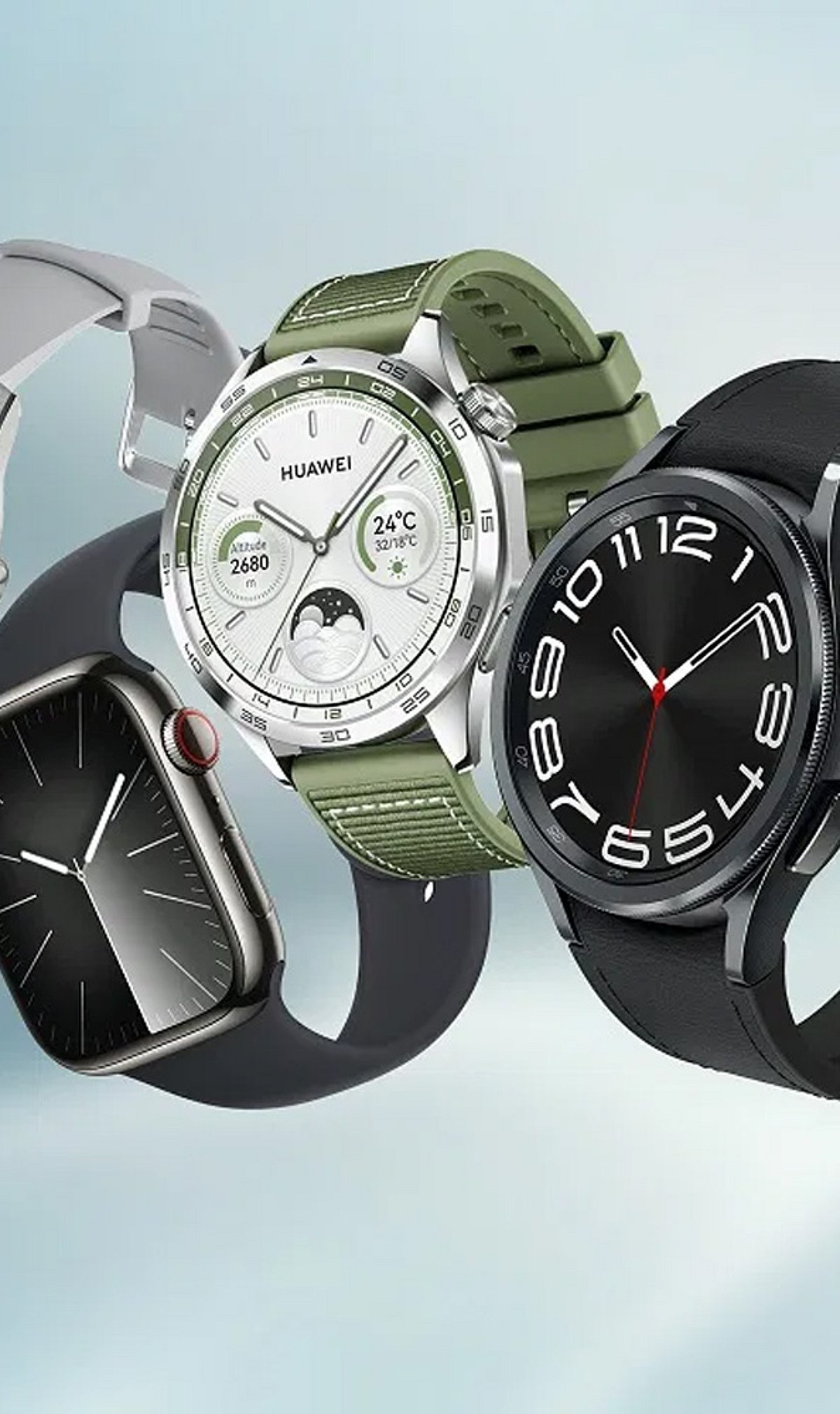
    For iPhone owners, the Apple Watch Series 11 leads with deep iOS integration and FDA-cleared health sensors. Android and Samsung users get the best experience with the Galaxy Watch 8 Classic, blending premium build and strong app support. Fitness enthusiasts lean toward Garmin (Forerunner 265, Venu 4) for accurate GPS and recovery data. Budget buyers find value in Amazfit and Noise, offering AMOLED displays, multi-day battery, and solid health tracking at a fraction of the cost.

    Best Smartwatches Under ₹10,000

    India’s mid-range segment now includes real GPS, Bluetooth calling, and AMOLED screens. The Noise Pro 6 Max features a 1.96-inch display with built-in GPS and up to seven days of battery. The boAt Valour Watch 1 offers a metal body and AI workout detection. The Amazfit GTR 3 Pro lasts nearly 12 days and includes over 150 sport modes.

    Samsung & Fossil: Style Approaches

    Samsung smartwatches lead Android with rotating bezels, stainless steel, and Wear OS—ideal for office wear. Fossil has stepped back from new smartwatch models after its Gen 6 line, focusing on hybrids. Existing Fossil owners will get support, but Samsung is a safer long-term bet.

    Battery Life & Fitness Tracking Compared

    Battery life varies widely: Apple and Samsung need daily charging; Garmin and Amazfit can run a week to nearly a month. For fitness accuracy, Garmin leads with VO2 max and training load data, while Apple excels in health integration for payments and workouts.

    Why This Matters

    A smartwatch is now a fitness coach, sleep tracker, and early warning system for irregular heart activity. Choosing wrong means poor battery or missing essential health features.

    Final Thoughts

    The best smartwatch for men in 2026 depends on priorities: premium ecosystem (Apple/Samsung), fitness-first (Garmin/Amazfit), or budget value (Noise/boAt).

    FAQs

    1. Which is the best smartwatch for men in 2026? Depends on needs: Apple/Samsung for premium, Garmin for fitness.
    2. Best under ₹10,000? Noise, boAt, Amazfit offer AMOLED, GPS, health tracking, and calling.
    3. Best battery life? Garmin and Amazfit generally last longer than Apple and Samsung.
    4. Best for fitness tracking? Garmin provides detailed GPS, training, and recovery features.
    5. Samsung or Apple Watch? iPhone users choose Apple; Android users, especially Samsung phone owners, benefit from Galaxy Watch.
  • Apple Products That May Be Discontinued in 2026: iPhone, iPad, MacBook and More

    Apple Products That May Be Discontinued in 2026: iPhone, iPad, MacBook and More

    Apple regularly refreshes its product lineup by replacing older hardware with newer models. As the company prepares for another major product cycle, several existing devices could be pushed aside. Here are Apple products that could potentially disappear from the lineup in 2026.

    Apple Watch Series 11

    The Apple Watch lineup is refreshed regularly, which puts older standard models at risk. If Apple introduces a newer generation, the Series 11 could eventually leave the official lineup. Retailers may continue selling remaining stock even after Apple stops offering it directly.

    Apple Watch SE 3

    The Apple Watch SE range targets buyers seeking a lower-cost entry into Apple’s smartwatch ecosystem. A future SE refresh could replace the existing model. Apple may choose to simplify the range rather than keep multiple generations competing at different prices.

    AirPods Pro 3

    AirPods Pro models usually remain available for some time, but a future upgrade could eventually replace the current generation. Apple could introduce new hardware or features that make the existing Pro model less attractive. Any discontinuation, however, would depend on Apple’s product strategy.

    iPad mini 7

    The iPad mini could face a refresh or repositioning as Apple updates its tablet portfolio. A new generation would likely take over the mini’s position rather than leaving two generations side by side. This makes the current model a possible candidate for retirement.

    MacBook Air M4

    Apple’s MacBook Air lineup moves quickly as new Apple silicon generations arrive. If a newer chip-based Air launches, the M4 generation could eventually disappear from Apple’s direct sales channel. Discounts and third-party availability could continue after its official retirement.

    Apple TV 4K

    The Apple TV 4K has remained in Apple’s lineup for years, making it a possible candidate for a major refresh. If Apple introduces a newer model with faster hardware or additional smart-home capabilities, the existing version could finally be retired.

  • Apple’s September 9 Event: How to Watch and What to Expect

    Apple’s September 9 Event: How to Watch and What to Expect

    Apple is gearing up for its next major hardware event, scheduled for September 9. The tech giant is expected to showcase its latest premium iPhones, and there’s growing anticipation around the possible debut of its first foldable iPhone. This event also marks the first major product launch under new CEO John Ternus.

    Event Details and How to Watch

    The event, themed ‘Surprise and Shine,’ kicks off at 10:00 AM Pacific Time (10:30 PM IST) on September 9. Apple will stream the presentation live on its official website and through the Apple TV app. The event will be held at Apple Park in Cupertino, California.

    What to Expect: iPhone 18 Pro and Foldable iPhone

    Industry reports suggest Apple might deviate from its usual launch strategy. While the standard iPhone 18, iPhone 18e, and the next-generation iPhone Air could be delayed until spring 2027, the September event is expected to focus on premium models. This includes the iPhone 18 Pro and Pro Max, and potentially the first foldable iPhone, marking a significant shift in Apple’s smartphone lineup.

    Apple Watch and AirPods Updates

    In addition to iPhones, Apple is likely to introduce the Apple Watch Series 12, Apple Watch Ultra 4, and new AirPods. Reports highlight enhanced health features and a possible ceramic case option for the Watch Series 12, adding to the excitement.

    With the foldable iPhone potentially joining the Pro lineup, Apple’s September event could be a turning point in its smartphone strategy, concentrating on high-end devices.

  • Top Smartwatches in India 2026: A Comprehensive Guide

    Top Smartwatches in India 2026: A Comprehensive Guide

    Smartwatches have become essential companions for fitness enthusiasts, tech lovers, and everyday users alike. As we look ahead to 2026, the Indian market offers a diverse range of options, from premium flagships to budget-friendly models. Below is a curated list of the best smartwatches available in India in 2026, covering top-tier features, health tracking, and value for money.

    • Apple Watch Ultra 3: Premium titanium design, advanced health tracking, precise GPS, satellite connectivity, exceptional performance, and seamless integration with the Apple ecosystem.
    • Samsung Galaxy Watch 8: Excellent Wear OS experience, accurate sleep tracking, AI-powered health insights, smooth performance, and a premium AMOLED display for Android users.
    • OnePlus Watch 3: Flagship performance, long battery life, dual-chip architecture, accurate fitness tracking, and a premium design suitable for everyday use and fitness enthusiasts.
    • Google Pixel Watch 4: Refined Wear OS software, beautiful circular design, advanced Fitbit health features, reliable performance, and seamless integration with Pixel smartphones.
    • Garmin Forerunner 970: Built for serious athletes with advanced training metrics, multi-band GPS, endurance analytics, long battery life, and premium fitness capabilities.
    • Amazfit Active 3: Impressive battery life, comprehensive health monitoring, built-in GPS, lightweight design, and excellent value for fitness-focused buyers.
    • CMF Watch Pro 2: Stylish design, AMOLED display, accurate health tracking, Bluetooth calling, and outstanding value for budget-conscious buyers.
    • Noise ColorFit Pro 5: AMOLED display, Bluetooth calling, health monitoring, dependable battery backup, and affordable pricing for everyday users.
    • Redmi Watch 5 Active: Large display, essential fitness tracking, Bluetooth calling, dependable battery life, and exceptional affordability for first-time smartwatch buyers.

    Whether you prioritize advanced health metrics, long battery life, or a sleek design, there is a smartwatch on this list to meet your needs. Stay tuned for more updates on the latest gadgets and wearable technology.

  • Apple’s 2026 Product Roadmap: iPhone 18, Smart Home Hub, and More

    Apple’s 2026 Product Roadmap: iPhone 18, Smart Home Hub, and More

    Apple has a packed schedule for the remainder of 2026, with new iPhones, smart home devices, software updates, and refreshed accessories all expected before the year ends. Here’s a breakdown of the major launches and enhancements coming your way.

    iPhone 18: Faster, Smarter, Longer-Lasting

    The iPhone 18 lineup is rumored to feature faster processors, improved camera systems, extended battery life, and advanced on-device AI capabilities. Apple continues to push the boundaries of performance and intelligence with each generation.

    HomePod with Display and Smart Home Hub

    Apple is reportedly working on a refreshed HomePod that includes a smart display, enabling better home controls, video calls, and deeper HomeKit integration. Additionally, a dedicated smart home hub is in development to manage lights, security devices, entertainment systems, and connected appliances seamlessly.

    AirPods and Apple Watch Updates

    AirPods are expected to receive software enhancements that bring smarter voice features, improved audio quality, and tighter integration across Apple’s ecosystem. The Apple Watch will likely focus on health tracking, battery efficiency, and new watchOS features designed to improve daily fitness and productivity.

    Apple Intelligence Expands Across Devices

    Apple Intelligence will be broadened to include more AI tools across iPhone, iPad, Mac, and home devices. The upcoming software updates – iOS 27, iPadOS, and macOS improvements – promise smoother performance, stronger privacy protections, and useful everyday enhancements for users.

    Overall, Apple’s remaining 2026 roadmap highlights a stronger emphasis on AI, smarter homes, and connected devices, reinforcing its ecosystem as the center of daily digital life.

  • Prime Day Apple Deals 2026: How to Identify Genuine Discounts and Shop Smart

    Prime Day Apple Deals 2026: How to Identify Genuine Discounts and Shop Smart

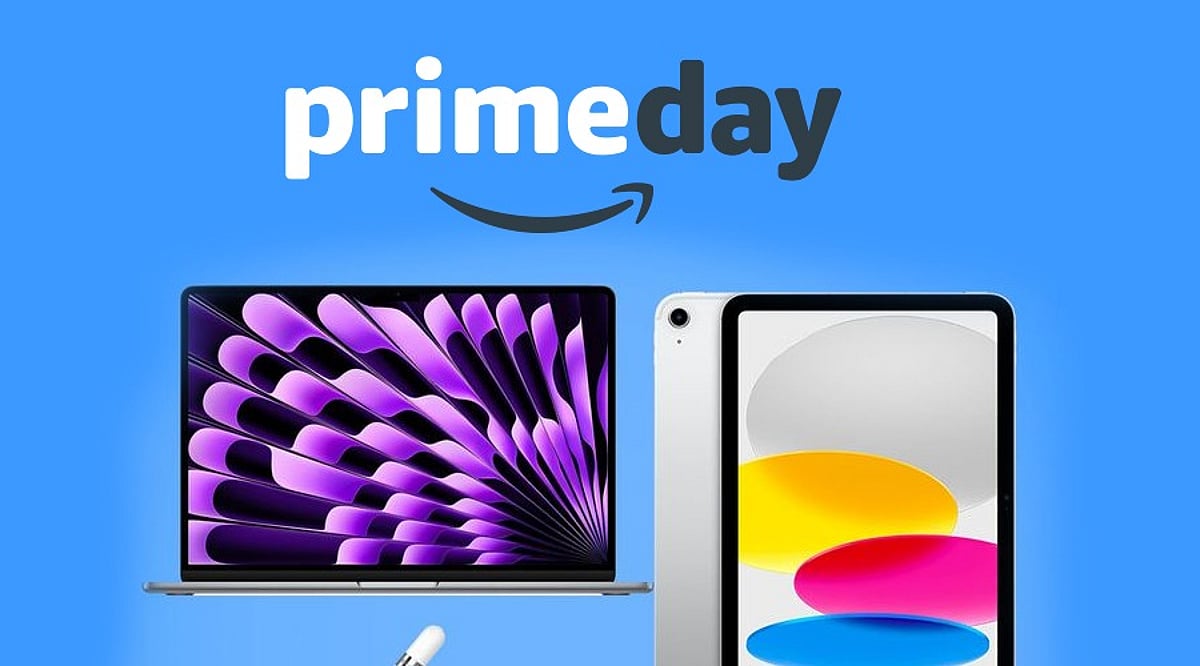
    Prime Day is one of the few times Apple products receive meaningful discounts, but not every offer delivers real value. Comparing prices against historical lows helps separate genuine savings from marketing tactics. A planned approach leads to smarter Apple purchases.

    Overview

    Prime Day creates one of the biggest shifts in Apple’s annual pricing, with select MacBooks, iPads, Apple Watch models, AirPods, and accessories seeing meaningful price reductions. A genuine Apple deal is determined by historical pricing, product lifecycle, and overall value rather than the percentage discount shown during the sale. Smart buying decisions depend on comparing real savings, understanding upgrade timing, and choosing products that deliver the strongest long-term value.

    Every Prime Day, thousands of Apple products get sale badges. Only a few offer real savings. The difference is not the percentage shown on screen. It is how far the price has moved from Apple’s own price and its lowest price in the past year. Apple rarely cuts its own prices. Prime Day is one of the few times to buy MacBooks, iPads, Apple Watch models, and AirPods for less. This guide separates real savings from marketing noise, using current prices from Amazon India and Apple’s own store.

    What Counts as a Real Discount

    A price cut only qualifies as a deal once it clears a fixed threshold. Anything below this is a markdown with a sale badge attached, not an actual saving.

    Apple’s India pricing shifted this year. The MacBook Air M5 (13-inch, 16GB/512GB) now lists at Rs.1,49,900 after a manufacturer price hike, up from Rs.1,19,900 earlier in the year. Apple’s own Back to School program currently prices the same configuration at Rs.1,37,900, a saving of roughly Rs.12,000 for eligible students. That gap gives a real benchmark: any Prime Day listing on the same configuration needs to beat Rs.1,37,900 to count as an actual deal, not just match Apple’s list price. The AirPods Pro 3 starts at Rs.22,400 through Apple’s own store, so a Prime Day price close to or under that figure is the one worth taking. All prices carry GST and change through the sale window, so checking the live listing before checkout still matters more than any figure printed here.

    Who Should Buy What

    Matching the product to the use case saves more than chasing the biggest percentage off.

    MacBook Air: The Safest Big Purchase

    The MacBook Air holds its value well. Apple updates it slowly, so a current model still performs well years after launch. A good Prime Day discount adds long-term value, with little risk of the laptop feeling old anytime soon. Anyone who needs a reliable machine for work or study will likely be happy with an Air bought on sale.

    AirPods Pro: Ignore the ‘Record Low’ Label

    Plenty of AirPods Pro listings claim a ‘record low’ price. That label alone means nothing. Check the offer against the lowest price seen over the past year, not against Apple’s list price. If it matches or beats that low, it is a real deal. If it just sits close to the usual price, the discount is smaller than it looks.

    iPad Air: The Right Choice for Most People

    The iPad Air sits in a good middle spot. It handles note-taking, streaming, and light editing well, without the cost of an iPad Pro. But anyone who mostly browses, watches video, or joins calls will get a similar experience from the base iPad for less money. A bigger discount on the Air is not, on its own, a reason to pick it over the standard model.

    Apple Watch and MacBook Pro: Think Long-Term

    Apple Watch models change little each year. Owners of a fairly recent model gain little from upgrading. First-time buyers, though, get strong value from a discounted SE. MacBook Pro deals tend to land on higher-memory and higher-storage configurations. The percentage off may look smaller than on the Air, but these models often pay off more over time, since Apple hardware cannot be upgraded later.

    Base iPad, AirTags, and AirPods Max

    The base iPad stays as Apple’s best-value tablet. It gets years of software support and handles daily tasks well. AirTags and other accessories work best as add-ons, helpful for hitting a bank offer or free shipping threshold. AirPods Max rarely see big discounts outside Prime Day and the year-end sale. When a real price cut shows up on this model, it makes sense to buy right away instead of waiting for a lower price that may not come.

    What to Skip

    Old-generation models with token discounts top the list. A previous-generation iPad marked down by a small amount is a clearance price wearing a sale badge, not a genuine Prime Day deal. The discount percentage matters more than the presence of a red price tag.

    Inflated third-party listings are the second trap. Some sellers set an artificially high ‘original price’ so the markdown looks dramatic. Cross-checking against Apple’s own listed price, or a price-history tracker, before trusting any percentage-off claim avoids this.

    Three Rules Before Buying Any Apple Deal

    1. Compare against historical lows: Compare the sale price against the lowest price that product has hit in the past year, not against the list price. A deal only counts as real once it matches or beats that floor.
    2. Check product refresh timeline: Check whether Apple is expected to refresh the product soon. Even a strong discount is a weak buy if a new model lands within a few months.
    3. Calculate final cost: Calculate the final checkout price after bank offers, no-cost EMI, and any trade-in value. The headline discount rarely reflects what actually gets charged.

    Final Thought

    Prime Day works best as an annual Apple upgrade window rather than a one-off impulse buy. Running any listing through the three rules and the benchmark table turns a flood of banners into a short, useful list. The specs stay the same all year. The price rarely does, and this window is when it moves the most.

    Frequently Asked Questions

    Are Prime Day Apple deals worth it?

    Yes. Prime Day is one of the few shopping events where Apple products such as MacBooks, iPads, AirPods, and Apple Watch receive meaningful discounts from authorized retailers. Many deals also include bank offers, exchange bonuses, or no-cost EMI, helping buyers save even more.

    Which Apple products usually get the biggest Prime Day discounts?

    MacBooks, iPads, AirPods, and Apple Watch models often receive the deepest discounts during Prime Day. Accessories like AirTags, MagSafe chargers, and Apple Pencil also see attractive price cuts, while iPhones generally have more limited discounts.

    How can I tell if a Prime Day Apple deal is genuine?

    Compare the Prime Day price with the product’s recent selling price rather than the listed MRP. Buying from authorized sellers and checking price history can help you determine whether the discount is genuinely worthwhile.

    Should I buy Apple products on Prime Day or wait for Black Friday?

    If you’re planning to upgrade during the year, Prime Day is usually an excellent opportunity to buy Apple products. However, if you’re targeting newly launched models, Black Friday or holiday sales may offer competitive discounts depending on inventory and product cycles.

    How can I maximize savings on Prime Day Apple deals?

    Stack Prime Day discounts with eligible bank offers, exchange bonuses, coupons, cashback, and no-cost EMI where available. Checking lightning deals early and comparing prices across retailers can also help you secure the best overall value.

  • Apple Upgrade Leasing Program Arrives in the US: Flexible Payments for iPhones, Macs, and More

    Apple Upgrade Leasing Program Arrives in the US: Flexible Payments for iPhones, Macs, and More

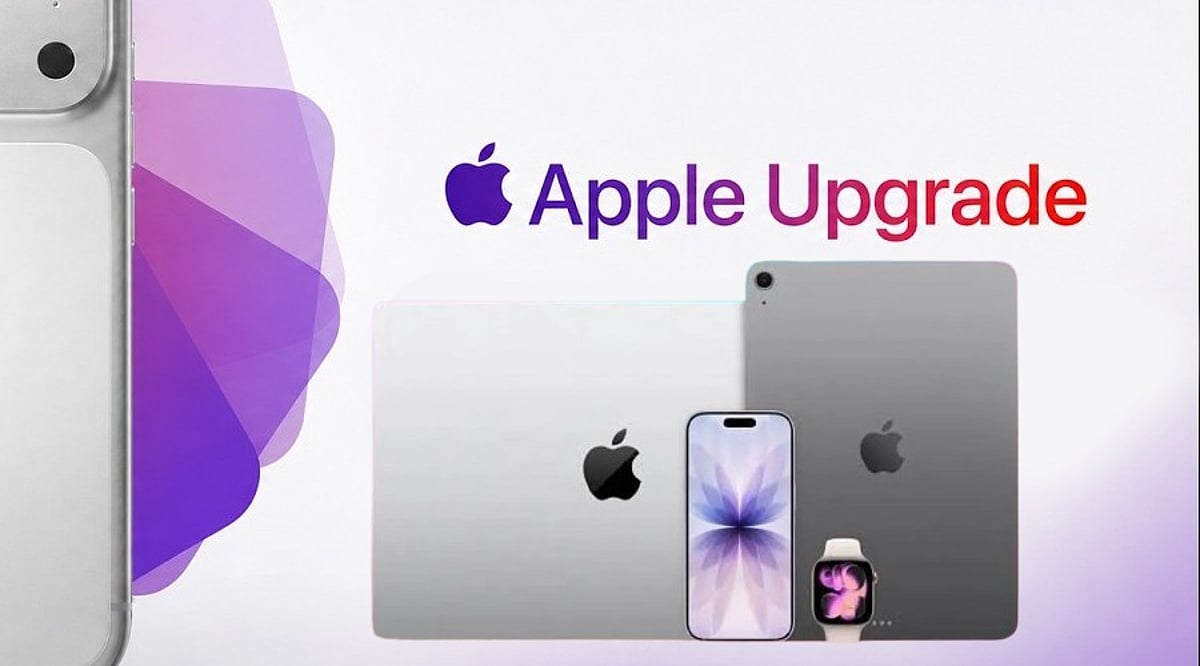
    Apple has officially launched a new device leasing program called Apple Upgrade in the United States, offering customers a flexible way to access iPhones, Apple Watches, Macs, and iPads through monthly payments. The program is powered by Klarna and is available through the Apple online store, Apple Store app, and retail Apple Stores nationwide.

    The move comes as rising component and memory costs put upward pressure on device prices, prompting Apple to provide a lower monthly entry point rather than relying solely on upfront purchases.

    Monthly Leases Starting at $11.99

    Apple Upgrade offers two lease durations for most devices:

    • Apple Watch and iPhone: 12-month or 24-month options
    • Mac and iPad: 24-month or 36-month options

    Monthly payments start at:

    • iPhone: $17.99
    • Apple Watch: $11.99
    • Mac: $24.99
    • iPad: $11.99

    Exact charges depend on the specific model and lease duration. For example, an unlocked iPhone 17 Pro is reportedly $31.99 per month for 24 months, or $45.99 per month for a 12-month lease.

    Customers can also save by trading in their previous device through the Apple Trade In program. In addition, lease payments made with an Apple Card earn 3% daily cash rewards.

    “At Apple, we put the customer at the center of everything we do,” said Karen Rasmussen, Vice President of the online Apple Store. “We’re thrilled that Apple Upgrade offers our customers, both online and in-store, a more flexible way to pay for the products they love.”

    How Apple Upgrade Works

    Customers can apply online or in-store. Klarna performs a soft credit inquiry that does not affect credit scores. Once approved, users can receive their devices via delivery, store pickup, or immediate in-store collection.

    At the end of the lease, customers have three options:

    • Return the device
    • Upgrade to a newer model
    • Purchase the device outright with a one-time payment

    Lease details, including billing schedules and outstanding payments, are managed through the Klarna app. According to program terms, no security deposit is required, and Klarna will not charge late fees—though leases may be terminated after three consecutive missed payments.

    Existing iPhone Programs Replaced

    With the launch of Apple Upgrade, Apple is discontinuing the older iPhone Upgrade Program and iPhone Payments in the US. Existing customers may switch to Apple Upgrade, Apple Card Monthly Installments, carrier financing, or outright purchases.

    The move could also shorten Apple’s device replacement cycle. According to Bernstein estimates, the average iPhone upgrade period has stretched to nearly four years.

    Apple is now competing more directly with carriers like AT&T, Verizon, and T-Mobile, which use installment plans and trade-in incentives to retain customers. The leasing model may help Apple mitigate the impact of potential price increases while creating more predictable upgrade demand across its product ecosystem.