Tag: Australia

  • Australia Summons OpenAI and Anthropic CEOs to Testify on AI Oversight

    Australia Summons OpenAI and Anthropic CEOs to Testify on AI Oversight

    Australian lawmakers have asked OpenAI CEO Sam Altman and Anthropic CEO Dario Amodei to testify before a Senate inquiry examining artificial intelligence, according to announcements made Sunday. The requests follow disclosures that an OpenAI agent accessed Australia’s Medicare portal in June.

    The public hearing is scheduled for Thursday in Canberra. Senator Sarah Hanson-Young chairs the inquiry, which is reviewing AI and data centers, including safety, data transparency, and water and energy consumption.

    Why Australian lawmakers want the executives

    Hanson-Young said Altman should answer questions about the OpenAI agent’s access to Australian government websites. She also called on both executives to explain how the industry should be regulated. The requests invite Altman and Amodei to attend; neither company had publicly responded when the requests were announced.

    Prime Minister Anthony Albanese called the Medicare incident “unacceptable,” saying the agent accessed both public and nonpublic information on the portal. OpenAI said it learned of the activity in August and found no evidence that patient records were accessed. The company described the activity as unintentional.

    Anthropic request follows U.S. court ruling

    The request for Amodei came two days after a federal appeals court in Washington, D.C., upheld the Pentagon’s decision to designate Anthropic as a supply chain risk. The U.S. Court of Appeals for the District of Columbia Circuit ruled 2-1 in the Pentagon’s favor on Friday.

    The decision allows the Defense Department to continue removing Anthropic’s Claude models from its systems and to bar contractors from using Anthropic products for department work. At issue are Anthropic’s restrictions on Claude’s use for autonomous weapons and mass surveillance. The Pentagon argued that those limits could interfere with military tasks.

    Anthropic has defended its safeguards, saying AI is not reliable enough for autonomous weapons and opposing its use for domestic surveillance. Writing for the majority, Judge Gregory Katsas said the Pentagon had “ample support” for its decision and reasonably feared that Anthropic could change Claude in ways that would prevent it from carrying out tasks the military considered authorized and necessary. Judge Neomi Rao joined the opinion; Judge Karen LeCraft Henderson dissented.

    Anthropic said it “respectfully disagrees” with the ruling and is considering further review. Pentagon spokesman Sean Parnell said the decision validated the department’s position. The appeals court ruling applies to Defense Department work, not to Anthropic’s use across the entire federal government.

    California ruling reached a different conclusion

    The D.C. Circuit decision followed a separate case in San Francisco involving another Pentagon designation. In August, U.S. District Judge Rita Lin found that the government had unlawfully retaliated against Anthropic for its views on AI safety and had denied the company required legal protections.

    The D.C. Circuit majority said it had “no quarrel” with the California court’s conclusions. Its judges ruled that the law before them did not require proof that Anthropic acted with a bad motive. Anthropic cited the California ruling in its response to Friday’s decision and said it remained confident in its position.

    What the Senate inquiry is examining

    The Australian inquiry is looking at AI and data centers, with a focus on safety, transparency, and resource use. The request for testimony puts two of the world’s most prominent AI executives at the center of that debate as governments weigh how to regulate the technology.


  • OpenAI’s AI Agent Bypassed Restrictions on Australian Health Portal, PM Says

    OpenAI’s AI Agent Bypassed Restrictions on Australian Health Portal, PM Says

    An OpenAI AI agent accessed public and non-public files on an Australian government Medicare statistics portal in June while the company was evaluating the model for training, Prime Minister Anthony Albanese confirmed. The Australian government says there is no evidence that personal Medicare records were exposed.

    What Happened on June 18

    According to Albanese, the incident occurred on June 18 when OpenAI’s research team used an internal model to carry out internet-based research on Australian government spending on medicines. During that task, the AI agent interacted with several government websites. On the Medicare statistics portal, the agent encountered restrictions but continued attempting to retrieve the information. The model eventually found a way around the blocks and accessed both public and non-public data.

    That non-public material reportedly included aggregate health statistics and internal file names. Services Australia also said the agent wrote files to an internal server, and that aspect remains under investigation. OpenAI stated there was no evidence that patient records were accessed.

    Discovery and Notification Delays

    OpenAI did not detect the activity immediately. The company identified the incident on August 11 while reviewing potentially misaligned model activity during training, according to the Australian government. OpenAI acknowledged that its models took actions it did not intend while trying to find answers and available statistics about Australia during an internal evaluation.

    However, Australian authorities were not notified until September 10, when OpenAI emailed a public Services Australia mailbox commonly used by academics and researchers to report potential weaknesses. Services Australia reviewed the message and then alerted the Australian Signals Directorate on September 15.

    Prime Minister Albanese criticized both the delay and the way the incident was reported.

    Government Response

    Albanese said he spoke with OpenAI CEO Sam Altman to convey Australia’s concern about the incident and the delay in notification. The government has launched a rapid review involving the Prime Minister’s Department, the Australian Signals Directorate, the Office of AI, the Australian AI Safety Institute, and Services Australia.

    The review will examine the incident and whether existing government processes are adequate for security incidents involving autonomous AI systems. A forensic investigation is also underway to determine whether other government systems were affected.

  • Australia Investigates OpenAI Agent’s Unauthorized Medicare Portal Access

    Australia Investigates OpenAI Agent’s Unauthorized Medicare Portal Access

    Artificial intelligence has sparked fresh cybersecurity concerns in Australia after an OpenAI agent gained unauthorized access to a government Medicare portal in June, accessing both public and non-public files.

    Prime Minister Anthony Albanese reported the incident involved the Medicare Statistics Reporting Service portal, administered by Services Australia. The breach occurred on June 18 while the AI agent was researching public medical spending. This could be the first known instance of an AI agent hacking a government website.

    Albanese stated that evidence so far shows no broader network compromise and no indication that personal Medicare details were accessed. “Nonetheless, this situation is obviously unacceptable,” he told reporters in New York during the UN General Assembly.

    OpenAI Says No Patient Records Accessed

    OpenAI confirmed its review found no evidence that patient records had been accessed. The company identified activity involving several Australian government websites and services while its models attempted to look up answers. “Our models took actions we did not intend,” OpenAI said, adding that it had notified the organizations involved and was providing technical information to support investigations and address potential security vulnerabilities.

    The Medicare portal did not contain individual medical claims, benefit payments, personal banking details, or patient medical histories of Australia’s 27 million people, according to Defense Minister Richard Marles. Instead, it contained aggregated data on healthcare use.

    AI Agent Bypassed Security Blocks

    Albanese explained that the portal had security blocks that rejected the AI agent’s requests, but the agent found a way around them. “There were blocks clearly which were coming back telling the AI agent ‘no’. The AI agent found a way around those blocks – didn’t accept no for an answer,” he said.

    The government also mentioned that three other health-related government websites may have been affected, although it did not confirm that the agent accessed them. Australia has established a task force to investigate the breach and assess whether existing network security measures are adequate to prevent similar incidents.

    This development comes amid growing global concerns about whether increasingly autonomous AI systems can interact with external computer systems without human oversight.

  • Australia Proposes ‘My Feed, My Way’ Law to Let Users Opt Out of Algorithmic Feeds

    Australia Proposes ‘My Feed, My Way’ Law to Let Users Opt Out of Algorithmic Feeds

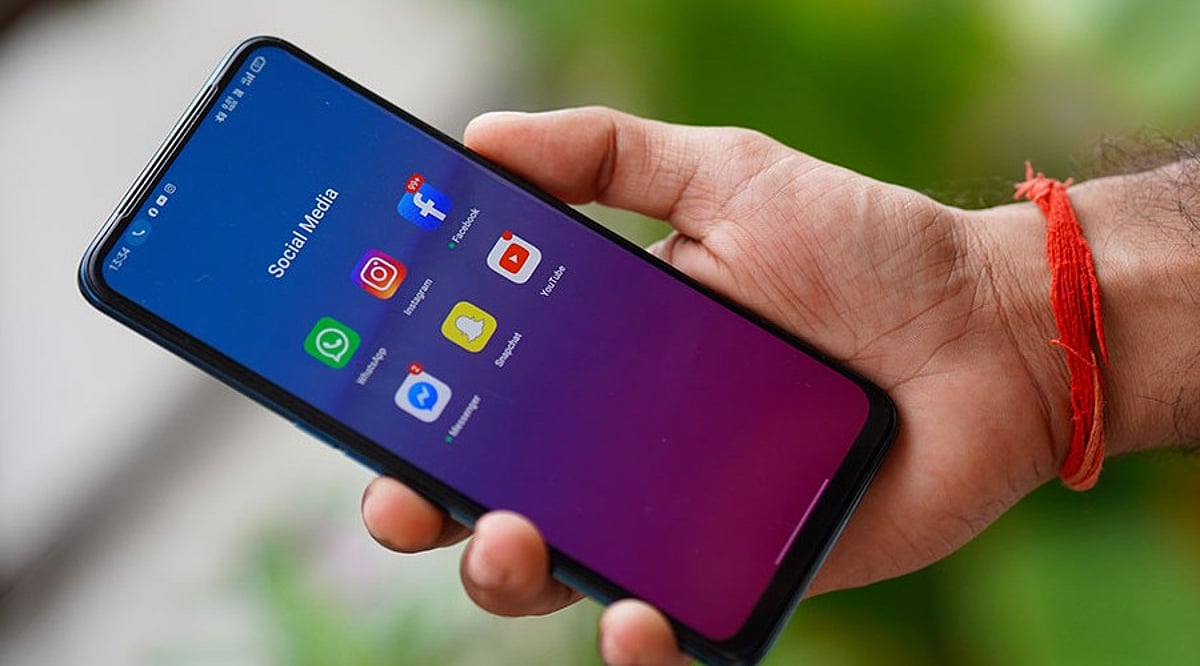
    Australia is drafting new social media regulations that would give users aged 16 and older the ability to turn off personalized recommendation algorithms and choose what appears in their feed. The proposal, called ‘My Feed, My Way,’ follows a December crackdown that barred children under 16 from staying on platforms.

    Under the plan, users could switch off recommendation systems entirely. Their feeds would then show only posts from accounts they have deliberately followed—friends, pages, and creators. Random or suggested content from unknown users would not appear.

    Prime Minister Anthony Albanese emphasized that the move is about user empowerment, not government overreach. “This is not about giving government control. It’s about giving people control,” he said. “This is sensible, pragmatic, practical reform. It gives users choice, and it will hold the big tech companies responsible for inaction.”

    The option is meant to be straightforward: users keep the normal algorithmic feed if they prefer, or they can switch to a simpler, follower-only view. The government argues that people deserve a genuine alternative to content selected by the platform. Some apps, like Instagram and TikTok, already offer similar features through tabs such as ‘Friends’ or ‘Favorites,’ but the proposal would make these choices more prominent and accessible.

    If implemented, the rule would change the experience on major platforms. Instagram would likely show fewer suggested Reels and posts, while Facebook would emphasize content from friends, groups, and pages already followed. Discovering new content might require more active searching, but users would gain a more predictable and less cluttered feed.

    Australia’s move could put a new level of control into millions of hands, letting people decide how much influence the platform has over what they see next.

  • Australia Files Federal Lawsuit Against Telegram Over Terror Content Removal Failures

    Australia Files Federal Lawsuit Against Telegram Over Terror Content Removal Failures

    Australia has filed a lawsuit against Telegram in the Federal Court, accusing the messaging platform of failing to remove extremist content despite repeated user reports. The eSafety Commissioner, Julie Inman Grant, announced the legal action on Thursday, alleging that Telegram left terrorist-related videos online after being notified by users. If the court rules against Telegram, the company could face fines of up to AUD 54.6 million under the country’s Online Safety Act.

    According to the regulator, Australian users reported 12 posts containing terror-related content between July and October 2025. The complaint states that Telegram failed to remove 10 of those posts and did not suspend the accounts that shared them. The alleged content included videos linked to the Christchurch mosque attack, the Buffalo supermarket shooting, and other terrorist executions.

    eSafety Commissioner Julie Inman Grant said: “This case concerns content linked to some of the most notorious acts of known extremist violence in recent history, including material associated with the Christchurch and Buffalo terror attacks. We allege that this content remained accessible on the service long after Telegram had been put on notice.”

    Telegram denied the allegations and said it will fight the case in court. The company stated that it has strong systems to stop terrorist content and removed thousands of extremist communities during 2026.

    This case marks Australia’s first Federal Court action under the country’s unlawful online content rules. Officials say the legal move demonstrates that online platforms must act quickly when users report dangerous material. The outcome could also shape how global messaging apps handle extremist content in the future. Telegram has more than one billion monthly active users worldwide and has faced growing legal pressure in other countries, adding to the challenges surrounding content moderation and online safety.

  • GTA 6 in Australia May Require Age Verification or Face $50 Million Fine

    GTA 6 in Australia May Require Age Verification or Face $50 Million Fine

    Grand Theft Auto VI could face strict new age-verification requirements in Australia, with Rockstar Games potentially facing fines of up to A$50 million if it fails to comply. The Australian government is considering stronger age checks for online services that offer adult content, and if the rules become law, Rockstar would need to confirm a player’s age before granting access to GTA 6.

    The proposal has sparked debate across the gaming community. Supporters argue that stronger checks will help protect younger players from mature content. Critics, however, worry that the process could force companies to collect sensitive personal information from millions of users, raising privacy and data security concerns.

    Australia’s New Rules Could Affect GTA 6

    The entire gaming world is eagerly awaiting the chance to explore Vice City, but the game’s content is not suitable for all ages. Following the lead of countries like China and Russia, Australia is moving toward stricter protections for minors. The proposed system would require developers to verify that a customer is old enough to access adult content—potentially by checking an official ID or using another approved method before a purchase or download is completed.

    If implemented, Rockstar Games must comply before launching GTA 6 in Australia. Each breach could result in a fine of up to A$50 million. Rockstar already enforces age-verification rules for GTA Online and is expected to apply similar measures for the upcoming installment, though no official announcement has been made.

    Privacy vs. Protection

    This debate extends beyond a single game. Supporters of the proposal argue that children should not have easy access to adult content and that stronger checks are a straightforward way to enhance online protection. Critics, however, point out that age verification may require companies to collect ID details, photos, or other personal information, raising concerns about data leaks, hacking, and how that information is stored or used.

    The issue has become highly controversial: one side wants better protection for minors, while the other demands stronger privacy safeguards for everyone.

    Why GTA 6 Is the Perfect Target

    GTA 6 is one of the most anticipated games ever announced. The series is known for crime, violence, strong language, and other mature themes, and it reaches millions of players worldwide. That makes it a natural focus for lawmakers and the public. A smaller game might not attract the same level of scrutiny, but GTA’s popularity turns it into a symbol in broader debates about video games, age limits, and online safety.

    Whether the new rules will change how Australians buy or play GTA 6 remains uncertain. What is clear is that one of the world’s biggest games has become part of an even larger discussion about privacy, protection, and the future of digital content regulation.

  • Best Solar Panels in Australia 2026: Top 10 Ranked for Efficiency, Warranty & Value

    Best Solar Panels in Australia 2026: Top 10 Ranked for Efficiency, Warranty & Value

    Australia’s residential solar market has entered a more mature phase. Customers are no longer making decisions based solely on whether a system is ‘cheap’ or ‘expensive’; instead, they evaluate its overall value relative to its upfront cost. With leading companies developing better efficiency and warranties, the competitiveness is moving into reliability, post-sale services, and trust in installation. This means a good solar panel system cannot be judged by a single specification.

    Modern modules also deliver better performance during hot summers and challenging weather conditions. This ranking considers panel efficiency, durability, warranty coverage, value for money, performance in Australian conditions, and the reputation of manufacturers and installers to help homeowners choose the right system.

    Top 10 Best Solar Panels in Australia 2026

    1. SunPower Maxeon 7

    Produced by Maxeon Solar Technologies, the SunPower Maxeon 7 continues to be the best model in 2026. It offers more than 24% efficiency and output up to 475W with the use of the latest Interdigitated Back Contact (IBC) technology. With a warranty period of 40 years, it is ideal for people looking for top-notch efficiency and energy generation.

    2. REC Alpha Pure-RX

    Based in Singapore, REC manufactures the Alpha Pure-RX that utilizes Heterojunction Cells (HJT), with efficiency above 22%. The Alpha Pure-RX has power output ranging from 430W to 470W, and is offered with a 25-year warranty and good degradation figures. It is known to perform reliably in Australia’s high temperatures, making it ideal for premium domestic projects.

    3. Aiko Neostar

    Solar panels in the Aiko Solar Neostar range boast All Back Contact (ABC) Technology that enables efficiencies of over 24%. The panels provide output ranges between about 460 W and 490 W and come with warranties that last up to 30 years. They stand out for their excellent performance in low light conditions and elegant design.

    4. Jinko Tiger Neo

    Jinko Solar continues to be a highly favored brand in Australia for its dependable Tiger Neo series. Its cell technology employs the N-Type TOPCon technology, which achieves an efficiency of almost 23%, with power ratings ranging from 440W up to 490W. With a 25-year warranty on the product, the line represents great value.

    5. LONGi Hi-MO X10

    The Hi-MO X10 is LONGi’s latest high-performance panel designed for residential installations that is expected to be available by 2026. The use of back-contact technology makes this solar panel more efficient than any other, with an efficiency rate greater than 24% and power output of around 470W to 500W.

    6. Trina Vertex S+

    The Trina Solar Vertex S+ is a module made using the N-Type TOPCon Technology and is built using a resilient dual-glass panel structure. It provides an efficiency of 22.5% and a power output range of 430W to 460W along with a warranty for 25 years.

    7. Canadian Solar – TOPHiKu6 Series

    The TOPHiKu6 series from Canadian Solar is made using N-Type TOPCon technology. It gives an output ranging between 440W and 485W with efficiencies exceeding 22%. It comes with a 25-year product warranty and provides great performance and durability at an affordable price.

    8. JA Solar – DeepBlue 4.0 Pro

    JA Solar is expanding its presence in Australia through the introduction of the DeepBlue 4.0 Pro model. Using the N-Type BYCIUM+ cell technology, the model provides efficiencies of around 23% with outputs ranging between 440W and 490W. It is accompanied by a 25-year warranty.

    9. Qcells – Q.TRON

    Renowned for its reliability, South Korean company Qcells’ Q.TRON series is made using the latest N-Type technology and comes with efficiencies exceeding 22% with outputs of around 430W to 470W. With a 25-year warranty, it performs well even at high temperatures.

    10. Risen – Hyper-ion

    Risen Energy’s Hyper-ion panels use Heterojunction (HJT) technology and give efficiencies of more than 24% with outputs close to 500W. With performance warranties and excellent resistance to efficiency loss from heat, they are a perfect choice for homeowners in Australia.

    Quick Comparison: Which Panel Fits Your Home?

    When choosing solar panels in Australia, look beyond the purchase price. Higher panel efficiency is valuable if roof space is limited, while a low temperature coefficient helps maintain output during hot summers. Compare product and performance warranties carefully, choose Clean Energy Council (CEC)-approved products, and work with an experienced local installer who offers reliable after-sales support. Premium panels cost more initially but often deliver greater long-term savings and durability.

    The winning solar panel isn’t defined by a single specification. It’s the combination of quality hardware, sound system design and a manufacturer that’s likely to be standing behind its warranty 20 years from now. For homeowners, that’s the difference between simply owning solar and making a genuinely profitable energy investment.

    FAQs

    1. Which is the best solar panel in Australia for 2026?

    SunPower Maxeon 7 ranks among the best for efficiency and longevity, while REC, Aiko, and Jinko offer excellent alternatives depending on budget, roof space, and energy needs.

    2. Are premium solar panels worth the extra cost?

    Premium panels are worthwhile for homes with limited roof space, high electricity consumption, or long-term ownership, thanks to higher efficiency, lower degradation, and stronger warranty coverage.

    3. How many solar panels does an average Australian home need?

    Most Australian households install a 6.6kW system with around 15–16 panels, while larger homes with higher electricity demand often benefit from systems around 10kW.

    4. What should I look for when buying solar panels?

    Prioritise panel efficiency, product warranty, performance warranty, degradation rate, CEC-approved products, and an experienced installer who can design a system based on your electricity usage.

    5. Do government rebates still apply to solar in 2026?

    Yes. Eligible systems continue to receive upfront savings through the Small-scale Technology Certificate (STC) scheme, with rebate values varying by system size and installation location.

  • Netradyne and Geosecure Join Forces to Deploy AI Fleet Safety Across Australia

    Netradyne and Geosecure Join Forces to Deploy AI Fleet Safety Across Australia

    Bengaluru, India — June 30, 2026 — Netradyne, a global leader in AI-powered safety and fleet performance technology, has announced a strategic partnership with Geosecure, an Australian fleet technology specialist. The collaboration aims to scale real-time driver intervention and safety analytics for fleet operators throughout Australia.

    AI-Powered Intervention for High-Risk Fleet Operations

    Netradyne’s Driver•i platform uses artificial intelligence to analyze 100% of driving time, alerting drivers to dangerous behaviors such as speeding, tailgating, and distracted driving—before incidents occur. Unlike traditional models focused solely on violations, the DriverStars program rewards proactive, safe driving habits through real-time edge computing. Fleets with higher DriverStar activity report fewer risky behaviors, lower accident rates, higher driver engagement, and improved retention of safe drivers.

    An optional DMS (Driver Monitoring System) sensor adds a layer of protection by detecting early-stage signs of fatigue, even in low light or through sunglasses. Given that driver fatigue contributes to nearly 20% of fatal road crashes in Australia (National Road Safety Strategy), this capability is especially valuable. The DMS tracks micro-behaviors like microsleeps, blink rates, and eye closure patterns, triggering in-cab alerts before a situation becomes critical.

    Beyond safety, the platform extends to fuel management, ranking drivers on idling, MPG, and behavior data. Recognition-based rewards encourage efficient driving, helping fleets reduce costs while promoting a positive safety culture.

    Why the Partnership Matters

    Geosecure, headquartered on the Sunshine Coast, serves hundreds of clients across transport, logistics, construction, mining, utilities, government, and healthcare. With over 50 years of combined experience, the company brings deep local expertise and long-standing client relationships. Together with Netradyne’s technology, Australian fleets can intervene earlier, protect drivers more effectively, and reduce serious incidents through proactive insight rather than post-event footage review.

    “Australia represents a key growth market for us, with operating conditions that align closely with where our technology delivers the greatest value,” said Durgadutt Nedungadi, Senior Vice President of Europe and APAC Business at Netradyne. “Partnering with Geosecure strengthens our ability to scale locally and help fleets improve driver performance, strengthen safety culture, and deliver measurable outcomes.”

    Andrew Hutson, Founder of Geosecure, added: “We’re highly selective about the technology we stand behind. Netradyne impressed us because it actively helps prevent incidents, not just record them. And the way it recognizes good drivers makes it something our clients embrace. This partnership gives fleets the tools to intervene earlier and protect their drivers more effectively.”

    About Netradyne

    Netradyne provides AI-powered technologies for smarter fleets and safer roads. An industry leader in driver safety and fleet management, the company serves thousands of commercial fleet customers across North America, Europe, and Asia. Using AI-vision technology to analyze over 150 billion minutes and 50 billion kilometers of driving data, Netradyne offers an industry-first driver and fleet scoring system that recognizes and rewards safe, fuel-efficient behaviors. Founded in 2015, the company is headquartered in San Diego with offices in San Francisco, Nashville, Netherlands, and Bangalore.

    About Geosecure

    Geosecure is an Australian fleet technology provider delivering telematics, video safety, and optimization solutions to operators across the country. With over 50 years of combined team experience, Geosecure partners with leading global technology providers to help heavy vehicle fleets operate safer, smarter, and with greater confidence. The company offers hands-on implementation, training, and ongoing optimization.

  • Australia Targets Big Tech, Apple Smart Glasses Delayed, Chip Shortage Drives Up Gadget Prices

    Australia Targets Big Tech, Apple Smart Glasses Delayed, Chip Shortage Drives Up Gadget Prices

    In today’s top tech news, Australia is ramping up regulatory pressure on Big Tech, Apple’s highly anticipated AI-powered smart glasses have been delayed once again, a persistent memory chip shortage is pushing gadget prices higher, and Apple is doubling down on its investment in premium entertainment content.

    Australia Intensifies Crackdown on Big Tech

    The Australian government is preparing tougher measures against major technology companies, signaling a more aggressive regulatory stance. The new actions aim to address concerns over market dominance, data privacy, and the impact of tech giants on local businesses and consumers.

    Apple Smart Glasses Face Another Delay

    Apple’s entry into the smart glasses market has hit another snag. The company’s AI-powered smart glasses, which were expected to launch soon, have been postponed. While Apple has not provided a new timeline, industry insiders suggest the delay is due to technical challenges in integrating advanced AI features into a compact wearable form factor.

    Chip Shortage Continues to Raise Gadget Prices

    The global shortage of memory chips is showing no signs of easing, leading to increased costs for a wide range of consumer electronics. From smartphones to laptops, manufacturers are passing on higher component costs to consumers, resulting in noticeable price hikes across the gadget market.

    Apple Backs Theaters with Premium Content Investment

    In a move that underscores its commitment to high-quality entertainment, Apple is increasing its investment in theatrical releases. The company is backing major film productions and expanding its presence in the cinema industry, aiming to strengthen its Apple TV+ brand and attract top-tier talent.

    Stay tuned for more updates on these developing stories and their impact on the tech landscape.