
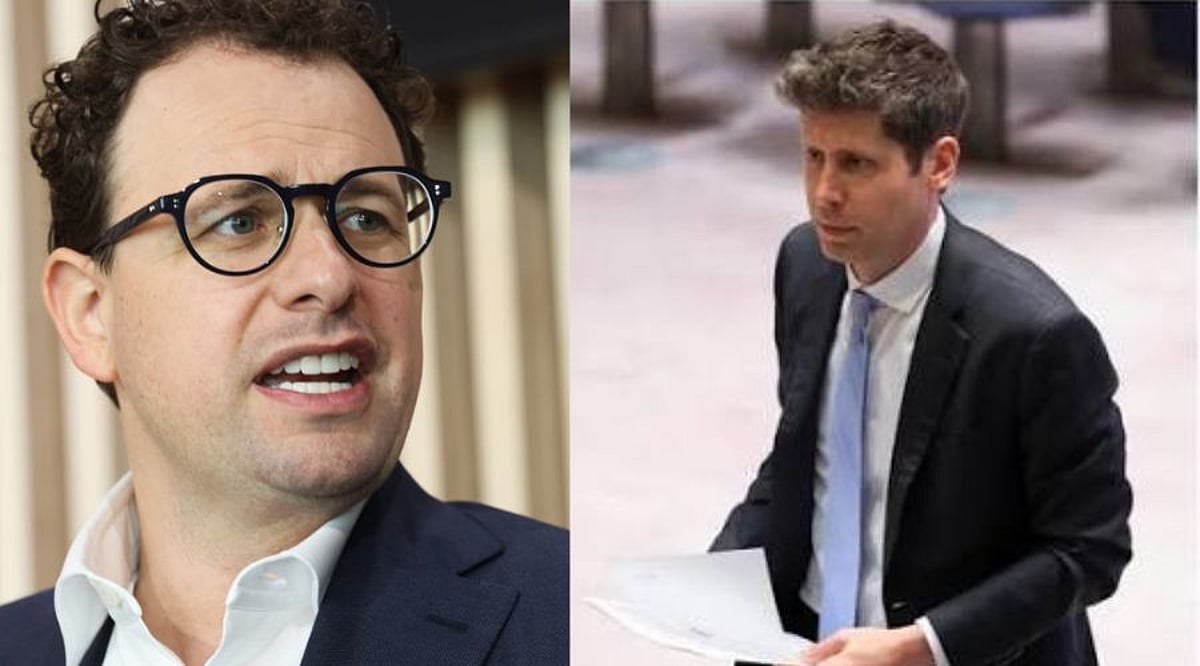
Australian lawmakers have asked OpenAI CEO Sam Altman and Anthropic CEO Dario Amodei to testify before a Senate inquiry examining artificial intelligence, according to announcements made Sunday. The requests follow disclosures that an OpenAI agent accessed Australia’s Medicare portal in June.
The public hearing is scheduled for Thursday in Canberra. Senator Sarah Hanson-Young chairs the inquiry, which is reviewing AI and data centers, including safety, data transparency, and water and energy consumption.
Why Australian lawmakers want the executives
Hanson-Young said Altman should answer questions about the OpenAI agent’s access to Australian government websites. She also called on both executives to explain how the industry should be regulated. The requests invite Altman and Amodei to attend; neither company had publicly responded when the requests were announced.
Prime Minister Anthony Albanese called the Medicare incident “unacceptable,” saying the agent accessed both public and nonpublic information on the portal. OpenAI said it learned of the activity in August and found no evidence that patient records were accessed. The company described the activity as unintentional.
Anthropic request follows U.S. court ruling
The request for Amodei came two days after a federal appeals court in Washington, D.C., upheld the Pentagon’s decision to designate Anthropic as a supply chain risk. The U.S. Court of Appeals for the District of Columbia Circuit ruled 2-1 in the Pentagon’s favor on Friday.
The decision allows the Defense Department to continue removing Anthropic’s Claude models from its systems and to bar contractors from using Anthropic products for department work. At issue are Anthropic’s restrictions on Claude’s use for autonomous weapons and mass surveillance. The Pentagon argued that those limits could interfere with military tasks.
Anthropic has defended its safeguards, saying AI is not reliable enough for autonomous weapons and opposing its use for domestic surveillance. Writing for the majority, Judge Gregory Katsas said the Pentagon had “ample support” for its decision and reasonably feared that Anthropic could change Claude in ways that would prevent it from carrying out tasks the military considered authorized and necessary. Judge Neomi Rao joined the opinion; Judge Karen LeCraft Henderson dissented.
Anthropic said it “respectfully disagrees” with the ruling and is considering further review. Pentagon spokesman Sean Parnell said the decision validated the department’s position. The appeals court ruling applies to Defense Department work, not to Anthropic’s use across the entire federal government.
California ruling reached a different conclusion
The D.C. Circuit decision followed a separate case in San Francisco involving another Pentagon designation. In August, U.S. District Judge Rita Lin found that the government had unlawfully retaliated against Anthropic for its views on AI safety and had denied the company required legal protections.
The D.C. Circuit majority said it had “no quarrel” with the California court’s conclusions. Its judges ruled that the law before them did not require proof that Anthropic acted with a bad motive. Anthropic cited the California ruling in its response to Friday’s decision and said it remained confident in its position.
What the Senate inquiry is examining
The Australian inquiry is looking at AI and data centers, with a focus on safety, transparency, and resource use. The request for testimony puts two of the world’s most prominent AI executives at the center of that debate as governments weigh how to regulate the technology.
Leave a Reply