Tag: automation

  • US Government Explores AI to Speed Up FOIA Document Reviews and Redactions

    US Government Explores AI to Speed Up FOIA Document Reviews and Redactions

    The US government is increasingly turning to artificial intelligence to help federal agencies review and redact sensitive information from documents released under the Freedom of Information Act (FOIA). This move aims to accelerate the processing of public records requests while raising important questions about transparency and the accuracy of automated redactions.

    DHS Plans AI-Assisted FOIA Redactions

    The Department of Homeland Security (DHS) intends to use AI to identify information that may need to be removed from documents released through FOIA requests. Specifically, US Customs and Border Protection, a DHS component, plans to deploy Google’s AI and machine-learning technology to recommend potential redactions to FOIA officers.

    According to the department’s AI use-case documentation, the technology is designed to reduce the time required to process requests. DHS officials have emphasized that human employees will still review the AI’s recommendations before any records are released. The planned use is expected to cover certain categories of FOIA requests that account for more than 10% of the department’s submissions, as reported by The Washington Post.

    Other Agencies Are Testing AI for Document Review

    DHS is not alone in exploring automated document review. The Department of the Interior is using Microsoft technology to identify potential attorney-client privileged information, while the Justice Department has deployed Veritone’s aiWARE for video redaction. The Department of Health and Human Services is also testing an AI-based system to review and redact records; its 2026 FOIA report notes that some offices are exploring AI and large language models to improve document processing, with qualified FOIA professionals expected to verify AI-generated results.

    Concerns Over Automated Redactions

    The growing use of AI has raised concerns among FOIA experts and transparency advocates. Redacting government records is not simply a matter of flagging sensitive words. Officers must determine whether information falls under one of FOIA’s legal exemptions. There are also worries that an AI system could reproduce existing patterns of over-redaction. A previous study of government records found that while AI could identify potentially exempt material, it also made mistakes in deciding what to withhold.

    Human Review Remains Key

    For now, federal agencies say AI is being introduced as an assistance tool rather than a replacement for human reviewers. DHS employees are expected to check AI recommendations before records are released. The broader question remains whether automation will help agencies clear FOIA backlogs faster without unnecessarily limiting public access to government information. As more departments experiment with AI-assisted redaction, these systems will likely remain under scrutiny for accuracy and oversight.

  • How AI Is Revolutionizing Business Operations in 2026: Automation, Insights, and Strategy

    How AI Is Revolutionizing Business Operations in 2026: Automation, Insights, and Strategy

    AI Becomes an Everyday Business Tool

    By 2026, artificial intelligence has moved far beyond experimental projects and into the core of daily business operations. Companies across industries are embedding AI into workflows to automate repetitive tasks, analyze vast datasets, improve customer interactions, and support faster, more informed decision-making. Rather than a standalone technology, AI now functions as an integrated capability that augments human effort.

    Automation and Operational Efficiency

    One of the most visible impacts of AI is automation. Routine activities such as data entry, scheduling, paperwork, and handling common customer inquiries are increasingly handled by AI systems without direct human involvement. This frees employees to focus on higher-value work that requires judgment, creativity, and interpersonal skills. Machine learning algorithms also analyze operational data to uncover patterns that might escape human notice, helping teams optimize processes and reduce inefficiencies.

    Transforming Customer Service

    Customer support has been reshaped by AI-powered chatbots and virtual assistants that provide round-the-clock assistance. These tools handle high-volume, repetitive queries, while more complex issues are escalated to human representatives. Generative AI further empowers support teams by drafting responses, summarizing conversations, and quickly retrieving relevant information, enabling faster resolution and improved customer satisfaction.

    Data-Driven Decision-Making

    AI-driven analytics platforms turn raw operational, financial, and customer data into actionable insights. Predictive analytics help businesses forecast demand, identify risks, and optimize supply chains through inventory tracking and threat detection. While AI enhances decision-making with richer information, human judgment remains essential for evaluating options and making strategic choices.

    Generative AI in the Workplace

    Generative AI tools have expanded the range of tasks that can be accelerated or automated. Employees use them to draft emails, compile reports, brainstorm ideas, and support research. Software developers leverage AI for code generation and documentation, while marketing teams create campaign content more efficiently. However, AI-generated outputs require human review to ensure accuracy and relevance, as errors or misleading information can occur.

    Evolving Workforce Roles

    Rather than replacing jobs, AI is transforming roles by taking over routine components. Employees now need new skills such as data literacy, critical thinking, AI tool management, and validation of machine-generated outputs. Organizations are rethinking workforce planning to determine which tasks remain human-led and which can be automated, balancing efficiency with the need for human oversight.

    Challenges and Considerations

    The widespread adoption of AI brings significant challenges. Data privacy, cybersecurity, accuracy, transparency, and responsible use are top concerns. Companies must establish clear policies on what data can be fed into AI systems and how to protect sensitive information. Employee training and ongoing human oversight are critical to mitigate risks and ensure ethical deployment.

    AI as a Strategic Capability

    By 2026, leading organizations view AI not merely as a technology but as a core business capability that influences automation, customer service, data processing, content creation, and personnel management. Success depends not only on adopting AI but on integrating it thoughtfully into processes while preserving human decision-making and education. The result is a partnership where AI handles routine tasks and people focus on strategic, creative, and relational work.

    Frequently Asked Questions

    • How is AI changing business operations in 2026? AI automates repetitive tasks, analyzes data, improves customer service, and supports faster, informed operational decisions across departments.
    • Which business functions are using AI? AI is deployed in customer service, finance, marketing, human resources, supply chains, and other operational areas.
    • How does AI improve customer service? AI-powered chatbots handle routine queries around the clock, allowing human representatives to focus on complex issues.
    • Can AI replace human employees completely? No. AI primarily supports employees by automating repetitive work, while human judgment, creativity, and decision-making remain essential.
    • What challenges do businesses face when adopting AI? Key challenges include data privacy, cybersecurity, accuracy, transparency, responsible usage, employee training, and maintaining human oversight.
  • Microsoft Unveils Revamped Copilot: AI Agents, Office Integration, and Code-Building Tools

    Microsoft Unveils Revamped Copilot: AI Agents, Office Integration, and Code-Building Tools

    Microsoft has launched a significantly updated version of its Copilot platform, integrating AI agents, enhanced Office capabilities, and a new code-building feature into a unified experience. The company positions this revamped Copilot as a central hub where users can ask questions, delegate complex tasks, create documents, and develop small software solutions using natural language.

    New Copilot Home Experience

    The update introduces three core capabilities: Home, Code, and Autopilot. Home merges Chat and Cowork into a single starting point, streamlining user interaction. Chat handles questions, lookups, and drafting, while Cowork manages multi-step tasks and delivers completed outcomes. Microsoft plans for Copilot to intelligently route requests to the appropriate mode—Chat, Cowork, or Code—without manual selection.

    Office functionality within Copilot enables users to create and edit Word documents, Excel workbooks, and PowerPoint presentations directly through the interface. Files remain editable and stay synchronized with their corresponding Microsoft 365 applications.

    Code Feature Empowers Non-Developers

    Microsoft’s new Code feature targets non-developers, allowing them to build purpose-built software by describing an app, tracker, dashboard, or workflow in natural language. Under the hood, Code leverages the same technology as GitHub Copilot and operates in a sandboxed environment. Solutions can include desktop widgets, interactive dashboards, and cloud-hosted internal applications.

    Code enters Microsoft’s Frontier program at the end of the month, with broader rollout in subsequent weeks. A preview is also scheduled for Microsoft 365 Premium and Pro subscribers later this year.

    Autopilot: Persistent AI Agent

    Autopilot (formerly Scout) is Microsoft’s persistent agent that continues working after a user assigns a goal. Users can name, role, and objective the agent, after which it monitors channels, follows up on conversations, and handles recurring tasks. The agent lives in the cloud with its own identity, memory, and workspace within an organization’s tenant. It works across Teams, Outlook, chats, channels, and documents, subject to permissions and auditing. Autopilot enters private preview at the end of September.

    Expanded Business Data and Spending Controls

    Microsoft is expanding Copilot’s access to business context through Microsoft IQ. Fabric IQ brings data from Power BI semantic models into Copilot, and integration with Dynamics 365 and Power Platform is planned for public preview. A new plugin registry consolidates Microsoft, partner, and custom plugins into one catalog for central admin approval.

    FinOps capabilities help manage AI spending. A user subscription license covers Copilot across Word, Excel, PowerPoint, Outlook, and Teams, with usage-based billing for Cowork, Code, and Autopilot. New administrative controls let organizations manage spending policies, model availability, and credit requests.

  • Tesla Optimus Output Climbs to Hundreds Per Week as Hand Dexterity Remains a Bottleneck

    Tesla Optimus Output Climbs to Hundreds Per Week as Hand Dexterity Remains a Bottleneck

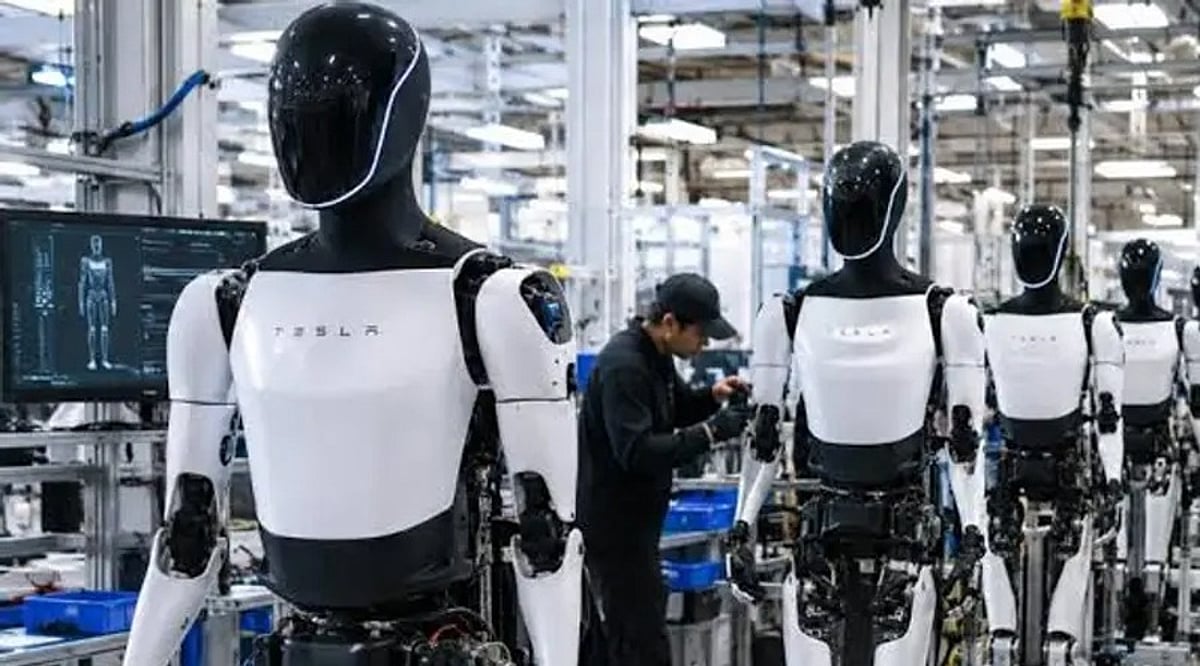
    Tesla has reportedly ramped up production of its Optimus humanoid robot to several hundred units per week, marking roughly a tenfold increase from the second quarter of 2026. The company is aiming for more than 1,000 robots per week by the end of the year, but manufacturing challenges around the robot’s complex hands and supply chain are still slowing the ramp.

    Optimus production surges

    According to The Information, Tesla went from producing dozens of Optimus units weekly during Q2 2026 to several hundred units per week in recent weeks. That is a significant jump, though not yet the stable, high-volume output Tesla wants.

    Tesla is working toward a production line capable of more than 1,000 Optimus robots per week by the end of 2026. Longer term, Elon Musk has discussed manufacturing around 20,000 robots per week.

    Hands remain the hardest engineering challenge

    One of the biggest obstacles is Optimus’ hand. The robot must perform precise, human-like movements, which requires a dense array of compact motors, actuators, sensors, and mechanical parts working together.

    According to the report, Tesla is facing difficulties not only with hand manufacturing and assembly, but also with automated production equipment and supplier availability. The company continues to refine the hand design as it moves toward a production-ready version.

    Producing these intricate components consistently at high volumes makes the challenge even greater. Tesla has previously noted that the hand and forearm system is one of the most difficult parts of Optimus to engineer.

    What’s next for Optimus

    Tesla has not publicly confirmed an exact current weekly production figure, so the several-hundred-unit number remains a reported estimate rather than an official company count.

    The company is also developing Optimus V3, which is expected to introduce hardware and design changes aimed at mass production. For now, Tesla’s immediate focus is on making its manufacturing process reliable enough to support far higher volumes.

  • 9 Ways Artificial Intelligence Is Transforming the Dining Experience in Restaurants

    9 Ways Artificial Intelligence Is Transforming the Dining Experience in Restaurants

    The restaurant industry is embracing artificial intelligence to streamline operations, enhance customer experiences, and reduce waste. From smart ordering systems to predictive maintenance, AI is reshaping every aspect of dining. Here are nine key ways smart systems are changing the way restaurants operate.

    1. Smart Ordering Systems

    AI-powered ordering systems process customer requests quickly, reduce ordering errors, suggest relevant items, and streamline communication between diners, staff, and kitchens.

    2. Personalized Menu Recommendations

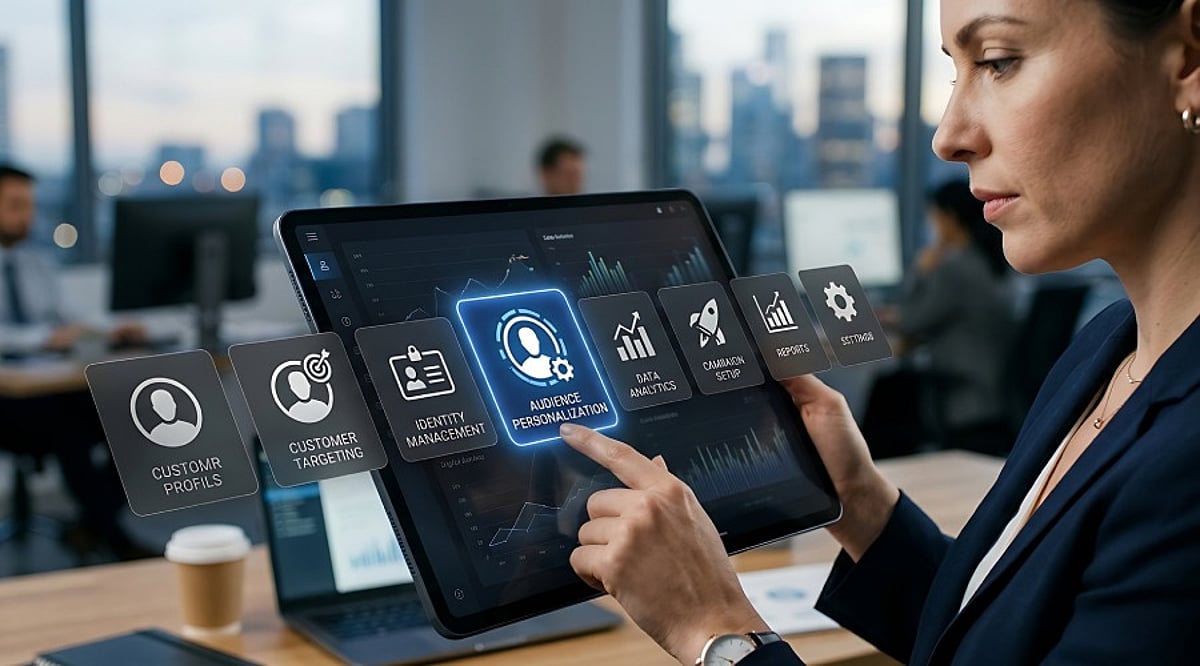
    AI analyzes customer preferences, previous orders, dietary choices, and purchasing patterns to recommend menu items tailored to individual dining preferences.

    3. AI-Powered Kitchen Management

    Smart kitchen systems monitor orders, cooking times, and workflows, helping restaurants coordinate preparation more efficiently while reducing delays during busy service periods.

    4. Automated Inventory Management

    AI tracks ingredient usage, predicts demand, identifies potential shortages, and helps restaurants manage inventory efficiently while reducing unnecessary food waste.

    5. Dynamic Pricing Systems

    AI can analyze demand, customer behavior, and operating conditions to help restaurants adjust prices or promotions according to changing business requirements.

    6. AI Customer Service

    Chatbots and virtual assistants can answer common questions, provide menu information, handle reservations, and support customers without requiring constant staff intervention.

    7. Food Waste Prediction

    AI systems analyze sales patterns, inventory levels, and demand forecasts to help restaurants prepare appropriate quantities and minimize avoidable food waste.

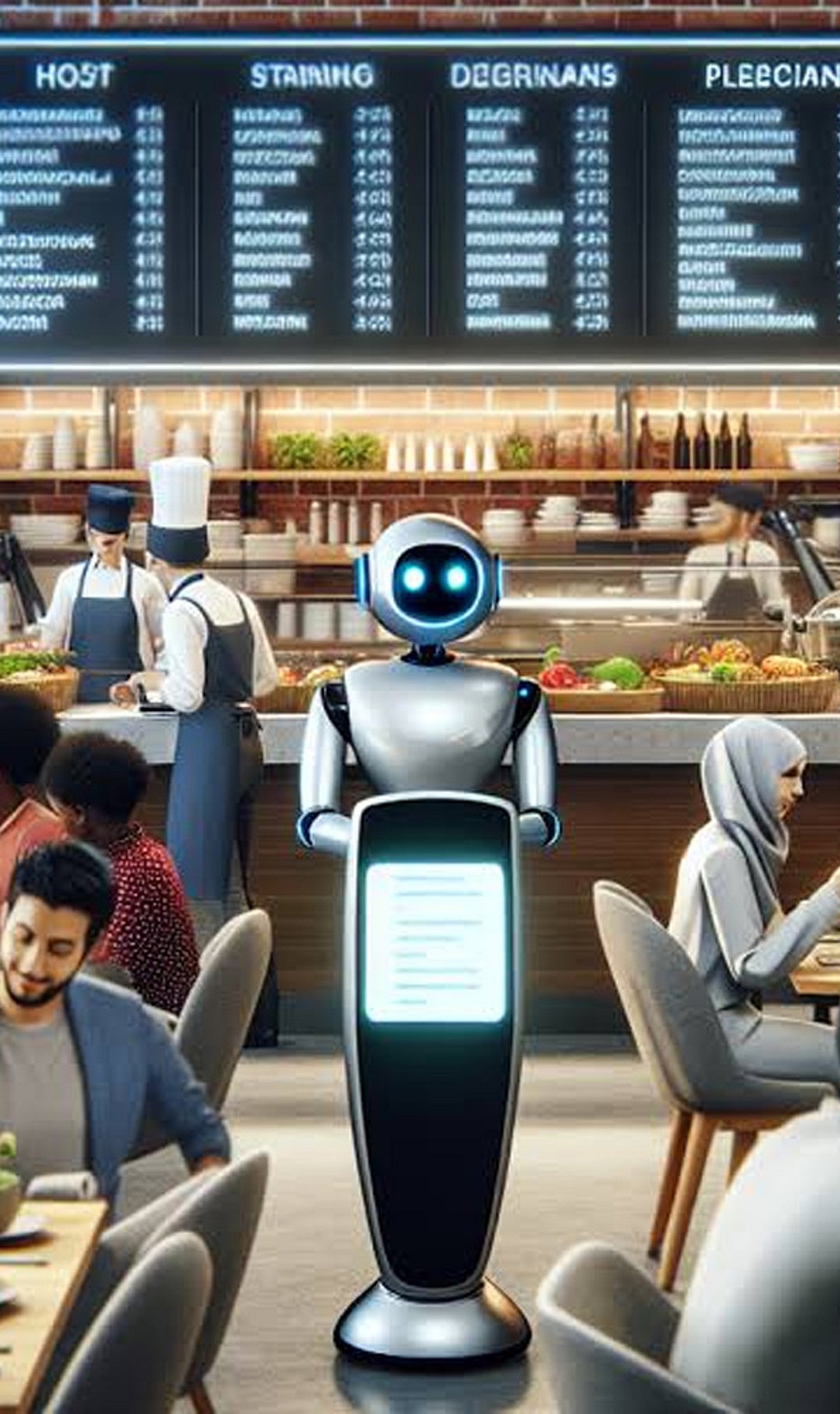
    8. Smart Restaurant Robots

    Robotic systems can assist with food preparation, delivery, cleaning, and other repetitive tasks, helping restaurants improve operational efficiency during busy periods.

    9. Predictive Maintenance

    AI-powered monitoring can identify unusual equipment behavior and predict potential failures, allowing restaurants to schedule maintenance before breakdowns disrupt operations.

  • How AI Is Reshaping Data Center Careers: Skills, Roles, and Opportunities

    How AI Is Reshaping Data Center Careers: Skills, Roles, and Opportunities

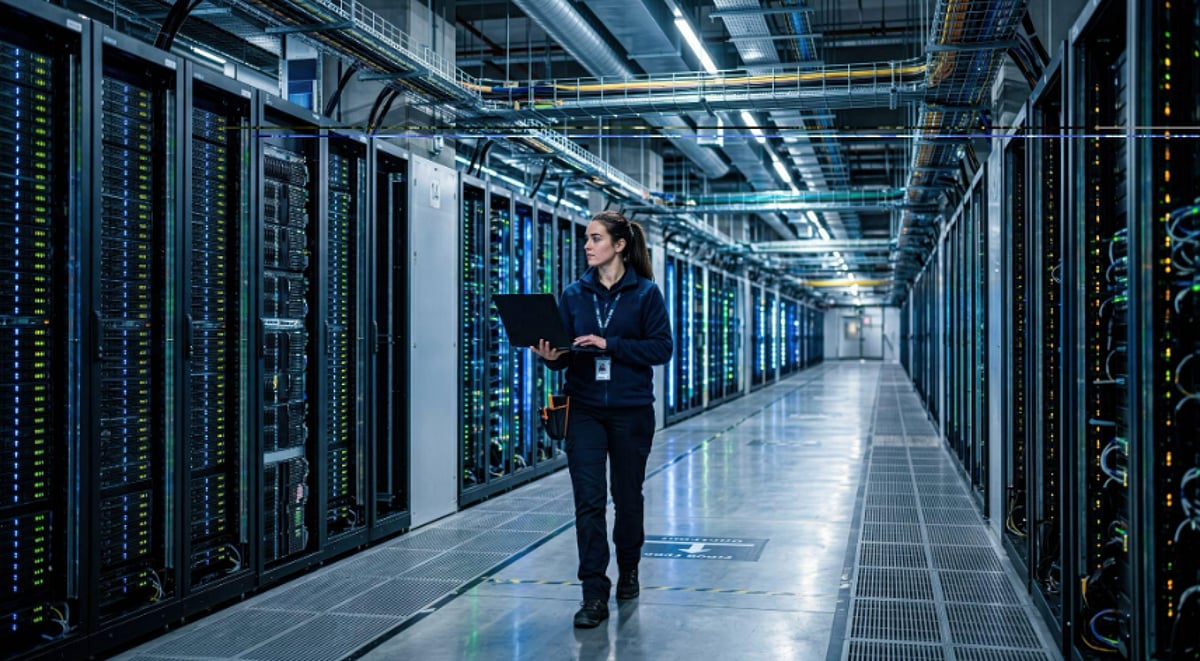
    Artificial intelligence has moved from the periphery to the core of data center operations, fundamentally changing how these facilities run. Predictive maintenance systems now flag equipment failures before they occur, while automated cooling controls adjust in real time. For professionals keeping data centers online, the nature of their work is evolving. Understanding where AI takes over routine tasks—and where human judgment remains irreplaceable—is essential for anyone building a career in this space.

    The Current State of Data Center Jobs

    Data centers have long depended on a mix of specialized roles to operate 24/7. Electrical and power engineers ensure continuous power; mechanical and HVAC engineers manage cooling; network and cabling engineers maintain connectivity; data center technicians install and troubleshoot hardware manually; and facilities managers oversee everything, balancing uptime targets with staffing and compliance. This structure is under significant pressure. The global data center sector is projected to grow around 14% annually through 2030, driven primarily by cloud computing and AI workloads. A survey shows 86% of operators plan to increase capacity, with over half attributing that growth to AI workloads.

    This expansion has created a talent squeeze. Skilled professionals cannot be trained fast enough to meet demand, leading to longer hiring timelines, greater competition, and rising salaries. For those seeking a data center job, knowing what employers value can make a real difference. QCS Staffing, which recruits across the sector, offers ten tips on landing your next role, providing practical advice on improving applications and standing out to employers.

    How AI Is Transforming Key Data Center Roles

    AI is not eliminating data center staff but reshaping their daily work.

    Infrastructure Management and Predictive Maintenance

    AI-powered systems continuously analyze equipment performance data to predict failures in servers and cooling units. This shifts maintenance teams from reactive repairs to proactive monitoring, reducing unplanned downtime and costly energy spikes that accompany equipment failure.

    Security Roles Evolving with AI-Driven Threat Detection

    Cybersecurity offers a clear example of AI reshaping a role rather than ending it. According to ISACA’s State of Cybersecurity 2025 report, 70% of security professionals anticipate increased demand for technical cybersecurity roles, and more than half of teams are understaffed. AI tools help detect unusual activity faster, but human specialists are still needed to interpret threats and decide on responses.

    Network Operations Becoming More Automated

    Site reliability and cloud operations specialists increasingly rely on automation to manage uptime across hybrid and cloud-native setups. Manual monitoring cannot keep pace with modern data volumes. Teams combining automation skills with traditional IT operations knowledge are in high demand.

    Energy Efficiency Optimization Through Machine Learning

    AI now manages workload distribution, cooling adjustments, and renewable energy integration in real time. The data center cooling market, valued at approximately $20.8 billion in 2025, is projected to reach $49.9 billion by 2034 as facilities adopt advanced thermal management.

    Skills That Will Remain Critical

    Despite automation, human skills remain essential. AI predictions are imperfect; sudden demand spikes or equipment faults require experienced people to make judgment calls that machines cannot. Communication and cross-team collaboration are more important than ever, as data center teams now blend IT, facilities, security, and engineering into closer units.

    Domain expertise combined with AI fluency is quickly becoming the baseline expectation. Knowing power systems or cooling infrastructure alone is no longer sufficient. Employers seek professionals who can interpret AI outputs and act on insights with care. Those who develop both skill sets will be most sought after. Starting by understanding how AI fits into your current role is a practical first step.

    Emerging Opportunities in AI-Enhanced Data Centres

    New roles are emerging specifically due to AI’s growing footprint. Automation and controls engineers design and maintain building management systems and predictive maintenance platforms. AI infrastructure specialists address the unique power density and cooling demands of AI workloads—a skill set barely mentioned five years ago. Hybrid positions are also rising, blending traditional data center operations with AI literacy. For example, sustainability and energy optimization experts understand cooling systems, renewable energy integration, and machine learning-driven efficiency metrics simultaneously. With data centers accounting for about 2% of global electricity use, this crossover will only grow in value.

    Gartner’s research supports this shift. The firm projects that AI will create more jobs than it eliminates starting in 2028, though many existing roles will be restructured. A December 2025 Gartner survey found that 40% of organizations have already eliminated outdated roles to align with evolving business needs.

    Preparing for the Future

    Staying competitive requires investing in the right skills now. Knowledge of automation and scripting (Python, Bash, Ansible) is becoming standard in many data center roles. Industry certifications such as BICSI, CDCP, and CDCS still carry weight, as does vendor training from AWS or Cisco. Employers view these as proof of ability to handle both traditional and AI-driven responsibilities. Small steps taken early compound over time.

    AI adoption does not always deliver immediate large returns. Gartner found that while 95% of organizations have implemented AI in some form, only one in five has seen significant or transformational value. This gap is an opportunity. Professionals who help their organizations realize real value from AI will stand out—installation alone is insufficient.

    Most importantly, treat AI as a tool to work with rather than a threat. This mindset opens more doors than it closes. Those thriving in this shift are not resisting automation; they are learning to work alongside it.

    Adapting to an AI-Driven Data Center Career

    AI is changing what it means to work in a data center. It is not removing the need for skilled people. Predictive maintenance, automated networking, AI-assisted security, and smarter energy management are reducing manual work while raising the skills employers expect. Professionals who build both core expertise and AI skills now will be best positioned for the roles this industry is creating—not the ones it is phasing out. Start by examining where AI already impacts your current job, then build your next skill set step by step.

  • Why HR Data Automation Across All Systems Is Critical for Efficiency

    Why HR Data Automation Across All Systems Is Critical for Efficiency

    HR teams today manage employee information across more systems than ever before—applicant tracking systems, HRIS, payroll platforms, ERPs, and identity management tools. Each system serves a specific purpose, but they all rely on the same core employee data. The problem arises when that data must be moved manually between these platforms. Manual entry for new hires, promotions, and terminations creates repetitive work and increases the risk of errors. Instead, companies should automate the flow of employee data so that information entered once updates every connected system automatically.

    The Hidden Costs of Manual HR Data Processes

    Manual data entry might seem harmless for small tasks, but as headcount grows, so does the burden. Every hire, promotion, pay change, or benefits update requires someone to re-enter or verify data across multiple systems. This not only wastes time but also introduces errors—mistyped codes, missed updates, or inconsistent records. Automation eliminates these inefficiencies by moving approved data between systems without human intervention.

    Employee Data Must Flow Throughout the Entire Lifecycle

    From pre-hire to offboarding, employee data needs to travel across systems. Recruiting collects candidate information, which HR, payroll, IT, and finance all need after an offer is accepted. Without automation, each handoff requires manual re-entry. Promotions, transfers, and compensation changes trigger similar cycles. Offboarding adds another layer of updates for payroll, IT, and finance. An automated approach treats employee data as a continuous flow: HR enters or approves information once, and connected systems receive updates instantly.

    Key Benefits of Automating HR Data Movement

    • Time savings: Reduces repetitive data entry and file management.
    • Accuracy: Minimizes errors from manual entry and ensures consistency across systems.
    • Speed: New hires and updates propagate immediately, without waiting for manual handoffs.
    • Better reporting: All systems use the same approved data, eliminating reconciliation efforts.
    • Scalability: HR can support company growth without a proportional increase in administrative work.

    Moving Toward Fully Automated HR Data

    Many companies have adopted partial automation, but isolated solutions still leave gaps. True efficiency comes from treating HR data as a single connected process. Information should be entered once and flow to every system that needs it—from recruiting through payroll, benefits, IT, and finance. Automation handles the predictable movement, while HR professionals retain control over approvals and exceptions.

    Platforms like UKG Ready keep HR, payroll, and time data in a unified record, so a new hire or promotion updates pay and benefits without separate handoffs. Integrations then carry that record to external systems like ATS, ERP, and identity tools, ensuring consistency across the enterprise.

    Conclusion

    HR technology has advanced significantly, but the processes connecting these systems often still rely on manual work. Automating the movement of employee data reduces repetitive tasks, improves accuracy, speeds up operations, and keeps records consistent. Companies don’t need to automate every decision—they should automate the data movement around those decisions. When employee information flows automatically from recruiting through offboarding, HR teams can focus on supporting people rather than managing systems.

  • Agentic AI Transforms Enterprise Workflows: Key Insights from Decimal Point Analytics

    Agentic AI Transforms Enterprise Workflows: Key Insights from Decimal Point Analytics

    AI agents are moving beyond basic automation and reactive interactions to support more complex enterprise workflows. Advances in foundational models and computing power are enabling AI systems to process large volumes of information, interact with multiple data sources, and execute tasks within defined boundaries.

    For enterprises, this shift is particularly relevant because employees often spend significant time collecting information from different applications, processing data, and following established workflows. Agentic AI can connect these activities and support faster execution while keeping human review within the process where required.

    In this episode of the Analytics Insight Podcast, Priya Dialani speaks with Gaurav Gupta of Decimal Point Analytics to examine how agentic AI is changing enterprise workflows, where organizations can apply these systems, and what businesses need to prepare before deploying them at scale. Here are the excerpts of the interview:

    How Does Agentic AI Differ From Generative AI in Enterprise Workflows?

    I see generative AI as largely reactive. We ask it a question or give it a prompt, and it provides an answer. It is extremely useful for creating content, summarizing documents, answering questions, and supporting productivity.

    Agentic AI adds another dimension. I see it as an extension of generative AI where the system understands an objective, plans the required actions, interacts with different information sources, and completes multiple tasks within defined boundaries.

    The system can work with databases and enterprise applications, make decisions based on established rules, and execute one step after another. It can also be designed to return to a human or analyst for confirmation when necessary. That is what makes agentic AI more applicable to complex enterprise workflows.

    Which Business Functions Can Benefit Most From Agentic AI?

    I believe the greatest impact will come in areas that require large amounts of information to be processed and analyzed. In many organizations, employees have to collect information from 15 or 20 different applications before they can complete a task.

    Research and audit are good examples. At Decimal Point Analytics, we have built systems that source information from company filings and calendars, identify quarterly results, download transcripts, and summarize the information. An analyst can then review the output before it is released to customers.

    I also see strong applications in risk and compliance. Agents can monitor regulations, compare them with internal policies, identify gaps, and alert compliance teams. Customer service, sales, business development, accounting, and reconciliation can also benefit from these workflows.

    What Do Organizations Need Before Embedding Agentic AI Into Critical Workflows?

    I would start with enterprise knowledge. An agent needs context to understand how the organization operates. That knowledge may exist in emails, standard operating procedures, internal documents, or even in the experience of managers and employees.

    We need to bring that knowledge into structured repositories so the system can use it. I consider this knowledge base an important part of the organization’s intellectual property.

    The second requirement is data. We need efficient pipelines that allow agents to access information from ERP, CRM, accounting, HR, and other enterprise systems. We also need clearly defined workflows and standard operating procedures. These foundations are particularly important when agentic AI is introduced into time-sensitive or mission-critical processes.

    What Challenges Do Enterprises Face When Implementing Agentic AI?

    I think the challenges are closely connected to the foundations required for deployment. Organizations first need to ask whether their data is properly structured and whether their workflows and standard operating procedures are clearly defined.

    A lot of important knowledge may still exist outside formal databases. It may need to be organized and converted into a form that an AI system can use effectively.

    There are also concerns around confidentiality. Organizations need to understand how their data will be handled and whether sensitive information could be exposed beyond the intended environment. Cost is another consideration because enterprises need to evaluate the economics of operating these systems alongside their technical and data requirements.

    How Should Enterprises Approach the Adoption of Agentic AI?

    I believe organizations should start considering agentic AI as early as possible because the technology is moving quickly and adoption is already taking place across different organizations.

    At the same time, I would not treat deployment as simply adding another software system. The enterprise needs the right knowledge base, data pipelines, workflows, and operating structure first.

    Once those pillars are established, agentic systems can be introduced into business processes where they can handle large amounts of information and time-sensitive work. I see the opportunity as moving beyond task automation toward systems that can coordinate multiple steps while still allowing people to review and guide important decisions.

    Listen to the full discussion on the Analytics Insight Podcast.

  • GPT-5.6 Sol Streamlines Quantum Computing Experiments with Automated Calibration

    GPT-5.6 Sol Streamlines Quantum Computing Experiments with Automated Calibration

    Researchers at MIT have successfully used OpenAI’s GPT-5.6 Sol model to automate parts of quantum computing experiments, reducing the manual workload for scientists and enabling overnight data collection. The AI agent, integrated via Codex, handled routine measurements and qubit calibration on real superconducting hardware.

    AI Meets Quantum Computing

    Quantum experiments often require hundreds or thousands of preliminary measurements before researchers can proceed to the main experiment. MIT researcher Beatriz Yankelevich tested whether GPT-5.6 Sol could automate these workflows. By connecting the model to lab software through Codex, it could interact directly with quantum experiments.

    Worked With Real Qubits

    The experiments involved superconducting qubits cooled to extremely low temperatures inside dilution refrigerators. Once the chip was prepared, researchers controlled it via software using microwave signals. This environment became a natural testbed for an AI agent capable of interacting with measurement software.

    GPT-5.6 Sol Could Run Measurements

    Yankelevich gave Codex specialized skills explaining how individual measurements should be performed and evaluated. GPT-5.6 Sol could then select parameters, operate the hardware, analyze measurements, and decide whether to refine the experiment or move forward.

    It Helped Calibrate Qubits

    The model worked on an uncalibrated six-qubit chip used by the research group. It identified transition frequencies, calibrated control and readout pulses, and measured how long qubits retained quantum information. These steps are essential for accurately controlling superconducting quantum processors.

    Overnight Experiments Became Possible

    One major advantage was time. Researchers could allow agents to run routine measurements for hours while they worked elsewhere in the laboratory. Yankelevich said she could check progress remotely and intervene when an experiment needed correction or a different direction.

    AI Still Has Limits

    GPT-5.6 Sol performed better when experimental signals were clear and workflows were well defined. Weak or noisy signals were harder, sometimes requiring guidance from an experienced researcher. The results suggest AI agents can automate routine workflows while humans remain important for ambiguous physical results.

    Researchers Move Up the Stack

    The biggest impact is not simply faster measurements. By handing routine calibration and analysis tasks to agents, researchers can spend more time interpreting results, designing experiments, and planning new research directions. OpenAI says the MIT group now regularly uses agents for routine measurements.

  • 2027 Manufacturing Logistics Trends: AI, Automation, and Smart Warehouses Reshaping Supply Chains

    2027 Manufacturing Logistics Trends: AI, Automation, and Smart Warehouses Reshaping Supply Chains

    Manufacturing and logistics are moving toward a more connected, automated, and data-driven model as companies look for ways to improve efficiency, manage supply-chain disruptions, and respond faster to changing demand. Artificial intelligence, robotics, smart warehouses, digital twins, and multimodal transportation are emerging as important areas of investment. In India, growing manufacturing activity is also driving demand for modern industrial and logistics infrastructure. Industry forecasts suggest these trends could become more visible through 2027 and beyond.

    AI Moves from Experiment to Operations

    Artificial intelligence is expected to play a larger role in manufacturing logistics, particularly in planning, procurement, inventory management, and disruption management. The National Institute of Standards and Technology’s 2026 roadmap identifies industrial data analytics, autonomous systems, digital twins, robotics, supply-chain optimization, and sustainable manufacturing as areas where AI and machine learning are enabling advances. AI-powered systems can analyze large volumes of supply-chain information and help companies identify potential disruptions earlier. Emerging agentic AI systems could also support tasks such as finding alternative suppliers and improving production planning.

    Smart Warehouses Gain Ground

    Warehouses are increasingly becoming technology-enabled logistics hubs rather than simple storage facilities. In India, technologies such as Warehouse Management Systems, automated storage and retrieval systems, robotics, RFID, IoT sensors, artificial intelligence, and digital twins are being used to improve inventory accuracy, operational efficiency, and supply-chain visibility. The expansion is also visible in market numbers: ICRA expects warehousing supply across eight primary Indian markets to grow 12–14% year-on-year to 550–570 million square feet in FY2027. Manufacturing and third-party logistics are expected to remain key demand drivers.

    Robotics and Automation Expand

    Automation is expected to move beyond repetitive production tasks and deeper into material movement, sorting, storage, and distribution. Physical AI is another trend manufacturers are developing, including more autonomous robots that can work in unstructured environments. Deloitte’s survey showed that 22% of manufacturers planned to use physical AI in the next two years, up from 9% at the time of the survey. In warehouses, autonomous mobile robots and automated distribution systems may become an integral part of the workforce, helping manufacturers handle increased volumes and improve operational consistency.

    Digital Twins for Real-Time Decision Making

    Digital twins are becoming another key aspect of connected manufacturing. They build virtual replicas of physical devices, processes, or facilities and use real-time data for monitoring, simulation, and decision-making. Industrial digital twins are an important technology in intelligent manufacturing, with multiple applications in predictive analysis and efficient resource management. For logistics functions, digital replicas may help model different scenarios before implementing changes in production, warehousing, or the supply chain network.

    Multimodal Logistics Gets More Attention

    Supply chains are also expected to rely more heavily on combinations of road, rail, air, and sea transportation. India’s National Logistics Policy, PM GatiShakti, and multimodal logistics parks aim to improve connectivity between production centers, warehouses, and consumption markets. The Unified Logistics Interface Platform is also designed to improve visibility across the logistics chain. The shift could become increasingly important as manufacturers seek greater flexibility and resilience amid geopolitical and transportation disruptions.

    Grade A and Automation-Ready Infrastructure

    Modern facilities that can accommodate automation and comply with compliance standards have become highly sought after by manufacturers. Light manufacturing leases in India’s eight biggest cities grew from 3.2 million sq. ft. in 2020 to 22.1 million sq. ft. in 2024, according to JLL data cited by The Economic Times. Leasing activity is estimated to rise to almost 34 million sq. ft. by 2027. JLL estimates India’s total warehouse needs to be about 1.2 billion sq. ft. by 2027, while Grade A warehouse inventory might be close to 400 million sq. ft.

    Sustainability Becomes Logistics Priority

    Companies are increasingly considering sustainability by weighing the environmental impact of manufacturing and delivery. Green logistics initiatives include renewable energy, energy-efficient warehouses, route optimization, and other ways to make transportation more environmentally friendly. India’s logistics and warehousing industry has also become more concerned with sustainability, alongside automation and digitization.

    What 2027 Could Look Like

    The logistics sector for manufacturing will most likely be defined by a combination of artificial intelligence, automation, smart warehousing, digital twins, and multimodal networks. The industry is moving away from adopting technologies separately toward integrating technologies that connect production, inventory, transportation, and supply chain decision-making. The difficulty for manufacturers will be scaling up and managing all of these aspects together.