Tag: Automotive Industry

  • What Makes Chinese EVs So Much Cheaper Than American Models?

    What Makes Chinese EVs So Much Cheaper Than American Models?

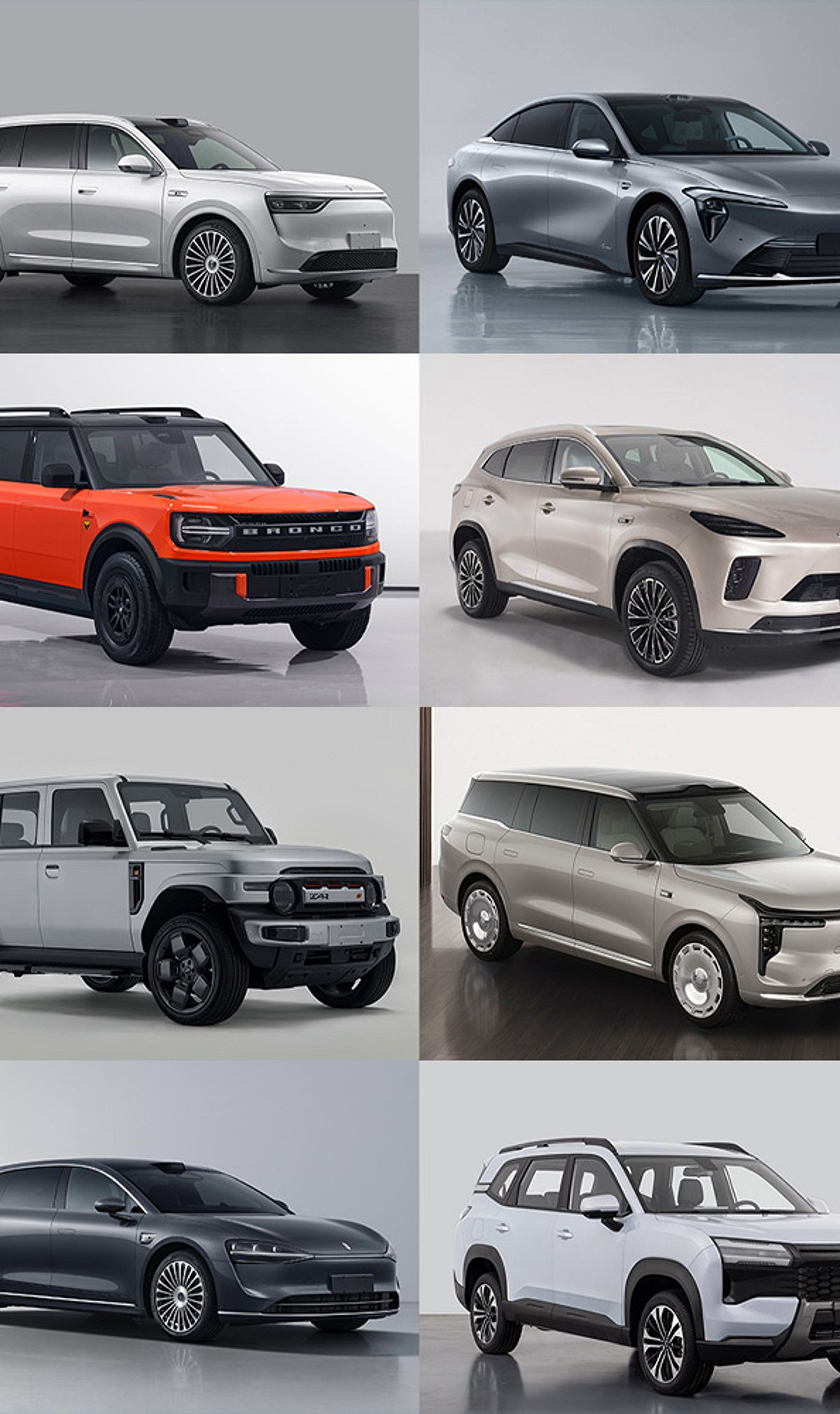
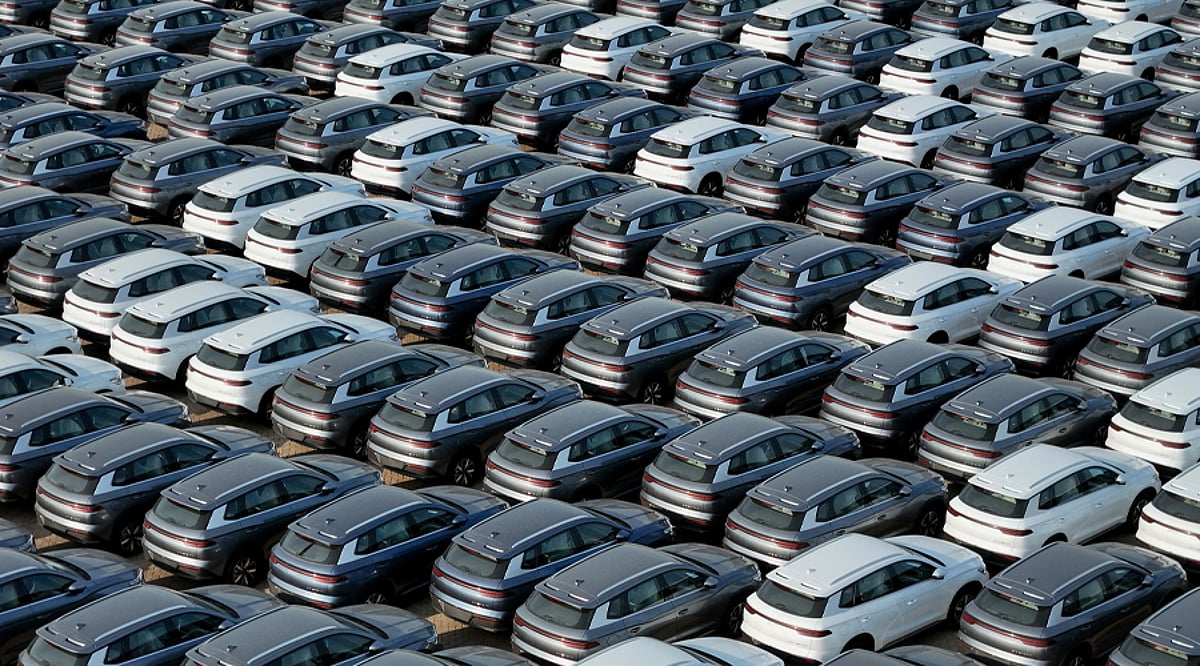
    Chinese electric vehicles have been turning heads with price tags that undercut comparable Western models by a wide margin. While government subsidies are often cited as the main reason, the real picture is more complex. A mix of battery economics, manufacturing scale, vertical integration, and a highly localized supply chain has allowed Chinese automakers to keep production costs remarkably low.

    Battery Costs Play a Decisive Role

    Battery prices are one of the biggest factors in the final price of an EV. According to the International Energy Agency (IEA), average battery-cell prices in China were more than 20% lower than in the United States and over 30% lower than in Europe. China’s enormous scale, mature supply chains, and widespread adoption of LFP (lithium iron phosphate) technology help explain this significant cost gap.

    Massive Production Scale Drives Efficiency

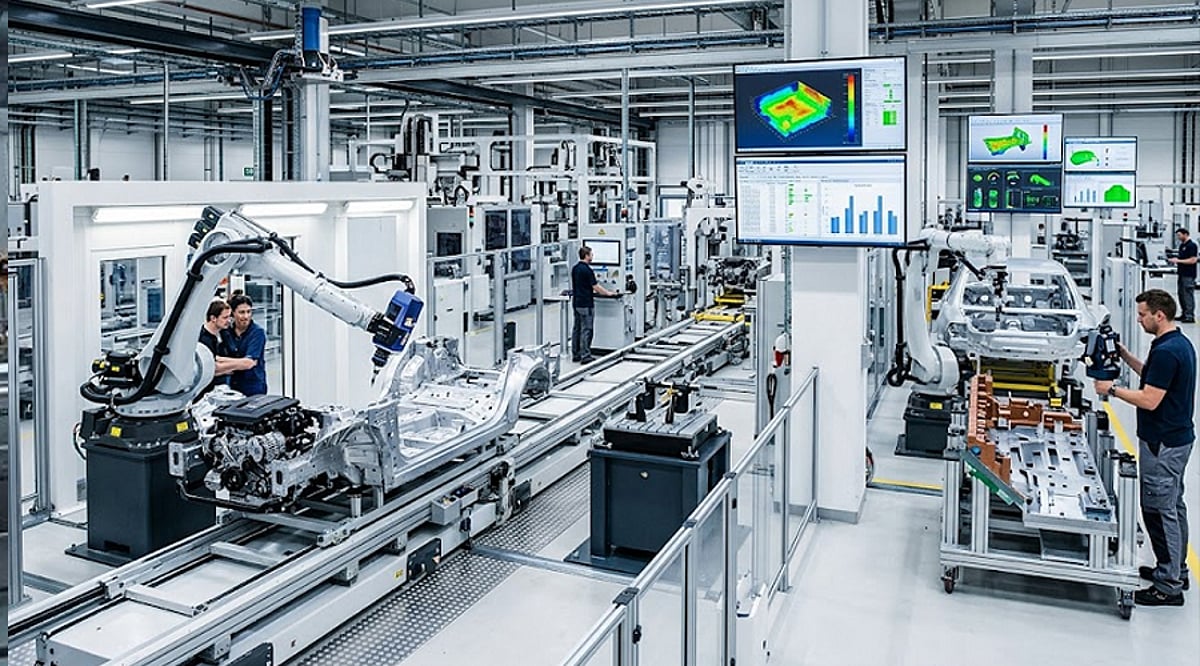
    Chinese manufacturers have produced EVs and batteries at volumes far beyond their global rivals. Higher production volumes lead to greater experience, better factory efficiency, and lower per-unit costs. The IEA notes that by 2024, China had produced more than six times as many EV batteries as the United States and Europe combined.

    Vertical Integration Reduces Reliance on Suppliers

    Many Chinese EV makers control far more of their production process than Western automakers. By localizing supply chains and vertically integrating key stages of manufacturing, they reduce dependence on outside suppliers. That control translates directly into lower component costs, tighter production schedules, and the ability to price vehicles very aggressively.

    Government Support Contributes, but Only Partly

    Chinese EV manufacturers have benefited from subsidies, grants, loans, and favorable access to land. Domestic buyers have also enjoyed policies such as vehicle purchase-tax exemptions. However, research cited by BGR suggests subsidies explain only a portion of the price difference. Structural advantages are doing most of the heavy lifting.

    Lower Manufacturing and Operating Costs

    Labor costs and operational efficiencies also matter. Many Chinese EV companies concentrate their manufacturing and sales within China’s highly developed domestic ecosystem. This localized approach reduces the overhead associated with globally distributed production networks and complex supply chains.

    More Than Just Cheap Cars

    The price advantage of Chinese EVs is not the result of a single factor. It comes from the combined effect of cheaper batteries, massive scale, tight supply-chain control, manufacturing efficiency, and government support. As Chinese automakers expand internationally, these structural cost advantages are becoming a central challenge for established carmakers worldwide.
  • Tesla’s Rise to Dominance in the Electric Vehicle Market: A Systematic Approach

    Tesla’s Rise to Dominance in the Electric Vehicle Market: A Systematic Approach

    Tesla did not become a major automaker overnight. It did not get there through one clever invention either. Its growth came from solving one problem after another. First, Tesla had to prove people wanted electric cars. Then it needed batteries, the ability to build cars at scale, and expansion into new countries. Each solution created the next challenge. This pattern explains Tesla’s rise better than any single product ever could.

    The Roadster Gamble

    Tesla was founded in 2003 by Martin Eberhard and Marc Tarpenning. Elon Musk joined as chairman and lead investor in 2004 and later became CEO. The company’s first car, the Roadster, launched in 2008. It used a Lotus Elise chassis and a battery pack made of thousands of small lithium-ion cells—the same type used in laptops at the time. This gave Tesla access to an already scalable battery supply chain. The hard part was managing heat, wiring the cells safely, and controlling the entire pack with software. The Roadster proved that a fast electric car could sell to real buyers, even at a high price.

    Model S Changes the Blueprint

    The Model S, introduced in 2012, marked a real shift for Tesla. Unlike the Roadster, it was built from scratch as an electric car, not adapted from another model. Tesla designed its own battery system, opened Supercharger stations to solve range anxiety, and introduced over-the-air updates that could change how a car worked even after it left the factory. This mix of software, batteries, and charging under one company gave Tesla more control over the driving experience than most traditional automakers had.

    Solving the Battery Bottleneck

    By 2014, demand for Tesla cars had outpaced its battery supply. The Gigafactory in Nevada was built to fix this, partnering with Panasonic to bring battery cell and pack production closer to the car assembly line. This partnership combined Tesla’s scale with Panasonic’s battery expertise, driving down costs over time. Tesla later built more Gigafactories in Shanghai, Berlin, and Texas, each one moving production closer to the markets it served.

    The Model 3 Manufacturing Crisis

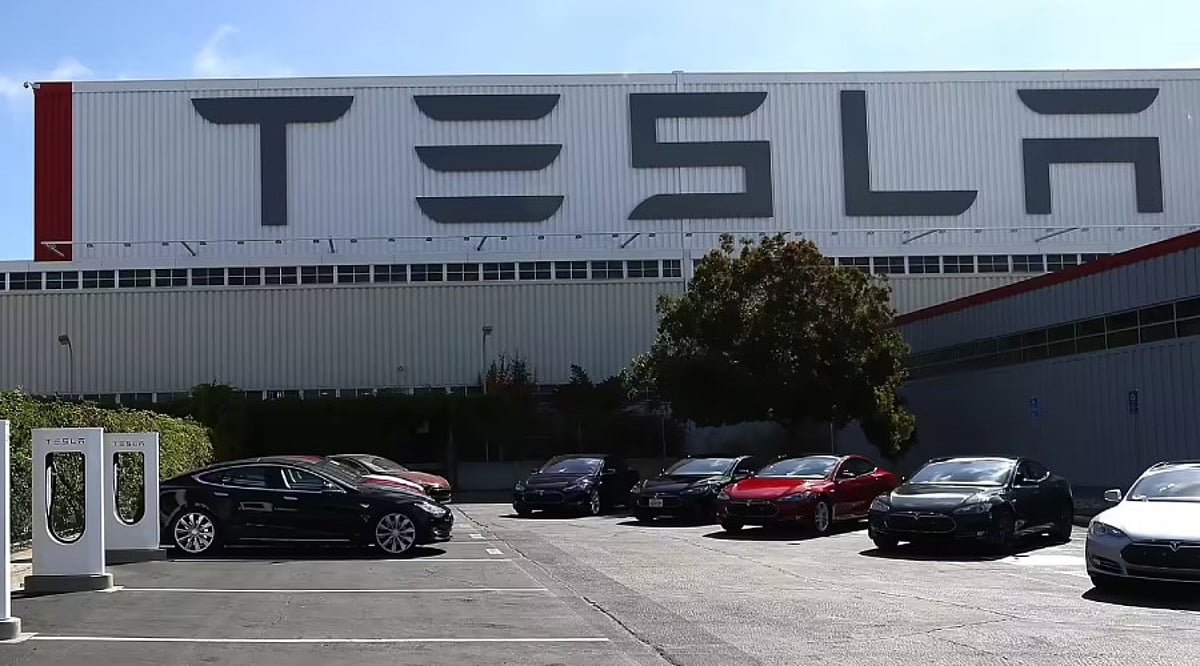
    Tesla’s hardest period came with the Model 3 in 2017 and 2018, a stretch the company itself called “production hell.” Building an affordable car at scale exposed real gaps in Tesla’s factory process. Musk later said the company came close to running out of money. The fix was not simple: Tesla built a temporary assembly line in a tent outside its Fremont factory and rethought automation steps that had slowed everything down. Once stabilized, the Model 3 became one of the best-selling electric cars in the world, proving Tesla could handle mass production, not just small batches of luxury cars.

    Shanghai Proves the Model Can Travel

    Tesla broke ground on its Shanghai factory in January 2019—its first plant outside the United States. Model 3 production began there later that same year, an extremely fast timeline for any car factory. Shanghai showed that Tesla’s production approach could succeed outside California. Local suppliers and production cut costs and gave Tesla direct access to China, the world’s largest EV market.

    Model Y Builds on What Already Works

    Tesla did not design a brand-new platform for the Model Y. Instead, it leveraged much of the same engineering as the Model 3, allowing Tesla to enter the crossover and SUV market quickly without repeating years of development. Shared parts extended the value of earlier investments into a whole new vehicle type.

    A Market That Has Changed

    Tesla once had the EV market mostly to itself, but that is no longer true. Legacy automakers now offer strong electric vehicles, and Chinese companies like BYD report huge sales numbers (though often including plug-in hybrids). Tesla still has strong advantages: its charging network, software, and factory scale. But rivals are building the same strengths. What sets Tesla apart today is not being first—it’s how well Tesla integrates all these pieces into one cohesive system.

    Final Thought

    Tesla’s real story is not about inventing the electric car. It’s about building the machinery around it. Batteries, factories, charging stations, and software were once separate parts of the business. Tesla turned them into one connected system. That system, more than any single car, is what transformed a small EV startup into a global manufacturer.

  • BMW India Plans Fourth Price Increase in 2026 as Rupee Weakens and Costs Rise

    BMW India Plans Fourth Price Increase in 2026 as Rupee Weakens and Costs Rise

    BMW Group India is preparing to raise vehicle prices for the fourth time in 2026, driven by the weakening rupee and escalating commodity costs. The luxury automaker has already implemented three price hikes this year, with total increases of up to 5% across its BMW and MINI lineups.

    Hardeep Singh Brar, President and CEO of BMW Group India, confirmed that another price revision is under consideration, potentially as early as next month. “The forex has hit us quite a bit. We have increased prices by 4-5% till now and there’s another one around the corner,” Brar said. He noted that foreign exchange conditions have deteriorated by about 18% since January 2025, putting significant pressure on margins.

    Expanding Local Production to Offset Costs

    Brar made the announcement following the launch of the new BMW 7 Series in India. The flagship luxury sedan is now available with both petrol and fully electric powertrains, including the high-performance BMW i7 M70. Bollywood actor Ranveer Singh unveiled the new models and was introduced as the brand voice for BMW India.

    To mitigate cost pressures, BMW is expanding local assembly. The new BMW i7 will be produced at the company’s Chennai plant, making India the only country outside Germany to locally manufacture the electric luxury sedan. However, the higher-performance i7 M70 will continue to be imported as a completely built-up unit.

    Pricing for the New 7 Series

    The new BMW 740 M Sport is priced at Rs 1.95 crore (ex-showroom), while the electric BMW i7 eDrive 50 xDrive M Sport carries the same ex-showroom price. The top-of-the-range BMW i7 M70 xDrive is priced at Rs 2.65 crore (ex-showroom) and will be imported.

    BMW did not specify the size of the next price increase, but Brar confirmed that another revision remains on the table as the company navigates currency volatility and rising input costs. Deliveries of the new 7 Series are expected to begin in October 2026.

  • How Electric Vehicles Are Reshaping the Auto Parts Industry

    How Electric Vehicles Are Reshaping the Auto Parts Industry

    The rise of electric vehicles is doing far more than changing what powers a car. It is fundamentally rewriting the components, technologies, and skills required to build one. Traditional auto suppliers are adapting at speed, while entirely new opportunities are emerging in batteries, electronics, software, and charging infrastructure.

    Batteries Become the New Core

    The battery has become the single most critical component in an EV. This shift is driving massive demand for battery cells, packs, thermal management systems, and battery-management electronics. Component makers are pouring investment into technologies that improve range, safety, charging speed, and overall battery life.

    Engines Give Way to Electronics

    Electric vehicles contain far fewer moving mechanical parts than conventional cars. This reduces demand for traditional engine components while boosting the importance of motors, inverters, controllers, sensors, and power electronics. Suppliers that once focused heavily on mechanical systems are now expanding into electrical and electronic technologies to stay relevant.

    Software Enters the Supply Chain

    Modern EVs depend on software for driving functions, battery management, connectivity, and vehicle controls. This opens the door for technology companies and traditional suppliers with strong software capabilities. Automotive component businesses now compete not only on hardware but also on digital systems and data-driven solutions.

    Demand for Semiconductors Rises

    Electric vehicles rely heavily on semiconductors to manage power, charging, safety, and connectivity. Chips have become increasingly vital to the automotive supply chain. Recent semiconductor shortages have exposed the risks of a limited supplier base, prompting automakers and component companies to strengthen their sourcing strategies.

    Charging Creates a New Market

    The EV boom is also generating demand beyond the vehicle itself. Charging connectors, power modules, cables, communication systems, and charging hardware are becoming essential parts of a wider ecosystem. Component manufacturers can tap into this growing market as public charging networks and home installations continue to expand.

    A New Race for Suppliers

    The transition to EVs is forcing auto component companies to rethink their future. Some traditional products may see declining demand, while batteries, electronics, software, and thermal systems gain prominence. Suppliers that invest early in new technologies could become major players in the next generation of mobility.

  • Jaguar Land Rover Announces 4,000 Job Cuts Globally to Drive Cost Savings

    Jaguar Land Rover Announces 4,000 Job Cuts Globally to Drive Cost Savings

    Jaguar Land Rover (JLR), the luxury automaker owned by Tata Motors, has announced plans to reduce its global workforce by approximately 4,000 roles over the next two years. The move is part of a broader restructuring strategy aimed at cutting costs by £1.7 billion and improving competitiveness in the face of rising expenses, tariffs, and intense market pressure.

    CEO PB Balaji confirmed the job reductions, which will affect salaried and management positions. The company has initiated a voluntary redundancy program, allowing eligible employees to leave voluntarily, with further details to be communicated to staff first.

    The restructuring is designed to streamline operations, enhance efficiency, and lower the company’s breakeven point to 300,000 units annually. JLR cited the need for operational simplification and greater resilience amid shifting global market conditions.

    Key challenges driving the layoffs include declining sales, escalating costs, US tariffs, and stiff competition from Chinese electric vehicle manufacturers. This announcement follows similar job cuts across the European automotive sector, reflecting broader industry pressures.

    JLR’s efforts are part of a wider trend among traditional automakers to adapt to changing consumer preferences and the rise of affordable EVs from China. The company remains focused on achieving long-term sustainability while navigating these industry disruptions.

  • Top 9 Automakers Dominating Global Vehicle Sales in 2026

    Top 9 Automakers Dominating Global Vehicle Sales in 2026

    The global automotive landscape is shifting rapidly, with established giants and emerging EV leaders vying for dominance. Based on current sales trajectories and market trends, these nine car brands are expected to lead worldwide vehicle sales in 2026.

    Toyota – Continues to dominate global vehicle sales with its dependable models, hybrid leadership, and an unmatched worldwide manufacturing network.

    Volkswagen – Maintains strong demand across markets thanks to a broad portfolio of passenger cars, SUVs, and a growing lineup of electric vehicles.

    BYD – Has emerged as one of the fastest-growing automakers by offering affordable EVs, leveraging battery innovation, and rapidly expanding internationally.

    Honda – Attracts millions of buyers with reliable cars, efficient engines, and strong hybrid offerings across major global markets.

    Hyundai – Expands market share through stylish SUVs, advanced technology, and competitive EV options tailored for modern consumers.

    Ford – Remains a global leader thanks to its bestselling pickup trucks, commercial vehicles, and continued investments in electric vehicles.

    Tesla – Sustains strong global EV demand with software-driven innovation, long-range batteries, and advanced autonomous driving technologies.

    Nissan – Retains customer confidence through practical vehicles, affordable pricing, and an expanding lineup of electrified models.

    Chevrolet – Continues delivering strong sales with versatile SUVs, pickup trucks, and growing electric vehicle options worldwide.

  • BMW to Cut 8,000 Jobs in Voluntary Redundancy Program Amid China Sales Slump and EV Competition

    BMW to Cut 8,000 Jobs in Voluntary Redundancy Program Amid China Sales Slump and EV Competition

    German luxury automaker BMW is preparing to reduce its global workforce by approximately 8,000 positions through a voluntary redundancy program, marking one of its most significant restructuring efforts in recent years. The cuts are part of a broader cost-saving strategy as the company faces slowing demand in key markets, intensifying competition from Chinese electric vehicle (EV) manufacturers, and growing economic uncertainty.

    The workforce reduction will primarily affect administrative and development roles in Germany, while production jobs are expected to remain unaffected. BMW aims to improve profitability and streamline operations in an increasingly competitive automotive landscape.

    Voluntary Job Cuts to Focus on Non-Production Roles

    BMW has reached an agreement with employee representatives to implement the job reductions through voluntary severance packages rather than compulsory layoffs. The program is scheduled to begin later this year and continue through the end of 2027. It targets office-based positions across administration, research, development, and planning.

    The company currently employs around 150,000 people worldwide, with Germany accounting for more than half of its workforce. BMW intends to protect its manufacturing capacity while reducing operational costs in support functions. The restructuring is expected to lower the company’s global workforce by about 5%.

    A spokesperson stated: “The BMW Group is proactively shaping the profound changes taking place in its operating environment. These include the technological transformation of the automotive industry, geopolitical uncertainties, changing market conditions and developments in China.”

    China Slowdown and EV Competition Drive Restructuring

    BMW’s decision comes amid falling sales in China, one of its major markets. In the second quarter, the company reported a steep decline in Chinese deliveries, resulting in significant profit reductions and leading to adjustments in its financial performance forecast.

    Established European carmakers face increasing pressure from Chinese EV brands, which have grown rapidly by offering relatively low-priced products. Combined with rising tariffs, geopolitical issues, and higher operational costs, BMW has been compelled to take steps toward greater efficiency.

    Transformation Across Europe’s Auto Industry

    Several major European car manufacturers, including Volkswagen, Porsche, Mercedes-Benz, and Stellantis, have unveiled restructuring plans as the industry shifts toward an electrified and software-defined future. While automakers invest heavily in electric mobility, batteries, and digital platforms despite slowing demand in some markets, these factors have pressured them to find ways to innovate while reducing costs.

    Even with job cuts expected as part of the restructuring, BMW confirmed its commitment to developing new technologies, particularly the Neue Klasse all-electric platform, advanced software, and digital solutions.

  • Why Major Automakers Are Splitting Investments Between EVs and Hybrids in 2026

    Why Major Automakers Are Splitting Investments Between EVs and Hybrids in 2026

    Automakers are now taking a more balanced approach to powertrain investments, splitting billions between fully electric vehicles (EVs) and hybrids. Rather than retreating from electrification, companies like Toyota, Ford, GM, Honda, and Stellantis are using hybrids to manage risk and support long-term EV goals.

    Why EV Demand Has Cooled

    Between 2021 and 2024, automakers set ambitious timelines for an all-electric future. But by 2025, EV demand slowed as several markets cut incentives and consumer interest plateaued. Toyota reduced its 2026 global EV production target to 1 million units and delayed its US EV production start. Yet Toyota remained the top-selling automaker in the US in 2025, largely thanks to strong hybrid sales. This shift signals that many buyers still prefer hybrids as a practical, affordable choice.

    Why Hybrids Are Making a Comeback

    Hybrids appeal to buyers who want better fuel economy without worrying about charging infrastructure or the higher upfront cost of many EVs. Ford is adding hybrid options across nearly its entire lineup. Honda is developing a new hybrid platform from the ground up. Stellantis, meanwhile, is moving away from plug-in hybrids in North America toward mild hybrids and range-extended models.

    Why Automakers Need Both Powertrains

    Hybrid production uses existing engine and transmission lines, existing supplier deals, and much smaller battery packs than full EVs. This reduces exposure to volatile lithium and nickel prices and helps factories stay busy while EV demand catches up. Ford expects its EV division, Model e, to turn a profit by 2029, with hybrid profits helping bridge the gap. GM took a $6 billion writedown on its EV business and is rethinking an all-electric Cadillac lineup. Stellantis is building the STLA One platform, designed to handle EV, hybrid, and gas models on the same production lines. This approach doesn’t sideline EVs—it uses hybrid profits to buy time for the industry to get electric mobility right.

    Regional Strategies Shape Powertrain Choices

    No single global strategy works for every market. Easing US emissions rules have reduced the compliance value of plug-in hybrids in some segments, leading Stellantis to retire them in North America. Europe, on the other hand, continues to push for tighter emissions standards and stronger EV incentives. North America’s uneven charging infrastructure keeps hybrids ahead in mainstream segments, while regions with robust charging networks and policy support favor EVs. Executives now describe this as running several regional strategies in parallel, rather than one transition plan with a fixed end date.

    What It Means for Buyers and Investors

    Buyers can expect more hybrid choices in mainstream segments through 2026, alongside EVs positioned carefully where charging infrastructure is mature. For investors, key metrics to watch are hybrid margins, capital committed to shared platforms like STLA One, and how fast EV divisions close their profitability gap.

    Final Thoughts

    Instead of betting solely on EVs or hybrids, automakers are competing on operational flexibility—running both powertrains on shared factories and platforms without overcommitting to either. That flexibility, more than any single technology, is shaping up as the industry’s real competitive advantage for the rest of the decade.

  • Top Electric Vehicle Makers to Track in 2026

    Top Electric Vehicle Makers to Track in 2026

    The electric vehicle (EV) landscape is evolving rapidly, with several manufacturers poised to make significant strides by 2026. From established giants to ambitious newcomers, these companies are driving innovation in battery technology, autonomous driving, and global market expansion. Here are the key EV manufacturers to watch.

    • Tesla – Continues advancing autonomous driving, battery innovation, and global manufacturing while expanding affordable electric vehicle options across major international markets.
    • BYD – Dominates electric vehicle production through vertically integrated manufacturing, advanced battery technology, and rapidly growing exports across Europe and emerging regions.
    • Rivian – Focuses on premium electric trucks and SUVs while expanding commercial delivery partnerships and improving manufacturing efficiency for sustainable long-term growth.
    • Hyundai – Strengthens its EV lineup with dedicated electric platforms, competitive pricing, longer driving ranges, and advanced connectivity features for global customers.
    • Kia – Expands affordable electric mobility through stylish models featuring fast charging, practical interiors, improved software integration, and strong worldwide consumer demand.
    • BMW – Combines luxury engineering with electrification by introducing premium electric sedans, SUVs, and high-performance models featuring innovative digital technologies consistently.
    • Mercedes-Benz – Accelerates premium electric mobility through advanced battery platforms, intelligent software ecosystems, and luxury-focused design for discerning global buyers everywhere.
    • Lucid Motors – Impresses with long-range luxury electric sedans featuring high efficiency, premium interiors, and innovative engineering targeting premium automotive markets worldwide.
    • VinFast – Expands internationally with competitively priced electric vehicles, aggressive manufacturing investments, and customer-focused strategies supporting rapid global brand recognition successfully.

    These manufacturers represent the forefront of EV innovation and are set to shape the industry in 2026 and beyond.