
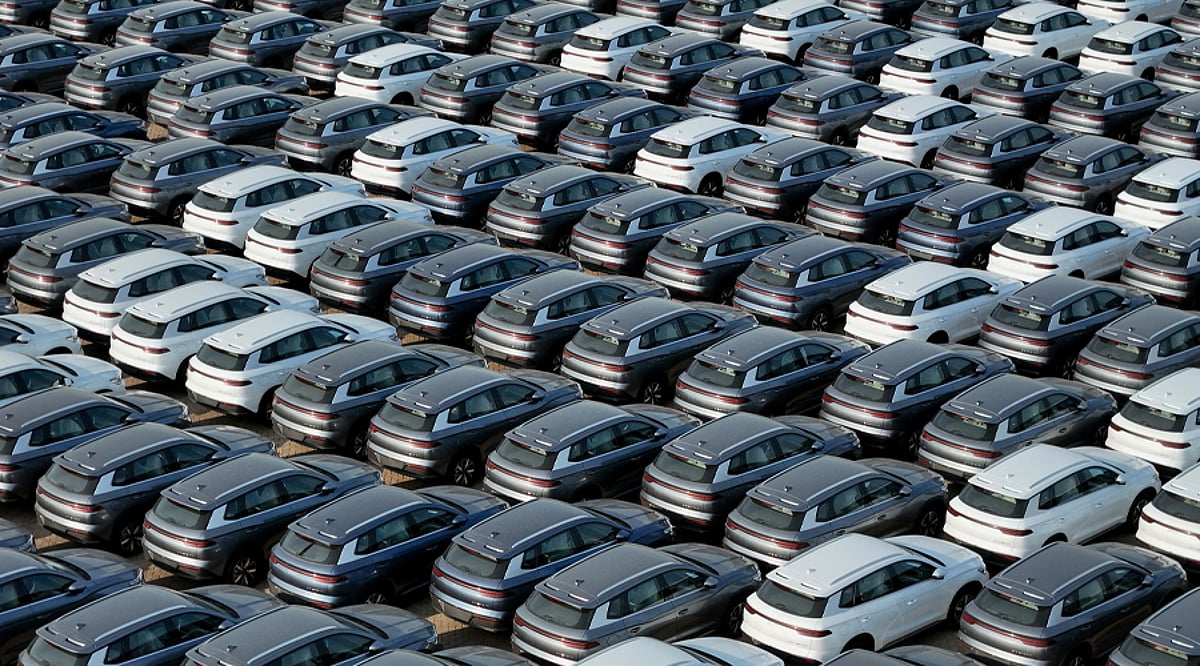
Chinese electric vehicles have been turning heads with price tags that undercut comparable Western models by a wide margin. While government subsidies are often cited as the main reason, the real picture is more complex. A mix of battery economics, manufacturing scale, vertical integration, and a highly localized supply chain has allowed Chinese automakers to keep production costs remarkably low.
Battery Costs Play a Decisive Role
Battery prices are one of the biggest factors in the final price of an EV. According to the International Energy Agency (IEA), average battery-cell prices in China were more than 20% lower than in the United States and over 30% lower than in Europe. China’s enormous scale, mature supply chains, and widespread adoption of LFP (lithium iron phosphate) technology help explain this significant cost gap.
Massive Production Scale Drives Efficiency
Chinese manufacturers have produced EVs and batteries at volumes far beyond their global rivals. Higher production volumes lead to greater experience, better factory efficiency, and lower per-unit costs. The IEA notes that by 2024, China had produced more than six times as many EV batteries as the United States and Europe combined.
Vertical Integration Reduces Reliance on Suppliers
Many Chinese EV makers control far more of their production process than Western automakers. By localizing supply chains and vertically integrating key stages of manufacturing, they reduce dependence on outside suppliers. That control translates directly into lower component costs, tighter production schedules, and the ability to price vehicles very aggressively.
Government Support Contributes, but Only Partly
Chinese EV manufacturers have benefited from subsidies, grants, loans, and favorable access to land. Domestic buyers have also enjoyed policies such as vehicle purchase-tax exemptions. However, research cited by BGR suggests subsidies explain only a portion of the price difference. Structural advantages are doing most of the heavy lifting.
Lower Manufacturing and Operating Costs
Labor costs and operational efficiencies also matter. Many Chinese EV companies concentrate their manufacturing and sales within China’s highly developed domestic ecosystem. This localized approach reduces the overhead associated with globally distributed production networks and complex supply chains.
More Than Just Cheap Cars
The price advantage of Chinese EVs is not the result of a single factor. It comes from the combined effect of cheaper batteries, massive scale, tight supply-chain control, manufacturing efficiency, and government support. As Chinese automakers expand internationally, these structural cost advantages are becoming a central challenge for established carmakers worldwide.
Leave a Reply