Tag: battery health

  • EV Battery Health: The New Decisive Factor in Used Car Pricing

    EV Battery Health: The New Decisive Factor in Used Car Pricing

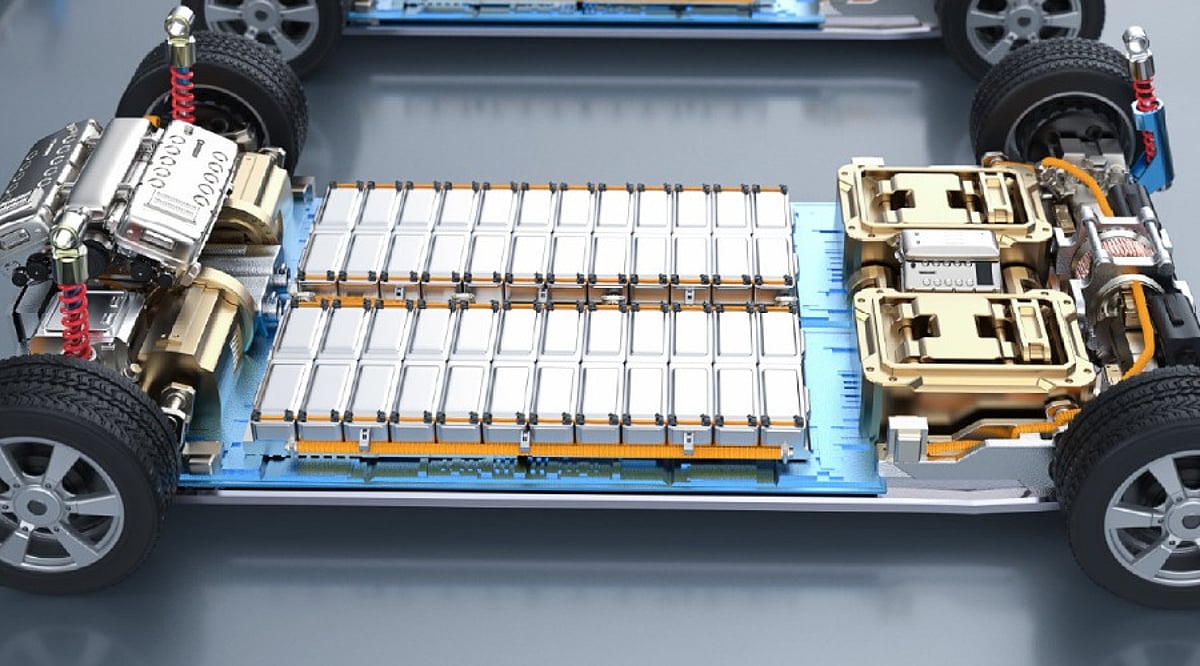
    Battery health is emerging as a critical determinant of used electric vehicle (EV) prices, with State of Health (SoH), warranty coverage, and independent battery reports influencing buyer confidence and resale value.

    Key Takeaways

    • Battery State of Health could become as important as mileage when dealers set used-EV prices.
    • Independent battery reports reduce uncertainty and help buyers assess a vehicle’s true condition.
    • Warranty coverage may support resale value by alleviating concerns about future battery costs.

    A three-year-old EV can look perfect on paper yet face a sharp price cut if the battery has poor health. While age, mileage, accident history, and service records still matter, battery condition now adds another major layer to used-EV valuation. Two cars with the same age and mileage may carry very different prices if one has a strong battery and the other shows clear capacity loss.

    The issue goes beyond battery life. Used-car buyers cannot easily see the battery’s SoH from a normal inspection. That gap creates uncertainty around range, future repair costs, and long-term value. As more early EVs enter the used-car market, battery health could become one of the most important numbers on a vehicle report. The wider market already shows signs of this shift.

    Battery Health Can Change the Value of an EV

    A petrol or diesel car typically gets a value estimate from familiar factors such as age, mileage, service records, and accident history. An EV needs another measure. Battery SoH shows how much of the original usable battery capacity remains.

    Recent data from Aviloo, based on more than 500,000 battery tests, found that most used EVs retain about 87% to 94% of their original usable capacity after 150,000 km. The results also show clear differences across models. Battery size, climate, driving habits, and charging patterns affect the rate of capacity loss.

    That data challenges a common fear around old EVs. An older battery does not always mean a weak battery. The bigger concern comes from an EV with no reliable battery record. A healthy battery with a verified report can offer far more confidence than a similar car with an unknown history.

    The SoH Number Still Needs Trust

    Battery health data helps buyers, but the number itself requires careful checks. A 2026 study of 1,114 EVs across five manufacturers found major gaps between actual battery capacity and SoH figures reported by battery management systems. The research raises concerns about using one reported figure as a universal measure of battery condition.

    That issue could shape the next stage of the used-EV market. A simple dashboard figure may not offer enough detail for a major purchase. An independent battery report could instead show usable capacity, cell balance, past thermal events, fast-charge exposure, and expected battery life.

    Such reports could eventually gain a role similar to a vehicle history report. A strong and trusted battery certificate could help separate a high-quality used EV from a risky example.

    India Needs Better Battery Price Signals

    India’s used-EV market now faces this issue at a critical stage. Autocar India’s 2026 used-car study covered more than 11,000 transactions across nine cities and identified battery concerns as a key reason for the lack of clear resale benchmarks for EVs.

    The market has already started to respond. In July 2026, JSW MG Motor India and Spinny announced a certified pre-owned EV program. The program includes EV-specific checks, a standard battery-health assessment, OEM warranty continuity, and a 200-point inspection.

    That move matters for resale prices. A certified battery check reduces uncertainty at the point of sale. It also helps sellers prove that a used EV has a healthy battery rather than relying only on age and mileage.

    Warranty Could Protect Resale Value

    Battery warranty may also become a major part of used-EV value. A car with several years of battery cover left can look safer than a similar vehicle near the end of its warranty period.

    Recent research from Strategy& found that battery warranty ranked as the strongest incentive for used-EV consideration, with 91% of APAC respondents selecting it. Dealer certification of battery SoH also ranked among the major factors that could improve buyer confidence.

    This trend could create a clear price gap between similar cars. A three-year-old EV with 95% SoH and strong warranty cover could command a premium. A similar car with 88% SoH may attract a normal market price, while a car with 75% SoH could face a much deeper discount. An EV with no reliable battery data may also lose value simply from uncertainty.

    Better Battery Data Could Change Depreciation

    The most important shift may not come from faster battery degradation. Better battery data could change how the market treats degradation.

    Some luxury EVs have already faced very steep depreciation. Barron’s reported that certain used Audi e-tron and Tesla Model S examples lost more than 70% of their original value. Rapid technology changes, higher supply, and battery concerns all contribute to weak resale prices in parts of the market.

    A trusted battery report could change that pattern. Strong batteries could hold more value, while genuinely weak batteries could face larger discounts. The used-EV market may therefore move toward a system where battery health directly shapes the price rather than remain a hidden technical detail.

    The next major step could come from banks, insurers, dealers, and automakers. If battery health starts to affect loan values, insurance terms, warranty extensions, and resale guarantees, SoH could become almost as important as mileage. At that point, the battery certificate may become one of the most valuable documents attached to a used EV.

    FAQs

    1. Why does battery health matter for used EVs?
      Battery health affects the vehicle’s usable range, future reliability, and overall resale value.
    2. What does State of Health mean?
      State of Health, or SoH, shows how much usable battery capacity remains compared with the original capacity.
    3. Can two EVs with the same mileage have different values?
      Yes. Different battery conditions can create a major price gap between otherwise similar vehicles.
    4. Does battery warranty affect resale value?
      Yes. Remaining battery warranty can give buyers greater confidence and reduce concerns about expensive future repairs.
    5. Will battery reports become standard for used EVs?
      The market is moving toward clearer battery checks, although a single universal standard has not yet emerged.
  • Why Smartphones Charge Fast at First and Slow Down Near 80%

    Why Smartphones Charge Fast at First and Slow Down Near 80%

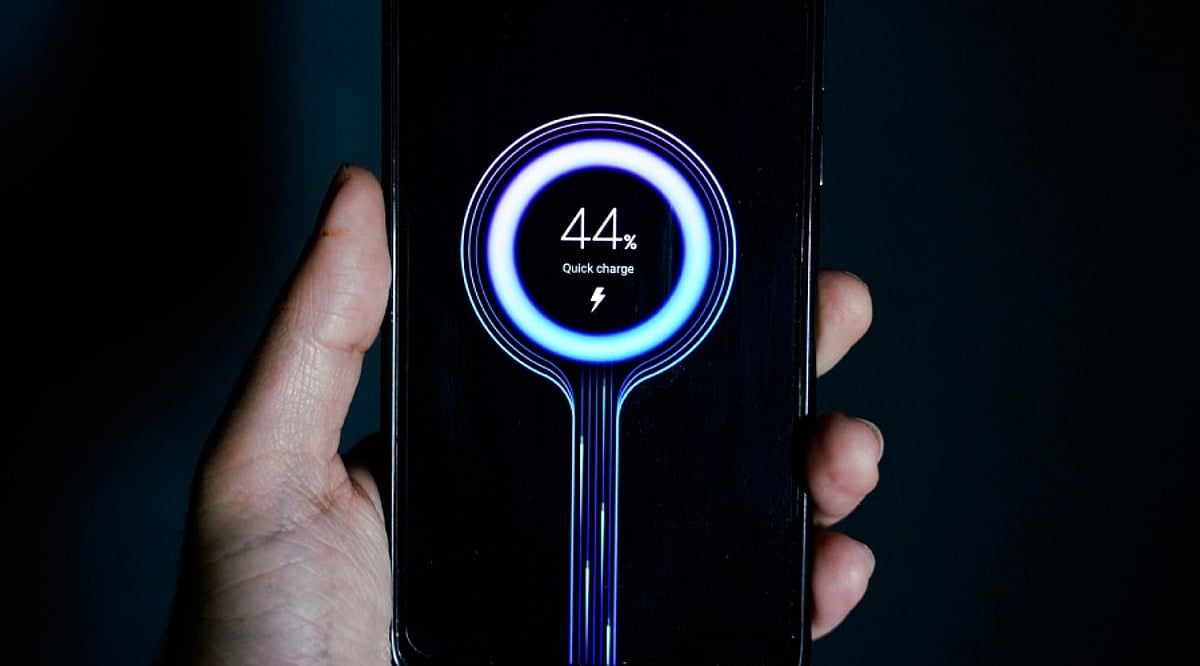
    Fast charging peaks early, then tapers near 80% as batteries approach their voltage limit. The slowdown reflects deliberate engineering, not a fault. Peak wattage rarely tells the full story. Brands like OnePlus, Samsung, Xiaomi, and Apple each balance speed against battery longevity differently.

    Fast charging is not constant. It runs hardest early and tapers as the battery fills, a pattern rooted in lithium-ion chemistry, not a flaw. The 80% slowdown is common but not fixed. The point where the curve turns conservative varies by phone, battery design, and temperature. Advertised wattage numbers describe a peak, not the average speed across a full charge, and real examples from major brands show why that gap matters.

    A phone does not charge at one steady speed. It pushes hard early, while the battery can take it, then pulls back near the top. That is why 50% can arrive in minutes, while the last 20% takes far longer. The slowdown is not weakness—it is the system managing power without adding extra heat or stress.

    The Battery Is Not a Simple Container

    Lithium-ion cells store energy by moving lithium ions between two electrodes through a liquid electrolyte. Charging pushes these ions in one direction. That movement generates heat on its own. Faster ion movement builds more heat, and repeated heat exposure wears down the electrode material over time. Every charging system balances speed against long-term battery health.

    How Fast Charging Pushes More Power Early

    A fast charger communicates with the phone’s charging system to set an appropriate voltage and current level. The phone then decides how much of that available power actually reaches the battery. Early in the cycle, the battery can generally accept higher power without reaching its upper voltage limit. The controller uses this room to push more energy in fast. This is why the first stretch of charging feels dramatic. The Redmi Note 14 Pro Plus supports 120W HyperCharge and filled its 5,110 mAh battery in 21 minutes during independent lab testing by GSMArena. That result shows how much charge can land in a short early window.

    Why Charging Slows Near 80%

    Charging happens in two stages. First comes a fast stage where the charger sends a strong, steady current. Then comes a slower stage where the charger holds the voltage steady instead. As the battery fills up, it gets closer to its top voltage limit. At that point, it cannot safely take in as much current. The system starts to ease off by lowering the current while keeping the voltage close to its target. This change does not happen all at once. Your phone does not simply turn off fast charging the moment it hits 80%. The drop in power happens smoothly over time. This is why 80% feels less like a hard stop and more like the point where charging starts to slow down and play it safe.

    Why 80% Is Not a Fixed Number

    Not every phone slows down at the same point. Some phones start tapering off earlier than others. Some keep up higher speeds for a longer stretch. This difference comes from the battery’s chemistry, the way the cells are built, and how the manufacturer tunes the charging software. Heat plays a role too, separate from the charge level shown on screen. A phone that warms up while charging, whether from a hot room or from apps running in the background, may see its charging speed drop no matter how full the battery already is.

    How Different Brands Handle It

    Each company takes its own approach to this problem. OnePlus pushes high power early in the charging cycle with its SuperVOOC system, seen in phones like the OnePlus 12. Samsung takes a calmer approach with its 45W charging. The Galaxy S24 Ultra reaches about 65% charge in 30 minutes, based on the company’s own test results. Xiaomi uses dual-cell and multi-cell batteries in its HyperCharge lineup. This design spreads out the load, which helps manage current, voltage, and heat while keeping power high for a longer stretch. Apple goes a different route entirely. Its iPhones charge at fairly modest speeds compared to many Android rivals. Instead, the Optimized Battery Charging feature slows down the final stretch when it senses the phone will stay plugged in for a while.

    Peak Wattage Is Not the Same as Charging Speed

    Marketing tends to skip this part: peak wattage is a snapshot, not a measure of the full session. A phone paired with a high-wattage charger does not draw that output from zero to full. It touches that peak briefly, then pulls back as voltage rises, temperature shifts, or the battery nears its limit. Two phones with matching wattage ratings can still charge at different real speeds, since each sustains its peak for a different length of time. Comparison charts rarely mention this, yet it explains more about real charging performance than the headline number ever will.

    What This Means for Battery Health

    Anyone who does not need a full battery every day can stop charging below 100% to cut down time spent at a high state of charge. Many phones already build this kind of management into their software, rather than leaving the choice entirely to the user. The point is not to avoid fast charging—it is to avoid unnecessary heat and long stretches near full charge.

    Final Thought

    The slowdown near 80% is not proof that fast charging has stopped working. It marks the point where a phone shifts its priority from raw speed to control. Early on, the battery accepts power quickly. Near its limit, the system pulls back current, manages heat, and finishes the job with care. Peak wattage only tells part of that story. The full charging curve, not the number printed on the charger box, is what actually shapes the experience.

  • iPhone Battery Replacement Guide: Costs, Warning Signs, and When to Replace

    iPhone Battery Replacement Guide: Costs, Warning Signs, and When to Replace

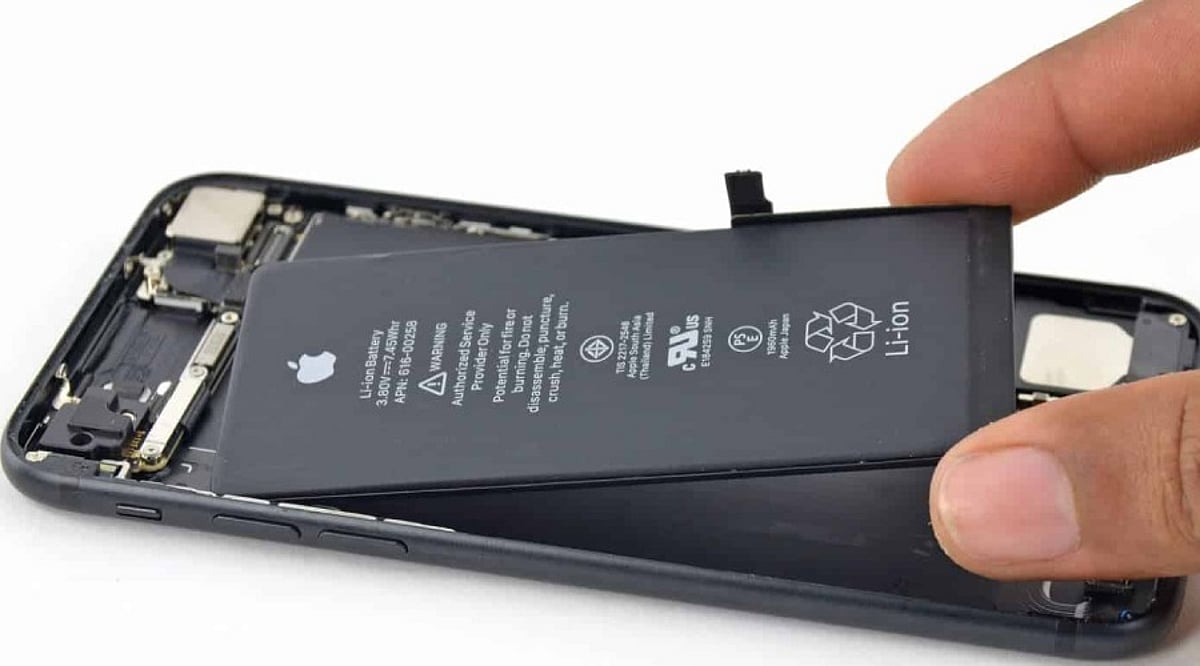
    An iPhone battery naturally loses strength over time. Every full charge cycle reduces a small part of its original capacity. Apple designs many iPhone batteries to retain up to 80% of their original capacity after a certain number of charge cycles, with newer models offering improved cycle durability.

    Many people assume a slow phone always needs an upgrade. In reality, a fresh battery often restores better speed and longer battery life. A battery replacement costs much less than a new iPhone, making it a practical solution for most users.

    How Much Does iPhone Battery Replacement Cost?

    Battery replacement charges depend on the iPhone model. Apple and Apple Authorized Service Providers offer genuine battery replacements with compatible parts and proper testing.

    Current battery replacement prices in India start at around Rs. 5,900 for models such as the iPhone SE (3rd generation), iPhone 11, iPhone 12, and iPhone 13 series. The iPhone 14, iPhone 15, and iPhone 16 series usually cost around Rs. 8,500 for battery service. Taxes or additional service charges may apply at some service centers.

    A genuine Apple battery supports accurate battery health reports, reliable performance, and safety standards. It also works smoothly with iOS features that monitor battery condition over time.

    The Best Time for a Battery Replacement

    Apple regards 80% of maximum battery capacity as an important threshold for battery service. Many users notice a decrease in battery performance when the battery health drops below this level. The device may need extra charging several times throughout the day, and overall performance may slow down.

    In the Battery Health settings menu, you can find the maximum capacity figure. This section also shows an alert message if battery service is needed. Replacing the battery in due time extends the phone’s service life and avoids unnecessary expenses for a new device.

    Clear Signs That Show the Battery Needs Replacement

    A defective battery usually shows several detectable symptoms in everyday use:

    • Frequent power drops even after charging to 100%.
    • Simple tasks like calls, web browsing, or social media drain the battery before sunset.
    • Sudden shutdowns despite having a decent charge left.
    • Heavy usage like gaming, photography, or video editing drains the battery too fast, sometimes causing repeated restarts.
    • Slower app performance and delayed camera response.

    Apple includes power management systems to cope when the battery cannot deliver enough energy for the phone.

    A Swollen Battery Needs Immediate Attention

    A swollen battery requires immediate service. It can push the display upward or create a gap between the screen and the frame. The phone may rock on a flat surface instead of sitting evenly. A swollen lithium-ion battery creates a safety risk and can damage internal parts. Professional service is the safest option.

    How Long Does an iPhone Battery Last?

    Battery life depends on charging habits, daily use, screen time, and overall device care:

    • Light use: 4–5 years
    • Average use: 3–4 years
    • Heavy daily use: 2–3 years

    Modern iPhones include battery management features that protect long-term health. Even so, every rechargeable battery slowly loses capacity over time.

    Replace the Battery or Buy a New Phone?

    A battery replacement is advantageous when the phone still offers good camera quality, sufficient storage, and works well for daily tasks. Replacing the battery extends battery life and restores normal function without the cost of a new device.

    Apple recommends battery replacement when health drops below 80%. Buying a new phone makes more sense if the device has outdated hardware, limited storage, or no longer receives software updates.

    Why This Matters

    A healthy iPhone battery keeps the device reliable every day. Strong battery health supports longer use, stable performance, and fewer charging breaks. Early battery replacement saves money, extends the phone’s life, and reduces the need for an expensive upgrade before it becomes necessary.

    Final Thoughts

    An iPhone is powered by a healthy battery. If maximum capacity falls below 80%, battery service should be considered. The average lifespan of the battery is roughly 500 complete charge cycles. Battery replacement prices in India range from Rs. 5,900 to Rs. 8,500 depending on the model. Timely servicing ensures continuous and safe performance.

    FAQs

    How do I check my iPhone battery health?

    Go to Settings > Battery > Battery Health & Charging to view the Maximum Capacity and any service recommendations.

    How much does iPhone battery replacement cost in India?

    Battery replacement generally costs Rs. 5,900 for older supported models and around Rs. 8,500 for newer models like the iPhone 14, 15, and 16 series.

    When should I replace my iPhone battery?

    Apple recommends considering battery service when the maximum capacity falls below 80% or if you experience rapid battery drain, unexpected shutdowns, or performance issues.

    How long does an iPhone battery typically last?

    Most iPhone batteries retain around 80% of their original capacity after approximately 500 complete charge cycles, which usually equals 2–5 years depending on usage.

    Is it better to replace the battery or buy a new iPhone?

    If your iPhone still performs well and receives iOS updates, replacing the battery is usually the more affordable option. Consider upgrading only if the device no longer meets your performance, software, or storage needs.

  • 7 Smartphone Charging Habits That Are Slowly Destroying Your Battery

    7 Smartphone Charging Habits That Are Slowly Destroying Your Battery

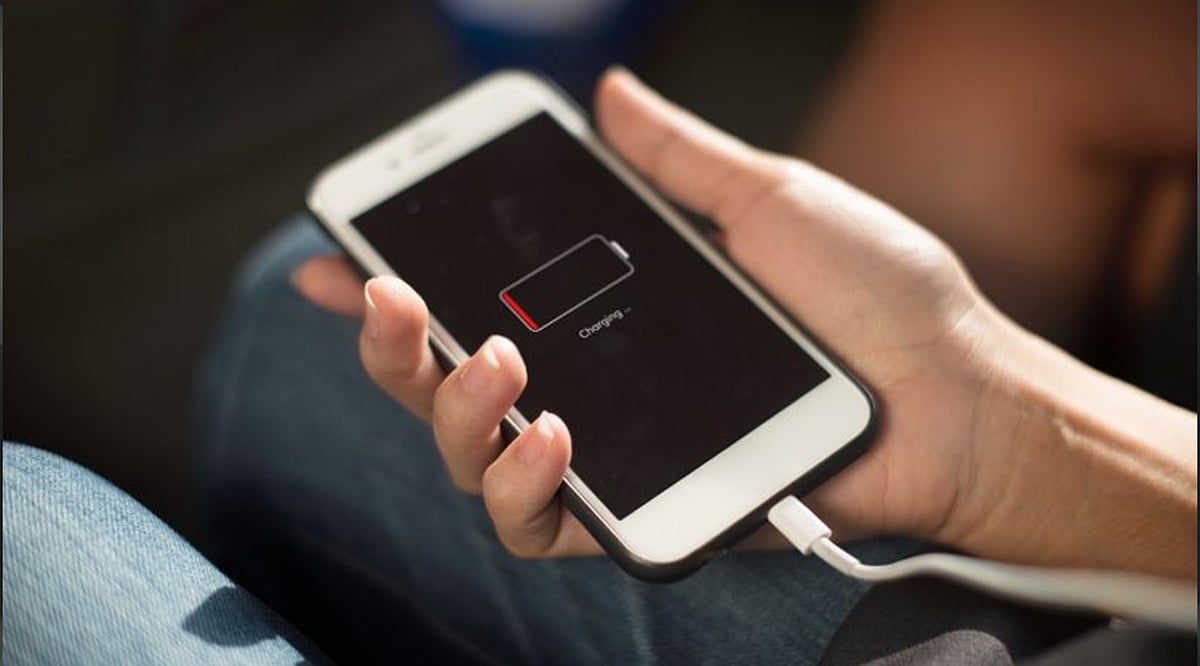
    Your smartphone battery is built to last for years, but everyday charging habits can dramatically shorten its lifespan. Many users unknowingly expose their batteries to excessive heat, voltage stress, and unnecessary wear. By steering clear of these common mistakes, you can keep your phone running efficiently and preserve its battery health well into the future.

    1. Charging Overnight Every Night

    Plugging in your phone before bed may be convenient, but keeping the battery at 100% for hours on end creates long-term stress. While modern phones include smart charging features that slow the top-up near full, making overnight charging a daily routine still contributes to gradual capacity loss.

    2. Letting the Battery Drain to Zero

    Old nickel-based battery advice led many to believe a full discharge was necessary. Lithium-ion batteries, however, suffer under deep discharges. Frequently hitting 0% strains the cells. For optimal health, charge when the level drops to around 20% and unplug before it reaches 100%.

    3. Using Cheap or Uncertified Chargers

    Not all chargers meet safety standards. Low-quality or counterfeit adapters can deliver unstable voltage, causing overheating and slower charging. Over time, they can permanently damage the battery. Always stick with the original charger or a certified replacement from a trusted brand.

    4. Gaming or Streaming While Fast Charging

    Playing graphics-intensive games, watching videos, or multitasking during a charge generates extra heat. Combined with fast charging, the temperature spike accelerates battery degradation. Let your phone rest while it charges to keep temperatures in check.

    5. Charging in Hot Environments

    Heat is a battery’s worst enemy. Charging your device in direct sunlight, inside a parked car, or under a pillow traps heat and raises the risk of overheating. Place your phone on a hard, cool surface with good airflow while it charges.

    6. Keeping the Battery at 100% All the Time

    Topping up to full repeatedly during the day may seem harmless, but lithium-ion cells experience stress at high charge levels. If your routine allows, maintaining a charge between 20% and 80% can significantly slow aging and preserve long-term performance.

    7. Ignoring Software and Battery Health Updates

    Software updates often include improvements to battery optimization, charging efficiency, and thermal management. Skipping them can prevent your device from performing its best. Regularly check your phone’s battery health settings to catch early signs of wear.

    Adopting these simple changes can help your smartphone battery stay healthy for years, saving you the cost and hassle of an early replacement.