Tag: Binance

  • The Essential 2026 Crypto App Guide: What to Know Before You Download

    The Essential 2026 Crypto App Guide: What to Know Before You Download

    Choosing the right crypto app can make or break your investment experience. Before you download any app in 2026, take a moment to understand what each platform offers and the common pitfalls to avoid. This guide breaks down the top crypto exchanges and key security practices every investor should follow.

    Top Crypto Apps for 2026

    Coinbase – Ideal for beginners with a simple interface, strong security, and support for hundreds of cryptocurrencies.

    Binance – Perfect for experienced traders offering advanced tools, low fees, and an extensive selection of coins.

    Kraken – One of the most secure crypto exchanges, combining advanced trading features with regulatory compliance.

    Crypto.com – An all-in-one ecosystem for crypto trading, rewards, and Visa cards, designed for comprehensive digital asset management.

    Bybit – Popular among derivatives traders thanks to high liquidity and advanced charting tools.

    Gemini – A security-focused exchange known for regulatory compliance and institutional-grade protection.

    Key Features to Check

    Always compare security protocols, supported coins, transaction fees, customer support quality, and withdrawal options before committing to any app.

    Common Mistakes to Avoid

    Ignoring security settings, using weak passwords, and skipping two-factor authentication are the most frequent errors that lead to serious losses. Take the time to set up proper protections from day one.

    By following this guide, you can avoid costly mistakes and choose the crypto app that best fits your needs in 2026.

  • Best Crypto Exchanges of July 2026: Binance, Coinbase, Kraken Lead Rankings

    Best Crypto Exchanges of July 2026: Binance, Coinbase, Kraken Lead Rankings

    Cryptocurrency exchanges are the backbone of the digital asset market, enabling users to buy, sell, and store coins like Bitcoin and Ethereum. As of July 2026, the top platforms are evaluated on security, liquidity, trust, transparency, and trading volume. Here are the leading exchanges ranked for the month.

    Key Takeaways

    • Binance dominates with the highest market share, liquidity, and trading volume worldwide.
    • Coinbase and Kraken stand out for regulatory compliance, security, and investor trust.
    • Features, fees, security, and supported assets remain the biggest factors when choosing an exchange.

    Top Cryptocurrency Exchanges of July 2026

    1. Binance

    Binance retains its position as the world’s largest cryptocurrency exchange, commanding the majority market share and futures trading volumes. It supports hundreds of cryptocurrencies and offers staking, savings, launchpads, and a Web3 wallet. Its deep liquidity minimizes price impact on large trades, and low fees attract both retail and institutional investors. Despite regulatory hurdles in some countries, Binance remains dominant globally.

    2. Coinbase

    Coinbase ranks second, known for strict regulatory compliance, high security, and transparent practices. It offers an intuitive interface for beginners and advanced tools via Coinbase Advanced. Institutional investors trust its custody services and secure infrastructure, making it one of the most respected names in crypto.

    3. Kraken

    Kraken takes third place, praised for excellent security and transparent operations. Proof of reserves, strong customer protection, and reliable services have built long-term trust. It’s a top choice for security-conscious traders.

    4. Bybit

    Bybit secures fourth place, excelling in futures and derivatives trading. Fast order execution, copy trading, and professional tools attract experienced traders. Continued growth has made it a close competitor to the biggest exchanges.

    5. OKX

    OKX claims fifth, offering decentralized finance services, NFTs, a Web3 wallet, and blockchain apps. Its broad ecosystem and advanced financial products like futures and options keep it competitive.

    6. MEXC

    MEXC ranks sixth, often listing newly launched digital assets before larger exchanges. Competitive fees and broad market access attract active traders seeking new opportunities.

    7. Gate

    Gate takes seventh, supporting thousands of cryptocurrencies and early-stage blockchain projects. Its wide selection appeals to investors looking beyond major coins.

    8. Crypto.com Exchange

    Crypto.com Exchange ranks eighth, with a complete ecosystem including trading, staking, payment cards, and a mobile app, fostering a loyal global customer base.

    9. HTX

    HTX remains strong in Asian markets, ranking ninth with high trading activity and a broad selection of cryptocurrencies and futures products.

    10. KuCoin

    KuCoin rounds out the top ten, known for its large collection of digital assets and quick access to new projects, attracting traders seeking early opportunities.

    Market Share: Binance’s Strong Lead

    Binance dominates with an estimated 39.2% market share. Bybit follows at 9%, MEXC at 8%, Crypto.com at 7%, and Coinbase and OKX each hold about 6%. The rest is split among smaller exchanges.

    Trust Scores Highlight Reliable Platforms

    Coinbase, Binance, and Kraken receive the highest trust scores from CoinGecko, based on liquidity, cybersecurity, trading activity, transparency, API quality, and proof of reserves. High trust scores indicate strong security and customer confidence.

    Final Thoughts

    Leading exchanges have consolidated their positions in July 2026. Binance remains top due to liquidity and volume. Coinbase and Kraken excel in security and regulation. Bybit and OKX leverage trading tools and blockchain capabilities. MEXC, Gate, Crypto.com, HTX, and KuCoin maintain strength with diverse assets. Security, liquidity, trust, transparency, and market forces continue to define success in the crypto exchange industry.

    FAQs

    1. Which is the largest cryptocurrency exchange in July 2026?
    Binance remains the world’s largest by trading volume and market share.

    2. Which exchange is considered the most beginner-friendly?
    Coinbase is widely regarded as one of the easiest and safest platforms for beginners.

    3. Which exchanges offer the best security?
    Coinbase, Binance, and Kraken consistently receive high trust scores for security and transparency.

    4. Which exchange lists the most new cryptocurrencies?
    MEXC and Gate are known for listing a wide variety of new and emerging crypto projects.

    5. What should users consider before choosing an exchange?
    Compare security, liquidity, fees, supported assets, regulatory compliance, and available trading features.

  • Dogecoin Gains 2% as $1.2 Billion Exits Binance Memecoin Market Amid Cooling Inflation

    Dogecoin Gains 2% as $1.2 Billion Exits Binance Memecoin Market Amid Cooling Inflation

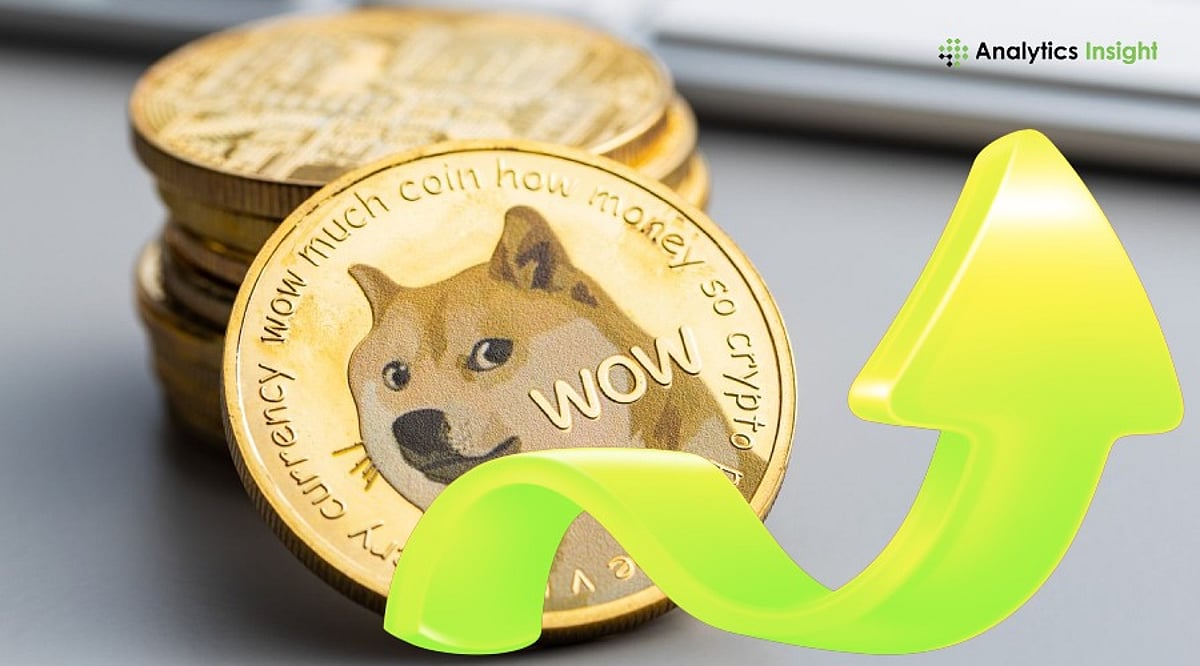
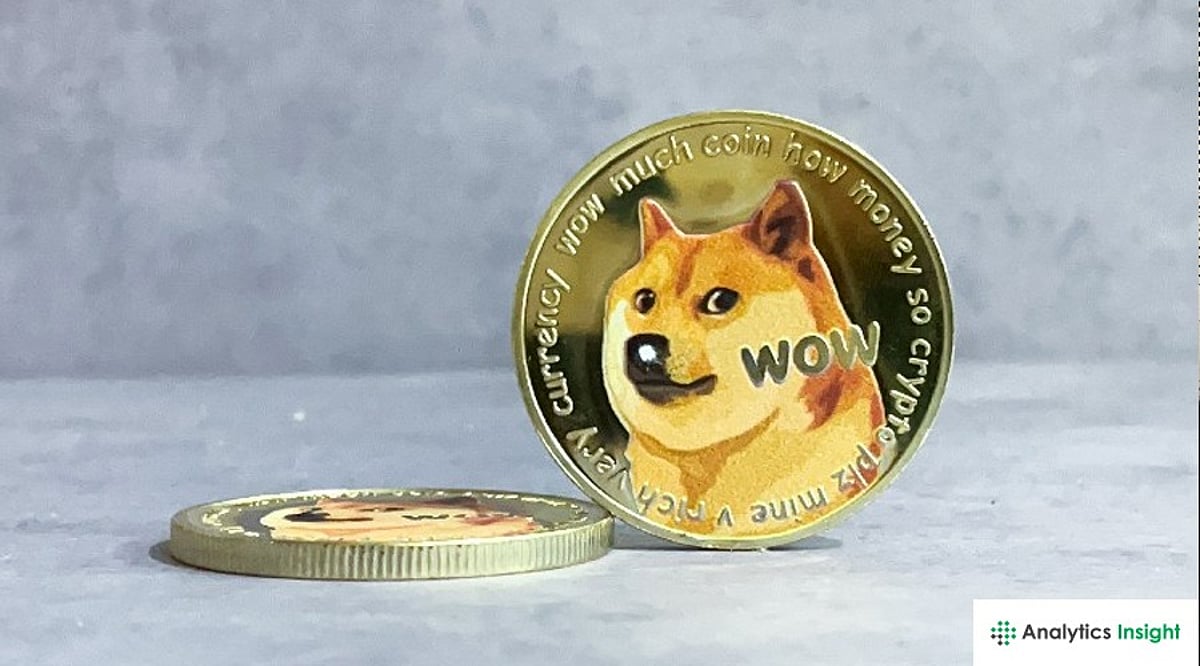
    Dogecoin (DOGE) has shown renewed strength, posting a modest price increase even as $1.2 billion in memecoins flowed out of Binance. The gain comes after lower-than-expected U.S. inflation data lifted sentiment across the cryptocurrency market, though traders remain cautious about the beleaguered memecoin sector.

    Binance Records $1.2 Billion in Memecoin Outflows

    Data from Binance reveals steady selling pressure on memecoins since Bitcoin’s peak in October 2025. Rather than a single sell-off, the market has experienced months of continuous exits, pushing billions out of popular meme-based cryptocurrencies. Dogecoin has not been immune: from its October 2025 high near $0.26, the coin has shed almost 73% of its value.

    The downturn has hit nearly every major memecoin. Shiba Inu has fallen roughly 69%, Pepe has dropped about 78%, and Bonk has plunged nearly 86% from its all-time high. These figures underscore how quickly investors flee highly speculative assets when confidence wanes.

    Inflation Data Provides a Tailwind

    The recent boost for Dogecoin followed the release of U.S. inflation figures that came in below economist expectations. Lower inflation often raises hopes that interest rates may not stay elevated for long, encouraging traders to return to riskier assets like cryptocurrencies. This shift in mood helped Bitcoin recover, and Dogecoin followed suit with a gain of just over 2%.

    Dogecoin Holds Key Support Level

    After months of pressure, Dogecoin has managed to stay above the $0.07 level multiple times. Each time the price approached this area, buyers stepped in to prevent a deeper decline. Market experts view this support as a sign that demand still exists despite prolonged selling. However, analysts caution that a single small rally does not confirm a full market turnaround.

    Investor Caution Persists

    Despite Dogecoin’s slight recovery, the overall mood around memecoins remains cautious. The $1.2 billion outflow from Binance indicates many investors still prefer safer assets. Memecoins now account for only about 3.7% of the total altcoin market, down sharply from the previous bull run when they attracted massive retail interest. Many traders have shifted focus to Bitcoin, Ethereum, and blockchain projects with tangible products or services.

    Strong Trading Volume and Whale Activity

    Nevertheless, Dogecoin continues to attract substantial daily trading volume—over $550 million—and holds a market cap above $11.5 billion, making it one of the largest cryptocurrencies. Earlier this month, nearly 4 billion DOGE tokens (worth around $300 million) were transferred from Binance to an unknown wallet, fueling speculation that investors are moving tokens into private storage.

    Why This Matters

    Dogecoin’s resilience amid a massive memecoin exodus positions it as the market’s primary risk gauge. Its ability to rally on cooling inflation while competitors flounder signals that interest hasn’t completely evaporated despite a punishing bear cycle.

    What Could Happen Next

    Dogecoin’s next direction depends on several factors: Bitcoin must maintain its strength, inflation data must remain supportive, and buyers must return with stronger demand. If these conditions align, DOGE could extend its recovery.

  • Crypto Exchanges With the Strongest Liquidity in 2026

    Crypto Exchanges With the Strongest Liquidity in 2026

    Liquidity is a critical factor for traders who need to execute large orders without causing significant price movements. The following crypto exchanges are renowned for their deep order books, high trading volumes, and efficient execution. Each platform offers unique strengths, catering to both retail and institutional users.

    Binance

    Binance is one of the world’s largest crypto exchanges by trading activity and liquidity. Its deep order books allow users to execute large trades with lower price impact. The platform supports a wide range of cryptocurrencies and trading pairs, making it a preferred choice for global traders seeking high market depth and fast transactions.

    Coinbase

    Coinbase is among the most recognized cryptocurrency exchanges, especially in the US market. Its strong liquidity comes from a large user base and institutional participation. The platform focuses on regulatory compliance and provides access to major digital assets. Its advanced trading services help professional users manage larger transactions with improved market efficiency.

    Kraken

    Kraken has built a reputation for security, reliability, and strong liquidity across major cryptocurrency markets. The exchange offers deep trading pairs and supports professional trading features. Its focus on transparent operations and institutional services has helped it maintain a strong position among experienced traders looking for stable execution and competitive pricing.

    OKX

    OKX is a major global crypto exchange known for high trading volumes and broad asset support. Its deep liquidity helps traders access multiple markets with efficient order execution. The platform offers spot trading, derivatives, and other digital asset services, attracting both retail users and professional investors seeking advanced trading options.

    Bybit

    Bybit has grown rapidly in the crypto market with strong liquidity, particularly in derivatives trading. The exchange offers advanced trading tools and supports several major cryptocurrencies. Its high activity levels help traders execute orders quickly, while its platform features are designed for users looking for professional-grade trading experiences.

    Gemini

    Gemini is a regulated crypto exchange known for its focus on security and compliance. The platform provides reliable trading services with liquidity across major cryptocurrencies. Its strong reputation among institutional and individual investors comes from its emphasis on safety, transparent operations, and a structured approach to digital asset trading.

    This article was compiled from industry analysis and exchange data available as of July 2026.

  • XRP Faces Intensifying Selling Pressure as Binance Data Signals Weak Demand; Ripple CTO Defends College Sports Ads

    XRP Faces Intensifying Selling Pressure as Binance Data Signals Weak Demand; Ripple CTO Defends College Sports Ads

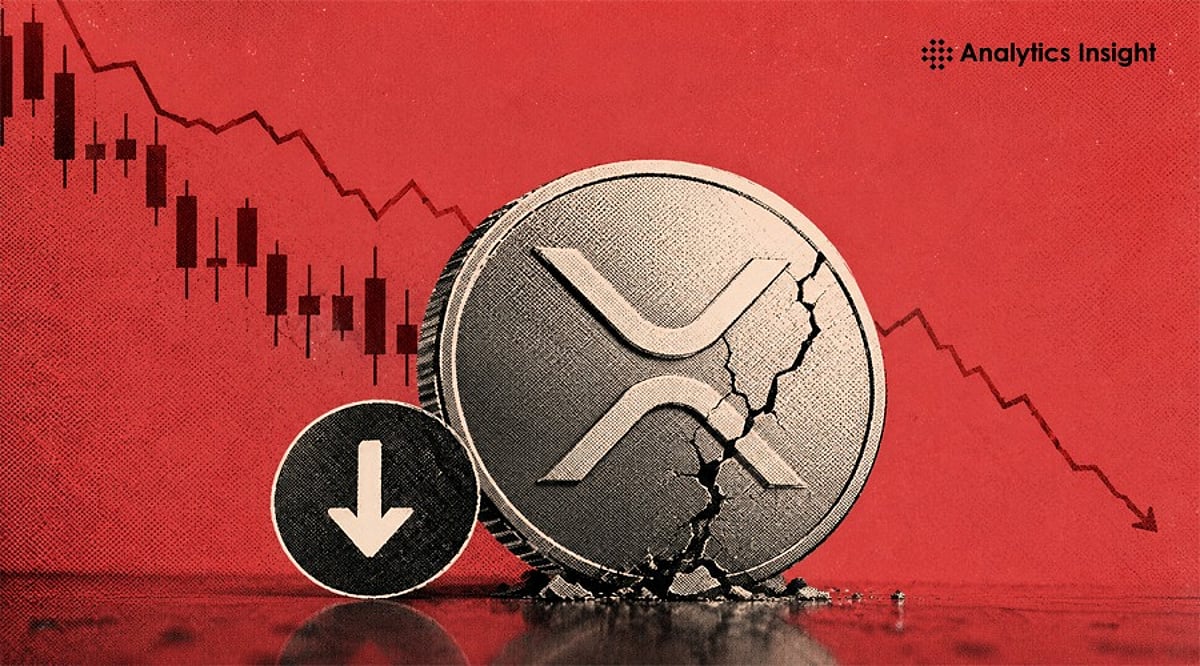
    XRP continues to face strong selling pressure, with Binance data pointing to subdued buying demand across the broader crypto market. Meanwhile, Ripple CTO Emeritus David Schwartz has publicly defended the company’s advertising campaign in college sports, arguing that truthful commercial speech for lawful products is protected under the First Amendment.

    Over the past week, XRP lost about 2% of its value, and its 30-day decline stands at roughly 2.5%. The token’s sideways movement mirrors similar price patterns seen in Ether and Solana, with analysts linking the weakness to wider crypto liquidity conditions that continue to favor sellers. Institutional capital has also moved away from several leading altcoins, adding to the pressure.

    Binance Data Reveals Weak XRP Buying Demand

    Data from CryptoQuant shows rising XRP sales across centralized exchanges, tracking trading activity and liquidity movements during a period of negative market sentiment. In particular, Binance’s Cumulative Volume Delta (CVD) has fallen to negative 6.93 million. The CVD metric compares buying and selling volume to assess which force dominates the market. A negative reading indicates that selling has exceeded buying, meaning XRP lacks the sustained demand needed to support a stronger price recovery.

    XRP previously traded above $3 before falling toward $1.10. It has also dropped from third to sixth place among cryptocurrencies ranked by market capitalization. While the token’s 30-day average has remained relatively stable, negative whale activity and retail exits have limited signs of a lasting bullish reversal. CryptoQuant analysts noted that continued negative CVD readings increase the likelihood of weak short-term momentum, while a sustained CVD recovery could signal fresh liquidity and renewed buying demand.

    Whale Activity Offers Mixed Signals

    Some large holders increased their XRP positions earlier this year. In May, wallets holding about 10 million XRP accumulated more tokens while smaller traders reduced their exposure. This suggests that whales absorbed coins sold by retail participants, a move that traders interpreted as a possible shift from consolidation toward market expansion. However, XRP failed to hold above a key support line, weakening its medium-term outlook despite earlier signs of a potential breakout.

    More recently, XRP spot activity on Binance turned positive. Weekly figures rose to $406 million after standing near $42 million in May. The token also posted double-digit gains during that period, following recoveries across several other altcoins, although broader selling pressure remained. Institutional participation remains central to XRP’s performance in the current quarter, and the text points to relatively improved macroeconomic conditions as a possible source of market support.

    Schwartz Defends XRP College Sports Advertising

    Separately, David Schwartz defended XRP advertising after critics questioned Ripple’s college sports sponsorships. The debate followed a partnership with the University of Kansas athletics program, a multi-year agreement that places XRP branding on university team uniforms. Critics compared the promotion with advertising linked to gambling, tobacco, and alcohol, arguing that universities should limit digital asset marketing aimed at students and younger sports audiences.

    Schwartz responded on July 15 via a post on X, focusing on legal protections for commercial speech rather than XRP’s investment prospects. He argued that governments cannot broadly suppress truthful advertising for lawful products, relying on First Amendment protections. Schwartz stated that officials cannot restrict truthful commercial speech simply because consumers may make poor but lawful decisions. He also separated regulation from advertising restrictions, noting that governments may regulate an activity without banning truthful speech about that lawful activity.

    What’s Next for XRP?

    XRP remains under pressure as negative Binance CVD data signals weak demand, while whale activity and institutional flows offer mixed support. Meanwhile, David Schwartz continues to defend lawful XRP advertising in college sports. Traders should watch liquidity trends and institutional participation for signs of renewed market strength.

  • The 10 Largest Crypto Holders in 2026: Institutions and Governments That Dominate

    The 10 Largest Crypto Holders in 2026: Institutions and Governments That Dominate

    As the cryptocurrency market matures, a handful of institutions, corporations, and even governments have amassed significant digital asset holdings. Here are the ten biggest crypto holders projected for 2026, based on current trends and public disclosures.

    • MicroStrategy: Still the world’s largest corporate Bitcoin holder, with a treasury aggressively built through continuous purchases.
    • BlackRock iShares Bitcoin Trust: One of the fastest-growing institutional Bitcoin investment funds, attracting massive capital inflows.
    • Grayscale Investments: Continues to manage billions of dollars in crypto assets across multiple trusts.
    • United States Government: Holds a significant amount of Bitcoin obtained through law enforcement seizures, making it one of the largest anonymous holders.
    • Binance: One of the world’s largest crypto exchanges, with substantial reserves held in its corporate treasury and cold wallets.
    • Tether Holdings: Maintains large Bitcoin reserves as part of its stablecoin backing, ensuring liquidity and stability.
    • Marathon Digital: A major Bitcoin mining company that has steadily expanded its treasury through mining rewards and direct purchases.
    • Galaxy Digital: An institutional crypto investment firm with extensive digital asset holdings across Bitcoin, Ethereum, and other cryptocurrencies.

    These entities represent the growing institutionalization of crypto, influencing market dynamics and liquidity. Their holdings are a key indicator of mainstream adoption and regulatory developments.

  • Sen. Elizabeth Warren Blasts UAE Chip Export Rule as ‘Corrupt’ Over Crypto-Linked Deal

    Sen. Elizabeth Warren Blasts UAE Chip Export Rule as ‘Corrupt’ Over Crypto-Linked Deal

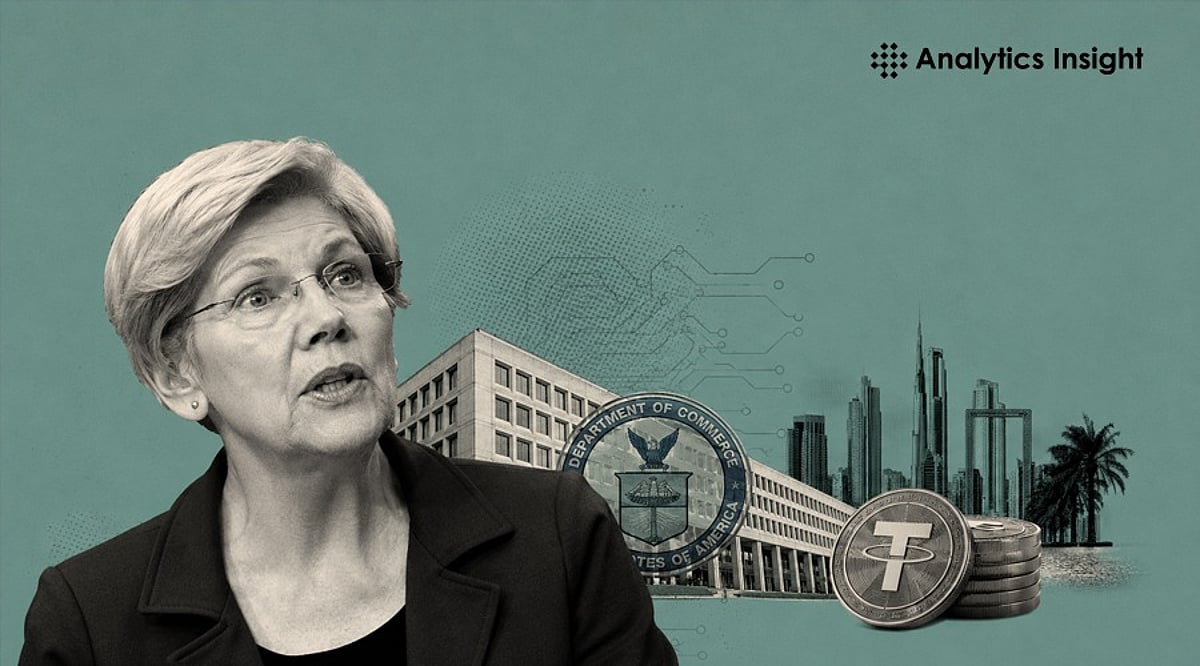
    Senator Elizabeth Warren has accused the Trump administration of granting favorable chip export treatment to United Arab Emirates companies tied to a disputed foreign crypto arrangement. Her criticism followed a Commerce Department rule that gives selected UAE entities easier access to advanced computing equipment.

    Commerce Eases UAE Chip Export Controls

    The Bureau of Industry and Security published the final rule in the Federal Register on July 14, taking effect on July 10. The measure removes the UAE from two restricted country groups and places it in Country Group A:5, opening access to more license exceptions. Under the change, UAE government agencies and named companies may receive certain advanced AI chips and servers without separate licenses. G42 and Core42 appear on the approved list. Amazon, Apple, Google, Meta, Microsoft, OpenAI, Oracle, and xAI also receive streamlined treatment for eligible operations in the UAE.

    Commerce said the policy supports military and commercial cooperation between Washington and Abu Dhabi, citing UAE trade controls, its regional security role, and a May 2025 technology framework. Existing end-user and end-use checks still apply to covered shipments.

    Warren Links Chip Rule to USD1 Stablecoin Deal

    Warren, the ranking Democrat on the Senate Banking Committee, called the arrangement a ‘corrupt deal.’ She said Commerce Secretary Howard Lutnick and Under Secretary Jeffrey Kessler should testify before the committee about the rule and related national security concerns. Her statement linked the policy change to UAE investments involving World Liberty Financial, a crypto company associated with Trump and members of his family. Warren cited reports that a UAE royal connected to G42 and MGX acquired a 49% interest in the business.

    MGX announced a $2 billion minority investment in Binance in March 2025. World Liberty co-founder Zach Witkoff later said MGX would settle the transaction with USD1, the company’s dollar-linked stablecoin. Warren also cited a reported $263 million gain for Trump linked to the wider UAE arrangement, presented as part of his reported crypto income.

    Security Questions Drive Hearing Calls

    Warren raised doubts about whether advanced US technology could reach China through UAE-linked entities. She said the policy moves forward ‘despite reported concerns’ about technology diversion and other security risks. Commerce has not accepted her claim that the rule reflects improper conduct.

    The final rule states that US officials will keep monitoring sensitive exports. BIS maintains an export-control officer in the UAE, while listed approvals do not cancel restrictions tied to prohibited users or uses. G42 and Core42’s current authorizations expire on April 6, 2027, unless BIS issues another notice.

    Meanwhile, Warren urged Senate committees to examine whether foreign crypto holdings influenced administration decisions. She also tied the dispute to pending cryptocurrency legislation, saying Congress should address presidential and family profits from digital assets before approving new rules. The Commerce Department based its decision on the UAE’s security partnership, technology safeguards, and investment ties with the United States. The published rule does not mention USD1, World Liberty Financial, or Trump family income.

  • Tech News Roundup: China’s 3D AI Chip, ONGC Recruitment, Binance Anniversary, and More

    Tech News Roundup: China’s 3D AI Chip, ONGC Recruitment, Binance Anniversary, and More

    Today’s Top Tech Stories

    Welcome to your quick tech briefing. Here are the most important updates from the worlds of AI, startups, careers, developer tools, and cryptocurrency.

    Chinese Startup Unveils 3D AI Chip Roadmap

    Dongfang Suanxin, a Chinese startup, has announced a new 3D AI chip roadmap designed to challenge Nvidia. By leveraging software-driven design and 3D memory stacking, the company aims to reduce reliance on advanced chipmaking tools that are restricted by US export controls.

    Ex-Netflix Founders Raise €7.2M for Payment Startup

    Amsterdam-based Nopan has secured €7.2 million to enhance the reliability of bank and wallet payments across Europe. Founded by two former Netflix payment experts, the startup helps merchants improve payment success rates and plans to expand its technology and European market presence.

    ONGC Graduate Trainee Recruitment 2026

    ONGC has released notification for Graduate Trainee Recruitment 2026, inviting applications from engineering and geoscience candidates. Online applications open July 17. Selection will be based on GATE 2026 scores, qualifications, and interviews. Details on salary and eligibility are available.

    Essential Git and Linux Skills for AI Learners

    A new guide highlights the importance of Git, Linux, Python, Conda, Docker, Jupyter, CUDA, and SSH for AI and data science professionals. Mastering these commands can help manage code, files, projects, and systems more efficiently, reduce errors, and improve collaboration.

    Binance Celebrates Ninth Anniversary with Strong Growth

    Binance marked its ninth anniversary, reporting that nearly half of all crypto holders use the exchange. The company announced a record $156 trillion in all-time trading volume and outlined its long-term vision to expand beyond crypto into broader financial services.

    Stay tuned for more updates on these stories throughout the day.

  • Dogecoin Price Eyes Breakout as $300M Whale Transfer From Binance Sparks Attention

    Dogecoin Price Eyes Breakout as $300M Whale Transfer From Binance Sparks Attention

    Dogecoin is holding near a crucial long-term support zone, with analysts closely watching whether the current structure can spark the next major market cycle. Meanwhile, a massive $300 million transfer of nearly 4 billion DOGE from Binance to an unidentified wallet has drawn fresh attention to whale activity.

    Market analysts have zeroed in on the support range between $0.05 and $0.07, which they believe is a key accumulation area. If buyers defend this level, the path could open for a fivefold recovery and a longer-term target above $4.20. One analyst, known as Don, noted that each previous major rally in Dogecoin began after an extended return to a similar support zone. The current price action resembles those historical patterns, leaving room for a significant advance if momentum shifts.

    Another analyst, polaris_xbt, emphasized that limit orders are positioned within the $0.05–$0.07 range, with the first resistance target at $0.15–$0.20 and a potential extension to $0.30–$0.35 if the recovery continues. However, a sustained break below $0.05 would weaken the accumulation structure and delay any bullish outlook.

    On the on-chain front, Whale Alert reported a transfer of approximately 4 billion DOGE from a Binance hot wallet to an external address, valued at nearly $300 million at current prices. The transaction carried a minimal network fee, suggesting a preference for speed over cost. Large exchange withdrawals often signal that major holders are moving assets to private wallets for long-term storage, or preparing for over-the-counter or institutional custody. The destination wallet remains unidentified, adding to market speculation.

    Recent whale activity has been increasing alongside broader strength in the meme coin sector. Data from CoinMarketCap shows that the top 1% of Dogecoin addresses control over 60% of the circulating supply, making large transfers a key factor for potential volatility. Traders are interpreting these outflows as possible accumulation, though the lack of clarity on the destination keeps the market cautious.

    As Dogecoin continues to trade above its critical support zone, all eyes remain on whether the $300 million whale transfer signals a shift in sentiment or simply a routine move. The coming days will be crucial for determining if DOGE can break out into a new cycle or if it will face further consolidation.

  • How Crypto Derivatives Drove $20.57 Trillion in Trading Volume in Q1 2026

    How Crypto Derivatives Drove $20.57 Trillion in Trading Volume in Q1 2026

    Despite a 22.30% drop in the combined cryptocurrency market cap from $2.96 trillion to $2.3 trillion in the first quarter of 2026, trading activity surged to a staggering $20.57 trillion. This massive capital turnover was driven not by retail spot buying but by an institutional pivot toward derivatives, which now command nearly 90% of total volume. The market has shifted from simple accumulation to complex hedging, yield strategies, and professional risk management.

    The Institutional Pivot to Complex Instruments

    Capital behavior in early 2026 confirms that sophisticated counterparties dictate price discovery. Over-the-counter data from Wintermute shows options notional trading grew 3.8x, and trade counts expanded 2.1x compared to early 2025. These metrics point to a decisive move toward systematic yield generation and structured execution rather than simple directional spot bets. Demand for capital-efficient exposure also pushed the number of CFD underlying tokens from 15 to 46 over the past year, indicating institutions are diversifying beyond major assets into broader markets.

    Operating in this environment requires highly reliable infrastructure. Large-scale execution naturally filters out venues with thin order books, forcing market makers and asset managers to operate where execution certainty is guaranteed. “As trading activity normalized in Q1, market structure became clearer: derivatives continued to lead price discovery, while liquidity consolidated on platforms able to support scale,” notes Binance Co-CEO Richard Teng. “In a lower-volume environment, Binance’s consistent leadership across both spot and perpetual markets reflects the value users place on deep liquidity and reliable execution.”

    Absorbing the ETF and Treasury Inflows

    The influx of structured capital helps explain the persistent demand for derivative instruments. According to Grayscale, spot crypto exchange-traded products have recorded net inflows of $87 billion since January 2024. As traditional funds enter the digital asset space, authorized participants and market makers must immediately hedge their massive exposures to maintain delta-neutral positions. Spot markets simply cannot support this level of sustained institutional hedging. These entities rely heavily on deep perpetual futures markets to manage risk efficiently.

    CryptoQuant data demonstrates this imbalance clearly: perpetual futures generated $3.5 trillion in monthly volume by the end of Q1, entirely surpassing the $0.8 trillion processed in spot markets. Derivatives act as the primary sponge for these massive institutional flows. Market makers facilitating ETF transactions or managing corporate treasury allocations use perpetual swaps and options to lock in pricing and minimize volatility exposure. The underlying market structure has fundamentally adapted to support traditional financial mechanics, moving the core of crypto trading permanently into the derivatives sector.

    Centralization of the $4.5 Trillion Surge

    As overall activity pulled back, liquidity became distinctly concentrated. Total centralized exchange trading volume cooled 48% from its October 2025 peak, settling at $4.3 trillion in March 2026. Rather than fragmenting during this slowdown, institutional volume clustered on the most liquid venues to minimize counterparty risks. Reporting from CoinGlass confirms this structural consolidation: Binance captured 34.9% of the Top 10 derivatives volume, processing roughly $4.90 trillion for the quarter.

    Looking specifically at the perpetual futures sector, Binance leads with $1.4 trillion in monthly volume, effectively doubling the $0.7 trillion handled by OKX. This concentration culminated in Binance recording a cumulative 2026 perpetual volume of $4.5 trillion by the end of March. This market share distribution is a direct result of institutional demand for deep, slippage-free order books. High-frequency trading systems and advanced hedging strategies break down on platforms lacking sufficient depth. Asset managers and proprietary trading firms direct capital toward venues that can consistently support large-scale derivative execution without compromising entry and exit pricing.

    The Future of Market Mechanics

    The first quarter of 2026 indicates a paradigm shift. The historical four-year cycle driven by retail spot accumulation has been replaced by steady, derivative-heavy institutional volume. As exchange-traded funds, corporate treasuries, and hedge funds become prominent market participants, their operational requirements command how the entire industry functions daily. Trading volume now favors efficiency and depth over speculative retail momentum. Strict risk protocols demand robust platforms. As the ecosystem matures, venues offering the deepest liquidity across futures, options, and spot markets will command the space regardless of underlying price action. Liquidity naturally begets liquidity. The infrastructure that successfully absorbs this institutional complexity will remain the primary engine of cryptocurrency price discovery moving forward.