Tag: blockchain security

  • Lost or Stolen Crypto? Here’s How to Attempt Recovery and Prevent Future Theft

    Lost or Stolen Crypto? Here’s How to Attempt Recovery and Prevent Future Theft

    Recovering lost or stolen cryptocurrency is difficult, but not always impossible. The first thing victims need to realize is that crypto transactions are typically irreversible. After Bitcoin, Ethereum, stablecoins, or tokens are removed from a wallet, there is no chargeback like with banks. Recovery depends on how quickly you react, whether the stolen funds can be traced, and whether they reach a regulated exchange that can freeze them. According to Chainalysis, criminals laundered at least $82 billion in cryptocurrencies in 2025.

    Immediate Steps After Theft

    Start by documenting everything. Save wallet addresses, transaction IDs, timestamps, screenshots, exchange information, emails, Telegram chats, WhatsApp messages, website links, and app names related to the theft. These details are crucial for law enforcement, exchanges, and blockchain tracing services to track the flow of money.

    Use a blockchain explorer like Etherscan, BscScan, Solscan, or Blockchain.com to trace the stolen funds. Public blockchains give you visibility into money flows, but you generally need exchange data or law enforcement assistance to identify the person behind a wallet address.

    Report the incident to the exchange or wallet service immediately. If the stolen crypto is sent to a centralized exchange, that exchange may be able to block the receiving account once you submit a formal complaint.

    Professional Recovery Services

    Blockchain analytics firms and crypto investigators can trace stolen funds from wallets to mixers, bridges, and exchanges. They can also assist with police complaints and exchange freeze requests. However, recovery is not guaranteed. Funds can be transferred between blockchains rapidly, routed through privacy tools, or withdrawn before authorities can act.

    Be extremely cautious of “crypto recovery agents.” Research shows that fraudsters often target users who post wallet support requests on social media. These scammers may ask for seed phrases or demand advance payments. Never share your private keys or pay upfront fees to anyone claiming they can recover your crypto.

    What You Cannot Do

    • You cannot reverse a blockchain transaction through a wallet company.
    • You cannot recover a lost seed phrase from the blockchain.
    • You cannot force a decentralized wallet to freeze funds — non-custodial wallets do not control user assets.
    • If you have lost your password, recovery depends on backups like wallet files, seed phrases, hardware wallets, or encrypted recovery methods. Without these, funds may be permanently inaccessible.

    How to Protect Yourself Going Forward

    • Use hardware wallets for large balances.
    • Store seed phrases offline in a secure location.
    • Enable two-factor authentication on all exchange accounts.
    • Avoid clicking unknown links or downloading unverified apps.
    • Always test large transfers with a small amount first.
    • Never disclose your seed phrase to anyone — real exchanges, wallet teams, and recovery firms will never ask for it.

    Frequently Asked Questions

    1. Can stolen cryptocurrency be recovered?
    Stolen cryptocurrency can sometimes be traced, but recovery is not guaranteed. Success depends on how quickly you act and whether the funds reach a regulated exchange that can freeze them.

    2. What should I do first if my crypto is stolen?
    Immediately save transaction IDs, wallet addresses, screenshots, timestamps, and all communication records. These are essential for police complaints, exchange reports, and blockchain tracing services.

    3. Can a wallet company reverse a crypto transaction?
    No. Wallet companies generally cannot reverse blockchain transactions. Once confirmed on-chain, a transaction cannot be cancelled like a bank transfer or credit card payment.

    4. Are crypto recovery agents safe to use?
    Some professional investigators may help trace stolen funds, but many fake recovery agents prey on victims. Never trust anyone who asks for your seed phrase, private keys, or large upfront payments.

    5. How can I protect my crypto from future theft?
    Use hardware wallets for large balances, store seed phrases offline, enable two-factor authentication, and avoid suspicious links. Always test large transfers with a small amount before sending the full balance.

    Disclaimer: This article is for informational purposes only and does not constitute investment advice. Cryptocurrency investments carry high risk, and you may lose your funds. Always do your own research before making any financial decisions.
  • Hot Wallets vs Cold Wallets: A Complete Security Comparison for Cryptocurrency Holders

    Hot Wallets vs Cold Wallets: A Complete Security Comparison for Cryptocurrency Holders

    Cryptocurrency has become more popular than ever, with millions of people now owning Bitcoin, Ethereum, and other digital coins. As the number of crypto owners grows, hackers continue to search for new ways to steal digital assets. Wallet security has become one of the most important aspects of crypto ownership.

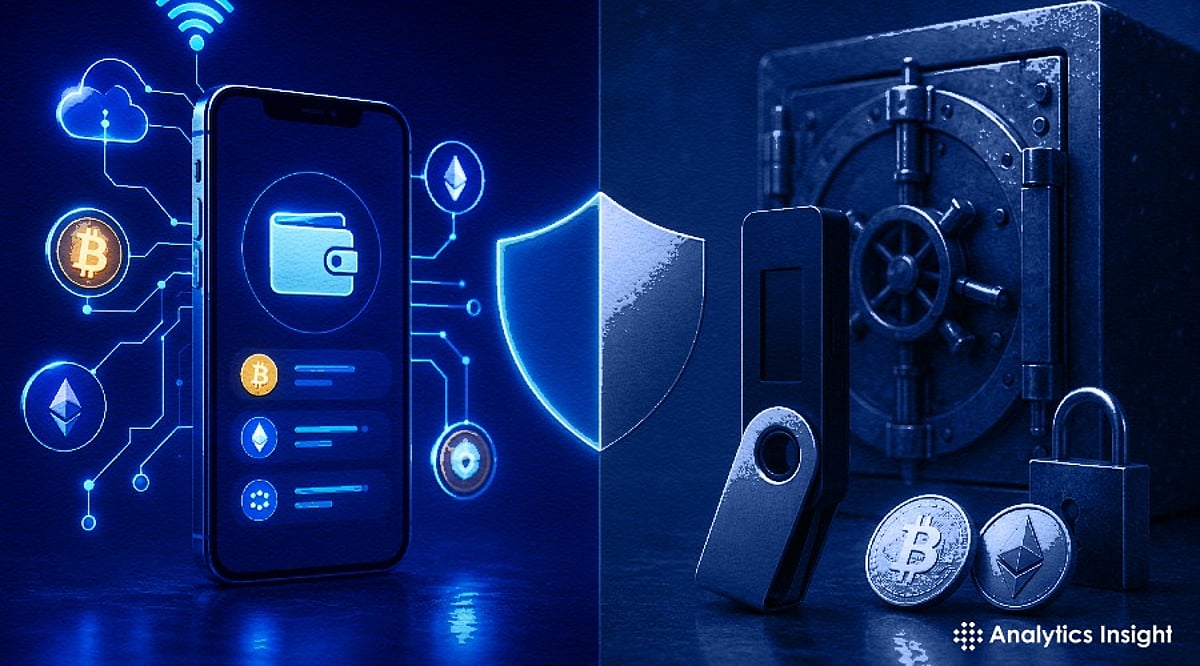
    A crypto wallet does not actually store coins—it stores the private keys that give access to those coins on the blockchain. If someone obtains those private keys, they can take the crypto. This makes wallet security just as important as choosing the right cryptocurrency. Two of the most common options are hot wallets and cold wallets. Both have advantages, but they also carry different risks.

    What Is a Hot Wallet?

    A hot wallet is a wallet that stays connected to the internet. It can be a mobile app, desktop software, browser extension, or web wallet. Popular examples include MetaMask, Trust Wallet, Phantom, and Coinbase Wallet.

    The biggest benefit of a hot wallet is speed. It allows fast access to crypto at any time, making it a good choice for frequent traders, NFT buyers, decentralized finance users, and those who make regular crypto payments. Everything happens quickly because there is no need to connect an extra device before each transaction.

    However, the internet connection also creates the biggest weakness. Hackers can use many methods to reach online wallets: fake websites, phishing emails, harmful browser extensions, malware, and fake apps remain common tricks. Recent security research also found that some browser extension wallets may expose user privacy through address tracking and other online methods. This shows that online wallets require careful use even when they come from trusted companies.

    What Is a Cold Wallet?

    A cold wallet stores private keys without an internet connection. Hardware wallets such as Ledger and Trezor are the best-known examples. Paper wallets and air-gapped devices also belong to this category.

    Because the wallet stays offline, hackers cannot directly reach the private keys through the internet. Even if a computer has malware, crypto stored in a cold wallet usually remains safe—unless the attacker also gains physical access to the device and its recovery information.

    Many long-term investors prefer cold wallets because they offer much stronger protection. Security experts continue to recommend offline storage for large crypto holdings. Although cold wallets require a few extra steps before sending crypto, many people accept this small inconvenience for the added safety.

    Which Wallet Offers Better Security?

    Cold wallets generally provide better security than hot wallets. The main reason is that they remain offline. Most cyber attacks depend on internet access, so an offline wallet removes many common risks.

    Hot wallets focus more on convenience than maximum protection. They make daily transactions simple, but they also create more opportunities for hackers. A single mistake—such as opening a fake website or approving a harmful transaction—can lead to the loss of digital assets.

    Cold wallets are not perfect, however. A lost hardware wallet, forgotten PIN, damaged device, or missing recovery phrase can also cause permanent loss of crypto. Good storage habits remain important because there is no customer support that can recover lost private keys.

    Recent Security Incidents

    Recent events have shown that wallet security requires much more than good technology. In 2025, the Bybit cryptocurrency exchange suffered one of the biggest crypto thefts in history. Attackers manipulated the transaction approval process connected to the company’s cold wallet system and stole about $1.5 billion worth of Ethereum-related assets. The incident proved that even cold storage requires strict security procedures and careful verification before every transaction.

    Another major attack happened in 2024 when Indian crypto exchange WazirX lost hundreds of millions of dollars after attackers found weaknesses in its multisignature wallet system. The event showed that advanced wallet technology alone cannot stop every attack if operational security becomes weak.

    Security experts also warned about a new malware called Crypto Clipper. Microsoft researchers discovered that this malware can replace copied wallet addresses with the attacker’s address before a transaction takes place. It can also steal seed phrases and collect screenshots from infected computers. Online wallets remain the main target because they stay connected to the internet.

    Which Wallet Should You Choose?

    There is no single wallet that fits every situation. The best choice depends on how you use crypto. Hot wallets work well for small amounts that need quick access. They make trading, payments, and blockchain activities much easier because everything happens within seconds.

    Cold wallets are a better choice for large investments that remain untouched for a long time. Many experienced investors keep most of their crypto in a cold wallet while placing only a small amount in a hot wallet for daily use. This method reduces the chance of losing valuable assets if an online wallet becomes compromised.

    Simple Ways to Keep Your Crypto Safe

    Strong security habits matter just as much as the wallet itself. Recovery phrases should always stay offline in a secure place where no one else can reach them. Wallet software and device firmware should remain updated because updates often fix newly discovered security problems.

    Every wallet address deserves careful checking before sending crypto, because malware can secretly change copied addresses. Private keys and recovery phrases should never appear online or be entered into unknown websites. Official wallet applications remain the safest option, as fake apps continue to appear on the internet.

    Final Verdict

    When it comes to cryptocurrency protection, cold wallets are the best option due to their offline nature, which eliminates the risk of many online attacks. They are mostly used by long-term investors and people with high-value crypto holdings.

    However, hot wallets have their own importance. The speed and simplicity they provide for exchanges, payments, and decentralized apps are valuable. It is important to note that hot wallets are riskier because they are online.

    Therefore, the best strategy involves using both types of wallets together. A hot wallet can handle small payments while a cold wallet keeps larger assets safe. Recent attacks on Bybit and WazirX made it clear that proper security is not just about technology—it also requires good practices, careful verification, and responsible handling of private keys.

  • Top Cryptocurrency Scams Exposed: How to Protect Your Digital Assets in 2026

    Top Cryptocurrency Scams Exposed: How to Protect Your Digital Assets in 2026

    Key Takeaways

    • Always verify investment platforms, people, and offers before sending cryptocurrency.
    • Never share your seed phrase or private keys with anyone under any circumstances.
    • Strong security habits like two-factor authentication and hardware wallets greatly reduce scam risks.

    Millions of people now buy digital coins as they believe these assets have long-term value. At the same time, criminals have found new ways to steal money from crypto users. Most scams do not result from weaknesses in blockchain technology. They happen as scammers trick people into making costly mistakes. Many recent reports show that fraud based on trust, fear, or excitement has become the biggest threat in the crypto world. A careful approach and proper knowledge can prevent many of these losses.

    Pig Butchering Scams

    One of the most common crypto scams is known as a pig butchering scam. In this scam, a scammer spends weeks or even months building trust through social media, dating apps, or messaging platforms. After a strong relationship develops, the conversation shifts toward cryptocurrency investments. The scammer introduces a fake investment platform that appears genuine and even shows false profits. Once a large amount of money goes into the account, withdrawals become impossible. Extra payments, fake taxes, or account verification charges often appear before access to the money is denied. Every investment offer from an online contact deserves careful verification before any payment takes place.

    Fake Investment Platforms

    Fake crypto investment websites have become more advanced than ever. Many look almost identical to trusted exchanges. These websites display fake account balances and impressive profits that never exist in reality. After deposits increase, victims discover that withdrawals require additional payments such as processing fees or taxes. Even after these payments, the funds are never returned. Independent research, company background checks, and reviews from trusted sources can help identify fraudulent platforms before any funds move.

    Phishing Websites and Fake Wallets

    Phishing remains one of the easiest ways for criminals to steal cryptocurrency. Fake websites copy the design of popular exchanges and wallet providers. A single wrong click can lead to a fake login page where passwords or wallet recovery phrases fall into criminal hands. Fake browser extensions and wallet applications create the same danger. Once scammers receive a recovery phrase or private key, complete control of the wallet passes to them. Official website bookmarks, careful checks of web addresses, two-factor authentication, and hardware wallets offer strong protection against these attacks.

    AI Deepfake Scams

    Artificial intelligence has made crypto scams even more convincing. Criminals now create fake videos, cloned voices, and realistic livestreams that appear to feature famous business leaders, celebrities, or crypto experts. These fake promotions often promise free cryptocurrency or guaranteed investment profits. Many ask people to send crypto with the false promise of receiving a larger amount in return. Verify every announcement against official company websites or verified social media accounts before taking any action. A professional video alone should never become proof that an offer is genuine.

    Fake Giveaways and Rug Pulls

    Fake giveaways remain popular since they appear simple and attractive. Messages often promise that anyone who sends cryptocurrency will receive double the amount back. No legitimate company or well-known crypto project follows this practice. Once the payment reaches the scammer, the money disappears forever. Another serious threat is the rug pull. Developers launch a new cryptocurrency project, attract investors through heavy promotion, and encourage large investments. After enough money enters the project, the creators sell their holdings or remove the project’s funds, which causes the token price to collapse. Research about the development team, project history, and smart contract audits can reduce the risk of such fraud.

    Pump-and-Dump Schemes

    Pump-and-dump schemes typically target thinly traded cryptocurrencies. In this manipulation scheme, promoters encourage followers to buy the same cryptocurrency, quickly driving up its price. Once the price rises sufficiently, the promoters quickly get rid of their cryptocurrency. The price goes down rapidly and the investors who bought the coin late suffer huge losses. These schemes usually imply some hidden trading groups and guaranteed profits. However, responsible investment practices still outperform the hype.

    Government Impersonation and Bitcoin ATM Fraud

    Criminals pose as the police, tax offices, courts, or utility companies. The trick works by making people panic over fake debts. Those targeted by the scam usually receive a prompt to deposit cash into a Bitcoin ATM. Since the transfer made with cryptocurrency is irreversible, the money cannot be retrieved. Legitimate government authorities do not ask for payment via cryptocurrency or Bitcoin ATMs.

    Seed Phrase Theft and Basic Safety

    The recovery phrase, also called the seed phrase, protects access to a cryptocurrency wallet. Anyone who obtains this phrase or the private key gains complete control over the stored funds. No legitimate wallet provider, crypto exchange, or customer support representative asks for this information. The safest approach includes private storage of recovery phrases, strong passwords, two-factor authentication, and hardware wallets for large crypto holdings. Careful checks before every transaction also reduce the chance of costly mistakes.

    Why This Matters

    Unmasking malicious digital asset operations shifts baseline defense into practical, highly proactive wallet management. Recognizing behavioral tricks like social manipulation and fake interfaces protects your capital from irreversible blockchain theft before fraudulent transactions occur.

    Final Thoughts

    Cryptocurrency offers many opportunities, but it also attracts skilled criminals who rely on deception instead of technology. Every investment deserves careful research before money changes hands. Strong security habits, independent verification, and a cautious mindset remain the best defense against crypto fraud.

    Frequently Asked Questions

    1. What is the most common cryptocurrency scam?

    Pig butchering scams, phishing attacks, and fake investment platforms are among the most common crypto frauds today.

    2. How can I tell if a crypto investment platform is fake?

    Check company registration, reviews, official websites, and avoid platforms promising guaranteed or unusually high returns.

    3. Should I ever share my wallet’s seed phrase?

    No. Your seed phrase should never be shared with anyone, including people claiming to be customer support.

    4. Are cryptocurrency transactions reversible?

    No. Most blockchain transactions are irreversible, making it critical to verify recipient addresses before sending funds.

    5. What’s the best way to protect my cryptocurrency?

    Use strong passwords, enable two-factor authentication, store large holdings in a hardware wallet, and verify every investment opportunity before transferring funds.

  • Top Crypto Wallets for Security in 2025: Hardware and Software Options Reviewed

    Top Crypto Wallets for Security in 2025: Hardware and Software Options Reviewed

    When it comes to safeguarding digital assets, choosing the right crypto wallet is critical. The market is flooded with options, but only a few combine robust security with user-friendly features. Below is a curated list of the best crypto wallets that offer top-tier protection for both beginners and seasoned holders.

    Hardware Wallets: The Gold Standard for Offline Security

    Ledger Flex – This hardware wallet provides secure offline private key storage, Bluetooth connectivity, a convenient touchscreen, and support for thousands of cryptocurrencies. Its enterprise-grade protection makes it ideal for users who prioritize cold storage.

    Trezor Safe 5 – Featuring open-source firmware and secure element protection, the Trezor Safe 5 offers touchscreen verification and advanced backup options. It is a favorite among long-term crypto holders who value transparency and maximum security.

    SafePal S1 – An air-gapped hardware wallet that uses QR code transactions. Its secure element technology and offline storage minimize exposure to online threats, making it a solid choice for privacy-conscious users.

    Software Wallets: Convenience Meets Control

    MetaMask – A popular self-custody wallet that supports Ethereum and compatible networks. It enables secure access to DeFi, NFT management, and browser-based transactions, making it a versatile tool for everyday crypto use.

    Trust Wallet – Supporting millions of digital assets across multiple blockchains, this mobile wallet offers self-custody, staking features, and an easy-to-use interface. Security is built into every transaction.

    Coinbase Wallet – Unlike the exchange version, this wallet gives users complete control of their private keys. It supports NFTs, decentralized applications, and multiple blockchain networks without dependency on exchange custody.

    Rabby Wallet – Automatically detects blockchain networks and improves transaction safety with simulation tools. It offers better phishing protection for DeFi users who interact with dApps daily.

    Phantom Wallet – Originally built for Solana, Phantom now supports Ethereum and Bitcoin. It delivers fast transactions, NFT management, staking, and intuitive wallet security, all within a sleek interface.

    Bitget Wallet – A multi-chain wallet that offers decentralized trading, asset management, staking, and strong security features. It supports thousands of cryptocurrencies globally, making it a versatile option for active traders.

    Choosing the right crypto wallet depends on your specific needs. For maximum security, combine a hardware wallet for long-term storage with a software wallet for daily transactions. Stay safe and always verify your wallet’s authenticity.

  • Bitcoin Surges Past $62,000 as ETF Inflows Return and US Crypto Bill Gains Traction

    Bitcoin Surges Past $62,000 as ETF Inflows Return and US Crypto Bill Gains Traction

    Bitcoin rebounded above $62,000 in early July after a challenging June marked by record outflows from US spot Bitcoin ETFs. Renewed weekly net inflows of $526.64 million, growing attention to proposed US crypto legislation, and continued institutional interest have shifted focus to Bitcoin’s next market direction.

    Bitcoin Recovers After a Difficult June for ETFs

    Bitcoin ended June near a two-year low, falling to roughly $58,000. Market data revealed that US spot Bitcoin ETFs experienced approximately $8.9 billion in net outflows since early May, including about $4.51 billion in June alone — the weakest month for the ETF category since its launch.

    Santiment reported that retail investors increased small Bitcoin holdings during the second half of June, while larger holders reduced exposure. The analytics firm noted that large investors remained cautious, waiting for stronger signs that the market had reached a bottom.

    The report also highlighted a shift in capital toward AI and semiconductor stocks during June. According to Santiment, those sectors attracted investment that previously flowed into cryptocurrencies, reducing institutional demand for Bitcoin. HashKey researcher Tim Sun commented, “capital was reallocating across risk assets rather than that investors were losing their appetite for risk altogether.” He added that Bitcoin could attract that capital again if the AI sector slows.

    Fresh ETF Inflows and US Legislation Support Market Sentiment

    Market conditions improved during the first week of July as US spot Bitcoin ETFs posted $526.64 million in weekly net inflows despite ongoing uncertainty. This followed one of the largest monthly withdrawal periods on record for the ETF market.

    The positive inflow indicated that some institutional investors continued allocating capital to regulated Bitcoin products even after June’s decline. Analysts emphasize that ETF flow data remains a key metric because spot ETFs purchase actual Bitcoin rather than futures contracts.

    Bitcoin traded above $62,000 as investors tracked developments surrounding the proposed CLARITY Act in the United States. Prediction market data showed rising expectations that the legislation could advance before Congress begins its August recess. The bill has support from over 200 crypto companies, including Coinbase, Ripple, and Kraken. Supporters believe clearer regulations could encourage broader participation in digital asset markets, although lawmakers have not yet approved the legislation.

    Strategy, Blockchain Security, and Market Focus Remain in View

    Strategy (formerly MicroStrategy) also remained in the spotlight after Executive Chairman Michael Saylor introduced a Digital Credit Capital Framework designed to strengthen liquidity and support the company’s preferred stock obligations. Saylor also addressed concerns about Strategy’s Bitcoin position, stating that “the company had bought about 175,000 BTC this year” and adding that “he had not sold any of his personal stash.” Strategy currently holds more than 818,000 BTC, making it the world’s largest corporate Bitcoin holder.

    Meanwhile, blockchain security returned to focus after researchers disclosed that they identified and fixed a critical vulnerability on the Aptos blockchain before attackers could exploit it. Security firm Hexens said the issue could have affected infrastructure supporting as much as $70 billion in digital assets, although no funds were lost.

    Elsewhere, blockchain analytics firm Nansen estimated that holders of the TRUMP memecoin have accumulated about $3.8 billion in combined losses after the token declined sharply from its peak. As July progresses, traders continue to monitor ETF flows, regulatory developments, institutional activity, and broader market conditions for signs of Bitcoin’s next direction.

  • Best EVM Wallets of 2026: Secure, Multi-Chain, and Beginner-Friendly Options

    Best EVM Wallets of 2026: Secure, Multi-Chain, and Beginner-Friendly Options

    In 2026, the crypto landscape has evolved significantly, with Ethereum remaining a dominant force alongside a growing number of Ethereum Virtual Machine (EVM)-compatible chains such as Polygon, Arbitrum, Optimism, Base, and BNB Chain. As adoption soars, choosing the right wallet is more critical than ever. Users now demand robust security, seamless multi-chain support, and an intuitive experience. Here are the top EVM wallets leading the market this year.

    MetaMask Still Leads the Market

    MetaMask remains the most widely used EVM wallet in 2026, serving as the primary gateway to Web3 for millions. Its extensive compatibility with decentralized applications (dApps) gives it a clear edge. Available as a mobile app and browser extension, MetaMask supports hardware wallets like Ledger and Trezor for enhanced security. The Snap feature has expanded its reach to hundreds of EVM-compatible chains. While its ecosystem is unmatched, new users may find the initial setup slightly complex.

    Rabby Wallet Gains Massive Popularity

    Rabby Wallet, developed by the DeBank team, has surged in popularity among advanced DeFi users. Its standout feature is a robust security system that simulates transactions before approval, clearly showing potential changes and helping prevent scams. The wallet automatically switches between blockchain networks, saving time for multi-chain users. Praised by security experts for its contract warning system, Rabby has become a top choice for experienced traders navigating the rising threat of crypto scams.

    Trust Wallet Dominates Mobile Users

    Trust Wallet remains a favorite for beginners, with over 200 million global users. This non-custodial wallet supports Ethereum, dozens of EVM-compatible blockchains, and thousands of assets. Its simple mobile interface makes crypto management effortless. Built-in features include token swaps, staking, NFT storage, and dApp access. As crypto reaches mainstream audiences, Trust Wallet’s ease of use continues to attract newcomers.

    Coinbase Wallet Brings Smart Wallet Technology

    Coinbase Wallet has introduced smart wallet technology in 2026, leveraging account abstraction to eliminate traditional seed phrase dependency. Users can now log in with passkeys or biometric methods like face recognition, enhancing both security and convenience. Gasless transactions on supported Layer 2 networks are another major update, allowing users to execute transactions without paying standard gas fees. These innovations position Coinbase Wallet as a strong contender for mainstream adoption.

    OKX Web3 Wallet Expands Fast

    OKX Web3 Wallet has grown rapidly, especially among active traders, supporting over 60 blockchain networks. It consolidates token swaps, cross-chain transfers, NFT management, and dApp access into a single platform. Security alerts warn users about suspicious websites before transactions, addressing the rise in online crypto attacks. Its all-in-one design appeals to users who frequently move funds across multiple ecosystems.

    Security Became the Biggest Concern This Year

    Wallet security is a top priority in 2026, with threats like the Crypto Clipper malware—which alters copied wallet addresses to redirect funds to hackers—and fake recovery software designed to steal seed phrases. In response, wallet companies are prioritizing hardware wallet support, transaction previews, biometric security, phishing alerts, and seedless recovery systems. Security now rivals convenience as a key factor in wallet selection.

    Final Thoughts

    The best EVM wallets in 2026 offer far more than simple storage. MetaMask leads in ecosystem access, Rabby excels in security, Trust Wallet appeals to beginners, Coinbase Wallet drives innovation, and OKX provides a comprehensive multi-chain solution. As Web3 expands, wallets evolve from basic tools into the foundation of the decentralized economy.

    FAQs

    1. What is an EVM wallet? An EVM wallet stores and manages crypto assets on Ethereum-compatible blockchains like Ethereum, Polygon, Arbitrum, Base, and BNB Chain.
    2. Which is the safest EVM wallet in 2026? Rabby Wallet is widely recognized for strong transaction simulation and scam detection, with hardware wallet integration adding extra protection.
    3. Which wallet is best for beginners? Trust Wallet remains one of the easiest options due to its simple mobile interface and beginner-friendly design.
    4. Why is wallet security a major concern in 2026? Threats like Crypto Clipper malware, phishing attacks, and fake recovery apps have made security a top priority for crypto users.
    5. Which wallet supports the most blockchain networks? OKX Wallet stands out with broad multi-chain support and integrated tools for swaps, NFTs, and decentralized exchanges.
  • Crypto Hack Losses Drop 7% in June, Humanity Protocol Hit by $36M Exploit

    Crypto Hack Losses Drop 7% in June, Humanity Protocol Hit by $36M Exploit

    Crypto-related thefts declined in June after several months of heavy losses, although attackers continued targeting blockchain projects through private key compromises and bridge vulnerabilities. Blockchain security firm PeckShield reported about $75.9 million stolen across 40 major incidents, marking a 7.1% decrease from May’s $81.7 million.

    Even so, the monthly decline did little to slow the year’s overall losses. Data from blockchain intelligence firm TRM Labs showed crypto hacks and exploits have already cost the industry more than $750 million in 2026, with two large attacks recorded earlier this year accounting for a major share of that total.

    Humanity Protocol Records June’s Largest Exploit

    Humanity Protocol recorded the biggest security breach during June. PeckShield estimated the exploit at about $31 million, while the project’s internal investigation later placed losses closer to $36 million. According to the project, attackers gained access after compromising a private key linked to the protocol’s bridge administration.

    Founder Terence Kwok said the breach resulted from a compromised private key. Humanity Protocol also stated that attackers accessed bridge administration on Ethereum and BNB Chain after compromising a developer’s laptop. The project said the incident allowed hackers to drain wallets and mint about 447 million H tokens. Reports also stated that the exploit triggered an 80% to 90% decline in the token’s market price. Humanity Protocol added that it is preparing a recovery plan, including a possible 1:1 token airdrop for affected users. Meanwhile, reports linked the attack to North Korea’s Lazarus Group, although investigations remain ongoing.

    Bridge Exploits and Protocol Attacks Continue

    Beyond Humanity Protocol, several blockchain projects also suffered large losses during June. PeckShield reported that Syscoin Bridge lost about $10 million after attackers exploited a validation flaw that allowed billions of unsupported SYS tokens to be minted without the required token burn.

    A bot associated with the address JaredFromSubway.eth also lost about $7.5 million after being targeted by another exploit. Other affected platforms included Secret Network, Polymarket users, SecondFi and TESSERA, with reported losses ranging between $2.4 million and $4.67 million.

    Meanwhile, Aztec’s deprecated infrastructure was exploited twice during the month. PeckShield tracked approximately $2.16 million stolen from Aztec Bridge and another $2.1 million from Aztec Connect. According to the Aztec Foundation, both immutable contracts are no longer under its control and cannot be paused. Combined losses reached about $4 million.

    The remaining projects in PeckShield’s top ten included Taiko Bridge, Token of Power, Raydium and LABUBU/OLPC, with each incident resulting in losses exceeding $1 million.

    Crypto Losses Remain High in 2026

    Although June recorded a lower monthly total, overall crypto losses during 2026 remain elevated. TRM Labs estimated that hackers have already stolen more than $750 million this year. According to the firm, two attacks linked to North Korea accounted for much of those losses.

    On April 1, Drift Protocol lost about $285 million after attackers reportedly spent months using social engineering tactics against governance signers. Later, on April 18, Kelp DAO’s LayerZero bridge lost approximately $292 million after attackers compromised its verifier network.

    Meanwhile, PeckShield reported that the Humanity Protocol exploiter has moved stolen assets across Bitcoin, Solana, Hyperliquid, and BNB Chain. The firm also found that some funds were mixed with assets connected to the separate Kelp DAO exploit. PeckShield said this pattern ‘raises the possibility the same threat actor is behind both attacks,’ though no final attribution has been confirmed.