Tag: CEO

  • C-Suite Roles Explained: Key Responsibilities of CEOs, CFOs, COOs, CIOs, CMOs, and CROs

    C-Suite Roles Explained: Key Responsibilities of CEOs, CFOs, COOs, CIOs, CMOs, and CROs

    The C-suite comprises the top executives who steer a company’s strategy and operations. Each role brings a distinct focus, from setting vision to managing finances, operations, technology, marketing, and revenue growth. Here’s a closer look at what these leaders actually do.

    CEO: The Chief Executive Officer

    The CEO leads the company and sets its overall direction. This role focuses on major decisions, long-term goals, company culture, and business growth. CEOs also work with investors, employees, customers, and other leaders. While they may not manage every daily task, they remain responsible for the company’s overall performance and future.

    CFO: The Chief Financial Officer

    The CFO manages the company’s financial health. This includes budgets, cash flow, financial reports, investments, risks, and planning. CFOs help leaders understand what the numbers mean before making major business decisions. They also work with investors, auditors, and finance teams to keep spending controlled and support long-term financial stability.

    COO: The Chief Operating Officer

    The COO focuses on how the company works day to day. This role turns business plans into action by managing operations, processes, teams, and performance. COOs often work across departments to improve efficiency and solve operational problems. Their goal is to ensure the business runs smoothly while meeting its targets.

    CIO: The Chief Information Officer

    The CIO leads the company’s technology and information strategy. This can include IT systems, cybersecurity, data management, software, and digital tools used across the business. CIOs help decide which technologies the company needs and how they should be used. They also work to keep systems secure, reliable, and useful.

    CMO: The Chief Marketing Officer

    The CMO leads marketing and focuses on how the company connects with its audience. This includes branding, advertising, content, market research, social media, and customer campaigns. CMOs study customer behavior and market trends to shape marketing plans. Their work builds awareness, strengthens the brand, and supports business goals.

    CRO: The Chief Revenue Officer

    The CRO focuses on generating revenue across the company. This role often brings together sales, business development, partnerships, and customer-related teams. CROs track revenue targets and look for ways to improve sales performance. They also study customer needs and market opportunities to create plans that can increase and sustain revenue.

    How the C-Suite Works Together

    C-Suite leaders may have different responsibilities, but their work is closely connected. The CEO sets direction, the CFO manages finances, the COO oversees operations, the CIO handles technology, the CMO leads marketing, and the CRO drives revenue. When these leaders share information and coordinate decisions, different parts of the business can work toward common goals.

  • Lisa Su: The Visionary CEO Transforming AMD into an AI and Semiconductor Powerhouse

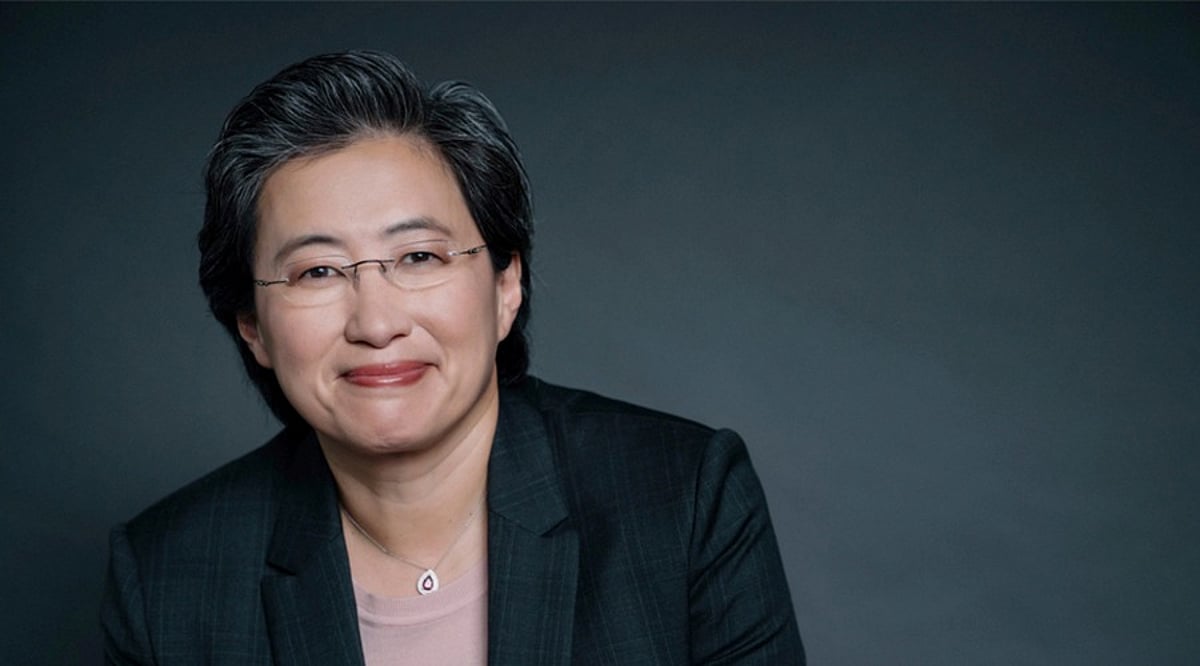
    Lisa Su: The Visionary CEO Transforming AMD into an AI and Semiconductor Powerhouse

    Lisa Su is an accomplished semiconductor leader who currently serves as Chair and CEO of Advanced Micro Devices (AMD). Under her guidance, AMD has become a global force in high-performance computing, artificial intelligence, gaming, and adaptive computing. Known for her forward-thinking leadership, deep technical expertise, and innovation-driven approach, Su has revitalized AMD’s competitive standing and driven the development of cutting-edge processors and enterprise computing systems.

    Early Life and Education

    Lisa Su earned her bachelor’s, master’s, and doctorate degrees in Electrical Engineering from the Massachusetts Institute of Technology (MIT). Her research focused on semiconductor device physics and Silicon-on-Insulator technology. This strong technical foundation paved her way to influential roles in semiconductor research, development, and advanced computing innovation.

    Professional Career

    Su began her career at Texas Instruments before moving to IBM, where she managed research and development in semiconductors and technology. She later served as Chief Technical Officer and led business operations at Freescale Semiconductor. At AMD, she rose from President and CEO to her current role as Chair and CEO.

    Business Intervention in AI

    AMD harnesses high-performance computing, intelligent infrastructure, and developer tools to accelerate AI. The company consistently uses state-of-the-art CPUs, GPUs, adaptive computing, and open software to create fast, intelligent, and scalable AI solutions. AMD’s EPYC™ Server CPUs provide efficient infrastructure for generative AI, agentic AI, cloud computing, and data center innovations. The company also brings AI closer to data through energy-efficient computing for intelligent retail, 5G, cloud storage, and edge infrastructure. AMD supports AI enthusiasts with cost-effective, secure, and energy-efficient technologies, and offers developers free tools, cloud platforms, mentorship, and training. Within enterprises, AMD drives AI adoption for increased efficiency, productivity, and optimized operations, all while pioneering ethical and responsible AI through scientific research, STEM education, and international collaborations.

    Business Achievements

    Under Su’s leadership, AMD has achieved remarkable milestones with the invention of Ryzen, EPYC, and Instinct processors, building its AI computing capabilities. She forged partnerships with industry leaders such as Microsoft, Meta, and Oracle, helping AMD become a top player in high-performance computing, AI infrastructure, gaming, and adaptive computing.

    Controversies

    No controversies have ever emerged around Lisa Su. She is widely recognized for her strategic leadership, innovations in semiconductors and AI, and for transforming AMD into a key player in the chipmaker industry.

  • 8 Key Facts About Tewolde Gebremariam, Air India’s New CEO

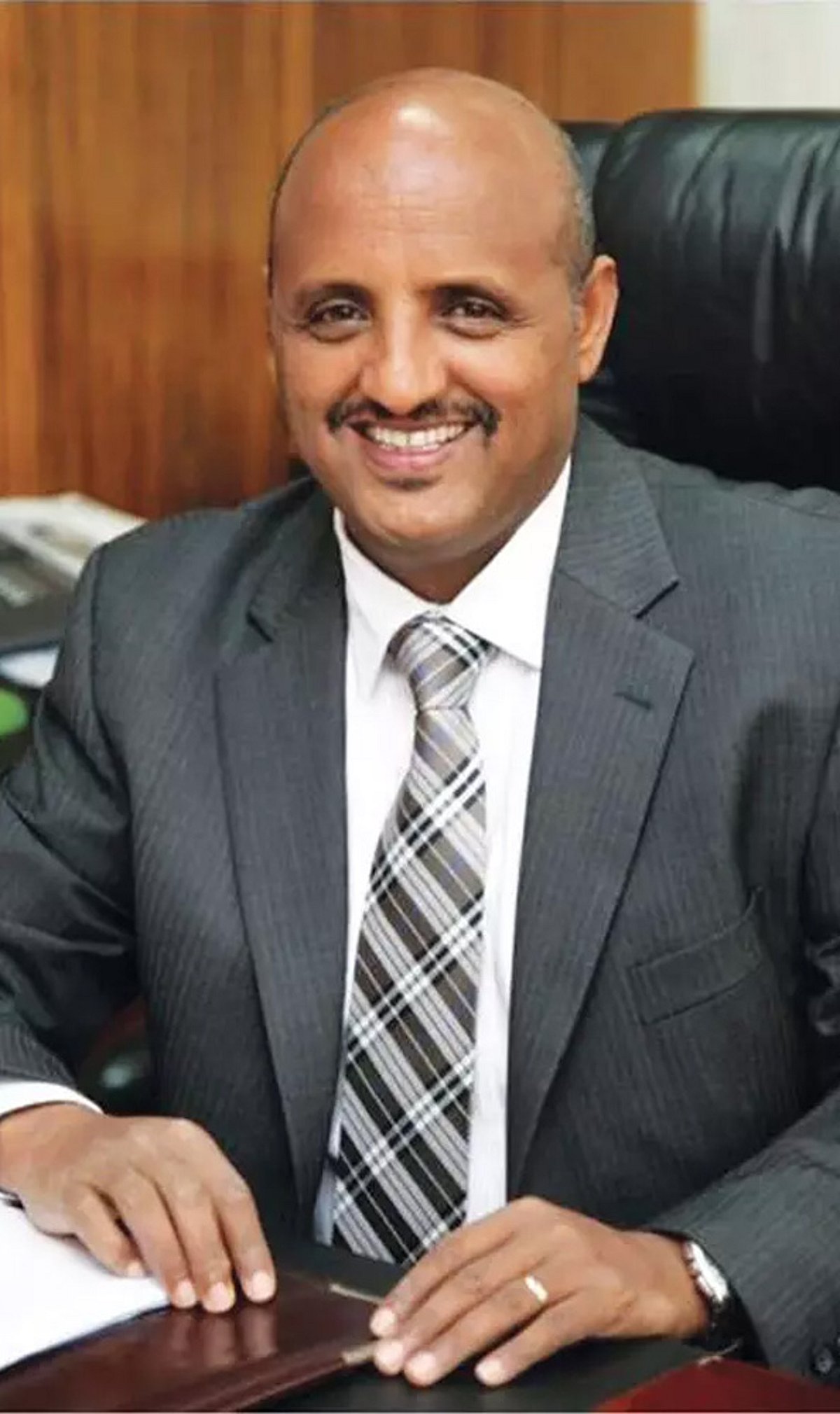
    8 Key Facts About Tewolde Gebremariam, Air India’s New CEO

    Aviation Veteran: Tewolde Gebremariam brings decades of airline leadership experience and global recognition for strategic planning and operational excellence.

    Former Ethiopian Airlines CEO: He transformed Ethiopian Airlines into one of Africa’s most successful and profitable aviation groups during his tenure.

    Global Aviation Experience: His expertise spans fleet expansion, international partnerships, operational efficiency, and sustainable airline growth across global markets.

    Proven Business Leader: Known for driving profitability while expanding passenger networks and strengthening airline competitiveness in challenging market conditions.

    Focus on Innovation: Supports digital transformation, operational modernization, and technology adoption to improve airline efficiency and customer experiences.

    Strategic Expansion Vision: Expected to strengthen Air India’s international presence through network expansion, improved services, and fleet modernization initiatives.

    Customer Experience Priority: Emphasizes service quality, operational reliability, and passenger satisfaction as essential pillars for long-term airline success.

    Leading Air India’s Next Chapter: His appointment marks a significant milestone as Air India accelerates its transformation into a globally competitive full-service carrier.

  • From Founder to CEO: Essential Leadership Shifts for Scaling Your Business

    From Founder to CEO: Essential Leadership Shifts for Scaling Your Business

    Every successful business begins with an idea. A founder turns that idea into a real product or service. At the start, almost every task lands on the founder’s desk. Sales, customer support, hiring, product updates, and marketing all need attention. Quick decisions and constant action help the business survive during this stage.

    Growth changes everything. More customers arrive, new employees join, and daily work becomes more complex. At this point, the role also changes. The focus moves away from personal effort and toward company leadership. A CEO no longer spends every hour solving daily problems. The role shifts toward building a business that works well through strong teams, clear systems, and smart planning.

    Early Growth Depends on Personal Effort

    In the beginning, a small organization operates with a very limited number of people. All employees have to perform a number of different tasks. The business owner can work with customers, communicate with clients, check the quality of the product, and also make the crucial decisions. Speed is more important than following processes.

    This approach is effective at the beginning but becomes ineffective when the company is growing. The owner understands the operations very well and can do the right thing when problems arise. Customers can communicate directly with the owner which also increases the level of trust of the customers. When the company grows, this approach makes growth slower. All decisions can be adopted only by one person. All processes take time.

    Scaling Demands a Different Style of Leadership

    Growth creates new challenges that personal effort alone cannot solve. More employees need direction. Different teams need coordination. Managers need authority to lead their departments without constant approval from the founder.

    The CEO concentrates on the overall health of the company instead of every individual task. Long-term strategy, financial planning, executive hiring, company culture, and business expansion become major priorities. Strong systems replace informal routines, and clear responsibilities help every team move with confidence.

    This shift allows the organization to grow without constant dependence on one individual.

    The Biggest Change Happens in Decision-Making

    Founders often ask what needs immediate attention. CEOs ask which person should own that responsibility. This simple change transforms the entire business.

    A founder solves problems personally. A CEO creates a team that solves problems every day. Responsibility moves from one person to many capable leaders. This approach increases speed, improves accountability, and strengthens every department.

    As trust grows inside the organization, managers gain confidence to make important decisions. Teams spend less time waiting for approval and more time delivering results.

    Leadership Moves from Control to Trust

    Many entrepreneurs believe that no one can do the job better than they can. This belief helps at the startup stage, but it puts limits on expansion. The constant supervision slows down growth and weakens leadership within the business. A chief executive officer builds trust through clearly defined expectations, regular communication, and strong managers.

    Workers know their responsibilities and can make decisions about how to perform their duties. This creates ownership and increases the company’s effectiveness. Good leaders stop trying to be heroes all the time. Strong leaders turn more people into leaders who know how to deal with problems.

    Systems Replace Constant Firefighting

    Small businesses often rely on quick reactions. Larger companies need consistency. Every successful process must produce reliable results every single time.

    The CEO spends time on company structure instead of daily emergencies. Hiring systems, financial controls, performance reviews, communication methods, and operational processes support steady growth. These systems reduce confusion and help employees perform at a high standard.

    A business cannot continue steady expansion if every success depends on last-minute effort.

    New Skills Become More Important

    Creativity, resilience, and product knowledge help founders launch successful companies. Larger organizations require another set of skills.

    A CEO needs strong communication, strategic thinking, financial understanding, executive hiring, conflict resolution, and organizational planning. Every decision affects hundreds or even thousands of people as the company grows. Careful planning becomes just as valuable as bold action.

    Success no longer depends on one brilliant idea. Success depends on thousands of good decisions across the entire organization.

    Common Mistakes During the Transition

    Many founders delay important hires and continue to carry responsibilities that belong to experienced leaders. Some approve every decision, attend every meeting, and answer every customer issue. This creates a bottleneck that limits growth.

    Micromanagement also creates frustration inside leadership teams. Talented managers expect ownership, not constant supervision. Strong leaders often leave when trust disappears.

    Another common mistake appears when the business depends entirely on one individual. Every vacation becomes difficult, every decision waits, and every problem reaches the founder. This structure cannot support long-term expansion.

    Successful CEOs remove these obstacles through delegation, strong leadership teams, and clear operational systems.

    A Business Grows Faster Than Any Individual

    The greatest achievement during expansion does not come from personal effort alone. Real success appears when the company continues to perform at a high level without constant involvement from the founder.

    Employees understand company goals. Managers lead with confidence. Teams solve problems independently. Customers receive consistent service. Investors trust the leadership. The business continues steady progress through clear strategy and disciplined execution.

    The founder never loses the original vision. The CEO transforms that vision into an organization that grows through people, systems, and shared leadership. That transition marks the true difference between building a business and building a company that lasts for decades.

    Frequently Asked Questions

    • Can a founder also serve as the CEO? Yes. Many founders remain CEOs, although the role requires different skills as the business expands.
    • What is the biggest difference between a founder and a CEO? A founder starts the business, while a CEO focuses on leadership, strategy, and organizational growth.
    • Why does delegation matter during business growth? Delegation allows leaders to focus on strategy while capable teams handle daily operations.
    • What challenges do founders face during scaling? Common challenges include micromanagement, slow decision-making, delayed hiring, and excessive dependence on one person.
    • How does a CEO help a company grow? A CEO builds strong teams, creates reliable systems, develops company culture, and guides long-term business strategy.

  • Founder vs CEO: How Leadership Roles Evolve as Your Business Scales

    Founder vs CEO: How Leadership Roles Evolve as Your Business Scales

    In the early days of a startup, the founder typically makes all the major decisions—from product development to fundraising. That’s why it’s common for the founder to also serve as the chief executive. But as a business grows, the distinction between being a founder and being a CEO becomes increasingly significant. The founder establishes the vision; the CEO is responsible for building an organization that can scale, execute, and sustain that vision consistently.

    As startups grow, leadership evolution is one of the most critical factors influencing success. Growing a business is fundamentally different from founding one.

    Founder: The Visionary Behind the Business

    A founder is someone who identifies a market opportunity and brings an idea to life. In the beginning, founders often wear many hats—handling product development, customer acquisition, marketing, hiring, fundraising, and daily operations. Innovation and problem-solving are core traits of a founder. They set the mission, culture, and long-term direction of the company. Startups make quick decisions with limited information, valuing speed and experimentation over formal processes.

    However, the skills needed to start a business are not the same as those needed to run a large organization.

    CEO: Driving Execution at Scale

    As a company grows, complexity increases. Teams expand, customer bases grow, and investors demand consistent performance. The CEO’s role becomes more strategic and structured. A CEO is responsible for execution, financial results, governance, talent development, and long-term growth. Rather than running every function personally, the CEO builds leadership teams, creates scalable processes, and aligns different functions toward common goals.

    According to Harvard Business Review research, delegation, communication, and organizational alignment become increasingly important as companies move beyond the early growth phase.

    What Changes During Scaling?

    When a business transitions from founder-led management to CEO-led management, several key shifts occur:

    • Decision-making evolves from intuition-based to data-driven.
    • Individual fundraisers become effective leadership teams.
    • Informal workflows are replaced by standardized processes.
    • Growth focuses not only on new products but also on financial metrics, customer retention, operational efficiency, and profitability.
    • Accountability increases through board oversight, compliance, and corporate governance.

    Many successful founders remain as CEO, while others hire seasoned executives to take the company to the next level. Companies like Google and Microsoft have demonstrated both models successfully at different stages.

    The Bottom Line

    Being a founder and being a CEO are complementary but distinct roles. Founders create opportunities and take risks; CEOs bring discipline, strategy, and sustainable execution. While vision is essential, as companies scale, the ability to build systems, empower teams, and deliver consistent results in a competitive market becomes critical.

    FAQs

    1. What is the main difference between a founder and a CEO?

    A founder creates the business idea, defines its mission, and takes the initial risk. A CEO is responsible for managing execution, financial performance, leadership teams, governance, and sustainable long-term growth.

    2. Can a founder also remain the CEO?

    Yes, many founders continue as CEOs when they adapt their leadership style to the needs of a growing company. Success usually requires stronger delegation, structured decision-making, and the ability to manage experienced executives.

    3. Why do some founders hire an external CEO?

    Some founders appoint an external CEO because scaling requires operational, financial, governance, and organizational skills that differ from launching a startup. The founder may then focus on product vision, innovation, or long-term strategy.

    4. How does decision-making change as a company scales?

    Early-stage decisions are often fast and intuition-driven because startups have limited data and resources. As the company grows, decisions increasingly depend on performance metrics, forecasts, customer data, risk analysis, and leadership accountability.

    5. What should founders focus on when transitioning into a CEO role?

    Founders should develop delegation, communication, financial planning, talent management, and governance skills. They must shift from personally solving every problem to building teams and systems that can operate effectively without constant involvement.

  • Choosing the Best Professional Title for Your Business: A Guide for Entrepreneurs and Owners

    Choosing the Best Professional Title for Your Business: A Guide for Entrepreneurs and Owners

    Choosing the right professional title is a crucial decision for any business owner. It defines your role, communicates your authority, and sets the tone for your company’s brand. Whether you’re a solo entrepreneur or leading a large corporation, the title you select can impact how clients, investors, and employees perceive you. Here’s a breakdown of common business owner titles and when to use them.

    Founder

    Best suited for entrepreneurs who started the business, highlighting the company’s origin while reinforcing innovation, vision, and entrepreneurial leadership.

    CEO

    Ideal for businesses with multiple departments, investors, or employees, emphasizing executive authority, strategic planning, and organizational leadership responsibilities.

    Owner

    A straightforward title that clearly communicates business ownership, making it suitable for small businesses, local enterprises, and sole proprietorships.

    Managing Director

    Common among established companies, this title reflects operational leadership, executive decision-making, and responsibility for business performance and growth.

    President

    Often used in corporations, it conveys senior leadership and oversight while representing the organization in business partnerships and public engagements.

    Creative Director

    Perfect for branding, marketing, media, and design businesses where creative strategy, innovation, and visual leadership define the company’s success.

    Principal Consultant

    Suitable for consulting firms, emphasizing expertise, client advisory services, strategic problem-solving, and specialized industry knowledge over hierarchy.

    Co-Founder

    Appropriate when multiple entrepreneurs establish a company together, recognizing shared leadership, ownership, and collaborative decision-making from the beginning.

    Industry Alignment

    Ultimately, the best title aligns with your responsibilities, company size, industry expectations, and long-term branding goals. Choose a title that builds professional credibility consistently.

  • How Indian CEOs and CHROs Can Forge High-Performing Leadership Teams for 2026

    How Indian CEOs and CHROs Can Forge High-Performing Leadership Teams for 2026

    In 2026, CEOs and CHROs in India will face a new set of business demands. Companies need leaders who can handle fast market changes, new technology, global competition, and rising employee expectations. A strong leadership team will not depend only on senior titles or years of experience. It will need clear vision, sharp business sense, trust, and the ability to make smart decisions at the right time.

    Indian companies now operate in a market where speed and quality matter together. A leader must understand customers, support business goals, and guide teams with confidence. CEOs and CHROs must focus on leadership quality as a core business priority rather than treat it as only a human resource activity.

    Key Takeaways

    • Strong leadership teams need clear goals, shared values, and business-focused thinking.
    • Future leaders require adaptability, digital understanding, and strong people skills.
    • CEOs and CHROs must build systems that support long-term leadership growth.

    Create a Clear Leadership Vision

    It is important to have a defined objective to form a great leadership team. CEOs need to ascertain what they are willing to reach through the company. CHRO can assist in matching the development goals to the leadership capabilities. Some companies fail because their leaders act according to different sets of priorities. One leader may focus on the improvement of production without thinking about costs, while the other may ignore everything except cost control. That is why there needs to be a single vision so that every senior person can think in the same direction.

    Starting from 2026, the leadership teams need to have the right balance between the knowledge of the business and the ability to manage people. A leader needs to be very good at numbers, but at the same time, he or she should have great communication skills and emotional control.

    Choose Leaders With the Right Skills

    CEOs and CHROs must look beyond past success while selecting future leaders. A person with a strong record may not always handle new challenges well. Companies need leaders who can adapt, think clearly, and support change without losing focus. The right leadership team should include people with different skills and views. A mix of backgrounds, professional experiences, and ideas can help companies solve complex problems faster. Diverse leadership groups often make better decisions and understand wider customer needs.

    CHROs can create better talent systems that identify future leaders early. Regular reviews, clear career paths, and fair assessment methods help companies find people with strong potential. This approach helps avoid last-minute leadership gaps.

    Build a Culture of Trust and Accountability

    In a leadership team, trust among members and accountability from the members need to be established. It falls on CEOs to show by their actions what is expected from the members of the leadership team. It is up to senior leaders to enforce ethical conduct, responsibility, and accountability in their daily activities. Accountability is not about pressure without any support; it consists in the ability of leaders to know what is expected from them and to take actions in case the results do not meet the expectations. It is important for good culture to exist because it helps avoid hiding the existing problems.

    CHROs are responsible for creating frameworks that make leaders’ behaviors to be rewarded. Performance evaluations must take into account achievements as well as teamwork, ethics, and development of people.

    Use Technology to Improve Leadership Decisions

    Technology will shape leadership choices in 2026. CEOs and CHROs can use data tools to understand workforce trends, skill gaps, and leadership needs. Better information allows companies to make stronger decisions about people and business plans. Artificial intelligence tools can support talent analysis, but human judgment will remain essential. Leaders must use technology as a support system rather than depend on it for every choice. The best results will come from a mix of data and human understanding.

    Companies also need leaders who understand digital change. Senior teams must know how technology affects customers, operations, and future business models. This knowledge will help leaders prepare their companies for new opportunities.

    Prepare Leaders for Future Challenges

    Leadership development takes ongoing work. Companies cannot wait for good leaders to develop on their own. CEOs and CHROs have to create conditions in which leaders can learn new skills and take on a wider scope of responsibilities. The future of leadership training should be centered around practical business problems, communication, problem solving, and strategic thinking. The exposure to real business enables leaders to better understand the inner workings of the organization and to improve their judgment.

    Mentorship from seasoned leaders can support young executives in their effort to establish their own confidence. Effective leadership encourages the development of strong leaders who are likely to act in the best interest of the company in the future.

    Why This Matters

    Strong leadership teams will decide how well Indian companies perform in 2026 and beyond. Business challenges are becoming more complex, and companies need leaders who can make better decisions, support people, and drive growth. Building capable leadership teams helps organizations stay competitive, improve performance, and prepare for future opportunities.

    The Path Ahead for Indian Companies

    In 2026, leadership quality will separate companies that only survive from companies that achieve lasting success. CEOs and CHROs must treat leadership teams as a major business asset. The focus should remain on clear vision, strong values, smart talent choices, and continuous improvement. Indian companies have a strong opportunity to create leadership teams that match the needs of a changing world. When senior leaders combine business knowledge with people skills, they can create organizations that grow with confidence and purpose. A strong leadership foundation will help companies handle uncertainty and achieve better results in the future.

    Frequently Asked Questions

    Why do companies need stronger leadership teams in 2026?

    Companies need stronger leadership teams to handle market changes, technology shifts, customer demands, and new business challenges with better decisions.

    What role do CEOs play in building leadership teams?

    CEOs set the leadership vision, create accountability standards, and ensure senior teams follow common business goals.

    How can CHROs support leadership development?

    CHROs can identify future leaders, create talent programs, improve assessment systems, and connect leadership skills with business needs.

    What skills will future leaders need most?

    Future leaders will need business knowledge, digital awareness, adaptability, communication skills, and the ability to manage people effectively.

    How does technology help leadership teams?

    Technology helps leaders use better data, understand workforce needs, identify skill gaps, and make more informed business decisions.

  • How CEOs Can Master Strategic Planning in the Age of AI

    How CEOs Can Master Strategic Planning in the Age of AI

    Corporate strategy has rarely stayed still for long, and the current business cycle belongs to artificial intelligence. AI is reshaping how budgets are allocated, how boards weigh risk, and how leadership teams justify their decisions. Few CEOs today can separate strategic planning from questions about AI governance and readiness.

    What makes this moment unique is the mismatch between spending and sentiment among top executives. CEO confidence in revenue prospects has slipped to its lowest point in five years, as leaders navigate uneven AI returns alongside geopolitical and cyber risks. Companies keep raising AI budgets even as the executives approving them grow noticeably more cautious about near-term payoff.

    Confidence Gaps Are Widening

    Strategic planning now stretches well beyond quarterly revenue targets and competitive positioning. It includes technology governance, workforce readiness, and infrastructure decisions inside one connected roadmap. Only three in ten CEOs report confidence in revenue growth over the coming year, down sharply from 38% last year. Playbooks built during calmer economic periods often fail to hold up against today’s faster, less predictable market swings.

    Boards and CEOs Remain Misaligned

    A global survey of 625 CEOs and board members found that 35% of CEOs feel their boards overestimate what AI can genuinely replace. Friction between leadership teams and governance layers routinely stalls decisions that competitors are already acting on. Board composition has quietly become part of this planning conversation. Directors without deep technical grounding sometimes push for faster AI rollouts, underestimating what operational readiness truly demands.

    Accountability Has Become Central

    Seventy-eight percent of executives admit they lack confidence in passing an independent AI governance audit within 90 days. A strategy missing clear accountability invites lasting reputational damage long before regulators get involved.

    How CEOs Can Build AI-Driven Business Strategies

    Spending Alone Does Not Guarantee Results

    A resilient AI strategy demands far more than rolling out new software across every department. Leaders need to connect data quality, talent planning, and measurable outcomes from the very first planning session. More than 80% of multinational leaders expect higher AI spending this year, and nearly 90% are raising budgets for emerging agentic capabilities. Bigger budgets rarely produce clarity on their own, especially without a framework guiding where that money actually goes.

    Depth of Adoption Outperforms Speed

    Firms scaling AI across several business functions consistently pull ahead of companies testing one isolated pilot at a time. Deployment leaders scaling AI across at least two categories redesign workflows more often—49% versus 32% among firms still piloting. The lesson here has little to do with how quickly a company adopts new tools. It has everything to do with whether existing workflows get rebuilt around what those tools can actually deliver.

    Best Strategic Planning Techniques for CEOs

    A handful of practices consistently separate CEOs building lasting AI strategies from those chasing short-lived headlines. Consider the following priorities before committing further budget toward any large-scale rollout:

    • Treat AI governance as a board-level responsibility rather than a technical afterthought.
    • Concentrate budgets on high-return use cases instead of broad, unfocused rollouts.
    • Pair every major technology investment with structured workforce upskilling programs.
    • Set measurable accountability checkpoints before scaling any AI initiative further.
    • Revisit strategic assumptions each quarter, since conditions now shift faster than before.

    Governance and Growth Have to Move Together

    Heavy AI investment without matching governance tends to produce strategies that crumble under scrutiny. CEOs pairing genuine ambition with structured accountability end up with plans that survive both market pressure and boardroom skepticism.

    Final Words

    Strategic planning in the AI era rewards CEOs who balance genuine ambition with disciplined execution rather than reactive spending. Confidence has declined across many boardrooms, yet companies pairing investment with strong governance keep outperforming hesitant competitors. The path forward favors leaders willing to treat AI as a core strategic function, not a scattered collection of experiments. CEOs committing to measurable accountability today are quietly building the foundation for steady, durable growth ahead.

  • Rami Fahim: The CEO Driving AI-Powered Transformation at FlairsTech

    Rami Fahim: The CEO Driving AI-Powered Transformation at FlairsTech

    Rami Fahim is a technology executive recognized for shaping global IT service delivery and innovation. As Chief Executive Officer of FlairsTech, he leads an international organization that provides software development and customer operations services to businesses worldwide. Known for championing innovation, talent, and operational excellence, Fahim has helped position the company as a trusted technology partner for thousands of organizations.

    Early Life and Education

    Rami Fahim built his career on a strong combination of technical expertise and business insight. He earned a Bachelor of Engineering in Computer Engineering from Concordia University in 2000, developing a solid foundation in technology. Later, he pursued a Master of Business Administration from McGill University in 2007, strengthening his leadership, strategy, and global business management capabilities.

    Professional Career

    Rami Fahim assumed the role of Chief Executive Officer at FlairsTech, where he oversees global strategy, operations, and innovation. He leads teams delivering software development and customer operations services to organizations worldwide. His leadership focuses on building high-performing teams, expanding international reach, and creating technology-driven solutions that help businesses improve efficiency and customer experience.

    Business Intervention in AI

    FlairsTech uses AI-driven solutions to help organizations transform their operations through automated processes combined with workflow optimization and decision support systems which improve efficiency and decrease operational expenses while enabling teams to deliver results that meet organizational goals in all areas of their work.

    • Smart Operations: AIMY uses artificial intelligence to conduct automated quality checks while it retrieves information immediately and it helps users make faster decisions by combining artificial intelligence with human knowledge to enhance precision and provide consistent customer service.
    • Workflow Intelligence: The AI platform analyzes workflows to decrease manual work while it delivers practical insights which help organizations boost their operational performance and efficiency and their teams achieve quicker and more precise business results.
    • PMO Optimization: AIMY-powered PMO Services enable organizations to optimize their project workflows while they achieve better resource management and make informed decisions which help them complete projects on schedule and within budget while they meet their strategic goals.
    • Intelligent Monitoring: It uses artificial intelligence to forecast application problems while it carries out repetitive work and decreases false alarm notifications which results in better operational efficiency and lower expenses and lets teams work on important strategic projects.
    • Intelligent Automation: It uses artificial intelligence to streamline IT operations, customer experience management, project management office functions and business processes which helps teams work more efficiently while reducing their operational costs and producing measurable effects on all service areas.
    • AI-Driven Finance: It uses artificial intelligence to automate all aspects of bookkeeping and invoice processing and dispute resolution which results in better accuracy and faster work processes and lower expenses and complete financial compliance and the ability to grow business operations.

    Business Achievements

    FlairsTech has established international offices in Egypt and Poland and Canada under Rami Fahim’s leadership. The company now supports more than 2,500 organizations through a team of over 600 professionals. Fahim has developed the company through his dedication to innovation and his commitment to developing talent and operational excellence. The company’s software development services and customer operations services have established it as a trustworthy global provider.

    Controversies

    Rami Fahim currently lacks any public personal controversies which he needs to address. He has gained recognition for his role in developing FlairsTech because he successfully led the company’s expansion while driving innovation through managed services and AI-based business solutions and his dedication to ethical professional practices and value-based technology implementation.

  • How Salil Parekh’s Quiet Leadership Steered Infosys Through Tech Turmoil

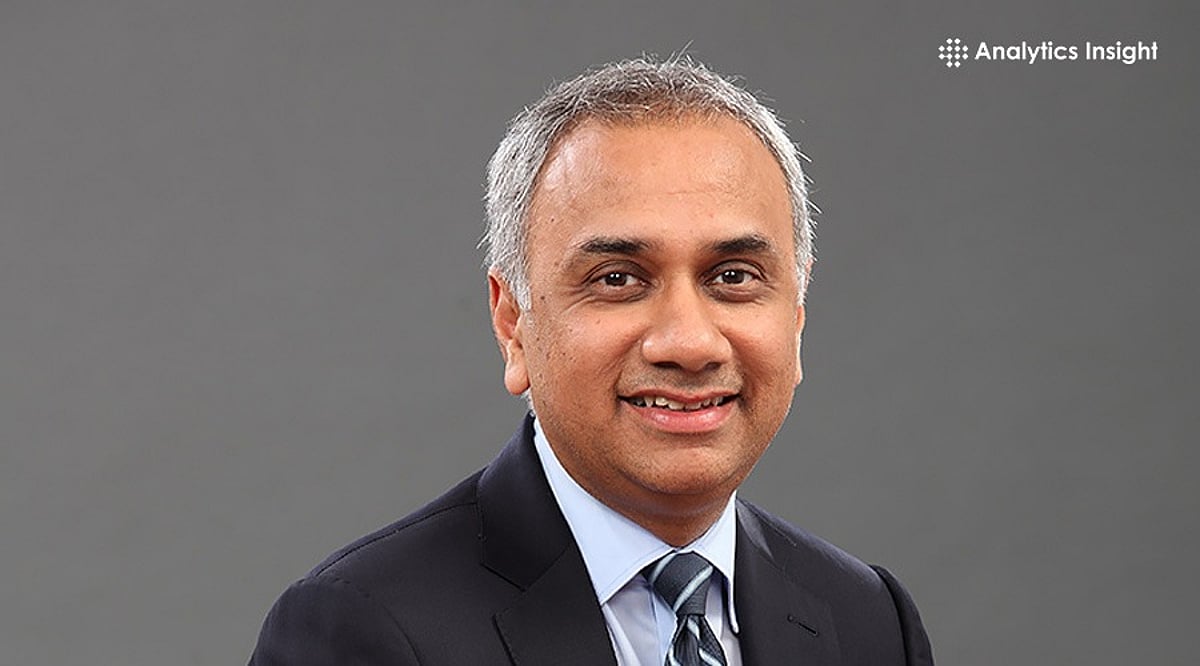
    How Salil Parekh’s Quiet Leadership Steered Infosys Through Tech Turmoil

    In an industry that rewards loud personalities and bold declarations, Salil Parekh has built his reputation doing the opposite. No viral statements, no constant media appearances, no carefully curated social media presence. Yet over the years, he has quietly become one of the most respected names in India’s IT industry, leading Infosys through one of the most turbulent periods in global technology.

    Since taking charge of Infosys in 2018, Parekh has helped the company grow amid rapid changes in the tech industry. Cloud computing, AI, automation, and digital services have become a much bigger part of business across the world. Through all these changes, Infosys has continued to grow steadily.

    The Journey Before Infosys

    Before joining Infosys, Parekh spent many years at Capgemini, where he held various leadership roles and worked with global clients across industries. Those years gave him deep experience in technology, consulting, and business operations. When Infosys announced him as CEO in 2018, the company was navigating a difficult period marked by leadership changes and internal disagreements. Many felt the company needed stability and calm leadership. Parekh entered quietly and focused on the work rather than creating headlines.

    A Different Kind of CEO

    One thing many people notice about Salil Parekh is his calm demeanor. He is not the type of business leader who tries to dominate every conversation. He speaks in a simple, measured way. Even during difficult times, he rarely appears reactive or dramatic. That style has helped him build trust over time. Inside Infosys, employees see him as practical and balanced — someone who listens carefully and focuses on long-term goals rather than short-term excitement. In a business world that often rewards loud personalities, his quieter approach stands out.

    Infosys Under His Leadership

    Infosys has transformed during Parekh’s tenure. The company expanded its digital and cloud services as businesses worldwide moved more operations online. Infosys also ramped up work in AI and automation to meet growing demand. The company continued signing large global deals and strengthening relationships with international clients. Employee training became a priority as technology evolved rapidly; Infosys invested heavily in helping workers learn new skills and adapt to shifting industry needs. The company’s global presence also grew stronger during these years.

    Navigating Difficult Times

    The tech industry has faced significant headwinds. Economic uncertainty affected business spending in many countries. Competition in the IT sector intensified, with companies vying for major contracts. Managing large teams across different countries brought challenges, especially during remote work periods. Then came the rapid rise of AI, pressuring technology companies to move faster and adapt to changing customer demands. Through all this, steady leadership proved essential. Instead of reacting with panic, Parekh kept the company focused on stability and long-term growth.

    Why His Leadership Style Matters

    Many business leaders today are known for their high visibility. Salil Parekh is respected for the opposite reason: he keeps a low profile and focuses on execution rather than publicity. Clients trust consistency, employees value stability, and investors look for leaders who remain calm during uncertain times. Parekh has built that reputation over years of consistent leadership. His style may not always generate headlines, but it has helped Infosys remain strong during a rapidly changing period for global technology.

    Final Thoughts

    Salil Parekh embodies a quieter style of leadership that many people still deeply value. He does not try to be the loudest voice in the room. Instead, he focuses on steady work, long-term growth, and keeping the company prepared for the future. As AI, cloud services, and automation continue to reshape the tech world, Infosys is navigating that shift under his guidance. His story is a reminder that strong leadership is not always about visibility — sometimes calm thinking, patience, and consistency matter even more.