Tag: chip manufacturing

  • Daily Tech Roundup: India’s Semiconductor Push, AI Health Agent Funding, Graduate Job Market, Crypto Regulation, and iOS 27 Security

    Daily Tech Roundup: India’s Semiconductor Push, AI Health Agent Funding, Graduate Job Market, Crypto Regulation, and iOS 27 Security

    What’s New Today

    Today’s roundup spans five distinct storylines shaping the tech and business landscape: SEMICON India 2026 opening in the capital to spotlight the country’s shift from chip policy to chip production; an Italian healthtech startup raising fresh funds to bring its AI claims-processing agents to hospitals across Europe; a fresh look at why recent college graduates are struggling to find jobs beyond the usual AI blame game; India’s Parliamentary panel on virtual digital assets waiting on the government before finalising its report; and Apple rolling out a new iOS 27 feature to guard iPhone users against impersonation scams.

    Fast-Track Insights

    • SEMICON India 2026 opened as a three-day event from September 17, showcasing the semiconductor industry’s journey from raw silica to finished chips, part of an industry valued at USD 900 billion globally.
    • Health Force, an Italian platform where three out of four insurance claims at major hospital groups are processed without staff involvement, raised €4.2 million in seed funding to expand its AI agents across European hospitals.
    • A fresh analysis pushes back on the narrative that AI alone explains why recent college graduates are struggling to land jobs, pointing to broader economic and educational disruptions at play.
    • The Parliamentary Standing Committee on Finance has wrapped up its discussions on virtual digital assets and is now waiting for the government’s response before submitting its report on regulation.
    • Apple introduced Impersonation Risk Detection in iOS 27, a security feature that flags signs of social engineering scams, especially when users are about to make a payment or change sensitive account details.

    SEMICON India 2026: Unpacking India’s Strategic Push For Chip Manufacturing

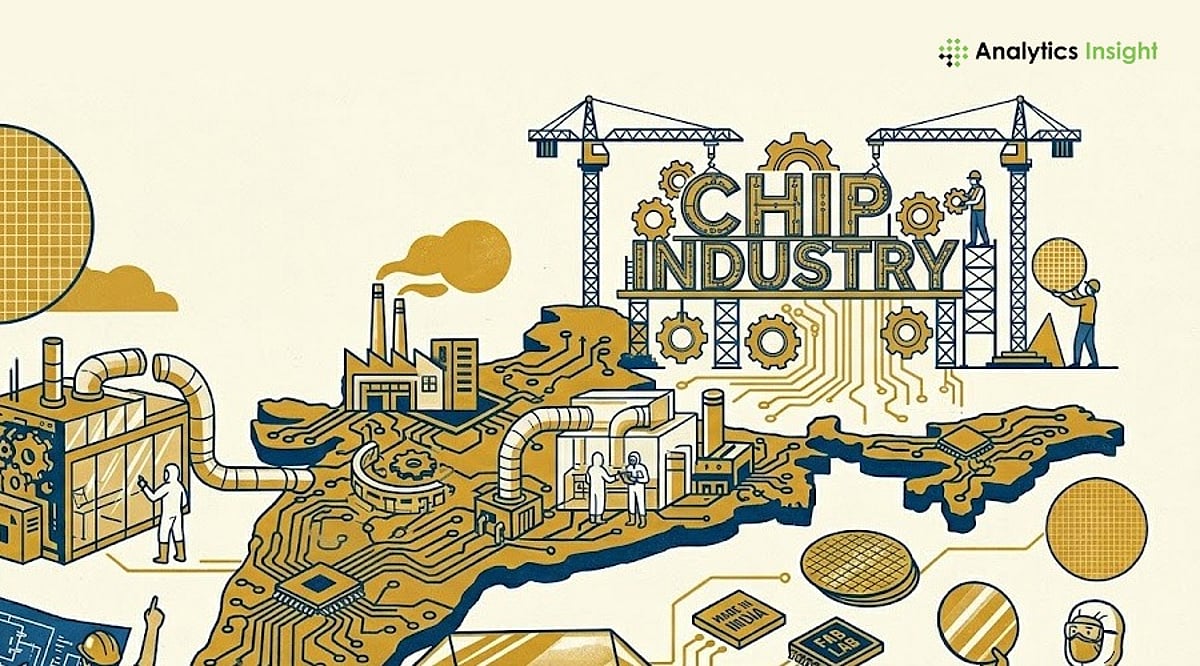
    Picture a grain of sand. Ordinary silica, dug out of a beach or a quarry, worth almost nothing. Now picture that same sand purified to 99.99 per cent purity, sliced into a wafer thinner than a fingernail, and etched with billions of nodes. That transformation — sand into silicon converted to a working brain of glass and metal — is precisely the USD 900 billion business model of the semiconductor industry that will be displayed in full splendour at the three-day SEMICON India 2026, scheduled to be held here from September 17.

    Health Force nets €4.2M to deploy its AI agents across Europe

    In the largest private hospital groups in Italy, three out of four insurance claims are processed from start to finish without any staff involvement, while the remaining claims are returned to staff with specific instructions on what to review. Health Force, the platform behind it, has raised €4.2 million in seed funding to introduce this process to other hospitals throughout Europe.

    For recent college grads, there are reasons bigger than AI that some are not finding jobs

    The popular press is full of stories on the bleak economic outlook of recent college graduates. Journalists are tapping into real fears among students, parents, educators and policymakers about the value of college and the uncertainty of careers. However, there is a tendency among reporters and commentators to focus on the educational and economic disruptions wrought by artificial intelligence. A fresh analysis pushes back on that narrative, pointing to broader economic and educational disruptions at play.

    Crypto Regulation: Government Response Expected Next Week, Finance Panel To Submit Report

    India does not have a comprehensive regulatory framework for virtual digital assets (VDAs), although the sector is covered by taxation and anti-money laundering requirements. The government has been examining how VDAs should be dealt with as the market and related risks evolve. Meanwhile, the Parliamentary Standing Committee on Finance has concluded its discussions on VDAs and is now awaiting the government’s response before preparing its report. The committee’s study, A Study on Virtual Digital Assets (VDAs) and Way Forward, has been under discussion for around a year.

    iOS 27 Adds Impersonation Risk Detection to Block iPhone Scams

    Apple introduced a new security feature in iOS 27 designed to protect iPhone users from impersonation-based scams. Called Impersonation Risk Detection, the feature can identify signs that a user may be caught in an active social engineering scam, particularly when they are about to make a payment or change sensitive account information. Scams involving fake banks, government agencies, delivery services, and even people users know have become increasingly common. Apple says the new feature is designed to detect suspicious activity and alert users before they complete potentially risky actions.

    Join our WhatsApp Channel to get the latest news, exclusives and videos on WhatsApp.
  • Leading Chipmakers Race to Dominate Advanced Semiconductor Manufacturing

    Leading Chipmakers Race to Dominate Advanced Semiconductor Manufacturing

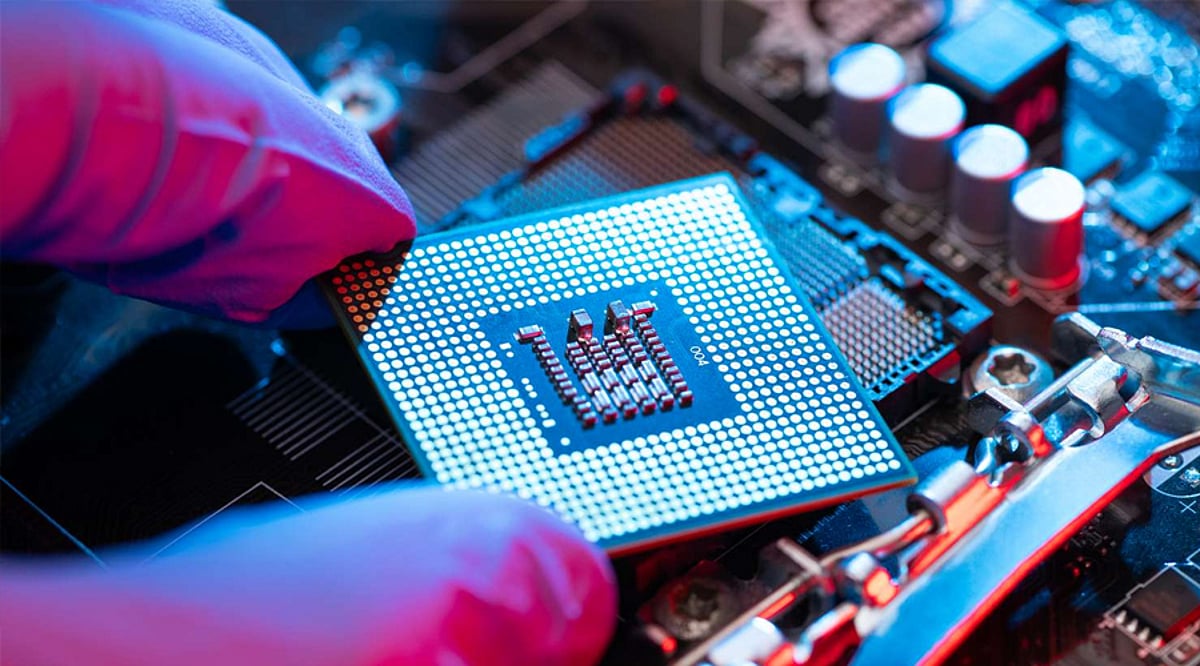
    The race for the world’s most advanced chips is led by TSMC, Samsung, and Intel. TSMC currently holds the strongest position in leading-edge manufacturing, while Samsung and Intel are investing heavily to close the gap and secure more advanced chip orders.

    TSMC remains the leader in advanced chip manufacturing. Its 2nm process entered high-volume production in the fourth quarter of 2025, while its A16 technology is planned for volume production in the second half of 2026.

    Samsung Foundry is challenging TSMC with 2nm technology and gate-all-around transistor designs. The company began planning 2nm mass production for mobile chips in 2025 and aims to expand the process to high-performance computing and automotive applications.

    Intel is taking a different route with its 18A process and RibbonFET technology. Intel 18A entered production in 2025, while High-NA EUV is already being used on selected 18A layers for high-volume products, giving Intel an important technology milestone.

    NVIDIA and AMD are major chip designers rather than foundries. NVIDIA leads the AI GPU market, while AMD competes across AI accelerators, CPUs, and GPUs. Both depend on advanced manufacturing partners to turn their chip designs into physical products.

    SK hynix and Micron are also key players in the AI chip race through high-bandwidth memory. HBM supplies the huge amounts of data needed by modern AI processors, making memory technology as important as advanced processors for AI infrastructure.

    ASML sits at the heart of the chip race by supplying the EUV lithography systems used to manufacture leading-edge chips. Its High-NA EUV technology offers higher-resolution patterning and is designed to support future 2nm-class and more advanced manufacturing.

  • 7 Key Semiconductor Manufacturing Trends Driving the Industry in 2026

    7 Key Semiconductor Manufacturing Trends Driving the Industry in 2026

    Semiconductor manufacturing is entering a transformative era, driven by soaring demand for AI and the need for more powerful, efficient chips. In 2026, the industry is moving beyond traditional transistor scaling to embrace a broader set of innovations. Here are the seven key trends reshaping chip production.

    1. 2nm Chips and GAA Transistors

    Chipmakers are advancing toward 2nm-class process technology with gate-all-around (GAA) transistors. These designs deliver higher performance and better power efficiency, but they also increase manufacturing complexity significantly.

    2. Advanced Packaging and Chiplets

    As shrinking individual dies becomes prohibitively expensive, chiplets and 2.5D/3D packaging are gaining traction. By integrating multiple chip components into a single package, manufacturers achieve higher performance and flexibility without relying solely on node shrinks.

    3. High-Bandwidth Memory for AI

    AI workloads demand enormous amounts of fast memory. High-bandwidth memory (HBM) places stacked memory close to powerful processors, enabling faster data movement and reducing processing bottlenecks in AI systems.

    4. Silicon Photonics and Optical Data

    Electrical connections face growing bandwidth and power challenges. Silicon photonics uses light to transmit data at high speeds, making it a critical technology for future AI data centers, networking, and high-performance computing.

    5. SiC and GaN Take on New Roles

    Silicon carbide (SiC) and gallium nitride (GaN) can handle high voltage, heat, and power demands. These materials are becoming essential in electric vehicles, fast chargers, renewable energy systems, and advanced data-center infrastructure.

    6. AI-Powered Smart Factories

    AI is moving inside semiconductor fabs. Machine learning monitors equipment, detects defects, improves yields, predicts maintenance needs, and optimizes production processes in real time, making factories smarter and more efficient.

    7. Chip Supply Chains Are Going Regional

    Geopolitical tensions and supply risks are pushing companies and governments to diversify semiconductor production. New fabs and packaging capacity are being developed across multiple regions to reduce dependence on concentrated manufacturing hubs.

    The semiconductor race is no longer solely about making transistors smaller. Advanced packaging, memory, new materials, optical connectivity, AI-driven production, and regional manufacturing are becoming equally important for the industry’s future.

  • MediaTek Allocates $5 Billion to AI Data Center Chips as Smartphone Revenue Slips

    MediaTek Allocates $5 Billion to AI Data Center Chips as Smartphone Revenue Slips

    MediaTek has approved a $5 billion discretionary financing framework to accelerate its expansion into custom AI data center chips. The board approved the plan on July 31, granting the company flexibility to raise capital as customer demand and production needs increase.

    The move comes as MediaTek seeks to diversify revenue beyond smartphones. Its mobile chip sales fell 20% year-over-year in the June quarter, pressured by higher component costs and weaker handset demand. The company reported quarterly revenue of NT$152.18 billion (about $4.71 billion), up 1.2% from a year earlier, but net income declined 12.3% to NT$24.6 billion.

    CEO Rick Tsai stated during the earnings call: “This flexible framework provides us with the optionality, when needed, to agilely support our long-term growth and large data center opportunities.” The approval does not require immediate use of the full amount; MediaTek can arrange financing when needed for chip development, manufacturing capacity, advanced packaging, memory supplies, and production work tied to customer orders.

    MediaTek has expanded its data center capabilities through custom chip design and high-speed connectivity products. In June, it announced services covering advanced chip processes, packaging, memory, interconnects, and rack-level integration — all part of its custom silicon offering for cloud companies building AI infrastructure.

    The company raised its 2027 custom AI chip market estimate to $80 billion, up from a prior range of $70–80 billion. It also increased its target market share to 15–20%, from 10–15%. Earlier, MediaTek had doubled its 2026 AI accelerator revenue target to $2 billion. The company now expects its data center AI business to generate over $2 billion in 2026. Its first custom AI chip will enter production in the fourth quarter, with a second product reaching volume production in 2028.

    Custom chips allow cloud companies to design processors for specific AI workloads rather than relying solely on standard products. MediaTek provides design services and supporting technology, while customers set performance, power, and system requirements for their data centers.

    Tsai noted that global smartphone shipments are expected to decline about 15% in units this year. Industry estimates showed an 11% drop in the second quarter, the weakest June quarter since 2013. Memory shortages have also raised handset prices and reduced demand. MediaTek has started raising prices across parts of its product range to reflect higher supply-chain costs.

    Investor reaction was strong: MediaTek shares closed 9.9% higher on the day of the announcement and had gained 148.6% during 2026. The company’s market value reached approximately $176 billion, making it Taiwan’s second-largest listed company.

  • India’s Semicon 2.0 Program to Take Equity Stakes in Chip Startups, Shifting from Grants to Venture-Style Funding

    India’s Semicon 2.0 Program to Take Equity Stakes in Chip Startups, Shifting from Grants to Venture-Style Funding

    The Indian government is preparing to take equity stakes in semiconductor startups under the newly approved Semicon 2.0 program, signaling a major shift in how it supports the country’s chip industry. Instead of relying primarily on one-time grants, the Centre plans to co-invest alongside venture capital (VC) firms, providing funding to promising startups while allowing founders to retain operational control. The move aims to strengthen India’s semiconductor design ecosystem and attract greater private investment into one of the country’s most strategic sectors.

    The policy is part of the broader India Semiconductor Mission (ISM) 2.0, which received Cabinet approval earlier this week with an outlay of Rs. 1.27 lakh crore to expand domestic semiconductor manufacturing, chip design, packaging, research, and supply-chain capabilities.

    From Grants to Venture-Style Funding

    Under the new scheme, eligible semiconductor startups that obtain funding from private venture capital firms would also receive matching investment from the government on an equity basis. Unlike conventional government funding schemes, the government will not seek board representation or management control in these startups.

    The Centre also plans to exit its investments as the companies mature or obtain additional funding, recycling the capital into other semiconductor firms. More mature and larger companies would be supported through royalty payments.

    Semicon 2.0 Expands Beyond Chip Manufacturing

    Semicon 2.0 emphasizes developing every link in the semiconductor value chain, including design, packaging, materials, equipment manufacturing, research, and skilled labor. The Indian government anticipates this will build a robust ecosystem at home, reduce reliance on foreign technology, and position India as a competitive player in the global semiconductor market.

    Speaking at a media interaction on Wednesday, India Semiconductor Mission (ISM) CEO Amitesh Kumar Sinha said, The government will also match the amount brought in by investors. The Centre would invest on the same commercial terms and hold the same class of equity as private investors. He added, We don’t want to interfere in their day-to-day working, clarifying that the government would remain a financial investor without board representation. Detailed operational guidelines will be issued separately.

    Sinha also noted, When the revenue starts flowing, we’ll take back 1.5 times the amount the government has given.

    A Confidence Boost for India’s Startup Ecosystem

    This move reflects an understanding that semiconductor R&D requires patient, long-term investment. Semiconductor companies often take years to become profitable as they develop innovative products. By having the government share risks with VC funds, the program is expected to increase private financing for young enterprises and provide more stable financial conditions during the startup stage. It may also encourage more entrepreneurs to pursue semiconductor development, leveraging India’s large engineering workforce.

    Bigger Than Startup Funding

    Beyond funding individual firms, the policy signals a fundamental shift in India’s industry approach. Rather than simply offering incentives, the Indian government is positioning itself as a long-term ecosystem builder by making equity investments that foster innovation and recycle public money back into the economy.

    If the strategy succeeds, it could create a steady pipeline of domestic semiconductor firms capable of supplying products for industries such as artificial intelligence, electric vehicles, telecommunications, and defense. At a time when global competition for stable chip supplies is intensifying, India is aiming to become not just a manufacturing hub but also an innovation center.

  • India Unveils Rs 1.27 Lakh Crore Semicon 2.0 Program to Build Global Chip Ecosystem

    The Union Cabinet has approved Semicon 2.0, a massive Rs 1.27 lakh crore program aimed at transforming India into a global hub for semiconductor design and production. This marks the country’s largest investment yet in chip manufacturing.

    Unlike the initial phase of the India Semiconductor Mission, which focused primarily on fabrication and packaging, Semicon 2.0 expands support across the entire value chain. The program is built around six pillars: chip design, semiconductor equipment and materials, fabrication plants, packaging and testing, research and development, and talent creation.

    It also introduces incentives for companies producing critical inputs such as specialty chemicals, gases, and manufacturing equipment. The government expects international firms to manufacture chips in India while boosting domestic capabilities amid surging demand from artificial intelligence, electric vehicles, smartphones, electronics, telecommunications, and defense sectors.

    This initiative follows the successes of Semicon 1.0, which secured several chip manufacturing and packaging projects in India. Industry experts believe Semicon 2.0 will ensure supply chain resilience, create skilled jobs, and attract increased investments. As global competition for reliable chip supplies intensifies, the program anchors India’s long-term ambition to become a dominant force in the semiconductor industry.

  • SK Hynix Reduces US IPO Ambition to $28 Billion as Memory Volatility Rises

    SK Hynix Reduces US IPO Ambition to $28 Billion as Memory Volatility Rises

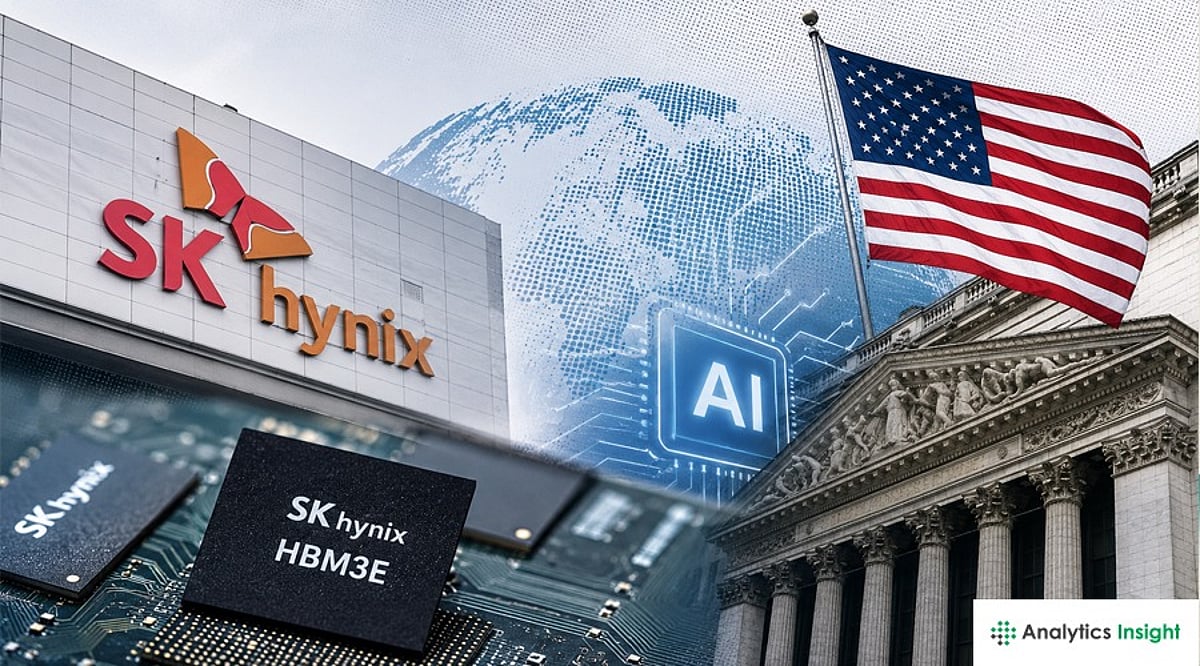
    South Korean chipmaker SK Hynix is scaling back its US listing ambitions, trimming its target to roughly $28 billion amid growing concerns about the memory chip cycle. The company plans to offer American Depositary Receipts on the NASDAQ, aiming to raise funds for factory expansion and equipment purchases while the AI-driven demand for high-bandwidth memory continues to evolve.

    According to regulatory filings, SK Hynix will issue 17.79 million new shares via depositary receipts, with ten ADRs representing one common share. The final pricing is expected on Thursday, with trading set to begin Friday. The revised target of about 43.141 trillion won ($28.21 billion) is lower than the earlier estimate of 45.453 trillion won, reflecting recent declines in the company’s Seoul-listed shares, which fell about 4% on Monday to 2,327,000 won. Broader pressure on memory chip stocks and a dip in the KOSPI index have contributed to the cautious outlook.

    If completed, the deal would rank among the largest share sales in history, trailing only SpaceX’s record US listing last month and surpassing major offerings like Saudi Aramco and Alibaba. The proceeds will be used to expand chip facilities in South Korea and acquire advanced equipment, including ASML’s extreme ultraviolet scanners, essential for cutting-edge semiconductor production.

    SK Hynix is a key supplier of high-bandwidth memory to AI infrastructure giants such as NVIDIA and Google. The company’s stock has surged this year, buoyed by AI demand, but investors remain wary of the memory cycle’s mid-stage timing. “We expect better access, but timing of the memory cycle is equally important,” said Sundeep Gantori, chief investment officer of equities at Standard Chartered. Steve Sosnick of Interactive Brokers noted that the US listing would primarily benefit individual and smaller institutional investors seeking momentum in AI-linked stocks.

    The NASDAQ listing is expected to improve access for US investors and potentially narrow the valuation gap with rival Micron Technology. It could also pave the way for inclusion in the Philadelphia Semiconductor Index, tracked by global passive funds. Dave Mazza, CEO of Roundhill Investments, described the move as “more than a liquidity event,” emphasizing that SK Hynix has been a crucial company that most US institutions could not easily own.

    South Korea’s broader semiconductor push, including a $576 billion chip and AI investment program led by President Lee Jae Myung, underscores the strategic importance of such expansions. Lee has urged officials to expedite permits and infrastructure to support the country’s advanced industry ambitions.

  • India’s Semiconductor Ambitions Get a Boost as PM Modi Launches New Chip Plant and Electronics Roadmap

    India’s Semiconductor Ambitions Get a Boost as PM Modi Launches New Chip Plant and Electronics Roadmap

    India’s Electronics Sector Reaches New Heights

    India has solidified its position as the world’s second-largest mobile phone manufacturer, and Prime Minister Narendra Modi is now charting a bold course for the country’s electronics future. On July 4, 2026, Modi inaugurated the CG Semi Outsourced Semiconductor Assembly and Test (OSAT) facility in Sanand, Gujarat, marking a key milestone in India’s journey from assembling phones to producing semiconductors domestically.

    Speaking at the event, Modi emphasized that the plant represents the next logical step in a decade-long electronics revolution, moving the nation up the value chain and reinforcing its role in the global technology supply chain.

    The Shift from Phones to Chips: Key Numbers

    Modi highlighted India’s mobile manufacturing growth as the foundation for this shift. Since 2014, mobile phone production has surged approximately 33 times, making India the world’s second-largest mobile phone manufacturer and exporter. Overall electronics production has increased nearly sevenfold, while electronics exports have grown almost elevenfold over the same period.

    “The expansion of the semiconductor industry in India did not happen overnight. It is the next step in the electronics revolution that has taken place in India over the past decade,” Modi said. “First products, then components and now semiconductors… India is building the entire electronics value chain. This is the roadmap to Viksit Bharat. This is the next phase of Make in India.”

    Inside the Sanand Plant and Production Targets

    The Rs. 7,500 crore CG Semi facility has already begun commercial production of semiconductor packaging, with an initial annual target of 200 million chips. Modi expressed confidence that the plant will quickly scale toward a national goal of 500 million chips annually. Once the Sanand cluster is fully developed, he projected a daily output of 1.5 crore (15 million) chips.

    The Prime Minister credited the project as a collaboration between Indian, Japanese, and Thai industry partners. He also praised the facility’s diverse workforce, which includes women trained in states like Jharkhand, Madhya Pradesh, and Chhattisgarh, with some employees receiving advanced training in Malaysia. Modi called them representatives of a ‘Mini India’ operating within a single plant.

    Broader Make in India Push

    Modi tied the Sanand launch to a broader national roadmap, noting that four operational semiconductor facilities are expected in 2026 alone. The government’s goal is to cover design, manufacturing, packaging, and testing capabilities entirely within India. He framed this as the next phase of Make in India and a building block toward a ‘Viksit Bharat’ (Developed India) vision.

    He also pointed to parallel efforts to secure domestic access to critical and high-tech minerals needed to support long-term chip manufacturing, ensuring a resilient supply chain for the future.

    Political Framing and Reactions

    Modi used part of his address to contrast the current pace of semiconductor investment with what he described as a lack of follow-through on similar plans under previous governments, referencing past proposals that earmarked land near Gandhinagar and Sanand for chip projects but never materialized.

    Union Railway Minister Ashwini Vaishnaw and Gujarat Chief Minister Bhupendra Patel also spoke at the event, reinforcing the state’s positioning as an emerging hub within India’s broader semiconductor mission.

  • India’s Pursuit of Semiconductor Self-Sufficiency: From Design Hub to Manufacturing Powerhouse

    India’s Pursuit of Semiconductor Self-Sufficiency: From Design Hub to Manufacturing Powerhouse

    India has long been a hidden force in global semiconductor design. Nearly 20% of the world’s chip design talent is based in the country, with engineers in Bangalore and Hyderabad playing a crucial role in creating the processors inside countless devices. However, designing a chip and manufacturing one are vastly different challenges. Until recently, India lacked the advanced fabrication plants—or fabs—needed to turn those designs into physical silicon.

    The COVID-19 pandemic delivered a harsh lesson about the fragility of global supply chains, disrupting car production and countless industries. That wake-up call has spurred India to move beyond its role as a design house and build a full-fledged chip manufacturing ecosystem. The India Semiconductor Mission (ISM) 2.0, backed by billions in government funding, represents the country’s most ambitious push yet to achieve this goal.

    A Strategic, Bottom-Up Approach

    Rather than trying to immediately compete with established leaders like Taiwan on cutting-edge 2-nanometer AI chips, India is pursuing a smarter, incremental strategy. The initial focus is on the third stage of production: Outsourced Semiconductor Assembly and Test (OSAT). This involves slicing raw silicon wafers into individual chips and packaging them—a process that is less capital-intensive than building a full fab but equally vital. Companies like Kaynes Semicon have already begun production in Gujarat, targeting chips for automobiles, telecommunications, and defense. These chips may not be as glamorous as those powering premium smartphones, but they are essential to the modern economy.

    Policy Support and Investment

    The government is backing this vision with substantial resources. The Union Budget for 2026-27 introduced ISM 2.0, allocating Rs. 8,000 crore specifically to support domestic manufacturing and design. By 2029, India aims to design and produce 70% to 75% of the chips it needs, from home appliances to advanced defense systems. Under the first phase, ten major projects—representing an investment of approximately Rs. 1.60 lakh crore—have been approved across six states. The plan positions India as a reliable ‘Plan B’ for global supply chains amid rising geopolitical tensions.

    Talent Development and Indigenous Innovation

    One of the biggest hurdles is the shortage of skilled workers for chip manufacturing, which demands extreme precision and meticulous documentation. To address this, India has launched training programs such as ‘Chips to Startup,’ providing high-end design tools to hundreds of universities and over 1,000 startup engineers. Partnerships with global firms like Lam Research aim to train 60,000 engineers in specialized manufacturing and cleanroom protocols over the next decade. Additionally, the development of indigenous microprocessors like DHRUV64, SHAKTI, and THEJAS demonstrates a push toward digital sovereignty. These open-source chips are more affordable and foster innovation in areas like 5G, automotive electronics, and industrial automation.

    Strategic Importance and Economic Impact

    Semiconductors have become the oil of the 21st century, powering everything from medical devices to satellite communications. India’s chip market is projected to grow from $38 billion in 2023 to $110 billion by 2030. Local production is not just an economic imperative but a matter of national security, ensuring the economy remains resilient during global crises or trade wars. The sector is also expected to create thousands of high-quality jobs for engineers and technicians, reducing brain drain and keeping India’s top talent engaged in cutting-edge technology.

    What Lies Ahead

    Progress is already visible. According to IT Minister Ashwini Vaishnaw, four semiconductor plants are expected to be operational by the end of 2026, with a facility in Sanand, Gujarat, moving from foundation to production in just 14 months—a pace that has impressed global observers. The country’s first major fabrication unit in Dholera, targeting advanced 3-nanometer and 2-nanometer technologies, is slated for completion by 2028. India’s journey is long and requires patient investment, but the pieces are falling into place. By combining world-class design talent with new manufacturing capabilities, the nation is steadily turning its semiconductor dreams into a reality. The government’s goal is to become one of the top three semiconductor nations by 2047.