
Tag: Conservation

  • Colossal Biosciences Eyes $20 Billion Valuation as De-Extinction Efforts Gain Investor Momentum

    Colossal Biosciences Eyes $20 Billion Valuation as De-Extinction Efforts Gain Investor Momentum

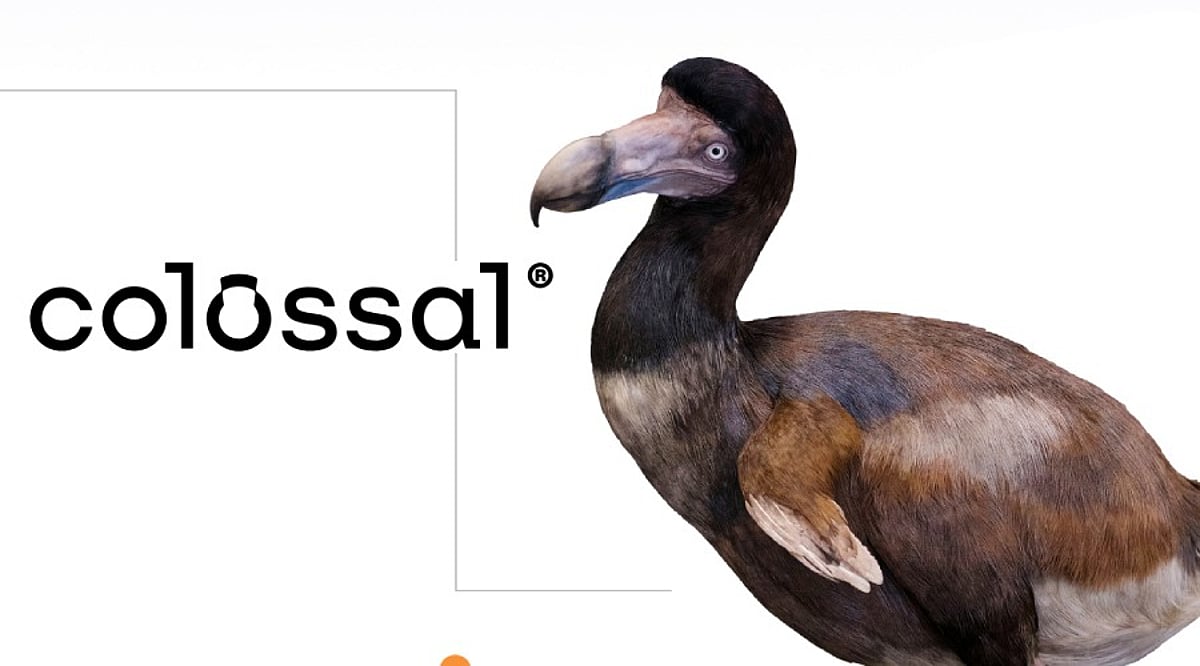
    Colossal Biosciences, the U.S. biotechnology company working to resurrect extinct species such as the woolly mammoth and the dire wolf, is reportedly in talks to raise new capital at a valuation of at least $20 billion. According to a report by Axios, the funding round could value the Dallas-based startup between $20 billion and $30 billion, nearly doubling its $10.2 billion valuation from early 2025. While the lead investor has not been disclosed, discussions have been ongoing for months and are said to be nearing completion.

    From Ambitious Science to Commercial Growth

    Founded in 2021 by entrepreneur Ben Lamm and Harvard geneticist George Church, Colossal is known for its “de-extinction” technology, which uses gene-editing techniques to recreate the traits of species that vanished thousands of years ago. Unlike its previous funding round when the company was pre-revenue, Colossal is now generating income — a significant shift in its business model. Investors view its technology as applicable beyond wildlife conservation, extending to pharmaceuticals, biodiversity preservation, climate adaptation, and longevity research.

    Recently, Colossal announced it had successfully hatched chicks from artificial eggs, a step toward reviving the extinct giant moa bird. CEO Ben Lamm has stated that the company plans to develop an artificial womb for mammals within the next year.

    Conservation Mission Draws Investor Interest

    Beyond de-extinction, Colossal collaborates with governments and research institutions to preserve the genetic material of endangered species. It has also spun off two businesses focused on plastic degradation and DNA analytics, broadening its commercial portfolio. The fundraising effort comes amid growing investor appetite for deep-tech startups, driven by advances in artificial intelligence, biotechnology, and climate innovation.

    Critics Urge Caution

    Despite billions in funding, Colossal remains under close scrutiny from scientists and conservation experts. Some critics argue that bringing back extinct animals generates headlines but does little to address the immediate threats facing living species. Others worry about ecological ripple effects: if genetically engineered animals are reintroduced into current ecosystems, they could disrupt food webs or compete with existing species. Colossal maintains that the technologies developed for de-extinction are also designed to bolster protection programs for species that still exist.
  • How Huawei’s AI-Powered Monitoring Platform Is Rescuing the Critically Endangered White-Headed Langur

    How Huawei’s AI-Powered Monitoring Platform Is Rescuing the Critically Endangered White-Headed Langur

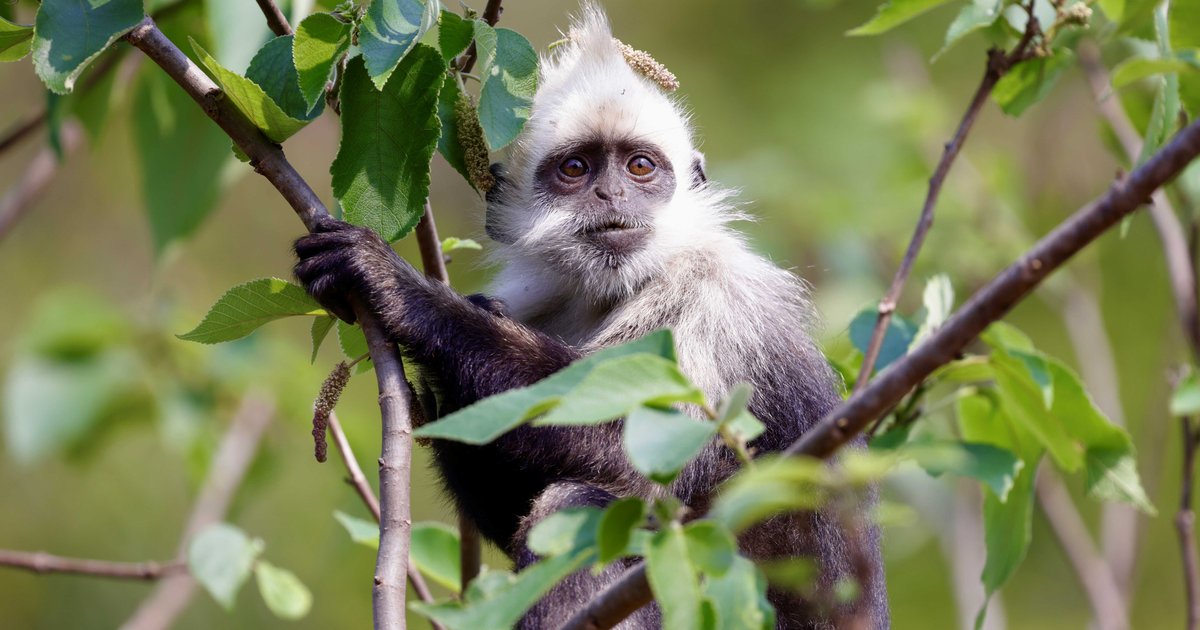
    In the limestone karst mountains of Guangxi, southern China, technology is playing a pivotal role in bringing a critically endangered primate back from the brink. The white-headed langur, a species found only in Chongzuo and rarer than the giant panda, is experiencing a population recovery thanks to an intelligent monitoring platform powered by artificial intelligence by Huawei.

    The platform, developed in partnership with the Guangxi Chongzuo White-headed Langur National Nature Reserve and the China-ASEAN Artificial Intelligence Application Cooperation Center, uses video-based animal monitoring devices deployed along cliffs. These devices collect real-time data on the langurs’ distribution, surroundings, and activity patterns. AI-driven automated labeling and data analytics then process this information to create a comprehensive dashboard for visualized management.

    To date, the system has recorded over 37,200 instances of langur activity, providing researchers with unprecedented insights into the species’ behavior and habitat use. This AI system excels at processing complex geographical data in the challenging karst landscape, which would be extremely difficult to monitor with conventional methods alone.

    Technology operates within a broader conservation framework that includes legal protection and ecological restoration. The Chongzuo White-Headed Langur Habitat Protection Regulations provide the legal foundation, while efforts have restored 77.6 hectares of habitat, built two drinking water sources and 18 water drinking points, and constructed two ecological corridors. As a result, the white-headed langur population has grown to more than 1,400 individuals across 130 groups.

    Huawei Guangxi Deputy General Manager Tian Yongsheng notes that the company is committed to conserving nature with technology. The project demonstrates AI’s immense value in processing complex geographical data and massive volumes of species data. Huawei’s digital inclusion projects for environmental protection have been implemented in 65 protected areas worldwide, improving biodiversity conservation efficiency and showcasing the scalability of AI-powered conservation solutions across diverse ecosystems.