Tag: corporate governance

  • Venu Srinivasan Defies Tata Trusts Directive, Intensifying Boardroom Dispute Over Tata Sons Governance

    Venu Srinivasan Defies Tata Trusts Directive, Intensifying Boardroom Dispute Over Tata Sons Governance

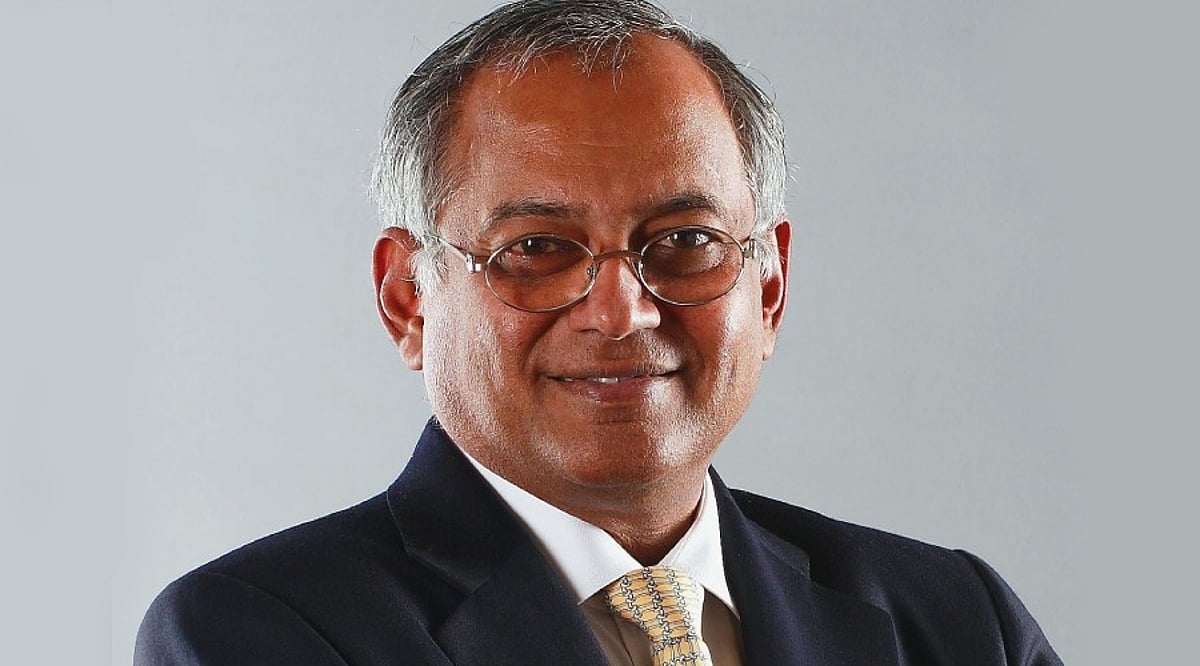
    Venu Srinivasan, the veteran industrialist and chairman emeritus of TVS Motor, has deepened a governance dispute within Tata Trusts by backing N. Chandrasekaran’s reappointment as chairman of Tata Sons on September 17. Despite a directive from Sir Dorabji Tata Trust instructing him to vote against the reappointment, Srinivasan supported Chandrasekaran and also endorsed Tata Sons’ listing plan, intensifying the boardroom row in Mumbai.

    Four directors voted in favor of both decisions, while Noel Tata opposed them, placing Srinivasan at the center of the conflict. Fresh filings have now linked TVS Motor to a warehousing venture involving Chandrasekaran’s family, raising additional scrutiny over governance and disclosure practices.

    Who Is Venu Srinivasan?

    Srinivasan, 73, is a fourth-generation member of the TVS family founded by T. V. Sundaram Iyengar. He studied engineering at the College of Engineering, Guindy, and completed management studies at Purdue University. Under his leadership, TVS Motor grew into a major two-wheeler and three-wheeler manufacturer in India. His emphasis on quality management earned the company’s brakes business the prestigious Deming Prize in 1998.

    In 2020, Srinivasan received the Padma Bhushan for his contributions to industry and public life. He joined the Reserve Bank of India’s Central Board as a non-official director in 2022. In 2025, he stepped away from daily operations at TVS Motor, handing executive leadership to his son Sudarshan Venu. He now serves as chairman emeritus of TVS Motor and non-executive chairman of TVS Holdings.

    Role at Tata Sons and Trusts

    Srinivasan has been a director on the Tata Sons board since 2016, making him one of the longest-serving independent directors. He also holds senior positions within Tata Trusts, including vice-chairman of the Sir Ratan Tata Trust. Before the September 17 meeting, Sir Dorabji Tata Trust sought to restrain him from voting on Tata Sons’ listing. Srinivasan rejected the instruction, arguing that his duties as a director required him to act in the best interests of Tata Sons, not the Trusts.

    Tata Trusts later challenged Chandrasekaran’s reappointment, calling the decision a ‘legal nullity.’ The dispute has escalated, with the Trusts questioning the validity of the board’s actions.

    Scrutiny Over Hanno One Warehousing Deal

    The latest scrutiny involves Hanno One Warehousing, a company where Chandrasekaran’s wife Lalitha and son Pranav serve as directors. In June 2025, TVS Motor leased 17 acres in Tamil Nadu to Hanno One for a warehouse project. HDFC Bank later offered Hanno One a Rs. 60 crore construction loan for the planned facility. Tata Trusts alleged that Srinivasan did not disclose the relationship between TVS Motor and the Chandrasekaran family to its trustees, adding another layer to the governance dispute.

    The boardroom row continues to unfold, with implications for the future governance of both Tata Sons and Tata Trusts.
  • Tata Sons Considers NCLT Intervention to Proceed with AGM Amid Trust Quorum Impasse

    Tata Sons Considers NCLT Intervention to Proceed with AGM Amid Trust Quorum Impasse

    Tata Sons is preparing to hold its annual general meeting (AGM) within the next month, a gathering that is critical for voting on the reappointment of N Chandrasekaran as a director. However, the company may face the same quorum hurdle that forced the adjournment of its August 18 meeting, as restrictions on the Sir Ratan Tata Trust (SRTT) remain in place. If the quorum cannot be met, Tata Sons is likely to seek directions from the National Company Law Tribunal (NCLT) under Section 97 of the Companies Act.

    Background: The Reappointment Vote

    Chandrasekaran’s reappointment as a director requires shareholder approval at a valid AGM. After the August meeting was stalled due to a lack of quorum, the Registrar of Companies granted Tata Sons a three-month extension. The company has yet to announce a new date. According to executives familiar with the company’s rules, Chandrasekaran would remain a director even if the AGM fails again, with his reappointment pending until a valid meeting can be convened.

    The urgency of the meeting also follows a reported disagreement at a recent Tata Sons board meeting. Tata Trusts chairman Noel Tata opposed both Chandrasekaran’s reappointment as chairman and the proposed listing of Tata Sons, while other directors supported both proposals. It is important to note that the chairmanship matter and the shareholder vote on directorship are separate issues.

    The Quorum Problem

    Tata Sons’ articles require at least five members to attend a general meeting in person. Additionally, if the Tata Trusts collectively hold at least 40% of the company’s paid-up ordinary share capital, an authorized representative jointly nominated by SRTT and the Sir Dorabji Tata Trust (SDTT) must be present. SDTT holds 27.98% and SRTT holds 23.56% of Tata Sons, giving them a combined stake of 51.54%—well above the threshold.

    However, the Maharashtra Charity Commissioner has restricted SRTT from holding meetings or making decisions. This restriction prevented the trusts from jointly nominating a representative for the August AGM, leading to its adjournment. The restriction remains in effect, meaning the same quorum issue could derail the upcoming meeting unless SRTT is able to make the nomination. Tata Sons has not commented on its reported plan.

    Seeking NCLT Directions

    If the quorum requirement cannot be satisfied, Tata Sons may approach the NCLT for guidance. Section 97 of the Companies Act empowers the tribunal to direct that an AGM be held and to specify the manner in which it must be conducted. However, legal experts have differing views on the scope of such an order.

    Shafaq Uraizee Sapre, a lawyer quoted by The Economic Times, noted that the NCLT could deem a single member present sufficient for the meeting, but it cannot lift the Charity Commissioner’s restrictions on SRTT. Shreni Shetty considered it “extremely unlikely” that the tribunal would override a shareholder’s quorum rights under Tata Sons’ rules. Vimal Taparia, a partner at Morphis Management Services, added that an affected shareholder could challenge an AGM held under such an order or the resolutions passed there.

    For now, both the date of the AGM and the path to a valid shareholder vote remain uncertain. Tata Sons has not announced any application to the NCLT, but the option remains on the table.

  • N Chandrasekaran Reappointed Tata Sons Chairman for Five Years in Leadership Reversal

    N Chandrasekaran Reappointed Tata Sons Chairman for Five Years in Leadership Reversal

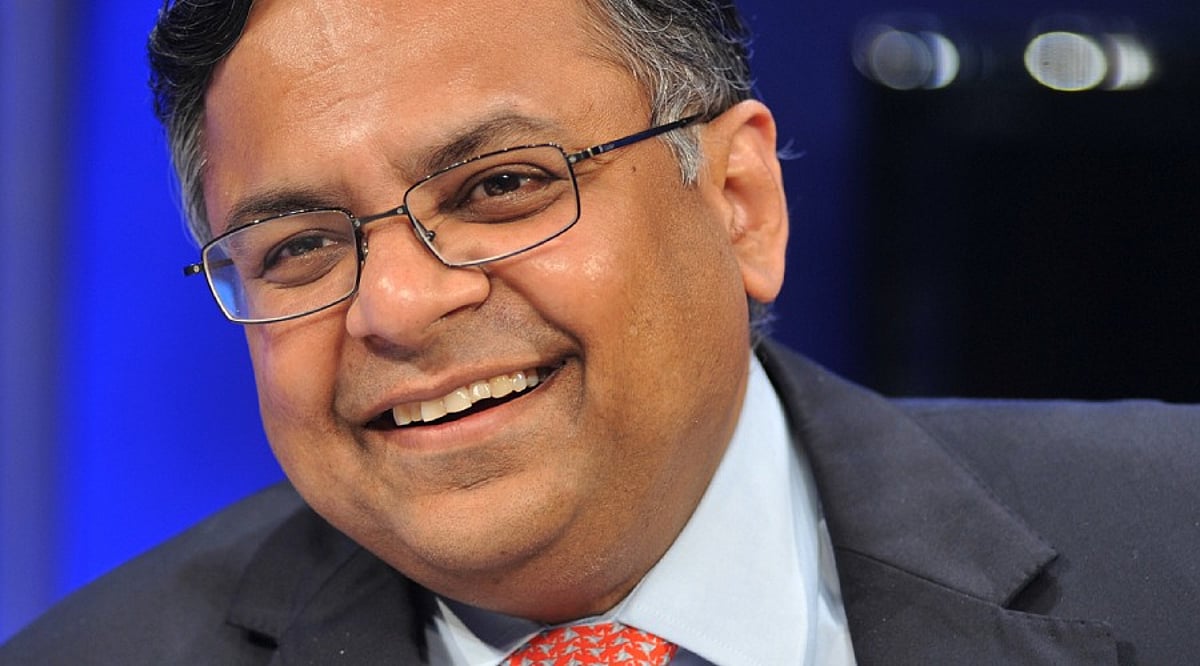
    Tata Sons has reappointed N Chandrasekaran as chairman for a five-year term, overturning his decision to step down in August. The board approved the move on September 17 after asking Chandrasekaran to reconsider, citing the group’s broader interests during a significant corporate transition.

    Chandrasekaran, who first took the helm in 2017 following Ratan Tata, had announced on August 12 that he would not seek another term. The Nomination and Remuneration Committee later urged him to stay, highlighting his contributions and the need for continuity. He accepted, and the board confirmed the reappointment by a majority vote, effective after his current term ends on February 20, 2027.

    The leadership reversal comes as Tata Sons navigates regulatory hurdles with the Reserve Bank of India (RBI). The RBI rejected the company’s request to surrender its registration as an upper-layer nonbanking financial company, imposing enhanced compliance and potential listing obligations. Tata Sons stated it would begin compliance steps and seek guidance from stakeholders.

    The RBI dispute has deepened divisions between Tata Sons and Tata Trusts, which controls 66% of the conglomerate. Tata Trusts opposed Chandrasekaran’s reappointment and a possible public listing. Reports indicate that Noel Tata voted against the reappointment, and Tata Trusts called the decision ‘illegal’ under the company’s articles of association.

    Despite the board’s resolution, unresolved questions around succession planning, governance, and regulatory compliance continue to loom. The reappointment settles the immediate leadership question, but the broader governance challenges remain open.

  • Tata Sons IPO Standoff: SP Group Pushes for Listing While Noel Tata Objects

    Tata Sons IPO Standoff: SP Group Pushes for Listing While Noel Tata Objects

    The debate over a potential Tata Sons initial public offering (IPO) intensified on September 18, 2026, as the Shapoorji Pallonji (SP) Group publicly backed a listing while Noel Tata, chairman of Tata Trusts, firmly opposed it. The dispute centers on regulatory compliance, ownership structure, and the future governance of one of India’s most prominent conglomerates.

    Pressure for a listing mounted after the Reserve Bank of India (RBI) rejected Tata Sons’ deregistration request on September 11. The RBI classifies Tata Sons as an upper-layer non-banking financial company (NBFC), which imposes enhanced regulatory requirements, including mandatory listing obligations.

    Ownership Breakdown and Conflicting Interests

    Tata Trusts holds approximately 66% of Tata Sons, while the SP Group owns around 18.4%. Other Tata Group companies collectively hold nearly 13%. This ownership structure creates divergent priorities: the Trusts emphasize philanthropic continuity, while the SP Group seeks liquidity and transparency.

    SP Group’s Case for Listing

    The SP Group has long advocated for a public listing, citing transparency and shareholder value. Chairman Shapoor Mistry called the IPO a “social and moral imperative,” arguing that it would strengthen public accountability while preserving Tata’s philanthropic mission. For the SP Group, which holds a significant minority stake, a public market offers a route to monetize holdings and provides greater visibility for investors.

    Noel Tata and Tata Trusts’ Opposition

    Noel Tata, speaking for Tata Trusts, has taken a starkly different position. He warned that a listing would “destroy the character” of Tata Sons, which he described as an institution built around philanthropy rather than profit maximization. In a board statement, Noel Tata argued that the company’s privately held structure is central to its identity and purpose.

    Tata Trusts has proposed an alternative: a transaction worth at least ₹25,000 crore to provide liquidity to the SP Group without immediately altering the privately held structure. This proposal, reported by Telangana Today, offers a compromise that could delay or avoid an IPO.

    Governance and Leadership Dispute

    The disagreement extends beyond listing strategy. The Tata Sons board has backed a second five-year term for Chairman N. Chandrasekaran, but Noel Tata and the Trusts have challenged the validity of that decision. This governance clash adds another layer of complexity to the IPO debate.

    Regulatory Pressure and Market Implications

    An IPO would introduce public shareholders, mandatory disclosures, and heightened market scrutiny. Analysts such as Abhishek Bhilwaria of BhilwariaFinserv note that valuation, governance, shareholder rights, and potential dilution will be key factors in the coming months. The immediate hurdle remains compliance with the RBI’s September 11 ruling, which forces Tata Sons to navigate listing requirements while facing internal opposition.

    The board’s next steps will determine whether the IPO moves forward or if an alternative arrangement satisfies all stakeholders. The outcome will have significant implications for Tata Sons’ corporate structure and India’s broader IPO landscape.

  • Tata Sons Reappoints N Chandrasekaran as Chairman for Five More Years

    Tata Sons Reappoints N Chandrasekaran as Chairman for Five More Years

    The board of Tata Sons has approved a fresh five-year term for N Chandrasekaran as executive chairman, reversing his earlier decision not to seek reappointment. The decision was reportedly made during a board meeting in Mumbai on September 17.

    Chandrasekaran’s Reversal

    Chandrasekaran is currently serving his second five-year term, which was slated to end in February 2027. In August, he announced that he would not seek another term, setting the stage for a leadership transition at the Tata Group. However, the latest board decision overturns that course, keeping him at the helm for another five years, subject to the required shareholder process.

    Background

    Chandrasekaran became Tata Sons chairman in 2017 after serving as CEO of Tata Consultancy Services. His continuation comes at a critical juncture for the group, with Tata Sons facing regulatory and governance challenges.

    Governance Differences

    The leadership decision also comes amid differences among Tata Sons’ key stakeholders. Tata Trusts holds a controlling 66% stake in Tata Sons. Reuters reported that the reasons behind Chandrasekaran’s change of position were not disclosed. Experts suggest that Tata Trusts chairman Noel Tata opposed the resolution on Chandrasekaran’s reappointment, highlighting continuing governance differences within the group.

  • HDFC Bank Shares Gain 0.92% on Proprietary AI Platform and Governance Revamp

    HDFC Bank Shares Gain 0.92% on Proprietary AI Platform and Governance Revamp

    HDFC Bank closed at Rs. 803.25, up 0.92%, as investors responded positively to the lender’s aggressive push into artificial intelligence and a proposed leadership change aimed at strengthening corporate governance. The stock’s advance reflects a broader market trend where technology adoption and governance standards are increasingly influencing valuations.

    AI Platform Drives Efficiency and Security

    The bank is developing a proprietary AI platform and a high-end fraud monitoring system, moving away from third-party solutions. This in-house approach is expected to enhance operational efficiency, bolster cybersecurity, and improve customer experiences amid India’s rapidly growing digital transaction ecosystem. By controlling its own AI infrastructure, HDFC Bank can reduce long-term technology costs and maintain full data sovereignty.

    Leadership Transition Bolsters Governance

    The Reserve Bank of India has approved the nomination of Rajiv Kumar, former Finance Secretary and Chief Election Commissioner, as part-time chairman of HDFC Bank. The move is seen as a significant step to reinforce governance practices, which have been under scrutiny. Strong governance credentials often command premium valuations, and the new leadership is expected to shift investor focus from regulatory concerns to business strategy and growth execution.

    LTTS Remains a Key AI Beneficiary

    HDFC Securities reaffirmed its positive stance on L&T Technology Services (LTTS) despite trimming the target price, citing valuation adjustments rather than fundamental weakness. The brokerage views LTTS as well-positioned to capitalize on rising global investment in industrial AI, automation, and digital engineering across sectors such as automotive, healthcare, and manufacturing.

    What to Watch Next Week

    Investors will track HDFC Bank’s AI platform execution, digital banking metrics, and any further regulatory clarity on the chairman nomination. For LTTS, management commentary, deal flow, and client spending on AI engineering will be key. Broader market cues from quarterly earnings in banking and technology will also influence sentiment. Analysts recommend a stock-specific approach, with fundamentally strong companies that combine innovation and governance likely to outperform.

    Disclaimer: This article is for informational purposes only and does not constitute investment advice. Readers should conduct their own research before making any financial decisions.

  • How Stock Incentives Drive $200 Million CEO Paydays: Inside the Debate Over Executive Compensation

    How Stock Incentives Drive $200 Million CEO Paydays: Inside the Debate Over Executive Compensation

    The debate over executive compensation has intensified as CEO pay packages continue to hit unprecedented levels. Across the United States, a handful of corporate leaders are earning compensation worth more than $200 million annually, driven largely by stock awards and long-term performance incentives. However, while firms argue that these compensation packages align executives’ and shareholders’ interests, many people wonder whether such remuneration is reasonable, given income disparities and the need to reduce labor costs.

    These days, the world’s highest-paid chief executives are not earning large salaries. Rather, they earn money through a complex compensation system that depends on the company’s growth expectations and its market capitalization performance.

    Stock Awards Drive Billion-Dollar Wealth

    Executive compensation has changed significantly over the last decade. The trend is toward replacing fixed pay with equity compensation, which may be highly rewarded through increased value in the event of strong share performance.

    Performance Share Units (PSU), Restricted Stock Units (RSU), stock options, and long-term incentive programs are the main methods of executive compensation today. They pay the CEO not for financial success but for creating value for the shareholders.

    Such a method results in very large compensation, exceeding $200 million per year, especially for technology, media, and manufacturing companies in fast-growing markets.

    The CEOs Leading the Pay Rankings

    Several corporate leaders have topped global compensation charts in recent years.

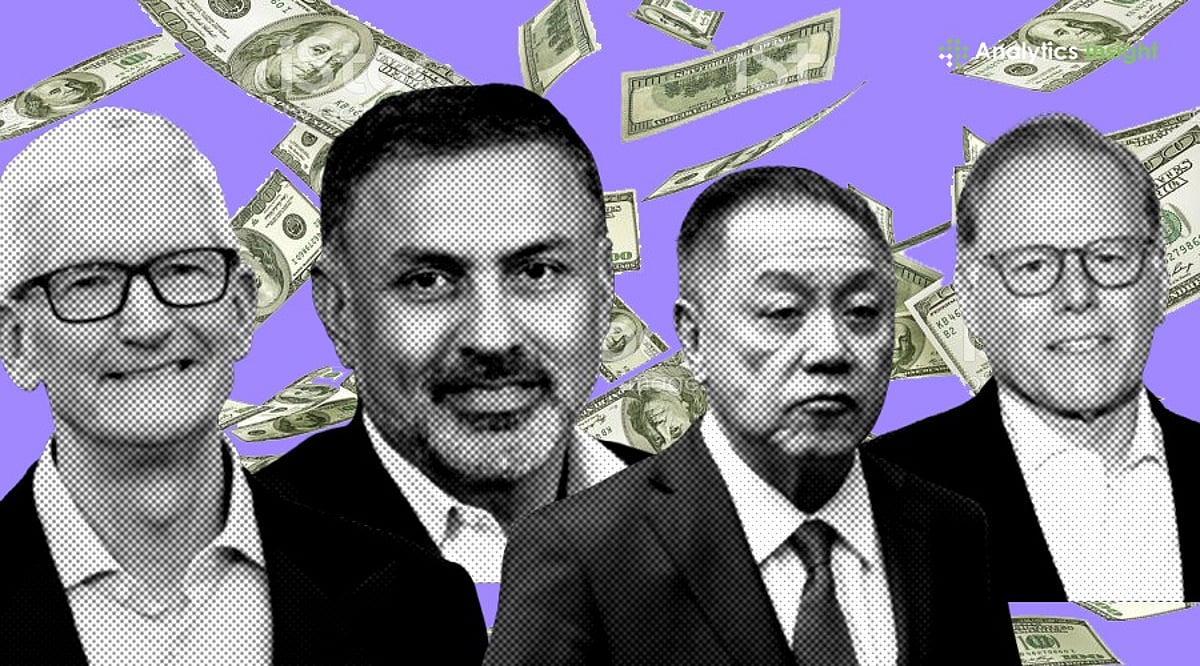
    Hock Tan, Broadcom

    The CEO of Broadcom is known to be one of the highest-paid CEOs in the world. The pay packets he receives have always exceeded $200 million due to stock awards tied to high revenues and returns on shareholder investments. With Hock Tan’s guidance, Broadcom has become the world’s most valuable semiconductor company.

    Tim Cook, Apple

    The CEO of Apple, Tim Cook, is another example of a highly paid executive who occasionally earns more than $200 million due to the vesting of long-term stock awards. While he receives a relatively modest salary, the significant reward comes from equity awards linked to Apple’s performance.

    Nikesh Arora, Palo Alto Networks

    The cybersecurity firm Palo Alto Networks has one of the most expensive compensation packages for its CEO, Nikesh Arora. His earnings were mainly linked to the stocks he received for growth in the cybersecurity industry.

    David Zaslav, Warner Bros. Discovery

    David Zaslav, the media executive, is known for having an expensive compensation package, worth hundreds of millions of dollars, despite the company’s restructuring, layoffs, and cuts in content production budgets.

    Why Boards Approve Massive Compensation

    Boards have claimed that outstanding leadership provides immense value for stakeholders. A chief executive officer who can provide tens of billions of dollars of market capitalization can deserve a pay package of a few hundred million dollars.

    There has also been increased competition for seasoned managers. Organizations fear losing talented leadership to competitors, especially in sectors such as technology, artificial intelligence, medicine, and finance.

    The performance-based pay system enables the board to protect the generous pay by emphasizing that managers will earn their compensation through shareholder benefits.

    Growing Shareholder Pushback

    However, despite all the above-mentioned arguments, executive remuneration is being increasingly scrutinized. Institutional shareholders have become more inclined to vote down executive remuneration schemes deemed excessively generous in ‘Say on Pay’ votes. Even proxy advisors have recommended reviewing executive incentives that seem out of touch with financial results.

    Furthermore, employee organizations have continued to raise doubts about the growing disparity between CEOs’ earnings and those of ordinary workers. Nowadays, in many multinational companies, a CEO’s earnings are several hundred times those of an average employee.

    The criticism becomes particularly sharp when companies announce layoffs, cost reductions, or weak financial results while awarding executives record compensation.

    Global Trend Beyond Silicon Valley

    Although US executives dominate the highest-paid rankings, generous compensation packages are increasingly appearing worldwide. Companies in Europe and Asia have adopted performance-based equity incentives slowly to attract talented people from around the world.

    On the other hand, regulations are tighter outside the United States because many countries require increased transparency, shareholder approval, and disclosure of CEO-worker compensation ratios.

    Future of Executive Compensation

    AI, digitalization, and semiconductor revolutions are transforming corporate leadership goals. As competition within such spheres intensifies, companies need to offer generous compensation packages to attract top-notch executives.

    However, there is also a demand for accountability. In the future, reward packages will be designed based on corporate success and shareholders’ interests.

    The issue of $200 million paychecks for CEOs is not going away any time soon. While their advocates see such compensation programs as a way of investing in outstanding leadership that will deliver billions in value to the company, their opponents interpret them as a sign of economic inequality.

    Why This Matters

    Executive pay reflects corporate priorities, investor confidence, and governance standards. As CEO compensation reaches record highs, the debate over fairness, accountability, and the widening gap between executives and employees grows stronger.