Tag: cryptocurrency

  • Best Cryptocurrency Investments for July 2026: Top Coins by Market Cap

    Best Cryptocurrency Investments for July 2026: Top Coins by Market Cap

    As we move into July 2026, the cryptocurrency market continues to evolve, with established digital assets maintaining their dominance. Here’s a look at the largest coins by market cap that are leading the crypto world this month.

    Bitcoin (BTC)

    The world’s largest cryptocurrency continues to dominate as digital gold, offering a store of value and a hedge against inflation.

    Ethereum (ETH)

    The leading blockchain powering DeFi, NFTs, and thousands of decentralized applications remains a top investment choice.

    Tether (USDT)

    The most widely used stablecoin for trading and preserving value, providing liquidity and stability in volatile markets.

    XRP

    Designed for fast, low-cost international payments and financial institutions, XRP continues to gain traction in cross-border transactions.

    BNB

    Binance’s native token continues to power one of the world’s largest crypto ecosystems, offering utility across trading, DeFi, and more.

    Solana (SOL)

    Known for lightning-fast transactions and growing developer adoption, Solana is a strong contender for scalable blockchain solutions.

    Dogecoin (DOGE)

    The meme coin that remains popular thanks to its strong community support and increasing real-world use cases.

    Cardano (ADA)

    A research-driven blockchain focused on security, sustainability, and scalability, Cardano offers a methodical approach to development.

    These digital assets represent the top crypto investments for July 2026, each with unique strengths and growing ecosystems. For the latest news and updates, join our WhatsApp channel.

  • Trump Accepts Ethics Framework for Crypto CLARITY Act, Potentially Unlocking Senate Vote

    Trump Accepts Ethics Framework for Crypto CLARITY Act, Potentially Unlocking Senate Vote

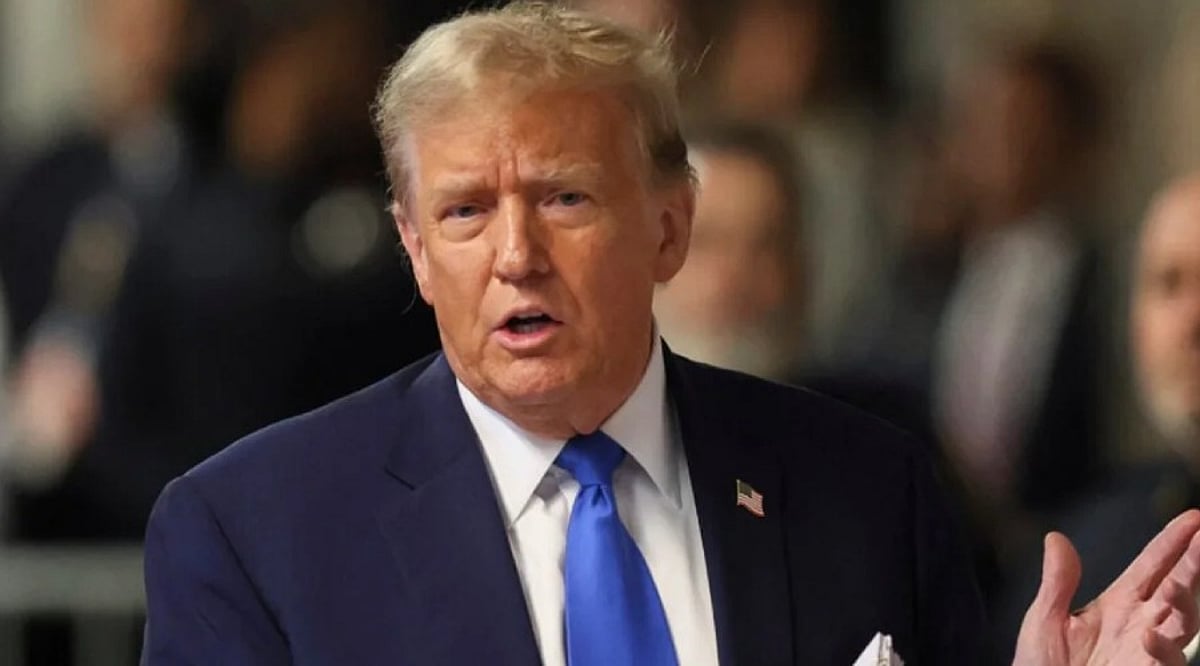
    Former President Donald Trump has reportedly accepted an ethics framework tied to the Digital Asset Market Clarity Act (CLARITY Act), a move that could break a key deadlock in Senate negotiations. However, as of late July, the agreement remains unconfirmed and its language has not been publicly released, leaving a potential vote uncertain before the August recess.

    Ethics Rules Aimed at Conflicts of Interest

    Negotiators have proposed restrictions covering senior federal officials—including presidents, vice presidents, and lawmakers—to prevent them from profiting personally from digital assets while shaping industry policy. The reported framework would address profits from crypto ventures, but without the published text, the scope remains unclear. It is unknown whether the rules would apply to family members, existing holdings, new token launches, promotional income, or assets held in trusts. Enforcement mechanisms also remain undefined, including which agency would investigate violations and what penalties would apply.

    Trump’s Crypto Income Fuels Ethics Debate

    The ethics dispute intensified after Trump’s latest financial disclosures revealed that his family’s crypto ventures generated approximately $1.4 billion of his income in 2025. Senior Senate Democrats argued that the legislation could expand the value of crypto businesses linked to senior officials, calling for stronger conflict-of-interest safeguards. Trump dismissed the concerns in a July 2 CNBC interview, stating that his children manage his businesses and that the income was ‘nothing illegal.’ The White House has maintained that Trump does not oversee daily operations, though critics counter that transferring management does not remove his financial interest.

    Senate Faces Tight Timeline

    The House passed H.R. 3633 on July 17, 2025, by a 294-134 vote, and the Senate Banking Committee advanced its version on May 14, 2026, by a 15-9 vote. The legislation would split crypto oversight between the Securities and Exchange Commission (SEC) and the Commodity Futures Trading Commission (CFTC) and establish federal rules for exchanges and intermediaries. Senate leaders have not yet scheduled a floor vote, and the August state work period begins August 10, leaving a narrow window. Even with an ethics agreement, lawmakers still face disputes over decentralized finance, illicit-finance controls, and developer protections. Any changes to the House version would require approval from both chambers before the bill can reach Trump’s desk.

    What’s Next

    The next critical step is the publication of revised legislative text. If the reported ethics framework is converted into enforceable provisions and garners bipartisan support, the Senate could move forward. Until then, the agreement remains a political understanding rather than a completed amendment.

  • Bitcoin Surges Past $65K as Chip Stocks Rebound and ETF Inflows Resume

    Bitcoin Surges Past $65K as Chip Stocks Rebound and ETF Inflows Resume

    Bitcoin climbed to a two-week high near $65,500 on Tuesday, fueled by a recovery in Asian chip stocks and renewed demand for U.S. spot Bitcoin ETFs. The cryptocurrency rose about 1% during the session and 5% over the past seven days, with daily trading volume approaching $33 billion as risk appetite improved across global markets.

    Asian Markets Lead the Recovery

    The MSCI Asia-Pacific gauge gained approximately 2%, snapping a three-session losing streak. Semiconductor shares led the rebound after a broad technology selloff. South Korea’s Kospi surged more than 3%, with Samsung Electronics and SK Hynix advancing. Taiwan’s Taiex climbed over 4% as Taiwan Semiconductor Manufacturing Company (TSMC) recovered. Japan’s Nikkei 225 also rose more than 3%, with chip-related companies like Kioxia, Advantest, and SoftBank among the strongest performers. The recovery followed concerns about high valuations in artificial intelligence and a pullback in global tech stocks.

    Major Cryptocurrencies Follow Bitcoin Higher

    At the time of writing, Bitcoin traded near $65,245, gaining 1.23% in 24 hours and 5.02% over the week, with daily volume around $32.18 billion. Other major cryptocurrencies also advanced: Ethereum hovered near $1,901, XRP stood at about $1.11, Solana traded near $77.73, BNB around $571, and Hyperliquid near $62.49. Dogecoin traded near $0.073 as the broader market recovered.

    ETF Inflows Add Momentum

    U.S. spot Bitcoin ETFs recorded $226.9 million in net inflows on Monday, marking the fifth consecutive session of positive flows and bringing total inflows to approximately $727.3 million over that period. This renewed buying comes after a difficult stretch in which more than $4 billion exited the funds during June, and a 13-session outflow streak removed about $4.37 billion between May and early June. During those outflows, large Bitcoin wallets accumulated roughly 270,000 BTC (valued at about $16.7 billion), providing additional demand support. The combination of ETF inflows and whale accumulation has reinforced Bitcoin’s recovery from the June low near $58,000–$60,000.

    Oil Prices and Geopolitics Support Risk Sentiment

    Oil prices also supported risk appetite. Brent crude fell about 1% toward $88 after reports of a proposed 10-day ceasefire between the United States and Iran. Although fighting remained active with no confirmed agreement, lower oil prices eased some market pressure that had weighed on sentiment over the previous two sessions.

    Outlook

    Bitcoin’s rise near $65,500 follows stronger chip stocks, lower oil prices, and renewed spot Bitcoin ETF inflows. Large wallet accumulation also supported demand after months of withdrawals. Investors should monitor ETF activity and broader risk markets for signs that the recovery can continue.

  • XRP Eyes Bullish Breakout Above $1.13 as Analyst Targets $1.35 Rally

    XRP Eyes Bullish Breakout Above $1.13 as Analyst Targets $1.35 Rally

    XRP moved closer to a key breakout level on Monday as analyst Ali Martinez tracked a symmetrical triangle on the hourly chart. He said a move above $1.13 could confirm bullish momentum and open a path toward $1.35.

    The token has traded near $1.09 to $1.11 throughout July. Martinez said the narrow range has kept XRP inside a technical structure that traders often watch for a sharp move.

    XRP Charts Point to a Key Resistance Test

    Martinez shared an animated chart showing XRP consolidating inside a symmetrical triangle. He said the monthly chart also displayed a TD Sequential buy signal. He identified another buy signal near $1.109 last week. XRP has risen 3.3% since that signal, according to the figures included in his update.

    His latest projection placed the potential move near 20%. A successful breakout above $1.13 could therefore send XRP toward the $1.30 to $1.35 area.

    Technical Indicators Show Improving Momentum

    TradingView data showed that the Moving Average Convergence Divergence (MACD) indicator issued a buy reading. The indicator compares two exponential moving averages to track changes in price momentum. Meanwhile, the Bull Bear Power indicator remained neutral. The Relative Strength Index (RSI) also stayed neutral and hovered slightly above 50, showing neither side held firm control.

    XRP futures open interest rose more than 6% over one week, according to Coinglass. The spot price also gained 5.58% during the same period.

    Smart money sentiment also turned bullish. That measure tracks the outlook and capital positioning linked to institutional investors and other large market participants.

    Schwartz Explains Early XRP and Ethereum Sales

    Ripple CTO Emeritus David Schwartz said he regrets selling some of his early XRP and Ethereum holdings. He addressed the sales in a July 20 post on X. Schwartz said he sold XRP near $0.10 and later sold Ethereum near $1. He explained that he and his wife agreed to reduce exposure whenever their holdings reached new highs.

    He previously said XRP looked expensive at $0.10 during its early years. At the time, he also viewed a move to $0.25 as unlikely. Schwartz also sold 40,000 ETH at about $1.05 each. In May, he said he would have held the tokens if he had seen a small chance of Ethereum reaching thousands of dollars.

    He said a perceived 1% chance of Ethereum reaching $2,368 would have changed his decision. Instead, he sold because he considered such an increase highly unlikely. His early sales also included Bitcoin. Schwartz has repeatedly described those decisions as part of a broader effort to limit volatility and manage personal financial risk.

    Conclusion

    XRP remains near the $1.13 resistance level as technical indicators and rising futures interest support a possible move toward $1.35. Meanwhile, David Schwartz’s early token sales show how risk management shaped major crypto decisions. Traders should watch for a confirmed breakout before assessing further upside.

  • Ethereum Approaches $2,000 as Bullish Momentum Encounters Key Resistance

    Ethereum Approaches $2,000 as Bullish Momentum Encounters Key Resistance

    Ethereum has surged toward the $2,000 mark following a strong 4.53% daily gain, fueled by robust spot demand. The price now sits above its short-term moving averages, signaling an improved short-term trend. However, technical indicators are flashing mixed signals, and traders are closely watching resistance near $1,968 and the 200-day moving average at $2,173 for confirmation of a sustained uptrend.

    Momentum Indicators Send Mixed Signals

    Ethereum’s Relative Strength Index (RSI) reached 65, indicating strong demand without entering overbought territory. The 12-period exponential moving average remains above the 26-period average, supporting the recent recovery. However, the Moving Average Convergence Divergence (MACD) histogram has flattened near zero, suggesting upward momentum is no longer expanding.

    Meanwhile, the Stochastic oscillator climbed to 95.57, with its signal line at 76.45, implying that ETH may still attempt another short-term push. The Bollinger Band reading shows mounting pressure, with Ethereum trading near the upper band of $1,944.50. A loss of buying pressure could send the price toward the middle band near $1,817, which also aligns with identified support at $1,817.75.

    Spot Demand Drives Rally as Open Interest Falls

    Ethereum derivatives open interest declined 2.23% over 24 hours while the spot price climbed, pointing toward short covering and direct spot-market demand. The decline in open interest indicates that leveraged traders did not aggressively open new long positions during the rally, reducing the role of leverage in the move.

    The funding rate stood at 0.0026%, indicating nearly balanced positioning between bulls and bears, which also reduces immediate liquidation pressure. The taker buy-to-sell ratio reached 1.36, showing that buyers placed more aggressive market orders than sellers. Retail accounts held 63.4% long positions, while leading Binance futures accounts held 58.4% long exposure, revealing stronger bullish conviction among retail traders.

    Ethereum Faces Resistance Below $2,000

    Ethereum’s immediate resistance stands at $1,967.70, followed by the key psychological level near $1,999.21. A daily close above $2,000 could shift attention toward the 200-day moving average at $2,173. The bullish scenario carries a 40% probability over the next 72 hours, requiring sustained volume, a break above $1,967.70, and firm consolidation above $2,000.

    Under that scenario, the 200-day simple moving average would become the next major price target, about 12% above the current market price. The bearish scenario carries a 60% probability during the same period, expecting resistance near the upper Bollinger Band to stop the advance within 24 to 48 hours. A rejection could first push Ethereum toward the $1,908.48 pivot, then support at $1,876.97, before opening a path toward $1,817. Holding $1,817 would preserve Ethereum’s improving medium-term structure.

    Ethereum’s 4.53% surge and strong spot demand have moved the asset close to $2,000, while short-term averages support the recovery. However, weak MACD momentum, an overextended Stochastic, and resistance near $1,968 raise pullback risks. Traders should watch daily closes above $2,000 or support near $1,817 before acting.

  • Dogecoin Accumulation Hits Maximum Score as Breakout Pressure Intensifies

    Dogecoin Accumulation Hits Maximum Score as Breakout Pressure Intensifies

    Dogecoin holds near $0.07 as its accumulation score reaches 100. Whale purchases and futures activity are rising. A confirmed range breakout could revive targets near $0.65 and eventually above $1.25 if market participation strengthens further.

    Dogecoin remains near $0.07, while improving momentum, whale buying, and rising derivatives activity suggest pressure may be building inside its narrow trading range. Analyst Javon Marks also sees a wider cycle structure targeting $0.653 before a possible extension above $1.25. However, DOGE must hold support and escape its current range before those projections gain confirmation.

    Sideways Trading Builds a Wider Base

    DOGE is trading between about $0.0719 and $0.0730 as volatility stays unusually low. The narrow range shows that buyers and sellers have not gained firm control. Even so, the chart gives Dogecoin a maximum accumulation score of 100. This reading suggests buyers may be adding positions while price movement remains limited.

    At the same time, the relative strength index has moved toward its midpoint. Price has barely changed, which indicates that selling pressure has started to ease. The MACD histogram has also improved during the consolidation. However, volume remains weak, and the ADX still points to a ranging market.

    A clear move above $0.0730 could open the path toward $0.075 and $0.076. By contrast, a break below $0.0719 would weaken the accumulation setup.

    Cycle Pattern Revives Higher Price Targets

    Javon Marks views the current phase as post-breakout consolidation. His chart compares it with structures that appeared before Dogecoin’s major rallies in 2017 and 2021. Each earlier cycle followed a similar sequence. DOGE broke a descending trend, traded sideways for an extended period, and later entered a sharp expansion phase.

    The first major projection now sits near $0.653. This level stands close to Dogecoin’s previous cycle high and could place $0.70 within reach. A stronger advance could then support a projection above $1.25. However, the pattern still depends on DOGE holding long-term support and clearing its present range.

    Could the quiet price action mark another accumulation phase before volatility returns? For now, the setup remains a historical comparison rather than a confirmed breakout.

    Whale Buying and Leverage Increase

    Large Dogecoin holders acquired 200 million DOGE through Robinhood, according to an X post. The purchase carried an estimated value of about $14 million. The transaction added to evidence of large-wallet demand while DOGE traded sideways. Its impact will depend on whether those coins remain off exchanges or return for sale.

    Meanwhile, Dogecoin futures volume rose 114% to about $739.56 million. Open interest also increased 3.74% to roughly $1.08 billion. Rising volume and open interest show that traders added new exposure. CoinGlass data also shows liquidation clusters above and below the current price.

    These clusters could increase volatility if the price reaches either side. Broader market conditions offered some support, with Bitcoin above $64,000 and Ethereum above $1,870. XRP remained below $1.10, showing uneven performance among major cryptocurrencies. DOGE still needs stronger spot participation before its developing setup becomes more reliable.

  • 5 Promising Altcoins to Consider Before Bitcoin’s Next Rally

    5 Promising Altcoins to Consider Before Bitcoin’s Next Rally

    As Bitcoin trades near $64,000 as of July 20, 2026, many investors anticipate the next major bull run. Historically, Bitcoin leads market rallies, but altcoins often deliver larger percentage gains afterward. This pattern has shifted focus toward projects with strong technology, real-world utility, and active communities. Here are five altcoins that stand out for their ecosystems and growth potential.

    Key Takeaways

    • Ethereum continues to lead smart contracts with institutional support.
    • Solana, XRP, Chainlink, and Sui each offer unique strengths in payments, infrastructure, and scalability.
    • Strong adoption and healthy ecosystems often matter more than short-term price movements.

    Ethereum (ETH) – $1,855.60

    Ethereum remains the largest smart contract blockchain, powering thousands of decentralized applications, DeFi platforms, and NFT projects. Layer-2 solutions have improved speed and reduced fees, while major financial institutions continue to build tokenization projects on the network. Analysts expect Ethereum to perform well in the next bull market due to strong retail and institutional demand.

    Solana (SOL) – $75.86

    Solana is known for its high throughput—processing thousands of transactions per second with low fees. It has attracted developers in gaming, payments, NFTs, and DeFi. After recovering from previous market challenges, the ecosystem shows healthy developer activity and new project launches, boosting investor confidence.

    XRP – $1.08

    XRP focuses on cross-border payments, enabling faster and cheaper international transfers for banks and financial institutions. Regulatory clarity in recent years has improved confidence, allowing Ripple to expand partnerships globally. If payment adoption grows, XRP could see increased demand during the next rally.

    Chainlink (LINK) – ~$18

    Chainlink provides oracle services that connect blockchains to real-world data, such as prices and weather. It is essential for DeFi and tokenized assets, where accurate data is critical. As blockchain adoption in traditional finance grows, Chainlink’s unique position attracts long-term investors.

    Sui (SUI) – $0.7499

    Sui is a fast-growing Layer-1 blockchain optimized for speed, low costs, and consumer applications like gaming. Active addresses on the network surged 92% in the past week, indicating rising user and developer interest. Strong network growth often precedes price strength in a broader market recovery.

    Latest Crypto Market News

    Despite price fluctuations, market optimism remains as Bitcoin holds near $64,000. Institutional accumulation and improving fundamentals support a potential bull run. Ethereum gains ground through tokenization, Solana stays strong in developer adoption, XRP benefits from regulatory clarity, Chainlink consolidates its oracle dominance, and Sui shows rapid network expansion.

    Final Thoughts

    While Bitcoin historically triggers rallies, altcoins with solid ecosystems, real use cases, and growing adoption often outperform. Ethereum leads smart contracts, Solana offers speed, XRP targets payments, Chainlink provides critical infrastructure, and Sui brings innovation. If Bitcoin surges again, these altcoins are well-positioned for significant gains.

    FAQs

    1. Why do altcoins usually rise after Bitcoin?

    Bitcoin attracts initial investment, and capital later flows into altcoins as market confidence grows.

    2. Which altcoin has the strongest ecosystem?

    Ethereum remains the largest smart contract platform with the biggest developer community and DeFi ecosystem.

    3. Why is Solana popular?

    Solana offers fast transaction speeds, low fees, and supports a wide range of decentralized applications.

    4. What makes Chainlink different?

    Chainlink provides real-world data to blockchain networks, essential for many decentralized applications.

    5. Is Sui a high-risk investment?

    Sui is a newer project with strong growth potential but may experience higher volatility than established cryptocurrencies.

  • Today’s Tech Roundup: Google’s New AI Chip, Transition VC Fund, IT Hiring Shifts & Crypto Funding

    Today’s Tech Roundup: Google’s New AI Chip, Transition VC Fund, IT Hiring Shifts & Crypto Funding

    Good morning, tech fam! Here are the biggest headlines making waves today, from artificial intelligence and startup funding to hiring trends, global AI competition, and cryptocurrency.

    Google’s New AI Chip Could Make Gemini Faster and Smarter

    Google is reportedly building a new AI chip called Frozen v2 to run Gemini more efficiently. The chip promises better performance while using less power, potentially reducing Google’s reliance on external hardware and strengthening its AI infrastructure in the coming years.

    Transition VC Expands Support for Energy Startups

    Transition VC has launched its Rs. 1,500 crore Fund II to invest in energy technology startups across India. The fund aims to help early-stage companies grow, build clean energy solutions, and accelerate innovation in the country’s energy sector.

    IT Firms Change Hiring Plans as Freshers Face Longer Waits

    India’s IT hiring landscape is shifting: companies are slowing campus recruitment, delaying joining dates, and linking offers to business demand. Firms now prioritize graduates with AI and deep tech skills, leaving many freshers with longer waits and fewer entry-level opportunities.

    Countries Driving the Global AI Race in 2026

    The global AI race in 2026 is led by nations investing in research, chips, talent, and robust digital systems. The United States and China remain ahead, while the UK, Singapore, Canada, and India continue to grow through innovation, skilled workers, and government support.

    Luxxfolio Raises $1.55 Million for Crypto Expansion

    Luxxfolio has completed a $1.55 million private placement by issuing 7.77 million units. The company plans to use the funds to grow its crypto projects, support Litecoin mining, and meet general business needs while offering warrants to investors.

  • Bitcoin Tops $65,500 as ETF Inflows Extend to Five Sessions; Ethereum Outperforms with 3% Gain

    Bitcoin Tops $65,500 as ETF Inflows Extend to Five Sessions; Ethereum Outperforms with 3% Gain

    Bitcoin traded near $65,479 on Tuesday, up about 1.6% from the previous session, as US spot Bitcoin ETFs recorded a fifth straight day of net inflows. The move comes ahead of the Federal Reserve’s July 28-29 policy meeting, which traders see as the next major catalyst for crypto markets.

    Bitcoin Price Today

    Bitcoin is currently trading at $65,479.54, up 1.60% over the past 24 hours, according to CoinMarketCap. Analysts note that $65,700 is the near-term resistance level, while $64,000 serves as key support.

    Analyst Insights

    Akshat Siddhant, Lead Quant Analyst at Mudrex: Bitcoin climbed to a one-month high of $65,700 amid reports that Iran sought to revive ceasefire talks, easing geopolitical tensions and lowering oil prices. Declining exchange reserves point toward a potential short squeeze. Capital rotating out of technology stocks has lifted crypto sentiment to its strongest level since early June. $67,000 is the level that could open the door toward $70,000, with support at $64,000.

    Vikram Subburaj, CEO of Giottus: Bitcoin is near $65,200, up about 1.1%, with cumulative ETF inflows of approximately $610.5 million across five sessions. Subdued spot market activity suggests investor conviction remains limited. The Fed meeting is the next major catalyst, with markets pricing low odds of a July hike. Resistance sits near $65,700, then $67,000; support holds between $64,500 and $65,000.

    The CoinSwitch Markets Desk: Bitcoin recovered above $65,000 as ETF inflows and derivatives data improved. Futures open interest rose to $32 billion, while options data showed reduced demand for downside protection. Spot volumes stayed limited, pointing toward a likely consolidation phase. Geopolitical tensions and a cautious Federal Reserve continue to cap upside momentum.

    Ethereum Outperforms on Institutional Accumulation

    Ethereum rose over 3% to $1,922, outperforming Bitcoin. Bitmine increased its ETH treasury to 5.78 million tokens (nearly 4.8% of circulating supply), with 85% currently staked. Nischal Shetty, founder of WazirX, flagged $64,200 to $63,700 as immediate Bitcoin support, with $66,000 as the next upside target. Riya Sehgal, Research Analyst at Delta Exchange, noted that a break above $65,700 to $66,000 could strengthen momentum. Ethereum is testing resistance near $1,910 to $1,945, with $1,875 as key support.

    Crypto Prices Today: Top 10 Coins at a Glance

    Based on CoinMarketCap data as of July 21:

    • Biggest Gainers: Hyperliquid (HYPE) +4.57%, Ethereum (ETH) +3%, XRP +3%.
    • Relative Laggards: Tether (USDT) and USDC held their dollar pegs; TRON (TRX) gained just 0.17%.

    Crypto News Today Driving Market Sentiment

    Bitmine Expands Ethereum Treasury Holdings

    Bitmine increased its ETH treasury to 5.78 million tokens, representing nearly 4.8% of the circulating supply. Nearly 85% of those holdings are staked, reinforcing long-term accumulation behavior. Analysts view this scale of treasury growth as a structural demand driver for ETH prices.

    Bank of Korea to Trial Live CBDC Transactions

    The Bank of Korea announced plans to test live CBDC transactions with nine banks starting in September. The pilot aims to assess settlement speed and interoperability before wider rollout, adding to a growing list of central banks piloting digital currency infrastructure.

    ECB Flags Stablecoin Risk to Bank Deposits

    The European Central Bank cautioned that widespread stablecoin adoption could erode traditional bank deposit bases, accelerating pressure to develop a digital euro. Analysts expect regulatory debate around stablecoin oversight to intensify through the second half of the year.

    Investor and Market Outlook

    Bitcoin holds near $65,479 as steady ETF inflows offset lingering geopolitical caution. A close above $65,700 could open the path toward $67,000. A slip under $64,000 risks exposing lower support levels near $63,000. Ethereum trades near $1,922, testing resistance below its recent highs. The Federal Reserve’s July 28-29 meeting remains the key catalyst for near-term direction. Oil prices and Treasury yields stay in focus as secondary risks through the week.

    FAQs

    1. What is the Bitcoin price today? Bitcoin trades near $65,479.54, up 1.60% over the past 24 hours. The $64,000 zone remains key support, while $65,700 is the next resistance level.

    2. Why is Ethereum outperforming Bitcoin today? Ethereum gained over 3%, supported by rising institutional accumulation and treasury expansion from major holders like Bitmine. Analysts see structural demand as a key driver.

    3. What is the Federal Reserve’s next meeting date? The Federal Reserve meets on July 28-29 to decide on interest rates. Markets currently price in low odds of a July hike.

    4. Why did Bitmine increase its ETH treasury? Bitmine raised its holdings to 5.78 million ETH, nearly 4.8% of circulating supply. Almost 85% of those tokens are staked, reflecting a long-term accumulation strategy.

    5. What should investors watch this week? Investors should track Federal Reserve commentary, ETF flow trends, oil price movement, and central bank digital currency developments.

  • Why the RBI Warns Private Cryptocurrencies Threaten Emerging Economies Like India

    Why the RBI Warns Private Cryptocurrencies Threaten Emerging Economies Like India

    The Reserve Bank of India (RBI) has reiterated its warning that private cryptocurrencies pose significant risks to emerging economies like India. In its latest comments before a parliamentary standing committee, the central bank underscored that virtual digital assets (VDAs) should not receive legal recognition as they could undermine the country’s financial system.

    According to RBI officials, private cryptocurrencies operate outside the control of India’s financial system, creating risks that are difficult to manage. The central bank supports strict restrictions rather than full legal approval, emphasizing that innovation is welcome only when it protects the economy.

    Loss of Control Over the Economy

    One of the RBI’s primary concerns is the potential loss of control over India’s monetary system. Central banks manage money supply, interest rates, and inflation to maintain economic stability. If cryptocurrencies become widely used for savings or payments, fewer people may rely on the Indian rupee, reducing the RBI’s ability to implement effective monetary policy. This risk is amplified if foreign stablecoins gain acceptance, as they are tied to currencies like the US dollar rather than the rupee.

    Financial Stability Risks

    The RBI warns that cryptocurrencies can cause financial instability due to their extreme price volatility. A digital asset may surge in value one week and plummet the next, leading to heavy investor losses. If a large portion of household savings shifts into cryptocurrencies, a market downturn could reduce consumer spending and savings, affecting the broader economy. Unlike bank deposits, cryptocurrencies lack government backing or deposit insurance, leaving investors unprotected if a platform fails or a token collapses.

    Illegal Transactions and Tax Compliance

    Another major concern is the facilitation of illegal activities through cryptocurrencies. Cross-border transactions and offshore exchanges make it difficult for authorities to track money movements, potentially enabling money laundering, tax evasion, and financing of unlawful activities. Even when suspicious transactions are identified, enforcement is challenging if the platform is based abroad.

    India taxes cryptocurrency profits at 30%, with a 1% Tax Deducted at Source (TDS) on many transactions. However, tax compliance remains weak. Despite nearly 39 million crypto holders and digital assets worth $2.1 billion as of May 2026, fewer than 25% of traders correctly reported their holdings in 2022-23. Offshore exchanges and private wallets exacerbate this issue.

    Greater Vulnerability of Emerging Economies

    The RBI believes developing countries face higher risks than advanced economies. India’s financial system relies heavily on banking for economic growth. A shift of household savings from banks to cryptocurrencies could reduce deposits, limiting loans to businesses and consumers. Additionally, investments in foreign-backed digital assets may pressure the Indian rupee, especially during economic uncertainty.

    Digital Rupee as the Preferred Alternative

    Instead of supporting private cryptocurrencies, the RBI promotes the Digital Rupee (e₹), India’s Central Bank Digital Currency (CBDC). Unlike private digital assets, the Digital Rupee is issued and backed by the RBI, offering digital payment speed and convenience while maintaining official monetary oversight. This approach allows financial innovation without exposing the economy to the uncertainties of private crypto assets.

    With nearly 39 million Indians holding virtual currencies worth $2.1 billion, the debate over cryptocurrency regulation is crucial. The RBI continues to advocate for financial innovations that ensure stability as India advances its digital economy.