Tag: cryptocurrency

  • BlockDAG’s Layer 1 Adoption by ZKP Drives Crypto Interest as DEXE Surges and LAB Declines

    BlockDAG’s Layer 1 Adoption by ZKP Drives Crypto Interest as DEXE Surges and LAB Declines

    Crypto markets experienced significant volatility this week, with traders distinguishing genuine gains from temporary rallies. DEXE rose 17.72% to $46.83, reaching a new all-time high amid increased network activity and buying from large holders. In contrast, LAB dropped from $1.20 to approximately $0.55 after wallets linked to the project’s team moved over 196 million tokens, with an additional 81 million still in reserve.

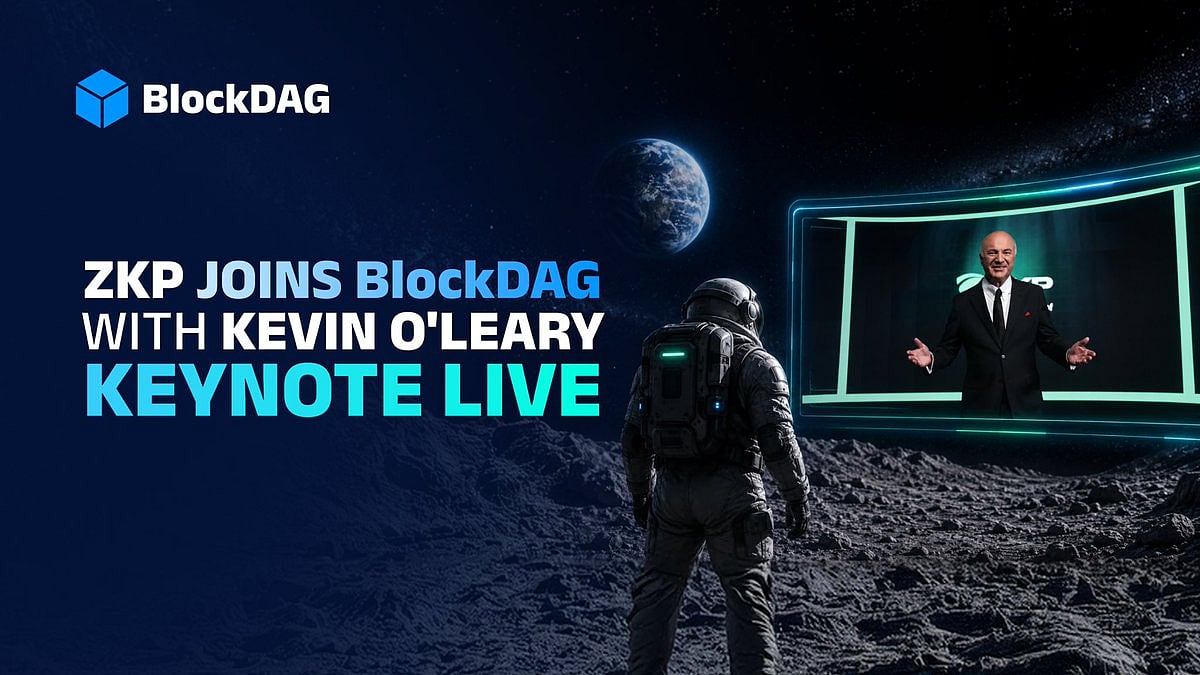
    BlockDAG (BDAG) has captured attention following the announcement that ZKP, a privacy and verification network, has chosen BlockDAG’s Layer 1 as its foundation. The opening of Stage 1 of the ZKP presale, accompanied by a keynote from Kevin O’Leary, further underscores this development. For those seeking the best crypto to buy, third-party adoption of this nature carries significant weight.

    DeXe Gains 17% While Technical Signals Remain Mostly Positive

    DEXE is trading at $46.83 after a 17.72% daily gain. Although the price is below its short-term moving average, it remains above key medium- and long-term trend levels. The token recently achieved a new all-time high, supported by robust network activity and increased accumulation by large holders. Technical indicators are largely positive, though some suggest a possible short-term pullback or sideways movement. Over the next two to three days, DEXE could trade between $41.4 and $52.26, with upward momentum likely if key resistance is broken. Analysts remain cautiously optimistic as long as support holds and network activity remains strong.

    LAB Faces Recovery Challenges After Large Token Movements

    Recent LAB price action has been impacted by large token transfers from wallets funded by the LAB team, as reported by on-chain investigator ZachXBT. More than 196 million LAB were moved earlier this year, with additional transfers in the past 48 hours contributing to the decline from $1.20 to around $0.55. The same wallets still hold over 81 million tokens, raising concerns about potential future selling pressure. Technical charts show LAB has fallen below several key support levels, while lower open interest indicates traders are reducing positions. A sustained recovery will require stronger buying demand and reduced selling pressure.

    BlockDAG Sees Real Adoption as ZKP Joins the Network

    BlockDAG has strengthened its position as a leading crypto to buy, following news that ZKP is building on its Layer 1 network. Third-party adoption is a clear indicator of a network’s utility. ZKP focuses on zero-knowledge privacy, private and verifiable AI, decentralized compute, and decentralized storage. BlockDAG provides the infrastructure, while ZKP adds the layer that ensures accuracy and security.

    A keynote featuring Kevin O’Leary is now live, coinciding with the opening of Stage 1 of the ZKP presale. This stage offers the earliest and lowest-priced entry point. For anyone evaluating the best crypto to buy, a Layer 1 network’s value is often measured by what is built on it. Each new project choosing BlockDAG adds concrete evidence to its case. The ZKP presale is structured across multiple stages, with pricing increasing at each step. Stage 1 provides the earliest entry, and the keynote allows prospective buyers to review the project’s goals and technology directly.

    As more developers select BlockDAG as their base layer, its position among the best crypto to buy becomes harder to dismiss. Real construction activity, backed by named partners and public presales, carries more weight than marketing claims. For now, BlockDAG has both.

    Conclusion

    DEXE and LAB present contrasting narratives this week. DEXE trades near $46.83 after a 17.72% gain and a fresh all-time high, while LAB sits near $0.55 after wallets tied to its team moved over 196 million tokens, with 81 million still held. Both depend on whether support holds.

    BlockDAG’s news carries more weight. ZKP, a privacy and verification network, chose BlockDAG’s Layer 1 as its base, and Stage 1 of its presale opened alongside a keynote featuring Kevin O’Leary. That real adoption is exactly why BlockDAG stays near the top of any best crypto to buy list. Real builders tend to say more than promises ever could.

    Presale: https://purchase.blockdag.network
    Website: https://blockdag.network
    Telegram: https://t.me/blockDAGnetworkOfficial
    Discord: https://discord.gg/Q7BxghMVyu

    Disclaimer: This article is for informational purposes only and does not constitute investment advice. Cryptocurrency investments carry risk. Always conduct your own research before investing.
  • BlockDAG’s 100% Bonus Code ‘EARLY’ Shifts Momentum from Zcash and Bitcoin Cash in Search for Next Crypto Explosion

    BlockDAG’s 100% Bonus Code ‘EARLY’ Shifts Momentum from Zcash and Bitcoin Cash in Search for Next Crypto Explosion

    The crypto market is entering a new phase of capital rotation. Mature proof-of-work networks are struggling to overcome regulatory and technical headwinds, while incentive-rich layer-1 ecosystems are attracting fresh liquidity and renewed investor attention. Recent Zcash news and fluctuating Bitcoin Cash price points illustrate the intense battle between structural scarcity and real-time market momentum. Yet, neither of these older assets matches the sheer velocity of newer projects designed to capture immediate retail demand.

    At the center of this shift is BlockDAG (BDAG), a rapidly expanding ecosystem that is currently leveraging a double-reward promotional structure to position itself as the next crypto to explode.

    Zcash News: Privacy Coin Eyes Breakout Amid Forbes Nod

    Recent Zcash news has captured the market’s attention as ZEC climbed near $531, riding a 5% daily gain that outpaced a flat broader market. This spark follows a prestigious nod from Forbes, which highlighted Zcash’s robust privacy features and capped supply. However, the token now faces a critical technical test, bumping up against a tough resistance band between $540 and $547.

    While the bullish momentum is backed by a shrinking supply intensified by the November 2024 halving, undercurrents of caution remain. Traders are weighing unresolved questions surrounding June’s Orchard security patch and unusual pre-disclosure trading volumes. Whether ZEC can shatter its near-term resistance or slide back to support depends heavily on upcoming macro data. This Zcash news highlights a tug-of-war between strong scarcity fundamentals and lingering regulatory anxieties.

    Bitcoin Cash Price: Will Bulls Break the $620 Barrier?

    The Bitcoin Cash price is flashing mixed signals, leaving traders guessing whether its recent rally is a genuine trend reversal or a temporary bounce. After breaking a long-term diagonal trendline, BCH successfully bounced twice, sparking three consecutive weekly green candles. However, this momentum has brought the asset directly beneath its most critical ceiling: the $620 resistance level.

    This $620 zone is a major make-or-break juncture. A successful daily close above it could clear the path toward $1,000, supported by the weekly RSI crossing above 50 and a looming bullish MACD crossover. Conversely, short-term charts reveal a corrective five-wave wedge that leans bearish. If BCH fails to breach this barrier, a breakdown from its ascending channel could trigger a swift correction down to $520. The Bitcoin Cash price remains at a pivotal crossroads where downside risks still overshadow breakout hopes.

    BlockDAG’s 100% Bonus Code ‘EARLY’ Sparks Race for the Next Crypto to Explode

    The search for the next crypto to explode has taken a massive turn as BlockDAG rolls out a double-reward incentive that is shaking up the crypto market. Instead of launching just another basic digital token, BlockDAG is actively constructing an entire self-sustaining economic ecosystem. For a limited time, early participants can leverage a massive promotional offer designed to maximize their potential returns right from the start.

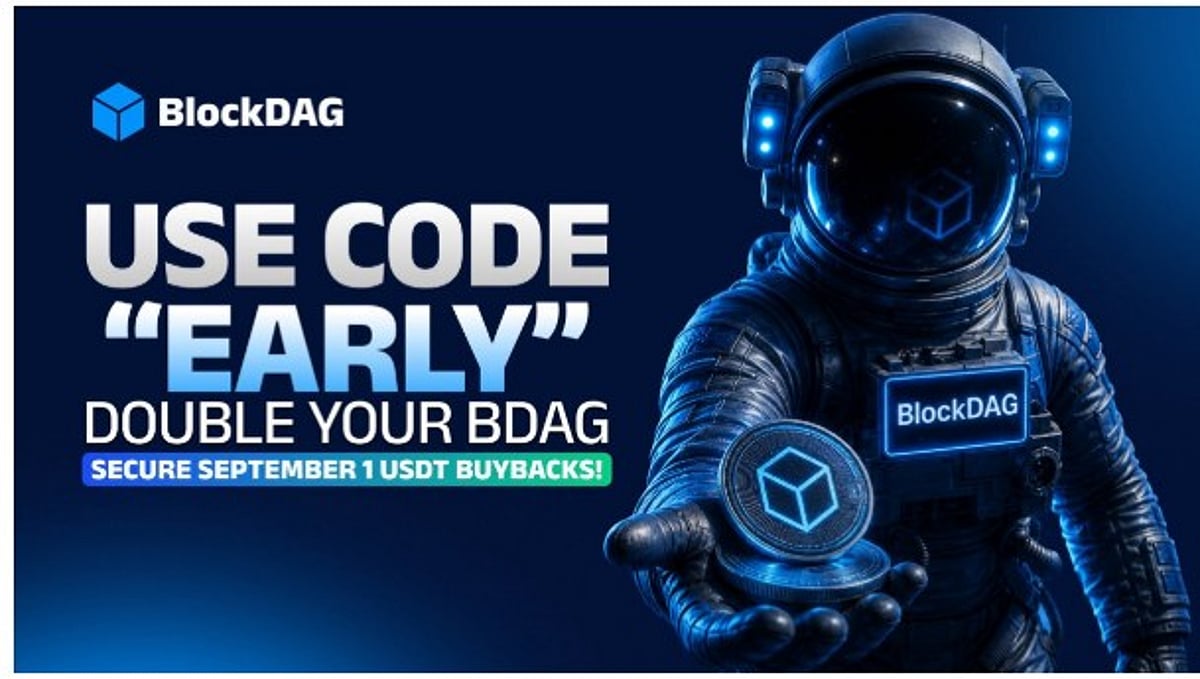
    By utilizing the promo code “EARLY” when acquiring BDAG at its current entry price of $0.00000033, investors instantly secure a 100% bonus on their purchase. This promotional mechanism immediately doubles your token balance, with the extra coins delivered directly to your wallet. But the real excitement lies in the accelerated timeline for the USDT buyback program. While standard participants must wait until October 1, entering the code “EARLY” unlocks priority access to the $0.03 buyback pool starting on September 1. This strategic shift grants early supporters an exclusive thirty-day head start on exit liquidity options.

    With a robust architecture and an aggressive economic design, this project presents a compelling case for those hunting for the next crypto to explode. The window to double your holdings and fast-track your exit liquidity is closing quickly, making this a pivotal moment to act.

    Wrapping Up

    The broader crypto market remains heavily divided between legacy networks trying to regain their footing and hyper-growth ecosystems designed for rapid scalability. While positive Zcash news and the critical test of the Bitcoin Cash price demonstrate that established tokens still possess speculative appeal, their upward potential remains limited by steep resistance levels and historical technical challenges.

    In contrast, BlockDAG bypasses these old hurdles by offering a direct, highly lucrative entry point paired with immediate structural value. The time-sensitive combination of an instant token doubler and accelerated USDT buyback liquidity positions BlockDAG uniquely. For anyone searching for the next crypto to explode, this promotional window represents an unparalleled strategic entry point before mainstream exchange listings commence.

    Disclaimer: Analytics Insight does not provide financial advice or guidance on cryptocurrencies and stocks. Also note that the cryptocurrencies mentioned or listed on the website could potentially be risky, i.e., designed to induce you to invest financial resources that may be lost forever and not be recoverable once investments are made. This article is provided for informational purposes and does not constitute investment advice. You are responsible for conducting your own research (DYOR) before making any investments.

  • TxFlow L1 Launches Probly Prediction Market as Second Channel in Multi-Application Blockchain Ecosystem

    TxFlow L1 Launches Probly Prediction Market as Second Channel in Multi-Application Blockchain Ecosystem

    TxFlow L1, the Layer 1 blockchain powering a multi-application onchain financial ecosystem built around its TIP Liquidity Standards, today announced its second Channel: Probly, the first prediction-market application built on TxFlow Improvement Protocol 3 (TIP3).

    Following TxFlow DEX—the blockchain’s first application and a central limit order book (CLOB) decentralized exchange for perpetual trading—Probly expands the TxFlow L1 ecosystem into real-time prediction markets. At launch, the platform offers 172 live markets covering more than 7,000 events, including continuously rolling markets with durations as short as five minutes, backed by fully onchain settlement and TxFlow L1’s shared financial infrastructure. The launch marks the next stage in TxFlow L1’s expansion from a network anchored by a flagship onchain exchange into a multi-application financial ecosystem.

    TxFlow L1 was designed around a different structure. Through its TxFlow Improvement Protocol standards and Channel architecture, financial applications can operate on the same purpose-built network while connecting to shared execution and settlement infrastructure. Probly extends the ecosystem into prediction markets as the second Channel.

    TIP3 Makes Prediction Markets Native to TxFlow L1

    TxFlow Improvement Protocol, or TIP, is the standards framework that defines how financial products are built and connected on TxFlow L1. Within the framework, TIP1 supports spot markets, TIP2 supports derivatives and TIP3 establishes the standard for prediction-market Channels. TIPn remains open for future products, including real-world assets, structured products and financial instruments that have not yet been developed onchain.

    TIP3 defines how prediction-market applications connect to TxFlow L1’s execution, settlement and Shared Liquidity Layer. Rather than operating through an independent infrastructure stack, a TIP3 Channel can build on the same financial foundation supporting the wider TxFlow L1 ecosystem. Its architecture uses DAG-based parallel execution and a multi-threaded processing pipeline, enabling non-conflicting transactions to be processed simultaneously. Market activity and settlement records are executed onchain, providing an open and verifiable system. Probly therefore settles directly on TxFlow L1 instead of relying on a shared general-purpose network or a centralized offchain ledger.

    Markets are resolved through designated oracle sources. Automatically resolved price-source markets can settle immediately, while manually adjudicated markets are expected to settle within 24 to 72 hours. Following resolution, eligible settlement amounts are credited automatically in USDC without a separate claim step. This creates a direct infrastructure advantage for Probly: fully onchain settlement and native connectivity to the broader TxFlow L1 ecosystem.

    Probly Brings Real-Time Probability Signals to TxFlow TIP3

    Probly comes from “probably”, the word we use when the future is still open. Inspired by P(A), the notation for the probability of an event, Probly turns individual perspectives into a live collective signal: before it happens. At launch, Probly features 172 live event pages across 15 categories, including politics, sports, crypto, finance, and geopolitical events. Discovery tools help users explore trending, highly active, fast-moving and soon-to-conclude events, while lightweight polls offer a simple way to engage with topics attracting attention.

    Probly also introduces continuously refreshed five-minute, 15-minute, one-hour and four-hour experiences covering BTC, ETH, SOL and XRP price movements. Each page includes live data, a real-time countdown and automatically refreshed rounds, helping users follow changing expectations as events unfold. The platform combines fully onchain infrastructure with a clear, accessible interface designed for both new and experienced users. Probly presents real-time information, probability changes and event timelines in one streamlined experience.

    Users can access Probly through an email-based embedded wallet without managing a seed phrase, or connect compatible wallets including MetaMask, Coinbase Wallet, Phantom and Uniswap Wallet. A consolidated account interface provides a clear view of activity, history and ongoing event engagement. Combined with TxFlow L1’s transparent onchain infrastructure and automated resolution process, these features reduce friction from access through completion.

    A Different Infrastructure Approach to Prediction Markets

    Probly enters a prediction-market category shaped by platforms such as Polymarket and Kalshi, but is built on a different infrastructure model. Probly operates and settles directly on TxFlow L1, a Layer 1 designed for onchain financial applications, bringing real-time probability signals, verifiable onchain records and automatic USDC settlement into one financial stack. Probly extends the same architecture into prediction markets through TIP3.

    About Probly

    Probly is a prediction market built on TxFlow L1 through TxFlow Improvement Protocol 3 (TIP3). It turns views about future events into continuously updated market signals across sports, crypto, economics, news, culture, weather and other real-world categories. Probly combines real-time markets, broad event coverage, fully onchain settlement and self-custodied USDC infrastructure. Its mission is to make collective expectations more immediate, transparent and useful by converting uncertainty into a price. Before It Happens.

    About TxFlow L1

    TxFlow L1 is a high-performance blockchain built for on-chain financial infrastructure, organized around TIP Liquidity Standards that define how financial products are built, composed, and settled on-chain. TxFlow DEX is the first Channel on TxFlow L1, a CLOB orderbook DEX for perpetual trading, processing over 250,000 TPS with one-block finality. Through its TxFlow Improvement Protocol standards and Channel architecture, TxFlow enables spot markets, derivatives, prediction markets and future financial products to operate on the same chain while connecting to shared execution and settlement infrastructure where all finance happens. TxFlow L1 is building an open, composable and community-owned financial ecosystem in which each new application can strengthen the infrastructure available to those that follow.

    This press release is provided for informational purposes only and does not constitute an offer, solicitation, recommendation or invitation to access or participate in any financial, event-based or prediction-market product. Participation in prediction markets involves risk, including the possible loss of funds.

  • Bitcoin Tumbles Below $63K After Brief Surge Past $64,250 Amid US-Iran Tensions

    Bitcoin Tumbles Below $63K After Brief Surge Past $64,250 Amid US-Iran Tensions

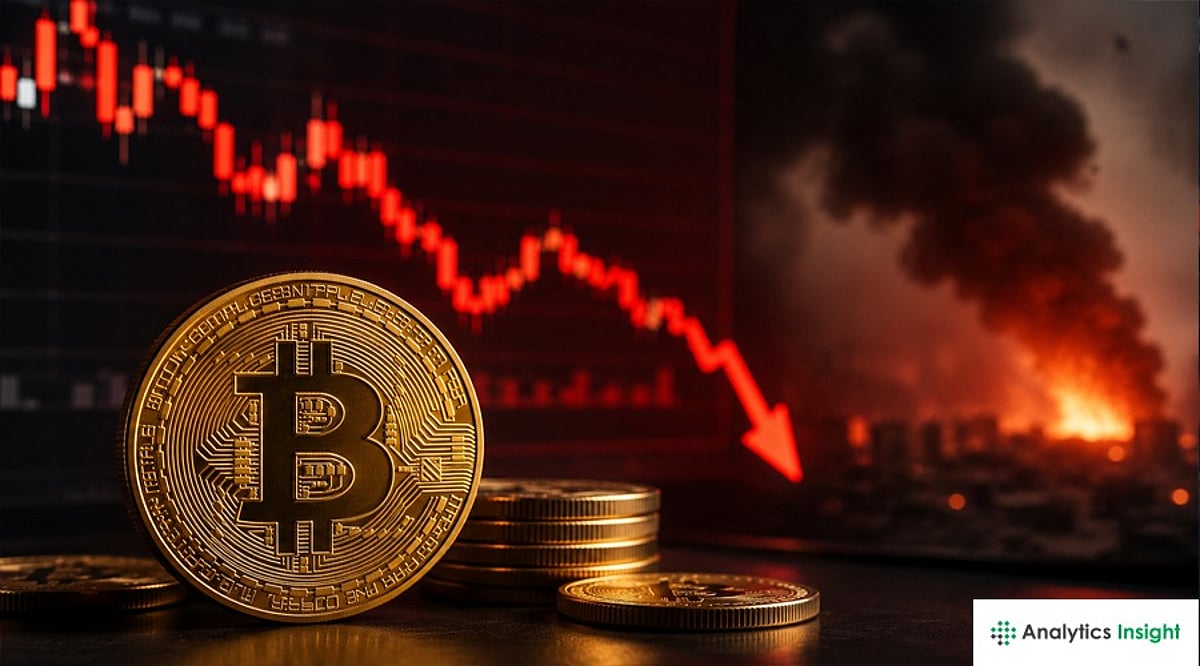
    Bitcoin briefly surged above $64,250 on Sunday before retreating to $62,839, a 0.65% decline, as renewed US-Iran tensions triggered a broad risk-off shift across global markets. The cryptocurrency’s volatile session underscores how tightly digital assets are now tied to geopolitical headlines far beyond the crypto ecosystem.

    Bitcoin Price Today: A Quick Snapshot

    The session split into two distinct halves. Early buyers pushed Bitcoin to fresh multi-week highs, only to watch those gains evaporate once news of tanker attacks near the Strait of Hormuz hit the wires. Volume rose noticeably during the retreat, indicating real selling pressure rather than a quiet weekend market.

    • Current price: $62,839 (down 0.65% on the day)
    • Weekly change: -1.94%
    • Intraday high: $64,250+
    • 24-hour crypto liquidations: $254 million (mostly long positions)

    Key Bitcoin Price Levels to Watch

    Technically, Bitcoin remains below its 50-day, 100-day, and 200-day exponential moving averages — a bearish stacking that often caps rallies. Key levels are:

    • Resistance: $64,000–$64,072, with a stronger barrier at the 50-day EMA near $65,577
    • Support: $61,748–$62,360; a break below $61,700 could expose a move toward $58,000

    The Relative Strength Index (RSI) sits in neutral territory (47–52), suggesting the market is neither overbought nor oversold.

    Why US-Iran Tensions Matter to Crypto Markets

    Geopolitical conflicts rarely stay confined to energy markets. Despite Bitcoin’s reputation as “digital gold,” it still behaves like a risk asset during military escalation. Key ripple effects include:

    • Rising oil prices fuel inflation worries, pressuring risk assets broadly.
    • Investors rotate into gold or the dollar, pulling liquidity away from crypto.
    • Leveraged Bitcoin positions get wiped out quickly as volatility spikes.

    Broader Market Reaction

    Bitcoin was not alone in the sell-off. Ethereum slipped to $1,789, while Solana held up better near $76.80. The Altcoin Season Index sat near 59, indicating altcoins have not meaningfully outpaced Bitcoin. The Fear and Greed Index dropped to 28, reflecting heightened fear.

    Analyst Outlook on Bitcoin Price Prediction

    Technical readings are mixed but not outright bearish. The daily MACD histogram has started to stabilize, and institutional buying offers a floor. Strategy (formerly MicroStrategy) added to its Bitcoin reserves, and ETF flows are showing early signs of steadying after a rough June.

    A confirmed daily close above $64,000 could open the door toward $65,500 and $67,000. Conversely, a break below $61,700 would likely trigger selling pressure toward $58,000.

    Factors That Could Shape Bitcoin’s Next Move

    • Further escalation near the Strait of Hormuz could spark a sharper retreat from risk assets.
    • A credible ceasefire announcement could quickly restore risk appetite.
    • Federal Reserve commentary on interest rates will shape broader liquidity conditions.
    • Sustained institutional buying could cushion Bitcoin against deeper downside.

    Final Words

    Bitcoin’s brief run to $64,250 shows that demand for higher prices has not disappeared. The pullback says less about crypto fundamentals and more about how tightly digital assets are now tied to geopolitical events. Two storylines to watch: the technical tug-of-war around $64,000 resistance and the geopolitical standoff thousands of miles away. The resolution of either will likely decide Bitcoin’s next direction.

  • The 10 Largest Crypto Holders in 2026: Institutions and Governments That Dominate

    The 10 Largest Crypto Holders in 2026: Institutions and Governments That Dominate

    As the cryptocurrency market matures, a handful of institutions, corporations, and even governments have amassed significant digital asset holdings. Here are the ten biggest crypto holders projected for 2026, based on current trends and public disclosures.

    • MicroStrategy: Still the world’s largest corporate Bitcoin holder, with a treasury aggressively built through continuous purchases.
    • BlackRock iShares Bitcoin Trust: One of the fastest-growing institutional Bitcoin investment funds, attracting massive capital inflows.
    • Grayscale Investments: Continues to manage billions of dollars in crypto assets across multiple trusts.
    • United States Government: Holds a significant amount of Bitcoin obtained through law enforcement seizures, making it one of the largest anonymous holders.
    • Binance: One of the world’s largest crypto exchanges, with substantial reserves held in its corporate treasury and cold wallets.
    • Tether Holdings: Maintains large Bitcoin reserves as part of its stablecoin backing, ensuring liquidity and stability.
    • Marathon Digital: A major Bitcoin mining company that has steadily expanded its treasury through mining rewards and direct purchases.
    • Galaxy Digital: An institutional crypto investment firm with extensive digital asset holdings across Bitcoin, Ethereum, and other cryptocurrencies.

    These entities represent the growing institutionalization of crypto, influencing market dynamics and liquidity. Their holdings are a key indicator of mainstream adoption and regulatory developments.

  • CLARITY Act Faces Critical Senate Vote as August Recess Deadline Approaches

    CLARITY Act Faces Critical Senate Vote as August Recess Deadline Approaches

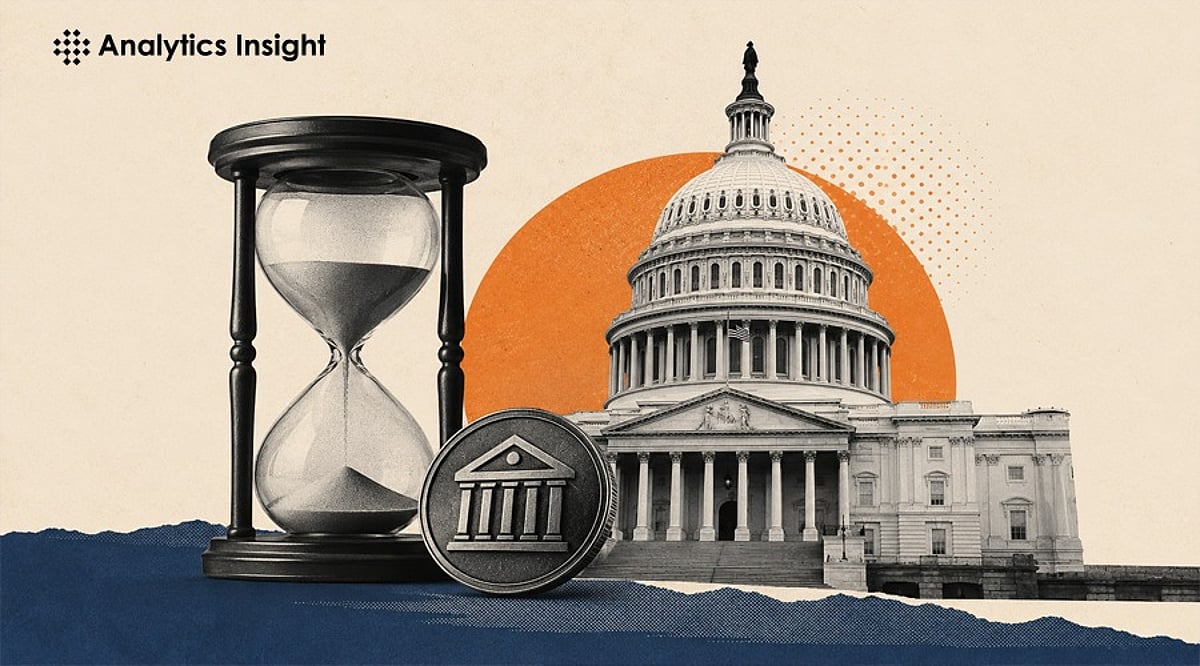
    The CLARITY Act is racing against a tight Senate calendar as lawmakers resume session on July 13 with only 25 days before the August 7 summer recess. The bill requires 60 votes to overcome procedural hurdles and a potential filibuster, but securing that support remains daunting. Currently, only Democratic Senators Ruben Gallego and Angela Alsobrooks have publicly committed to the legislation.

    Ethics concerns tied to President Donald Trump’s reported $1.4 billion in crypto-related income during 2025 have further complicated negotiations. Galaxy Digital, a leading crypto investment firm, has lowered its estimate of the bill’s passage odds from 75% in May to 50-50 as of late June.

    The Digital Asset Market Clarity Act (H.R. 3633) already missed an earlier target for presidential signing on July 4. With about 20 Senate working days remaining, leaders must act swiftly to bring it to the floor. The timeline also coincides with the July 18, 2026 rulemaking deadline for the GENIUS Act, which became law in July 2025.

    Bipartisan support remains the primary obstacle. Republicans control 53 seats but need roughly seven Democratic votes to reach the 60-vote cloture threshold. So far, only Gallego and Alsobrooks have emerged as reliable Democratic supporters, leaving leadership seeking at least five additional Democrats. The bill did pass the Senate Banking Committee on May 14 with a 15-9 vote, signaling some bipartisan backing at the committee level.

    Ethics debates have intensified as Democrats raise concerns about public officials owning crypto. Former White House ethics lawyer Richard Painter argued that Trump “stands alone” compared to other executive branch officials, adding another layer to ongoing negotiations.

    Market observers have adjusted expectations. Alex Thorn, Galaxy Digital’s Head of Firmwide Research, noted the firm reduced its odds from 75% in May to 60% on June 9, then to 50% on June 26. Thorn wrote, “The absence of news is itself the news,” while adding that “50-50 is pretty good odds” for legislation of this scale. A revised version of the bill could be introduced as early as next week, just before the August recess.

    What’s Next?

    Supporters are racing to pass the CLARITY Act before the Senate breaks on August 7. They need 60 votes to beat a filibuster, but progress is stalled on disagreements over ethics rules for public officials owning crypto. With time running out, analysts now give the bill only a 40% to 50% chance of passing.

  • Dogecoin Holds Critical Support Level as Traders Await Next Breakout Signal

    Dogecoin Holds Critical Support Level as Traders Await Next Breakout Signal

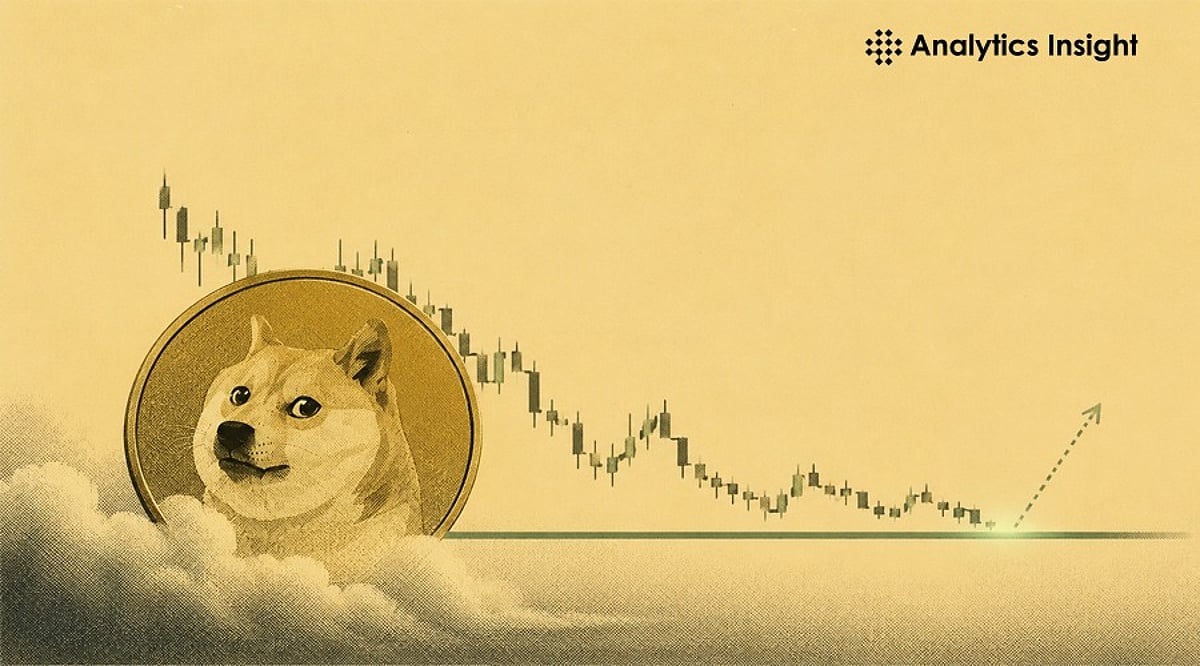
    Dogecoin is currently trading at a key support zone, with buyers and sellers locked in a tug-of-war that will determine whether the meme coin rallies or slides further. Instead of a sharp decline, DOGE has pulled back into a familiar safety area, giving bulls a clear line to defend. However, the market lacks decisive breakout momentum, leaving traders focused on volume and price action for confirmation.

    Support Zone Keeps Buyers Engaged

    Dogecoin remains above a known support level, allowing buyers to stay active despite recent cooling. The pullback has not triggered widespread selling, keeping the price within a range that traders continue to monitor closely. Without a clear breakout, the market is debating whether this range represents accumulation or a temporary pause before another decline.

    Dogecoin has historically recorded sharp moves after consolidation periods, drawing attention to the current setup. Yet momentum has not delivered the clear signal many participants are waiting for.

    Volume Remains the Critical Factor

    Despite holding support, Dogecoin risks weakening momentum if trading activity does not pick up. Meme-based cryptocurrencies rely on sustained market participation, making fresh volume essential for any recovery attempt. Without stronger buying interest, a rebound from support could quickly lose steam. Traders are treating the current structure as a level-driven setup rather than confirmation of a sustained rally.

    Traders Focus on Verifiable Market Signals

    Beyond price action, market participants are evaluating developments through measurable activity rather than headline-driven speculation. Traders are monitoring confirmed filings, integrations, regulatory updates, wallet activity, and other verifiable data before adjusting their outlook. The broader crypto market is responding to multiple catalysts—exchange listings, ETF flows, legal developments, protocol upgrades, and changing liquidity conditions—rather than a single dominant narrative.

    Each confirmed development provides another data point instead of guaranteeing an immediate price reaction. Traders are watching whether follow-up information supports the initial signal or weakens the narrative.

    What’s Next?

    Dogecoin continues to trade above a key support level as traders monitor resistance, volume, and momentum for confirmation of the next move. While the current range has not produced a breakout, verified market signals and price action remain the primary indicators to watch in the coming sessions.

  • Ethereum Faces Renewed Pressure as Robinhood Chain Revenue Debate Intensifies

    Ethereum Faces Renewed Pressure as Robinhood Chain Revenue Debate Intensifies

    Ethereum (ETH) remains under pressure after ARK Invest analyst Lorenzo Valente questioned the network’s revenue model following the rapid rise of Robinhood Chain. The analyst said Ethereum received only $1,538 in revenue from Arbitrum despite Robinhood Chain generating $816,000 since its July 1 launch.

    At the same time, Ethereum continued trading below the key $1,840 resistance level, while renewed spot ETF outflows and geopolitical tensions added to market uncertainty.

    Analyst Questions Ethereum Revenue Share

    Valente said Robinhood Chain has become the fifth-largest blockchain by decentralized exchange trading volume, according to DeFiLlama. The network gained traction after introducing a 90-day gas subsidy designed to encourage user adoption.

    According to the analyst, Robinhood Chain generated $816,000 in revenue after launching on July 1. He said 10% of that amount went to Arbitrum, while Ethereum collected only $1,538.

    That distribution means Ethereum received roughly 0.15% of Robinhood Chain’s revenue. Valente said such figures challenge the view that ETH serves as a meaningful revenue-generating asset. He added that the model should change so Ethereum receives 15% of revenue, while Arbitrum and Robinhood receive 10% and 75%, respectively.

    Meanwhile, ConsenSys founder Joe Lubin defended the current fee structure. He said lower fees encourage more companies to build on Ethereum, which could support ETH’s long-term value.

    Ethereum Price Tests Key Resistance

    Ethereum continued facing resistance near $1,840 after failing to break above that level for three consecutive days. The repeated rejection suggested buyers remained cautious at higher prices.

    Even so, technical indicators continued showing constructive momentum. The MACD line turned positive, while the Relative Strength Index stood at 55, indicating bulls still held the advantage.

    If ETH closes above $1,840, it would break above a rising parallel channel. Such a move would also complete a double-bottom pattern and could open the path toward $2,244, representing a potential 22% gain.

    On the other hand, failure to clear resistance could send Ethereum back toward support at $1,725. That decline could occur if investors reduce exposure as geopolitical tensions between the United States and Iran intensify after President Donald Trump reinstated the blockade at the Strait of Hormuz.

    ETF Outflows Return as Market Watches Inflation Data

    Investor sentiment also weakened after spot Ethereum exchange-traded funds recorded net outflows on July 13. Data from SoSoValue showed ETFs lost $15 million after attracting $84 million in inflows between July 6 and July 10.

    At the same time, crude oil prices climbed above $80 as tensions between the United States and Iran increased. Rising oil prices often reduce demand for risk assets, creating another challenge for cryptocurrencies.

    In addition, traders turned their attention to U.S. inflation data scheduled for July 14. The report could influence expectations for Federal Reserve interest rate decisions and, in turn, affect demand for spot Ethereum ETFs and the broader cryptocurrency market.

    What’s Next?

    The Ethereum price remains below the crucial $1,840 resistance as debate grows over its revenue share from Robinhood Chain. Meanwhile, ETF outflows, technical indicators, and rising geopolitical tensions continue shaping market sentiment. Investors will closely watch upcoming price action and macroeconomic developments.

  • Sen. Elizabeth Warren Blasts UAE Chip Export Rule as ‘Corrupt’ Over Crypto-Linked Deal

    Sen. Elizabeth Warren Blasts UAE Chip Export Rule as ‘Corrupt’ Over Crypto-Linked Deal

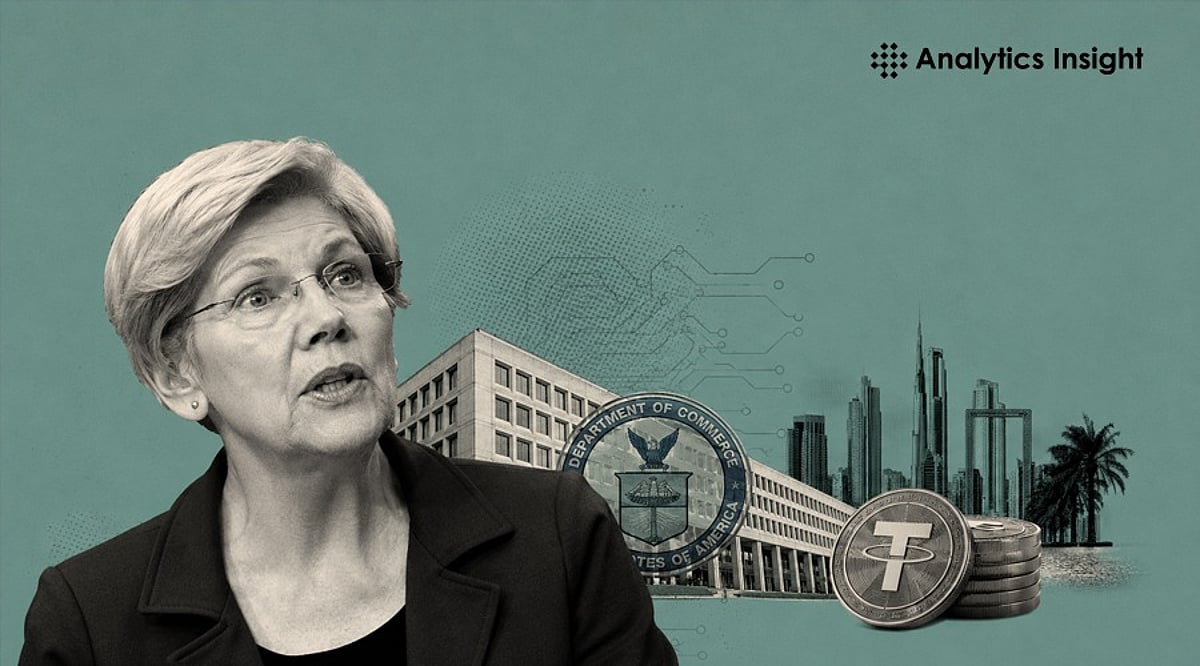
    Senator Elizabeth Warren has accused the Trump administration of granting favorable chip export treatment to United Arab Emirates companies tied to a disputed foreign crypto arrangement. Her criticism followed a Commerce Department rule that gives selected UAE entities easier access to advanced computing equipment.

    Commerce Eases UAE Chip Export Controls

    The Bureau of Industry and Security published the final rule in the Federal Register on July 14, taking effect on July 10. The measure removes the UAE from two restricted country groups and places it in Country Group A:5, opening access to more license exceptions. Under the change, UAE government agencies and named companies may receive certain advanced AI chips and servers without separate licenses. G42 and Core42 appear on the approved list. Amazon, Apple, Google, Meta, Microsoft, OpenAI, Oracle, and xAI also receive streamlined treatment for eligible operations in the UAE.

    Commerce said the policy supports military and commercial cooperation between Washington and Abu Dhabi, citing UAE trade controls, its regional security role, and a May 2025 technology framework. Existing end-user and end-use checks still apply to covered shipments.

    Warren Links Chip Rule to USD1 Stablecoin Deal

    Warren, the ranking Democrat on the Senate Banking Committee, called the arrangement a ‘corrupt deal.’ She said Commerce Secretary Howard Lutnick and Under Secretary Jeffrey Kessler should testify before the committee about the rule and related national security concerns. Her statement linked the policy change to UAE investments involving World Liberty Financial, a crypto company associated with Trump and members of his family. Warren cited reports that a UAE royal connected to G42 and MGX acquired a 49% interest in the business.

    MGX announced a $2 billion minority investment in Binance in March 2025. World Liberty co-founder Zach Witkoff later said MGX would settle the transaction with USD1, the company’s dollar-linked stablecoin. Warren also cited a reported $263 million gain for Trump linked to the wider UAE arrangement, presented as part of his reported crypto income.

    Security Questions Drive Hearing Calls

    Warren raised doubts about whether advanced US technology could reach China through UAE-linked entities. She said the policy moves forward ‘despite reported concerns’ about technology diversion and other security risks. Commerce has not accepted her claim that the rule reflects improper conduct.

    The final rule states that US officials will keep monitoring sensitive exports. BIS maintains an export-control officer in the UAE, while listed approvals do not cancel restrictions tied to prohibited users or uses. G42 and Core42’s current authorizations expire on April 6, 2027, unless BIS issues another notice.

    Meanwhile, Warren urged Senate committees to examine whether foreign crypto holdings influenced administration decisions. She also tied the dispute to pending cryptocurrency legislation, saying Congress should address presidential and family profits from digital assets before approving new rules. The Commerce Department based its decision on the UAE’s security partnership, technology safeguards, and investment ties with the United States. The published rule does not mention USD1, World Liberty Financial, or Trump family income.

  • Shiba Inu Whales Withdraw 174.8 Billion SHIB as Price Holds Key Support

    Shiba Inu Whales Withdraw 174.8 Billion SHIB as Price Holds Key Support

    Shiba Inu whales have pulled a massive 174.8 billion SHIB tokens from exchanges over the past 24 hours, signaling accumulation despite the meme coin’s ongoing price decline. Data from CryptoQuant reveals a negative exchange net flow as SHIB successfully defended the $0.0000040 support level. At the current price of $0.00000417, the withdrawn tokens are valued at approximately $792,002.

    Such transfers typically move coins into self-custody or third-party wallets, reducing the supply available for immediate sale. The total SHIB balance on exchanges has slipped to 86.6 trillion tokens. If demand increases while exchange reserves continue to fall, supply conditions could tighten, potentially supporting price recovery.

    Derivatives activity also picked up, with open interest in SHIB futures rising 5.7% to $28.8 million (representing about 6.52 trillion SHIB). However, open interest remains about 80% below its January peak of $145.5 million, reflecting cautious trading amid broader market weakness.

    From a technical perspective, SHIB continues to trade above the $0.0000040 support zone after touching $0.00000408 on Monday. Buyers have defended this level repeatedly, and attention now turns to the descending resistance trendline that has capped gains since May 10. A breakout above that line would clear the next technical barrier.

    The number of SHIB wallets has surged to a record 1,676,535, with nearly 75,000 new holders added between July 5 and July 6. While some observers suggest the sudden spike could stem from a technical glitch, the overall trend underscores growing retail interest.

    Market participants will watch whether these on-chain trends—whale accumulation, declining exchange supply, rising open interest, and record wallet counts—translate into price momentum in the coming days.