Tag: cryptocurrency

  • Ethereum Price Analysis: Can ETH Break Through the Critical $1,800 Resistance?

    Ethereum Price Analysis: Can ETH Break Through the Critical $1,800 Resistance?

    Key Takeaways

    • $1,800 remains Ethereum’s most important resistance level for confirming bullish momentum.
    • Lower exchange outflows and stronger market participation support a positive outlook.
    • Failure to break resistance could keep ETH trading between $1,500 and $1,800.

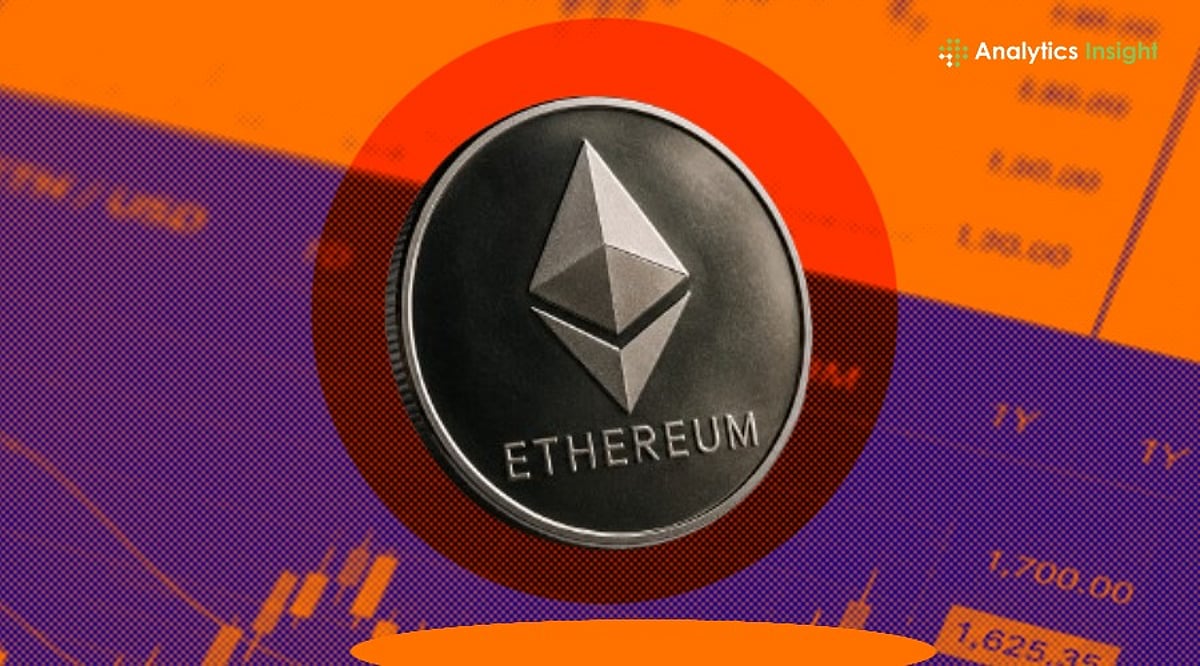
    Ethereum has shown fresh strength after a difficult period, with $1,800 resistance standing between here and a bigger move. Right now, Ethereum trades near $1,625, and many traders keep a close watch on the $1,800 resistance level. That level has capped several previous rallies. A clean break above $1,800 changes the picture. Another rejection keeps the pressure on.

    Ethereum Stays Below a Key Level

    The current Ethereum price stands near $1,625, which keeps the digital asset below the major resistance zone between $1,800 and $1,850. This gap may not look very large, but it has a big effect on market sentiment. Many traders wait for Ethereum to cross this level before they expect a stronger upward move.

    The market has already seen several attempts near this resistance area. Each time, selling pressure became stronger and pushed the price lower. Given this history, many experts believe that a clear break above $1,800 would send a positive signal across the crypto market. Such a move would also show that buyers have more control than sellers.

    Why the $1,800 Level Matters

    The $1,800 price level is important as it has acted as a strong barrier in recent months. A large number of buy and sell orders sit around this area. When Ethereum reaches this zone, many traders decide to book profits, while others wait before they enter fresh positions. This creates extra pressure on the price.

    Market experts also view this level as an important technical point. A daily or weekly close above $1,800 would show that demand has become stronger. Such a result could open the door for another rally and improve confidence across the wider crypto market.

    Positive Signs Support Ethereum

    Several market signals have started to improve after the recent recovery. Ethereum has moved higher from its June lows, which has helped market confidence. The price has also moved above a short-term downward trend, a sign that buyers have returned after weeks of weakness.

    Another positive signal comes from exchange activity. Large amounts of Ethereum have left crypto exchanges during the past few weeks. Many investors usually move coins into private wallets or staking platforms when they plan to hold them for a longer time instead of selling them. This trend often reduces selling pressure and supports price stability.

    Risks Still Remain

    Despite the recent improvement, Ethereum still faces several challenges. The biggest concern remains the failure to move above $1,800. If sellers once again stop the rally, the market could lose confidence.

    Ethereum also trades below several important long-term moving averages. Many traders use these indicators to judge the overall market trend. Until the price moves above these levels, some investors may stay careful.

    Another concern comes from exchange reserves. Recent data shows that exchange balances have increased in some cases. A larger supply of coins on exchanges may raise the chance of selling if market conditions become weaker. This could place fresh pressure on the price.

    Important Price Levels Ahead

    Support and resistance levels continue to guide market expectations. The strongest support area currently sits between $1,500 and $1,600. This zone has helped Ethereum recover during recent price declines.

    The next resistance appears between $1,700 and $1,750, while the biggest challenge remains the $1,800 to $1,850 range. A successful move above this area could change the market outlook and create fresh buying interest.

    Outlook for Ethereum

    Ethereum has shown better strength after the recent recovery, but the market still waits for clear confirmation before it expects a larger rally. The price has improved from earlier lows, and several market signals now support a more positive outlook. Lower selling pressure, stronger market participation, and better price action all add hope for future gains.

    However, the biggest test still stands at $1,800. A successful break above this level would strengthen bullish sentiment and could push Ethereum closer to the $2,000 mark. On the other hand, another rejection could keep the price inside the current range between $1,500 and $1,800 for some time.

    FAQs

    1. Why is the $1,800 level such a critical resistance point for Ethereum right now?

    The $1,800 mark represents a major psychological and historical liquidity cluster. Heavy sell walls sit at this level, meaning a high volume of limit orders must be absorbed before ETH can establish a cleaner upward trend.

    2. What bullish signals could trigger an ETH breakout past $1,800?

    Key catalysts include a sustained increase in Layer-2 network transaction volumes, growing institutional net inflows into spot Ethereum ETFs, and a broader market lift led by stability in Bitcoin’s price dynamics.

    3. What happens to the price of ETH if it gets rejected at $1,800 again?

    If selling pressure overpowers buyers at $1,800, Ethereum is highly likely to retreat and retest local support levels around $1,625 and $1,550, extending its current range-bound accumulation phase.

    4. How do current network fundamentals compare to ETH’s price action?

    While the spot price faces near-term headwinds, underlying network fundamentals remain robust. Total value locked (TVL) in decentralized finance and overall daily transaction counts sit near healthy levels, signaling high organic utility despite price stagnation.

    5. How does Ethereum’s price trend typically impact alternative layer-one networks?

    Ethereum serves as the primary benchmark for the altcoin market. A confirmed breakout and daily close above $1,800 by ETH often signals renewed capital rotation into high-performance alternative layer-one protocols and ecosystem tokens.

    Disclaimer: This article is provided for informational purposes and does not constitute financial or investment advice. Cryptocurrencies are volatile assets; always do your own research (DYOR) before investing.


  • Cryptocurrency Trail Leads Police to Pokémon Card Theft Suspect

    Cryptocurrency Trail Leads Police to Pokémon Card Theft Suspect

    The popularity of the Pokémon Trading Card Game (TCG) has turned rare cards into high-value collectibles, attracting both enthusiasts and criminals. A recent case highlights how digital currency transactions can become key evidence in theft investigations.

    Police arrested Christian Elam after tracing cryptocurrency payments linked to a scheme involving stolen Pokémon cards. Investigators said the digital currency trail was one of the most important clues in the case.

    According to reports, Elam attempted to steal a rare Poncho-wearing Pikachu promo card valued at approximately $24,000. The card was listed for $24,200 on Facebook Marketplace. During a meetup on June 14 at the Evesham Township Police Department’s safe exchange zone in Marlton, New Jersey, Elam sent the listed amount using cryptocurrency, which later proved to be fraudulent. Authorities followed the payment records to identify and arrest him.

    This incident serves as a warning for collectors. Experts recommend keeping detailed purchase records, including photos, grading details, receipts, and purchase dates to prove ownership. Valuable cards should be stored securely. When buying or selling, collectors should verify the other party’s identity and use trusted marketplaces whenever possible.

    As Pokémon cards are expected to retain their value, criminal activity around them is likely to increase. The arrest of Christian Elam demonstrates that cryptocurrency transactions are not always anonymous and can serve as evidence in criminal investigations. For collectors, careful record-keeping, secure storage, and verified sales remain the best ways to protect a valuable collection.

  • Sony Bank Secures Preliminary OCC Approval for Connectia Stablecoin Trust

    Sony Bank Secures Preliminary OCC Approval for Connectia Stablecoin Trust

    Sony Bank has received preliminary conditional approval from the U.S. Office of the Comptroller of the Currency (OCC) to establish Connectia Trust, National Association — a national trust bank focused exclusively on issuing and managing U.S. dollar stablecoins. This approval places Sony alongside major digital asset firms such as Circle, Ripple, and Paxos that have pursued federal trust charters.

    Connectia will operate as a wholly owned subsidiary of Sony Financial Group with an initial capital of $40 million (approximately ¥6.4 billion). The company targets a 2027 launch, but cannot begin operations until it secures final authorization from U.S. regulators and additional approvals from Japanese authorities.

    Connectia Trust Focuses Only on Stablecoin Operations

    Sony Bank confirmed that Connectia will serve a single purpose: issuing and managing dollar-denominated stablecoins. The trust will not offer traditional banking services such as deposit-taking, lending, or payment processing. Instead, its activities will be strictly limited to stablecoin issuance, custody, management, transfer, and redemption.

    No commercial activities will commence until all regulatory approvals are obtained. Sony stated that stablecoin issuance will remain on hold until the OCC grants final approval and every required authorization becomes effective.

    As part of the disclosure, Sony Financial Group noted that it plans to invest more than 10% of its capital in this venture, as reported under Japan’s Financial Instruments and Exchange Act. Additionally, Sony partnered with California-based Bastion Platforms in December 2025. Bastion is expected to act as issuer, custodian, and reserve manager after the token launches, while also seeking its own national trust charter.

    Federal Charter Expands Sony’s Role

    Roman Goldstein, director at Klaros Group and a former OCC regulator, described Sony’s project as the first commercial-conglomerate ecosystem bank. He noted that the charter would make Sony the issuer of record, enabling direct communication with regulators and oversight of its own compliance program. The charter would also allow Sony to earn income from reserve assets.

    Goldstein added that this structure could position Sony to qualify under the GENIUS Act in the future. Without its own charter, Sony would have to rely on another company’s license and assume that firm’s regulatory risks.

    Evey Guo, principal at FS Vector, said the federal charter would allow Sony to manage issuance, custody, transfers, and redemption under one federal supervisor instead of depending on third-party providers and money-transmitter licenses.

    Sony plans to integrate the stablecoins into its own ecosystem. According to American Banker, the company expects to use the tokens for treasury management, cross-border payments, and purchases across its gaming, anime, movie, and music businesses — reducing payment processing costs.

    Critics Raise Banking and Regulatory Concerns

    The proposal has faced scrutiny since October 2025. The Bank Policy Institute questioned whether the charter could blur the longstanding separation between commerce and banking. The Independent Community Bankers of America argued that the trust would not carry deposit insurance and warned that regulators had not tested this framework for an institution of Sony’s size.

    The National Community Reinvestment Coalition also argued that approving Connectia could create a two-tier chartering system by granting digital asset firms federal status without equivalent public obligations.

    Despite criticism, the OCC moved forward under its current legal interpretation. Goldstein suggested that regulators may also require Connectia to appoint a full-time chief financial officer before operations begin. Sony still needs final OCC approval, clearance from Japanese regulators, and leadership for the new trust before Connectia can launch its stablecoin business in 2027.

  • ESMA Launches EU-Wide Crypto Custody Review Following MiCA Deadline

    ESMA Launches EU-Wide Crypto Custody Review Following MiCA Deadline

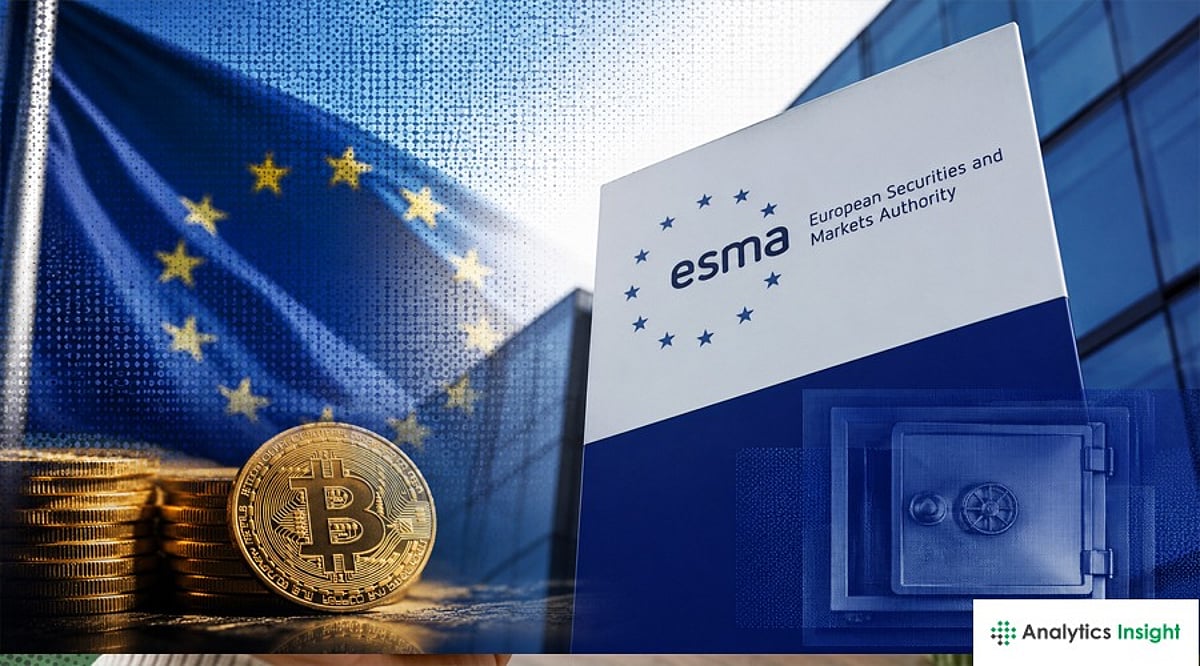
    The European Securities and Markets Authority (ESMA) has initiated a comprehensive review of licensed crypto custody providers across the European Union, just days after the full implementation of the Markets in Crypto-Assets (MiCA) regulation on July 1, 2026. Announced on July 8, 2026, this Common Supervisory Action (CSA) marks a significant shift from the licensing phase to ongoing compliance and supervision in the crypto sector.

    ESMA’s review will focus on how authorized crypto-asset service providers (CASPs) safeguard client assets through secure custody practices, operational resilience, and risk management. National regulators will inspect a risk-based sample of licensed firms during the assessment period, running from the second half of 2026 through the first half of 2027.

    Key Areas of Assessment

    The supervisory action will examine several critical aspects of crypto custody operations under MiCA:

    • Governance arrangements – How firms manage and oversee custody processes.
    • Private key management – Security measures for controlling access to client assets.
    • Storage controls – Physical and logical safeguards for digital asset storage.
    • Transaction monitoring – Systems for detecting and reporting suspicious activities.
    • Incident detection procedures – Protocols for identifying and responding to security breaches.
    • Smart contract risks – Assessment of vulnerabilities in automated agreements.
    • Third-party reliance – Evaluation of technology providers supporting custody operations.

    Post-MiCA Transition Period

    The review follows the expiration of MiCA’s transitional period on July 1, 2026. From that date, any company offering crypto services in the EU without proper MiCA authorization is violating EU law. ESMA has instructed unauthorized firms to cease operations and implement orderly wind-down plans, which must include notifying clients and allowing them to transfer assets to an authorized provider or a self-hosted wallet. Additionally, MiCA prohibits authorized firms from outsourcing custody services to entities lacking CASP authorization.

    No New Obligations, But Higher Scrutiny

    ESMA confirmed that the review introduces no new custody obligations. Instead, regulators will assess whether licensed firms already meet the operational standards established under MiCA. Custody providers remain liable for client asset losses resulting from incidents attributable to them, with liability capped at the market value of the lost assets. The review aims to ensure firms have robust controls to reduce operational failures and protect customer holdings.

    According to CoinPaprika data cited by ESMA, the global cryptocurrency market stood at approximately $2.25 trillion on July 8, 2026, after a 2% decline in the previous 24 hours. This substantial market value underscores the importance of secure custody practices.

    Future Implications

    The Common Supervisory Action will continue until the first half of 2027. ESMA will then compile its findings into a report for its Board of Supervisors during the second half of 2027. The results, which will not identify individual firms, will guide how national regulators apply MiCA standards and supervise crypto custody providers across the EU. This coordinated effort aims to ensure consistent supervisory practices and strengthen the overall security of the European crypto market.

  • Bitcoin ETFs See $84M Outflows, XLM Volume Surges 303%, SHIB Drops 5%: Crypto News Roundup

    Bitcoin ETFs See $84M Outflows, XLM Volume Surges 303%, SHIB Drops 5%: Crypto News Roundup

    The cryptocurrency market experienced a series of significant developments, with Bitcoin spot ETFs recording substantial outflows, Stellar’s XLM seeing a massive volume surge, and Shiba Inu declining despite increased token burns. Meanwhile, Malaysia intensified its crackdown on illegal crypto mining, and JPMorgan’s tokenized Ethereum fund expanded sharply.

    Bitcoin ETFs See $84 Million in Outflows

    According to SoSoValue, Bitcoin spot ETFs recorded a total net outflow of $84.86 million yesterday. The Grayscale Bitcoin Mini Trust ETF (BTC) was the only fund to see net inflows, attracting $52.83 million, bringing its total historical net inflow to $2.49 billion. In contrast, Grayscale’s GBTC experienced the highest daily net outflow at $63.69 million, with its total historical net outflow now standing at $27.28 billion. The total net asset value of Bitcoin spot ETFs is $75.34 billion, with an ETF net asset ratio of 6.05% and a historical cumulative net inflow of $51.28 billion.

    Stellar (XLM) Volume Surges 303%

    XLM’s trading volume surged more than 303% in the last 24 hours to $873 million, according to CoinMarketCap. This spike is particularly notable as most major cryptocurrencies, including Bitcoin and Ethereum, saw volume declines of 20% and 15% respectively. The primary catalyst appears to be Stellar’s deployment of the Zipper (Protocol 27) upgrade on mainnet, which introduces authentication delegation for custom accounts and address-bound smart contract credentials. This marks the third major protocol upgrade for Stellar in 2026.

    Malaysia Seizes 75,000 Crypto Mining Rigs

    The Malaysian government has intensified its crackdown on illegal crypto mining, seizing more than 75,000 machines used for cryptocurrency mining. Deputy Home Minister Datuk Seri Dr. Shamsul Anuar disclosed that law enforcement agencies conducted 3,049 raids between 2022 and May 2026, resulting in the detention of 629 individuals linked to illegal mining infrastructure. The operations were coordinated between the Royal Malaysia Police and the state utility company Tenaga Nasional Berhad, targeting electricity theft associated with mining operations.

    JPMorgan’s Tokenized Ethereum Fund Grows 250%

    JPMorgan Asset Management has deployed approximately $800 million across two tokenized funds on the public Ethereum blockchain. The funds, MONY and JLTXX, operate on the bank’s Kinexys digital-asset platform. The newer fund, JLTXX, launched on May 13, 2026, with a $100 million seed investment and grew 250% in its first month, reaching about $695 million by early July 2026. This represents one of the largest tokenized fund deployments by a major US bank.

    Shiba Inu Drops 5% Despite Token Burn

    Shiba Inu fell more than 5% over the past week, indicating that reduced supply alone has not been sufficient to shift market sentiment. According to Shibburn data, the SHIB community burned over 152 million tokens in the past week, lifting the weekly burn rate by 55.77%. A significant portion came from a single-day burn of 110 million SHIB, the network’s largest in six months. Since launch, the community has burned more than 410 trillion SHIB, leaving approximately 585.6 trillion tokens in circulation.

    Key Takeaways

    • Bitcoin ETFs: Total net outflows of $84.86 million, with Grayscale’s GBTC leading outflows at $63.69 million.
    • Stellar (XLM): Volume surged 303% to $873 million following the Zipper Protocol 27 upgrade.
    • Malaysia crackdown: Over 75,000 mining rigs seized and 629 individuals detained in 3,049 raids.
    • JPMorgan tokenized funds: $800 million deployed across two Ethereum-based funds, with JLTXX growing 250% in its first month.
    • Shiba Inu: Fell 5% despite burning over 152 million SHIB in a week, highlighting weak market sentiment.
  • Morning Tech Roundup: NVIDIA’s New PC AI Chip, Enlife Raises ₹6 Crore, BOI Opens 779 Credit Officer Jobs, and More

    Morning Tech Roundup: NVIDIA’s New PC AI Chip, Enlife Raises ₹6 Crore, BOI Opens 779 Credit Officer Jobs, and More

    Good morning, tech fam! Here are the top headlines you need to know: NVIDIA has launched a new AI chip for personal computers, Enlife Research secured ₹6 crore in seed funding, Bank of India announced 779 Credit Officer vacancies, AI agents are advancing automation, and the Bank of England clarified its crypto policy stance.

    NVIDIA Introduces a New AI Chip for Personal Computers

    NVIDIA has unveiled a new AI chip designed specifically for laptops and desktops. This chip processes AI tasks directly on the device, reducing reliance on cloud services. The company promises faster performance, better privacy, and improved energy efficiency. NVIDIA believes this innovation will bring advanced AI capabilities to everyday PCs, transforming personal computing.

    Enlife Research Raises ₹6 Crore in Seed Funding

    Bengaluru-based deep-tech startup Enlife Research has raised ₹6 crore in a seed round led by Piper Serica VC Fund. The company is developing an AI-based blood test that could detect Alzheimer’s disease years before symptoms appear. The funds will be used to advance research, refine the product, and prepare for broader deployment.

    Bank of India Credit Officer Recruitment 2026: Key Details

    Bank of India has announced 779 Credit Officer vacancies in the GBO stream across MMGS-II, MMGS-III, and SMGS-IV scales. Online applications open from 30 June to 20 July 2026. The notification covers eligibility, age limits, education, work experience, fees, salary, selection process, and the revised exam pattern with English Language and Professional Knowledge sections.

    Future of AI Agents and Autonomous Workflows

    AI agents are evolving beyond simple chat interfaces into tools that can plan, use software, retain information, and complete tasks with minimal human intervention. Enhanced reasoning allows them to solve complex problems step by step. Teams of AI agents can collaborate, improving results. Companies are adopting these agents to save time and increase accuracy while maintaining safety, monitoring, and human oversight for critical tasks.

    Bank of England Says Farage Did Not Affect Crypto Policy

    Bank of England Governor Andrew Bailey stated that a private meeting with Nigel Farage did not result in any policy changes. Bailey emphasized the bank’s ability to recognize lobbying and make independent decisions. Farage had urged the bank to abandon plans for a potential state-backed digital currency. The Bank of England continues to study whether such a currency should be introduced.

  • Bitcoin Bottom? 3 Bullish Signals Emerge After Record Monthly Drop

    Bitcoin Bottom? 3 Bullish Signals Emerge After Record Monthly Drop

    Bitcoin’s sharp June decline has raised a key question for traders: Was the fall below $60,000 a cycle-bottom signal or the start of deeper market stress? According to a July 7, 2026, report from 21Shares, Bitcoin saw its worst monthly decline in years, dropping 19% in June and forming a base close to $60,000 at the end of the month.

    Whale Buying Signals Accumulation

    A notable bullish indicator came from large holders. The number of investors in profit dropped below 50%, even as the whale accumulation increased when BTC was trading between $60,000 and $64,000, as per the report.

    “The last time these signals converged (during the March 2020 Covid crash and the Q4 2022 FTX collapse), the market was at or near a cycle bottom, both considerable entry points,” the report said.

    It isn’t necessarily a sign of Bitcoin reaching bottom, but an indicator that some long-term investors were buying when the weaker hands were selling out. That makes June’s decline look more like forced repositioning than a collapse in conviction.

    ETF Outflows and Basis Trade Unwind

    The overall risk-on/off sentiment affected markets, including Nasdaq, which lost $1.13 trillion in value in June, and the S&P 500, which lost $560 billion. The digital assets also lost approximately $380 billion in market cap.

    Bitcoin also faced added pressure as US Bitcoin spot ETFs saw over $2.5 billion in outflows in June. Much of this, however, was attributed to the basis trade, where traders would purchase spot ETFs while selling short Bitcoin futures, the report indicated.

    According to CME data, the leveraged position decreased from around 100,000 BTC to approximately 63,000 BTC, representing approximately $2.3 billion in unwound positions. This indicates the selling was partly mechanical rather than purely bearish.

    Key Levels and Macro Triggers

    The analysis warned against relying on price alone, stating, “Three things will tell you more than any single price move.”

    • The first is the inflation report from late July. If prices, particularly energy, are lower, it could support expectations of Federal Reserve easing later in 2026.
    • The second is whether Bitcoin will remain in the $59,000-$62,000 range, where its 200-week moving average aligns with past buying levels. Any week that closes below this range will raise downside risk.
    • The third is the midterm elections in November. The analysis found that Bitcoin has been negatively correlated with the likelihood of a Democratic sweep on Polymarket since mid-2025, with the correlation being -0.79.

    Why This Matters

    This technical correction reveals that June’s sharp drop was driven by structural arbitrage unwinding and broader macroeconomic risk-off trends rather than a loss of developer or investor conviction. Long-term whale accumulation during this decline signals that institutional players are aggressively treating forced liquidations as a strategic cycle-bottom entry window.

    Bull and Bear Case

    If the bull case prevails, easing of inflation and geopolitical de-escalation may be enough for Bitcoin to advance to the $66,000 mark and move towards $70,000-$75,000.

    If inflation remains sticky and renewed geopolitical stress persists, then the bear case is once again looking toward $50,000-$55,000 for Bitcoin.

    The long-term thesis for the asset does not align with the downtrend, and fundamentals have improved during the drawdown, the report said.

    FAQs

    1. Has Bitcoin bottomed after its June decline? Bitcoin may be near a bottom, but confirmation is still missing. Whale accumulation and support near $59,000-$62,000 are positive signs, but macro risks remain important.
    2. Why is whale buying important for Bitcoin? Whale buying shows that large holders were accumulating while weaker investors were selling. Historically, similar signals appeared near major market bottoms in March 2020 and Q4 2022.
    3. What caused Bitcoin’s June sell-off? The decline was driven by macro pressure, ETF outflows, and basis trade unwinding. US spot Bitcoin ETFs saw over $2.5 billion in outflows during June.
    4. What Bitcoin level should traders watch now? The key support zone is $59,000-$62,000, where the 200-week moving average aligns with historical buying levels. A weekly close below this range could increase downside risk.
    5. What is the bull case for Bitcoin? The bull case depends on cooler inflation, geopolitical de-escalation, and stronger demand. If Bitcoin reclaims $66,000, it could move toward the $70,000-$75,000 range.
  • Bitcoin Holds Near $62.9K as ETF Inflows Bolster Recovery

    Bitcoin Holds Near $62.9K as ETF Inflows Bolster Recovery

    Bitcoin traded near $62,900 on July 9, 2026, as strong spot ETF inflows helped offset geopolitical uncertainty. The cryptocurrency remained above the critical $62,000 support zone, with buyers defending the lower end of the range between $61,500 and $63,100. Despite this recovery, Bitcoin stayed well below its late-2025 all-time highs, and market participants remained cautious.

    Price Action Shows Consolidation

    Recent price movements indicate Bitcoin is in a consolidation phase, trading within a narrow band without a clear trend. Such periods often follow sharp volatility as the market seeks a fair price. Neither bulls nor bears have taken full control, keeping Bitcoin range-bound for the session.

    Key Support Levels Hold Firm

    The immediate support zone lies between $61,500 and $62,000, where buyers have consistently stepped in. Additional support sits at $60,000—a psychologically important level—and further down near $57,000. A break below $57,000 could undermine confidence and invite more selling.

    Resistance Levels Define the Path Higher

    Bitcoin faces its first major resistance between $63,000 and $64,000. A decisive move above this range would improve short-term sentiment. The next target is $68,000, where analysts expect heavier selling, followed by the $70,000 mark as a key psychological milestone.

    Technical Picture Remains Mixed

    The technical setup is balanced. Bitcoin staying above $62,000 is a positive sign, but upward momentum is lacking. Trading volumes are lower than typical bull-market levels. Experts believe a clear breakout is needed before a fresh uptrend can begin.

    Geopolitical Tensions Add Pressure

    Renewed US-Iran tensions increased uncertainty, prompting investors to reduce risk exposure. Bitcoin initially declined alongside equities before recovering some losses. Political events often create short-term volatility as capital flows to safer assets until the situation stabilizes.

    ETF Demand Provides a Tailwind

    Spot Bitcoin ETFs saw net inflows of approximately $143 million on the day, marking another session of strong institutional demand. These steady inflows suggest professional investors are building long-term positions despite near-term weakness, helping to absorb selling pressure.

    Investor Sentiment Cautious

    The overall mood remains cautious. Analysts describe the recovery as fragile, lacking strong buying momentum. Long-term holders are not making drastic moves, while short-term traders await clearer signals. Breaking above resistance levels would likely boost confidence.

    Near-Term Outlook

    The short-term outlook is neutral to slightly bearish as Bitcoin remains below key resistance. A move above $64,000 could open the door to $68,000 and potentially $70,000 if buying pressure builds. Conversely, a drop below $61,500 may lead to a retest of $60,000 or even $57,000.

    Medium-term prospects are cautiously optimistic, supported by institutional inflows. If ETF demand continues and global conditions stabilize, Bitcoin could stage a stronger rally in the months ahead.

  • Top Crypto Wallets for Security in 2025: Hardware and Software Options Reviewed

    Top Crypto Wallets for Security in 2025: Hardware and Software Options Reviewed

    When it comes to safeguarding digital assets, choosing the right crypto wallet is critical. The market is flooded with options, but only a few combine robust security with user-friendly features. Below is a curated list of the best crypto wallets that offer top-tier protection for both beginners and seasoned holders.

    Hardware Wallets: The Gold Standard for Offline Security

    Ledger Flex – This hardware wallet provides secure offline private key storage, Bluetooth connectivity, a convenient touchscreen, and support for thousands of cryptocurrencies. Its enterprise-grade protection makes it ideal for users who prioritize cold storage.

    Trezor Safe 5 – Featuring open-source firmware and secure element protection, the Trezor Safe 5 offers touchscreen verification and advanced backup options. It is a favorite among long-term crypto holders who value transparency and maximum security.

    SafePal S1 – An air-gapped hardware wallet that uses QR code transactions. Its secure element technology and offline storage minimize exposure to online threats, making it a solid choice for privacy-conscious users.

    Software Wallets: Convenience Meets Control

    MetaMask – A popular self-custody wallet that supports Ethereum and compatible networks. It enables secure access to DeFi, NFT management, and browser-based transactions, making it a versatile tool for everyday crypto use.

    Trust Wallet – Supporting millions of digital assets across multiple blockchains, this mobile wallet offers self-custody, staking features, and an easy-to-use interface. Security is built into every transaction.

    Coinbase Wallet – Unlike the exchange version, this wallet gives users complete control of their private keys. It supports NFTs, decentralized applications, and multiple blockchain networks without dependency on exchange custody.

    Rabby Wallet – Automatically detects blockchain networks and improves transaction safety with simulation tools. It offers better phishing protection for DeFi users who interact with dApps daily.

    Phantom Wallet – Originally built for Solana, Phantom now supports Ethereum and Bitcoin. It delivers fast transactions, NFT management, staking, and intuitive wallet security, all within a sleek interface.

    Bitget Wallet – A multi-chain wallet that offers decentralized trading, asset management, staking, and strong security features. It supports thousands of cryptocurrencies globally, making it a versatile option for active traders.

    Choosing the right crypto wallet depends on your specific needs. For maximum security, combine a hardware wallet for long-term storage with a software wallet for daily transactions. Stay safe and always verify your wallet’s authenticity.

  • Top AI-Focused Cryptocurrencies to Watch in July 2026

    Top AI-Focused Cryptocurrencies to Watch in July 2026

    As the intersection of artificial intelligence and blockchain technology continues to evolve, several crypto projects are emerging as leaders in decentralized AI solutions. Here are the standout AI crypto picks I’m keeping on my radar this July 2026:

    Bittensor (TAO)

    A decentralized AI network that rewards machine learning contributions. It enables developers to build, share, and monetize artificial intelligence models on a global scale, fostering an open marketplace for AI innovation.

    Artificial Superintelligence Alliance (FET)

    Combines AI infrastructure, autonomous agents, and decentralized computing to power intelligent blockchain applications across multiple industries. FET is designed for efficiency and scalability in real-world use cases.

    Render (RENDER)

    Connects GPU providers with AI developers who need high-performance computing for machine learning, rendering, and advanced AI workloads. The platform ensures secure and efficient resource sharing.

    Akash Network (AKT)

    Offers a decentralized cloud computing platform with affordable GPU resources for AI training and inference. Its blockchain-powered infrastructure enables scalable deployment worldwide.

    NEAR Protocol (NEAR)

    Expands AI integration through developer-friendly infrastructure and scalable blockchain technology. It supports decentralized applications that leverage intelligent automation and AI-powered services.

    Internet Computer (ICP)

    Enables decentralized AI applications to run entirely on-chain. It supports scalable smart contracts and efficient data processing across networks, pushing the boundaries of what’s possible in Web3 AI.

    AIOZ Network (AIOZ)

    A decentralized infrastructure platform supporting AI computation, media streaming, and distributed storage. Its globally connected blockchain-powered network ecosystem is built for performance.

    The Graph (GRT)

    Indexes blockchain data efficiently, allowing AI applications and decentralized services to access structured information for analytics and intelligent decision-making.

    io.net (IO)

    Aggregates distributed GPU resources to provide AI developers with scalable, cost-effective computing power for training advanced artificial intelligence models. This project is particularly promising for reducing the barriers to AI development.

    Stay tuned for more updates on these exciting projects as they shape the future of decentralized AI.