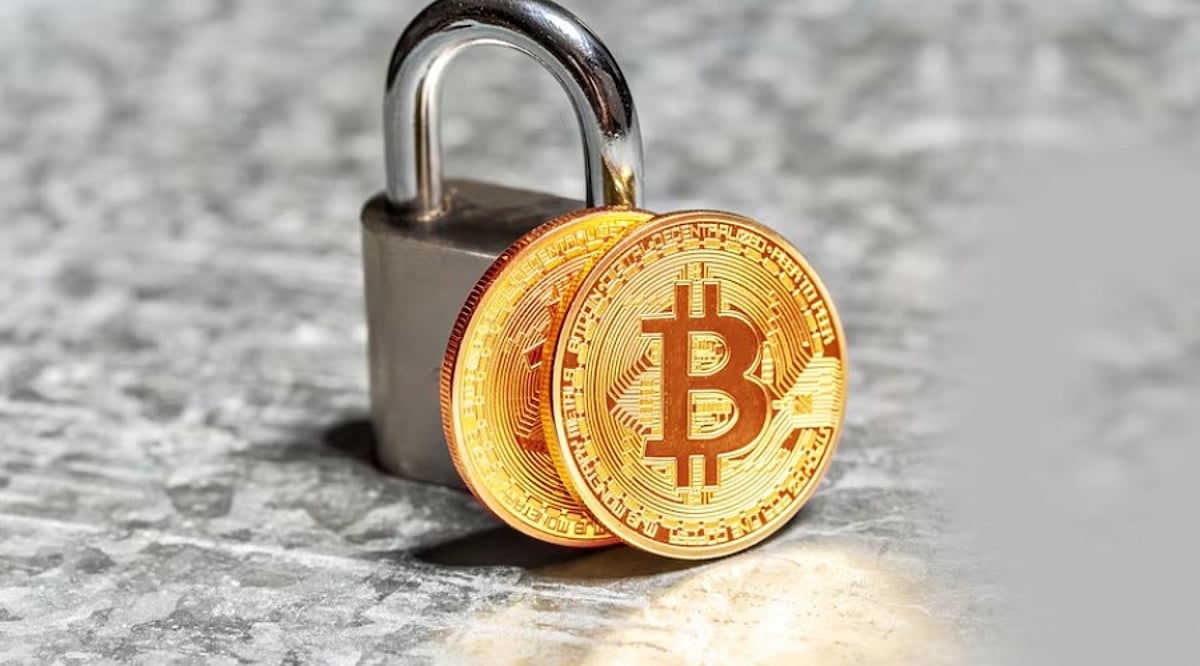
Centralized exchanges have invested heavily in custody infrastructure, fraud monitoring, and compliance programs. Yet the biggest risk facing most account holders today isn’t a dramatic protocol exploit—it’s a convincing phishing page, a hijacked phone number, or a rushed account recovery request that slips through before anyone catches it. For anyone focused on protecting digital assets on centralized exchanges, that distinction matters more than you might think, because the line between user error and platform failure is often narrower than it first appears.
According to Chainalysis, stolen crypto funds fell 54.3% to $1.7 billion in 2023, but incident frequency increased. Hacking incidents rose from 219 to 231 during that same period, suggesting threat actors aren’t slowing down; they’re shifting tactics within digital finance ecosystems.
Why Centralized Exchanges Remain a High-Value Target
Custody Creates Convenience, but Also Concentration Risk
Centralized exchanges bundle assets, credentials, personal identity data, and account recovery workflows into a single accessible location. You don’t control private keys directly on most of these trading platforms, which means you’re placing substantial trust in the provider’s internal security architecture. Attackers don’t always need to breach cold storage wallets if they can instead manipulate account access mechanisms or withdrawal procedures.
FBI reporting backs up the severity: crypto investment fraud losses reported to the Internet Crime Complaint Center jumped 53%, rising to $3.96 billion in 2023. That concentration of funds makes centralized platforms an efficient target for organized financial crime syndicates.
The Most Common Failure Point Is the User-Platform Boundary
The path of least resistance for modern cybercriminals targets the space between you and the service interface. Threat actors regularly deploy fake login pages, impersonate search ads, use session hijacking techniques, and intercept multi-factor authentication. Recent reports illustrate the scale: while decentralized protocols face massive surges in malicious clone sites, centralized platforms experience identical traffic-redirection vectors. In response, BitMart shared security updates addressing phishing, SIM-swap scams, and account takeovers.
The Core Vulnerabilities You Need to Understand
Phishing Is More Sophisticated Than Most Security Banners Suggest
Modern scammers use cloned domains, abuse paid search placements, and fake customer support interactions to slip past initial security layers. Phishing campaigns using sponsored Google search advertisements—such as the drainage networks that cloned Uniswap’s interface—recently resulted in over $400,000 in losses. These tactics work because they compromise you before the exchange’s internal monitoring systems can react.
SIM Swaps Still Undermine SMS-Based Recovery
Account takeover incidents often involve compromising your mobile telecom provider rather than hacking the exchange directly. Attackers can hijack port numbers or gain control of a victim’s text messages, rendering SMS-based two-factor authentication useless. Real-world cases from fintech and banking sectors confirm how quickly this plays out—SIM-swap fraudsters have siphoned significant sums from mobile money accounts.
Support Delays and Withdrawal Controls Matter as Much as Login Security
Evaluating platform safety means looking beyond marketing claims and examining the friction points encountered in outbound transactions. Advanced security is only useful if it halts malicious actions before funds reach unrecoverable blockchain addresses. Exchange-side controls that can materially reduce losses include:
- App-based or hardware-key multi-factor authentication (e.g., YubiKey or Google Authenticator) instead of SMS
- Withdrawal address whitelisting combined with mandatory cooling-off periods for new destinations
- Real-time device and behavioral anomaly detection that pauses irregular activity
- High-friction account recovery procedures for large-balance and high-risk profiles
User Error vs. Systemic Platform Failure
What Usually Counts as User-Side Compromise
Voluntarily entering credentials on a disguised fake website almost always constitutes a user-side security compromise. So does reusing identical passwords across multiple services. However, acknowledging a user-side error at the login stage doesn’t automatically absolve a platform of all subsequent responsibility. If an exchange maintains weak account recovery flows, an initial mistake can compound into a much larger loss.
What May Point to a Platform-Side Failure
When unauthorized transactions proceed despite obvious geographic anomalies or impossible travel patterns, attention shifts to exchange-side control deficiencies. Inadequate detection of device swaps, delayed account-freeze responses, and poorly designed recovery workflows can indicate systemic failures. Legal analysis shows that UK High Court crypto claims involving alleged fraud, hacks, or missing assets account for more than 51% of identified crypto-related cases.
How Regulation Views Customer Protection on Centralized Exchanges
Crypto users don’t receive the same protections as traditional bank depositors. While anti-money laundering and cybersecurity requirements have tightened globally, these rules don’t automatically guarantee reimbursement after an unauthorized transfer. State-level frameworks like New York’s BitLicense—which requires consumer disclosures, cybersecurity programs, and custody controls—often serve as a benchmark for evaluating whether an exchange’s protective controls were reasonable.
What You Should Know About Platform Liability After Unauthorized Transfers
Liability usually turns on facts, not headlines. Courts examine whether the exchange’s authentication methods, warning systems, and post-breach response times were reasonable. Threat severity continues to climb: Chainalysis reported that stolen crypto funds rose 21% year over year to $2.2 billion in 2024. Victims should prioritize immediate digital evidence preservation—login alerts, IP data, multi-factor authentication change logs, support ticket timestamps, blockchain transaction hashes, and telecom records.
A Smarter Risk Model for Keeping Assets on Exchange
Centralized exchanges provide real utility for trade execution and deep liquidity but rarely offer ideal storage for large, long-term holdings. Active trading balances should remain separate from primary long-term holdings. Using self-custody cold storage (hardware wallet) for assets not actively deployed can significantly reduce your threat surface. For significant accounts, use hardware security keys, maintain a separate dedicated email address, and avoid SMS-based recovery. Regularly review active session histories and configure strict withdrawal whitelists.
Global threats reinforce the need for vigilance: North Korean hackers stole $1.34 billion across 47 incidents in 2024. Aligning your protective design with your portfolio value helps ensure that convenience doesn’t jeopardize long-term financial security.
The bottom line: Security claims are only as reliable as the controls that successfully stop a live account takeover attempt. Adopt risk-segmentation strategies, decide which assets remain on-platform, and prepare evidence-preservation plans before you need them.