Tag: digital marketing

  • YouTube Monetization Beyond Ads: 6 Proven Revenue Streams for Creators

    YouTube Monetization Beyond Ads: 6 Proven Revenue Streams for Creators

    Introduction

    Ad revenue alone leaves YouTube channels financially exposed. Six income streams, including memberships, sponsorships, affiliate links, and owned products, can reduce that dependence. The right mix depends on audience trust, not subscriber count.

    Why Ads Alone Fall Short

    Ad income is unpredictable as a sole source. RPM varies by niche, audience location, season, and format. A channel that earns well in Q4 can see rates drop sharply in January. Building around multiple revenue paths instead of one changes that dynamic.

    Six Alternative Revenue Streams

    1. Channel Memberships and Fan Funding

    Channel memberships let viewers pay a monthly fee in exchange for perks such as badges and exclusive content. Super Chat and Super Thanks give fans a way to pay to highlight their messages during streams and videos. Under the Commerce Product Module, creators receive 70% of net revenue from memberships, Super Chat, Super Stickers, and Super Thanks. Access requires meeting YouTube Partner Program thresholds. Fan-funding features open at 500 subscribers, three public uploads in 90 days, and either 3,000 watch hours in 12 months or three million Shorts views in 90 days. Ad revenue sharing currently requires 1,000 subscribers with 4,000 watch hours or 10 million Shorts views. From February 1st, 2027, new applicants for ad and premium revenue sharing will need 1,000 subscribers plus 8,000 watch hours in 365 days, or 20 million Shorts views in 90 days. Existing partners are not affected. Creators who enabled fan funding before 2023 may still be on the older Commerce Product Addendum. They must accept the current Commerce Product Module in YouTube Studio by January 31st, 2027, or lose access to these features on February 1st.

    2. Brand Sponsorships

    Sponsorships pay a fixed fee for featuring a product or service in a video. Rates depend on average views, audience location, and niche fit, not just subscriber count. A personal finance channel with 20,000 engaged viewers can often command strong rates. For brands, a closely matched audience can matter as much as raw reach. YouTube Creator Partnerships lets brands find eligible Partner Program creators and send deal inquiries. The tool includes a media kit built from channel data, and India is among the available countries. All paid promotions must be disclosed in line with YouTube’s policies and local advertising law.

    3. Affiliate Marketing

    Affiliate links earn a commission when a viewer buys through a tracked link in the video description. The format works best for reviews, tutorials, and comparisons, where viewers are already close to a purchase decision. Some software programs pay recurring commissions, though customers may cancel and program terms can change. Unlike YouTube Shopping, traditional affiliate marketing sends viewers to an external merchant or affiliate platform. All affiliate relationships require clear, easy-to-notice disclosure.

    4. YouTube Shopping

    YouTube Shopping lets eligible creators tag products directly in videos, Shorts, and live streams. Products can come from the creator’s own store or from partner brands. Sales from a channel’s own store are settled by the merch retailer or platform. Eligible creators can also earn affiliate commission on third-party products they feature. Access depends on channel and country eligibility.

    5. Own Products and Services

    Owned products offer more control over pricing and margins than any platform-based revenue stream. Common options include online courses, templates, presets, ebooks, paid communities, and consulting. Payment fees, software costs, customer support, and refunds still reduce profit. An owned product also builds a direct relationship with customers through email, which reduces reliance on YouTube for future sales. Comments, search queries, and repeated viewer questions can point directly to where that demand exists.

    6. License Content and Repurpose Expertise

    Licensing means another party pays for the right to use original footage. Media companies, documentary makers, and stock platforms regularly license clips. Repurposing takes that same expertise into new formats such as newsletters, podcasts, or paid reports. Both approaches extend the economic life of content beyond its original YouTube upload. YouTube Premium adds another revenue path for eligible creators. From February 1, 2027, Premium Lite expands to every country where Premium is available. Creators share in a pool worth 60% of net Premium Lite subscription revenue, distributed by member watch time and views. Creators then receive 55% for long-form videos and 45% for Shorts.

    Quick Comparison

    • Memberships/Fan Funding: Recurring revenue from loyal viewers; requires Partner Program eligibility.
    • Sponsorships: Fixed fee per video; depends on audience engagement and niche.
    • Affiliate Marketing: Commission per sale; works well with review/tutorial content.
    • YouTube Shopping: Product tagging in videos; requires eligibility and can include own or third-party products.
    • Own Products: Full control over pricing; builds direct audience relationship.
    • Licensing: One-time fees for footage or repurposed content; extends content lifespan.

    How to Choose the Right Revenue Stream

    The right starting point depends on where a channel stands with its audience. Affiliate links need no Partner Program access, which makes them a practical early option. Fan funding and shopping open once a small audience shows consistent loyalty. Sponsorships suit channels whose viewers act on recommendations. Owned products make sense once a creator has built a niche following with a clear, shared interest. Tracking revenue per video, not just views, shows which content is actually earning.

    Final Thought

    The long-term opportunity on YouTube is not simply more views. Platforms shift, algorithms change, and ad rates fluctuate, but an audience that trusts a creator travels with them. That trust, built through consistent and useful content, is what makes every other revenue stream possible. Creators who own that relationship directly, through email lists, products, and loyal communities, are the ones best positioned as the platform continues to evolve.

    Frequently Asked Questions

    • Can you make money on YouTube without ads? Yes. Creators can earn through channel memberships, Super Chat, Super Thanks, sponsorships, affiliate marketing, YouTube Shopping, digital products, services, and content licensing.
    • How many subscribers do you need to monetize YouTube? For the expanded YouTube Partner Program in eligible countries, creators can qualify at 500 subscribers with additional activity and watch-time or Shorts-view requirements. Ad and YouTube Premium revenue sharing currently requires 1,000 subscribers plus higher watch-time or Shorts-view thresholds.
    • How do YouTubers make money from sponsorships? Creators negotiate fees with brands to feature products or services in videos. Rates can depend on audience size, average views, niche, audience location, engagement, and campaign requirements.
    • Can YouTubers earn money through affiliate marketing? Yes. Creators can share tracked affiliate links and earn a commission when viewers make qualifying purchases. This works particularly well for product reviews, tutorials, comparisons, and buying guides.
    • What is the best way to make money on YouTube beyond ads? There is no single method that works best for every channel. The right option depends on the audience, niche, content format, and stage of the channel. Creators can combine affiliate marketing, sponsorships, fan funding, Shopping, owned products, and licensing to diversify income.
  • Top Advertising Platforms for 2026: A Marketer’s Guide

    Top Advertising Platforms for 2026: A Marketer’s Guide

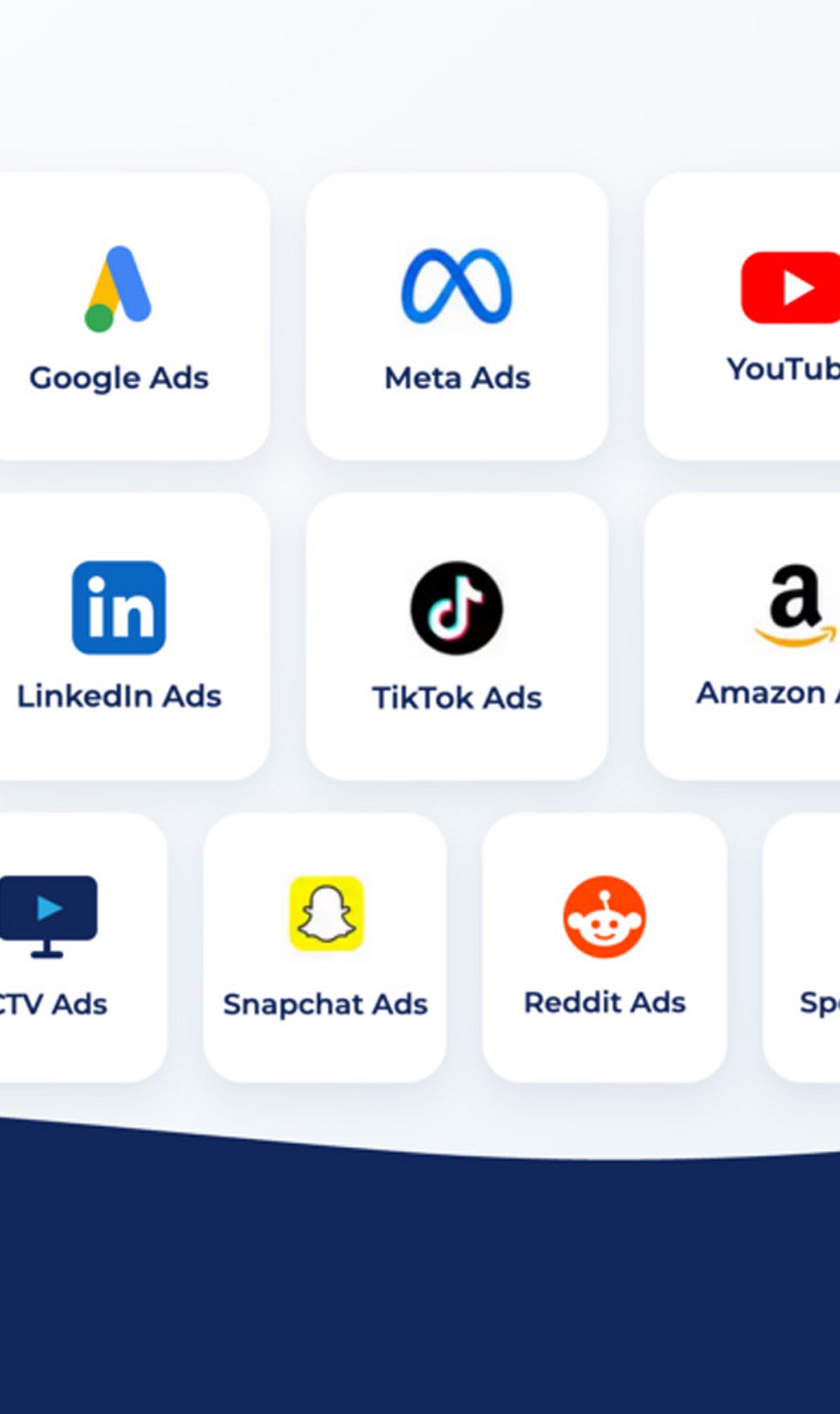
    As digital advertising evolves, choosing the right platforms is critical to reaching your audience effectively and maximizing return on investment. From search engines and social networks to e-commerce marketplaces, each advertising channel offers unique strengths depending on your goals, budget, and target market. Here are the most effective ad platforms to consider for your 2026 campaigns.

    Google Ads

    Google Ads remains a major choice for capturing users who actively search for products, services, and answers. It is ideal for intent-driven campaigns because advertisers can appear in front of people at the exact moment they are looking for something relevant.

    Meta Ads (Facebook & Instagram)

    Meta Ads across Facebook and Instagram offer detailed audience targeting, making them useful for e-commerce, lead generation, and brand campaigns. The combination of advanced segmentation and massive user data is a powerful tool for reaching both cold and warm audiences.

    TikTok Ads

    TikTok Ads focus on short-form video and discovery, making the platform useful for Gen Z, Millennials, and video-led campaigns. Its creative tools and viral potential are unmatched for building brand awareness with younger demographics.

    Amazon Ads

    Amazon Ads reach shoppers close to the point of purchase, making them useful for brands selling products on the marketplace. This is especially important for e-commerce businesses that need to grow sales directly within Amazon’s product ecosystem.

    LinkedIn Ads

    LinkedIn Ads are built for B2B marketing, with targeting options based on job roles, companies, industries, and seniority. If you are selling professional services or enterprise solutions, LinkedIn delivers a unique level of precision.

    Microsoft Advertising

    Microsoft Advertising reaches users across Bing and partner networks and can offer lower-cost search campaigns in some markets. It is a smart complement to Google Ads for many brands looking to reduce competition and expand reach.

    YouTube Ads

    YouTube Ads support video campaigns across a massive audience and work well for brand awareness, product promotion, and consideration. With billions of active viewers, YouTube remains a core channel for video storytelling.

    Pinterest

    Pinterest offers niche opportunities for visual discovery, especially for lifestyle, home, fashion, and DIY brands. Users often come with a planning mindset, making it a great fit for campaigns that aim to inspire action.

    Reddit

    Reddit provides access to highly engaged communities and is strong for community campaigns, market research, and authentic conversations. Ads feel native when they are aligned with the interests of the subreddits that matter to your brand.

    Snapchat

    Snapchat targets youth audiences with vertical video and augmented reality features. It’s an effective channel when your brand is trying to connect with teenagers and young adults through playful, interactive content.

    X (formerly Twitter)

    X is well-suited for real-time conversations, news-driven content, and community engagement. Ads on X can help brands stay relevant during live events and join trending discussions quickly.

    How to Choose the Right Ad Platform

    Choosing an ad platform depends on your target audience, campaign goal, budget, and sales funnel. Privacy regulations, ad costs, and regional access also play an important role in determining where your investments will perform best. Test a few channels, measure performance, and allocate budget based on what actually drives results.

  • Why Technical SEO Is the Foundation for AI-Driven Search Success

    Why Technical SEO Is the Foundation for AI-Driven Search Success

    Search visibility is often discussed as a content problem. Companies are told to publish more articles, target more keywords, and earn more backlinks. Those activities matter, but they cannot compensate for a website that search systems struggle to crawl, interpret, or index correctly.

    That is why technical search optimization is becoming less of a specialist task and more of a core digital infrastructure issue. The shift is especially important as search expands beyond traditional blue links into AI-generated answers, summaries, and recommendation systems.

    Search Visibility Begins Before Content Is Ranked

    Before a search engine can evaluate whether a page is useful, it must first discover the page, access it, understand its relationship to the rest of the site, and decide whether it belongs in the index. Problems at any of these stages can make strong content effectively invisible.

    A page may be well written but buried behind weak internal linking. A canonical tag may point to the wrong URL. A redirect chain may waste crawl resources. JavaScript may prevent important content from being rendered consistently. Duplicate pages may split ranking signals across several addresses.

    These are not cosmetic issues. They determine whether the information architecture of a website can be read as a coherent system.

    Crawlability and Indexing Are Different Problems

    One of the most common misunderstandings in SEO is treating crawlability and indexation as the same thing. A crawler being able to reach a page does not guarantee that the page will be indexed, and an indexed page does not guarantee that search engines understand which version should rank.

    Technical audits therefore need to ask several separate questions: Can the crawler reach the URL? Is the server returning the expected status code? Is indexing allowed? Is the canonical destination correct? Does the page offer enough unique value to justify inclusion? Is it internally linked from meaningful parts of the site?

    This is where structured, repeatable diagnostics become more useful than one-time fixes.

    Site Architecture Should Reflect Search Intent

    Technical SEO is often reduced to page speed, XML sitemaps, and error reports. Those are important, but architecture is just as critical.

    A website should make it clear which page serves each major search intent. A broad service page, a pricing page, a comparison page, and an educational guide may all cover related vocabulary, yet they answer different questions. If the architecture does not distinguish those roles, several URLs may compete with one another.

    Clear parent-child relationships, predictable URL patterns, deliberate internal links, and topic clusters help search systems understand both hierarchy and context. They also make the site easier for people to navigate.

    For companies reviewing whether their search foundation is working as intended, a technical SEO audit should examine crawlability, indexation, site structure, canonicalization, internal linking, structured data, and the relationship between search intent and page purpose rather than treating each issue in isolation.

    Canonicalization, Redirects and Duplicate Signals Matter More as Sites Grow

    Small websites can sometimes survive inconsistent URL rules because there are relatively few pages. As a site expands, however, duplicate paths, parameter URLs, outdated redirects, HTTP and HTTPS variants, and inconsistent trailing-slash behavior can create unnecessary ambiguity.

    Canonical tags are designed to indicate preferred versions, but they are not a substitute for clean architecture. If internal links repeatedly point to non-canonical URLs, or if redirects contradict canonical signals, the site sends mixed messages.

    A strong technical foundation aims for consistency: internal links, sitemaps, canonicals, redirects, and navigation should reinforce the same preferred URLs.

    Structured Data Helps Define Entities and Relationships

    Structured data does not guarantee rankings, but it can help machines interpret entities, page types, organizations, products, articles, and relationships more clearly.

    This matters in an environment where search systems increasingly summarize information rather than simply return a list of pages. Clear entity signals can make it easier to understand who published the content, what the content is about, and how it relates to the rest of the website.

    The practical lesson is not to add schema everywhere. It is to use appropriate structured data consistently and ensure that the markup reflects what is actually visible on the page.

    Performance Is a User Issue and a Search Issue

    Page performance is another area where technical and business goals overlap. Slow loading, unstable layouts, heavy scripts, and delayed interaction can reduce user satisfaction even if the content itself is valuable.

    Performance work should therefore focus on real bottlenecks rather than chasing a perfect score. Image delivery, script execution, caching, server response, font loading, and third-party tools should be reviewed according to their actual effect on users and crawling.

    Internal Links Are Part of the Technical System

    Internal linking is sometimes treated as a content-editing detail. In reality, it is one of the clearest ways to communicate site hierarchy and topical relationships.

    Important pages should not depend on search engines discovering them through a sitemap alone. They should receive contextual links from related pages, navigation paths, and topic hubs. Anchor text should describe the destination naturally, while the surrounding context should explain why the link is relevant.

    AI Search Raises the Value of Technical Clarity

    AI-driven search does not eliminate traditional SEO requirements. It increases the value of clear, machine-readable information.

    Generative systems still depend on discoverable sources, consistent entities, understandable content structures, and signals of trust. A website with fragmented architecture and contradictory metadata gives both search engines and AI systems a harder interpretation problem.

    This is why SEO, answer-oriented optimization, and generative search visibility should not be treated as unrelated projects. They share the same foundation: information must first be accessible, structured, and understandable.

    Audits Should Measure Outcomes, Not Just Errors

    A technical audit can easily produce hundreds of warnings. The challenge is deciding which ones matter.

    A missing meta description and an accidental noindex tag may both appear in an audit, but their business impact is not comparable. Teams should prioritize issues according to whether they block crawling, prevent indexing, weaken canonical signals, damage user experience, or create ambiguity around important commercial pages.

    The best technical SEO work is therefore not the work that generates the longest checklist. It is the work that removes the obstacles between a website’s information and the systems trying to understand it.

    Technical SEO Is a Long-Term Operating Discipline

    Websites change continuously. New pages are added, plugins are updated, migrations happen, redirects accumulate, and content teams create new sections. Technical health is therefore not a one-time launch task.

    For businesses that rely on organic discovery, technical SEO should be treated like infrastructure maintenance: monitored, tested, and improved as the site grows.

    Content may attract attention, and backlinks may build authority, but technical structure determines whether that value can be discovered, consolidated, and interpreted efficiently. In both traditional search and AI-driven discovery, that foundation is becoming more important, not less.

  • ChatGPT Ad Pricing in India: Minimum Budget, Auction Model, and Real Costs

    ChatGPT Ad Pricing in India: Minimum Budget, Auction Model, and Real Costs

    OpenAI has launched advertising on ChatGPT in India, its second-largest market, with a minimum daily budget of Rs. 725. Sponsored results began appearing to eligible users on August 27, and the self-serve Ads Manager followed on September 4. Any business, from small local brands to large agencies, can now sign up and run campaigns without a managed account or waiting period.

    Ads appear below relevant answers in a conversation, clearly labeled as sponsored and visually separated from ChatGPT’s actual response. OpenAI states that ads do not influence the AI’s output, and advertisers only receive aggregate performance data—never access to chat history or personal conversations. Paid subscription tiers (Plus, Pro, Business, Enterprise, Education) remain ad-free, so sponsored content only reaches users on the Free and Go plans.

    Pricing operates through an auction system rather than fixed rates. OpenAI uses a relevance-weighted, second-price auction where the winning bid depends on both cost and how well the ad fits the ongoing conversation. Advertisers can choose between CPM, CPC, or conversion-focused campaign goals, with reporting including impressions, clicks, spend, and average cost per click.

    Industry watchers caution that Rs. 725 per day is a technical floor, not a realistic budget for meaningful results. Over 30 days, that minimum totals roughly Rs. 21,750—often insufficient to generate significant clicks or conversions. The actual cost depends on competition, ad relevance, industry category, and customer acquisition value. Since ChatGPT ads are new in India, marketers advise treating early campaigns as tests and judging them by conversion quality rather than comparing directly with established platforms like Meta or Google.

  • AI Citation Tracking in 2026: Comparing the Best Tools for Source Visibility

    AI Citation Tracking in 2026: Comparing the Best Tools for Source Visibility

    Why AI Citation Tracking Matters

    In 2026, AI answer engines like ChatGPT, Perplexity, and Google AI Overviews are reshaping how readers discover content. Being mentioned in an AI answer is no longer enough—brands need to know which pages actually get cited as sources. Citation tracking tools reveal which content wins trusted source positions, how competitors compare, and where your site falls short. This article compares six leading AI citation tracking tools to help you choose the right one for your team.

    Top AI Citation Tracking Tools of 2026

    1. Ahrefs Brand Radar

    Best for deep data and enterprise-scale tracking. Ahrefs Brand Radar stands out with its AI Visibility Index, which covers over 460 million real prompts across six AI indexes: Google AI Overviews, Gemini, Perplexity, ChatGPT, Copilot, and Google AI Mode. The data comes from real searches in Ahrefs’ keyword database, not synthetic prompts, and updates monthly. The tool provides a clear citation view, separating pages found from pages cited, and tracks mentions, citations, impressions, and AI Share of Voice. A May 2026 update added bot visits and AI traffic data for cited pages. Pricing starts at $199/month for one AI index, with all platforms at $699/month including 2,500 custom prompt checks. Additional prompt packs start at $50.

    2. Profound

    Best for enterprise AI search teams. Profound targets larger brands needing a wider answer-engine view. Its Starter plan costs $99/month and covers ChatGPT with 50 prompts; Growth is $399/month for three answer engines and 100 prompts. Enterprise plans can cover up to nine answer engines and multiple companies. Profound checks citations, sentiment, rank, and competitive presence, linking source data to overall brand visibility.

    3. Peec AI

    Best balance of detail and cost. Peec AI provides strong source-level insights at a reasonable price. Starter is $95/month for 50 prompts, three models, and one project; Pro is $245/month for 150 prompts and two projects; Advanced is $495/month for 350 prompts and five projects. It measures visibility, position, sentiment, and shows which sources AI assistants cite. Supported models include ChatGPT, Gemini, Google AI Mode, and Perplexity, with more models on higher plans or enterprise.

    4. OtterlyAI

    Budget-friendly for smaller teams. OtterlyAI offers one of the lowest entry prices—$29/month for 15 search prompts across ChatGPT, Google AI Overviews, Perplexity, and Microsoft Copilot. Additional models like Claude, Google AI Mode, and Gemini cost extra. A July 2026 update enhanced its Citations Report with a Winners & Losers view, saved citation URLs, a detail view, and a timeline chart for citation changes.

    5. Semrush AI Visibility

    Best for SEO teams already using Semrush. Semrush AI Visibility costs $99/month per domain on annual plans, covering 25 custom prompts, 300 daily AI analysis queries, 1,000 daily Prompt Research queries, and one domain. It supports ChatGPT, Google AI, Gemini, and Perplexity. A site audit feature flags technical issues that might block AI bots, making it a single hub for search and AI data.

    6. Rankscale

    Broad model coverage at low cost. Rankscale starts at $20/month and covers AI Overview, AI Mode, Gemini, ChatGPT, Perplexity, Grok, and Copilot, plus several other model engines. Pro is $99/month for 1,200 credits (up to 4,800 AI answers). Its credit system provides flexible scaling without fixed prompt limits, ideal for brands that need wide coverage on a modest budget.

    Choosing the Right Tool

    The best tool depends on your goals. For deep, large-scale data, Ahrefs Brand Radar is unmatched. If you need enterprise-level multi-engine tracking, Profound fits. For small teams or tight budgets, OtterlyAI and Rankscale offer solid entry points. SEO teams might prefer Semrush for its integrated audit tools, while Peec AI balances detail and affordability. Evaluate your prompt needs, model coverage, and budget to pick the tool that turns AI citation data into actionable SEO insights.

    Frequently Asked Questions

    What is AI citation tracking?

    AI citation tracking monitors the websites and pages that AI answer engines cite when generating responses.

    Which AI citation tracking tool is best in 2026?

    Ahrefs Brand Radar is the strongest choice for deep, large-scale citation and AI visibility data.

    What is the most affordable AI citation tracking tool?

    Rankscale starts at $20/month, while OtterlyAI starts at $29/month.

    Why are AI citations important for SEO?

    Citations show which pages AI systems trust as sources, helping brands identify content gaps and improve visibility in AI-generated answers.

    Can AI citation tools track competitors?

    Yes. Several tools compare competing brands and sources to show who earns citations and where your brand is losing visibility.

  • Reddit Etiquette Guide: How to Post, Comment, and Build Credibility Effectively

    Reddit Etiquette Guide: How to Post, Comment, and Build Credibility Effectively

    Reddit operates differently from most social media platforms. Each subreddit functions as an independent community with its own rules, culture, and conversational style. Success on Reddit comes from respecting these community norms, sharing valuable contributions, engaging authentically, understanding karma, and avoiding excessive self-promotion. Consistent, helpful participation builds credibility, trust, and long-term engagement across diverse communities.

    Key Takeaways

    • Read each subreddit’s rules before posting to avoid removals and build trust.
    • Prioritize helpful comments and meaningful discussions over frequent promotional posts.
    • Build credibility through consistent value, honest participation, and respect for moderators and community norms.

    Why Reddit Is Different

    Reddit values useful discussions, honest opinions, and real experiences far more than promotional content. Official Reddit guidance emphasizes that meaningful participation creates a better experience for everyone. Success on the platform depends on respect for community standards rather than attempts to attract quick attention.

    With more than 100,000 active communities covering almost every interest, community size does not always reflect activity. Reddit now uses community metrics that focus on visitors and contributions over a rolling 28-day period instead of subscriber numbers. A community with two million members may show less activity than one with 200,000 members if fewer people post or comment. These numbers offer a more accurate picture of participation.

    Read Community Rules Before Every Post

    Every subreddit sets its own rules. Some accept only text posts, while others welcome images, videos, or links. Many require specific title formats, approved post flair, or trusted sources. Several also ask for a minimum account age or karma score before new submissions appear. Automatic filters often remove posts that fail these checks.

    A careful review of the rules saves time and helps new members understand the tone of the community. Moderators expect every member to respect these standards. Rule violations often lead to removed posts, temporary restrictions, or permanent bans. Spending a few minutes on the rules page creates a much better experience.

    Valuable Contributions Build Trust

    Reddit rewards content that adds real value to a discussion. Helpful answers, personal knowledge, expert advice, useful resources, and thoughtful conversations often receive positive reactions. Communities also appreciate honesty and transparency.

    Low-quality content creates the opposite result. Clickbait titles, repetitive comments, corporate language, AI-style text, and obvious marketing quickly reduce credibility. Reddit communities notice these patterns quickly. Consistent value creates a stronger reputation than frequent posting.

    Official Reddiquette also encourages respectful behavior: remember that every account belongs to a real person, use clear grammar, credit original creators, read linked articles before discussion, explain important edits, and vote according to contribution instead of personal agreement.

    Comments Create a Strong Reputation

    Many experienced Reddit users suggest that new members spend time in the comments before creating many posts. Regular comments help members understand community culture, popular topics, and moderator expectations. This approach also creates opportunities to earn karma naturally.

    Useful comments answer questions, provide additional information, share relevant experience, or include reliable sources. Very short replies such as “This,” “Same,” or “First!” rarely help a discussion. Official Reddiquette discourages these low-effort responses since they add little value to the conversation.

    Understand Karma and Voting

    Karma serves as Reddit’s reputation system. Upvotes on posts and comments increase karma, although Reddit clearly states that karma does not follow a one-to-one relationship with votes. The exact calculation remains private. Several communities use minimum karma requirements before members can publish new posts.

    Voting also follows specific etiquette. Official guidance recommends upvotes for content that feels useful, informative, relevant, or interesting. Downvotes should target spam, off-topic material, or low-quality content. Personal disagreements should not decide voting behavior. This system helps valuable discussions rise to the top.

    Promotion Requires Careful Balance

    Reddit does not welcome accounts that exist mainly for self-promotion. Communities expect genuine participation long before promotional content appears. Reddit Business guidance highlights a widely accepted 9:1 contribution ratio, meaning nine helpful contributions should come before one promotional post. This balance shows authentic interest in the community instead of a marketing strategy.

    Healthy participation includes regular discussions, thoughtful answers, useful recommendations, and relevant conversations. Occasional links fit naturally when they solve a problem or answer a question. Excessive promotion often attracts spam reports or moderator action.

    Small Details Make a Big Difference

    A descriptive title enhances credibility and visibility. Research shows that factual titles work better than emotive or exaggerated ones. Official recommendations advise avoiding titles in all caps, sensational claims, and requests for upvotes.

    Proper formatting enhances readability. Short paragraphs, coherent structure, and clear wording facilitate understanding. When significant modifications are made after publication, a short note such as ‘Edit: Added sources’ should be used.

    Respect for moderators increases long-term credibility. Moderators keep discussions organized, enforce rules, and ensure community effectiveness. Using Modmail is more effective than arguing in public.

    Research Supports Good Reddit Behavior

    Academic research explains why careful participation matters. A University of Notre Dame study of 309 Reddit users found that 73% of voted posts received votes without users opening the linked content. This finding shows that titles influence early reactions and highlights the importance of accurate, honest headlines.

    Another research project found that both message content and writing style affect community response. Language patterns that succeed in one subreddit may perform poorly in another. A separate study also found that relevant subreddit references increase participation and encourage stronger community engagement.

    Long-term credibility on Reddit grows through consistent value, respect for community rules, honest conversations, and useful contributions. Members who focus on quality instead of quick recognition earn stronger trust across communities and create a lasting reputation that supports future discussions.

    FAQs

    1. Why is Reddit different from other social media platforms? Each subreddit has unique rules, culture, and expectations, making community-specific participation essential.
    2. What is karma on Reddit? Karma is Reddit’s reputation system, earned through upvoted posts and comments, though it isn’t calculated on a one-vote-per-point basis.
    3. Can I promote my business on Reddit? Yes, but only after establishing genuine participation. A commonly accepted guideline is contributing far more helpful content than promotional content.
    4. Why are comments important on Reddit? Thoughtful comments help you understand community culture, earn karma naturally, and establish credibility before posting.
    5. How can I prevent my posts from being removed? Review subreddit rules, use the correct post format and flair, meet any karma or account-age requirements, and avoid spammy or clickbait content.
  • Reddit Promotion Without the Spam Label: A Step-by-Step Guide for Businesses

    Reddit Promotion Without the Spam Label: A Step-by-Step Guide for Businesses

    Key Takeaways

    • Helpful participation builds more trust than constant promotion.
    • Every subreddit follows unique rules that deserve careful attention.
    • Limited, relevant promotion creates better long-term results than frequent link sharing.

    Reddit stands as one of the biggest online platforms for discussions. More than 100,000 communities cover almost every topic, industry, hobby, and interest. The platform attracts around 110 million daily active unique visitors, which creates a huge opportunity for brands, website owners, and businesses that want targeted traffic.

    Reddit users also stay active every day. During the second half of 2024 alone, members created 2.03 billion posts and comments, while 841,314 new communities joined the platform. These numbers show why Reddit attracts marketers from every industry. At the same time, strong community rules protect discussions from spam, so every promotional effort needs the right approach.

    Reddit Values Helpful Conversations More Than Promotion

    Reddit operates in a different way than standard social networks. Users go into different communities and ask questions, share experiences, troubleshoot different cases, and communicate with other people. Each subreddit is governed by its own rules and moderated carefully. A company that focuses solely on promotion quickly loses people’s trust. Posting the same links repeatedly, copying what others wrote, spamming discussions with multiple messages in many different communities, and using fake engagement are also classified as spam by Reddit. Authentic participation attracts much more trust than any form of advertising.

    Build Trust Before Sharing a Website

    A new account with only promotional posts usually attracts negative attention. Regular participation creates a better impression. Helpful comments, useful answers, and friendly discussions help an account earn karma and community trust. Many subreddits also require a minimum amount of karma or account age before new members can create posts. This simple habit opens more opportunities for future promotion without unnecessary problems.

    Read Every Community Rule Carefully

    Every subreddit has its own expectations. One community may welcome educational articles, while another may reject every promotional link. Some communities allow business posts only on selected days, while others permit links only inside comment sections. A quick review of the rules saves time and avoids post removal. Careful attention to these guidelines also shows respect for the community and its moderators.

    Keep Promotion Limited

    Successful businesses rarely fill their Reddit history with links. Reddit Business recommends the 9:1 rule, which means nine helpful contributions for every promotional post. Many moderators also support a similar idea that limits self-promotion to around ten percent of total activity. This balance keeps discussions useful and prevents an account from looking like an advertisement. Regular participation builds credibility, while occasional promotion feels natural within the conversation.

    Answer Questions with Useful Information

    Many Reddit users search for advice before they buy a product or visit a website. A detailed answer often creates more value than a direct advertisement. Clear explanations, practical tips, and real knowledge attract positive attention. A website link should appear only when it expands the discussion or offers extra details that fit the topic. This approach earns respect and starts meaningful conversations instead of negative reactions.

    Share Original Experience Instead of Sales Messages

    Reddit communities appreciate original content. Real case studies, personal business lessons, research, data, test results, screenshots, and performance reports receive far more attention than simple promotional messages. A business that shares useful discoveries gives readers something valuable. Strong content also encourages discussion, questions, and feedback, which improves visibility across the platform.

    Stay Honest About Business Connections

    Transparency plays an important role on Reddit. A business owner should openly mention any connection with a product, service, or website whenever it becomes relevant. Honest communication creates trust, while hidden promotion often creates suspicion. Reddit communities usually respond well to open conversations, especially when valuable information remains the main focus of the discussion.

    Continue the Conversation After Posting

    A successful Reddit post does not end after publication. Replies, questions, and feedback deserve attention. Active discussions show genuine interest in the community and encourage more people to join the conversation. Ignoring every comment after sharing a link creates the opposite impression. Simple and respectful replies help build stronger relationships with community members over time.

    Avoid Common Spam Mistakes

    Several common actions quickly attract spam reports. Repeated links across different communities, copied comments, brand-new accounts with promotional posts, and accounts that never participate outside self-promotion often face removal. Reddit also discourages fake engagement and artificial attempts to increase visibility. Natural discussions and useful contributions always perform better than shortcuts.

    Choose Reddit Ads for Direct Marketing Goals

    Businesses that want immediate traffic or product promotion should consider Reddit Ads instead of relying only on organic posts. Paid promotion follows Reddit’s advertising system and reaches relevant audiences without breaking community expectations. Organic participation still plays an important role, although advertising offers a better choice for campaigns that focus on sales or lead generation.

    Final Thoughts

    Reddit values integrity, transparency, and real discussions. Active community participation builds trust, while limited self-promotion helps prevent spam reports. Different communities on Reddit have different guidelines, which means it’s necessary to do thorough research. Good replies, new ideas, and respectful communication result in a solid reputation over the long run. With 100,000+ communities, 110 million unique visitors a day, 2.03 billion posts and comments in 2024 and 841,314 new communities created during that period, Reddit gives a lot of opportunities to businesses that respect its nature.

    Frequently Asked Questions

    1. Why do Reddit users report promotional posts as spam?

    Reddit communities value genuine discussions, so excessive or irrelevant promotion often attracts spam reports and moderator action.

    2. How much self-promotion is acceptable on Reddit?

    A balanced approach works best. Reddit Business recommends the 9:1 rule, which means nine helpful contributions for every promotional post.

    3. Can a new Reddit account promote a website?

    Most new accounts should build karma and community trust first. Many subreddits also require minimum account age or karma before posting.

    4. What type of content performs best on Reddit?

    Original case studies, useful advice, research, data, real experiences, and thoughtful answers usually receive better engagement than promotional content.

    5. Should businesses use Reddit Ads?

    Yes. Reddit Ads provide a better option for direct marketing campaigns, while organic participation helps build credibility and long-term community trust.

  • Canva Pro vs Canva Free 2027: Which Plan Offers Better Value for Your Design Needs?

    Canva Pro vs Canva Free 2027: Which Plan Offers Better Value for Your Design Needs?

    Canva remains one of the most popular design platforms worldwide, used daily by students, business owners, marketers, freelancers, and content creators for presentations, social media posts, videos, posters, resumes, and more. The platform offers two main plans: Canva Free and Canva Pro. Both share the same easy-to-use editor but serve different purposes. Canva Free provides many useful tools at no cost, while Canva Pro adds advanced features that save time and improve design quality. The right choice depends on the type of work, project volume, and need for premium content.

    Canva Free vs Canva Pro Comparison

    Canva Free Offers Strong Value

    Canva Free has evolved into a complete design platform rather than a simple beginner tool. The plan includes millions of templates, a drag-and-drop editor, presentation tools, video editing, whiteboards, a website builder, and basic AI features. Every project starts with a clean workspace, and the editor keeps all tools within easy reach.

    Students often choose this plan for classroom work, presentations, and reports. Families create invitations, greeting cards, and photo collages with the same account. Small personal projects also fit well within the free plan. Many users never reach the point where a paid subscription becomes necessary.

    Canva Pro Focuses on Speed and Better Results

    Canva Pro adds features that help users finish projects in less time. The premium template library opens far more design options for every category. The plan also unlocks more than 100 million premium photos, videos, graphics, icons, and audio files. Designers no longer need to search across different websites for quality content.

    The biggest advantage comes from workflow improvements. Every tool works together inside one platform, keeping projects simple from start to finish. Professional creators often notice a clear difference after the first few days of use.

    Brand Kit Creates Consistent Designs

    Brand consistency is extremely important for companies. Canva Pro’s all-in-one brand kit provides logos, brand color palettes, typography, and templates. The system generates every new project in a manner consistent with a company’s corporate image, helping organizations achieve a uniform look across marketing communications.

    Magic Resize Saves Valuable Time

    One design rarely fits every social media platform. Canva Pro includes Magic Resize, which converts one design into several formats with a single click. A square Instagram post can quickly become a Facebook post, LinkedIn graphic, Pinterest pin, YouTube thumbnail, or Story format. This tool removes repetitive editing and keeps the overall design style unchanged.

    AI Tools Continue to Expand

    Artificial intelligence now plays a major role inside Canva. The platform offers tools such as Magic Design, Magic Write, Text-to-Image, Magic Edit, Magic Eraser, Magic Expand, AI presentation creation, AI video assistance, and Canva Code. The Free plan provides basic access to several AI tools, while Canva Pro unlocks the complete AI suite with higher usage limits.

    Premium Assets Improve Every Project

    Design quality often depends on images, graphics, and illustrations. Canva Free includes a large content library, but many premium assets remain locked. Canva Pro removes those limits and opens a collection of more than 100 million premium assets, helping businesses create polished marketing material and creators produce eye-catching thumbnails and social media posts without extra purchases.

    Recent Changes Make Canva More Powerful

    Canva has expanded far beyond graphic design. The platform now includes Visual Suite, which brings together presentations, documents, spreadsheets, websites, and whiteboards within one workspace. Canva Code also allows users to create interactive projects through simple text prompts. These updates show Canva’s move toward a complete productivity platform.

    Which Plan Delivers Better Value?

    Canva Free remains one of the strongest free design platforms available today. It covers everyday projects with ease and serves students, hobby users, and occasional designers. Many personal projects reach a professional finish without any payment.

    Canva Pro delivers far greater value for professionals, businesses, freelancers, and content creators with regular design work. Premium assets, advanced AI tools, Brand Kit, Magic Resize, Background Remover, and larger cloud storage reduce effort and improve workflow. The subscription cost often matches the amount of time saved across multiple projects.

    Final Thoughts

    Canva Free and Canva Pro both offer excellent design experiences. The free plan provides enough tools for personal work, school projects, and occasional creative tasks. Canva Pro transforms the platform into a complete professional workspace with advanced AI features, premium design resources, and productivity tools. Regular content production, client work, business branding, and marketing campaigns benefit the most from the paid plan. The final decision depends on design frequency, project size, and the need for premium features, yet both plans continue to rank among the best options available for digital design in 2027.

    FAQs

    1. Is Canva Free enough for beginners? Yes. Canva Free includes templates, basic AI tools, presentations, video editing, and many design features suitable for beginners.
    2. What makes Canva Pro better than Canva Free? Canva Pro unlocks premium templates, 100M+ assets, Brand Kit, Magic Resize, Background Remover, advanced AI tools, and 1 TB cloud storage.
    3. Does Canva Pro include AI features? Yes. Canva Pro provides access to Canva’s complete AI suite with higher usage limits than the Free plan.
    4. Who should choose Canva Pro? Freelancers, businesses, marketers, and content creators with regular design work receive the greatest value from Canva Pro.
    5. Is Canva Pro worth the subscription cost? For users who create designs frequently, the premium tools and time-saving features often justify the monthly subscription.
  • Generative Engine Optimization (GEO): How AI Retrieval Is Reshaping Digital Visibility

    Generative Engine Optimization (GEO): How AI Retrieval Is Reshaping Digital Visibility

    Generative Engine Optimization (GEO) is rapidly becoming a cornerstone of modern digital marketing. Unlike traditional SEO, which aims for top positions in search engine results, GEO focuses on ensuring brands appear within AI-generated answers from platforms like ChatGPT, Google AI Overviews, Gemini, Claude, Copilot, and Perplexity. This shift is fundamentally changing how users discover products, services, and information online.

    How LLM Retrieval Works

    Modern large language models (LLMs) no longer rely solely on keyword matching. Instead, they follow a retrieval process that begins with user intent. The system searches trusted sources, collects relevant documents, compares each source for quality, and selects only a small set of passages. The language model then generates a natural answer supported by those selected sources. This “retrieve, rerank, and generate” pipeline leaves little room for weak or poorly structured content. Content that never reaches the first retrieval stage cannot appear in the final response, no matter how detailed it looks.

    Retrieval Changes Redefine Visibility

    Older search engines scanned billions of indexed pages before displaying ranked links. AI search systems work with a much smaller retrieval window. Most platforms collect only dozens or a few hundred candidate documents for each query. A reranking model then checks relevance, authority, freshness, and trust before the language model builds the final response. This process raises the value of semantic relevance, clear entities, and factual accuracy. No single tactic guarantees success across every AI platform.

    Latest Numbers Show Rapid Growth

    The move toward AI search continues at a fast pace. Google AI Overviews now reach more than 2.5 billion monthly users, while ChatGPT serves around one billion weekly users. AI assistants now answer a large share of online questions before visitors open traditional search results. This pattern creates more zero-click searches and fewer direct website visits. Several studies also report that AI referral traffic has grown sharply, even as click-through rates from traditional search continue to decline.

    Research Explains What AI Prefers

    Academic research offers valuable insight into successful GEO strategies. The original GEO study found that content with statistics, quotations, citations, and reliable references achieved visibility gains of up to 40 percent within controlled experiments. A larger review of 45 GEO studies, published in July 2026, reached another important conclusion: content structure, topical relevance, and strong context placement deliver more reliable results than generic optimization tricks. Researchers also noted that AI platforms often produce different answers for the same question, making continuous evaluation essential.

    Content Quality Carries More Weight

    High-quality content now plays a larger role than keyword repetition. AI systems understand topics, relationships, and entities instead of isolated phrases. Clear headings, direct answers, well-organized sections, trusted statistics, and accurate citations help retrieval systems understand each page with greater confidence. Independent publications and respected news outlets also strengthen authority. Many AI systems trust third-party validation more than promotional claims from company websites.

    New Metrics Replace Traditional SEO Goals

    Traditional SEO measures rankings, impressions, and click-through rates. GEO introduces a different set of performance indicators. Companies now monitor AI citation frequency, brand mentions inside AI responses, share of voice across multiple AI platforms, AI referral traffic, and answer inclusion rates. Several software platforms already provide dashboards that measure AI visibility instead of keyword rankings. Industry reviews highlight tools from HubSpot, Semrush, Ahrefs, Surfer, Mentions, and Scrunch as leading options for brands that want detailed insight into AI search performance.

    Why This Matters

    For companies seeking good visibility in the AI-driven search space, Generative Engine Optimization has become indispensable. Nowadays, people use large language models to find data, assess services, and make decisions. Companies that implement an effective GEO strategy are more likely to get their names mentioned and highlighted in search results.

    The Future of AI Visibility

    Generative Engine Optimization has moved far beyond a marketing trend. It now represents a major change in online discovery. Search no longer ends with a ranked list of blue links. AI assistants now collect information, evaluate trust, select the strongest evidence, and present complete answers in seconds. Every stage of this retrieval process shapes brand visibility. Organizations that publish original research, maintain accurate entity information, present clear facts, and earn recognition from trusted third-party sources stand in a stronger position for future AI search.

    Frequently Asked Questions

    1. What is Generative Engine Optimization (GEO)? GEO is the practice of optimizing content so AI platforms like ChatGPT, Google AI Overviews, Gemini, Claude, Copilot, and Perplexity are more likely to retrieve, cite, and reference it in generated answers.
    2. How is GEO different from traditional SEO? SEO focuses on improving rankings in search engine results pages, while GEO aims to increase visibility within AI-generated responses by emphasizing authority, relevance, and factual accuracy.
    3. What type of content performs best for GEO? Content with clear structure, reliable statistics, credible citations, expert insights, strong entity information, and up-to-date facts has a higher likelihood of being retrieved and cited.
    4. Which metrics are important for measuring GEO success? Key metrics include AI citation frequency, brand mentions in AI responses, AI referral traffic, answer inclusion rate, and share of voice across AI platforms.
    5. Why is GEO becoming important for businesses? As more users rely on AI assistants for information and purchasing decisions, brands with strong GEO strategies are more likely to gain visibility, credibility, and qualified traffic.
  • Instagram Best Practices: Essential Dos and Don’ts for 2025

    Instagram Best Practices: Essential Dos and Don’ts for 2025

    Instagram’s algorithm continues to evolve, making it crucial for creators and businesses to adapt their strategies. Here are the key dos and don’ts to maximize your presence on the platform.

    Do: Post Consistently

    Maintain a regular posting schedule to keep followers engaged while improving visibility through Instagram’s evolving recommendation algorithms and discovery features. Consistency signals reliability to both your audience and the platform.

    Do: Create Original Content

    Produce authentic photos, videos, and Reels instead of repeatedly reposting content that limits engagement and audience trust over time. Original material stands out and builds a stronger connection with your followers.

    Do: Use Relevant Hashtags

    Choose targeted hashtags that match your niche instead of stuffing posts with unrelated tags that reduce discoverability and credibility. A focused hashtag strategy helps the right audience find your content.

    Do: Engage With Followers

    Respond to comments, messages, and stories regularly to strengthen community relationships and encourage meaningful interactions with your audience consistently. Engagement fosters loyalty and boosts algorithmic performance.

    Do: Optimize Your Profile

    Keep your bio, profile picture, contact information, and highlights updated to make a professional and trustworthy first impression. A polished profile encourages new visitors to follow.

    Don’t: Buy Followers

    Artificial follower growth hurts engagement rates, damages credibility, and limits long-term success on Instagram’s recommendation systems significantly. Organic growth is more sustainable and valuable.

    Do: Focus on Reels

    Short-form videos receive higher visibility, helping creators reach wider audiences and improve engagement across multiple content categories consistently. Reels are currently Instagram’s priority format.

    Do: Respect Community Guidelines

    Follow Instagram’s policies to avoid content removal, account restrictions, reduced reach, or permanent suspension from the platform. Compliance protects your account and reputation.

    Do: Track Performance Insights

    Analyze Instagram analytics regularly to understand audience behavior, improve future content, and maximize overall account growth effectively. Data-driven decisions lead to better results.