Tag: digital marketing

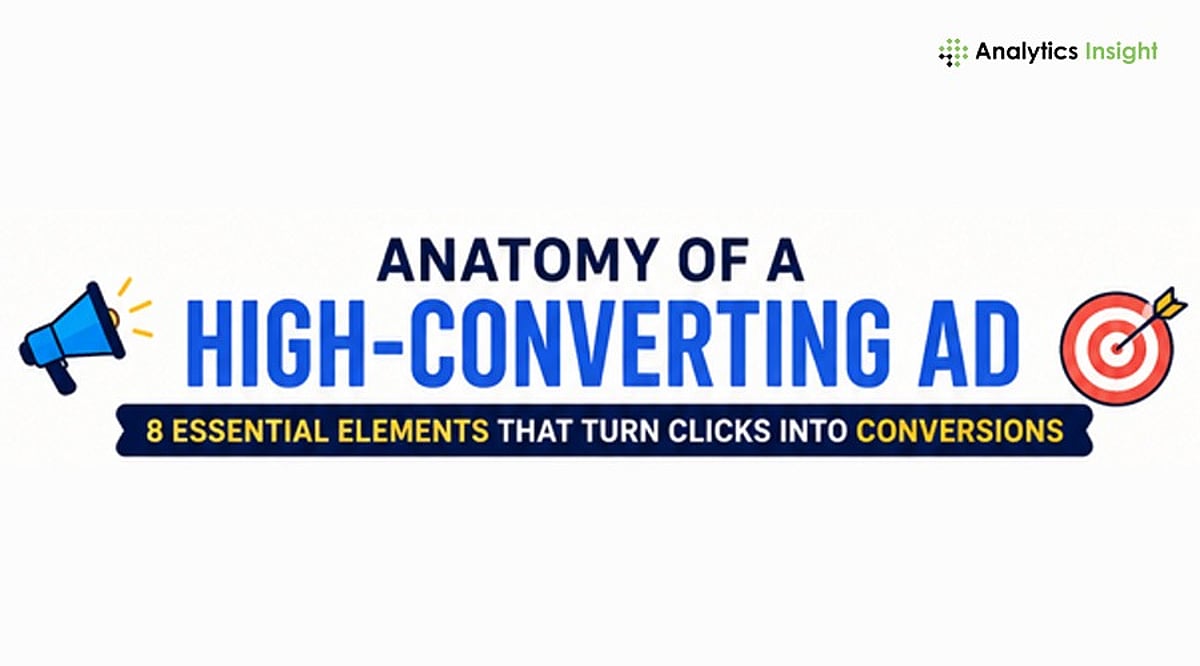
  • 8 Essential Elements of a High-Converting Ad: Boost Your Marketing ROI

    8 Essential Elements of a High-Converting Ad: Boost Your Marketing ROI

    Creating a successful advertisement requires more than eye-catching graphics or catchy slogans. A high-converting ad combines compelling messaging, strategic design, and trust-building elements that encourage audiences to take action. From grabbing attention in the first few seconds to reinforcing credibility with social proof, every component plays a vital role in improving conversions. Below, we break down the eight essential elements of a high-converting ad and provide a practical checklist to help marketers and businesses build campaigns that turn clicks into customers.

    1. A Strong Headline

    Your headline is the first thing viewers see. It must be clear, benefit-driven, and attention-grabbing. Use power words, numbers, or questions to spark curiosity and compel the audience to read further.

    2. Engaging Visuals

    Images, videos, or graphics should complement your message and evoke emotion. High-quality visuals increase engagement and help communicate your value proposition quickly. Ensure they are relevant and optimized for all devices.

    3. Clear Value Proposition

    Explain exactly what the user gains by taking action. Focus on the unique benefits of your product or service, and differentiate yourself from competitors. Use simple language that resonates with your target audience.

    4. Persuasive Call to Action (CTA)

    Your CTA must be direct, action-oriented, and easy to find. Use verbs like “Get Started,” “Claim Your Offer,” or “Download Now.” Place it strategically within the ad and repeat it if necessary to drive conversions.

    5. Consistent Branding

    Maintain visual and tonal consistency across all ad elements. Use your brand colors, logo, and typography to build recognition and trust. Inconsistent branding can confuse users and reduce credibility.

    6. Social Proof

    Include testimonials, reviews, case studies, or user counts to show that others trust your brand. Social proof reduces perceived risk and encourages hesitant users to convert. Even a simple star rating or quote can be effective.

    7. Attractive Offers

    Special discounts, free trials, or limited-time promotions create urgency and increase the likelihood of conversion. Clearly state the offer and its expiration to motivate immediate action.

    8. Trust Signals

    Display security badges, guarantees, or certifications to reassure users that their information is safe. Trust signals help overcome objections and build confidence, especially for first-time customers.

    Final Checklist for Your Next Ad

    • Headline is clear and benefit-driven
    • Visuals are high-quality and relevant
    • Value proposition is prominently stated
    • CTA is strong and visible
    • Branding is consistent
    • Social proof is included
    • Offer is compelling and urgent
    • Trust signals are present

    A high-converting ad is the result of thoughtful planning. By combining all these elements, businesses can significantly improve campaign performance. Use this framework before launching your next ad to capture attention, build confidence, and drive meaningful conversions.

  • Google Search Console Now Tracks Social Media Profiles: Insights for Instagram, YouTube, TikTok, and X

    Google Search Console Now Tracks Social Media Profiles: Insights for Instagram, YouTube, TikTok, and X

    Google has rolled out a significant update to Search Console, enabling businesses to monitor search performance for their social media profiles directly within the platform. The new feature supports Instagram, TikTok, X, and YouTube, allowing marketers and content creators to see how these accounts appear in Google Search and how users discover them.

    Search Console Adds Social Platform Reports

    With this update, Google Search Console introduces three dedicated reporting tools for social media profiles. The Performance Report delivers clicks, impressions, and other metrics, filterable by search queries or individual posts, with export capabilities. The Insights Report offers a high-level view of recent traffic trends, top-performing posts, and user discovery paths via Google Search. The Achievements Section lets creators track growth milestones, such as reaching new click thresholds in the last 28 days.

    To use the feature, users add a platform property in Search Console, select a supported platform, authorize the connection, and complete verification. This move signals that Google now considers social profiles a vital component of a brand’s online presence.

    Bridging Search and Social Data

    While many marketing teams rely on tools like Sprout Social, Hootsuite, or Buffer for cross-platform planning and tracking, Google’s new feature offers something distinct: it reveals how Google Search drives traffic to social accounts. This data was previously scattered and hard to consolidate. When combined with existing social media analytics, businesses gain a clearer picture of their overall online discoverability.

    This update brings search and social data closer together, helping marketers understand what truly brings audiences to their brand.

    Social Profiles as Digital Storefronts

    Google’s message is clear: social media pages are no longer just for posting content—they are essential digital storefronts. Many users search for a company’s Instagram page or YouTube channel before visiting its website. Businesses that keep these profiles active and optimized may improve their search visibility. The lesson for brands is straightforward: a strong social profile is not only about engagement but also about being easily found on Google.

  • The Indispensable Role of Digital Marketing in Today’s Business Landscape

    The Indispensable Role of Digital Marketing in Today’s Business Landscape

    Here’s a reality worth noting: almost nobody picks up the phone first anymore. They search. They check reviews. They explore a website, often opening three competitor tabs at once before deciding who even deserves a call. This is the new normal for shopping—whether it’s a neighborhood bakery or a company with offices in five states. Businesses working with a digital agency already understand this. Digital marketing stopped being an optional extra a while back. It has become the very foundation of modern commerce.

    Customers live online every day. Businesses need to be where that attention already is. Here’s why digital marketing matters now more than ever.

    1. Customers Start Their Search Online

    Buying decisions rarely begin with a phone call. They start with a search bar. Long before someone reaches out, they’ve likely checked pricing, skimmed a review or two, and glanced at the competition.

    Common Customer Behaviors:

    • Searching on Google
    • Reading online reviews
    • Visiting company websites
    • Comparing competitors online

    Why It Matters: A business that’s hard to find might never come up at all. Trust forms quietly, before any direct interaction happens.

    The Trade-Off: This kind of visibility doesn’t happen overnight. It requires time and patience, but every bit of effort increases the chances of being found.

    2. Digital Marketing Expands Audience Reach

    Traditional advertising usually hits a wall—a city limit, a broadcast radius, a print run. Online, that wall mostly disappears. A business can reach the right people no matter where they are.

    Common Digital Channels:

    • Search engines
    • Social media platforms
    • Email marketing
    • Paid online advertising

    Benefits: More eyes on the business. A better shot at reaching the right audience. More reach means more room to grow.

    The Trade-Off: A bigger audience also means bumping into more competition, so a solid strategy becomes essential.

    3. Businesses Can Target Customers More Effectively

    Digital marketing allows businesses to aim instead of guess. Campaigns can be built around where people live, what they’re interested in, and how they behave online.

    Examples of Targeting:

    • Local customers
    • Industry-specific audiences
    • Interest-based campaigns

    Benefits: Every dollar works harder. Engagement tends to climb. Good targeting makes marketing feel less like shouting into the void.

    The Trade-Off: It’s not set-and-forget. It requires regular attention, adjusting, and watching what works.

    4. Online Presence Builds Brand Credibility

    People form opinions fast, often before ever speaking to an employee. A clunky website, unanswered reviews, or an abandoned social page all communicate something—whether intended or not.

    Important Credibility Factors:

    • Professional website design
    • Positive customer reviews
    • Active social media presence
    • Clear and consistent branding

    Benefits: Trust builds faster. Confidence appears earlier in the customer journey. Credibility backs every decision a customer makes.

    The Trade-Off: None of this sticks without upkeep. Maintaining a sharp presence requires ongoing effort.

    5. Digital Marketing Helps Businesses Stay Competitive

    Somewhere, a competitor is investing in their online presence. Sitting that out doesn’t keep things neutral—it means falling behind quietly.

    Why It Matters: Customers constantly compare options. Stronger visibility usually means a stronger market position.

    Benefits: Better exposure in a crowded space. More leads coming in. Competition increasingly happens on a screen before anywhere else.

    The Trade-Off: Trends shift quickly, so staying competitive means staying willing to adapt.

    6. Digital Marketing Provides Measurable Results

    Traditional advertising leaves a lot to guesswork. Online campaigns don’t. Traffic, conversions, click-throughs, engagement—all can be tracked with precision.

    Common Metrics:

    • Website visits
    • Conversion rates
    • Click-through rates
    • Customer engagement levels

    Benefits: Decisions get sharper. Marketing spend goes further. Data turns a hunch into an actual plan.

    The Trade-Off: The data won’t explain itself. Someone must analyze it to extract insights.

    7. Social Media Strengthens Customer Relationships

    Marketing used to be one-way. That’s no longer true. People expect conversations with businesses, not just announcements.

    Common Engagement Opportunities:

    • Responding to comments and reviews
    • Sharing updates and content
    • Building online communities

    Benefits: Relationships that outlast a single sale. Loyalty that builds slowly but sticks. Engagement turns one-time visitors into repeat customers.

    The Trade-Off: It requires consistency. Bursts of activity followed by silence don’t work.

    8. Digital Marketing Supports Long-Term Brand Awareness

    Staying visible repeatedly makes a business hard to forget. Regular online activity reinforces who a business is and keeps it top of mind.

    Important Branding Elements:

    • Consistent messaging
    • Visual identity
    • Ongoing content creation

    Benefits: Recognition builds gradually. Familiarity deepens over time. This awareness pays off well beyond the short term.

    The Trade-Off: There’s no shortcut. It’s a slow build, but consistency eventually delivers results.

    9. Consumer Behavior Continues Moving Online

    Every year, more daily life moves online—research, shopping, conversations, entertainment.

    Current Trends:

    • Mobile browsing
    • Online purchasing
    • Social media discovery
    • Digital-first customer experiences

    Why It Matters: Businesses need to match how people behave now, not how they used to. These habits are reshaping marketing itself.

    The Trade-Off: Platforms and algorithms keep shifting, so staying informed is non-negotiable.

    The Takeaway: Digital Marketing Is Essential for Modern Business Success

    At its core, digital marketing helps businesses connect with people, build real visibility, and hold their ground in a world that’s moving increasingly online. Done right, it enables businesses to:

    • Reach wider, more targeted audiences
    • Build stronger visibility and credibility
    • Deepen relationships with customers
    • Stay competitive in a crowded market
    • Track performance and act on it
    • Grow brand awareness steadily
    • Adapt as habits change

    This isn’t about advertising for its own sake. It’s about showing up where people already spend their time, in a meaningful way. As technology and habits evolve, digital marketing will remain one of the most crucial tools for lasting growth.

  • AI Brand Recommendations in 2026: How to Get Your Brand Recommended by AI Assistants

    AI Brand Recommendations in 2026: How to Get Your Brand Recommended by AI Assistants

    AI assistants are changing how people discover brands in 2026. Instead of browsing search results, many users ask AI for recommendations and trust the answers they receive. Brands that build credibility, clarity, and authority are far more likely to be recommended.

    Overview

    • AI search now decides discovery: zero-click queries make up close to 60 percent of Google searches, and AI Overviews cut click-through on top results by roughly 58 percent.
    • AI models cite third-party sources far more than brand-owned pages, so entity authority across Wikipedia, Reddit, and review platforms matters more than your homepage copy.
    • Winning requires mapping the questions buyers actually ask AI, structuring content for extraction, and tracking your citations the way you once tracked rankings.

    Search engine results pages were once the main focus of almost every brand while competing for attention. Now, the competition has shifted to AI-generated answers. Millions of people ask ChatGPT, Gemini, Perplexity, and AI Overviews the same kinds of questions every day: ‘Which product, service, or company should I pick?’ These LLMs rarely come up with ten blue links to sort through. They name a handful of brands, sometimes just one, and they say it with confidence. This is the shift reshaping how discovery works.

    Zero-click searches already make up close to 60 percent of Google queries. When an AI Overview appears, clicks to the top organic result can drop by about 58 percent. So the brands AI chooses to name are fast becoming the brands people actually remember, trust, and buy from.

    How AI Actually Picks a Brand

    AI assistants don’t rank webpages the way search engines used to. They synthesize information from search indexes, trusted publications, forums, reviews, and structured knowledge sources before generating a recommendation. Brands that come across as credible across the wider web are the ones most likely to turn up in AI-generated answers. A company’s own website is just one signal in that mix, not the deciding one.

    The evidence backs this up. An Ahrefs analysis of 78.6 million AI Overview, ChatGPT, and Perplexity prompts found that Wikipedia is the most cited source across all three platforms, with YouTube and Reddit also appearing prominently depending on the system. Separate industry research puts it plainly: brands are cited by third-party sources about 6.5 times more often than on their own websites.

    The takeaway is simple. AI rewards corroboration, not self-promotion. Independent validation from sources it already trusts carries far more weight than anything a brand says about itself on its own homepage.

    Mapping the Questions that Matter

    Effective visibility work starts with prompts, not keywords. AI visibility begins with understanding the questions buyers actually ask: best options for a specific use case, comparisons between named alternatives, and budget- or location-specific asks. Grouping these by intent and by platform matters, since ChatGPT, Gemini, and Perplexity often surface different sources for the same question. That list becomes the foundation for everything published afterward.

    Structuring Content So AI Can Use It

    The core answer belongs in the first sentence, not the third paragraph. Research on ChatGPT citations found that 44.2 percent of them come from the first 30 percent of an article, so the strongest, most factual statement needs to sit near the top.

    Clear headings, direct FAQ answers, and schema markup for organization, product, and FAQ types all help. Marketing language works against this goal. AI models extract short, factual, well-attributed statements, and buried claims get skipped in favor of a competitor stating the same fact plainly.

    Earning Authority Through Corroboration

    Traditional SEO rewarded links. AI search rewards corroboration instead. A brand mentioned consistently across trusted sources becomes easier for AI to verify than one relying on backlinks alone.

    That means an accurate Wikipedia entry where one is warranted, genuine participation on Reddit and Quora, consistent directory listings, and coverage in publications that AI considers reliable.

    Adobe’s own LLM Optimizer documentation states plainly that these models prioritize content relevance and brand presence over raw backlink counts, a detail that reshapes what counts as a strong signal in 2026.

    Machines also need a clean structure to read anything at all. Semantic HTML, fast load times, an accessible sitemap, and structured data form the technical floor beneath every other effort. Confirming that robots.txt allows known AI crawlers and checking how a page renders with JavaScript disabled catches problems before they reduce visibility.

    Tracking Citations, Not Just Rankings

    Once a visibility tool like Adobe LLM Optimizer is in place, track shifts in mentions, citations, sentiment, and share of voice relative to competitors. Industry visibility research puts the overlap figure at only around 7.2 percent of domains appearing in both Google AI Overviews and chatbot results, meaning visibility on one platform offers no guarantee of visibility on another.

    Running the same prompts monthly across ChatGPT, Gemini, and Perplexity, and noting which sources are cited, turns those sources into the next round of outreach targets. Movement here happens over weeks, so consistency in tracking outweighs any single fix.

    Why This Matters

    AI is becoming the first stop for buying decisions. If your brand isn’t recommended in AI-generated answers, you risk losing visibility, trust, and customers before they ever reach your website.

    Final Thoughts

    The brands that will succeed with AI recommendations in the near future will not be the loudest on their own platforms. They will be the ones whose facts hold up everywhere else, verified independently, again and again, until the machines have no reason to doubt them.

    Frequently Asked Questions

    1. How can I make AI recommend my brand in 2026? To improve the chances of AI recommending your brand, create authoritative content, implement structured data, build strong entity authority, earn credible third-party mentions, and optimize your website using AEO and GEO best practices.
    2. Is traditional SEO enough to improve AI recommendations? No. Traditional SEO remains important, but AI assistants also evaluate content quality, entity recognition, third-party credibility, structured data, and consistent brand information across multiple trusted sources.
    3. What is Answer Engine Optimization (AEO)? Answer Engine Optimization (AEO) focuses on structuring content so AI assistants can easily understand, retrieve, and cite it when answering user queries, increasing your brand’s visibility in AI-generated responses.
    4. Why is entity authority important for AI search? AI systems identify brands as entities rather than just websites. Consistent information across your website, business directories, review platforms, and trusted publications helps AI verify your brand and recommend it with greater confidence.
    5. How can I measure whether AI is recommending my brand? Regularly test relevant prompts on platforms like ChatGPT, Gemini, Perplexity, and AI-powered search engines. You can also use AI visibility and LLM optimization tools to monitor brand mentions, citations, and share of voice over time.
  • Top SEO Agencies Across the United States: A 2025 Guide to Market Leaders

    Top SEO Agencies Across the United States: A 2025 Guide to Market Leaders

    The search engine optimization landscape in the United States is highly competitive, with numerous agencies offering specialized services to help businesses improve their online visibility. Here is a curated list of leading SEO companies known for their expertise, results-driven strategies, and comprehensive service offerings.

    WebFX

    WebFX provides a full suite of SEO services, including technical optimization, content marketing, link building, and detailed analytics. Their approach focuses on delivering measurable business growth for clients across various industries.

    Ignite Visibility

    Specializing in enterprise SEO, local search optimization, and content strategy, Ignite Visibility runs digital marketing campaigns for businesses nationwide. They are known for tailoring strategies to the unique needs of multi-industry clients.

    Victorious

    Victorious emphasizes data-driven SEO campaigns, conducting thorough keyword research and technical audits. Their transparent methodology helps achieve sustainable organic traffic growth over time.

    Thrive Internet Marketing Agency

    Thrive offers a wide range of services, including SEO, PPC, web design, local optimization, and content marketing. Their solutions are adaptable to businesses of all sizes and sectors.

    Straight North

    Straight North delivers customized SEO solutions that integrate lead generation strategies, technical improvements, and content optimization. They provide comprehensive performance reporting to drive business growth.

    OuterBox

    OuterBox is recognized for its ecommerce SEO expertise, helping online retailers enhance search visibility, product rankings, and conversions. Their optimization efforts aim to boost long-term organic revenue.

    HigherVisibility

    HigherVisibility offers local SEO, enterprise optimization, website audits, and digital marketing strategies focused on increasing online visibility and acquiring qualified customers.

    Intero Digital

    Intero Digital combines technical SEO, content marketing, paid media, and analytics solutions. Their holistic approach strengthens brand visibility and maximizes measurable digital performance.

    SEO Brand

    SEO Brand provides international SEO, ecommerce optimization, reputation management, and content strategies. Their services are designed to improve rankings and support sustainable online business growth.

    These companies represent some of the most reliable and effective SEO partners in the United States, each with distinct strengths that can cater to various business needs.

    For the latest news, exclusives, and videos, join our WhatsApp Channel.

  • Top AI Visibility Tracking Tools for SEO and GEO Rankings in 2026

    Top AI Visibility Tracking Tools for SEO and GEO Rankings in 2026

    The search function has changed massively in recent years. Most businesses previously focused on keyword rankings and website traffic from search engines. However, AI search tools have now become an important part of how people find information online. Platforms such as ChatGPT, Google AI Overviews, Gemini, Perplexity, Claude, and Microsoft Copilot often provide direct answers instead of a list of websites. This shift has prompted brands to know how often these AI systems mention or recommend their content.

    This change has created the need for AI visibility tracking tools. These platforms help businesses measure brand mentions, citations, prompt coverage, and AI Share of Voice across different AI search systems. The right tool also helps marketers understand how content performs in the new search environment.

    Top AI Mode Tracking Tools

    Profound

    Profound stands out as one of the strongest enterprise platforms for AI visibility tracking. The platform supports ChatGPT, Google AI Overviews, Gemini, Perplexity, Claude, and Microsoft Copilot. It provides detailed reports that show brand mentions, citations, prompt tracking, competitor analysis, and AI Share of Voice.

    Many large companies choose Profound because it handles thousands of prompts across different industries and regions. Executive dashboards also make it easier for marketing teams and business leaders to understand overall AI search performance. For enterprise organizations that need deep insights, Profound remains one of the best choices.

    AthenaHQ

    AthenaHQ focuses on one important area that many platforms overlook. Instead of only tracking visibility, it measures the business value behind AI search results. The platform shows which AI systems mention a brand, which prompts create those mentions, and which citations bring traffic.

    This approach helps businesses connect AI visibility with real marketing results. Companies that want clear data about return on investment often select AthenaHQ for its strong attribution features.

    Peec AI

    Peec AI has become one of the fastest-growing GEO platforms in recent years. The platform tracks AI visibility, brand mentions, citation frequency, competitor presence, and AI Share of Voice. It also monitors prompts across several AI search platforms.

    The dashboard offers a clean layout that suits both experienced SEO professionals and new users. This balance between advanced features and simple reports has made Peec AI a popular option for many businesses.

    Otterly.AI

    Otterly.AI offers one of the easiest ways to begin AI visibility tracking. The platform checks brand mentions across Google AI Overviews, ChatGPT, and Perplexity. It also provides daily reports and brand alerts that help businesses stay informed about changes in AI search results.

    Freelancers, consultants, and small agencies often prefer Otterly.AI because it delivers useful information without unnecessary complexity. The platform suits teams that need reliable monitoring without a large learning curve.

    Ahrefs Brand Radar

    Ahrefs has expanded beyond traditional SEO with Brand Radar. This feature combines AI visibility tracking with the company’s well-known SEO tools. Businesses can monitor AI brand mentions, citations, Share of Voice, competitor performance, and prompt coverage from a single platform.

    The biggest advantage comes from the combination of classic SEO data and AI search insights. This complete view helps marketers understand how both search systems work together.

    Semrush AI Toolkit

    Semrush has also entered the AI search market through its AI Toolkit. The platform tracks AI Overview visibility, brand mentions, competitor performance, and content opportunities that may increase AI citations.

    Businesses that already use Semrush for keyword research, audits, and SEO campaigns can easily add AI tracking without changing platforms. This makes the AI Toolkit a practical choice for existing Semrush users.

    Nightwatch, SE Ranking, Rankshift, and Dageno AI

    Nightwatch began as a traditional rank tracker but now includes AI search monitoring. The platform tracks AI answers, keyword rankings, SERP features, local SEO, and AI visibility reports. It serves SEO teams that want both traditional and AI search data in one place.

    SE Ranking has also added AI visibility tools alongside website audits, competitor research, backlink monitoring, and rank tracking. The platform offers good value for agencies and growing businesses with limited budgets.

    Rankshift focuses mainly on AI search. The platform tracks prompt rankings, AI citations, competitor visibility, and AI crawler activity. Its specialized approach suits businesses that want dedicated AI search monitoring.

    Dageno AI combines monitoring with optimization. Besides AI visibility tracking, the platform provides citation analysis, content recommendations, workflow automation, and prompt monitoring. This complete approach helps marketing teams improve content as well as measure performance.

    Important Metrics That Matter

    Modern AI tracking platforms measure much more than simple rankings. AI Share of Voice shows how often a brand appears compared with competitors. Brand mentions reveal how frequently AI systems recommend or discuss a company. Citation rate measures how often AI platforms use a website as a trusted source.

    Prompt coverage identifies which questions trigger brand mentions. Competitor visibility compares market presence across AI systems. Sentiment analysis shows whether AI responses describe a brand in a positive, neutral, or negative way. Source attribution identifies the websites that AI systems use, while AI referral traffic measures visits that come from AI search experiences.

    Best Choices for Different Business Sizes

    Different businesses require different solutions. Freelancers and solo SEO professionals often find Otterly.AI together with Google Search Console is more than enough for daily work. Small businesses can benefit from the combination of SE Ranking and Ahrefs. Agencies may find Peec AI and Nightwatch suitable because both support client reporting and competitor tracking.

    Mid-sized SaaS companies often prefer Ahrefs Brand Radar with the Semrush AI Toolkit. Large enterprises usually choose Profound together with AthenaHQ because these platforms offer advanced reporting, attribution, and large-scale AI visibility analysis.

    Final Thoughts

    AI search has become an important part of digital marketing. Businesses can no longer depend only on traditional keyword rankings because AI systems now influence how people discover products, services, and information. AI visibility tracking tools help brands understand how often AI platforms mention, recommend, or cite their content.

    Profound remains the strongest option for enterprise organizations. Ahrefs Brand Radar offers an excellent mix of traditional SEO and AI search data. Peec AI performs well for AI Share of Voice analysis, while AthenaHQ delivers valuable attribution insights. Otterly.AI serves as an excellent starting point for smaller businesses. As AI search continues to grow, these platforms help marketers stay visible, competitive, and prepared for the future of search.

    FAQs

    1. What is an AI Mode tracking tool? An AI Mode tracking tool measures how often a brand appears in AI-powered search platforms such as ChatGPT, Google AI Overviews, Gemini, and Perplexity.
    2. Why are AI visibility tools important for SEO? These tools help businesses understand how AI systems mention, recommend, and cite their content, which supports better search visibility.
    3. Which tool is best for enterprise businesses? Profound is widely considered one of the strongest choices for enterprise AI visibility tracking, with its advanced reporting and large-scale monitoring.
    4. Which AI tracking tool is suitable for beginners? Otterly.AI is a popular option for beginners because it offers simple reports, daily monitoring, and an easy-to-use interface.
    5. What metrics do AI SEO tools track? Most platforms track AI Share of Voice, brand mentions, citations, prompt coverage, competitor visibility, sentiment, source attribution, and AI referral traffic.
  • Predictive Targeting: How Data Informata Finds Customers Before They Search

    Predictive Targeting: How Data Informata Finds Customers Before They Search

    Most advertising waits for customers to raise their hands. They sit on platforms, hoping the right person wanders by. By the time someone searches for a product, they’ve already seen three or four competitors. Phil Anderson’s Data Informata has built a system that flips the timing: it finds the customer before the customer goes looking.

    The core challenge is that the entire advertising industry is designed to compete for people who are already shopping. Every platform auctions off the same hand-raisers, driving up costs and diluting impact. Data Informata asks a different question: instead of who’s searching right now, who’s about to?

    How the System Works

    Data Informata’s targeting infrastructure identifies IP addresses of consumers showing specific behavioral signals – searching relevant keywords, visiting physical locations that indicate purchase intent, or engaging with related content. It then matches those signals to all devices within a household: phones, laptops, tablets. This continuous household-level tracking ensures the advertising narrative follows the buying journey across screens and across family members who influence decisions.

    By the time the consumer types a search, they’ve already been exposed to a tailored message. The system doesn’t wait for the auction; it gets in front of the person while they’re still forming the decision.

    Cultural Intelligence in Creative

    Finding the right person is only half the battle. Data Informata also adapts the creative itself – colors, fonts, design elements shift based on cultural and demographic data. A generic ad that looks the same to everyone often signals ‘not for me’ to most audiences. Calibrated creative builds immediate trust. ‘Color is not decoration. Color is a signal,’ Anderson explains. The system handles this at scale, serving a version shaped for each household’s context.

    Real‑World Proof

    The most compelling test came from a single‑location Thai restaurant on a limited budget. Data Informata identified local households showing dining‑out signals, matched them across devices, and served neighborhood‑calibrated creative. Sales jumped 38% in 24 hours. The result demonstrated that the technology works end‑to‑end on a real business, not just enterprise campaigns.

    Anticipatory vs. Reactive

    Standard programmatic advertising is reactive – it waits for declared intent and then bids for an impression. Data Informata is anticipatory: it reads pre‑intent signals and reaches the consumer before the search. ‘We’re not interested in the line. We want to be the first name the customer ever associates with the thing they’re about to buy,’ says Anderson. That head start compounds, because the first brand encountered shapes how every subsequent competitor is judged.

    The Competitive Advantage

    The system was built in partnership with Los Angeles developers who worked on the underlying advertising infrastructure. This deep engineering knowledge allows Data Informata to operate beneath the dashboards that limit most agencies. ‘There’s a difference between knowing how to drive the car and knowing how the engine was built,’ Anderson notes. This foundational expertise is difficult to replicate and provides a durable edge.

    Conclusion

    Data Informata’s core belief is that the data already contains the answer. Signals about who will buy, what they will respond to, and where to reach them exist today. Companies that read those signals early win; those that wait to react pay to compete in a crowded auction. The system is proven at small scales – a single Thai restaurant – and is ready for larger deployment. It shifts the advertising paradigm from waiting for the hand to go up to finding the customer first.

  • Why Posting on Social Media Alone Isn’t Enough: Debunking the Biggest Digital Marketing Myth

    Why Posting on Social Media Alone Isn’t Enough: Debunking the Biggest Digital Marketing Myth

    Many businesses fall into the trap of believing that simply posting on social media will drive growth. While platforms like Instagram, Facebook, LinkedIn, and TikTok are essential for visibility, they are just one piece of a much larger puzzle. True digital success requires a holistic strategy that integrates SEO, paid advertising, email marketing, a well-optimized website, data analysis, and customer retention efforts.

    The Illusion of Social Media Reach

    With over 5.7 billion social media users worldwide and an average daily usage of 2 hours and 20 minutes, the numbers are staggering. However, the competition is equally fierce. Millions of brands post content every day, making it increasingly difficult for organic posts to gain traction. Algorithms now prioritize paid ads, entertainment, and creator-driven content, leaving organic business posts with limited visibility.

    You Don’t Own Your Audience

    A critical flaw in relying solely on social media is that you never truly own your audience. Followers belong to the platform, not your business. Algorithm changes can slash your reach overnight—a risk that has become all too common. Building on rented land is a fragile strategy.

    Engagement Doesn’t Equal Revenue

    High likes and comments can be misleading. A 2026 Kantar report highlights consumer fatigue with influencer-heavy and overly promotional content. Only about 6% of creator-based content drives both strong engagement and measurable business results. Attention does not automatically translate into customers.

    The Power of Search and Email

    Search engines bring users with high purchase intent. Unlike fleeting social posts, strong SEO rankings deliver traffic for months or years. Email marketing, often overlooked, boasts one of the highest ROIs in digital marketing. Subscribers are yours to communicate with directly—no algorithm interference.

    Paid Ads, AI, and Websites

    Modern marketing relies on AI-powered ad targeting, data-driven decisions, and personalized customer experiences. Social media creates awareness, but conversion happens on your website. Fast load times, clear messaging, and smooth user journeys turn visitors into paying customers.

    The Verdict

    Posting on social media is important, but it is not a complete marketing strategy. To achieve sustainable growth, businesses must combine multiple channels: SEO, paid ads, email, website optimization, analytics, and AI-enhanced personalization. Believing otherwise is one of the costliest mistakes in digital marketing today.

  • Top Copywriting Courses and Certifications to Master in 2026

    Top Copywriting Courses and Certifications to Master in 2026

    As companies continue to invest heavily in digital marketing, content, and e-commerce, the demand for skilled copywriters is surging. The global online education market is projected to reach $221.7 billion by 2026, driven by the need for flexible, career-oriented learning. Meanwhile, Coursera added 22 million new learners in 2025, bringing its total worldwide users to 191 million—a clear sign that professionals are rapidly upgrading their skills.

    Whether you’re a beginner or a seasoned professional, the right copywriting course can help you master persuasive writing, SEO, content marketing, brand messaging, and high-converting digital copy. Below are the top seven courses and certifications for 2026.

    1. Coursera Copywriting Courses

    Coursera offers copywriting courses from leading universities and industry experts, covering persuasive writing, SEO, brand messaging, content strategy, and digital marketing. Most courses take four to 12 weeks and are self-paced. Many are free to audit, while certificates require payment.

    Key Focus: Building industry-recognized copywriting and marketing skills.

    2. AWAI Copywriting Certification

    AWAI (American Writers & Artists Inc.) is a popular choice for aspiring freelance copywriters. The program teaches sales letters, email campaigns, website copy, direct-response writing, pricing, and client acquisition. Depending on your pace, it takes two to six months to complete. It is a paid certification.

    Key Focus: Developing practical copywriting skills for freelance and agency work.

    3. Copy School by Copyhackers

    Copy School helps writers create copy that converts. It teaches customer research, landing pages, emails, product copywriting, sales funnels, and A/B testing using real business examples. The self-paced program can take one to three months. It is a paid course.

    Main Emphasis: Writing effective copy that sells and grows your business.

    4. HubSpot Academy Content Marketing Certification

    HubSpot Academy offers a free certification that teaches content marketing, storytelling, blogging, SEO, and lead generation. The course is brief, practical, and includes quizzes for evaluation. Most users complete it in eight to 10 hours.

    Important Concept: Creating valuable content that engages your audience.

    5. Google Digital Garage: Fundamentals of Digital Marketing

    Google’s digital marketing program provides insights on using copywriting in effective online marketing campaigns. It covers content creation, SEO, email marketing, online advertising, analytics, and customer engagement. The course is self-paced, takes about 40 hours, and provides a free certificate.

    Key Focus: Integrating copywriting into a broader digital marketing strategy.

    6. Copyblogger Academy

    Copyblogger Academy focuses on copywriting skills as well as content creation, email marketing, SEO, storytelling, and audience development. Subscribers gain access to workshops, mentoring, and a creators’ community. The subscription-based program is self-paced.

    Main Emphasis: Developing persuasive content to build credibility and grow your business.

    7. Udemy Copywriting Courses

    Udemy features hundreds of copywriting courses covering sales copy, email marketing, social media content, SEO writing, branding, and AI-assisted workflows. Most courses take five to 20 hours and include lifetime access after purchase. They are paid, but discounts are frequent.

    Key Focus: Learning practical copywriting skills at an affordable price.

    Final Take

    A certificate can help you get noticed, but it’s your work that lands the job. Focus on building a portfolio with real writing samples—emails, landing pages, ads, and social media posts—even if you create them on your own. Read great copy every day, practice writing regularly, and understand what makes people click or buy.

    Learn the basics of SEO and use AI as a support tool, not as a shortcut. Customize your portfolio and applications for every role. Good copywriters stand out by showing, not just telling.

    FAQs

    Which copywriting course is best for beginners in 2026?
    HubSpot Academy, Coursera, and Udemy offer beginner-friendly courses covering persuasive writing, SEO, content marketing, and digital communication with practical lessons and flexible schedules.

    Are free copywriting certifications worth it?
    Yes. Free certifications from HubSpot Academy and Google Digital Garage provide valuable foundational knowledge, strengthen your resume, and demonstrate your commitment to professional development.

    How long does it take to complete a copywriting course?
    Most online copywriting courses take between five hours and three months, depending on the platform, learning pace, course depth, practical assignments, and certification requirements.

    Can copywriting certifications help me get freelance clients?
    Yes, certifications improve credibility, but a strong portfolio featuring emails, landing pages, advertisements, and website copy is far more important when attracting clients and employers.

    What skills should a copywriter learn besides writing?
    Successful copywriters should also learn SEO, content strategy, customer research, email marketing, branding, analytics, AI-assisted workflows, and audience psychology to create high-performing marketing content.

  • How AI Ad Generators Are Revolutionizing Digital Advertising for Modern Businesses

    How AI Ad Generators Are Revolutionizing Digital Advertising for Modern Businesses

    In today’s fast-paced digital marketplace, creating compelling advertisements is no longer reserved for large marketing teams with extensive budgets. Whether it’s a small business or a big one, everyone wants to get great ads out the door in a timely, consistent, and large volume. This shift has accelerated the integration of AI tools, streamlining and speeding up the creative process.

    The Evolution of Advertising Creation

    The advertising landscape has undergone a dramatic transformation over the past two decades. Traditional print ads, television commercials, and radio spots once dominated marketing budgets. Today, businesses must create content for multiple digital channels, including social media, search engines, websites, video platforms, and mobile apps. Brands often need dozens of different ad versions to test various audiences, messages, and platforms, placing significant strain on marketing teams. AI has emerged as a viable solution, enabling marketers to rely on tools like AI ad generators and ad copy generators to develop concepts, write copy, and create artwork faster. This frees up time for strategic work such as audience targeting and campaign optimization.

    Why AI-Powered Advertising Tools Matter

    Modern advertising demands speed and adaptability. Consumer preferences evolve rapidly, and brands need to respond almost immediately. AI advertising software offers several key benefits: faster content creation, reduced production costs, improved campaign scalability, consistent brand messaging, and enhanced testing opportunities. AI can analyze vast amounts of data in minutes, allowing marketers to generate multiple ad concepts quickly. This flexibility is especially valuable during multi-platform campaigns with varying message requirements. By enabling numerous creative variations without overwhelming workloads, AI increases the likelihood of higher return on investment.

    How AI Ad Generators Simplify Campaign Development

    One of the biggest advantages of using an AI ad generator is the ability to streamline the entire creative process. Instead of brainstorming headlines, writing descriptions, and creating graphics from scratch, marketers can input campaign objectives and receive several creative options almost instantly. These tools typically support headline generation, ad copy creation, image suggestions, call-to-action recommendations, audience-specific messaging, and social media ad concepts. By automating repetitive tasks, AI helps businesses launch campaigns faster without compromising quality or consistency. This efficiency is particularly useful for smaller companies and entrepreneurs who lack dedicated marketing teams, enabling them to access professional-level advertising assets.

    The Growing Importance of Data-Driven Advertising

    Data is essential for modern marketing success. To maximize campaign performance, businesses must understand audience preferences, habits, and conversion patterns. AI tools excel at analyzing massive datasets and uncovering patterns that humans might overlook. These insights help marketers build more relevant and targeted ads. For example, AI can determine which headlines resonate best with specific audiences or which visual formats drive higher engagement. Marketers can then use these insights to refine future campaigns and improve overall performance. As advertising platforms proliferate, a data-driven approach has become a necessity rather than a luxury.

    Creating Better Messages with AI Assistance

    Creating effective advertising messages is both an art and a science. Ads must capture attention, convey value, and prompt action within a limited space. Many marketers now use AI-generated ads to speed up the writing process. These tools can generate multiple versions of headlines, descriptions, and promotional messages based on set goals. However, AI is not a replacement for human creativity; it’s a companion. Content generated by AI serves as a foundation that marketers can build upon to align with brand and campaign messaging. This approach helps minimize creative fatigue and keeps advertising campaigns fresh.

    Balancing Automation and Creativity

    A common concern about AI in marketing is whether automation reduces originality. While AI can produce content rapidly, human expertise and creativity remain essential for effective marketing. Brands must ensure that any AI-generated content aligns with their values, customer expectations, industry standards, and marketing objectives. The most successful campaigns typically combine AI-driven efficiency with human creativity. AI handles repetitive tasks and generates ideas, while marketers provide the overarching strategy and emotional intelligence. This partnership allows businesses to achieve both speed and authenticity.

    How Small Businesses Benefit Most

    Large corporations have traditionally enjoyed significant advertising advantages due to larger budgets and access to creative resources. AI is closing this gap. Instead of relying on large teams or external agencies for every project, small businesses can now produce quality marketing materials using AI tools like ad copy generators. Key advantages for small and medium-sized businesses include reduced content production costs, faster campaign launches, greater creative flexibility, improved competitiveness, and easier content scaling. By lowering barriers to entry, AI empowers smaller brands to compete more effectively in crowded digital markets.

    Conclusion

    AI is fundamentally changing how businesses develop and execute advertising campaigns. Tools like AI ad generators enable greater efficiency, speed, and flexibility, offering advantages in everything from idea generation to scalable content creation. As digital marketing becomes increasingly competitive, organizations that adopt these technologies will be better equipped to thrive. The future of advertising lies in the seamless integration of AI-driven tools and human ingenuity.