Tag: Earnings

  • American Bitcoin Expands BTC Reserve in Q2 Despite Revenue Miss and Stock Slump

    American Bitcoin Expands BTC Reserve in Q2 Despite Revenue Miss and Stock Slump

    American Bitcoin significantly expanded its Bitcoin holdings and mining output during the second quarter, even as revenue fell short of expectations and its stock continued to decline sharply. The company increased its reserve by 981 BTC (14%) to 8,002 BTC by June 30, up from 7,021 BTC at the end of March.

    Outstanding shares rose about 3% during the quarter, yet Bitcoin backing per share climbed from 9,943 satoshis to 10,989 satoshis. Management highlighted this metric as the company’s primary treasury goal, with CEO Mike Ho reiterating a focus on increasing Bitcoin per share. He stopped short of committing to selling Bitcoin to fund equity buybacks.

    Co-founder and Chief Strategy Officer Eric Trump doubled down on the company’s Bitcoin-centric strategy, calling the firm “absolute Bitcoin maximalists” during the earnings call. He also reflected on American Bitcoin’s rapid growth, noting that “a little over a year ago, American Bitcoin was just an idea.”

    Record Mining Output and Expanding Hashrate

    American Bitcoin mined a record 932 BTC in Q2. Mining revenue rose 8% to $67 million from $62.1 million in the prior quarter, though revenue per Bitcoin mined fell 5% to $71,900 as Bitcoin’s price dropped 12% during the period. Mining costs edged up slightly to $36,500 per Bitcoin.

    The company maintained a gross margin near 50%, offsetting weaker prices and higher energy costs with increased production. It also energized 11,298 next-generation ASIC miners at Hut 8’s Drumheller site, adding 3.05 exahashes per second (EH/s) of capacity.

    By quarter-end, American Bitcoin controlled 89,242 miners with 28.1 EH/s total capacity, operating 58,999 miners at 25 EH/s with an efficiency of 14.1 J/TH.

    Earnings Miss and Stock Decline

    Revenue came in at $67.015 million, below analysts’ $73 million estimate. The company posted a loss of $0.80 per share, far worse than the consensus forecast of a $0.15 loss. American Bitcoin continued to combine mining output with market purchases of Bitcoin.

    The stock fell 7.38% in the latest 24-hour period and has lost more than 80% over the past year. A Bloomberg report estimated that recent market performance erased about $600 million in company value. Shares have dropped 95% since their NASDAQ debut in September 2025.

    Despite the stock’s struggles, American Bitcoin now holds 8,300 BTC worth approximately $527 million, making it the 16th-largest corporate Bitcoin holder.

    Conclusion

    American Bitcoin delivered on its promise of expanding Bitcoin reserves and mining output in Q2, boosting per-share Bitcoin exposure. However, revenue missed forecasts, losses widened, and the stock remained under severe pressure. Investors face a stark contrast between the company’s strengthening Bitcoin position and its deteriorating market performance.
  • Amazon Hits $3 Trillion Market Cap as AI Fuels AWS Revenue Surge

    Amazon Hits $3 Trillion Market Cap as AI Fuels AWS Revenue Surge

    Amazon’s market capitalization crossed the $3 trillion threshold for the first time on August 3, 2026, following a strong second-quarter earnings report that highlighted the company’s accelerating cloud growth driven by artificial intelligence demand.

    The e-commerce and cloud computing giant’s stock gained approximately 5% to reach a record near $285, pushing its 2026 gains above 23%. The rally came after Amazon reported its fastest cloud growth in more than four years, with Amazon Web Services (AWS) revenue surging 37% year-over-year to $42.2 billion—well above the market estimate of $40.5 billion.

    Amazon became the fifth company to achieve a $3 trillion market capitalization, joining Apple, Microsoft, Alphabet, and NVIDIA. NVIDIA still holds the highest market value, near $5 trillion. Amazon first reached a $2 trillion valuation in June 2024, adding another trillion dollars in just over two years as cloud sales, advertising revenue, and retail activity expanded.

    AWS Revenue Beats Forecasts

    AWS generated $42.2 billion in second-quarter revenue, up 37% from the same period last year. The result exceeded market expectations and marked AWS’s strongest growth rate in 18 quarters. Analysts had expected about $40.5 billion, leaving the cloud unit nearly $1.7 billion above the consensus forecast.

    Total Amazon revenue reached approximately $200.6 billion, rising 20% from the previous year and surpassing Wall Street forecasts near $197 billion. The AWS contract backlog increased to $496 billion from $364 billion in the previous quarter, signaling strong future demand.

    Artificial intelligence workloads drove more demand for computing power, storage, and chips. Amazon said its AI and chip businesses each passed annual revenue run rates of $25 billion. AWS has also expanded agreements with OpenAI, Anthropic, Meta, and other corporate customers.

    Outside cloud services, Amazon reported strong growth. Advertising revenue increased 26% to $19.8 billion. The retail business also benefited from Prime Day sales and faster delivery services across more locations.

    Amazon Raises 2026 Spending Plan

    Amazon raised its 2026 capital expenditure forecast to $220 billion from $200 billion. Chief Executive Andy Jassy linked the increase partly to higher memory prices and continued investment in data centers, chips, and AI systems.

    “We will still not have enough capacity to meet all the demand we have in 2026,” Jassy said, adding that demand already booked for 2028 was ‘striking,’ pointing to long-term customer commitments.

    However, the higher spending affected cash flow. Amazon reported negative free cash flow of $7.6 billion, compared with positive free cash flow of $18.2 billion one year earlier. The company spent $54.2 billion on property and equipment during the quarter.

    Amazon’s results arrived during a broad review of technology spending. Microsoft also reported strong Azure growth, while Google Cloud posted faster sales growth. Investors focused on whether rising cloud revenue could keep pace with spending on servers, chips, and data centers.

    Amazon’s $3 trillion valuation placed the company among a small group of technology firms that have reached the level. Its latest market value followed stronger AWS growth, higher company revenue, and a larger infrastructure budget for 2026.

  • FTSE 100 Reaches All-Time High as Earnings and Energy Stocks Fuel July Rally

    FTSE 100 Reaches All-Time High as Earnings and Energy Stocks Fuel July Rally

    London’s FTSE 100 surged to a new intraday record on Friday, propelled by robust corporate earnings and gains in energy and mining stocks. The benchmark index climbed 0.5% to 10,947.73 points by 1003 GMT, marking its strongest monthly performance since February. The mid-cap FTSE 250 also advanced 0.4% during the session.

    Investors focused on a wave of corporate results, following a week that included key central bank decisions and ongoing geopolitical tensions in the Middle East. Strong earnings from several UK-listed companies buoyed market sentiment.

    Mining and Energy Stocks Lead Gains

    Mining shares were the top performers on Friday, with industrial metal miners jumping 2.1% as copper prices rose. Precious metal miners added 0.9%. Energy stocks also provided significant support, with the sector gaining over 15% in July, making it one of the strongest on the index. Heavyweight energy companies added 1.4% on Friday despite oil prices dipping below $90 per barrel, as concerns over potential fuel supply disruptions linked to US-Iran tensions kept the sector in focus.

    Banking Sector Boosted by NatWest Results

    Banking stocks contributed to the broader market recovery. NatWest shares climbed 4.3% after the lender reported first-half operating profit before tax of £4.3 billion ($5.8 billion) and raised its full-year outlook. The positive update lifted the financial sector.

    Corporate Earnings Drive Investor Activity

    UK companies continued to release quarterly and half-year results, with investors closely monitoring earnings and economic data. IG Group shares fell 10.2% after the company agreed to acquire US daily fantasy sports and prediction markets operator Underdog for up to $1.3 billion. In contrast, Sainsbury’s shares rose 2.5% following the sale of Argos for at least £120 million ($161 million). Airline group IAG also reported results, with analysts noting cost controls and lower-than-expected fuel expenses supported its performance.

    Central Bank Decisions and Global Markets

    The market moves followed decisions from the Federal Reserve and the Bank of England, both of which kept interest rates unchanged. The Fed offered limited guidance on future rate adjustments, while the BoE saw three policymakers vote against the decision, more than the expected two. Additionally, strong gains in US technology shares improved global market sentiment.

    The FTSE 100 ended the week supported by earnings updates, commodity-linked sectors, and ongoing attention to global economic developments.

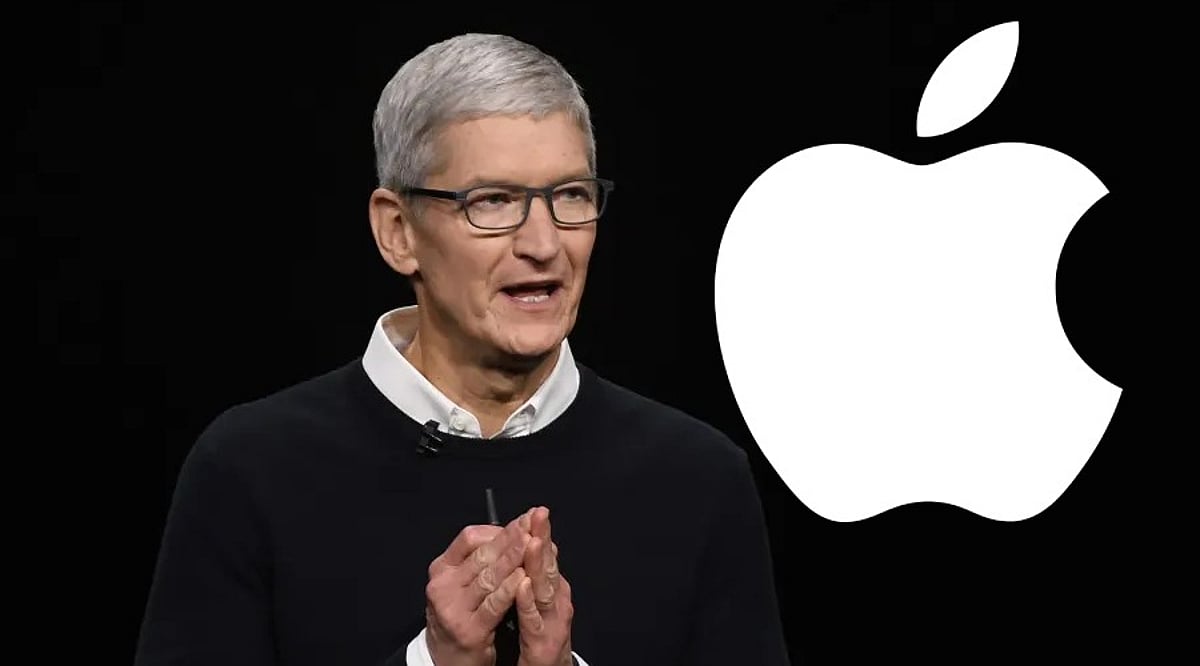
  • Apple’s Q3 Earnings Beat Estimates: Tim Cook Highlights AI Investments and iPhone Growth Amid Supply Concerns

    Apple’s Q3 Earnings Beat Estimates: Tim Cook Highlights AI Investments and iPhone Growth Amid Supply Concerns

    Apple reported stronger-than-expected fiscal third-quarter earnings, driven by record iPhone sales and robust Mac demand. The company posted revenue of $109.42 billion, up 16% year-over-year, and net profit of $29.79 billion. However, a cautious outlook for the upcoming quarter and ongoing supply constraints tempered investor enthusiasm, sparking discussions about Apple’s AI strategy and future growth trajectory.

    Record Quarter Powered by iPhone Demand

    iPhone sales reached an all-time high of $54.25 billion, reflecting strong global demand despite a competitive smartphone market. Mac sales surged nearly 29% as consumers responded positively to the latest product lineup. Apple described the June quarter as its best ever, with double-digit growth across most product lines and geographic regions, beating analysts’ projections by a wide margin.

    Supply Constraints Temper Growth Outlook

    Despite the strong quarter, Apple projected revenue growth of 9% to 11% for the September quarter, below market expectations. CEO Tim Cook attributed the conservative outlook to ongoing shortages of advanced memory components used in Apple-designed chips. The company is working to diversify suppliers, but executives cautioned that component availability could remain a challenge in the near term, leading to a dip in Apple’s share price after the earnings release.

    Services Slow, AI Strategy Under Scrutiny

    Apple’s services division underperformed relative to analyst expectations, generating $30.74 billion in revenue. Weakness in the App Store and growing competition in digital services weighed on the segment. The earnings report also reignited debate about Apple’s artificial intelligence strategy, with investors comparing the company’s pace of AI development to that of competitors who have made significant strides in generative AI. While Apple has rolled out AI-based features across its ecosystem, shareholders want clearer evidence of revenue potential from these investments.

    Cook Highlights Long-Term Confidence

    In what was likely one of his final earnings calls as CEO, Tim Cook reiterated that Apple’s long-term fundamentals remain strong. An expanding user base, consistent customer demand, and a robust innovation pipeline are expected to sustain the company’s competitive advantage. However, the market reaction suggests investors are increasingly focused on Apple’s ability to navigate supply disruptions while keeping pace in the rapidly evolving AI landscape. Balancing hardware growth with emerging technologies will be a central challenge as the company transitions to new leadership.

  • Microsoft Shatters Record with $450 Billion Single-Day Market Cap Surge as AI Bets Pay Off

    Microsoft Shatters Record with $450 Billion Single-Day Market Cap Surge as AI Bets Pay Off

    Microsoft has once again claimed the title of the world’s most valuable company, setting a historic milestone with a nearly $450 billion single-day gain in market value. The surge, the largest ever recorded for any company, pushed Microsoft’s market capitalization to $3.35 trillion, surpassing NVIDIA’s previous record of $441 billion set on April 9, 2025.

    Shares of the tech giant soared more than 15% following a strong earnings report that highlighted rapid growth in its Azure cloud platform. The company’s aggressive investments in artificial intelligence infrastructure are now delivering tangible returns, with Azure experiencing stronger-than-expected growth. Microsoft’s capital expenditure plans remain robust, with $50 billion earmarked for the fiscal first quarter of 2027 and $175 billion for the 2026 calendar year. The company forecasts Azure to grow at 45% on a constant-currency basis.

    Why Microsoft’s AI Strategy Is Working

    Microsoft has poured billions into AI, cloud services, and new data centers, and the latest earnings indicate that these investments are already paying off. While NVIDIA continues to dominate the AI chip market, Microsoft is leveraging those chips to power cloud services that businesses rely on daily, creating a strong secondary revenue stream. As AI adoption accelerates, the competition among Microsoft, NVIDIA, Google, and Amazon is expected to intensify.

    Jake Behan, head of capital markets at Direxion, commented, “The key question was whether it could shift the conversation from how much it is spending on AI to what it is earning from those investments, and the results suggested meaningful progress.”

    Microsoft’s performance underscores a shift from AI being a long-term vision to a real driver of growth, attracting more customers and boosting its cloud business. The company’s latest results signal that its AI strategy is not just a plan for the future—it is already delivering value today.

  • Microsoft Beats Q4 Estimates as Azure Revenue Tops $100 Billion, Stock Jumps 8%

    Microsoft Beats Q4 Estimates as Azure Revenue Tops $100 Billion, Stock Jumps 8%

    Microsoft (MSFT) shares surged more than 8% in premarket trading after the company reported stronger-than-expected fiscal fourth-quarter earnings, driven by robust cloud demand and AI services. The tech giant posted adjusted earnings per share of $4.74, surpassing analyst expectations of $4.24, while revenue reached $90.01 billion, above the $87.62 billion consensus.

    Net income rose to $35.77 billion, up from $27.23 billion in the same period last year, as growth accelerated across key business segments. The Intelligent Cloud segment generated $39.31 billion in revenue, exceeding the $38.16 billion forecast, with Azure revenue growing 43% year over year on a constant currency basis. Notably, Azure revenue exceeded $100 billion for the first time during fiscal 2026.

    “AI is transforming every layer of the technology stack,” said Microsoft CEO Satya Nadella, as the company continues to embed artificial intelligence across its product portfolio. Microsoft 365 Copilot paid seats climbed to more than 30 million, up from 20 million in April, while GitHub Copilot reached 50 million users, reflecting surging demand for AI-powered coding tools.

    The Productivity and Business Processes segment, which includes Office, Dynamics, and LinkedIn, generated $37.85 billion in revenue, up 14.3% year over year and above analyst estimates. Meanwhile, the More Personal Computing segment, encompassing Windows, Surface, Bing, and Xbox, brought in $12.85 billion, a slight decline year over year but still ahead of market expectations.

    Microsoft maintained its fiscal 2026 capital expenditure outlook at approximately $175 billion, primarily allocated to AI infrastructure and data center expansion. CFO Amy Hood noted that “demand signals across our portfolio” support continued investment. The company also issued a positive revenue forecast for the first quarter of fiscal 2027, projecting revenue between $89.85 billion and $90.95 billion, compared with the analyst estimate of $89.66 billion. Azure growth is expected to remain strong, with constant currency growth of 45% projected for the quarter.

    Commercial remaining performance obligations reached $678 billion, reflecting expanding enterprise commitments. Microsoft also returned $10.2 billion to shareholders through dividends and stock buybacks during the quarter.

    Microsoft’s results come as major technology companies ramp up AI investments, underscoring the strategic importance of cloud and AI capabilities in driving enterprise growth.

  • Meta Shares Drop 9% on Q2 Earnings Miss Despite Record Revenue of $60.8 Billion

    Meta Shares Drop 9% on Q2 Earnings Miss Despite Record Revenue of $60.8 Billion

    Meta Platforms shares fell approximately 9% in premarket trading after the company reported second-quarter earnings that missed Wall Street expectations. The company posted stronger-than-expected revenue growth, but lower earnings per share (EPS) and higher costs related to artificial intelligence investments pressured investor sentiment.

    Meta Q2 Earnings Miss Drives Stock Decline

    Meta reported earnings per share of $6.18 for the quarter, below analyst expectations of around $7.14. Revenue reached $60.8 billion, exceeding forecasts of $60.2 billion and marking a 28% increase from the previous year. The EPS figure included several one-time expenses that reduced quarterly profit, including a $2.4 billion charge linked to legal contingencies and $1.2 billion in severance expenses. Without these charges, Meta’s earnings performance would have been stronger. However, investors focused on the reported profit figure as the company continues to increase spending across artificial intelligence projects and data center expansion.

    Advertising Business Continues to Deliver Growth

    Meta’s advertising business continued to deliver growth during the quarter. Advertising revenue reached $59.3 billion, slightly above analyst expectations of $59.07 billion. The company’s platforms, including Facebook and Instagram, continued generating most of its revenue. Meta has also linked improvements in advertising performance to artificial intelligence tools used for recommendations and ad targeting.

    AI Spending Increases as Meta Expands Infrastructure

    Meta raised the lower end of its 2026 capital expenditure forecast as it continues investing in artificial intelligence infrastructure. The company now expects capital spending between $135 billion and $145 billion, compared with the previous range of $125 billion to $145 billion. The higher spending includes investments in data centers, servers and computing equipment needed to support AI development. Meta has also been expanding its plans to develop and provide AI products for businesses.

    CEO Mark Zuckerberg said, “AI spending is accelerating every part of our core business,” as the company continues building AI models and tools. Meta also announced a partnership with BlackRock to develop a $14 billion data center project in Texas. BlackRock will hold an 80% stake in the facility, while Meta will own the remaining 20%. Additionally, Meta introduced its Muse Spark 1.1 AI model with pricing designed to compete with other AI providers, offering lower costs for developers using its AI models.

    Meta Revenue Outlook Falls Below Wall Street Forecasts

    Meta’s third-quarter revenue forecast added pressure after the company projected revenue between $61 billion and $64 billion. The midpoint of the guidance came below Wall Street expectations of about $63.1 billion. The company’s lower forecast range increased market attention toward future revenue growth and the financial return from its AI investments.

    Meta’s free cash flow also declined during the quarter. The company reported $784 million in free cash flow, compared with $8.5 billion during the same period last year. Nevertheless, analysts continue tracking Meta’s long-term AI strategy as the company works to build new products and commercial services. Zuckerberg said the company expects AI agents and business-focused AI tools to become part of its future product offerings.

    Meta’s stock has faced pressure in 2026, with shares already trading lower before the earnings release. The latest decline followed concerns surrounding rising expenses, slower guidance growth, and the cost of expanding AI infrastructure.

  • FTSE 100 Opens Higher as Rolls-Royce Surges, Lloyds Launches £1B Buyback, and Oil Prices Climb

    FTSE 100 Opens Higher as Rolls-Royce Surges, Lloyds Launches £1B Buyback, and Oil Prices Climb

    The FTSE 100 opened 21.92 points higher at 10,930.33 on Thursday, as investors shifted focus to the Bank of England’s upcoming interest rate decision, largely ignoring a hawkish stance from the Federal Reserve and overnight losses on Wall Street. Brent crude futures rose 2.13% to $92.67 per barrel, while US West Texas Intermediate (WTI) advanced 1.47% to $85.70 per barrel.

    Sterling strengthened to $1.3352 from $1.3284 in the previous session, but fell against the euro to €1.1654 from €1.1673.

    Gainers & Losers

    On the upside, Rolls-Royce Holdings surged 4.03% to 1,435.60p. Aberdeen Group gained 2.19% to 243.20p, while Investec advanced 1.99% to 641.50p. Lloyds Banking Group climbed 1.75% to 113.30p, Croda International rose 1.58% to 3,271p, and Standard Chartered also added 1.58% to 2,191p.

    On the downside, London Stock Exchange Group fell 3.50% to 8,876p. Rentokil slumped 17.08% to 367.60p, while Reckitt Benckiser declined 0.96% to 5,348p. Games Workshop Group slipped 0.86% to 19,680p, AstraZeneca eased 0.59% to 13,056p, and Next plc edged 0.56% lower to 15,095p.

    Rentokil Shares Decline

    Rentokil shares plummeted after its CEO criticized the firm’s failure to meet its growth potential across multiple markets. The stock shed over 17% in early trade. Chief executive Mike Duffy stated the company is “not delivering on our growth potential in many of the markets we operate in, nor adequately benefiting from our scale.” The firm reported a 6.7% rise in group revenue for the first half of the year to $3.5 billion (£2.6 billion), with profit before tax growing nearly 10% to $263 million (£196 million). Duffy added, “Our focus is driving volume growth over short-term margin expansion, and this targeted redeployment of resources will enable us, over time, to accelerate organic growth, improve margins and free cash flow and deliver on the clear opportunity for shareholder value creation.”

    Rolls-Royce Shares Jump

    Rolls-Royce shares jumped on Thursday after the company raised its targets and posted a near 50% jump in operating profits for the first half of the year. The firm reported £2.5 billion in underlying operating profit for the first half, up 46% from the same period last year. It now expects to make £4.7 billion to £4.9 billion in underlying operating profit, up from its previous targets of between £4 billion and £4.2 billion. Chief Executive Tufan Erginbilgic, who has pushed through a sweeping overhaul of the aerospace and engineering group, said the company’s “transformation continues to deliver.” “We are demonstrating that Rolls-Royce is now a very different company to that of the past,” he said.

    Lloyds £1 Billion Share Buyback

    Lloyds Banking Group unveiled a £1 billion share buyback and a new four-year strategy after reporting stronger profit for the second quarter. Statutory pre-tax profit rose to £4.3 billion in the first half, from £3.5 billion a year earlier. Second-quarter profit of £2.3 billion beat the £2.1 billion expected by analysts. CEO Charlie Nunn said, “In the first half of 2026, we delivered sustained strength in financial performance, with continued income growth, improving operating leverage, strong credit performance, growing capital generation and increasing shareholder returns.” Guidance for the full year remains unchanged.

    Global Market View

    In the US, Wall Street fell after the Federal Reserve held interest rates. The Dow Jones fell 1,153 points, or 2.2%, while the S&P 500 lost 1.5% and the Nasdaq dropped 1.7%.

    In Asia on Thursday, Tokyo’s Nikkei 225 rose 0.71% to 61,867.43, while China’s Shanghai Composite dipped 0.62%. Hong Kong’s Hang Seng advanced 0.18%, and South Korea’s Kospi edged lower by 1.23%. In India, both the Nifty 50 and the Sensex rose by 0.15% and 0.066%, respectively.

  • Vedanta Power Stock Drops 4% as Q1 Net Loss Overshadows Strong Revenue Growth

    Vedanta Power Stock Drops 4% as Q1 Net Loss Overshadows Strong Revenue Growth

    Vedanta Power shares fell more than 3% on Thursday, July 30, after the company reported a net loss of Rs. 423 crore for the first quarter of fiscal year 2027. The decline came despite a sharp 31.3% increase in revenue, as weaker operating margins and a one-time exceptional loss weighed on investor sentiment.

    The stock touched an intraday low of Rs. 34.03, down 3.65%, while the broader Nifty 50 index remained flat. The results mark the company’s first quarterly report following the Vedanta demerger.

    Revenue for the quarter stood at Rs. 2,607 crore, up from Rs. 1,986 crore in the same period last year. However, strong sales failed to improve profitability. EBITDA fell to Rs. 291 crore from Rs. 417 crore a year earlier, and the EBITDA margin contracted to 11.2% from 21%, reflecting higher costs and operational pressure.

    Vedanta Power’s sales volume rose 38% year over year to 5,224 million units, supported by better generation at Meenakshi Energy and improved performance at the Talwandi Sabo Thermal Plant. The company operates 4,180 MW of installed capacity, making it India’s fifth-largest private merchant thermal power producer.

    Despite the revenue growth, a one-time exceptional loss of Rs. 487 crore pushed the company into a net loss for the quarter. Management emphasized plans to expand capacity further while enhancing fuel security and operational efficiency. Investors will likely monitor upcoming quarters for signs of margin recovery and return on investment.

  • Apple Hits $5 Trillion Market Cap, Becoming Second Company to Reach the Milestone

    Apple Hits $5 Trillion Market Cap, Becoming Second Company to Reach the Milestone

    Apple has crossed the $5 trillion market value mark after a steady rise in its share price, becoming only the second company to reach the historic milestone. The iPhone maker’s market capitalization surged past the $5 trillion threshold, making it the world’s most valuable company, surpassing NVIDIA.

    The jump came after Apple’s shares rose 0.2 percent to $337.7, bringing its market capitalization to $4.96 trillion. With a session high of $342.89, Apple’s market value stood at $5.036 trillion. Including session gains, Apple stock has jumped 24% so far this year, outperforming the other six of the ‘Magnificent 7,’ which include Microsoft, Amazon, Alphabet, Meta Platforms, Tesla, and Nvidia.

    Apple is ready to report its third-quarter earnings after the market close on Thursday. Analysts expect the company will jump more than 15% from the previous year.

    Staying on top will be the real test. The Cupertino-based tech giant has struggled for years to build its own AI models. More recently, Google has used its technology to roll out new services, such as a revamped Siri, that have saved it from the massive infrastructure spending that tech investors so often fear. Dipanjan Chatterjee, vice president and principal analyst at Forrester, said, “Apple has resisted the AI spending race, betting that customer experience – not infrastructure investment – will ultimately determine the winners.”