Tag: energy efficiency

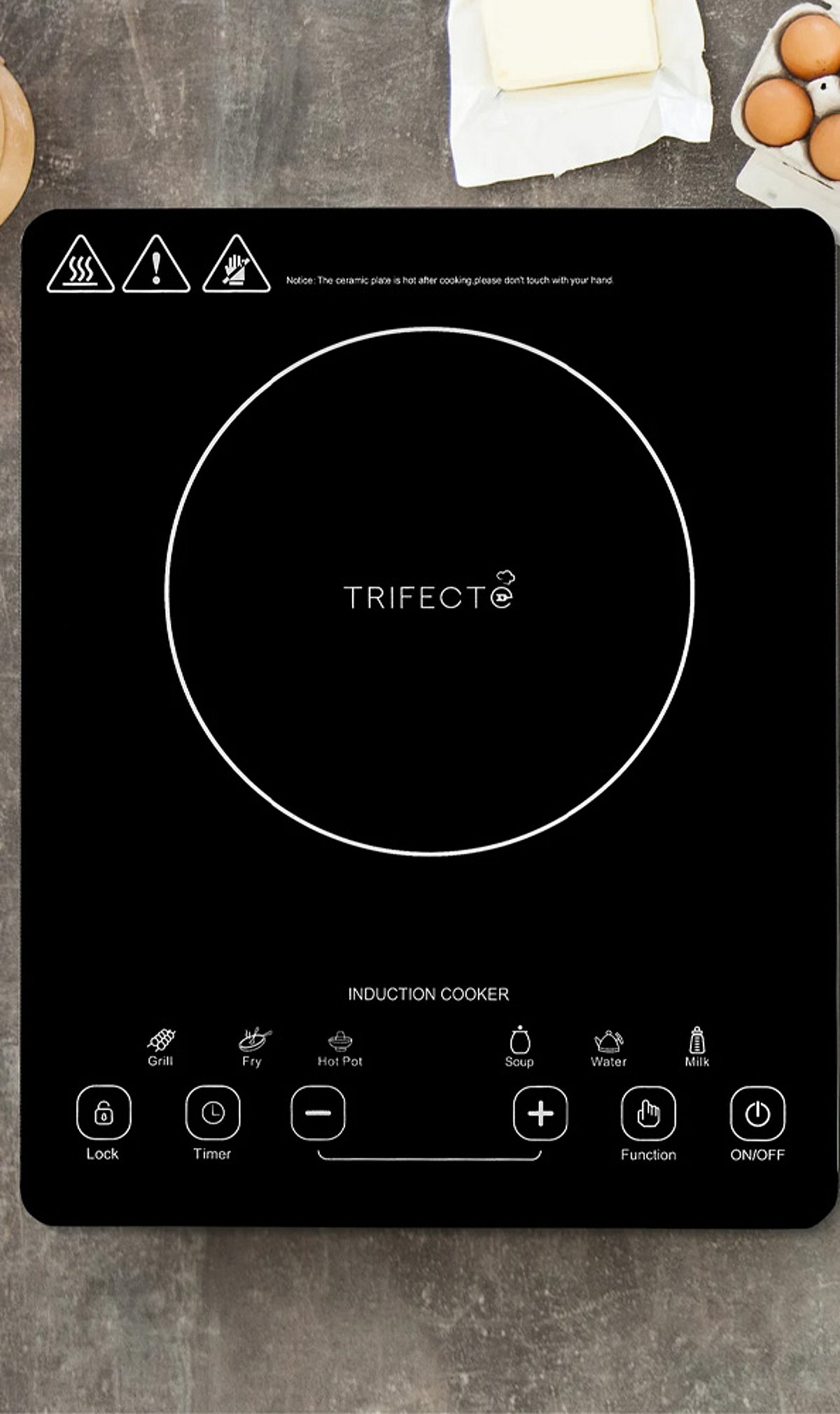
  • Best Induction Cooktops for Fast, Energy-Efficient Cooking in 2025

    Best Induction Cooktops for Fast, Energy-Efficient Cooking in 2025

    Induction cooktops are revolutionizing modern kitchens with their rapid heating, precise temperature control, and superior energy efficiency. Here’s what you need to know when choosing the best model for your home.

    Key Features to Consider

    Fast Heating Performance

    Choose induction cooktops that deliver rapid, consistent heating. This reduces cooking time by efficiently transferring energy directly to compatible cookware.

    High Energy Efficiency

    Induction technology minimizes heat loss by heating cookware directly, making it significantly more energy-efficient than conventional electric or gas surfaces.

    Precise Temperature Control

    Multiple power levels allow fine adjustments for delicate simmering, rapid boiling, and controlled cooking across a variety of recipes.

    Powerful Cooking Capacity

    Higher wattage and strong power output handle demanding tasks like boiling, frying, and heavy-duty meal preparation effortlessly.

    Multiple Cooking Zones

    Multi-zone cooktops enable simultaneous cooking, ideal for preparing several dishes at once during busy meal times.

    Safety Features

    Automatic shut-off, pan detection, child locks, and residual heat indicators improve safety and prevent unnecessary energy consumption.

    Easy Cleaning Surface

    A smooth glass-ceramic surface makes induction cooktops much easier to wipe clean than traditional gas burners and grates.

    Cookware Compatibility

    Induction cooktops require magnetic cookware. Check whether your existing stainless-steel or cast-iron utensils are compatible before purchasing.

    Best Choice for Efficiency

    For fast, precise, and energy-efficient cooking, induction cooktops offer a strong combination of performance, safety, and everyday convenience.

  • 10 Sustainable Gadgets to Embrace in 2026 for a Greener Lifestyle

    10 Sustainable Gadgets to Embrace in 2026 for a Greener Lifestyle

    As environmental consciousness grows, innovative gadgets are making it easier to adopt eco-friendly habits without sacrificing convenience. From solar-powered chargers to intelligent home monitors, these ten devices help reduce energy consumption, cut waste, and shrink your carbon footprint. Here are the top sustainable gadgets worth trying in 2026.

    Solar Power Banks

    Harness the sun to recharge your smartphones and other portable devices. Solar power banks reduce reliance on grid electricity while offering reliable backup power during travel, camping, or outdoor adventures. They are a practical step toward renewable energy use in daily life.

    Smart Energy Monitors

    Track your household electricity usage in real time with smart energy monitors. These devices help identify energy waste, allowing families to adjust habits and lower monthly utility bills. They provide actionable insights to make your home more efficient.

    Solar Outdoor Lights

    Illuminate gardens, pathways, and patios using renewable solar energy. Solar outdoor lights eliminate electricity costs and provide dependable nighttime lighting year-round. They are easy to install and require no wiring, making them a simple eco-friendly upgrade.

    Rechargeable Batteries

    Replace disposable batteries with rechargeable alternatives. These batteries reduce landfill waste and save money over time by being reusable hundreds of times. They are ideal for powering remote controls, toys, flashlights, and other household gadgets.

    Water-Saving Smart Showers

    Intelligent shower systems monitor water consumption and encourage shorter showers without compromising comfort. By tracking usage and providing feedback, they help conserve water—a critical resource—while still delivering a satisfying experience.

    Energy-Efficient Air Purifiers

    Modern air purifiers consume less electricity while improving indoor air quality through advanced filtration technologies. Look for models with high CADR ratings and low wattage to ensure sustainable living without sacrificing clean air.

    Smart Thermostats

    Automatically adjust home temperatures based on your schedule and preferences. Smart thermostats optimize heating and cooling, reducing unnecessary energy consumption and lowering utility bills. They learn your routines and adapt to save energy effortlessly.

    Portable Wind Chargers

    Compact wind-powered chargers generate renewable electricity during outdoor activities like hiking, camping, or cycling. They offer an eco-friendly alternative to conventional charging methods, allowing you to stay powered without relying on fossil fuels.

    Eco-Friendly Wireless Keyboards

    Keyboards made from recycled materials and featuring solar charging reduce electronic waste while delivering reliable everyday productivity. They combine sustainability with performance, making them a smart choice for eco-conscious professionals.

    These gadgets represent the intersection of innovation and environmental responsibility. By integrating them into your daily life, you can reduce your ecological impact while enjoying modern conveniences. Stay tuned for more updates on sustainable technology.

  • Double-Door vs. Side-by-Side Refrigerators: Which Layout Suits Your Home Best?

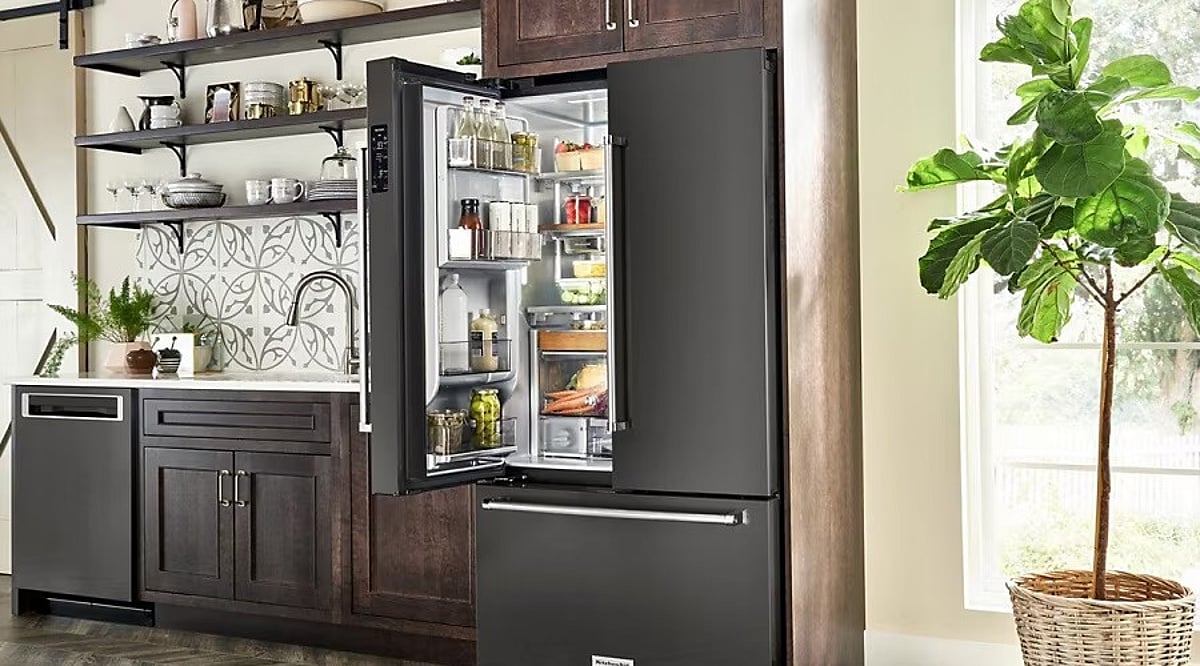
    Double-Door vs. Side-by-Side Refrigerators: Which Layout Suits Your Home Best?

    Double-door and side-by-side refrigerators may look similar, but they are built for different priorities. From storage flexibility to energy use and convenience, each has distinct strengths. Comparing them side by side helps identify the better choice for your household.

    What Each Layout Actually Offers

    A double-door refrigerator puts most of its space toward fresh food, with the freezer sitting above or in its own section. A side-by-side splits the interior vertically instead, giving the fridge and freezer sections of approximately equal width. This layout makes both frozen and chilled items easier to reach, but it also hands over a bigger share of total space to the freezer. Therefore, a 500 to 550 liter side-by-side can end up with fresh food space no bigger than a smaller double-door model. For households that cook fresh food every day, the double-door often turns out to be the more practical pick.

    The Energy Question Most Articles Get Wrong

    Most comparison articles claim double-door models simply use less power. This claim does not hold up. Energy consumption depends on the BEE star rating and whether the compressor is inverter-based, not on the number of doors. A 5-star inverter refrigerator can use less than half the electricity of a 1-star model, regardless of layout.

    Side-by-side units do tend to land in lower star-rating bands on average. This pattern comes from their larger typical capacity and added features like water and ice dispensers, both of which draw extra power. The honest takeaway is not that double-door beats side-by-side on electricity. It is that the star label decides the outcome, not the door style.

    Making the Right Call

    A compact kitchen, daily fresh cooking, and a lower running cost point toward double doors. Ample clearance, heavy frozen storage, and eye-level access for both sections point toward side-by-side.

    Family size offers a useful shortcut too. Two to four member households usually manage well with a double-door model. Larger households of five or more, especially those that rely on frozen storage, tend to get more practical value from a side-by-side.

    Five Details that Decide the Purchase

    1. Fresh to frozen ratio: Frequent fresh shopping favors a double door even with a smaller total capacity.
    2. Kitchen clearance: Side-by-side doors need real swing room on both sides, along with sufficient cabinet width and ventilation space. Measuring the aisle before the showroom visit avoids a costly mismatch.
    3. Star rating settles energy: Comparing door types for efficiency misses the point. The kWh per year figure on the BEE label gives a direct, model-to-model answer.
    4. Wide items need wide shelves: Pizza boxes, large tiffins, and party trays sit more easily on a double door’s broader shelving than on a side-by-side’s narrower columns.
    5. Dispensers add convenience and cost: Built-in water and ice dispensers raise both the purchase price and the power draw. Filter replacements and dispenser upkeep add further ownership cost over time.

    Final Thoughts

    Refrigerator shopping in India still leans on showroom instinct more than spec sheets. The layout that looks more premium is not always the one that fits a kitchen’s real routine. As BEE ratings tighten and inverter compressors become standard across price bands, the gap between double-door and side-by-side will likely come down to usable space and household habits rather than badge value on the door.

  • Top AI-Powered Home Features That Simplify Daily Life

    Top AI-Powered Home Features That Simplify Daily Life

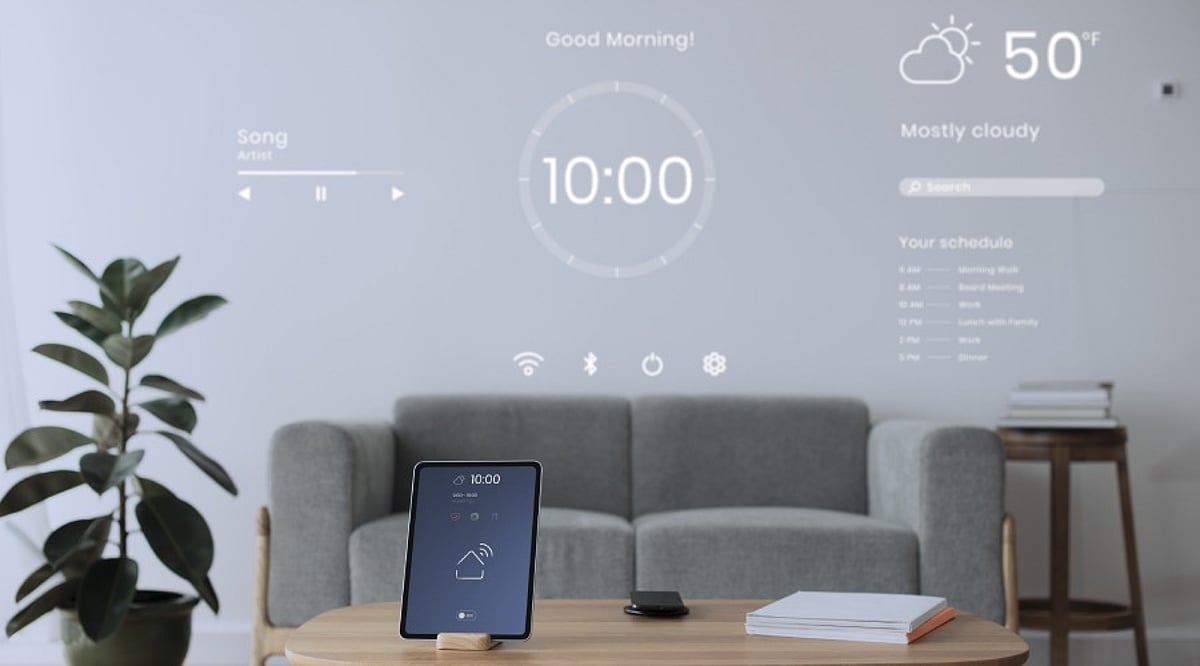
    Artificial intelligence is no longer just about chatbots and digital assistants. Some of the most impactful AI applications are quietly transforming everyday homes, making them safer, more energy-efficient, and easier to manage. Instead of answering questions or generating content, these systems observe patterns, understand surroundings, and help residents control their living spaces with minimal effort.

    Key AI Home Features at a Glance

    Package Recognition for Better Delivery Security

    Smart cameras and video doorbells now include package detection capabilities. They can identify when a package is delivered, picked up, or if suspicious activity occurs. Many security brands offer this as a standard feature, while others require a paid subscription. With online shopping continuing to grow, package recognition has become an essential tool for protecting deliveries.

    AI That Listens for Important Sounds

    AI technology has advanced beyond voice recognition to detect critical sounds like fire alarms, breaking glass, or other unusual noises. Smart speakers and security equipment can alert homeowners via their phones, even when they’re away. Some security cameras are now sophisticated enough to identify the sound of smoke or fire, providing an extra layer of safety without constant monitoring.

    Smart Thermostats That Learn Household Patterns

    Modern smart thermostats go beyond remote temperature control. Using AI, they learn your daily routines — when you leave for work, return home, or go to sleep — and adjust heating and cooling accordingly. This optimizes comfort while reducing energy waste. Users can also manage privacy settings to control the data collected by these devices.

    AI for Understanding Pet Behavior

    Pet technology has been enhanced with AI capabilities. Cameras, feeders, and trackers can detect specific behaviors such as walking, playing, or entering off-limits areas. More advanced products even identify abnormal patterns that might indicate health issues, sending alerts to owners for early intervention.

    More Natural Smart Home Conversations

    Voice assistants are becoming more conversational. Instead of requiring rigid commands, users can speak naturally — for example, “Turn down the lights and set the thermostat to 72.” New AI-powered assistants can handle connected requests, manage multiple devices, and create personalized routines, making smart homes more accessible for everyone.

    AI-Based Water Monitoring and Leak Detection

    Smart water systems use AI to monitor usage patterns and detect unusual changes that signal leaks. They provide early alerts before minor issues become major problems and can recommend ways to reduce water consumption based on household habits. This technology supports both cost savings and better resource management.

    AI Video Summaries for Faster Security Updates

    Security cameras traditionally required manual review of footage. AI now generates quick summaries of recorded events, describing what happened — such as a person arriving, a vehicle appearing, or activity near a specific area — rather than just triggering a motion alert. This helps users quickly grasp important events without sifting through hours of footage.

    AI Support During Wildfire Alerts

    AI is also playing a role in emergency response. Smart security networks can detect signs of smoke or fire and send faster alerts. Some platforms integrate cameras with emergency information services, helping residents stay aware during hazardous weather conditions. However, privacy concerns mean user control over settings is crucial.

    Final Thoughts

    The trend in home AI goes beyond simple automation. Devices now recognize needs, enhance security, and save effort. From protecting packages to managing energy, monitoring pets, and detecting dangers, AI is becoming a valuable part of modern living. As technology advances, the best home solutions will not just respond to commands but anticipate needs and provide proactive assistance.

  • How Digital Twins Are Transforming Manufacturing Operations

    How Digital Twins Are Transforming Manufacturing Operations

    Digital twins are revolutionizing the manufacturing industry by creating virtual replicas of physical assets, systems, and processes. These dynamic digital models use real-time sensor data to mirror the behavior of machines, production lines, and entire factories, enabling manufacturers to gain unprecedented visibility and control over their operations.

    Real-Time Production Monitoring

    Digital twins create virtual replicas of machines, production lines, and factories using live sensor data. Manufacturers can monitor equipment performance, identify bottlenecks, and track production in real time. This visibility helps managers make informed decisions, improve operational efficiency, reduce downtime, and maintain consistent production quality across manufacturing facilities.

    Predictive Maintenance

    By continuously analyzing equipment data, digital twins detect early signs of wear and potential failures before breakdowns occur. Manufacturers can schedule maintenance only when required instead of following fixed intervals. This approach minimizes unexpected downtime, extends machine lifespan, reduces maintenance costs, and ensures uninterrupted production with improved asset reliability.

    Faster Product Development

    Engineers use digital twins to simulate product designs and manufacturing processes before physical production begins. They can test different materials, identify design flaws, and optimize production methods virtually. This reduces prototype costs, shortens development cycles, accelerates innovation, and enables manufacturers to launch higher-quality products more quickly.

    Improved Quality Control

    Digital twins continuously compare real-time production data with expected performance standards. Any deviation is identified instantly, allowing manufacturers to correct defects before products reach customers. This proactive quality management reduces waste, improves product consistency, enhances customer satisfaction, and lowers the cost of rework and product recalls.

    Smarter Supply Chain Management

    Manufacturers use digital twins to model supply chains and simulate disruptions such as material shortages or transportation delays. These simulations help optimize inventory, improve logistics planning, and identify alternative sourcing strategies. Better visibility across the supply chain strengthens resilience, reduces costs, and ensures smoother production schedules.

    Energy Efficiency and Sustainability

    Digital twins monitor energy consumption across manufacturing operations and identify areas where electricity, water, or raw materials are being wasted. Manufacturers can test energy-saving strategies virtually before implementation. This leads to lower operating costs, reduced carbon emissions, improved resource utilization, and stronger progress toward sustainability goals.

    Better Workforce Safety and Training

    Digital twins simulate factory environments, allowing workers to practice operating equipment and responding to emergencies without real-world risks. Manufacturers can evaluate workplace safety, identify hazardous conditions, and improve training programs. These virtual environments reduce accidents, enhance employee confidence, strengthen compliance, and promote a safer manufacturing culture.

  • Green Cloud Computing: The Complete Guide to Sustainable Cloud Infrastructure

    Green Cloud Computing: The Complete Guide to Sustainable Cloud Infrastructure

    Almost everything we do online relies on cloud computing. This includes medical portals, school platforms, virtual meetings, digital payments, and artificial intelligence. Keeping these services alive requires massive data hubs running servers and AC systems day and night. International Energy Agency data shows these facilities guzzled roughly 415 terawatt-hours of power in 2024. That represents nearly 1.5 percent of all global electricity. That energy appetite has been climbing by about 12 percent every single year for the last five years.

    What is Green Cloud Computing?

    Green cloud computing is the practice of building and operating cloud infrastructure in a way that reduces harm to the environment. The main purpose is to lower electricity use, reduce carbon emissions, and make better use of computing resources without affecting service quality. This approach uses energy-efficient hardware, renewable energy, virtualization, smart resource management, and advanced cooling systems. It also supports the reuse and recycling of equipment to reduce electronic waste. Green cloud computing allows businesses to continue digital growth while protecting natural resources and reducing operating costs.

    Why Green Cloud Computing has Become Necessary

    The rapid growth of AI has increased pressure on cloud infrastructure. Powerful AI models need advanced processors that consume much more electricity than traditional computing systems. The IEA estimates that electricity use by data centers could reach 945 TWh by 2030, which is more than double the level recorded in 2024. Gartner also predicts that global data center electricity consumption will rise from 447 TWh in 2025 to 565 TWh in 2026, which represents a 26% increase within just one year. AI servers alone are expected to consume 175 TWh of electricity in 2026, an 84% increase compared with the previous year. These figures clearly show that cloud infrastructure must become more energy efficient to support future demand.

    How Green Cloud Computing Reduces Energy Use

    Green cloud computing relies on various current technologies that enhance efficiency. One of the most effective methods is virtualization, which enables multiple virtual machines to share a single physical server. By using this technique, the use of servers is maximized and the number of physical servers required in the data center is decreased. Additionally, during slow periods, cloud platforms consolidate workloads on fewer machines and the machines that are not in use may enter sleep mode or be shut down completely. Modern cloud providers opt for energy-efficient processors that provide high performance at low power consumption. Another critical requirement for a sustainable cloud infrastructure today is the use of renewable energy. Many data centers use solar, wind, hydroelectric, or geothermal power. In addition to relying on annual renewable energy certificates, many providers strive to use carbon-free electricity on a regular basis.

    Smart Cooling Makes a Big Difference

    Cooling systems consume a large share of electricity inside every data center. Green cloud computing uses modern cooling methods to reduce this energy demand. Free-air cooling uses natural outside air whenever weather conditions allow. Liquid cooling and immersion cooling remove heat more efficiently than traditional air cooling. Artificial intelligence also helps control cooling equipment by adjusting temperatures according to server activity. Some companies have even started work on floating data centers that use seawater as a natural cooling source. These technologies reduce electricity use while keeping equipment safe and reliable.

    Current Challenges

    Even though green cloud computing has various advantages, there are still some difficulties. Rapid expansion in artificial intelligence has resulted in an increase in carbon emissions despite investments in clean technology. According to new data, Microsoft, Amazon, and Google have reported almost 119 million metric tonnes of carbon dioxide emissions, which is about 18% more than for the previous reporting period. Microsoft’s own emissions increased by 25% and reached 20 million metric tonnes as a result of building and operating new AI data centers. Experts also forecast that roughly 1,200 new data centers will be constructed worldwide by 2030 to serve the needs of the cloud and AI industries. However, a shortage of electricity and water has caused significant problems already. More than 75 data center projects, valued at 130 billion US dollars, experienced delays or halted work in early 2026 since the required amount of electricity and water was not available.

    The Future of Sustainable Cloud Infrastructure

    The future of green cloud computing depends on smarter energy management. Carbon-aware computing has become an important solution as it allows flexible workloads to run when cleaner electricity is available. This method reduces carbon emissions without affecting service quality. Researchers also continue to work on AI systems that improve energy management inside data centers and help match electricity demand with renewable energy supply. The IEA estimates that emissions from electricity used by data centers could rise from around 180 million tonnes today to nearly 300 million tonnes by 2035, while a high-growth situation could push emissions close to 500 million tonnes.

    Why This Matters

    Data centers are on track to double their power usage by 2030 as a result of AI. This massive energy drain makes green cloud setups a hard requirement, not an optional corporate goal. If we do not make this shift, local power grids will physically buckle under the weight of future internet growth.

    Final Thoughts

    AI and cloud growth have pushed electricity demand to record levels. Sustainable technologies are the practical response. Energy-efficient hardware, virtualization, renewable energy, carbon-aware computing, and modern cooling systems help reduce electricity use and lower carbon emissions without reducing cloud performance.

    FAQs

    1. What is green cloud computing? Green cloud computing is the use of cloud technologies that reduce electricity consumption, carbon emissions, and environmental impact while delivering reliable cloud services.
    2. Why is green cloud computing important? It helps reduce the environmental impact of data centers, lowers operating costs, improves energy efficiency, and supports long-term sustainability goals.
    3. How does virtualization support green cloud computing? Virtualization allows multiple virtual machines to run on one physical server, which improves hardware use and reduces electricity consumption.
    4. What role does renewable energy play in sustainable cloud infrastructure? Renewable energy sources such as solar, wind, hydroelectric, and geothermal power help reduce dependence on fossil fuels and lower carbon emissions from data centers.
    5. What are the biggest challenges for green cloud computing? High energy demand from AI workloads, limited renewable energy availability, power and water shortages, and accurate carbon measurement remain the main challenges.
  • How to Choose the Right Geyser in 2026: Expert Buying Guide

    How to Choose the Right Geyser in 2026: Expert Buying Guide

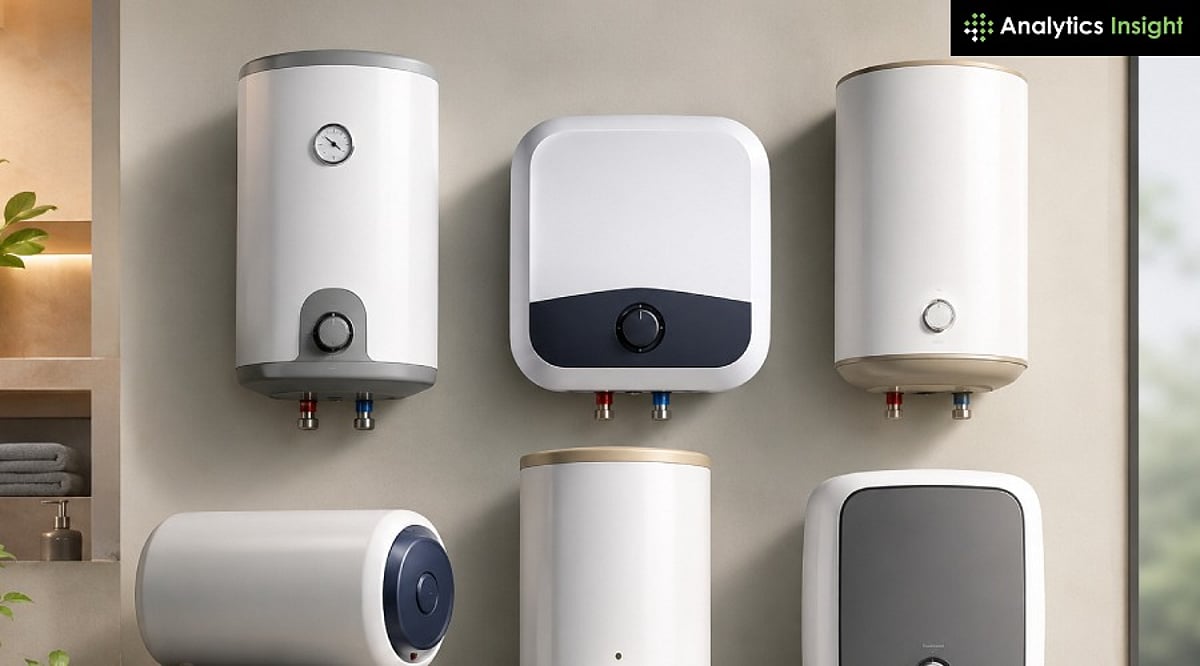
    A well-chosen water heater provides consistent hot water while keeping electricity consumption under control. With several geyser options available in 2026, understanding their differences is more important than ever. The right choice depends on your home, usage, and budget.

    Step 1: Pick the Type First

    Every other decision comes back to this one. An instant heater has no tank; it heats water as it flows through. That’s enough for one or two people who want a quick shower and don’t have space to spare. A storage geyser keeps a tank of hot water sitting ready, which matters when two bathrooms are running at once. Gas geysers heat cheaply but need ventilation and a gas line, so most apartments are out. Heat pump water heaters cost more initially but move heat instead of generating it from scratch—busy households will feel that difference on the electricity bill. For one or two people with modest needs, go for an instant heater. For households with more than three people, storage is usually the smarter call.

    Step 2: Size for Recovery Time, Not Just Family Size

    Capacity gets treated like a headcount problem, but the number that matters is recovery time: how fast the tank reheats once emptied. Two people showering back-to-back need a bigger tank or faster recovery, even in a small household. A 15L tank with slow recovery can leave the second person waiting fifteen minutes for warm water. A 10L model with a higher heating capacity may recover much faster. As a rough starting point, one or two people need 6 to 15 L, three or four need 15 to 25 L, and five or more should look at 25 to 35 L or a heat pump system. Push that number up if mornings are rushed.

    Step 3: Understand What Actually Drives the Electricity Bill

    BEE rates geysers on a 1 to 5-star scale based on standing loss—the energy lost keeping stored water hot while nobody’s using it. A 5-star tank loses less heat overnight than a 3-star tank of the same size. BEE published revised star-rating norms in the Gazette of India in December 2025, with new thresholds taking effect from July 1, 2026. A 5-star label bought this year is actually a stricter standard than one bought two years ago, even though the sticker looks the same.

    Wattage tells a different part of the story. Instant heaters pull more power, 3 to 4.5 kW, but only while water’s running. Storage heaters draw less, around 2kW, but stay on longer. For one person, instant usually costs less over a month. For a family running the geyser all evening, a well-insulated storage tank tends to win: it just reheats less often.

    Step 4: Match the Geyser to Your Water and Your Building

    Hard water shortens a geyser’s life faster than almost anything else. A glass-lined or enamel-coated tank resists corrosion, a magnesium anode rod helps protect the tank from rust, and an Incoloy heating element withstands hard-water conditions better than a standard copper element. Together, they improve durability and help extend the geyser’s service life.

    Pressure rating matters just as much, and it’s the one buyers skip most often. A 6.5 bar-rated unit is usually plenty for an independent house or low-rise building. High-rise apartments with running pressure pumps generally need 8 bar or higher. A standard-pressure geyser in a high-rise risks leaks or early failure, and most warranties won’t cover damage from exceeding the rated pressure. Worth checking before you buy, not after something leaks.

    Step 5: Don’t Skip Safety and Installation

    A geyser should carry BIS certification (ISI mark), along with a pressure relief valve and a thermostat with thermal cutoff. It should run on dedicated earthing with its own MCB rather than sharing a circuit. Instant geysers pulling 3kW or more need wiring rated for that load, so older homes should get this checked first. A mid-range geyser installed correctly is safer than a premium model installed carelessly, so budget for installation as part of the purchase.

    Quick Checklist Before Buying

    • Pick the type that fits the household size and daily hot water usage.
    • Choose capacity based on recovery time, not just the liters on the box.
    • Check the BEE star rating and make sure it meets the 2026 norms.
    • Confirm the geyser is compatible with your water quality and the pressure rating matches the building.
    • Look for ISI certification, a pressure relief valve, dedicated earthing, and proper installation.
    • Compare the tank warranty and the heating element warranty separately—they’re often not the same.

    Final Thoughts

    There’s no single geyser that’s right for every home. It comes down to family size, water quality, and the building itself, not whichever brand has the longest feature list. Get that part right, and everything else follows: lower bills, safer operation, fewer headaches years down the line.

    FAQs

    1. Which type of water heater is better: instant or storage?

    Instant water heaters are ideal for small households and quick hot water needs, while storage geysers are better for families requiring a steady supply of hot water for multiple users.

    2. What geyser capacity is suitable for a family of four?

    A 15L to 25L storage water heater is generally suitable for a family of four. The ideal capacity depends on bathing habits, the number of bathrooms, and simultaneous usage.

    3. How important is the BEE star rating when buying a water heater?

    The BEE star rating indicates a water heater’s energy efficiency. Higher-rated models consume less electricity over time, helping reduce energy bills without compromising performance.

    4. Can I use a regular geyser in areas with hard water?

    Yes, but choosing a model with a glass-lined tank, corrosion-resistant heating element, and magnesium anode rod helps improve durability and reduces damage caused by hard water.

    5. What safety features should I look for in a water heater?

    Choose a water heater with an ISI certification, thermostat, thermal cut-out, pressure relief valve (PRV), and proper earthing compatibility to ensure safe and reliable everyday operation.

  • Are AI-Powered Air Conditioners Worth the Investment? A Detailed Look

    Are AI-Powered Air Conditioners Worth the Investment? A Detailed Look

    AI-powered air conditioners go beyond basic cooling by learning your daily routine, preferred temperature, and usage habits over time. They automatically adjust settings without requiring frequent remote adjustments, delivering a more comfortable experience while reducing manual intervention.

    Lower Power Bills

    One of the biggest advantages of AI-powered ACs is improved energy efficiency. They monitor room temperature, humidity, occupancy, and even outdoor weather in some models. The system adjusts cooling only when needed instead of running at full power all the time. This smart operation can help lower electricity bills over the long term.

    Better Comfort All Day

    Traditional air conditioners often cause sudden temperature fluctuations by switching between high and low cooling settings. AI models make small, continuous adjustments to maintain a stable indoor climate. This reduces cold blasts, maintains consistent comfort, and improves the overall cooling experience during long hours of use.

    Smart Control From Anywhere

    Most AI-powered air conditioners come with built-in Wi-Fi and a dedicated smartphone app. Users can switch the AC on before reaching home, adjust the temperature remotely, or create daily schedules. Many models also support voice assistants, making it easy to control cooling with simple voice commands.

    They Cost More

    AI-powered ACs usually cost more than standard inverter models because they include advanced sensors, smart software, and internet connectivity. While the upfront price is higher, the added features may improve convenience and reduce energy use. Buyers should compare the long-term savings with the initial investment before making a decision.

    Easy Maintenance Alerts

    These smart air conditioners can monitor their own performance and detect possible issues before they become serious. They send reminders to clean air filters, notify users about maintenance needs, and sometimes identify faults through the mobile app. Regular alerts help keep the AC running efficiently and may extend its lifespan.

    Are They Worth Buying?

    AI-powered air conditioners are a good choice for people who use their AC every day and want smart features with better energy management. They offer greater convenience, automatic temperature control, and remote access. However, if your cooling needs are limited, a quality inverter AC can still deliver excellent performance at a lower price.

  • Best Premium Refrigerators on Amazon: Top Smart & Energy-Efficient Models for 2026

    Best Premium Refrigerators on Amazon: Top Smart & Energy-Efficient Models for 2026

    Premium refrigerators do more than just keep food cold. They combine advanced cooling technology, energy efficiency, smart connectivity, and elegant design to transform your kitchen experience. Whether you’re feeding a large family or simply want a modern, high-performance appliance, these top models on Amazon deliver exceptional value. Below, we highlight seven premium refrigerators that stand out for their capacity, technology, convenience, and long-term reliability.

    1. Samsung 580L Convertible French Door Refrigerator

    Ideal for large households, this Samsung model features a 580-liter capacity and a Digital Inverter Compressor for quiet, energy-efficient operation. Its convertible freezer adapts to your changing storage needs, while multi-airflow cooling keeps food fresher for longer. The premium finish adds a sleek touch to contemporary kitchens.

    2. Haier 520L Lumiere Triple Inverter Refrigerator

    Combining Triple Inverter Technology with a stylish French Door design, the Haier Lumiere delivers uniform cooling, reduced energy consumption, and quieter performance. Its spacious interior, elegant glass exterior, and advanced temperature management make it a top choice for households seeking both performance and aesthetics.

    3. Haier 598L Smart Sense AI Refrigerator

    This Haier model uses artificial intelligence to optimize cooling based on usage patterns. The three-door design minimizes cold-air loss, preserving freshness while improving energy efficiency. With generous capacity, smart controls, and an innovative storage layout, it’s perfect for large families and frequent entertainers.

    4. LG 630L Side-by-Side Refrigerator

    LG’s 630-liter side-by-side refrigerator offers premium storage with Smart Inverter Compressor technology for efficient cooling and quieter operation. The spacious compartments provide excellent organization for both fresh and frozen foods. Its sleek appearance and advanced cooling system make it a reliable kitchen investment.

    5. Godrej 600L Side-by-Side Refrigerator

    Godrej’s 600-liter model delivers spacious storage, frost-free cooling, and premium styling at a competitive price point. It’s an excellent choice for buyers who want premium features without entering the ultra-luxury segment.

    6. Voltas Beko 563L Refrigerator

    Voltas Beko’s 563-liter refrigerator offers advanced cooling technology, practical organization, and energy-efficient performance. Like the Godrej model, it provides outstanding value for those seeking premium features at a more accessible price.

    How to Choose the Right Premium Refrigerator

    When selecting a premium refrigerator, consider capacity based on your family size: 300–400 liters for small families, 400–550 liters for medium households, and above 550 liters for larger families. Look for inverter compressors, convertible storage, AI-powered cooling, multi-airflow systems, Wi-Fi connectivity, and strong energy ratings to maximize convenience, efficiency, and long-term savings.

  • How Metamaterials Are Revolutionizing 6G and Next-Generation Wireless Communications

    How Metamaterials Are Revolutionizing 6G and Next-Generation Wireless Communications

    Metamaterials are reshaping wireless communication by enabling precise control over radio waves. These engineered materials improve coverage, reduce energy consumption, support terahertz communication, increase network capacity, strengthen security, and unlock advanced services that will define future 6G networks.

    What Are Metamaterials?

    Metamaterials are artificial materials composed of tiny structures arranged in specific patterns. Their unique design gives them properties not found in natural materials. Instead of simply letting radio waves pass through, metamaterials can bend, focus, reflect, or redirect waves in a controlled manner. This ability comes from the shape and layout of their building blocks, offering a completely new way to manage electromagnetic signals in wireless networks.

    Why Metamaterials Matter for 6G

    The success of 6G depends on millimeter-wave and terahertz frequencies, which provide much larger bandwidth than current systems. However, these high-frequency signals lose power quickly, struggle to penetrate obstacles, and weaken in dense urban areas or indoors. Traditional solutions require more base stations and higher power, increasing cost and energy use. Metamaterials offer an alternative by steering signals intelligently, improving communication without massive infrastructure expansion.

    Reconfigurable Intelligent Surfaces (RIS)

    One of the most promising applications of metamaterials is the reconfigurable intelligent surface (RIS). These surfaces consist of thousands of programmable elements placed on walls, ceilings, windows, or billboards. Each element can electronically adjust the direction of incoming radio waves, directing them precisely where needed. This turns random reflections into focused transmissions, eliminating dead zones and improving coverage in challenging environments. Since many RIS designs are passive, they consume very little power.

    Better Coverage and Higher Capacity

    Metamaterials dramatically improve wireless coverage in difficult locations such as offices, underground stations, factories, and crowded city streets. Intelligent surfaces redirect signals around obstacles, reducing dead zones without additional towers. By precisely controlling radio waves, multiple users can share the same spectrum more efficiently, lowering interference and boosting network capacity — even in densely populated areas.

    Energy Savings and Faster Communication

    Energy efficiency is a key goal for future networks. Instead of relying on powerful transmitters and extra base stations, passive metamaterial surfaces redirect signals with minimal power. This reduces electricity usage and operating costs. Metamaterials also enable reliable terahertz communication, which offers enormous bandwidth for ultra-high data rates. Intelligent surfaces guide terahertz signals along optimal paths, overcoming rapid signal loss and making high-speed links more dependable.

    AI Support, Sensing, and Security

    Artificial intelligence plays a crucial role in optimizing intelligent metamaterial surfaces. AI algorithms analyze network conditions in real time, selecting the best signal direction, reflection angle, and phase adjustment. This allows the network to adapt instantly to user movement and traffic changes, creating a smart wireless environment.

    Metamaterials also support Integrated Sensing and Communication (ISAC), a key 6G feature. The same infrastructure can provide both communication and object detection, motion tracking, localization, and environmental mapping. This benefits autonomous vehicles, industrial automation, healthcare, robotics, and smart cities.

    In terms of security, intelligent surfaces direct signals precisely to intended receivers, minimizing leakage. This controlled propagation makes interception much harder, strengthening physical-layer security before encryption.

    Challenges and Future Outlook

    Despite impressive progress, large-scale commercial deployment faces challenges. Accurate channel estimation requires complex calculations for surfaces with thousands of elements. Fast-moving users demand near-instantaneous signal updates. Hardware design, costs, and international standardization still need further development.

    Nevertheless, research is accelerating. New technologies such as active RIS, hybrid RIS, STAR-RIS, and dynamic metasurface antennas aim to overcome current limitations. As these innovations mature, metamaterials will become a cornerstone of 6G wireless networks, enabling faster, smarter, and more reliable communication systems for the future.

    Frequently Asked Questions

    1. What are metamaterials in wireless communication?
    Metamaterials are specially designed materials that control radio waves by bending, reflecting, or focusing them to improve wireless communication.

    2. Why are metamaterials important for 6G networks?
    They solve key challenges like signal blockage, weak coverage, and high energy use while enabling much faster data transmission.

    3. What is a Reconfigurable Intelligent Surface (RIS)?
    RIS is a programmable surface with many small elements that redirect radio signals toward the desired location for better communication.

    4. How do metamaterials improve network security?
    They direct signals toward intended receivers and reduce unwanted leakage, making interception more difficult.

    5. Which industries will benefit from metamaterial-based 6G technology?
    Smart cities, healthcare, autonomous vehicles, manufacturing, robotics, agriculture, and extended reality applications.