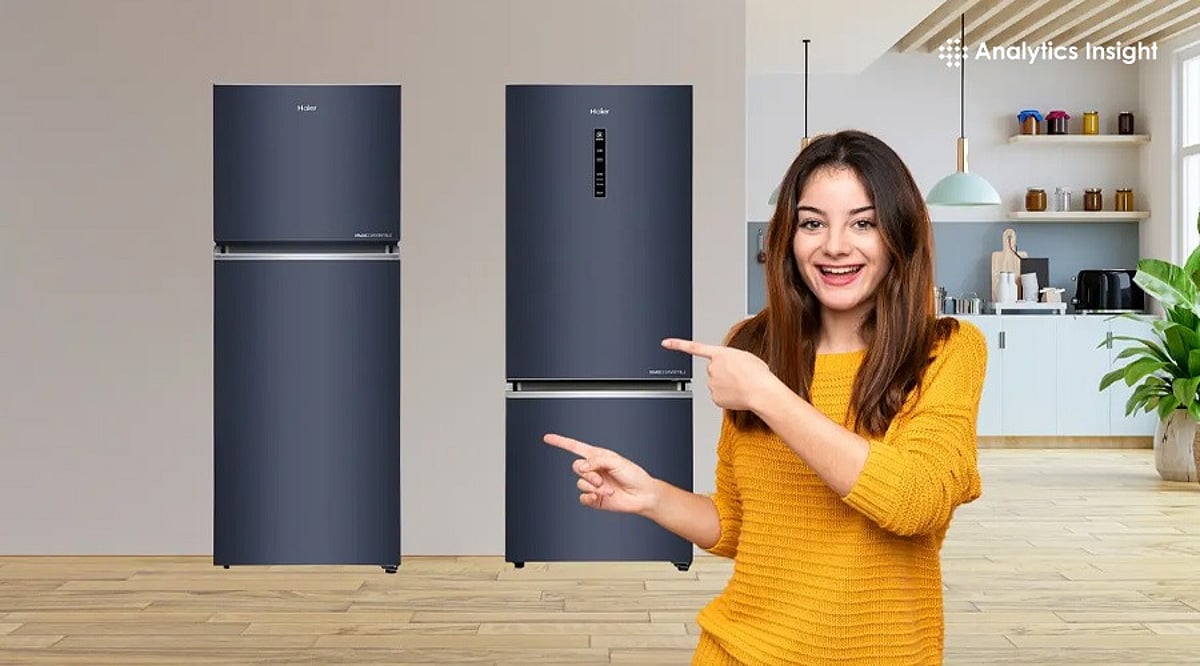
Tag: energy efficiency

  • Smart Ways to Lower Your Electricity Bill with an Older Refrigerator

    Smart Ways to Lower Your Electricity Bill with an Older Refrigerator

    Many households still use refrigerators that are over 10 years old. While they can continue working reliably, older models generally consume more electricity than modern energy-efficient appliances. Adopting a few smart habits can significantly reduce energy usage without immediately replacing the refrigerator.

    Set the Right Temperature

    Keeping the refrigerator colder than necessary wastes electricity. Experts recommend setting the refrigerator compartment between 3°C and 5°C and the freezer around -18°C. These settings keep food safe while helping the appliance operate more efficiently.

    Clean the Condenser Coils Regularly

    Dust and dirt on the condenser coils force the refrigerator to work harder, increasing power consumption. Cleaning the coils every few months improves cooling efficiency and can help reduce electricity usage, especially in older refrigerators.

    Check the Door Gasket

    A worn or loose rubber door seal allows cold air to escape, making the compressor run more frequently. Inspect the gasket for cracks or gaps and replace it if needed to improve energy efficiency and maintain consistent cooling.

    Avoid Overloading or Leaving It Nearly Empty

    An overcrowded refrigerator blocks proper airflow, while an almost empty one loses cold air more quickly whenever the door is opened. Keeping the refrigerator reasonably filled helps maintain a stable temperature and reduces unnecessary compressor operation.

    Keep the Refrigerator Away from Heat Sources

    Placing the refrigerator next to ovens, gas stoves, or direct sunlight increases the workload on the compressor. Positioning it in a cool, well-ventilated area with sufficient space around the back improves efficiency and lowers electricity consumption.

    Replace It When Repairs Become Too Frequent

    If an old refrigerator requires repeated repairs or consumes unusually high electricity despite proper maintenance, upgrading to a modern energy-efficient model may reduce long-term operating costs. Although the initial investment is higher, lower electricity bills can offset the expense over time.

  • How AI, Data Sovereignty, and Sustainability Are Reshaping Cloud Strategy: Insights from OVHcloud’s Terry Maiolo

    How AI, Data Sovereignty, and Sustainability Are Reshaping Cloud Strategy: Insights from OVHcloud’s Terry Maiolo

    As AI accelerates cloud adoption, enterprises are placing greater emphasis on transparent pricing, energy-efficient infrastructure, data governance, and regulatory compliance to build resilient cloud strategies for long-term business growth.

    Key Takeaways

    • Cloud strategy is shifting beyond IT, with data sovereignty, compliance, and governance becoming critical business priorities worldwide.
    • Sustainable cloud infrastructure can reduce energy use, improve efficiency, and support AI workloads without compromising performance or security.
    • Businesses should evaluate cloud providers based on transparent pricing, responsible data handling, and long-term scalability for AI-driven growth.

    Cloud computing is evolving rapidly, but businesses are also facing new challenges, including rising costs, security concerns, compliance requirements, AI-driven workloads, and sustainability goals. In this exclusive podcast interview, Priya Diyalani speaks with Terry Maiolo, Vice President and General Manager, APAC, at OVHcloud, about how organizations can build a cloud strategy that drives innovation, protects data, and supports long-term sustainability.

    Q: Could you tell us about OVHcloud, your role, and what makes the company different from other cloud providers?

    Absolutely. At OVHcloud, we are a pure cloud provider with 46 data centers across four continents and 30 local zones worldwide. In APAC, we operate one data center in Mumbai, two in Singapore, and three in Sydney, and I oversee the entire Asia-Pacific region. What makes us different is that we are a European cloud provider, so we comply with GDPR standards, giving customers greater data sovereignty. Another major difference is that we build our own servers and use our direct-to-chip water cooling technology, which we have developed over the last 20 years. This allows us to run data centers without traditional air conditioning while improving energy efficiency.

    Q: Regulations and global developments are changing the cloud industry. How are these factors influencing enterprise decisions?

    I believe cloud decisions are no longer only about technology. Businesses are becoming much more aware of where their data is stored and who has access to it. Regulations like India’s Data Protection Act are encouraging organizations to take data sovereignty seriously. At the same time, many customers are looking for cloud providers that are not governed by laws such as the US Cloud Act. I see cloud strategy becoming a discussion about business, governance, and compliance rather than just an IT decision.

    Q: Sustainability has become a major boardroom topic. How is OVHcloud approaching it?

    We believe sustainability should not come at the cost of performance. Our direct-to-chip water cooling captures heat directly from the processors, so we use less electricity and less water while increasing server density. We also manufacture our own servers, extend their life through reuse, recycle components whenever possible, and have achieved zero waste. I think organizations can meet sustainability goals while still improving efficiency and reducing costs.

    Q: AI is changing how data is created and used. How should businesses think about data sovereignty today?

    I think companies need to consider two things: how they use their own data and how their cloud provider handles it. At OVHcloud, we have made a clear decision not to monetize customer data in any form. At the same time, I believe businesses need a provider with a global presence so their data stays close to their operations while maintaining security, compliance, and low latency.

    Q: AI is increasing the demand for computing power. How can organizations balance AI growth with sustainability?

    I believe this is one of the biggest challenges for the industry. AI requires more computing power, energy, and infrastructure, so cloud providers must continue improving efficiency. I also encourage businesses to ask cloud providers about hidden costs, including data transfer fees, because these can become significant as AI usage grows. Sustainable infrastructure should also provide predictable costs.

    Q: Finally, what does a successful cloud strategy look like over the next decade?

    I believe organizations should move beyond talking about sustainability and sovereignty and start putting those goals into action. Responsible cloud infrastructure already exists, and businesses do not have to choose between performance, security, sustainability, and cost. I believe they can achieve all of these together by selecting the right cloud partner and making long-term strategic decisions.

  • Top Samsung Refrigerators with Digital Inverter Technology in 2026: A Complete Buying Guide

    Top Samsung Refrigerators with Digital Inverter Technology in 2026: A Complete Buying Guide

    Samsung’s inverter refrigerators combine AI-powered cooling, energy efficiency, smart connectivity, and modern designs. From compact single-door models to premium Family Hub refrigerators, this guide compares features, pricing, and the best options for every household.

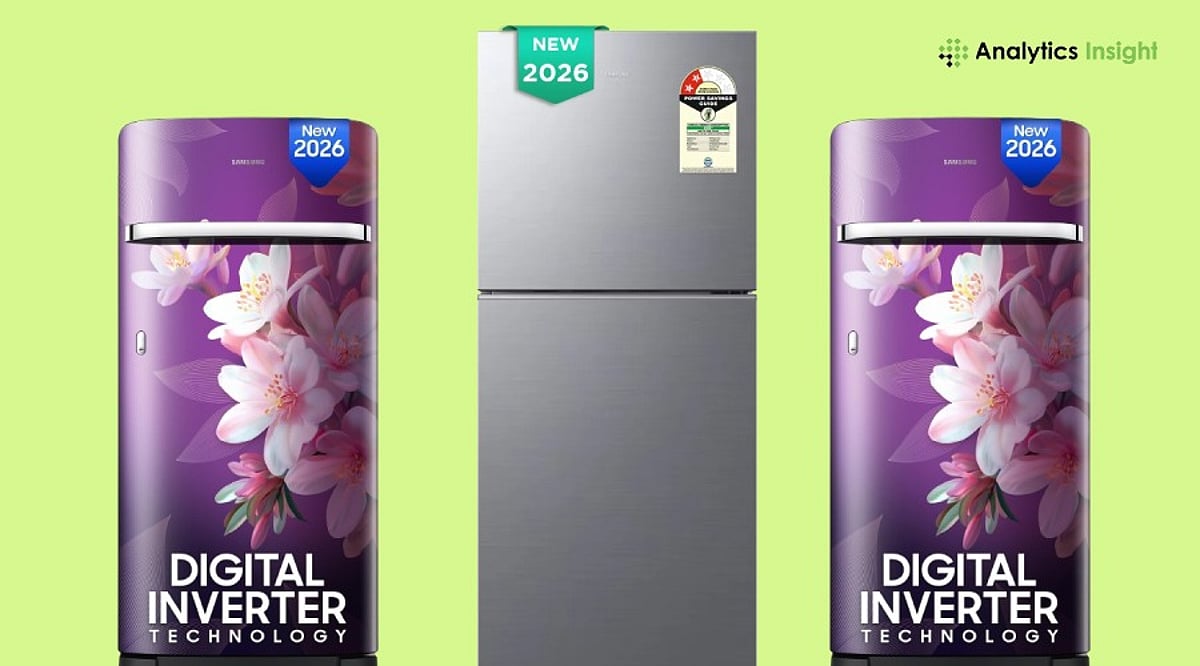
    Samsung is leading the refrigerator market with its futuristic inverter technology. The inverter models, coupled with smart technology, allow the refrigerator to adjust compressor speed based on the cooling needs. It ensures consistent freshness, quieter performance, and exceptional energy savings.

    Inverter technology has massively raised the benchmark in the cooling device industry. Unlike conventional refrigeration, which operates on fixed cooling cycles, Samsung’s inverter refrigerators raise the bar by adjusting the cooling with its Smart Cooling technology, adapting to various needs and conditions. From premium AI-powered Family Hub designs to compact single-door options, the brand offers options that keep every type of buyer interested. Samsung’s inverter technology has proven essential for efficiency and sustainable living, which define the modern lifestyle.

    Best Samsung Refrigerators with Digital Inverter Technology in 2026

    Samsung Bespoke AI Family Hub (653L, Side-by-Side)

    The Bespoke AI Family Hub suits large families and tech-savvy users who need personalized cooling and quick adaptation to certain occasions. It has Twin Cooling Plus and frost-free features, delivering exceptional cooling options. It is AI-powered with Gemini that tracks food expiry and provides timely notifications. A 21.5-inch touchscreen, WiFi, and SmartThings are some useful integrations that take refrigeration beyond just keeping the food cool. It has a 3-star energy efficiency rating that consumes 450-500 units of electricity per year. Samsung Bespoke AI Family Hub is currently priced between Rs. 77,000 and Rs. 90,000.

    Samsung RT38DG5A4DBXHL (350L, Double Door)

    The Samsung RT38DG5A4DBXHL is highly compatible with mid-sized families whose needs are limited yet require adaptive features on different occasions. It has frost-free technology that uses sensors and a heating coil to detect and automatically melt ice buildup. This model has a 3-star energy efficiency rating and is priced between Rs. 40,000 and Rs. 50,000.

    Samsung RR23 (215L, Single Door)

    The Samsung RR23 is a game-changer for small families or bachelors with limited needs. It is certified with a 4-star BEE (Bureau of Energy Efficiency) rating. It has a compact design with an antibacterial gasket that prevents bacterial infestation. Samsung RR23 is priced at Rs. 21,690.

    Samsung RS76CG8003S9HL (653L, Side-by-Side)

    The Samsung RS76CG8003S9HL is strictly for premium buyers who are into sustainable living and modern stylistic features. It has SpaceMax technology that optimizes space with thinner interior walls, providing more room for food storage. It has a twin cooling system, which controls the temperature of the fridge and freezer separately. The AI energy mode makes up for its smart intelligence that indicates essential information.

    Samsung RT34 (330L, Double Door)

    The Samsung RT34 caters to the needs of medium-range families and targets the middle-class society. It is equipped with a WiFi-enabled feature that delivers all-round connectivity. A convertible freezer turns the fridge into an ice-building space. The Twin Cooling system maintains the fridge and freezer temperature separately. Samsung RT34 is priced modestly at Rs. 45,990.

    Final Thoughts

    For tech-savvy large families, the Samsung Bespoke AI Family Hub is the best option, as it offers a wide range of advanced features and ample storage space. The Samsung RT38DG5A4DBXHL best suits mid-sized families who value both advanced features and compact space. The Samsung RR23 single-door refrigerator is versatile and well-suited to small homes and bachelors. Meanwhile, the Samsung RS76CG8003S9HL appeals to the premium buyer segment. Samsung inverter technology no doubt leads the market, offering advanced features and catering to all kinds of families. This technology saves big on electricity, providing style and substance.

    FAQs

    1. What is Samsung digital inverter technology?

    Samsung digital inverter technology automatically adjusts the compressor speed according to cooling requirements, reducing energy consumption, minimizing noise, and maintaining a consistent temperature.

    2. Are Samsung inverter refrigerators more energy-efficient than conventional refrigerators?

    Yes. Samsung inverter refrigerators consume significantly less electricity than conventional models by operating at variable compressor speeds instead of repeatedly switching on and off.

    3. Which Samsung refrigerator is best for a large family in 2026?

    The Samsung Bespoke AI Family Hub (653L) is an excellent choice for large families, offering spacious storage, AI-powered features, Twin Cooling Plus, and SmartThings connectivity.

    4. Do Samsung inverter refrigerators require a voltage stabilizer?

    Most Samsung inverter refrigerators can operate within a wide voltage range of approximately 90V–310V, allowing them to function without a separate voltage stabilizer under normal conditions.

    5. Which Samsung inverter refrigerator offers the best value for mid-sized families?

    Samsung RT38DG5A4DBXHL and Samsung RT34 are ideal for mid-sized families, combining energy efficiency, frost-free operation, smart features, and ample storage at competitive prices.

  • Top 1-Ton Inverter ACs for 2026: Fast Cooling & Lower Energy Bills

    Top 1-Ton Inverter ACs for 2026: Fast Cooling & Lower Energy Bills

    India’s cooling season now spans ten months, making a reliable 1-ton inverter split AC essential for bedrooms, study rooms, and home offices under 110 sq. ft. These units deliver sufficient cooling without the high running costs of larger models. However, the real difference between a smart purchase and a regret often lies beyond the box.

    The Metric That Actually Matters

    Star ratings only tell part of the story. The Indian Seasonal Energy Efficiency Ratio (ISEER) provides a more honest measure of real savings. Instead of testing at a single temperature, ISEER calculates cooling output per unit of electricity over an entire season.

    In 2026, the Bureau of Energy Efficiency (BEE) raised its standards. Some ACs that earned 5 stars under 2025 rules now only qualify for 4 stars—LG’s AS-Q13JNYE is a clear example. Always check the label’s date, not just the star rating in a listing.

    Six Models, Six Different Strengths

    LG US-Q14ENZE

    Verified ISEER of 5.25 and annual consumption of 515.84 units. The AI Dual Inverter compressor maintains efficient cooling under varying loads, while VIRAAT mode delivers faster temperature pull-down during peak summer afternoons. A 10-year compressor warranty provides the strongest long-term cover on this list.

    BUY NOW

    Panasonic CS/CU-EU12CKY5F

    Designed for year-round flexibility. Its 8-in-1 convertible cooling adjusts performance to suit changing weather and room usage, lowering power consumption when full capacity isn’t needed. Maintains cooling up to 55°C and includes app controls and DustBuster filtration.

    BUY NOW

    Daikin FTKM35U

    Built for long-term durability with a fully copper condenser and 3D airflow for even cooling. A practical option for homes where the AC runs for extended hours.

    BUY NOW

    Godrej AC 1.0T EC HIC 12J5TG WA

    Standout feature is a 5-year comprehensive warranty, far beyond the standard one-year cover. AI-powered operation and 5-in-1 convertible modes round out a unit built on after-sales confidence.

    BUY NOW

    Hitachi Yoshi V512PCBISH1

    Ideal for dusty or highly polluted areas. Its advanced filtration improves indoor air quality, while 4-way swing distributes cool air evenly. Durable copper tubing ensures dependable everyday performance.

    BUY NOW

    TCL 1 Ton 5 Star

    The value pick of the group. Features a 7-step convertible mode and blue fin coating for corrosion resistance. Delivers genuine inverter benefits without the premium markup of flagship brands.

    BUY NOW

    Buying Mistakes That Undo the Savings

    • Choosing an AC too small for the room: Using a 1-ton unit in spaces larger than 130 sq. ft. forces it to operate continuously at peak load.
    • Trusting star ratings alone: Ignoring the 2026 relabeling means paying premium prices for outdated efficiency claims.
    • Ignoring hidden costs: Skipping installation and stabilizer expenses erodes upfront savings.
    • Paying for unused features: Wi-Fi-enabled models cost more but add no value if the app goes unused.

    Matching the Model to the Room

    • Small bedroom, 6–8 hours daily use: LG US-Q14ENZE or Godrej AC 1.0T EC HIC 12J5TG WA.
    • Dusty or humid cities: Hitachi Yoshi V512PCBISH1 offers the strongest filtration.
    • Tight budget: TCL 1 Ton 5 Star delivers genuine inverter benefits without the premium markup.

    Final Thoughts

    The 2026 BEE revision signals a broader shift: efficiency claims that once held steady for years now require annual verification. Buyers who treat star ratings as static risk paying premium prices for outdated efficiency. The models built to last through repeated rating cycles—not just this year’s label—will define real long-term value in India’s cooling market.

    FAQs

    1. Is a 1-ton inverter AC suitable for every room?

    A 1-ton inverter AC is best for rooms up to 120–130 sq. ft. Larger spaces may require a 1.5 ton AC for efficient cooling.

    2. How does an inverter AC help reduce electricity bills?

    An inverter AC adjusts compressor speed based on cooling demand, improving energy efficiency and reducing power consumption during regular use.

    3. What should be considered when buying a 1-ton inverter AC?

    Look for room size compatibility, high ISEER rating, BEE star rating, copper condenser, inverter compressor, convertible cooling modes, and a reliable warranty.

    4. Does a higher ISEER rating make a difference?

    Yes. A higher ISEER indicates better energy efficiency, meaning the AC consumes less electricity over an entire cooling season.

    5. Which features provide faster cooling?

    Turbo or Quick Cool mode, powerful airflow, inverter compressor technology, and convertible cooling modes help reduce room temperature quickly while maintaining energy efficiency.

  • Best Energy-Efficient Graphics Cards of 2026: Nvidia, AMD, and Intel Options

    Best Energy-Efficient Graphics Cards of 2026: Nvidia, AMD, and Intel Options

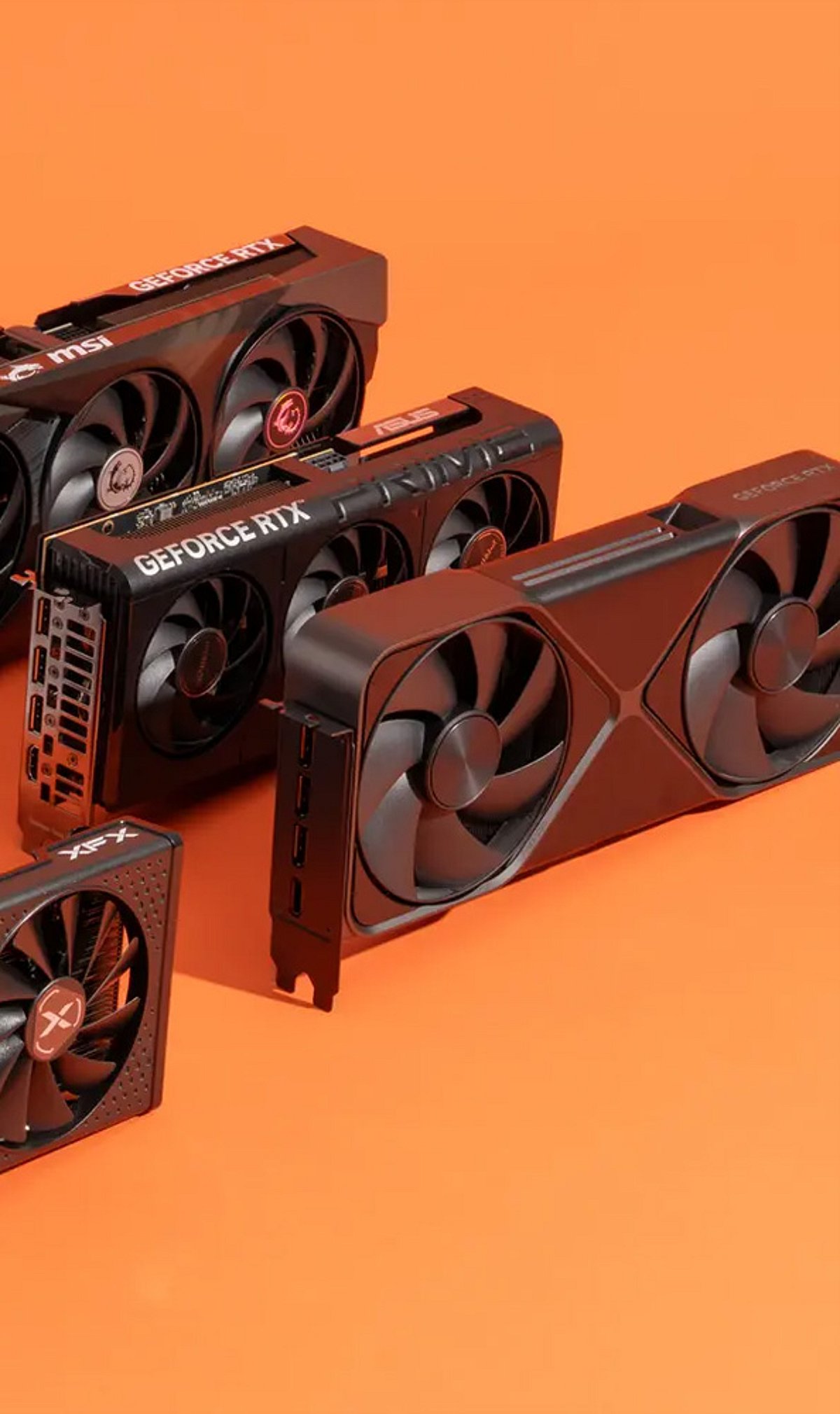
    As power efficiency becomes a top priority for gamers, creators, and enterprise users, the graphics card market in 2026 offers several compelling options that balance performance with lower energy consumption. From mainstream gaming GPUs to professional workstation cards, here are the most energy-efficient graphics cards to consider this year.

    Consumer Gaming GPUs

    NVIDIA GeForce RTX 5060

    Delivers excellent 1080p gaming performance with improved AI features, lower power consumption, and efficient thermal management for mainstream users.

    NVIDIA GeForce RTX 5070

    Balances performance and efficiency through advanced architecture, supporting demanding games, AI workloads, and creative applications with optimized power usage.

    AMD Radeon RX 9060 XT

    Offers competitive gaming performance, efficient power utilization, modern ray tracing capabilities, and excellent value for performance-conscious buyers worldwide.

    AMD Radeon RX 9070

    Provides efficient graphics processing, strong rasterization performance, enhanced AI acceleration, and balanced energy consumption across demanding gaming workloads consistently.

    Intel Arc B580

    Affordable graphics solution delivering respectable gaming capabilities, AI acceleration, media encoding improvements, and competitive efficiency for mainstream desktop users today.

    Professional Workstation GPUs

    NVIDIA RTX 5000 Ada Generation

    Professional workstation GPU delivering exceptional AI computing, rendering performance, advanced graphics capabilities, and optimized energy efficiency for enterprise professionals.

    AMD Radeon PRO W7800

    Professional graphics card balancing workstation performance, AI acceleration, content creation capabilities, and efficient power management for demanding production environments.

    NVIDIA RTX 4000 Ada Generation

    Compact professional GPU offering efficient rendering, CAD acceleration, AI computing, and energy-conscious workstation performance across various industries globally.

    Intel Arc Pro B60

    Professional graphics solution designed for visualization, AI workloads, media production, and reliable power-efficient performance in enterprise computing environments effectively.

    Whether you are building a gaming rig or outfitting a workstation, these energy-efficient graphics cards help reduce electricity costs and heat output without sacrificing performance.

  • IBM’s Sub-1nm Chip Breakthrough Paves the Way for Next-Generation AI

    IBM’s Sub-1nm Chip Breakthrough Paves the Way for Next-Generation AI

    IBM is pushing the boundaries of chip technology with a groundbreaking processor smaller than 1 nanometer. This achievement could redefine the performance and efficiency of artificial intelligence systems.

    Why Chip Size Matters

    Smaller chips deliver higher performance while consuming less power. For AI, this means faster processing and greater energy efficiency, enabling more complex models to run in real time.

    A Major Leap for AI

    IBM’s advanced chip research is designed to meet the growing demands of generative AI and machine learning workloads. The new architecture promises to handle massive data sets more quickly than existing technologies.

    Faster AI Processing

    By shrinking transistor dimensions below 1 nanometer, IBM has created a chip that can process information at unprecedented speeds. This directly benefits AI models that rely on rapid data analysis.

    Energy Efficiency and Sustainability

    Lower power consumption reduces operational costs and makes AI infrastructure more environmentally sustainable. Data centers, in particular, stand to gain from reduced energy use.

    Impact on Data Centers and Cloud Providers

    Cloud providers can deploy servers that handle AI tasks with far greater efficiency, leading to faster response times and lower overhead. This breakthrough positions IBM as a key player in next-generation computing.

    Beyond Today’s Processors

    The achievement highlights how semiconductor innovation continues to drive the future of computing. While commercial production may take years, IBM’s research points the way toward more powerful AI hardware.

    What It Means for Businesses

    Industries such as healthcare, finance, manufacturing, and research will benefit from faster, more affordable AI-powered applications. The sub-1nm chip could accelerate everything from drug discovery to autonomous systems.

    The road ahead is promising, and IBM’s breakthrough signals a new chapter in AI hardware development.

  • Bottom Freezer vs Top Freezer Refrigerators: Which Layout Suits Your Kitchen Best?

    Bottom Freezer vs Top Freezer Refrigerators: Which Layout Suits Your Kitchen Best?

    Choosing between a bottom freezer and a top freezer refrigerator is about more than appearance. Freezer placement affects daily convenience and food organization, and the right layout depends on how your household shops, cooks, and stores groceries.

    Two Layouts, Two Different Priorities

    Top freezer refrigerators put frozen food at eye level and fresh food below. This arrangement is familiar to most households and works well for those who rely on frozen meals, stock up on bulk frozen goods, or prefer a straightforward design. The shelving is open, and large frozen packages fit without much effort.

    Bottom freezer refrigerators reverse that layout. Fresh food sits at eye level, making fruits, vegetables, dairy, leftovers, and drinks easily accessible without bending. For households that cook regularly and access the refrigerator section constantly throughout the day, that single ergonomic shift matters more than any feature on the product label.

    The choice is not about which design is superior, but which one fits how your household actually uses food.

    Storage That Matches How You Cook

    Neither layout organizes food better in an absolute sense. They organize it differently, and the right system depends on your habits.

    Top freezer models use open shelves in the freezer compartment, making it easy to see everything at once and stack large packages without rearranging. The refrigerator section follows a shelf arrangement that most people can navigate without thinking.

    Bottom freezer refrigerators typically use pull-out drawers with divided sections. This works well for separating proteins, vegetables, prepared meals, and frozen desserts without creating a cluttered pile. Large frozen items can occasionally be harder to fit in drawer-based systems than on open shelves, which is worth considering for households that buy in bulk.

    The Energy Efficiency Question

    Freezer location plays a smaller role in energy consumption than most buyers assume. Compressor quality, insulation thickness, and temperature management systems matter far more. Top freezer refrigerators have historically performed well on energy consumption, partly because of their simpler construction and airflow design.

    Today, that efficiency gap is much smaller. Modern bottom freezer models with inverter compressors and improved insulation now perform comparably in most real-world conditions. When evaluating running costs, Energy Star certifications and published energy ratings give a more accurate picture than freezer placement alone.

    What the Price Difference Actually Reflects

    Top freezer refrigerators cost less, and the gap is real. Their simpler engineering and fewer specialized components keep purchase prices down. For buyers who want reliable, no-fuss performance without a high upfront investment, they remain one of the strongest value options available.

    Bottom freezer refrigerators carry a higher price, and most of that premium reflects the pull-out drawer system and ergonomic layout rather than better cooling technology. The additional cost buys convenience, not superior refrigeration.

    Matching the Refrigerator to Your Life

    Households that cook frequently and access fresh food throughout the day are likely to appreciate a bottom freezer layout. Households that prioritize frozen food storage, prefer a familiar design, or are working within a tighter budget often find top freezer models more practical and comfortable over the long term.

    Which Refrigerator Fits You?

    The debate between bottom-freezer and top-freezer refrigerators is not about one design replacing the other. Both have earned their place in kitchens for sound reasons. Bottom freezer models reduce the physical effort of daily cooking. Top freezer models offer simplicity, reliability, and honest value. Understanding how your household shops, stores, and prepares food is a more reliable guide than comparing specifications alone.

    There is no universally better refrigerator layout. Bottom freezer and top freezer designs solve different problems. The right choice depends on your everyday habits, accessibility needs, and budget.

  • MIT Spinout Ferveret Uses Nuclear-Inspired Cooling to Slash Data Center Energy and Water Use

    MIT Spinout Ferveret Uses Nuclear-Inspired Cooling to Slash Data Center Energy and Water Use

    Data centers are expanding rapidly to support the rise of artificial intelligence, and their energy consumption is projected to account for up to 17 percent of U.S. electricity by the end of the decade. Currently, about one-third of that power goes toward cooling the chips that run AI models. A new startup founded by two MIT researchers aims to change that by adapting a technique originally designed for nuclear reactors.

    Ferveret, co-founded by former MIT postdoc Reza Azizian and MIT Professor Matteo Bucci, has developed a liquid cooling system that uses no water and significantly less electricity than traditional air-based methods. The system submerges computer servers in a specialized fluid that absorbs heat far more efficiently than air. What sets it apart from other liquid cooling solutions is the size and behavior of the bubbles it generates: Ferveret’s Adaptive Phase Cooling (APC) technology produces much smaller bubbles that detach from the server surfaces more frequently, accelerating the heat transfer process.

    The company is already testing its technology with several major players, including CleanSpark, FuriosaAI, and Switch, one of the largest data center operators in the U.S. In collaboration with UCLA’s computer science department, Ferveret demonstrated that its APC solution improves computational power efficiency by 15 percent compared to state-of-the-art liquid cooling. When combined with the startup’s power control software, the system can boost the number of tokens generated per watt by up to 35 percent, according to the company.

    “Our goal is to make data centers as sustainable as possible and help them use every single watt of power to generate tokens, which are the most useful outputs,” says Azizian. “Our system enables the operation of more powerful chips, it helps data centers waste a lot less energy, and it accomplishes all that with zero water consumption.”

    The founders’ journey began during Azizian’s postdoc at MIT in 2013, where he worked with Bucci on heat transfer in nuclear reactors. After stints at Microsoft and Nvidia, Azizian realized the cooling inefficiencies in data centers firsthand. “I thought, ‘Holy crap, this is not how you cool facilities,’” he recalls. The pair founded Ferveret in 2021, applying decades of knowledge from nuclear engineering to optimize heat removal in computing environments.

    Ferveret’s system uses a liquid with a low boiling point and no toxic PFAS chemicals. The process, inspired by subcooled boiling in reactors, creates bubbles that quickly recondense, hastening the cooling cycle. The modular design—each server fits into a small box—makes deployment easier than traditional immersion tanks. The company also offers control software that dynamically adjusts power to each server for maximum efficiency.

    Beyond energy savings, the water-free cooling opens new possibilities for data center location. “The sun shines in places where you don’t have much water, so the advantage of us being water-free is we allow you to build data centers where you have solar energy but nothing to cool the data center down,” says Bucci. This could enable data centers in regions like Africa, the Middle East, and parts of America that lack water resources.

    Ferveret is part of Nvidia’s Inception program and is in talks with major cloud computing companies. The startup plans to announce expanded partnerships later this year as it scales its technology to support the growing AI industry without straining the planet.

  • 2026 Air Conditioner Buying Guide: How to Pick the Perfect AC for Your Home

    2026 Air Conditioner Buying Guide: How to Pick the Perfect AC for Your Home

    Summer in India is growing longer and more intense each year, making air conditioners essential for most households. However, buying an AC today involves more than just picking the brand with the best discount. With many options available, each choice affects cooling efficiency and electricity consumption.

    Many people base their purchase solely on price, only to end up with high electricity bills and poor cooling. Proper selection requires matching the room’s cooling needs with the right unit. Ignoring factors like room size, sunlight exposure, insulation, and occupancy can lead to unsatisfactory results.

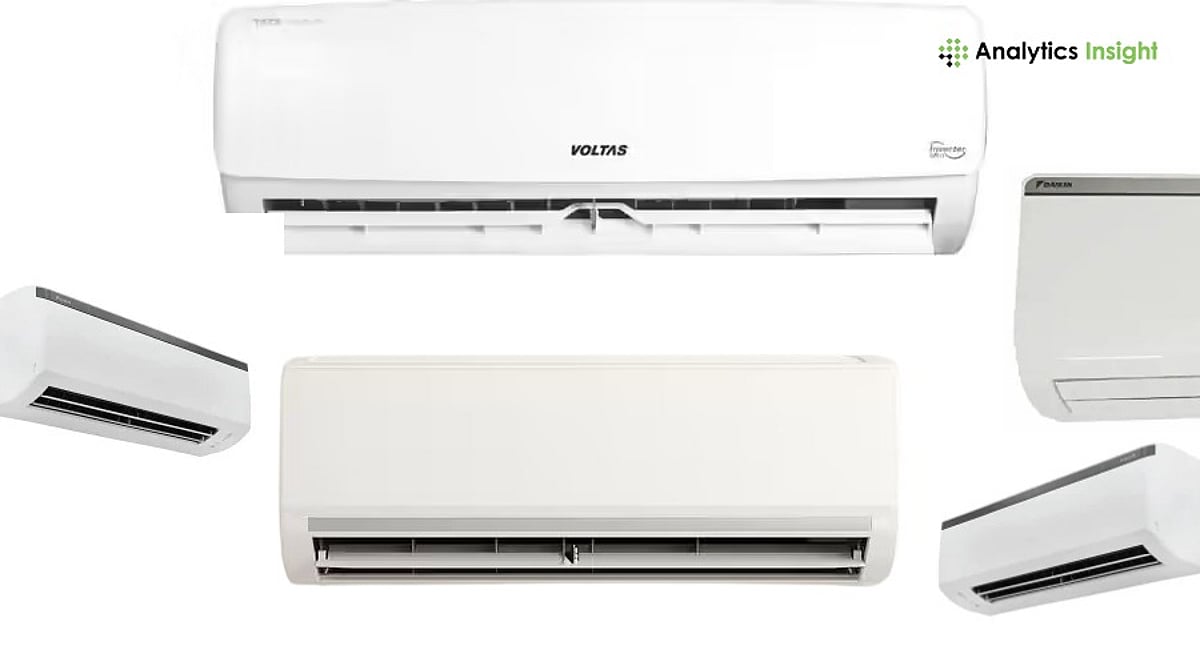
    Technological advancements add complexity. Inverter ACs offer energy efficiency and consistent cooling, while non-inverter models are cheaper upfront. Star ratings measure efficiency, but their value depends on usage frequency. Popular brands like LG, Daikin, Voltas, and Samsung offer numerous models, but the right choice depends on individual requirements rather than brand preference.

    This guide walks you through a step-by-step approach to selecting the best AC for your home or business—from unit size and type to energy efficiency and power consumption. It also covers pre-purchase considerations and common mistakes to avoid.

    How to Choose the Best Air Conditioner for Your Home

    The selection process should start by analyzing room conditions, not by picking a random model. Cooling capacity is influenced by room dimensions, ceiling height, sunlight, insulation, and the number of occupants. A small bedroom with limited sunlight behaves differently from a large, sunlit living room.

    The AC’s capacity—measured in tons—is the key criterion. An undersized unit cannot cool properly and runs continuously, increasing energy costs. Modern inverter ACs from LG and Daikin adjust compressor speed based on demand, maintaining consistent temperatures and reducing power usage—especially beneficial in India’s fluctuating climate.

    Usage pattern matters too. Bedrooms need long cooling hours, making inverter models from Samsung or Voltas ideal. Living rooms used briefly may not require advanced modulation. Energy savings are critical for long-term cost reduction, and high-star models from Blue Star and Hitachi help lower bills. Noise level is also important, especially for bedrooms and studies; split ACs are quieter than window units.

    Smart features like Wi-Fi connectivity and AI-driven cooling, available on LG and Samsung models, add convenience but should not distract from core considerations like efficiency.

    1 Ton vs 1.5 Ton vs 2 Ton AC: Which Is Right for You?

    Choosing the correct capacity directly impacts cooling performance and power consumption. Knowing the differences between 1-ton, 1.5-ton, and 2-ton ACs helps avoid a common mistake.

    • 1 Ton: Suitable for rooms up to 120 square feet, especially compact bedrooms with low sunlight.
    • 1.5 Ton: Ideal for rooms between 120 and 180 square feet.
    • 2 Ton: Best for larger spaces above 180 square feet or rooms with high heat load.

    Brands like Voltas and Blue Star offer reliable options across segments. Daikin and Hitachi provide high-performance models that handle extreme heat due to advanced compressor design. Room size alone doesn’t determine capacity: sunlight exposure, insulation, occupancy, and electronic devices all contribute to cooling demand. West- or south-facing rooms may need higher tonnage. Poor insulation allows heat ingress, increasing load.

    Choosing a lower capacity to save money often backfires, resulting in longer runtime and higher bills. Slightly oversizing can improve cooling performance in hot climates.

    AC Room Size Calculator: Determining the Right Capacity

    A room-size calculator simplifies selection by converting room conditions into the appropriate capacity. Start by measuring length and width to get square footage. For example, a 10×12 room is 120 sq ft. Adjust for sunlight: rooms with direct sun may need 10-15% extra capacity. Higher ceilings increase air volume. Electronic devices also add heat load.

    General guideline:

    • Up to 120 sq ft → 1 Ton
    • 120-180 sq ft → 1.5 Ton
    • 180-250 sq ft → 2 Ton

    These numbers serve as a base; actual conditions may vary. Brands like Daikin and Hitachi excel in high-heat scenarios.

    Split AC vs Window AC: Which Is Better for Home Use in 2026?

    Split and window ACs differ in design, operation, and user experience. Split systems have indoor and outdoor units, offering quieter operation and better airflow. LG, Daikin, and Samsung specialize in these. Window ACs combine everything in one unit, making them easier to install and more affordable. Voltas and Blue Star are key manufacturers.

    Split ACs generally provide more even cooling, lower noise, and slightly better energy efficiency. They also look sleeker. However, maintenance involves both units. The choice depends on budget and room requirements.

    Inverter AC vs Non-Inverter AC: Which One Should You Buy in 2026?

    The main difference lies in compressor operation. Inverter ACs adjust compressor speed based on demand, delivering steady temperatures and lower energy consumption. LG, Daikin, and Samsung lead in this technology. Non-inverter ACs run at full speed and cycle on/off, which causes temperature fluctuations and higher power usage. Voltas and Blue Star offer affordable non-inverter models.

    Inverter models cost more upfront but save money over time through reduced electricity bills. For daily long-hour use, inverters are preferable; for occasional use, non-inverters may suffice. Modern inverter systems have improved durability and are now the preferred choice for most households.

    Best Energy-Efficient AC in India: 5-Star vs 3-Star Comparison

    Energy efficiency directly affects electricity bills. The Bureau of Energy Efficiency (BEE) star rating indicates efficiency: a 5-star AC consumes significantly less power than a 3-star model of the same capacity. For units running 6-10 hours daily, the savings are substantial.

    Top brands like LG, Daikin, and Hitachi offer efficient models with advanced compressors. Voltas and Blue Star provide 3-star options that are cheaper upfront but may cost more in the long run. In hot regions, a 5-star AC pays off quickly.

    How Much Electricity Does an AC Consume?

    Electricity consumption depends on capacity, usage, and efficiency. A 1-ton AC typically uses 0.8-1 unit per hour; 1.5-ton uses 1.2-1.5 units; 2-ton up to 2 units. Inverter ACs minimize consumption by running only as needed, while non-inverters consume more due to start-stop cycles.

    Setting the thermostat to 24-26°C is ideal. Room conditions like insulation, open windows, and sun exposure affect usage. Regular maintenance—clean filters and adequate refrigerant—keeps performance optimal.

    Top AC Brands in India 2026

    • LG: Known for smart features, AI cooling, and inverter technology.
    • Daikin: Focus on performance and durability, strong cooling in extreme heat.
    • Voltas: Value for money, wide service network even in smaller cities.
    • Samsung: Sleek design and smart connectivity.
    • Blue Star & Hitachi: Reliable cooling performance.

    Service availability should guide your final decision—a strong local service network is more important than brand reputation alone.

    Things to Check Before Buying an Air Conditioner (Expert Checklist)

    • Capacity: Match to room size and conditions.
    • Energy rating: Higher star rating reduces long-term costs.
    • Condenser coils: Copper coils offer better durability and heat transfer.
    • Installation requirements: Include piping, brackets, labor costs.
    • Noise levels: Especially important for bedrooms.
    • Filters: Anti-dust and anti-bacterial improve air quality.
    • Warranty: Compressor warranties often up to 10 years.
    • After-sales service: Availability of service centers and response times.
    • Electrical compatibility: Ensure proper voltage and power supply.

    Common AC Buying Mistakes to Avoid in 2026

    • Wrong capacity: Undersizing leads to poor cooling and high bills; oversizing causes inefficiency.
    • Ignoring energy ratings: Leads to higher long-term costs.
    • Choosing brand over service: Even top brands fail without good local support.
    • Overlooking installation costs: Can significantly increase total expense.
    • Buying based on discounts or season without research.
    • Neglecting room conditions like sunlight and insulation.
    • Skipping maintenance: Regular servicing ensures efficiency and longevity.

    Conclusion

    Buying an air conditioner requires more than comparing prices and brands. A structured approach ensures better performance, lower electricity bills, and long-term satisfaction. Start with correct capacity selection, then consider inverter vs non-inverter, energy ratings, and brand service network. By following the expert checklist and avoiding common pitfalls, you can make an informed choice that keeps your home comfortable for years.

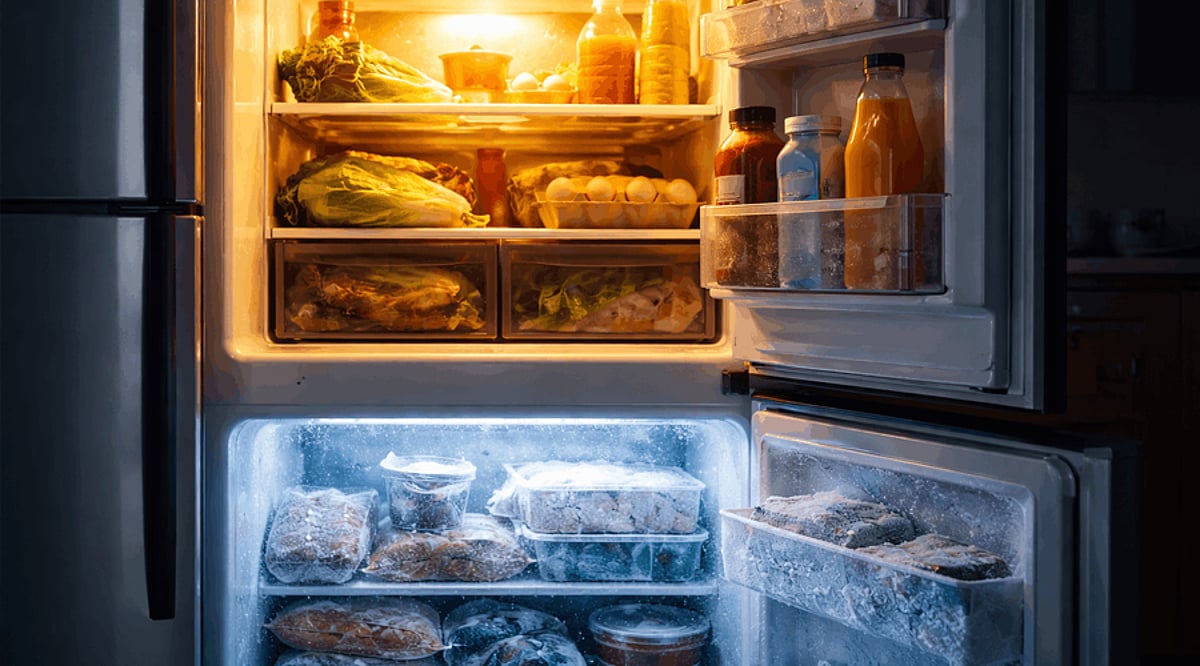
  • Ultra-Low-Power Chip Lets Tiny Robots Create Real-Time 3D Maps for Navigation

    Ultra-Low-Power Chip Lets Tiny Robots Create Real-Time 3D Maps for Navigation

    MIT researchers have unveiled a new chip that could transform how tiny, battery-powered robots navigate complex environments. The chip, named Gleanmer, enables small autonomous vehicles and other power-limited devices to build detailed 3D maps of their surroundings in real time while consuming only about 6 milliwatts of power — roughly the same as a single LED.

    Traditional 3D mapping systems require significant memory and energy because they store and process every pixel from depth images. The MIT team took a different approach, combining an efficient algorithm with custom hardware to dramatically reduce both power and memory demands.

    How Gleanmer Works

    Instead of representing the environment with rigid cube-shaped voxels (3D pixels), the chip uses flexible ellipsoid shapes called Gaussians. These ellipsoids can be smoothly adjusted in size, shape, and thickness to match curved objects more efficiently than voxels. This compact representation captures both obstacles and free space, allowing a robot to plan collision-free paths without storing massive amounts of data.

    The researchers leveraged an algorithm developed in their lab called GMMap, which generates Gaussian-based maps from depth images in a single pass. By only comparing each pixel to its immediate neighbors, the algorithm avoids storing entire images at once — significantly reducing memory footprint.

    “At any point in time, we only need to store a few pixels in memory, which significantly reduces the memory footprint our algorithm requires,” said co-lead author Peter Zhi Xuan Li, an MIT graduate student.

    Co-Design for Maximum Efficiency

    As a robot moves, it often sees the same object from multiple angles, creating overlapping Gaussians. The chip fuses these overlapping shapes directly — without revisiting the original pixels — keeping the map compact. This principle extends throughout the design: most computations operate on compact Gaussians rather than raw pixels, enabling major energy savings.

    The hardware is built to keep active Gaussians in small, fast on-chip memory right next to the processing units. This eliminates the need to fetch data from distant, power-hungry off-chip storage.

    “By having a dedicated memory that just stores the objects you’ve seen in the previous few frames, you can access the data much more efficiently,” explained co-lead author Zih-Sing Fu.

    Real-World Testing and Future Applications

    The team tested Gleanmer on diverse 3D environments and live data from an iPhone camera. The chip generated accurate maps in real time while using just 2.5% of the power required by the best existing map-construction chip. It also allowed a simulated robot to plan safe trajectories using only about 20% of the energy it would otherwise need.

    Beyond robotics, the ultra-low-power operation makes the chip well-suited for lightweight augmented reality headsets that can be worn for extended periods — for applications like medical training simulations or detailed repair work.

    “Real-time 3D mapping has been the missing piece for small autonomous systems. A drone inspecting a pipeline or a pair of AR glasses navigating a room both need to understand the space around them — instantly, continuously, and at almost no power cost. Gleanmer makes that possible for the first time in a chip you can hold between your fingers,” said co-author Sertac Karaman, a professor of aeronautics and astronautics.

    The work was supported by the MIT-MathWorks Fellowship, Amazon, the U.S. National Science Foundation, and Intel. The paper was presented at the IEEE Very Large-Scale Integrated Circuits Symposium.