
Tag: energy storage

  • Beyond Cars: Surprising Tesla Innovations You Didn’t Know About

    Beyond Cars: Surprising Tesla Innovations You Didn’t Know About

    Tesla is widely known as a trailblazer in the electric vehicle (EV) market, but the company’s ambitions stretch far beyond cars. From energy storage to robotics and artificial intelligence, Tesla is quietly building a portfolio of products that could reshape multiple industries. Here’s a look at some of the most surprising things Tesla makes that aren’t electric vehicles.

    Tesla Energy Products

    Tesla’s energy division is a major part of its business. The company produces solar panels, the Solar Roof (a roofing material with integrated solar cells), the Powerwall (a home battery), and the Megapack (a utility-scale battery system). These products allow homes, businesses, and utilities to generate, store, and manage renewable energy, reducing reliance on fossil fuels.

    Optimus Humanoid Robot

    First unveiled in 2021, the Tesla Optimus humanoid robot is designed to handle repetitive, dangerous, or physically demanding tasks. Currently being tested inside Tesla factories, Optimus is envisioned for future roles in warehouses, manufacturing, logistics, and even household chores. It represents Tesla’s push into advanced robotics and automation.

    Dojo AI Supercomputer

    Dojo is Tesla’s custom-built supercomputer, purpose-designed to train the neural networks behind its Full Self-Driving (FSD) technology. Instead of relying on third-party hardware like Nvidia GPUs, Dojo uses Tesla’s own D1 chips to process massive amounts of video data efficiently. This specialized architecture accelerates AI model training and gives Tesla greater control over its autonomous driving development.

    Tesla AI Chips

    Tesla designs its own artificial intelligence chips for use in its vehicles. These custom processors handle billions of calculations per second to power features like Autopilot and Full Self-Driving. By developing proprietary silicon, Tesla reduces dependency on external suppliers and optimizes performance for its specific needs.

    Tesla Supercharger Network

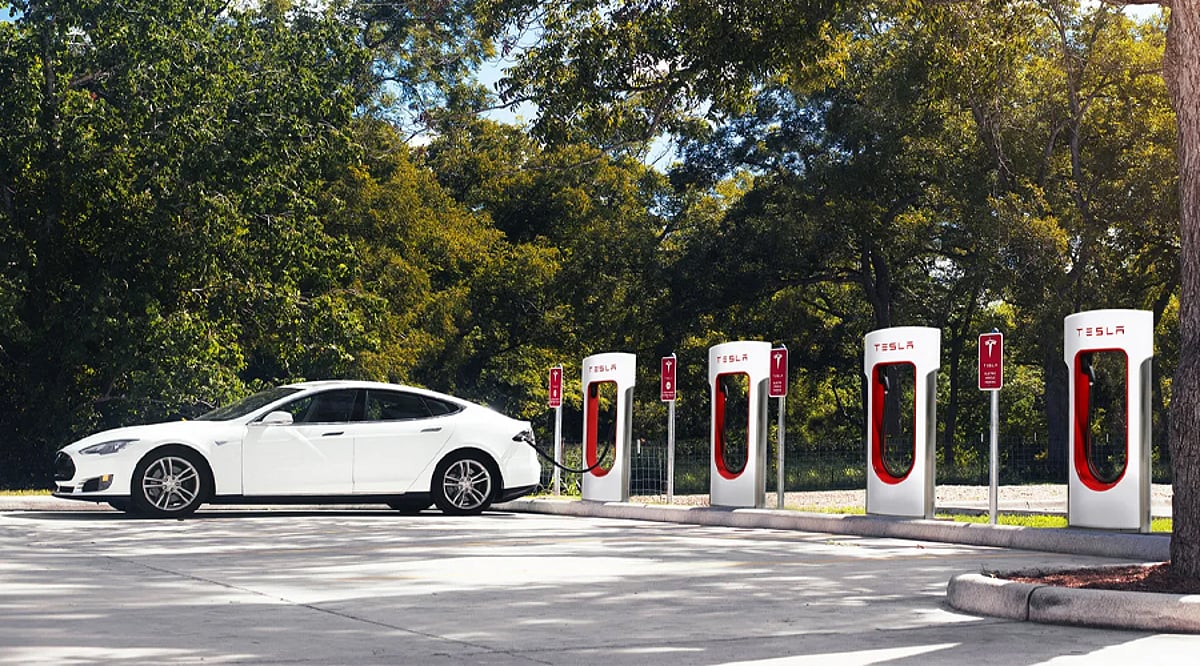
    While originally built exclusively for Tesla vehicles, the Supercharger network has evolved into a standalone infrastructure business. Tesla designs, manufactures, installs, and operates thousands of fast-charging stations worldwide. In many regions, non-Tesla EVs can now use Superchargers via compatible connectors, making the network a vital part of the broader EV ecosystem.

    Tesla Solar Roof

    The Solar Roof is a premium product that replaces traditional roofing materials with durable glass tiles that generate electricity. Unlike bulky solar panels mounted on top of an existing roof, the Solar Roof blends seamlessly with the home’s design. It allows homeowners to produce renewable energy without compromising aesthetics.

    Megapack Grid Batteries

    Megapack is Tesla’s large-scale energy storage solution for utility companies and commercial projects. These massive batteries store energy from renewable sources like solar and wind farms, then discharge it when demand is high. Utilities around the world use Megapacks to stabilize the grid, prevent blackouts, and support the transition to cleaner energy.

    Tesla’s ventures into energy, robotics, AI, and infrastructure show that the company is far more than an automaker. These innovations highlight a broader mission to accelerate the world’s transition to sustainable energy and intelligent automation.

  • India’s Fastest-Growing Green Careers in 2026: Opportunities and Insights

    India’s Fastest-Growing Green Careers in 2026: Opportunities and Insights

    India’s push toward renewable energy and sustainability is creating a surge in green jobs. By 2026, several specialized roles are expected to see rapid growth, driven by government initiatives, private investment, and global climate commitments. Here are the top green careers shaping the country’s workforce.

    Solar Energy Engineers

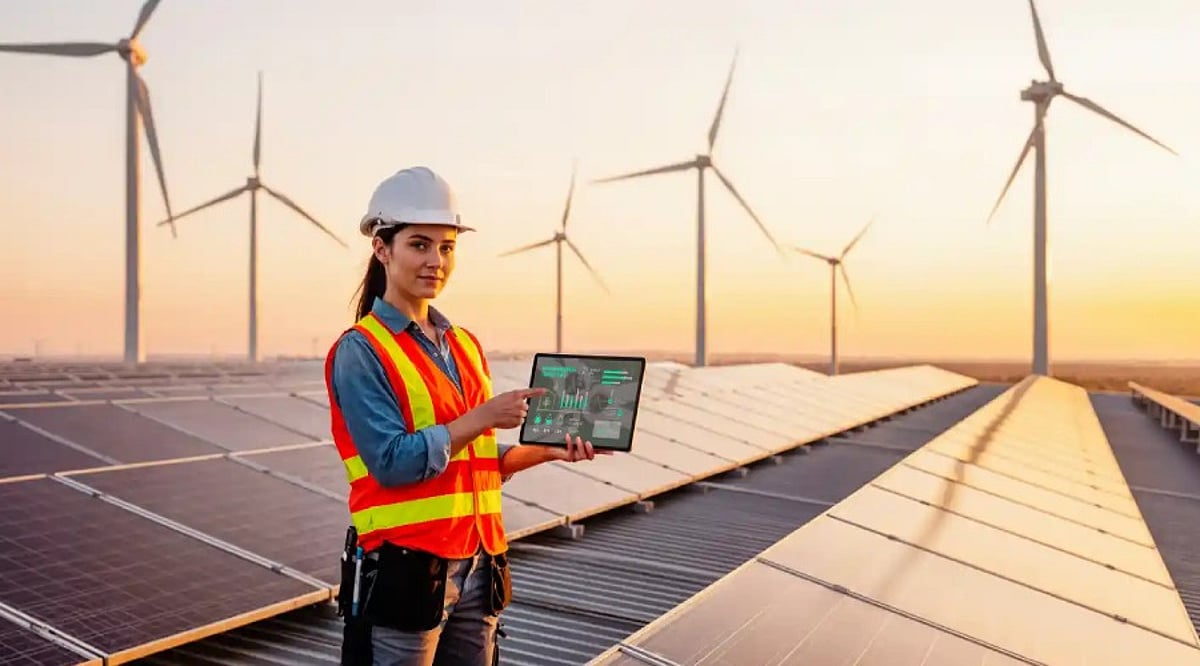
    As India expands its solar parks and rooftop installations, demand for engineers who design, install, and maintain solar power systems is rising sharply. These professionals are essential for harnessing the country’s abundant sunlight.

    Electric Vehicle (EV) Specialists

    The growing EV production and charging infrastructure are creating opportunities for battery engineers, EV technicians, and vehicle software professionals. Expertise in electric drivetrains and energy management is highly valued.

    Wind Energy Technicians

    New wind power projects across multiple states are increasing the need for skilled technicians to install, monitor, and service wind turbines. This role is critical for sustaining India’s wind energy capacity.

    Energy Storage Experts

    Battery storage systems are becoming essential for integrating renewable energy into the grid. Professionals in battery design, management, and grid storage technologies are in high demand.

    Green Hydrogen Professionals

    India’s clean hydrogen initiatives are generating demand for engineers, researchers, and project managers focused on production, storage, and transportation of green hydrogen.

    Sustainability Consultants

    Businesses are hiring experts to improve ESG performance, reduce emissions, manage environmental compliance, and achieve sustainability goals. This role spans multiple industries.

    Climate Data Analysts

    Organizations increasingly use data to measure carbon emissions, climate risks, and environmental performance. Data professionals with climate expertise are finding new opportunities.

    Circular Economy Specialists

    Recycling, waste management, and resource efficiency projects are expanding career options for professionals focused on sustainable production and waste reduction.

    Carbon Management Experts

    As more companies adopt net-zero targets, demand is rising for professionals who develop carbon reduction strategies, emissions reporting, and climate action plans.

  • Modern Energy Storage Technologies: A Comprehensive Guide to Batteries, Hydrogen, and Grid Solutions

    Modern Energy Storage Technologies: A Comprehensive Guide to Batteries, Hydrogen, and Grid Solutions

    Energy storage is essential for saving electricity generated from renewable sources and ensuring a stable power supply when demand peaks. As the world shifts toward cleaner energy, understanding the various storage technologies becomes critical for homes, businesses, and utilities alike.

    Why Energy Storage Matters More Than Ever

    Global electricity demand continues to rise, driven by electric vehicles, air conditioning, and smart devices. Renewable sources like solar and wind are intermittent—solar panels generate only during daylight, and wind turbines depend on sufficient wind. Energy storage bridges this gap by capturing excess power when production is high and releasing it when generation drops or demand surges. Storage also provides backup during outages, supporting hospitals, factories, and homes.

    Main Types of Energy Storage Technologies

    Electrochemical Storage (Batteries)

    Rechargeable batteries are the most widespread storage technology. Lithium-ion batteries power electric cars, smartphones, laptops, and home backup systems. Other chemistries include lead-acid, sodium-ion, and flow batteries. They store energy via chemical reactions and release it almost instantly.

    Pros: High efficiency, fast charging/discharging, easy installation, suitable for homes and EVs.

    Cons: Degradation over time, expensive materials, recycling challenges.

    Mechanical Storage

    Mechanical methods use motion rather than chemicals. Pumped hydro storage lifts water to a higher elevation during excess generation; when demand rises, water flows down to spin turbines and produce electricity. Other forms include compressed air and flywheels that store energy in rotating mass.

    Pros: Large capacity, long operating life, reliable for grids.

    Cons: High construction cost, geographic constraints, not practical for homes.

    Thermal Storage

    Thermal storage saves energy as heat or cold. Solar thermal plants use molten salt to store heat for electricity generation after sunset. Ice storage systems cool large buildings during off-peak hours, reducing strain on the grid.

    Pros: Enables better use of renewable energy, cuts peak demand, improves overall efficiency.

    Cons: Heat loss over time, limited applications, high installation costs.

    Electrical Storage

    Supercapacitors store energy in electric fields and can charge in seconds, delivering power rapidly. They are used in buses, trains, factories, and backup systems where quick bursts of energy are critical.

    Pros: Ultra-fast charging, long cycle life, instant power delivery.

    Cons: Low energy density, unsuitable for long-term storage, expensive.

    Chemical Storage (Hydrogen)

    Chemical storage converts electricity into fuels like hydrogen. Electrolysis splits water into hydrogen and oxygen; the hydrogen can later be turned back into electricity or used as fuel for transport and industry. Experts see hydrogen as a key enabler of long-duration, large-scale storage.

    Pros: Long-term storage, high energy density, supports clean transport and industry.

    Cons: High production costs, difficult storage and handling, infrastructure still developing.

    The Future of Clean Power Depends on Storage

    No single storage technology fits all needs. Batteries excel for homes and EVs; pumped hydro handles grid-scale demands; hydrogen shows promise for seasonal storage. Together, these technologies form a resilient energy system. As renewables expand, storage will become even more vital to ensure clean electricity is available whenever needed.

    Modern energy storage technologies are making a sustainable future possible—by storing energy wisely, we can power the world reliably without depending on weather conditions.