
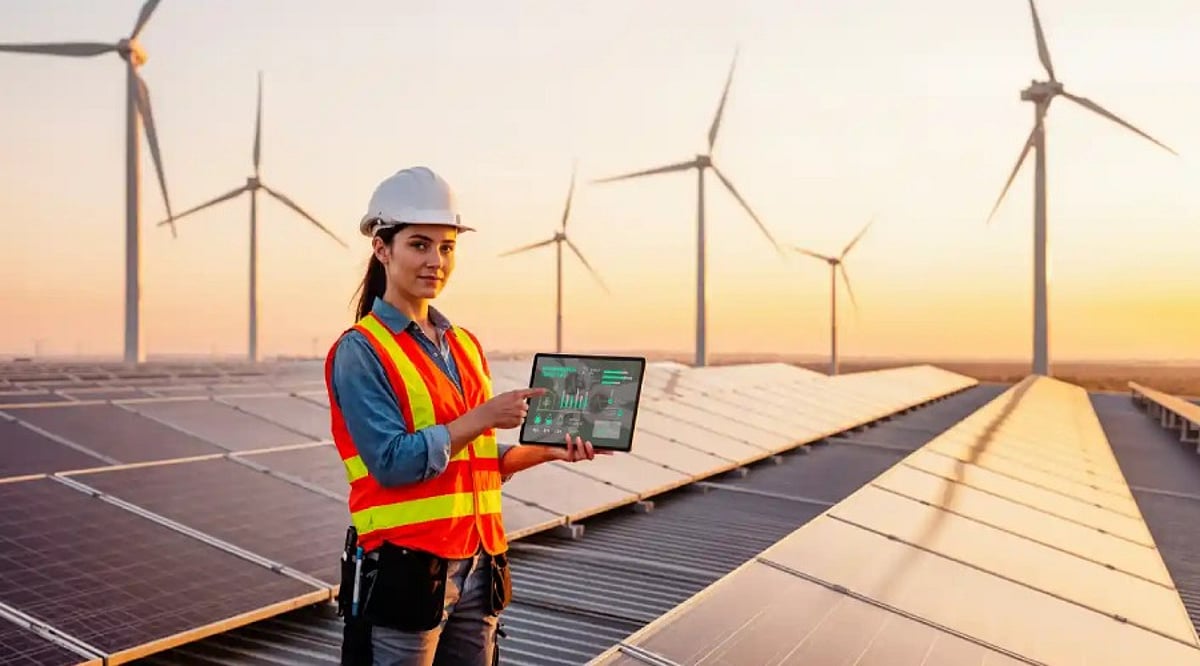
Energy storage is essential for saving electricity generated from renewable sources and ensuring a stable power supply when demand peaks. As the world shifts toward cleaner energy, understanding the various storage technologies becomes critical for homes, businesses, and utilities alike.
Why Energy Storage Matters More Than Ever
Global electricity demand continues to rise, driven by electric vehicles, air conditioning, and smart devices. Renewable sources like solar and wind are intermittent—solar panels generate only during daylight, and wind turbines depend on sufficient wind. Energy storage bridges this gap by capturing excess power when production is high and releasing it when generation drops or demand surges. Storage also provides backup during outages, supporting hospitals, factories, and homes.
Main Types of Energy Storage Technologies
Electrochemical Storage (Batteries)
Rechargeable batteries are the most widespread storage technology. Lithium-ion batteries power electric cars, smartphones, laptops, and home backup systems. Other chemistries include lead-acid, sodium-ion, and flow batteries. They store energy via chemical reactions and release it almost instantly.
Pros: High efficiency, fast charging/discharging, easy installation, suitable for homes and EVs.
Cons: Degradation over time, expensive materials, recycling challenges.
Mechanical Storage
Mechanical methods use motion rather than chemicals. Pumped hydro storage lifts water to a higher elevation during excess generation; when demand rises, water flows down to spin turbines and produce electricity. Other forms include compressed air and flywheels that store energy in rotating mass.
Pros: Large capacity, long operating life, reliable for grids.
Cons: High construction cost, geographic constraints, not practical for homes.
Thermal Storage
Thermal storage saves energy as heat or cold. Solar thermal plants use molten salt to store heat for electricity generation after sunset. Ice storage systems cool large buildings during off-peak hours, reducing strain on the grid.
Pros: Enables better use of renewable energy, cuts peak demand, improves overall efficiency.
Cons: Heat loss over time, limited applications, high installation costs.
Electrical Storage
Supercapacitors store energy in electric fields and can charge in seconds, delivering power rapidly. They are used in buses, trains, factories, and backup systems where quick bursts of energy are critical.
Pros: Ultra-fast charging, long cycle life, instant power delivery.
Cons: Low energy density, unsuitable for long-term storage, expensive.
Chemical Storage (Hydrogen)
Chemical storage converts electricity into fuels like hydrogen. Electrolysis splits water into hydrogen and oxygen; the hydrogen can later be turned back into electricity or used as fuel for transport and industry. Experts see hydrogen as a key enabler of long-duration, large-scale storage.
Pros: Long-term storage, high energy density, supports clean transport and industry.
Cons: High production costs, difficult storage and handling, infrastructure still developing.
The Future of Clean Power Depends on Storage
No single storage technology fits all needs. Batteries excel for homes and EVs; pumped hydro handles grid-scale demands; hydrogen shows promise for seasonal storage. Together, these technologies form a resilient energy system. As renewables expand, storage will become even more vital to ensure clean electricity is available whenever needed.
Modern energy storage technologies are making a sustainable future possible—by storing energy wisely, we can power the world reliably without depending on weather conditions.
Leave a Reply