Tag: Facebook

  • From Netflix to Threads: A Timeline of Platforms Reaching 1 Million Users

    From Netflix to Threads: A Timeline of Platforms Reaching 1 Million Users

    How fast can a digital platform reach 1 million users? The answer has changed dramatically over the past two decades. From Netflix’s slow, steady climb to Threads’ record-breaking start, the speed of user acquisition has accelerated beyond imagination.

    Netflix: 3.5 Years

    Netflix took approximately 3.5 years to reach its first 1 million users. Early digital platforms like Netflix had to build audiences from scratch, relying on word-of-mouth and limited internet penetration.

    X (Formerly Twitter): 2 Years

    Twitter, now known as X, reached 1 million users in about two years. Social media growth was much slower in its early days, with fewer people online and less awareness of such platforms.

    Facebook: 10 Months

    Facebook hit 1 million users in just 10 months. Its rapid growth demonstrated how social networks could expand faster as internet access increased and network effects kicked in.

    Instagram: 2.5 Months

    Instagram reached 1 million users in around 2.5 months. Its simple, engaging photo-sharing experience helped it gain traction quickly among smartphone users.

    ChatGPT: 5 Days

    ChatGPT achieved 1 million users in only five days. The generative AI tool’s rapid adoption showed how quickly AI tools could attract a global audience, thanks to viral marketing and immediate utility.

    Threads: Under 2 Hours

    Threads crossed 1 million users in under two hours after its launch. Its direct connection to Instagram allowed it to tap into an existing, massive user base instantly.

    Why Is User Growth So Fast Now?

    New platforms can leverage existing social networks, app stores, smartphones, and widespread internet access to reach millions far faster than early platforms could. Pre-existing user bases and viral loops accelerate adoption exponentially.

    1 Million Users Is Not Everything

    Fast user growth does not always guarantee long-term success. User retention, daily activity, and sustained engagement matter much more after crossing the first million. Platforms must continue to deliver value to keep users coming back.
  • WhatsApp Tests Cross-Platform Media Access: Share Instagram and Facebook Content Directly in Chats

    WhatsApp Tests Cross-Platform Media Access: Share Instagram and Facebook Content Directly in Chats

    WhatsApp is reportedly testing a new feature that will allow users to access eligible media from their Instagram and Facebook accounts directly while composing messages or Status updates. The integration, which requires linking WhatsApp to Meta’s Accounts Center, is currently rolling out to a limited group of beta testers.

    With this update, users can select stories, posts, and Reels from their Instagram and Facebook accounts without needing to download and re-upload files. The feature is designed to simplify sharing content across Meta’s platforms and reduce the number of steps involved.

    The functionality works in both individual and group chats as well as WhatsApp Status updates. Instead of manually saving a photo or video from another app and then attaching it, users will see eligible media through the cross-platform connection.

    Accounts Center Integration

    To use the feature, users must connect their WhatsApp account to Meta’s Accounts Center. The Accounts Center already manages connected experiences across Instagram and Facebook, although linking WhatsApp remains optional. Meta has previously stated that personal messages and calls on WhatsApp remain protected by end-to-end encryption.

    Broader Cross-Platform Push

    This update is part of Meta’s wider effort to integrate its apps more closely. In recent months, WhatsApp has introduced easier chat transfers between Android and iOS, dual-account support on iPhone, and new tools for photos and stickers. The Instagram and Facebook media integration could further streamline sharing for users who frequently switch between Meta platforms.

    The feature is being rolled out gradually, so it may not appear for all users immediately. A full public release date has not been announced.

  • Meta One Subscription: AI, Customization, and Professional Tools for Instagram, Facebook, and WhatsApp

    Meta One Subscription: AI, Customization, and Professional Tools for Instagram, Facebook, and WhatsApp

    Meta One Subscription Overview

    Meta has introduced Meta One, a new subscription service that offers paid upgrades across Instagram, Facebook, WhatsApp, and Meta AI. The service is designed for users who want additional AI access, customization options, and professional tools, while the core versions of its apps remain free.

    AI Access and Creative Tools

    Meta One’s Core and Premium plans bundle existing app-specific features with increased access to Meta’s AI tools. Subscribers can generate and edit more images, create videos using Meta’s Muse models, and use AI-powered features like Restyle on Instagram. Everyday access to Meta AI remains free, but paid plans offer higher usage limits and more creative capabilities.

    App-Specific Features

    Instagram Plus includes custom fonts for Stories and DMs, Story-related notifications, and message previews. Facebook Plus adds customization options, additional Reels insights, and expanded reactions. WhatsApp Plus offers chat and media backup storage, as well as Focus Schedules to mute or hide conversations at set times. Single-app subscriptions are also available for users who prefer platform-specific features.

    Creator and Business Plans

    Meta One also includes creator and business plans with professional features such as enhanced profiles, follow buttons on Reels, automatic follow invitations, and access to Meta Business Agent. Higher tiers provide analytics, audience insights, team access, and additional business tools.

    Pricing and Availability

    Meta One Core starts at $7.99 per month, and Premium costs $19.99 per month, with regional variations. The company reports that its subscription offerings have already generated 15 million subscriptions and trials globally.

    Meta One does not make the apps paid; users can continue using the core services for free. The subscription is positioned as an optional upgrade for those wanting extra AI usage, customization, or professional capabilities.

  • India Presses Meta for Answers on Instagram Algorithm and Legal Compliance

    India Presses Meta for Answers on Instagram Algorithm and Legal Compliance

    The Indian government has formally requested Meta to explain how its Instagram and Facebook algorithms determine content reach and visibility. Officials are also demanding stronger cooperation on child sexual abuse material (CSAM), online fraud, deepfakes, and automated bot accounts.

    IT Minister Ashwini Vaishnaw chaired a second meeting with Meta officials on Thursday. Meta’s delegation included global affairs chief Joel Kaplan and public policy vice president Neil Potts. Discussions covered technical systems, legal duties, and content distribution practices.

    Scrutiny Over Algorithmic Bias

    Government officials focused on how Instagram recommends, reduces, or promotes posts. They also examined allegations that the platform’s systems favored anti-government material and handled comparable content differently.

    The scrutiny is linked to concerns about political and public-interest content. During the CJP-led Gen Z protests, users relied on Instagram to share videos, personal accounts, and protest updates. Recommendation systems influenced which posts reached larger audiences.

    Meta controls the rules and data behind those decisions. Users can appeal when the company removes a post, but they may receive little information when Instagram limits a post’s reach or excludes it from recommendation sections.

    The government wants Meta to explain the signals its systems use when ranking content. Officials also seek details about reduced distribution and the treatment of Indian-language posts compared with English-language material.

    Indian Law Guides Platform Operations

    Government sources said every social media company operating in India must follow Indian law. The requirement covers Meta, X, and other online platforms serving users across the country.

    “We are a constitutional democracy. The rule of law is paramount,” a government source said. “Platforms operating in India cannot function according to the US Constitution or the Constitution of Europe.”

    The source added that platforms must operate under India’s Constitution and national laws. Officials also cited Article 19, which protects freedom of speech, and Article 19(2), which permits reasonable restrictions under defined grounds.

    Authorities summoned Meta after Facebook briefly restricted a video post from Prime Minister Narendra Modi. Kaplan later apologized for the error. Government sources said Meta CEO Mark Zuckerberg also apologized over the incident and other platform concerns.

    Officials said any legal proceedings would follow the required legal process. For now, authorities are assessing Meta’s conduct under Indian rules. They also seek answers across technical, policy, and legal areas.

    Meta’s Technical Team Continues Talks

    Meta’s technical team will continue discussions with government technology officials after Kaplan leaves India. The talks will cover recommendation systems, alleged bias, CSAM, fraudulent posts, deepfakes, and bot activity.

    Meta told officials that it was working to address harmful content and automated accounts. However, the meetings also covered how its systems rank lawful posts before any removal decision occurs.

    Government officials want clearer information on how automated tools separate harmful mobilization from legitimate reporting and political criticism. They also seek stronger cooperation when Indian law enforcement agencies investigate CSAM and fraud.

    Available reports do not confirm that Meta shared internal distribution data or a formal audit of protest-related recommendations. Discussions will continue between the company’s specialists and government teams.

    “The first question is whether they are functioning in accordance with the law of the land,” an official said. The government’s primary demand is compliance with Indian law, along with clearer answers about the automated systems that determine content visibility for Instagram and Facebook users.

  • Meta Faces $567 Million Penalty and Mandatory Teen Safety Overhaul in New Mexico Ruling

    Meta Faces $567 Million Penalty and Mandatory Teen Safety Overhaul in New Mexico Ruling

    A New Mexico court has ordered Meta to pay $567 million into a five-year fund dedicated to youth mental health services and to implement sweeping safety measures for users under 18 on Facebook and Instagram. The ruling, issued by Judge Bryan Biedscheid, follows a separate jury verdict that imposed $375 million in civil penalties for violating the state’s consumer protection law. Combined, Meta faces $942 million in financial liability from the two judgments, though the company has vowed to appeal both decisions.

    Court Finds Meta Created a Public Nuisance

    New Mexico Attorney General Raúl Torrez filed the lawsuit in 2023, alleging that Meta designed its products to encourage heavy use among minors and failed to protect children from sexual exploitation. The state argued that Meta concealed internal knowledge about risks to young users and misrepresented platform safety. Judge Biedscheid rejected Meta’s Section 230 defense for the public nuisance claim, stating the case concerned company conduct and platform design rather than liability for user posts. However, he declined to order changes to recommendation systems and certain engagement features, citing legal, technical, and competition concerns.

    Youth Mental Health Fund

    The $567 million fund will operate for five years under the court’s abatement plan. Of that amount, $420 million is allocated to treatment services for young people in New Mexico, including community programs and family-based behavioral healthcare. The remaining $147 million covers awareness, prevention, screening, referrals, administration, and evaluation. State officials will oversee the programs, and the court reduced the state’s proposed fifteen-year plan to five years.

    Mandatory Safety Measures for Teens

    The order requires Meta to implement several safety measures across Facebook and Instagram for users under 18:

    • Monthly usage limits for teen accounts
    • Restrictions on some notifications during school hours and overnight
    • Tighter controls on adult contact with minors
    • Enhanced age-assurance tools and a model to identify users under 13 within two years
    • A reporting channel for schools or child safety groups
    • AI chatbot safeguards and reviews of child sexual abuse reports

    Meta must report compliance progress twice each year.

    Meta’s Response and Appeal

    Meta disputed the findings and confirmed its planned appeal. “We disagree with the ruling and will appeal,” a company spokesperson said. Meta stated it works to identify harmful content and remove bad actors, and defended its existing parental controls and teen safety systems. The appeal could delay or alter parts of the order.

    Broader Implications

    Attorney General Torrez called the ruling a model for other governments pursuing child safety cases. More than 40 states and over 1,300 school districts have filed related public nuisance claims against social media companies, seeking financial recovery, product changes, or both. New Mexico’s order directly combines a treatment fund with court-supervised platform rules.

  • Indian Parliamentary Panel Rejects Meta’s Apology, Demands Action Over PM Modi Video Takedown

    Indian Parliamentary Panel Rejects Meta’s Apology, Demands Action Over PM Modi Video Takedown

    Meta has apologized to a parliamentary panel in India over the removal of Prime Minister Narendra Modi’s Facebook video, but lawmakers are pushing for more than just an apology. The company described the takedown as a technical error and restored the video after government concerns were raised.

    Panel Demands Accountability

    During a meeting of the Parliamentary Standing Committee on Information Technology in New Delhi, Meta officials faced questions about the removal, its authorization, and who was responsible. Committee members, led by BJP MP Nishikant Dubey, demanded accountability and called on Meta to identify the official involved and consider legal action.

    “The committee is seeking accountability,” a senior BJP member reportedly said, adding that an apology alone would not be sufficient. The panel wants answers and stronger action against those responsible for the incident.

    Broader Scrutiny of Content Moderation

    The meeting focused on social media regulation and platform accountability, with representatives from Meta, Google, YouTube, X, Snapchat, the Union home ministry, and MeitY in attendance. The temporary restriction of PM Modi’s video—which addressed India’s youth and promised strict action against paper leaks—raised concerns about content moderation systems handling sensitive political communications.

    Meta had earlier described the restriction as a glitch, but MeitY called the explanation inadequate and demanded greater clarity. Lawmakers also questioned Meta about controversial and objectionable content remaining on its platforms, seeking details on moderation measures.

    Growing Pressure on Foreign Tech Platforms

    The incident adds to mounting pressure on Meta as Indian authorities examine platform compliance with national laws. Government sources have linked the broader debate to concerns over public order and national security. The committee’s questions now shift attention from Meta’s apology toward stronger platform accountability, highlighting the intense scrutiny foreign technology platforms face in India.

  • Tim Cook’s 2020 Warning on Facebook Tracking Paved the Way for Apple’s App Tracking Transparency

    Tim Cook’s 2020 Warning on Facebook Tracking Paved the Way for Apple’s App Tracking Transparency

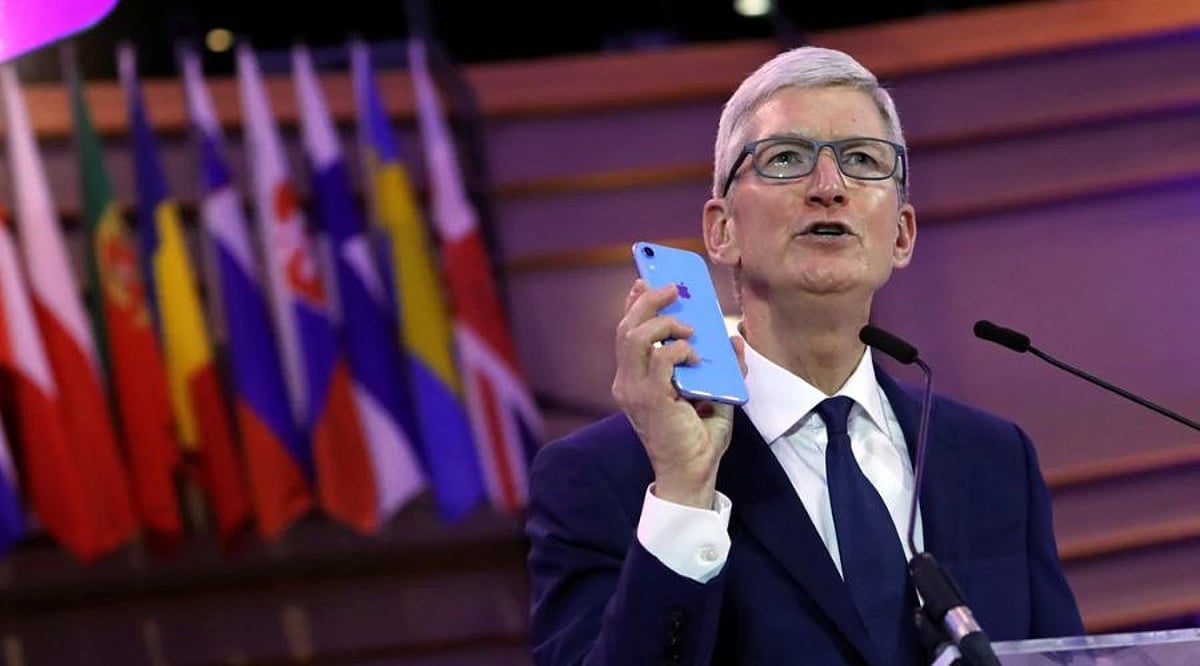
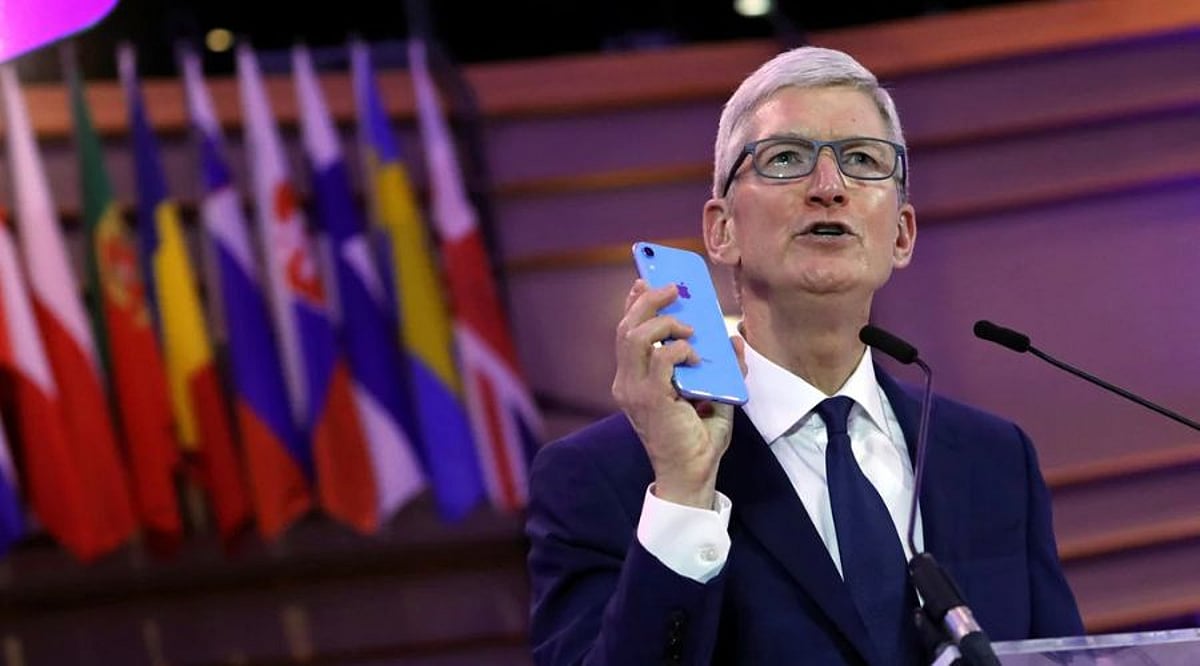
    In December 2020, Apple CEO Tim Cook issued a stark warning to iPhone users regarding Facebook’s ability to track their activity across apps and websites. The warning came as Facebook criticized Apple’s upcoming privacy rules, which would require apps to request user permission before collecting data across other companies’ services.

    Cook took to Twitter (now X) to defend Apple’s privacy-first approach, stating: “We believe users should have the choice over the data that is being collected about them and how it’s used. Facebook can continue to track users across apps and websites as before; App Tracking Transparency in iOS 14 will just require that they ask for your permission first.”

    Apple later introduced App Tracking Transparency (ATT) with the release of iOS 14.5 in April 2021. This feature fundamentally changed how apps collect data for advertising and measurement across external services. Apps must now display a tracking permission prompt before accessing the device’s advertising identifier or using other covered tracking methods. Users who select “Ask App Not to Track” prevent the app from accessing the identifier, and they can later adjust their preferences in iPhone privacy settings.

    The policy ignited a major conflict between Apple and Meta, Facebook’s parent company. Meta argued that Apple’s rules could harm businesses relying on personalized advertising, later estimating a roughly $10 billion financial impact from the privacy changes.

    Cook’s 2020 statement became a pivotal moment in Apple’s broader privacy campaign. While Apple framed tracking permission as a matter of user choice, Meta viewed it as a threat to targeted advertising. The debate continues to shape mobile advertising privacy regulations worldwide.

  • How Tim Cook’s 2020 Warning About Facebook Tracking Changed iPhone Privacy

    How Tim Cook’s 2020 Warning About Facebook Tracking Changed iPhone Privacy

    In December 2020, Apple CEO Tim Cook issued a stark warning to iPhone users about Facebook’s ability to track their activity across apps and websites. The warning came as Facebook publicly criticized Apple’s planned privacy rules for iPhones, setting the stage for a major clash between the two tech giants.

    Cook explained that Apple’s upcoming App Tracking Transparency system would not completely stop tracking. Instead, it would require apps to ask for explicit permission before tracking users across other companies’ apps and websites. He shared his message on Twitter (now X), writing: “We believe users should have the choice over the data that is being collected about them and how it’s used. Facebook can continue to track users across apps and websites as before; App Tracking Transparency in iOS 14 will just require that they ask for your permission first.”

    Apple delivered on that promise with the release of iOS 14.5 in April 2021. The App Tracking Transparency feature fundamentally changed how apps collect data for advertising and measurement. Apps now must display a tracking permission request before accessing the device’s advertising identifier or using other covered tracking methods. Users who select “Ask App Not to Track” prevent the app from accessing that identifier, and permissions can be adjusted later through iPhone privacy settings.

    The policy sparked a fierce dispute between Apple and Meta, Facebook’s parent company. Meta argued that the rules would hurt businesses reliant on personalized advertising, later estimating a roughly $10 billion impact on its revenue from Apple’s privacy changes. Cook’s 2020 statement became a defining moment in Apple’s broader privacy campaign, framing tracking permission as a user choice while Meta viewed it as a threat to targeted advertising. The debate continues to shape mobile advertising privacy rules worldwide.

  • Meta Apologizes After Facebook Glitch Briefly Blocks PM Modi Video in India, Restoration Follows

    Meta Apologizes After Facebook Glitch Briefly Blocks PM Modi Video in India, Restoration Follows

    Meta issued an apology on July 28 after Facebook temporarily blocked a video of Indian Prime Minister Narendra Modi in the country, attributing the removal to a technical glitch. The video, originally posted on July 23, became inaccessible to some Indian users before the company identified the error and restored it.

    Users attempting to view the video encountered a notice stating that Facebook had restricted the content following a legal request, which sparked questions about the unexpected removal. A Meta spokesperson explained, “The content was removed in error and has since been restored.”

    The glitch drew significant attention in India, especially because the video featured the Prime Minister addressing young audiences. In the video, PM Modi discussed plans to introduce tougher laws, fast-track courts, and stricter penalties for those involved in examination paper leaks. He also mentioned that a draft law with stronger measures would be presented to the Union Cabinet.

    Indian government officials have taken the incident seriously and are examining how the video became unavailable. Sources indicate that representatives from Meta may be asked to explain the circumstances behind the removal. According to IANS, the Ministry of Electronics and Information Technology has summoned Meta and Instagram’s global heads over the temporary restriction.

    The video had garnered millions of views before being briefly restricted. Meta has since restored the content and maintains that the removal was a mistake. The incident has raised broader questions about content moderation and how social media platforms handle communications from key government figures.

  • How to Check Who Shared Your Facebook Post: A Step-by-Step Guide

    How to Check Who Shared Your Facebook Post: A Step-by-Step Guide

    Ever wondered who shared your Facebook post? While Facebook doesn’t offer a direct “see all shares” button for every post, there are several ways to find out. Here’s how to check who shared your content while respecting user privacy settings.

    Check Public Shares

    Open your post and tap or click the share count displayed beneath it. Facebook will show you public shares that you can access directly. This is the quickest way to see visible shares.

    Understand Privacy Limits

    Facebook only displays shares you have permission to view. Private posts or shares restricted to specific audiences remain hidden from you. This is by design to protect user privacy.

    Open the Original Post

    Visit the original post on your timeline. The share count and any available public shares are displayed there clearly, making it easy to review.

    Click the Share Count

    Selecting the share number beneath your post opens a list of visible shares. What you see depends on each user’s privacy settings.

    Review Public Profiles

    You can view shares made by public profiles or pages. Personal accounts with private settings will always remain inaccessible.

    Check Facebook Notifications

    Notifications may occasionally show when someone shares your content, especially if the share generates interactions later. Keep an eye on your notification feed.

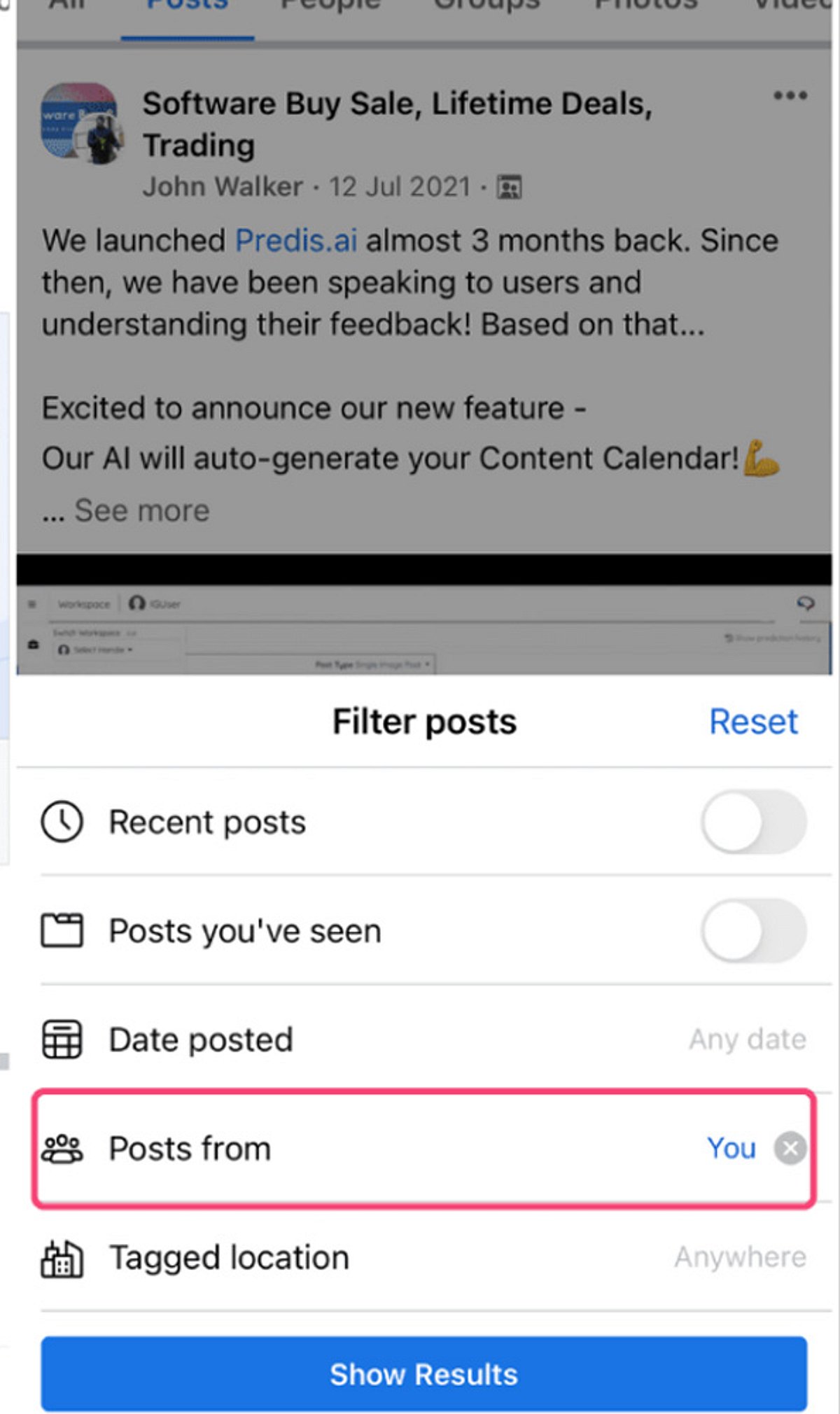
    Search Your Post

    Copy a unique sentence from your post and search Facebook. Public reposts that appear in search results can be found this way.

    View Insights for Pages

    If you manage a Facebook Page, Meta Business tools provide additional sharing insights and engagement statistics for published posts. This is the most powerful option for page owners.

    Respect User Privacy

    Facebook intentionally restricts access to private shares, ensuring users maintain control over who can view their shared content. Always respect these boundaries.