Tag: Federal Reserve

  • MCX Gold Drops 0.76% to ₹1,41,444 as Strong Dollar and Rate-Hike Expectations Weigh; Brent Crude Edges Up 0.40%

    MCX Gold Drops 0.76% to ₹1,41,444 as Strong Dollar and Rate-Hike Expectations Weigh; Brent Crude Edges Up 0.40%

    Gold prices retreated on the Multi Commodity Exchange (MCX) on July 1, pressured by a stronger US dollar, rising Treasury yields, and growing expectations that the Federal Reserve will implement another interest rate hike in September. The precious metal’s decline reflects broader market uncertainty surrounding US monetary policy and global economic signals.

    August gold futures on MCX fell 0.76%, settling at ₹1,41,444 per 10 grams. July silver futures also slipped, declining 1.6% to ₹2,24,914 per kilogram. Meanwhile, Brent crude futures for August delivery edged up 0.40% to $73.24 a barrel, while US West Texas Intermediate (WTI) crude gained 0.40% to $69.78 a barrel.

    According to the CME FedWatch Tool, traders now assign a 67% probability to a rate hike by the US Federal Reserve in September, adding downward pressure on non-yielding assets like gold.

    Domestic Gold Prices

    In the Indian market, 24K gold declined by ₹126 to ₹1,40,780 per 10 grams, while 22K gold dropped by ₹115 to ₹1,29,050. Regional variations were minimal: Mumbai and Kolkata both quoted 24K gold at ₹1,40,780, Delhi at ₹1,40,930, and Chennai at ₹1,43,990.

    US Gold Prices

    In the international market, gold prices fell for a second session, hitting a seven-month low earlier this week. Spot gold was down 0.7% at $3,979.41 per ounce, while US gold futures for August delivery lost 1.1% to $3,992.70. The decline was fueled by lingering inflation concerns and uncertainty surrounding US-Iran peace talks, which continue to keep Fed rate hike expectations elevated.

    Spot silver declined 1.4% to $57.75 per ounce, platinum lost 0.6% to $1,542 (hitting its lowest since last November), and palladium edged 0.4% lower to $1,199.34.

    Key Levels to Watch

    “It looks like the pressure from higher yields is what’s getting gold lower. The US dollar is also a touch higher at the same time, which kind of confirms what’s going on,” said Ilya Spivak, Head of Global Macro at Tastylive.

    Internationally, gold has support at $3,994 and $3,955 per troy ounce, with resistance at $4,074 and $4,110. Silver support stands at $57.70 and $56, while resistance is at $61.20 and $62.80.

    On MCX, gold support levels are at ₹1,41,100 and ₹1,40,000, with resistance at ₹1,43,350 and ₹1,44,200. Silver on MCX has support at ₹2,25,500 and ₹2,22,000, while resistance lies at ₹2,31,000 and ₹2,34,400.

  • Wall Street Poised for Best Quarter in Years as Tech Stocks Rebound Amid Geopolitical Calm

    Wall Street Poised for Best Quarter in Years as Tech Stocks Rebound Amid Geopolitical Calm

    Wall Street is on track to close the second quarter with its strongest performance in years, even as ongoing US-Iran tensions continue to create geopolitical uncertainty. Investors have maintained buying momentum, buoyed by optimism over the upcoming earnings season and easing concerns about Middle East hostilities. Major indexes posted solid gains, with technology shares staging a recovery after a challenging June.

    Major US Indexes Target Strongest Quarterly Gains

    The S&P 500 and NASDAQ Composite are heading toward their best quarterly gains in six years, while the Dow Jones Industrial Average is on pace for its strongest quarter since 2022. In Tuesday trading, the S&P 500 rose 0.34%, the NASDAQ gained 0.76%, and the Dow traded nearly flat. These gains reflect continued investor confidence despite earlier volatility driven by semiconductor weakness.

    The Dow is also on track for its best first-half performance since 2021. The S&P 500 has posted more than an 8% gain during the first six months of 2026, while the NASDAQ has advanced over 11%. The Russell 2000 has outperformed larger indexes, climbing more than 21% in the same period.

    Technology Stocks Recover as Earnings Season Approaches

    Technology stocks helped lift markets after suffering sharp losses earlier in June. Investors are now shifting focus to the upcoming corporate earnings season, expecting strong results to support current valuations. Chipmakers led Tuesday’s rally: NVIDIA gained more than 1%, Advanced Micro Devices advanced about 3%, and Intel climbed roughly 4%.

    Semiconductor exchange-traded funds also delivered record quarterly gains. The VanEck Semiconductor ETF surged around 70% during the second quarter, while the iShares Semiconductor ETF gained approximately 94%. Micron was among the sector’s strongest performers, rising about 240% during the quarter.

    Despite Tuesday’s rebound, June remained challenging for several technology stocks. The S&P 500 and NASDAQ are still on track to end two consecutive months of gains as investors reassess AI-related valuations.

    Geopolitical Developments and Interest Rates Remain in Focus

    Investors continue monitoring US-Iran developments. Recent signs of reduced hostilities have improved market sentiment after both countries agreed to halt attacks and allow commercial shipping through the Strait of Hormuz. Oil prices remained relatively stable, with Brent crude trading near $73 per barrel and West Texas Intermediate around $70. Stable energy prices have helped ease concerns about additional inflation pressure.

    Markets are also focused on monetary policy expectations. Traders now anticipate at least one Federal Reserve rate hike before the end of 2026, following stronger economic data that shifted expectations away from earlier forecasts for rate cuts. Investors are awaiting comments from Federal Reserve Chair Kevin Warsh after fresh job openings and consumer confidence reports.

    Individual Stocks Post Mixed Performance

    Several individual companies recorded notable moves during Tuesday’s session. Concentrix shares fell more than 20% after lowering its full-year revenue and adjusted profit forecasts, pushing the stock to a record low. In contrast, AeroVironment surged about 22% after reporting a strong increase in quarterly revenue. Morgan Stanley slipped around 1% after Oppenheimer downgraded major Wall Street investment banks and encouraged investors to consider alternative asset managers.

    European markets also ended higher on the final trading day of June, with technology stocks leading regional gains. Major indexes in Germany, France, Italy, and the United Kingdom all closed in positive territory. Although analysts continue monitoring geopolitical developments and interest rate expectations, strong corporate earnings and resilient investor demand have kept Wall Street positioned for one of its strongest quarters in recent years.

  • Bitcoin and Gold Sink Together in 2026 as Market Pressures Mount

    Bitcoin and Gold Sink Together in 2026 as Market Pressures Mount

    Bitcoin and gold have both declined as higher interest rates, tighter liquidity, and market uncertainty reduced demand for traditional and digital stores of value. The rare move has raised attention because the two assets often follow different paths during market stress.

    Bitcoin and gold have fallen sharply in 2026, marking an uncommon period when two assets often viewed as stores of value declined together. Market strategist Charlie Bilello reported that Bitcoin is down 31% while gold has lost 6% this year, making them the weakest-performing major asset classes so far.

    The unusual move has drawn attention because the two assets have historically performed differently during periods of market stress.

    Bitcoin and Gold Record an Unusual Year

    Charlie Bilello reported that Bitcoin and gold have become the two worst-performing major asset classes in 2026. He described the development as something ‘we havenʼt seen before in any calendar year.’

    The simultaneous decline suggests investors have reduced exposure to both digital and traditional stores of value. Instead, capital has moved toward other asset classes that have delivered stronger returns during the year.

    Several factors have contributed to the shift. Market conditions have become more challenging in 2026 as investors respond to higher interest rates, tighter liquidity, geopolitical uncertainty and a rise in crypto-related security incidents. These factors have weakened demand for both Bitcoin and gold.

    Analysts also point to the stronger US dollar and the Federal Reserve’s restrictive monetary policy as key drivers behind the downturn. Higher borrowing costs have encouraged investors to shift toward income-generating assets, reducing interest in investments that do not produce regular yields.

    Correlation Between Bitcoin and Gold

    Bitcoin climbed above $110,000 during the second half of 2025 while gold continued to post steady gains. Even though both assets advanced, they responded to different market conditions and showed only a limited price correlation.

    The relationship changed during 2026. Bitcoin dropped from around $90,000 to nearly $60,000 after February. Gold held up better at first but later moved lower as well. By June, both assets were declining at the same time, pushing their price correlation into positive territory for one of the rarest periods on record.

    Data from CryptoQuant also showed noticeable changes in the Bitcoin-gold price correlation between June 2025 and June 2026. The correlation moved between positive and negative readings before strengthening as both assets declined together.

    Bitcoin researcher Adam Livingston commented on the trend, stating that “2026 is officially the most oversold year for Bitcoin versus gold ever recorded.” At the same time, the Bitcoin-to-gold ratio continued to weaken, reflecting Bitcoin’s larger decline compared with gold.

    Gold Outlook Remains Mixed as Market Uncertainty Continues

    Investor Robert Kiyosaki recently shifted his focus from Bitcoin to precious metals after discussing both assets earlier in June. On June 25, he announced that gold had “made the turn” and predicted a longer-term bull market for gold and silver while maintaining a $35,000 long-term price target.

    Days later, however, he revised his short-term view after gold extended its decline. On June 29, Kiyosaki admitted, “I was wrong. Gold still crashing.” Despite the setback, he maintained his longer-term bullish outlook for the metal.

    Gold has also faced pressure from changing geopolitical developments. Reports surrounding US-Iran nuclear negotiations reduced demand for safe-haven assets as some investors shifted toward riskier investments. At the same time, uncertainty over future Federal Reserve policy has continued to influence both gold and Bitcoin prices.

    Market participants are now watching central bank decisions, US dollar strength and geopolitical events for signs of whether the recent weakness in both assets will continue or begin to reverse.

  • Wall Street Rises as US-Iran Tensions Ease; Comcast Jumps on Spin-Off Plan

    Wall Street Rises as US-Iran Tensions Ease; Comcast Jumps on Spin-Off Plan

    US stocks moved higher on Monday as investors welcomed signs of easing tensions between the United States and Iran. Meanwhile, Comcast posted strong gains after unveiling plans to separate parts of its business into two publicly traded companies. Markets also shifted attention toward upcoming economic data and the start of the second-quarter earnings season.

    Although the latest diplomatic developments improved market sentiment, investors continued to monitor the Middle East closely. At the same time, weakness in several semiconductor stocks limited broader gains, keeping traders focused on inflation, Federal Reserve policy, and corporate earnings over the coming weeks.

    Wall Street gains as geopolitical concerns ease

    Wall Street’s three major indexes traded higher after reports indicated that the United States and Iran had agreed to pause hostilities following military exchanges over the weekend. According to reports, technical teams from both countries are expected to meet in Doha to continue work on implementing an interim peace agreement.

    The easing tensions reduced immediate concerns about disruptions in the Strait of Hormuz, one of the world’s busiest energy shipping routes. However, oil prices remained higher as traders assessed whether the ceasefire would hold. Brent crude traded above $72 per barrel, while West Texas Intermediate crude stayed above $70.

    Market participants remained cautious despite the diplomatic progress. Peter Andersen, founder of Andersen Capital Management, said, “There have been several false starts in peace negotiations. I would expect most market participants to remain in a holding pattern through the rest of this week.”

    Eight of the eleven S&P 500 sectors traded higher during the session. Communication services led the gains after Comcast announced plans to separate NBCUniversal and Sky from its broadband and wireless operations through a tax-free spin-off.

    Comcast rallies while technology stocks remain mixed

    Comcast shares surged nearly 10% after revealing its restructuring plan. The separation is expected to create two independent publicly traded companies over the next year. Investors responded positively as the company seeks to streamline its operations.

    Alphabet also moved higher after joining the Dow Jones Industrial Average, providing additional support to major indexes. Meanwhile, Nasdaq confirmed that SpaceX will join the Nasdaq-100 Index on July 7, lifting its shares during Monday’s trading session.

    Technology stocks produced mixed results. Memory chip makers Micron and Sandisk declined sharply, while Intel also traded lower. The pullback followed renewed concerns about AI-related spending and elevated valuations across semiconductor companies.

    Jed Ellerbroek, portfolio manager at Argent Capital Management, said, “We’re in the biggest momentum market in decades, and those momentum stocks are going to be exceptionally volatile. We’re seeing that today with Micron.”

    Investors shift focus to earnings and economic data

    Attention is now turning toward the second-quarter earnings season, which begins in the coming weeks. Analysts expect company results to provide fresh direction after strong earnings helped drive market gains over the past year.

    Ben Snider, chief US equity strategist at Goldman Sachs, said, “The 21% S&P 500 return over the past 12 months has been driven entirely by earnings, making the upcoming Q2 2026 reporting season an important catalyst for the forward trajectory of the market.”

    Investors are also preparing for the release of the June US employment report later this week. The data could influence expectations for future Federal Reserve interest rate decisions as policymakers continue monitoring inflation and labor market conditions.

    Elsewhere, Martin Marietta Materials fell after announcing a $13.5 billion merger with limestone supplier Lhoist North America. Viridian Therapeutics also gained after receiving US Food and Drug Administration approval for its thyroid eye disease treatment.

    Market breadth remained positive during the session, with advancing stocks outnumbering declining issues on both the New York Stock Exchange and the Nasdaq. Investors continue monitoring developments in the Middle East, corporate earnings, and upcoming economic data as markets search for fresh direction.

  • Gold Drops Over 1% on MCX as Strong Dollar and Fed Rate-Hike Expectations Pressure Bullion

    Gold Drops Over 1% on MCX as Strong Dollar and Fed Rate-Hike Expectations Pressure Bullion

    Gold prices on the Multi Commodity Exchange (MCX) fell sharply on June 30, undermined by a strengthening U.S. dollar and weak global cues, as traders priced in the likelihood of multiple Federal Reserve rate hikes this year. August gold futures declined by 1.16% to settle at Rs. 1,40,757 per 10 grams, while July silver futures slipped 0.55% to Rs. 2,18,200 per kilogram.

    The pressure on precious metals extended across global markets. Spot gold dropped 1.5% to $3,956.92 per ounce, putting it on track for its steepest monthly decline since October 2008—a fall of 12.7% in June alone, marking the fourth straight monthly retreat. U.S. gold futures for August delivery lost 1.7% to $3,969.30 per ounce. Spot silver slid 2% to $57.13 per ounce, platinum eased 1.1% to $1,557.21, and palladium edged down 0.4% to $1,208.17.

    According to the CME FedWatch Tool, traders now anticipate three rate hikes from the U.S. Federal Reserve this year, with a 64% probability of a move in September. The strong dollar and elevated interest rate expectations continue to weigh on gold, which offers no yield and competes with interest-bearing assets.

    “You have high inflation, high interest rate expectations, and a strong dollar, and that’s overriding all other bullish factors that are typically associated with a gold rally,” said Edward Meir, an analyst at Marex.

    In the domestic market, 24-karat gold fell by Rs. 180 to Rs. 1,40,130 per 10 grams, while 22-karat gold declined by Rs. 165 to Rs. 1,28,450. City-wise, Mumbai and Kolkata quoted Rs. 1,40,130, Delhi at Rs. 1,40,280, and Chennai at Rs. 1,45,080. Meanwhile, crude oil also trended lower, with Brent futures down 0.87% at $72.51 a barrel and West Texas Intermediate (WTI) dropping 0.62% to $70.31 a barrel.

    Key Levels to Watch

    On the international front, gold has support at $3,994 and $3,955 per troy ounce, with resistance at $4,074 and $4,110. Silver support is at $57 and $55.40, while resistance stands at $60 and $61.60 per troy ounce. On MCX, gold finds support at Rs. 1,41,100 and Rs. 1,40,000, with resistance at Rs. 1,43,600 and Rs. 1,44,800. Silver has support at Rs. 2,16,600 and Rs. 2,14,000, and resistance at Rs. 2,22,400 and Rs. 2,25,000.

  • Bitcoin Holds Near $59.3K, Solana Rises 3.9%: Strategy Buyback and Easing Iran Tensions Shape Q3 Crypto Outlook

    Bitcoin Holds Near $59.3K, Solana Rises 3.9%: Strategy Buyback and Easing Iran Tensions Shape Q3 Crypto Outlook

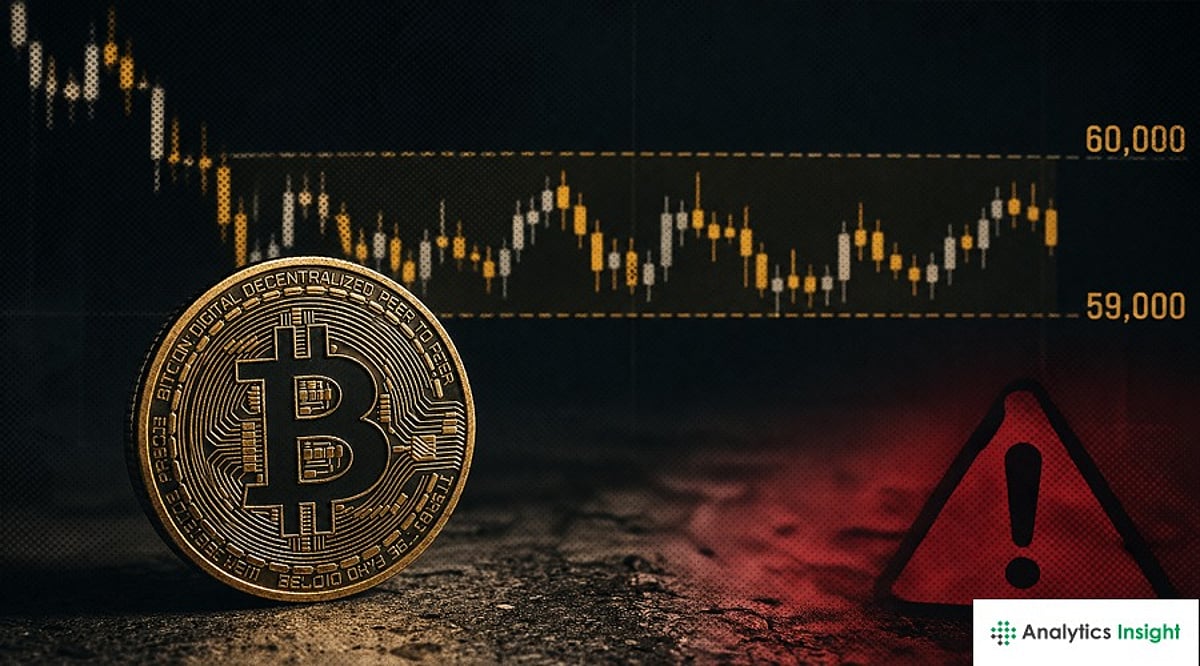
    Bitcoin enters July with measured stability after weeks of sustained selling pressure. The world’s largest cryptocurrency is wrapping up its worst June since mid-2022, down nearly 19% for the month. BTC has failed to sustain any move above $62,000 since late May. Spot Bitcoin ETFs have also bled over $4 billion in net outflows this month alone, the largest monthly redemption since their launch in January 2024.

    The broader macro environment remains unfriendly. Fed Chair Kevin Warsh is speaking at the ECB Forum today, with markets watching for any signal on rate direction. The US payrolls report follows later this week. A hotter-than-expected print could push BTC back toward $57,000 quickly. On the other side, a 60-day US-Iran ceasefire and lower crude oil prices are providing modest relief to risk assets heading into the final session of Q2.

    Bitcoin Price Today: $59,357

    Bitcoin is trading near $59,357, down 0.24% over 24 hours. The token has spent most of June trapped below all key moving averages. Weekly performance shows a 6.69% decline, reflecting the sustained institutional selling pressure of the past four weeks.

    The $58,000 level remains the most actively watched support on the chart. A confirmed breakdown below it opens a path toward $55,000, with $52,000 as the next structural floor. Reclaiming $61,800–$62,500 with volume remains the minimum threshold for any meaningful recovery.

    RSI on the daily sits near 30.85, close to oversold territory but lacking divergence signals needed to call a bottom. Open interest in BTC futures has contracted from $31.3 billion to roughly $21.6 billion over the past month. That deleveraging reduces crash risk but also removes the fuel needed for a sharp short squeeze.

    Speaking about the prevailing market dynamics, Akshat Siddhant, Lead Quant Analyst at Mudrex, said: “Bitcoin remains below the $61,000 level despite improving risk sentiment following lower crude oil prices and the 60-day ceasefire agreement between the US and Iran. The recovery lost momentum after Strategy announced plans to sell up to $1.25 billion worth of Bitcoin through 2027, weighing on investor confidence.” He further mentions, “While easing geopolitical tensions have encouraged investors back into risk assets, weak spot demand has kept Bitcoin trading in a narrow range. Markets are now focused on Fed Chair Warsh’s speech at the ECB Forum and the upcoming US jobs report for clues on liquidity conditions in the second half of the year. A sustained move above $61,000 could revive buying interest, while $59,000 remains the key support level.”

    The CoinSwitch Markets Desk noted, “BTC has reclaimed the $60K mark, with an improving macro backdrop after the US agreed to meet with Iran, with talks set for today. While some headwinds remain, including ongoing outflows from US spot Bitcoin ETFs and expectations that the Federal Reserve will keep interest rates elevated for longer, buyers are showing resilience. After a brief dip below $59.2K, they stepped in to push the price back above $60K. In the near term, $60.5K–$60.8K is the level to watch on the upside, while $60K is holding firm as solid support.”

    According to the WazirX Market Desk, “Global markets are entering an important week as investors await the US payrolls data, which could shape expectations for the Federal Reserve’s next policy move. A stronger-than-expected jobs report may reinforce the case for higher interest rates, keeping pressure on risk assets. Bitcoin continues to hold the key $58,000–$60,000 support zone, while $62,500 remains the immediate resistance to watch. These levels will likely drive futures activity, with traders positioning for a breakout above resistance. Until then, range-bound trading is expected to dominate market participation. Ethereum futures traders could be watching the $1,550–$1,560 support zone and the $1,690–$1,700 resistance zone.”

    Piyush Walke, Derivatives Research Analyst at Delta Exchange, added, “Bitcoin remains anchored near $60,000 amid a US stock market surge. Retail investors continue to offload holdings while institutional buyers remain on hold. Fresh capital is yet to return to Bitcoin, with trading volumes subdued and open interest showing only minor changes.” He further said, “Bitcoin remains range-bound, consolidating near the key $58,000–$59,000 support zone. The SuperTrend remains bearish, with immediate resistance at $61,800–$62,500. Ethereum faced rejection at the 9 EMA and has slipped from $1,614. Immediate resistance is seen at $1,650–$1,670. On the downside, a break below $1,500 could send ETH toward the $1,400–$1,450 range.”

    Crypto Prices Today: Top 10 Coins at a Glance

    Let’s take a look at the top crypto prices today, based on CoinMarketCap data as of June 30.

    Biggest Gainers: Hyperliquid, Solana

    Hyperliquid leads the top ten today with a 7.17% gain, extending its strong run through June’s broader market weakness. The token’s on-chain financial ecosystem continues attracting fresh speculative capital. Solana follows with a 3.92% advance, supported by renewed activity in tokenized assets and its growing DeFi ecosystem. Both assets stand out sharply against the red section among most large caps.

    Biggest Losers: XRP, BNB

    XRP slips 0.80% as the broader altcoin complex struggles to attract fresh buying amid elevated rate expectations. Thin institutional interest continues to weigh on the token despite improving legal clarity around Ripple. BNB follows with a 0.62% decline, dragged by weak market-wide sentiment and no fresh catalyst to break the month-long downtrend.

    Crypto News Today Driving Market Sentiments

    Let’s take a look at the top headlines impacting crypto prices today.

    Strategy Announces $2 Billion Buyback, Formalizes Bitcoin Monetization Program

    Strategy Inc. launched a $2 billion stock buyback program on June 29, authorizing repurchases of its common stock and preferred securities, including STRC. The company simultaneously unveiled a Digital Credit Capital Framework. This formally creates a Bitcoin monetization program to fund dividends and reserves. Strategy still holds 847,363 BTC on its balance sheet. The buyback signals management’s commitment to supporting its equity without fully liquidating the core BTC treasury. Investors are watching MSTR closely. Any further BTC sales under the monetization program would add fresh supply to an already fragile market.

    US-Iran 60-Day Ceasefire Reduces Near-Term Risk, But Caution Remains

    A 60-day ceasefire between the US and Iran has reduced the most immediate tail risk for global markets. Crude oil prices have pulled back from recent highs near $97, easing some inflation pressure. The Strait of Hormuz remains a sensitive flashpoint. Any breakdown in the agreement could reverse risk appetite quickly. Crypto markets have been tracking oil headlines closely all month. For now, the truce has given buyers enough confidence to defend the $59,000–$60,000 zone heading into the last session of Q2.

    Fed Chair Warsh at ECB Forum, US Payrolls Due This Week

    Fed Chair Kevin Warsh is speaking at the ECB Forum today. His comments on rate policy are the week’s single most-watched macro event. Warsh is widely expected to maintain a hawkish stance. The 10-year Treasury yield sits sticky near 4.45%, keeping the opportunity cost of holding a non-yielding asset like Bitcoin elevated. The US payrolls report arrives later this week. A stronger-than-expected reading would reinforce the case for prolonged rate tightening and likely push BTC back below $58,000. A softer print could give markets the catalyst for a clean break above $61,800.

    US Strategic Bitcoin Reserve Blueprint Due by July 22

    The White House is expected to release its Strategic Bitcoin Reserve blueprint by July 22, ahead of an inter-agency regulatory report deadline. White House digital asset adviser Patrick Witt stated a major announcement is imminent. The US holds an estimated 328,372 BTC, accumulated through criminal and civil asset seizures. Two competing bills remain in Congress. Senator Cynthia Lummis’s BITCOIN Act would authorize Treasury purchases as early as Q4 2026. The American Reserve Modernization Act takes a more measured approach with a 20-year lockup. A clear legislative path would be the most significant policy catalyst for Bitcoin in the second half of the year.

    Investor and Market Outlook

    Bitcoin closes June in a structurally weak but stabilizing position. The Fear and Greed Index sits at 18, deep in Extreme Fear. ETF outflows have not reversed yet. The $58,000–$60,000 band remains the market’s most critical price zone heading into July. Harish Vatnani, Head of Trade at ZebPay, noted that markets will be watching whether ETF flows stabilize and whether demand improves in Q3 or whether first-half weakness extends further.

    The macro calendar is front-loaded this week. Warsh’s ECB Forum speech today and the US payrolls report will define whether July opens with tightening or easing expectations. A concrete update on the Strategic Bitcoin Reserve before July 22 adds another potential catalyst. July has historically delivered average Bitcoin returns between 7.6% and 10.3%, though seasonal strength requires a macro unlock to activate.

    Investors should track daily ETF flow data from SoSoValue, crude oil prices as a leading risk sentiment signal, and Bitcoin’s ability to hold above $59,000 into the weekly close. Avoiding leverage and maintaining tight risk management remains the practical priority until $61,800 is reclaimed with volume and conviction.

    FAQs

    What is the Bitcoin price today? Bitcoin is trading near $59,357.99 today, down 0.24% over 24 hours. Key support sits at $58,000–$59,000. Resistance stands at $61,800–$62,500, with $64,000 as the next target above.

    Why is Bitcoin falling in June 2026? Spot Bitcoin ETFs recorded over $4 billion in outflows this month, the largest since their January 2024 launch. Hawkish Fed expectations, residual US-Iran geopolitical uncertainty, and capital rotation into semiconductor and AI stocks have compressed sentiment.

    What is the biggest crypto news today? Strategy’s $2 billion buyback framework, the 60-day US-Iran ceasefire reducing immediate tail risk, and the approaching July 22 deadline for the US Strategic Bitcoin Reserve blueprint are the top stories driving markets today.

    Which coins are gaining the most today? Hyperliquid leads the top ten with a 7.17% gain. Solana follows at +3.92%. XRP and BNB are today’s notable decliners among large-cap assets.

    What should crypto investors watch this week? Monitor Fed Chair Warsh’s comments at the ECB Forum today and the US payrolls report later this week. Track daily spot Bitcoin ETF flows from SoSoValue. Bitcoin’s ability to hold $59,000 and break $61,800 with volume are the most important technical signals heading into Q3.

    Disclaimer: This article is for informational purposes only and does not constitute investment advice. Cryptocurrency investments are risky. Always do your own research before investing.

  • Gold Prices Dip on MCX to ₹1,43,350 as Middle East Tensions Stoke Inflation Fears

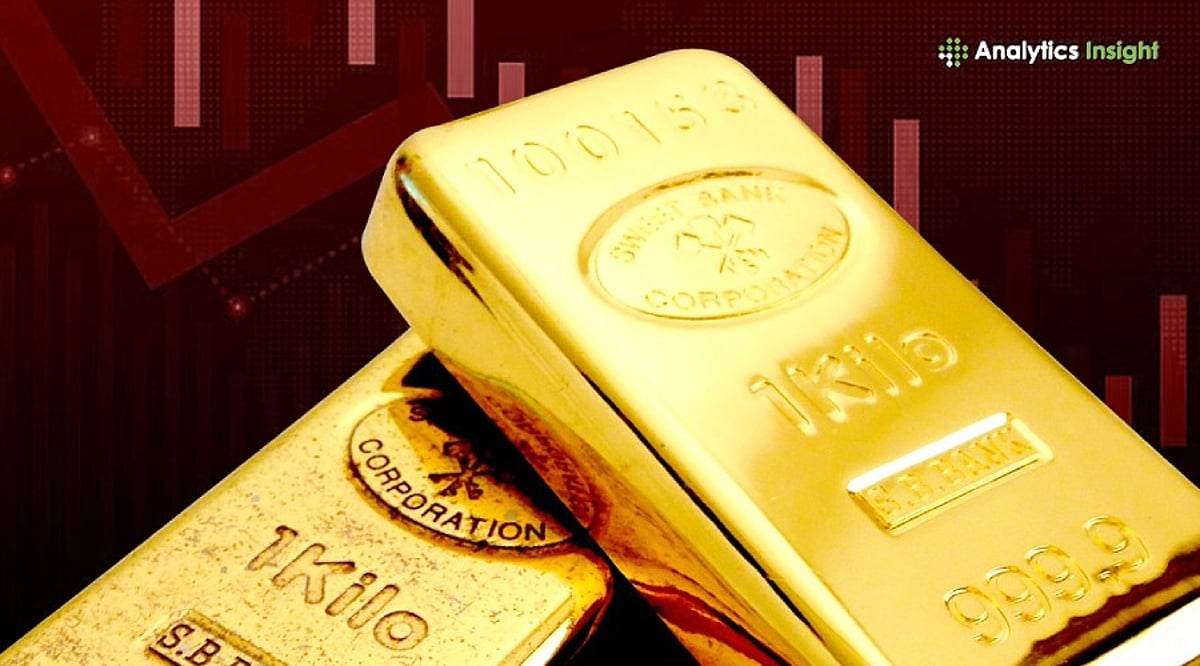
    Gold Prices Dip on MCX to ₹1,43,350 as Middle East Tensions Stoke Inflation Fears

    Gold futures on the Multi Commodity Exchange (MCX) declined on June 24, 2026, amid renewed hostilities between the US and Iran that sent oil prices higher and reignited inflation concerns. The escalation is prompting traders to bet on tighter monetary policy from the US Federal Reserve.

    August gold futures on MCX fell 0.56% to ₹1,43,350 per 10 grams. July silver futures also slipped 0.7% to ₹2,19,863. In the international market, Brent crude futures edged down 0.67% to $72.47 a barrel, while US West Texas Intermediate (WTI) crude dropped 1.80% to $70.05 a barrel.

    According to the CME FedWatch Tool, traders now anticipate three rate hikes from the US Federal Reserve this year, with an 80% probability of a December hike.

    Domestic Gold Prices

    In the domestic spot market, 24K gold fell by ₹93 to ₹1,43,020 per 10 grams, and 22K gold dropped by ₹85 to ₹1,31,100. Regional variations were minimal: Mumbai and Kolkata both quoted ₹1,43,020, Delhi ₹1,43,170, and Chennai ₹1,45,090.

    US Gold Prices

    US gold prices also eased on Monday as recent US-Iran strikes in the Gulf pushed oil prices higher. Spot gold was down 0.6% at $4,062.89 per ounce, while US gold futures for August delivery lost 0.5% to $4,077.50. The metal is heading for a fourth consecutive monthly loss of 10.4%.

    Spot silver fell 1.2% to $58.47 per ounce. Platinum gained 0.2% to $1,617.15, and palladium rose 0.4% to $1,213.60.

    Key Levels to Watch

    Tim Waterer, chief market analyst at KCM Trade, commented: “US and Iran were at it again over the weekend, with fresh military strikes reported from both parties, which casts further doubt over how long oil can stay at these subdued levels and therefore over the broader inflation and interest rate outlook.”

    Waterer added: “Gold could see the $5,000 level again this year, but this would be based on further de-escalation, oil having a sustained move to pre-war levels to dull the inflationary impact of the conflict, and a softer dollar.”

    Internationally, gold has support at $4,055 and $4,010, while resistance is at $4,135 and $4,180 per troy ounce. Silver has support at $57.40 and $55.80, with resistance at $61.20 and $62.80 per troy ounce.

    On MCX, gold has support at ₹1,43,300 and ₹1,42,400 and resistance at ₹1,45,150 and ₹1,46,200. Silver has support at ₹2,20,000 and ₹2,16,600 and resistance at ₹2,26,000 and ₹2,29,100.

    Stay updated with the latest gold price movements and market insights.

  • Wall Street Braces for Jobs Data Amid Tech Turbulence and Fed Rate Uncertainty

    Wall Street Braces for Jobs Data Amid Tech Turbulence and Fed Rate Uncertainty

    Wall Street enters a holiday-shortened week with investors closely monitoring June jobs data, rising Federal Reserve rate-hike expectations, and heightened volatility in technology shares. The S&P 500 has posted a solid gain of more than 7% in the first half of 2026, but June brought weaker trading and wider daily swings, leaving markets on edge.

    The June payrolls report, scheduled for release on Thursday, July 2, will provide a critical measure of economic strength. Economists anticipate the addition of approximately 135,000 jobs, following a gain of 172,000 in May. A stronger-than-expected reading could reinforce the view that the economy can withstand higher borrowing costs, while a weaker report might ease pressure on the Federal Reserve to tighten policy soon.

    Markets have already raised the odds of a Fed rate increase by September, a sharp reversal from early 2026 when traders expected rate cuts. Doug Huber of Wealth Enhancement noted, “If we do get a really good jobs number, my guess is the market’s not going to treat that as good news,” reflecting concerns that robust growth could fuel rate hikes rather than support stock gains.

    Inflation remains a key concern, having moved above 4% for the first time in three years, driven by higher energy costs linked to the Middle East conflict. The Fed’s latest meeting underscored a strong focus on price stability, with investors viewing the tone as more hawkish than anticipated. Brad Conger of Hirtle & Co. commented, “Even if the jobs data is not a big surprise, it can tilt the Fed in one direction or the other.”

    Technology shares faced renewed selling pressure as investors reassess high spending on artificial intelligence infrastructure. Micron Technology, Advanced Micro Devices, Intel, and Oracle all traded lower on Friday, dragging the NASDAQ Composite toward a weekly loss. The Philadelphia Semiconductor Index, which had surged more than 90% from its late-March low, has recently declined, raising questions about whether the rally outpaced fundamentals.

    Adding to AI sector concerns, a report that OpenAI may delay its initial public offering until 2027 has weighed on chip and software stocks. Adam Crisafulli of Vital Knowledge said the reported delay “could slow the pace of infrastructure spending,” as investors worry about the heavy capital needs across the AI landscape. Traders will watch whether the selling pressure extends beyond semiconductors and software companies.

    Oil prices have fallen toward $70 a barrel after trading near $100 a month earlier, with Brent crude dipping below $73 on Friday. Investors are closely watching whether the Middle East ceasefire holds and whether lower energy costs ease inflation pressures. Meanwhile, the European Central Bank’s annual forum will draw attention from currency and bond markets, and Nike’s upcoming earnings report will offer an early view of consumer demand ahead of the broader second-quarter reporting season in July.

    As Wall Street navigates a shortened trading week, all eyes remain on the jobs report, tech volatility, and global policy signals that could shape market direction for the remainder of 2026.

  • MCX Gold Slides to ₹1,40,748 as US Dollar Index Remains Firm Above 101; Fed Rate Hike Outlook Weighs

    MCX Gold Slides to ₹1,40,748 as US Dollar Index Remains Firm Above 101; Fed Rate Hike Outlook Weighs

    Gold prices traded lower on the Multi Commodity Exchange (MCX) on June 24, as the US dollar index held above the 101 mark amid growing expectations of additional monetary tightening by the Federal Reserve. August gold futures declined 0.37%, settling at ₹1,40,748 per 10 grams. Meanwhile, July silver futures slipped 1.07% to ₹2,10,801.

    In the international market, Brent crude futures fell 1.68% to $72.50 a barrel, while US West Texas Intermediate (WTI) crude dropped 1.46% to $69.31 a barrel. The CME FedWatch Tool indicates that traders now anticipate three rate hikes from the US Federal Reserve this year, with a 67% probability of a September increase.

    Domestic Gold Prices

    In the domestic spot market, 24K gold fell by ₹278 to ₹1,40,130 per 10 grams, and 22K gold decreased by ₹255 to ₹1,28,450. City-wise rates were largely uniform: Mumbai and Kolkata quoted ₹1,40,130, Delhi ₹1,40,280, and Chennai ₹1,45,630.

    US Gold Prices

    US gold prices extended their losses on Thursday, trading near a more than seven-month low touched in the previous session. Spot gold dropped 0.4% to $3,985.89 per ounce, while US gold futures for August delivery eased 0.2% to $4,001.60 per ounce.

    Spot silver fell 0.2% to $57.33 per ounce, platinum lost 0.2% to $1,575.85, and palladium gained 0.3% to $1,170.25.

    Key Levels to Watch

    According to independent metals trader Tai Wong, “The market is pricing a rate hike as soon as September due to a hawkish Fed. A surging dollar and lower inflation expectations are weighing on precious metals.” Wong added that while a collapse is unlikely, gold may remain in a prolonged consolidation phase due to weak demand.

    On MCX, gold has support at ₹1,40,000 and ₹1,38,800, and resistance at ₹1,42,400 and ₹1,43,350. Silver has support at ₹2,09,100 and ₹2,05,000, with resistance at ₹2,16,600 and ₹2,21,000.

  • Dow Hits Record High as Apple Slump Drags NASDAQ Lower; Micron Earnings Boost Semiconductors

    Dow Hits Record High as Apple Slump Drags NASDAQ Lower; Micron Earnings Boost Semiconductors

    The US stock market showed a sharp divergence on Thursday as investors rotated away from large-cap technology stocks. Apple led the decline, falling nearly 5% after announcing price increases on several MacBook and iPad models, which dragged the NASDAQ Composite into negative territory. In contrast, the Dow Jones Industrial Average surged 598 points (1.1%) to a record close, supported by gains in financial, healthcare, and industrial shares.

    The S&P 500 managed a modest 0.4% gain, reflecting broader market resilience outside the tech sector. Apple’s price hikes—attributed to rising memory and storage chip costs driven by AI data-center demand—raised concerns about margin pressure across the technology industry. Alphabet, Meta Platforms, NVIDIA, Amazon, and Microsoft also declined, while SpaceX shares fell about 1%.

    Micron Technology provided a bright spot, reporting fiscal third-quarter earnings above expectations and issuing a strong outlook. The memory-chip maker’s shares initially jumped over 15% before paring gains, briefly pushing its market value above $1.4 trillion. Qualcomm also gained after raising its long-term revenue forecast for non-smartphone businesses to $40 billion by fiscal 2029. Other semiconductor stocks such as Sandisk, Western Digital, KLA, and Applied Materials advanced, but these gains were insufficient to offset the losses among the largest tech names.

    The Dow’s record performance was fueled by strong moves in Johnson & Johnson, JPMorgan Chase, and Caterpillar. Additionally, Alphabet is set to join the Dow Jones Industrial Average on June 29, replacing Verizon Communications. This sector rotation indicates investors are not fleeing equities but rather reallocating capital based on earnings, product costs, and valuations.

    On the macroeconomic front, May’s Personal Consumption Expenditures (PCE) price index rose 0.4% month-over-month, slightly below the expected 0.5%. Annual headline inflation reached 4.1%, matching forecasts and marking its highest level in over three years. Core PCE increased 0.3% monthly and 3.4% annually, both in line with estimates. Consumer spending grew, and first-quarter GDP was revised up to an annualized 2.1%. Treasury yields edged lower, with the 10-year yield falling to about 4.37%.

    Brian Jacobsen of Annex Wealth Management noted that the worst of inflation and consumer angst may be behind us, but cautioned that inflation expectations depend on gasoline prices trending lower. The data keeps questions about future Federal Reserve policy open.