Tag: Foldable Phones

  • iPhone Duo Too Pricey? 5 Compelling Foldable Alternatives Worth Your Money

    iPhone Duo Too Pricey? 5 Compelling Foldable Alternatives Worth Your Money

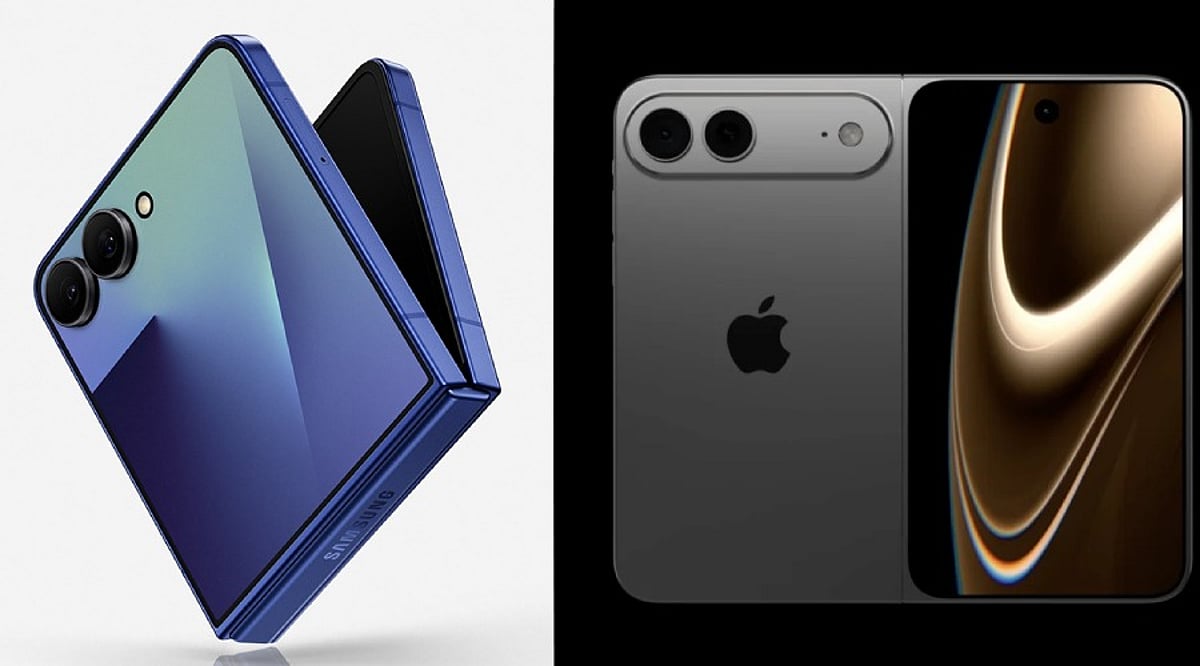
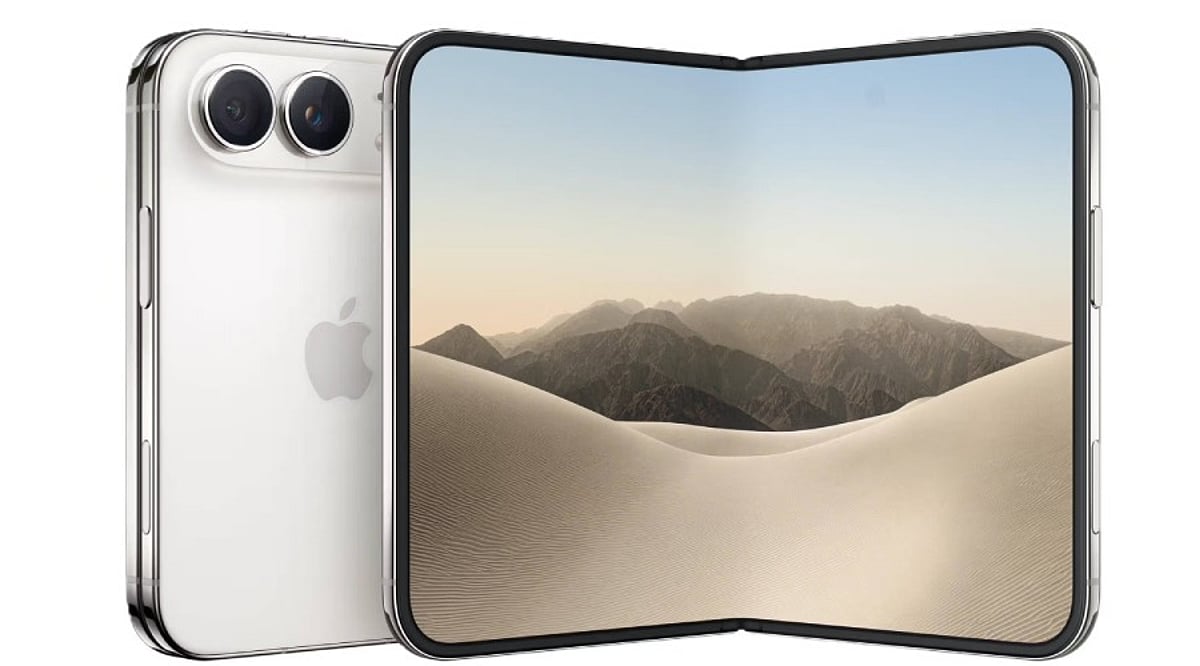
    Apple has finally entered the foldable phone market with the iPhone Duo, and the announcement has generated as much debate as excitement. The device carries a starting price of USD 1,999, which makes it the most expensive iPhone Apple has ever sold. For many buyers, this price tag raises a fair question: Is a foldable phone from Apple worth it, or would the same budget be better spent on a rival device that offers similar innovation at a lower cost?

    The foldable phone category has matured a great deal over the past few years, and several brands now offer devices that rival Apple on design, durability, and software, often at a friendlier price. This article looks at why the iPhone Duo costs so much and lists five foldable phones worth considering as alternatives.

    Why Apple’s iPhone Duo Carries a Heavy Price Tag

    The iPhone Duo opens like a book and reveals a 7.6-inch internal display, which Apple describes as the largest screen ever placed inside an iPhone. The cover screen measures 5.4 inches, and the device runs on Apple’s A20 Pro chip paired with a new cooling system. Apple claims this combination delivers 35% higher sustained performance compared with the iPhone 17 Pro. Battery life is rated at 31 hours of video playback, and the phone includes dual 48-megapixel rear cameras along with an under-display FaceTime camera. These components, along with the folding mechanism and reinforced hinge, add to key manufacturing costs. Foldable displays remain expensive to produce, and Apple has spent years refining the technology to avoid a visible crease, a problem that affected earlier foldables from other brands. The result is a premium device built with premium components.

    Samsung Galaxy Z Fold 7

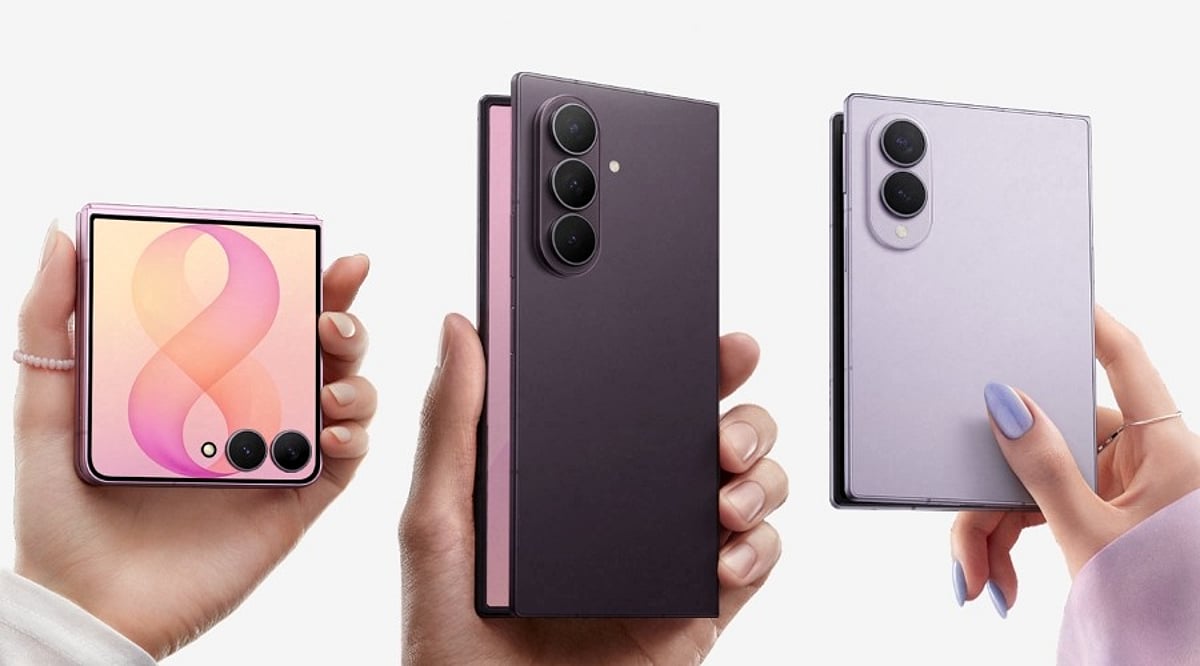
    Samsung’s Galaxy Z Fold 7 remains one of the strongest book-style foldables on the market and starts at around USD 1,799, which is USD 200 less than the iPhone Duo. It runs on the Snapdragon 8 Elite chip, features a flagship camera system, and is noted for being one of the thinnest foldables available when closed. Samsung’s DeX mode also turns the phone into a near-laptop experience when connected to a keyboard, adding genuine productivity value beyond entertainment and browsing.

    Google Pixel 10 Pro Fold

    Pixel 10 Pro Fold is priced near USD 1,799 at launch, though it can often be found closer to USD 1,499 through retailers. What sets this device apart is durability. It carries the first IP68 water resistance rating given to a folding phone, a meaningful upgrade over earlier foldables that struggled with dust and moisture protection. Google also backs the phone with seven years of software updates, the longest commitment offered on any foldable today, which gives buyers strong long-term value for their money.

    Honor Magic V5

    Honor has positioned the Magic V5 as a direct challenger to Samsung and Apple, pricing it at EUR 1,999 in Europe, which works out to roughly 100 pounds less than the Galaxy Z Fold 7 in the UK market. The phone measures just 8.8 millimetres when folded, making it one of the slimmest foldables sold anywhere. It runs on the Snapdragon 8 Elite chipset, includes a 5,820mAh battery, and offers a triple rear camera system with a periscope telephoto lens. For buyers who want flagship specifications without paying Apple-level prices, the Magic V5 is a compelling option.

    Motorola Razr Ultra

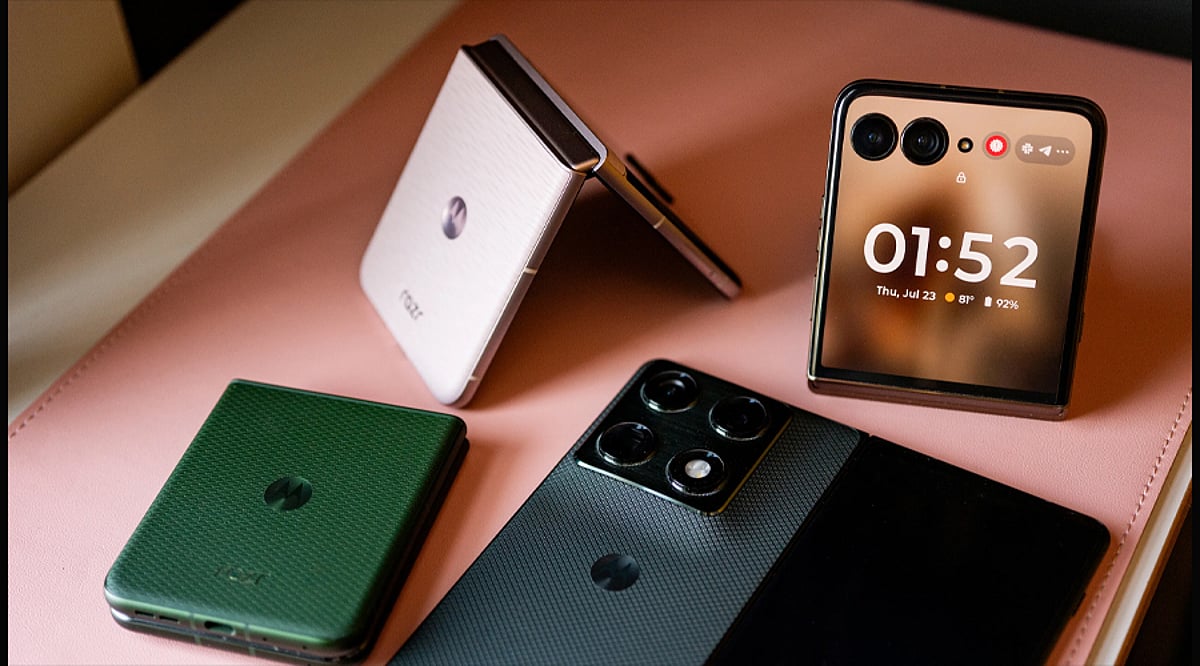
    Not every buyer wants a large book-style device, and Motorola’s Razr Ultra 2026 caters to those who prefer a compact flip phone. Priced at USD 1,499, it features a 5,000mAh battery, dual 50-megapixel cameras suited for vlogging, and a bright cover display that supports Dolby Vision and HDR10 plus. Reviewers have noted that the price rose by 200 dollars over the previous generation, yet the phone still undercuts the iPhone Duo by USD 500 while offering a genuinely different form factor built around portability and design.

    Samsung Galaxy Z Flip 7

    For buyers who want to experience a foldable phone without spending close to USD 2,000, the Galaxy Z Flip 7 starts at around USD 999, roughly half the price of the iPhone Duo. It features a 4.1-inch cover screen that displays notifications, camera previews, and widgets without needing to open the phone. Samsung has also strengthened the hinge design in this generation, addressing a common concern among flip phone owners regarding long-term durability. It is not built for heavy multitasking the way the larger Fold models are, but it delivers the foldable experience at a price that many more people can afford.

    Foldable Phones Comparison Table

    Phone Starting Price Key Feature
    Apple iPhone Duo USD 1,999 Largest iPhone screen, A20 Pro chip
    Samsung Galaxy Z Fold 7 USD 1,799 DeX mode, thin design
    Google Pixel 10 Pro Fold USD 1,499 – 1,799 IP68 water resistance, 7-year updates
    Honor Magic V5 EUR 1,999 Slimmest foldable, 5,820mAh battery
    Motorola Razr Ultra USD 1,499 Compact flip, Dolby Vision cover display
    Samsung Galaxy Z Flip 7 USD 999 Affordable flip, 4.1-inch cover screen

    Final Thoughts

    The iPhone Duo is a genuinely impressive piece of engineering, and Apple has clearly worked to solve problems that affected earlier foldables, including screen creasing and hinge durability. However, its USD 1,999 starting price places it firmly in premium territory, and buyers now have several strong alternatives that offer comparable innovation at a lower cost. Samsung, Google, Honor, and Motorola have each built foldables that suit different needs, whether that means better software support, a slimmer design, a compact flip form, or simply a friendlier price. Choosing the right foldable ultimately depends on individual priorities such as brand ecosystem, camera quality, and long-term software support, rather than price alone. For most buyers, comparing these options carefully before committing to Apple’s most expensive iPhone yet is a sensible step.
  • Motorola’s 2026 Lineup: 7 Standout Phones Across Foldable, Premium, and Budget Tiers

    Motorola’s 2026 Lineup: 7 Standout Phones Across Foldable, Premium, and Budget Tiers

    Motorola has significantly expanded its smartphone portfolio for 2026, offering devices across premium, foldable, and budget segments. The iconic Razr series continues to lead the company’s foldable innovation, while the Edge and Moto G lines cater to mainstream and practical buyers. Here’s a closer look at seven models that define the brand’s current strategy.

    Motorola Razr Ultra

    The Razr Ultra sits at the top of Motorola’s foldable range, blending the nostalgic flip-phone form factor with cutting-edge hardware and a generously sized external display. This model is a key player in Motorola’s push to make foldables more mainstream.

    Motorola Razr

    The standard Razr brings the foldable experience to a broader audience. Its compact clamshell design is pocket-friendly when closed, yet reveals a full-fledged smartphone screen when opened. The 2026 iteration continues the modernization of the classic Razr identity.

    Motorola Edge 2026

    The Edge 2026 focuses on a balanced combination of design, camera capabilities, and battery endurance. It features an AI-powered Photo Enhancement Engine that enhances the entire camera system, along with Action Shot and Adaptive Stabilization for moving subjects and video. A 5,000mAh battery ensures all-day usage.

    Motorola Moto G Power 2026

    The Moto G Power 2026 prioritizes practical everyday features over flagship pricing. Its main selling point is exceptional battery life, making it an ideal choice for users who need dependable endurance without breaking the bank.

    Motorola Moto G Stylus 2026

    The Moto G Stylus 2026 adds pen-based functionality to Motorola’s accessible phone range. Designed for users who like to write, sketch, or interact with content using a built-in stylus, this model demonstrates Motorola’s continued experimentation with features beyond standard touch interaction.

    Motorola Edge Family

    The Edge series remains the bridge between mainstream and premium smartphones in Motorola’s catalog. Combining modern displays, capable processors, and AI-enhanced camera systems, the Edge 2026 strengthens imaging tools while keeping battery life and everyday usability at the forefront.

    These seven models showcase Motorola’s diverse approach to the 2026 smartphone market, from cutting-edge foldables to reliable budget options.

  • Samsung’s Galaxy Fold Sheds 75 Grams: A Decade of Engineering Refinement

    Samsung’s Galaxy Fold Sheds 75 Grams: A Decade of Engineering Refinement

    Since the original Galaxy Fold launched in 2019, Samsung has steadily trimmed weight from its foldable lineup. Over eight generations, the company cut 75 grams — from 276g to 201g — without compromising on flagship features or durability. The Galaxy Z Fold8, released in 2026, weighs just 201 grams, making it significantly lighter and more portable than its predecessors.

    The weight reduction didn’t happen overnight. Samsung achieved it through a series of iterative engineering improvements: redesigned hinges, thinner display structures, lighter materials, and meticulous component optimization. The folded thickness also dropped from 17.1mm to 8.9mm over the same period.

    Notably, the journey wasn’t a straight line downward. The Galaxy Z Fold2 actually gained 6 grams in 2020, reaching 282g, as Samsung added a larger 6.2-inch cover display and a more robust Hideaway Hinge. That extra weight made the closed device far more practical for everyday use. From there, the company began trimming grams through successive hinge innovations.

    The Galaxy Z Fold4 introduced a linear hinge mechanism that weighed 21% less than the previous gear-based design. The Galaxy Z Fold5 followed with the Flex Hinge, enabling a waterdrop-style fold that reduced stress on the display. The Galaxy Z Fold6 refined the dual-rail structure, and the Galaxy Z Fold7 delivered a major thickness reduction, bringing the folded body to 8.9mm and weight to 215 grams.

    The Galaxy Z Fold8 capped the effort with Flex Titanium — a titanium alloy film just tens of micrometers thick — integrated into the display structure. Precision-machined support components measure around 0.2mm, achieved through refined tooling and cooling processes. Samsung also examined nearly 270 core components and over 180 auxiliary parts, removing about 15 auxiliary parts and redesigning many others. Some changes shaved as little as 0.001 grams per part.

    “No single material or component made that transformation possible,” Samsung stated, emphasizing that eight generations of engineering were responsible for the cumulative weight loss. The recovered space also enabled larger batteries and cameras: the Galaxy Z Fold8 Ultra packs a 5,000mAh battery and a 200MP main camera, while graphite heat-dissipation volume increased by about 7%.

    The Galaxy Fold story illustrates how small, relentless engineering changes can reshape an entire device category. Samsung managed to cut weight while expanding battery capacity, camera capability, cooling, and overall foldable functionality — a testament to the power of iterative design.

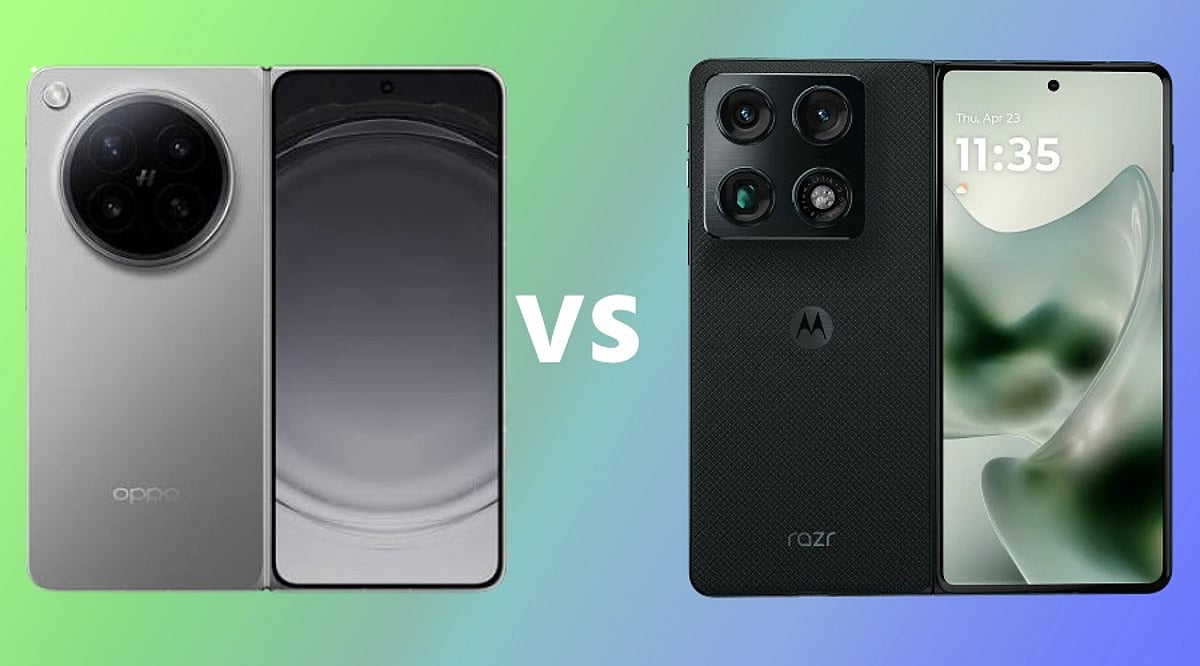
  • Oppo Find N6 vs Motorola Razr Fold: Comparing Design, Performance, and Cameras

    Oppo Find N6 vs Motorola Razr Fold: Comparing Design, Performance, and Cameras

    The foldable smartphone market continues to heat up, with Oppo and Motorola each offering book-style devices that combine large screens with portability. The Oppo Find N6 and Motorola Razr Fold share several core specs—including 6,000mAh batteries, 80W wired charging, and 50W wireless charging—but differ significantly in design, camera systems, performance, and software support. This comparison breaks down the key differences to help you decide which foldable fits your needs.

    Design and Display

    The Oppo Find N6 features an 8.12-inch inner LTPO OLED display and a 6.62-inch cover screen, while the Motorola Razr Fold comes with an 8.1-inch internal display and a 6.6-inch cover panel. Both use LTPO OLED technology for the main screens, but the Razr Fold’s cover display supports a 165Hz refresh rate compared to the Find N6’s 120Hz cover screen.

    Oppo’s design focus is its second-generation Titanium Flexion Hinge, which the company says produces a ‘Zero-Feel Crease’—meaning the crease is barely visible under normal viewing angles, though it is still physically present. The Find N6 is also lighter and thinner: it weighs 225g and measures 4.2mm when unfolded (8.93mm folded), versus the Razr Fold’s 243g and 4.55mm unfolded (10.04mm folded).

    Performance and Software

    Under the hood, the Oppo Find N6 is powered by the Snapdragon 8 Elite Gen 5 Mobile Platform, while the Motorola Razr Fold uses the Snapdragon 8 Gen 5 chipset. Both are flagship-level processors, but the Elite variant in the Find N6 may offer a slight edge in raw performance.

    On the software side, the Find N6 runs Android 16 with ColorOS 16, which includes a Free-Flow Window feature that lets users run up to four apps simultaneously on the inner display. It also supports the optional OPPO AI Pen. The Razr Fold runs Android 16-based My UX and stands out with a promise of seven years of OS and security updates—a major advantage for long-term users.

    Camera Systems

    Camera hardware is one of the biggest differentiators. The Oppo Find N6 boasts a 200-megapixel Hasselblad Ultra-Clear Main Camera, a 50-megapixel ultra-wide lens, a 50-megapixel 3x periscope telephoto, and a dedicated True Color Camera. It supports 4K 120fps Dolby Vision recording on the main camera and 4K 60fps Dolby Vision on all three rear cameras.

    The Motorola Razr Fold uses a triple 50-megapixel setup: a main, ultra-wide, and telephoto camera. While still capable, it lacks the high-resolution main sensor and dedicated color camera found on the Oppo. For photography enthusiasts, the Find N6 clearly has the upper hand.

    Battery and Charging

    Both devices pack identical 6,000mAh silicon-carbon batteries and support 80W wired charging plus 50W wireless charging. In this area, neither phone holds a clear advantage—users can expect similar endurance and charging speeds from either foldable.

    Which One Should You Choose?

    The Oppo Find N6 excels in hardware: a more powerful processor, a superior 200MP Hasselblad camera system, a lighter and thinner design, and a nearly invisible crease. It’s the better choice for users who prioritize camera quality, performance, and a premium feel.

    The Motorola Razr Fold counters with a smoother 165Hz cover display, a versatile triple 50MP camera, and an industry-leading seven-year software update commitment. It appeals to those who value long-term support and a slightly more fluid cover screen experience.

    Ultimately, your decision should hinge on whether you want top-tier camera and performance hardware (Oppo) or extended software longevity and a higher refresh rate cover display (Motorola).

    Frequently Asked Questions

    Which phone has the larger display?

    The Oppo Find N6 has an 8.12-inch inner display, while the Motorola Razr Fold features an 8.1-inch internal display.

    Which foldable has a better camera?

    The Oppo Find N6 features a 200MP Hasselblad main camera, while the Motorola Razr Fold offers three 50MP rear cameras. The Oppo’s camera system is more advanced overall.

    Do both phones have the same battery capacity?

    Yes, both the Oppo Find N6 and Motorola Razr Fold pack 6,000mAh batteries with 80W wired charging and 50W wireless charging.

    Which phone is lighter?

    The Oppo Find N6 weighs 225g, making it lighter than the Motorola Razr Fold, which weighs 243g.

    Which phone offers longer software support?

    The Motorola Razr Fold offers seven years of OS and security updates, providing extended software support for users.

  • Apple Executives Respond to Claims That iPhone Duo Copied Rival Foldables

    Apple Executives Respond to Claims That iPhone Duo Copied Rival Foldables

    Apple’s leadership has finally responded to accusations that its new foldable iPhone Duo copied designs from rival smartphone makers. New CEO John Ternus and marketing chief Greg Joswiak, widely known as Joz, addressed the topic this week during an interview with TechRadar’s Lance Ulanoff and Tom’s Guide’s Mark Spoonauer.

    The comments came just days after Apple unveiled the iPhone Duo, its first foldable phone, at a September event. Samsung, Huawei and Xiaomi had all launched wide, book-style foldables well before Apple, and social media was quick to accuse the company of copying the format, particularly its aspect ratio.

    What Apple’s Executives Actually Said

    Joswiak pushed back on the copying claims directly, explaining that leaks about Apple’s foldable project had circulated for years. He said people knew through leaks that Apple was working on a foldable, and some of them happened to guess the aspect ratio correctly.

    “People knew through leaks that we were working on a foldable,” said Joz. “Unfortunately, they got the aspect ratio, and a lot of coincidental instances of people finding that an interesting aspect ratio.”

    He was referring to Samsung, Huawei and Xiaomi, all of which had already announced wide foldables before Apple’s own launch. Joswiak added that the one detail Apple managed to keep under wraps was the folding nano-texture display built specifically for the Duo, something he said the team protected with extra layers of internal security and never discussed publicly ahead of time.

    Why the Foldable Debate Matters

    Social media reactions have ranged from genuine criticism to outright jokes since the Duo’s launch. Samsung itself joined in with a playful jab online, and even Duolingo got pulled into the meme cycle over the product’s name.

    Beyond the online chatter, the interview also gave a first real look at Ternus in his new role as CEO, following the recent leadership change from Tim Cook. Reports describe his tone as more animated and hands-on compared to Cook’s typically measured public style, reflecting his background as an engineer rather than a longtime executive.

    For a company stepping into its first foldable phone category, how Apple frames its originality could shape how the Duo is perceived heading into its first full sales cycle.

  • Samsung Mocks Apple’s Foldable iPhone Duo as a ‘Reheated’ Copy

    Samsung Mocks Apple’s Foldable iPhone Duo as a ‘Reheated’ Copy

    Apple officially entered the foldable smartphone market with the launch of the iPhone Duo on September 9, and Samsung was quick to respond with a series of taunts. The South Korean tech giant, which has been releasing foldable devices since 2019, took to social media to mock Apple’s belated entry.

    Samsung Mobile US posted multiple comments on X during Apple’s event, calling the new iPhone ‘so far, so same’ and joking that Apple was late to the foldable race. The company even used the hashtag “#ItsTimeToSwitch” and quipped, “Let us know when you’re done reheating our leftovers,” suggesting the iPhone Duo is a copycat of Samsung’s Galaxy Fold series.

    Duolingo also joined the online banter, playing off the “Duo” name that is central to its language-learning app. The app traded playful replies with Samsung and Apple, while Samsung Canada shared a Galaxy Z Fold 8 video with a message about imitation.

    Samsung’s Foldable Advantage

    Samsung has been refining its foldable technology for years, giving the Galaxy Z Fold series a significant head start. Apple, however, enters the race with a massive user base and a powerful brand. The iPhone Duo could still reshape the market if Apple delivers a compelling user experience.

    To maintain its lead, Samsung must continue to innovate with stronger hardware—better cameras, longer battery life, and a thinner body—and optimized software. Apple’s foldable could make the technology more mainstream, especially if it integrates seamlessly with the existing iPhone ecosystem.

    Also Read: Apple iPhone 18 Launch: Foldable iPhone Duo, Pro, Watch Series 12

    Samsung still offers the experience, but Apple now commands the attention. The coming years will determine whether Samsung retains its lead or Apple turns foldables into a major segment of the iPhone business.

    Join our WhatsApp Channel to get the latest news, exclusives, and videos on Phones.

  • Morning Tech Brief: Foldable Phones, Startup Funding, Government Jobs, AI Hardware, and Crypto Trends

    Morning Tech Brief: Foldable Phones, Startup Funding, Government Jobs, AI Hardware, and Crypto Trends

    Good morning, tech enthusiasts! Here’s your quick roundup of the biggest headlines making waves today, from foldable phone launches and state-level startup initiatives to government job exams, AI hardware demands, and the steady march of stablecoins into mainstream finance.

    Huawei and Xiaomi Challenge Apple With New Foldable Phones

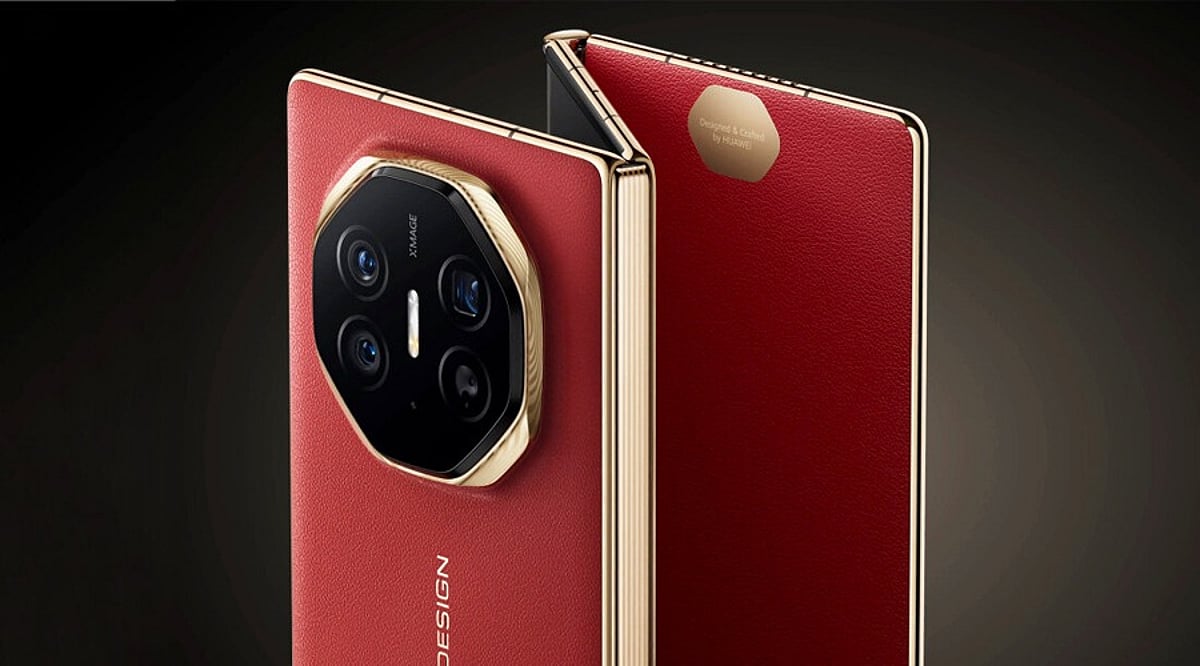
    Huawei and Xiaomi have launched new premium foldable smartphones in China ahead of Apple’s latest iPhone event on September 9. Huawei unveiled its Mate XT2 series, while Xiaomi introduced the Xiaomi 18 Fold with new designs and in-house chips. The competition in the foldable segment continues to heat up as both Chinese giants push the envelope on form factor and performance.

    Karnataka Plans Rs. 200-Crore Startup Fund and AI Skilling Push

    The Karnataka government is planning to issue rules for its Rs. 200-crore startup fund and launch the Nipuna Edge AI skilling program. The state also aims to help startups test solutions in government projects, support responsible AI use, and promote data center development beyond Bengaluru. This initiative is expected to boost the region’s tech ecosystem and create new opportunities for entrepreneurs.

    IOCL Exam Date 2026: CBT Scheduled for September 24

    Indian Oil Corporation Limited has scheduled its Computer-Based Test for 470 executive posts on September 24, 2026. Candidates can download admit cards from September 15. The selection process includes CBT, Group Discussion/Group Task, and Personal Interview. This is a key opportunity for job seekers in the public sector.

    AI PC Hardware Needs in 2026

    AI models are driving up PC hardware requirements. Running even moderately sized models now demands strong memory, GPU power, bandwidth, and storage. Users with 32GB of RAM can only run smaller models; for greater support, 64GB is recommended, but 128GB or more is the practical choice for larger workloads. As AI becomes more integrated into everyday computing, hardware upgrades are becoming essential.

    Stablecoins Push Digital Assets Toward Mainstream Finance

    Stablecoins are gaining stronger support from banks and financial institutions. Tokenized securities and 24-hour trading have expanded, creating a surge in demand for improved liquidity, settlement, cross-border rules, and identity systems that connect digital assets with traditional finance. This trend signals a growing acceptance of cryptocurrency in regulated financial markets.

  • Huawei Mate XT2 Debuts with Tri-Fold Display and Kirin 9050 Pro, Intensifying Foldable Market Rivalry

    Huawei Mate XT2 Debuts with Tri-Fold Display and Kirin 9050 Pro, Intensifying Foldable Market Rivalry

    Huawei has officially launched the Mate XT2 series in China on September 7, 2026, further heating up the foldable smartphone competition. Priced from CNY 19,999 (approximately USD 2,980), the flagship device introduces a tri-fold display that unfolds twice into a tablet-sized screen, powered by the in-house Kirin 9050 Pro chip.

    The Mate XT2 features a redesigned hinge, enhanced water resistance, and a privacy-focused display mode for sensitive viewing. Huawei claims a 42% performance boost over the previous Mate XT series, thanks to the Kirin 9050 Pro’s LogicFolding architecture under the company’s Tau Scaling Law approach, which balances higher computing power with reduced battery consumption.

    Huawei remains China’s leading smartphone brand with a 22.6% market share in Q2 2026 and controls 68% of the country’s foldable phone shipments. However, the company faces immediate pressure from Xiaomi’s upcoming foldable launch, scheduled later the same day. Xiaomi’s shares dropped about 3% in afternoon trading following the Mate XT2 unveiling, highlighting the market’s sensitivity to competitive moves.

    Apple is also expected to enter the foldable segment soon, with its iPhone event set for Wednesday, September 9. Analysts anticipate a foldable iPhone that could leverage Apple’s integrated hardware and software ecosystem to challenge Huawei’s dominance.

    Richard Yu, Huawei’s executive, noted pricing challenges due to rising memory costs. The top-tier Mate XT2 model reaches CNY 24,999, positioning the device as a luxury purchase for Chinese consumers. Sales begin September 12.

  • Foldable Phone Showdown 2027: Samsung Galaxy Z Fold8 vs Rumored Apple Foldable iPhone

    Foldable Phone Showdown 2027: Samsung Galaxy Z Fold8 vs Rumored Apple Foldable iPhone

    Samsung has officially launched the Galaxy Z Fold8 and Z Fold8 Ultra, while Apple’s foldable iPhone remains unconfirmed. This comparison examines confirmed features, credible reports, software, AI, durability, and pricing, highlighting how hardware maturity and ecosystem strength could shape the foldable smartphone market.

    What Is Confirmed, and What Is Still a Report

    Samsung’s position rests on solid ground. The company confirmed final specifications and pricing for the Galaxy Z Fold8 and Z Fold8 Ultra through its own newsroom, and both models went on sale August 7, 2026. Apple’s position looks different. The company has made no public statement about a foldable iPhone. What exists instead is an unusually steady stream of reporting. Developers analyzing iOS 27 beta code found references to a ‘foldstate’ system, which some read as preparation for foldable hardware. Separately, outlets including MacRumors and Macworld report that a device could launch alongside the iPhone 18 Pro lineup at Apple’s September event. Analyst Ming-Chi Kuo and Bloomberg’s Mark Gurman have both offered details that mostly line up with each other. That alignment makes the reports worth watching closely. It does not make them official.

    Hardware and Design

    The Z Fold8 Ultra measures 4.1mm when unfolded and carries an 8-inch internal display in a book-style body. The standard Z Fold8 uses a wider, passport-style shape with a 7.6-inch screen. Reports describe Apple’s foldable using a similar book-style hinge, with a 5.5-inch external display and a 7.8-inch internal one set in a 4:3 aspect ratio closer to a small tablet than a phone. Leakers point to a barely visible crease and a chassis thin enough to rival Samsung’s. None of this comes from Apple directly, so these figures remain a leak consensus rather than a spec sheet. Samsung’s current design reflects years of work on hinge mechanics, display protection, and weight distribution. It is tested through real-world use that Apple has not gone through in public.

    Software, Ecosystem, and Daily Use

    Samsung’s software shows its age well. The interface handles split screens, app continuity between the cover and inner display, and multitasking with a polish built across several Android foldable releases. That polish extends to ecosystem partnerships too, since Samsung’s foldables draw on a wide base of Android apps already built to adapt across screen sizes. Apple’s approach remains untested. Developers and industry observers have described new app-resizing tools appearing in iOS 27 that could support future foldable devices, though Apple has not announced a foldable-specific software system. Apple’s biggest advantage is its ecosystem. A foldable iPhone would work closely with devices like the Mac, iPad, Apple Watch, and AirPods, offering a connected experience that Samsung cannot fully replicate. Whether that pull offsets a lack of hands-on foldable software experience depends on execution Apple has not shown publicly yet.

    Cameras and AI Features

    Camera comparison stays lopsided for now, simply since only one side has a shipping product. Samsung’s foldable camera systems are established and reviewed across several generations. Apple’s imaging performance cannot be judged yet, since no foldable device has been announced or tested, and leaked specs mentioning a two-lens rear setup stay unconfirmed. AI features look set to matter more than raw specifications this cycle. Samsung’s foldables already ship with on-device tools for translation, writing help, and image editing. If Apple introduces a foldable iPhone, it will likely extend its existing AI features to the larger display, though the company has not explained how those experiences would differ from current iPhones.

    Durability and Ownership

    Hinge durability remains the detail most likely to separate a strong foldable from a fragile one. Samsung’s rated fold count gives buyers a solid number to weigh against price. Apple’s foldable is rumored to skip Face ID for Touch ID built into the power button, a tradeoff reportedly tied to how thin the folded chassis needs to stay. That kind of compromise is common in first-generation folding hardware and worth watching once real units ship. Software support length, resale value, and repair cost also belong in this calculation. Samsung’s repair network for foldables spans authorized service centers built up over several product cycles. Apple has a large global service network through its stores and authorized service providers. However, it has no proven track record of repairing foldable devices, and the cost of parts and repairs for a foldable iPhone is still unknown.

    Price and Value

    Samsung’s pricing is public. The Z Fold8 starts at $1,899.99, and the Z Fold8 Ultra starts at $2,099.99. Apple’s foldable price is not confirmed. Reports from Macworld and MacRumors point to a likely range between $1,999 and $2,500, with some estimates landing closer to $2,000 as a starting point. Until Apple speaks, treat that range as informed speculation rather than a number to plan around.

    Who Should Consider Which

    Buyers who want a foldable already proven across several hardware generations, with confirmed pricing and a track record on hinge durability, have a clear option in Samsung’s current lineup. Buyers waiting for Apple’s response may not have to wait much longer if current reports hold up. The larger foldable story used to center on whether the category made sense at all. In 2026, it centers on a sharper question: whether Apple’s first foldable can match Samsung’s years of refinement while bringing the ecosystem strength that has defined the iPhone for more than a decade.

    Final Thought

    The next five weeks will settle more about the foldable market than the last five years of rumors combined. A confirmed Apple event, a shipping Samsung flagship, and a wave of corroborating leaks rarely line up this cleanly. Whichever way this plays out, the foldable phone stops being a niche experiment and starts being a mainstream buying decision.

  • Samsung Foldable Evolution: From the Original Galaxy Fold to the Galaxy Z Fold 8

    Samsung Foldable Evolution: From the Original Galaxy Fold to the Galaxy Z Fold 8

    Samsung changed the smartphone market with the launch of the first Galaxy Fold in 2019. That device introduced a phone that could open into a tablet-sized screen. The idea looked exciting, yet the first model faced several challenges. A fragile display, hinge gaps, and accidental screen damage forced the brand to delay the launch and redesign the product. Even after those early setbacks, the Galaxy Fold proved that foldable phones could become a real product category. That single launch marked the start of Samsung’s long journey toward better foldable technology.

    Galaxy Fold Started a New Chapter

    The original Galaxy Fold arrived with a 7.3-inch main display, a 4.6-inch cover screen, a Snapdragon 855 processor, six cameras, and a 4,235mAh battery. The device carried a premium price of nearly $1,980. Samsung improved the design before the final release and strengthened the display protection. The company also sealed the hinge area to stop dust from entering the phone. Those changes helped Samsung regain customer confidence and continue work on future foldable models.

    Every New Generation Brought Better Features

    Samsung emphasized gradual advancement rather than significant innovations on an annual basis. Galaxy Z Fold 2 emerged in 2020 featuring a bigger cover display and Ultra Thin Glass, plus a brand-new Hideaway Hinge. The following year brought the Galaxy Z Fold 3 with its water-resistive IPX8 rating, S Pen compatibility, an under-display front camera, and more resilient Armor Aluminum construction. These improvements made the Fold series more practical for everyday use. The Galaxy Z Fold 4 was launched in 2022 with a 50MP main camera, improved battery performance, and better multitasking. The company collaborated with Google to develop Android for huge foldable displays. Finally, the Galaxy Z Fold 5 hit the market in 2023 having undergone a Flex Hinge redesign that got rid of the visible gap when the phone was closed.

    Foldables Reached a Mature Stage

    Samsung shifted attention toward comfort and software after the hardware reached a stable level. The Galaxy Z Fold 6 arrived in 2024 with a wider cover display, stronger frame, Galaxy AI features, and better cooling. The Galaxy Z Fold 7 continued that progress in 2025 with a thinner body, lower weight, and larger displays. Many reviewers described that model as the closest Fold device to a traditional flagship smartphone. The brand refined almost every part of the design while keeping the familiar book-style foldable format.

    Galaxy Z Fold 8 Marks the Biggest Expansion Yet

    Instead of releasing one model, Samsung introduced two models for the Fold series in 2026. The Fold series includes the Fold 8 and Fold 8 Ultra now. The Fold 8 is designed for entertainment, reading, and daily use while the Fold 8 Ultra focuses more on professionals and content creators requiring a bigger display and high-end cameras.

    The Fold 8 features a 7.6-inch Dynamic AMOLED 2X display with a 120Hz refresh rate along with a larger 5.5-inch cover display. The weight of the phone is just 201 grams, making it the lightest addition to the Galaxy Fold series yet. The processor used is Snapdragon 8 Elite Gen 5 along with the newest Android 17 operating system, Galaxy AI tools, and software updates for seven years. Dual 50MP cameras on the back and a battery of 4800mAh complete the package. The price of the Fold 8 is going to be around $1,899 globally and ₹1,74,999 in India.

    Fold 8 Ultra Raises the Premium Standard

    Samsung introduced the first Ultra model in the Fold series during the 2026 Galaxy Unpacked event. The Galaxy Z Fold 8 Ultra carries an 8-inch main display, a 200MP primary camera, a 5,000mAh battery, and a remarkably slim 4.1mm profile when fully open. The company built this model for users who demand desktop-like productivity, advanced photography, and larger workspaces inside a foldable device. The Fold 8 Ultra starts at around $2,099 in international markets.

    Prices Show Confidence in Premium Foldables

    Samsung kept Fold devices inside the premium smartphone segment from the very beginning. The original Galaxy Fold launched at almost $1,980 in 2019. The Galaxy Z Fold 3 reduced the starting price to about $1,799, which made foldables more accessible. Recent models returned to higher prices with stronger hardware and larger displays. The Galaxy Z Fold 8 starts at roughly $1,899, while the Fold 8 Ultra reaches around $2,099. The company also introduced a 30-month no-cost EMI plan in India, with monthly payments from ₹6,000 for the Fold 8 and ₹6,667 for the Fold 8 Ultra.

    Samsung Continues to Lead the Foldable Market

    Samsung transformed foldable phones from an experimental idea into a mature flagship category within seven years. Every generation solved a major challenge, whether that involved durability, display quality, software, battery life, or comfort. The latest Fold lineup shows how far the technology has progressed. Wider displays, lighter bodies, stronger hinges, advanced AI tools, and long software support now define Samsung’s foldable strategy. The Galaxy Z Fold 8 series stands as the strongest example of that steady evolution and confirms Samsung’s leadership in the premium foldable smartphone market.