Tag: Foldable Phones

  • Apple iPhone Ultra Launch Predicted to Boost Foldable Phone Shipments 20% by 2026

    Apple iPhone Ultra Launch Predicted to Boost Foldable Phone Shipments 20% by 2026

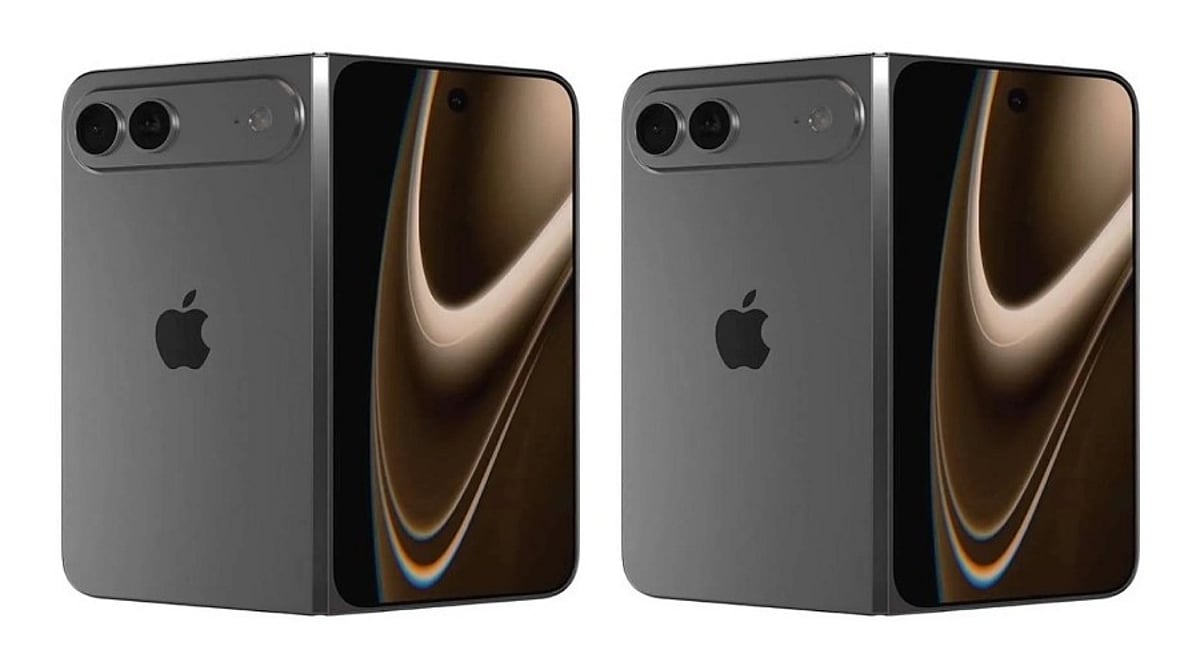
    Apple’s first foldable iPhone could help global foldable phone shipments grow 20% in 2026. The iPhone Ultra may arrive in September with the iPhone 18 Pro models. Industry sources cited by DigiTimes expect Apple’s entry to bring more buyers to foldable phones. Wider book-style designs could also support this growth across the global market.

    Samsung is expected to remain the biggest foldable phone maker in 2026. Apple could quickly become a strong competitor after entering the market. DigiTimes expects the fourth quarter to record the strongest foldable phone sales this year. Several new flagship phones could arrive during the same period.

    Apple has not confirmed the iPhone Ultra or its launch date yet. Reports suggest Apple asked suppliers to prepare around 10 million units for 2026. Supply issues could push pre-orders toward the fourth quarter, according to analyst Ming-Chi Kuo. Kuo expects strong demand for Apple’s foldable phone after its launch. He said the iPhone Ultra ‘could sell out immediately after pre-orders open.’ Delivery delays could follow if demand becomes stronger than supply.

    The expected launch could also change the foldable phone market. Samsung, Huawei, Motorola, and other Chinese brands already compete in this segment. Apple could bring more attention to larger foldable screens and premium designs. The wider smartphone market faces chip supply pressure and higher memory costs. Foldable phones could still grow as companies launch newer designs and better features. Apple’s entry could also encourage more buyers to try foldable phones for the first time.

    Reports suggest the iPhone Ultra could cost more than $2,000. The high price may limit sales among budget-conscious buyers. Still, Apple’s strong brand could help foldable phones reach a larger audience.

  • Pixel 11 Pro Fold Leak: Google’s HiLight Notification Light Could Make Checking Alerts Easier

    Pixel 11 Pro Fold Leak: Google’s HiLight Notification Light Could Make Checking Alerts Easier

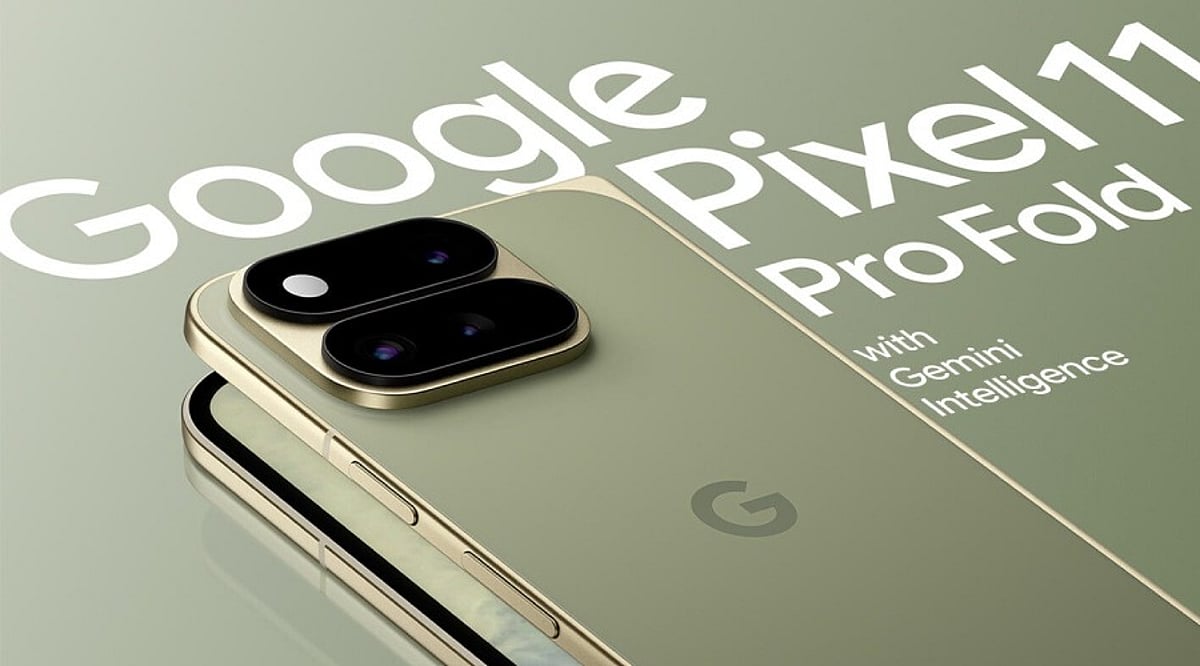
    Google is expected to launch the Pixel 11 series later this month, and a fresh leak suggests the book-style Pixel 11 Pro Fold could ship with a new notification feature called HiLight.

    According to the leak, the rear-facing notification indicator previously rumored as Pixel Glow may officially be called HiLight. The feature is designed to keep users informed while their phone is lying face down.

    “When your smartphone is face down, HiLight discreetly illuminates when your favorite contacts call you, or you chat with Gemini,” the leak notes.

    What Is HiLight on the Pixel 11 Pro Fold?

    HiLight is expected to be a small notification light on the back of the Pixel 11 Pro Fold. It could glow softly for calls, messages, and Gemini interactions, giving users a quick way to see important alerts without lifting or unfolding the device.

    Why It Matters for Foldable Phones

    One of the common annoyances of foldable phones is having to unfold them just to check a notification. Over time, that extra step becomes tedious. An external notification light could fix that by offering a quick visual cue at a glance.

    It could also help preserve battery life, since the main display would not need to turn on as often. If HiLight works as described, it may become one of the most practical additions to the Pixel Fold lineup.

    Other Expected Pixel 11 Pro Fold Features

    • A faster Tensor chip with upgraded AI tools
    • An 8-inch Super Actua Flex display
    • Up to 24 hours of battery life
    • A redesigned rear camera module

    Google Hasn’t Confirmed HiLight Yet

    As with any leak, the details could change. Google has not officially confirmed HiLight, and the final product may differ from these reports. Still, if the rumor proves accurate, it could make the Pixel 11 Pro Fold more convenient for everyday use.

  • Today’s Top Tech Roundup: Microsoft Copilot AI, Foldable Phone Boom, Tesla Stock Dip, Google Gemini Spark, and Xbox Cloud Gaming

    Today’s Top Tech Roundup: Microsoft Copilot AI, Foldable Phone Boom, Tesla Stock Dip, Google Gemini Spark, and Xbox Cloud Gaming

    Microsoft is expanding its artificial intelligence capabilities with new updates to Copilot, foldable smartphones continue to gain market momentum, Tesla’s stock has taken a hit, Google has upgraded its Gemini Spark AI agent, and Xbox is testing free cloud game streaming.

    In the latest tech news roundup, several major developments are shaping the industry. Microsoft’s Copilot AI is receiving enhancements that broaden its functionality, reinforcing the company’s commitment to AI-driven productivity. Meanwhile, the foldable phone segment is seeing increased consumer interest and manufacturer investment, signaling a shift in mobile device design trends.

    On the financial front, Tesla’s stock has experienced a decline, reflecting ongoing market volatility and investor sentiment. Google has introduced an upgraded version of its Gemini Spark AI agent, bringing advanced AI capabilities directly to users’ desktops via macOS. Additionally, Xbox is experimenting with free cloud game streaming, a move that could democratize access to high-quality gaming experiences without the need for expensive hardware.

    These stories represent the key technology trends of the day, from AI expansion and mobile innovation to market shifts and gaming accessibility.

  • Samsung Galaxy Unpacked 2026: Fold 8, Flip 8, Watch 9, and AI Glasses Revealed in London

    Samsung Galaxy Unpacked 2026: Fold 8, Flip 8, Watch 9, and AI Glasses Revealed in London

    Samsung held its Galaxy Unpacked event in London on July 23, 2026, unveiling a comprehensive lineup of new devices including the Galaxy Z Fold 8, Galaxy Z Fold 8 Ultra, Galaxy Z Flip 8, Galaxy Watch Ultra 2, Galaxy Watch 9, and AI-powered smart glasses. The event underscored Samsung’s commitment to expanding its foldable ecosystem and integrating artificial intelligence across its hardware.

    New Foldable Phones with Wider Displays and Durable Hinges

    The Galaxy Z Fold 8 introduces a redesigned form factor featuring a near 4:3 inner display that reduces black bars and enhances video streaming, gaming, multitasking, and social media experiences. Samsung has incorporated a titanium hinge to minimize the display crease and improve overall durability.

    The Galaxy Z Fold 8 Ultra is positioned as Samsung’s most premium foldable, equipped with an upgraded titanium hinge, a 5,000mAh battery, and a 200MP primary camera. Meanwhile, the Galaxy Z Flip 8 retains its classic clamshell design while receiving updated hardware and new Galaxy AI capabilities.

    Galaxy AI Expands Across Devices

    All three foldable devices run One UI 9, which is based on Android 17. The software includes AI-powered tools such as the AI Assistant Activity Dashboard and My FanCam, which automatically tracks subjects and adjusts video framing.

    Samsung also refreshed its smartwatch lineup with the Galaxy Watch Ultra 2 and Galaxy Watch 9. The Watch Ultra 2 features a brighter display, a Snapdragon Wear Elite processor, advanced fitness tracking, and improved battery life. The Watch 9 focuses on everyday wellness through AI-driven health monitoring.

    AI Smart Glasses Preview

    Samsung previewed intelligent smart glasses developed in collaboration with Google, Warby Parker, and Gentle Monster. The upcoming wearable supports notifications, voice features, and Gemini-powered AI, signaling Samsung’s expansion beyond smartphones into an AI-connected ecosystem.

    The event highlighted Samsung’s strategy to strengthen its premium device lineup ahead of increased competition in the foldable market later this year.

  • Samsung Galaxy Z Fold 8 and Z Flip 8 Launch in India with AI Upgrades and Refined Designs

    Samsung Galaxy Z Fold 8 and Z Flip 8 Launch in India with AI Upgrades and Refined Designs

    Samsung has officially launched the Galaxy Z Fold 8 and Galaxy Z Flip 8 in India, introducing slimmer designs, flagship processors, advanced AI features, upgraded displays, and improved durability. The devices were unveiled during the Galaxy Unpacked Event in London, and advance orders are now being accepted in the Indian market.

    Galaxy Z Fold 8: Redesigned for Better Ergonomics

    The Galaxy Z Fold 8 features a 7.6-inch Dynamic AMOLED 2X foldable display and a 5.5-inch exterior display. It is powered by Qualcomm’s Snapdragon 8 Elite Gen 5 for Galaxy chipset, paired with up to 16GB of RAM and up to 1TB of storage. The new ‘passport-style’ design makes the device easier to hold in one hand, while the refined hinge mechanism reduces the visibility of the display crease. Enhanced multitasking capabilities and improved Galaxy AI tools are also included.

    Galaxy Z Flip 8: Portability Meets Functionality

    The Galaxy Z Flip 8 retains its iconic clamshell design but now features a larger 6.9-inch foldable AMOLED display and a 4.1-inch cover screen that supports more native apps and widgets without opening the phone. Samsung has made it the thinnest flip phone it has ever launched, with a lightweight body. It packs a 4,300mAh battery and comes with AI-driven personalized widgets and productivity features accessible directly from the cover display.

    India Pricing and Availability

    The Samsung Galaxy Z Flip 8 starts at Rs 1,19,999, while the Galaxy Z Fold 8 is priced from Rs 1,74,999. Pre-orders are now open through Samsung’s offline and online channels, with deliveries expected to begin within a month. Customers can avail launch offers during the pre-order period.

  • 10 Game-Changing Smartphone Innovations Expected Before 2030

    10 Game-Changing Smartphone Innovations Expected Before 2030

    The smartphone industry has entered a new phase. Earlier, most improvements focused on faster processors, better cameras, and brighter displays. That trend has started to change. Artificial intelligence, satellite communication, and advanced hardware now lead the next wave of innovation. Many companies have already introduced early versions of these technologies, while others have shared plans that point toward even bigger changes before 2030. The next few years could bring smartphones that understand daily routines, complete tasks without constant instructions, and stay connected in places where mobile networks do not exist. These improvements could change the way millions of people use smartphones every day.

    1. AI as a Personal Assistant

    Artificial intelligence has already become a major part of modern smartphones. At present, AI helps with writing, photo editing, and quick searches. Before 2030, its role could become much larger. Instead of waiting for commands, AI could complete full tasks from start to finish. For example, a smartphone could search for flights, compare hotel prices, reserve a room, and arrange local transport after a simple request. Email replies could match the user’s writing style, while grocery orders could appear based on regular shopping habits. Calendar events, reminders, and travel plans could stay organized without manual effort. Several smartphone makers have already started work on advanced AI systems that connect across phones, tablets, and computers, which shows that this future has already begun.

    2. Smartphones Could Understand Daily Life

    Future smartphones may become much smarter since they could understand everyday situations instead of reacting to simple commands. They may combine information from location services, calendars, health records, and previous habits to predict what happens next. Imagine someone who leaves work much later than usual. A future smartphone could automatically send a message to family members, arrange transport, update navigation, and adjust evening plans without extra steps.

    3. Satellite Communication Could Reach Everyone

    The whole world is not covered by mobile networks. There are various areas such as mountains, jungles, deserts, and seas that have little or no signal at all. Satellite communication could be the solution to this problem before the decade is over. Some high-end smartphones can send emergency satellite text messages already. Future versions will likely support voice calls, standard text messaging, and normal communication via satellites, regardless of the presence of mobile towers.

    4. Foldable Phones Could Finally Feel Normal

    Foldable smartphones have improved every year, but many people still worry about thick designs, visible display creases, and long-term durability. Manufacturers have spent years solving these problems. Before 2030, foldable phones could become thinner, lighter, and much stronger. Better hinge systems, titanium support structures, and stronger display materials may reduce the crease that appears in the middle of the screen. New designs could also improve comfort during daily use. As durability continues to improve, foldable smartphones may become as common as traditional phones.

    5. Cameras Could Capture Better Photos Automatically

    Instead of waiting until after a photo appears, AI could improve the entire process before the shutter button receives a tap. Automatic framing, smarter lighting adjustments, object removal, and advanced video stabilization could happen instantly. Continuous image buffering may even save moments that happen just before the photo. These improvements could help every picture look more natural without extra editing.

    6. Bigger Batteries Could End Daily Charging

    With the help of silicon battery technology and advancements in battery development, batteries could last two to three days before needing to be connected to a power source. Furthermore, as fast charging technology develops, a minimal time of charging will be needed to ensure sufficient battery power for the day ahead.

    7. Privacy Could Become Much Stronger

    Artificial intelligence could process more information directly inside the phone instead of sending data to cloud servers. Hardware privacy switches may disable cameras and microphones whenever necessary. Intelligent permission controls could also detect suspicious app behavior before personal information becomes exposed. These improvements could offer stronger protection without reducing convenience.

    8. 6G Could Unlock a New Level of Speed

    Although 5G still continues to expand across many countries, research on 6G has already started. International technology groups have begun work on standards that could shape the next generation of wireless communication. Before 2030, some smartphones may become ready for 6G networks. This technology could deliver much lower delays, faster connections, and better support for artificial intelligence. Advanced augmented reality, virtual reality, and even holographic communication may become possible given these faster networks. While full deployment may take time, smartphone companies have already started preparation for this future.

    9. Smartphones Could Connect Every Device

    A phone may remember ongoing work across every connected device without interruption. Files, notes, copied text, and even AI conversations could move instantly from one screen to another. Artificial intelligence could also remember previous interactions across multiple devices and continue tasks without requiring users to repeat information. Several manufacturers have already introduced early versions of this connected ecosystem, and more advanced features could arrive during the next few years.

    10. Displays Could Become Smarter and More Comfortable

    Display technology continues to improve every year, and the next generation could focus on comfort as much as picture quality. Future smartphone displays may adjust brightness and refresh rates more intelligently based on surrounding conditions. Outdoor visibility could become much better, while eye strain during long hours of use may decrease. Foldable display technology could also become stronger and more reliable. Privacy display modes may reduce the chance of people nearby viewing sensitive information. These improvements could make smartphones more comfortable for work, entertainment, and everyday communication.

    The Future Has Already Started

    Although many of the aspects mentioned above may seem futuristic, some have already taken form in a rudimentary way. The development of AI has made it more intelligent. Smartphones are becoming lighter and more durable, satellite communication is improving, and battery technology is advancing every year with the aid of research on 6G networks. By the year 2030, smartphones might evolve to give people a helping hand not only as means of communication but as intelligent companions that can recognize their owner’s routine as well as help them in their everyday life.

  • Samsung Galaxy Unpacked 2026: What to Expect from the July 22 London Event

    Samsung Galaxy Unpacked 2026: What to Expect from the July 22 London Event

    Samsung is gearing up for one of its biggest technology showcases of the year with Galaxy Unpacked 2026, scheduled for July 22 in London. The event is expected to highlight the company’s next-generation foldable smartphones, AI-powered software features, and an expanded lineup of wearable devices. While Samsung has kept official details under wraps, teasers, industry leaks, and analyst reports suggest that the company is preparing one of its most comprehensive product launches in recent years.

    Next-Generation Foldables Expected to Lead the Showcase

    It seems that the foldable phones will continue to serve as the highlight of the Galaxy Unpacked event for the year. It is believed that Samsung will be unveiling its Galaxy Z Fold 8, Galaxy Z Flip 8, and the new flagship foldable phone which some sources claim to be named the Galaxy Z Fold 8 Ultra. There have been rumors about the launch of an additional foldable phone which will come with a book-fold design similar to that of a tablet.

    The upcoming foldables will feature slimmer designs, better hinges, minimized display creases, increased battery capacity, and the latest generation of the Snapdragon processor by Qualcomm. Samsung has also announced the development of its new foldable display technology called the Flex Titanium.

    Galaxy AI and Wearables Could Receive Major Upgrades

    Artificial intelligence is projected to feature prominently in various parts of the event. Samsung has dropped subtle hints that its upcoming Galaxy products will offer improved AI experiences compared to those seen previously in the form of Galaxy AI which was unveiled in early 2023. The advancements are expected to boost productivity, communication, photography, and on-device intelligence.

    Apart from smartphones, Samsung will reveal the Galaxy Watch 9 and Galaxy Watch Ultra 2 along with advanced health tracking features thanks to wearable processors. Speculations abound of new AI-driven products being announced at the event, including Samsung’s much-talked-about smart glasses and potentially, new open-ear wireless earbuds that could increase situational awareness for users.

    AI Ecosystem and Software Experience in Focus

    In contrast to just concentrating on hardware, it seems that Samsung plans to turn Galaxy Unpacked 2026 into an event that will demonstrate its comprehensive approach to the AI ecosystem. Samsung has been stressing its vision of the intelligent software that is coupled with innovative forms of devices that would help to have better experiences while using different products.

    Software-related improvements may come from a new edition of One UI, additional AI features, health tracking enhancements, better multitasking experience on foldable devices, and improved connectivity between devices. All these developments may be helpful for Samsung to compete better, as smartphones are currently becoming more about AI than about hardware specifications.

    Also Read: Samsung Drops Biggest Galaxy Watch 9 Tease Yet Ahead of Unpacked 2026

    A Pivotal Event for Samsung’s Mobile Strategy

    Galaxy Unpacked has always been Samsung’s stage for unveiling its most innovative products in the mobile category, and the Galaxy Unpacked event in 2026 is not an exception. With the introduction of new foldables, smartwatches with new capabilities, and even possibly the launch of some other product lines, Galaxy Unpacked 2026 can define Samsung’s mobile strategy in the rest of the year.

    The increasing competition in the premium smartphones and AI devices market means that Galaxy Unpacked 2026 will provide insight into how Samsung intends to preserve its leading position in foldable devices while building up its ecosystem. It is anticipated that Samsung will officially reveal the details of the products in its lineup during its event on July 22.

  • Samsung Galaxy Z Fold 8 Appears in Spider-Man Teaser Ahead of Unpacked 2026

    Samsung Galaxy Z Fold 8 Appears in Spider-Man Teaser Ahead of Unpacked 2026

    Samsung has sparked intense speculation after a foldable phone resembling the Galaxy Z Fold 8 appeared in a teaser for Spider-Man: Brand New Day — just days before the company’s Galaxy Unpacked 2026 event. The brief clip, posted across Samsung’s social media channels as part of a Marvel collaboration, shows Spider-Man interacting with an unreleased-looking foldable device for a few seconds before cutting away. While Samsung has not confirmed the gadget’s identity, the fleeting glimpse has set the rumor mill ablaze.

    The phone seen in the teaser appears noticeably thicker and shorter than previous Galaxy Z Fold models, with a thinner overall profile, an updated button layout, and a redesigned rear camera module. These details align with recent leaks suggesting Samsung plans a full redesign for the Galaxy Z Fold 8 series rather than an incremental upgrade. Samsung’s invitation for Unpacked 2026, which promises ‘A New Shape Unfolds,’ further fuels the anticipation.

    Samsung has not officially confirmed that the device in the Spider-Man promo is the Galaxy Z Fold 8. Instead, the company has framed the teaser exclusively as a collaboration with the upcoming Marvel film, leaving product announcements for Unpacked. Still, fans widely believe the timing is intentional and that Samsung is offering a subtle preview of its next-generation foldable.

    Galaxy Unpacked 2026 is scheduled for July 22 in London, where Samsung is expected to unveil the Galaxy Z Fold 8, Galaxy Z Fold 8 Ultra, and Galaxy Z Flip 8. The standard Fold will emphasize size, while the Ultra model will boast improved cameras and premium hardware. Until that event, the Spider-Man teaser remains additional fuel for Samsung’s marketing campaign.

  • Samsung Galaxy Unpacked 2026: July 22 Event Expected to Debut Z Fold 8, Z Flip 8, and More

    Samsung Galaxy Unpacked 2026: July 22 Event Expected to Debut Z Fold 8, Z Flip 8, and More

    Samsung has officially confirmed the date for its next Galaxy Unpacked event, putting an end to months of speculation about its upcoming foldable smartphone lineup. The event is scheduled for July 22, 2026, at 9:00 AM EDT (6:30 PM IST), and will be livestreamed via Samsung Newsroom, Samsung.com, and the company’s official YouTube channel.

    What to Expect at Galaxy Unpacked 2026

    Samsung is expected to unveil a refreshed portfolio of foldables, smartwatches, and possibly its long-rumored Android XR glasses. The company stated that the “next generation of Galaxy devices are set to deliver more personal and adaptive experiences and set a new standard for the AI era,” hinting at a stronger focus on artificial intelligence across its ecosystem.

    Three Foldables Could Debut This Year

    Reports suggest Samsung may introduce three new foldable devices instead of the usual two:

    • Galaxy Z Fold 8 – A larger, passport-style design aimed at providing a traditional smartphone experience.
    • Galaxy Z Flip 8 – An annual update to the popular clamshell foldable.
    • Galaxy Z Fold 8 Ultra – A new premium book-style foldable with flagship-level specs and productivity features, marking the first time Samsung releases an Ultra model alongside its regular foldables.

    Galaxy Watch 9 Series and Android XR Glasses

    Samsung may also introduce the Galaxy Watch 9 Series, expected to include minor hardware changes and AI-powered health and fitness features. Additionally, the rumored Android XR glasses could make an appearance, signaling Samsung’s continued push into augmented reality technology.

    Pre-Bookings Now Open in India

    In India, Samsung has already started pre-bookings for the upcoming Galaxy range. Customers can reserve devices by paying Rs. 999 and receive a Rs. 2,799 voucher redeemable upon purchase of eligible devices after launch.

    For more details, stay tuned to our coverage of the event.

  • 2026 Foldable Phone Buyer’s Guide: What to Look For Before You Buy

    2026 Foldable Phone Buyer’s Guide: What to Look For Before You Buy

    Foldable phones have come a long way in 2026. Better displays, stronger hinges, and longer battery life have made them a practical choice for everyday users who want a phone that offers both portability and a larger screen.

    A few years back, foldable phones felt like expensive gadgets for a premium group of buyers. However, the picture has changed. These foldable devices have become part of the mainstream smartphone market. With better screens, stronger hinges, and longer battery life, models are now much more practical than before.

    Modern smartphone users prefer a device that functions as both a phone and a small tablet. A foldable phone gives them that option without carrying two devices. It is useful for watching videos, reading, gaming, and even working while traveling.

    Still, not every foldable phone is worth buying. Some focus on style, while others are built for people who need a larger screen every day. Before spending a large amount of money, it is worth knowing what really matters.

    How to Choose the Right Foldable Phone

    Foldable phones look impressive, but looks alone aren’t enough. Before you decide to purchase a model, you must cross-check some important aspects.

    1. Hinge Quality

    The hinge is the first thing to evaluate. Since you will open the phone multiple times a day, the hinge should feel smooth. A good hinge also helps the phone last longer.

    2. Display Quality

    The inner screen should be bright enough to read in scorching sunlight. Additionally, the latest models have a small external screen that allows you to reply to messages or check notifications without unfolding the phone.

    3. Battery Life

    If the screen is large, it will use more power. Thus, a bigger battery is always helpful. Fast charging is also worth looking for if you stay away from a charger for long hours.

    4. Performance

    Most users neglect this, but performance matters as much as others. A modern processor with enough RAM keeps apps running smoothly. This becomes even more important if you play games, edit photos, or use multiple apps at once.

    5. Software Support

    Do not ignore software support. Brands that promise several years of Android updates and security patches usually offer better value over time.

    6. Storage

    Photos, videos, and games continue to grow in size every year. Buying a model with enough storage now can save you trouble later.

    7. Budget

    Premium foldable phones offer the best experience, but several mid-range models now provide solid features at a much lower price.

    Foldable vs Flip vs Flat Phones

    The easiest way to understand the difference is to compare them side by side. A quick comparison reveals that foldable models offer the highest flexibility. Their biggest strength is larger screens, which make reading documents, editing photos, and using multiple apps simultaneously easier than ever.

    Flip phones are a good option for those who want a compact device that fits into a pocket. They save space but do not provide the same work experience as larger foldables. Flat phones remain the most popular option—they are affordable and reliable.

    For users who spend several hours on their phones every day, a foldable model often feels like a meaningful upgrade rather than just another smartphone.

    Are Foldable Phones Finally Worth Buying?

    If it were a few years back, most experts would tell people to wait. Early foldable phones were expensive, and many buyers worried about durability. Things look very different now. Newer models feel stronger, faster, and far more polished. The hinge has improved, the crease is less noticeable, and battery life is no longer a major concern. Software has also caught up, making better use of the larger screen.

    This does not mean everyone should rush to buy one. If you mainly use your phone for calls, messaging, and social media, a regular smartphone still does the job well. However, if your priority is watching videos, reading documents, or working while traveling, a foldable phone offers obvious advantages. It removes the need for a second screen in many cases.

    In the end, the best phone is the one that matches your daily routine. Foldable phones are no longer new. For many users, they have become a useful option that streamlines daily tasks.

    FAQs

    1. Which type of foldable phone is better for work?
    Book-style foldable phones are usually the better choice. Their larger internal display makes it easier to edit documents, attend video meetings, and use two apps simultaneously.

    2. How long do foldable phones usually last?
    Most modern foldable phones are built for years of regular use. Improved hinges, stronger screens, and better protection have made them much more reliable than older models.

    3. Are foldable phones good for gaming and streaming?
    Yes. The larger display gives games more room, and watching movies or sports feels much more enjoyable than on a standard phone.

    4. Should I buy a foldable phone or a regular smartphone?
    If you mainly use your phone for basic tasks, a flat phone is enough. If you want a bigger screen for work, entertainment, or multitasking, a foldable phone is the better option.

    5. What should I check before buying a foldable phone?
    Look at the hinge quality, display, battery life, processor, software update policy, storage, and price. These features have the biggest impact on long-term use.