Tag: Gadgets

  • 7 Major Upgrades Expected in the Next Apple TV 4K Revealed by Latest Leaks

    7 Major Upgrades Expected in the Next Apple TV 4K Revealed by Latest Leaks

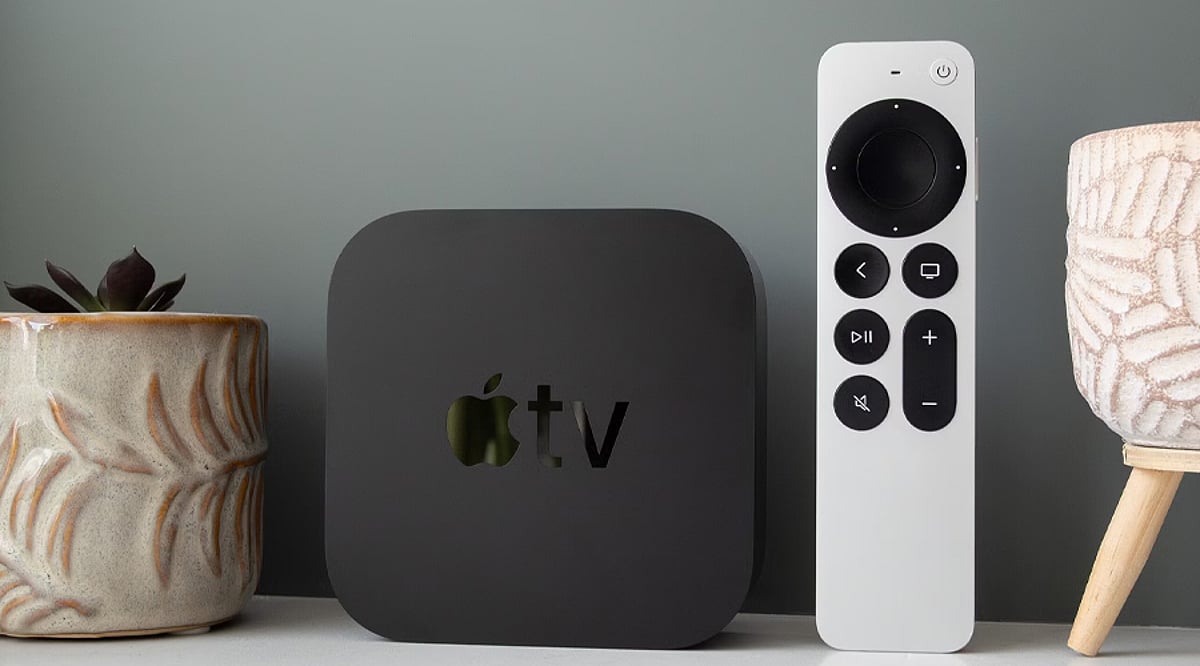
    Apple’s next Apple TV 4K could be getting its biggest refresh yet, according to recent reports and code discoveries. While the external design may remain familiar, the most significant changes are expected to happen internally. Here are seven reported upgrades to watch for.

    A Faster Chip Could Power It

    Reports point toward an A17 Pro or newer chip for the next Apple TV 4K. A more powerful processor could improve general performance and graphics capabilities. Some reports have also suggested chips as advanced as Apple’s newer generations. Apple has not officially confirmed the processor.

    More RAM Could Unlock AI

    The upcoming model is rumored to receive significantly more memory than the current generation. Reports have pointed to at least 8GB of RAM, compared with 4GB in the current model. More memory could help support demanding features, including reported Apple Intelligence and Siri AI capabilities.

    Siri AI May Finally Reach Apple TV

    One of the most interesting rumors involves AI-powered Siri coming to Apple TV. Reports point to references to Siri in tvOS 27, potentially indicating support for Apple’s newer Siri experience. However, the exact capabilities and availability remain unconfirmed until Apple makes an official announcement.

    Wi-Fi 7 Could Boost Connectivity

    The next Apple TV is rumored to feature Apple’s N1 wireless chip, which supports Wi-Fi 7. That would represent an upgrade from Wi-Fi 6 on the current model. Wi-Fi 7 can provide greater bandwidth and improved wireless performance when paired with compatible networking equipment.

    A New Siri Remote Is Reported

    Apple may also introduce an updated Siri Remote with the refreshed Apple TV. Reports suggest the remote is being redesigned or upgraded, although specific changes have not been revealed. For now, details about its controls, design and additional capabilities remain part of the rumor cycle.

    Familiar Design, New Internals?

    Recent code discoveries reportedly identify the product as Apple TV 4K (4th generation) and suggest an exterior similar to the current model. That would put the focus on internal upgrades rather than a dramatic redesign. Apple has not yet officially announced the device or confirmed its specifications.

  • Motorola Edge 70 Max Review: A Gaming-Focused Flagship with Stunning Specs

    Motorola Edge 70 Max Review: A Gaming-Focused Flagship with Stunning Specs

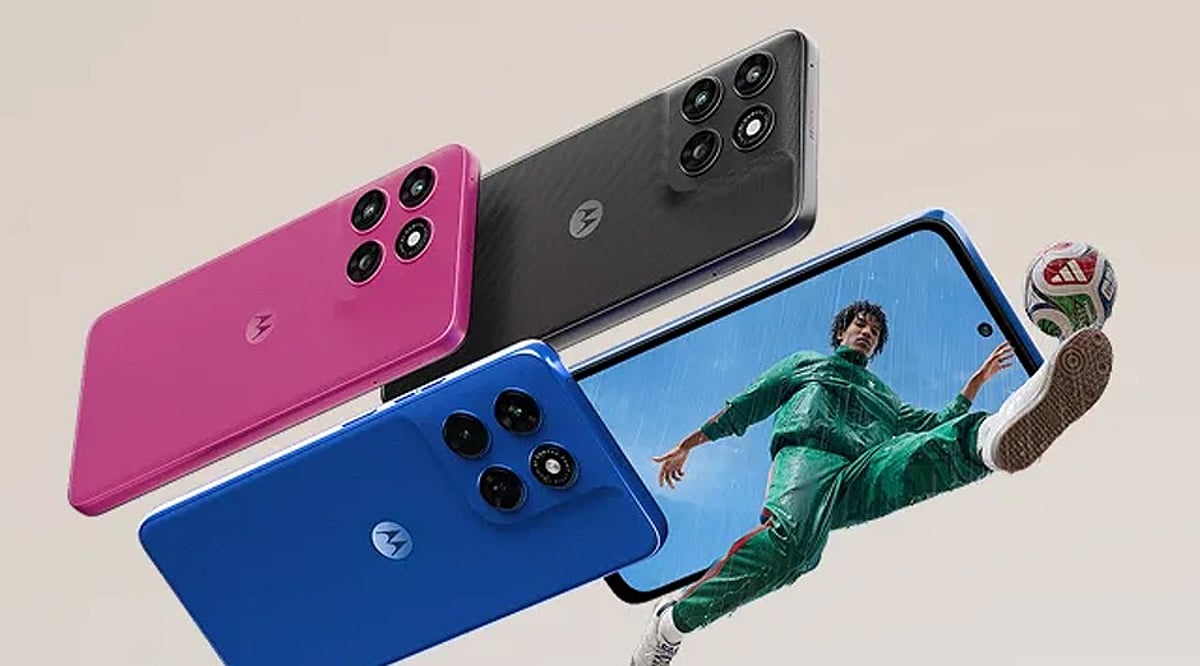
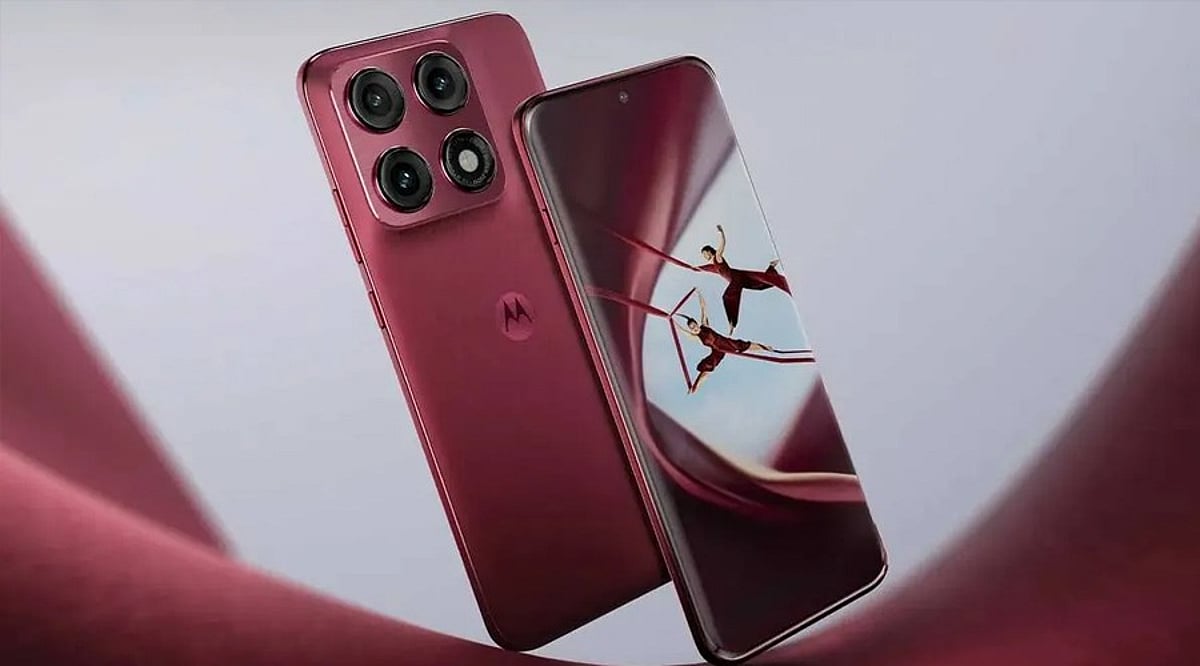
    The Motorola Edge 70 Max is a gaming smartphone that perfectly marries its gaming prowess with everyday functionality. Equipped with a Qualcomm Snapdragon 8 Gen 5 processor, a vibrant 2K LTPO AMOLED display, and a massive 7100mAh silicon-carbon battery, it delivers flagship-level performance that appeals to both gamers and power users.

    General Specifications

    • Processor: Qualcomm Snapdragon 8 Gen 5
    • Display: 2K LTPO AMOLED, high refresh rate
    • Battery: 7100mAh silicon-carbon cell
    • Charging: Qi2 magnetic wireless charging
    • Cooling: Advanced thermal management system
    • Software: Near-stock Android experience

    Pros and Cons

    Pros

    • Exceptional gaming performance with Snapdragon 8 Gen 5
    • High-resolution 2K AMOLED screen with smooth refresh rate
    • Large 7100mAh battery with silicon-carbon technology
    • Qi2 magnetic wireless charging support
    • Effective thermal management for sustained gaming

    Cons

    • Software update period shorter than some competitors
    • Outdoor screen visibility could be better

    Final Verdict

    The Motorola Edge 70 Max earns a solid 4 out of 5 stars. It emphasizes performance while preserving design and functionality. The combination of a flagship chipset, a gorgeous 2K AMOLED display, capable cameras, and a long-lasting silicon-carbon battery makes it a strong contender in the gaming smartphone segment. The addition of Qi2 magnetic wireless charging and a robust thermal management system further enhances the user experience. While the software support period is slightly behind key rivals and outdoor visibility has minor issues, these downsides are easily overshadowed by the phone’s overall strengths. For gamers and power users seeking a powerful daily driver, the Motorola Edge 70 Max is an excellent choice.

  • boAt Airdopes ProClip Review: Affordable Open-Ear Earbuds with Long Battery Life

    boAt Airdopes ProClip Review: Affordable Open-Ear Earbuds with Long Battery Life

    Overview

    The boAt Airdopes ProClip brings open-ear headphones with a light clip-on design that prioritizes comfort and environmental awareness. Equipped with 12mm dynamic drivers, Bluetooth 6.0, multi-point connectivity, and a high-capacity battery, these earbuds are ideal for extended listening sessions without the discomfort of in-ear models. While bass depth and call quality are lacking, the ProClip delivers solid performance for its budget price.

    Key Specifications

    • Driver Size: 12mm dynamic
    • Bluetooth Version: 6.0
    • Connectivity: Multi-point
    • Battery Life: High capacity (exact runtime not provided)
    • Design: Clip-on, open-ear

    Pros and Cons

    Pros

    • Comfortable and lightweight clip-on design
    • Good battery life for long sessions
    • Balanced audio suited for vocals, podcasts, and general music
    • Open-ear technology keeps users aware of surroundings

    Cons

    • Weak bass response
    • Below-average call quality
    • Multi-point connectivity not as effective as advertised

    Final Verdict

    The boAt Airdopes ProClip is a strong budget-friendly option in the open-ear category. It offers comfortable wear, long battery life, and balanced sound that works well for spoken-word content and light music. The open-ear design makes it suitable for sports, travel, and work where staying alert is important. The lack of deep bass and mediocre multipoint performance are trade-offs, but they are expected at this price point.

  • Moto G77 Power Review: A Mid-Range Phone Built for Battery Endurance

    Moto G77 Power Review: A Mid-Range Phone Built for Battery Endurance

    Introduction

    The Moto G77 Power is a mid-tier smartphone designed for users who prioritize battery life over raw performance. With a massive 7,000mAh battery, MediaTek Dimensity 6400 processor, Sony LYTIA 600 camera, and Motorola’s intuitive Hello UI, this phone delivers reliable day-to-day performance and exceptional battery longevity. While its LCD screen and limited software compatibility hold it back from being the best in its class, it remains a compelling option for those who need a phone that lasts.

    Key Specifications

    • Battery: 7,000mAh
    • Processor: MediaTek Dimensity 6400
    • Camera: Sony LYTIA 600
    • Operating System: Motorola Hello UI
    • Display: LCD
    • Speakers: Stereo
    • Build: Vegan leather finish

    Pros and Cons

    Pros

    • Exceptional battery life (up to two days)
    • Intuitive Hello UI design
    • Reliable day-to-day performance
    • Premium vegan leather finish
    • Decent camera for portraits and selfies
    • Stereo speakers enhance media experience

    Cons

    • LCD screen cannot match AMOLED rivals
    • Mediocre gaming performance
    • Software updates still fall short

    Final Verdict

    The Moto G77 Power excels in the most critical area for many users: battery life. The 7,000mAh battery provides up to two days of usage, while the Hello UI and reliable performance make it a joy to use daily. The vegan leather finish adds a touch of luxury, and the Sony camera is adequate for casual photography. However, the LCD display, gaming limitations, and ongoing software update issues prevent it from being a top-tier contender. Overall, it earns a solid 4 out of 5 stars.

  • iPhone 18 India Launch: Leaked Specs, Display, Cameras, and Pricing for 2027

    iPhone 18 India Launch: Leaked Specs, Display, Cameras, and Pricing for 2027

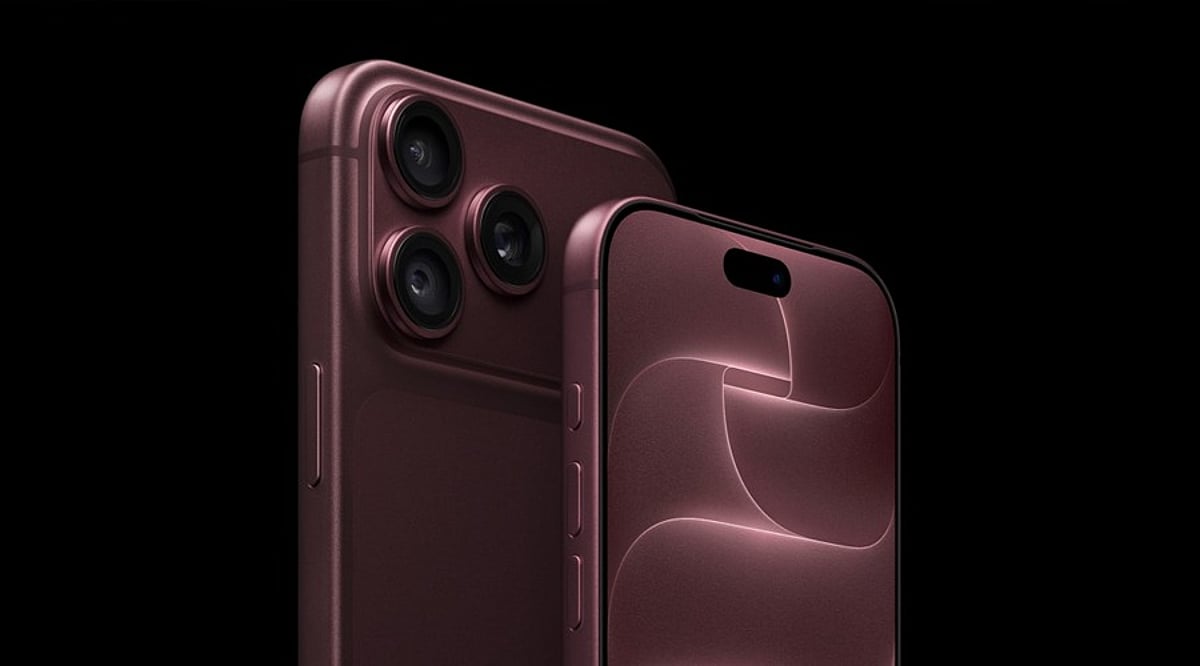
    Apple’s standard iPhone 18 is expected to launch in India during spring 2027, likely in March or April, according to recent leaks and analyst reports. The device was notably absent from Apple’s September 2026 event, which instead introduced the iPhone 18 Pro and Pro Max models alongside the iPhone Duo. This two-phase release strategy suggests Apple will spread its flagship lineup across separate launch windows.

    Display and Design

    The iPhone 18 is rumored to feature a 6.3-inch LTPO Super Retina XDR OLED panel with 120Hz ProMotion technology for smoother scrolling and better responsiveness. Peak brightness could reach up to 3,000 nits, enhancing outdoor visibility. Reports also indicate a smaller Dynamic Island, though these details remain speculative.

    Performance and Storage

    Under the hood, the iPhone 18 is expected to be powered by Apple’s next-generation A20 chip, fabricated on a 2nm process for improved efficiency and performance. The base configuration may include 8GB of RAM and 256GB of internal storage, with some leaks even suggesting 9GB or 12GB RAM to handle advanced AI workloads.

    Camera System

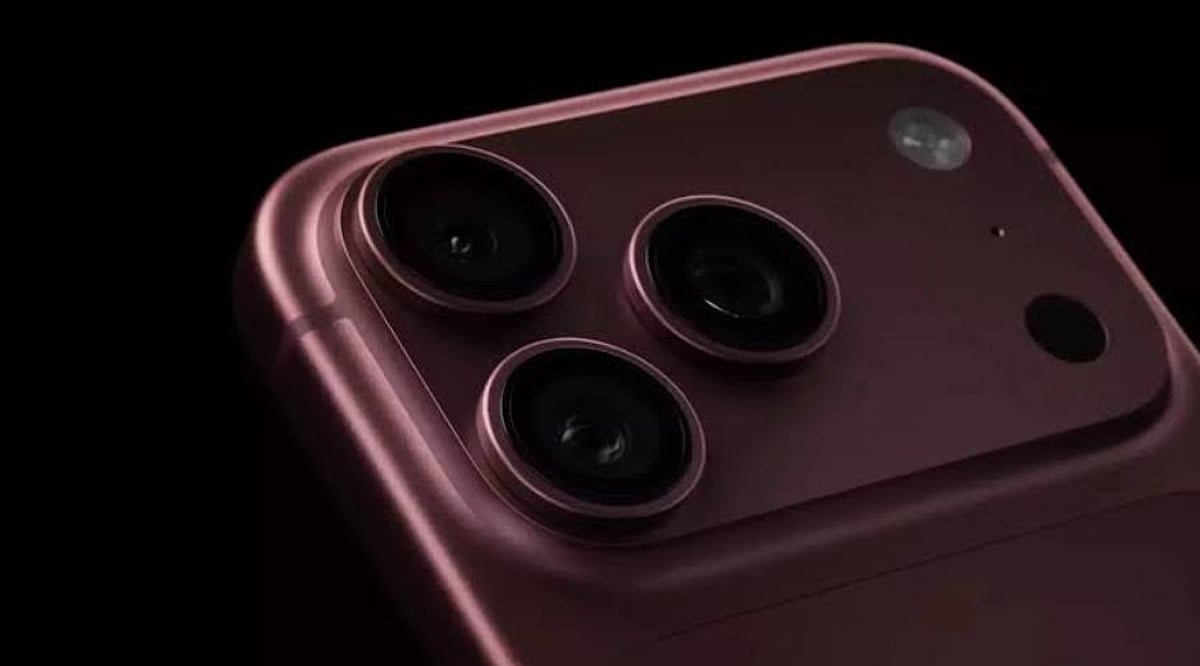
    Apple is likely to emphasize computational photography with a dual 48MP rear camera setup, comprising a main sensor and an ultra-wide lens. The front-facing camera may be upgraded to 24MP with Center Stage support, enabling better video calls and selfies. Enhanced low-light performance and cropping capabilities are also anticipated.

    Battery and Charging

    Battery capacity is estimated at around 4,000mAh, with support for 25W wired charging. The device will likely ship with iOS 27 out of the box, integrating Apple’s latest AI features.

    India Pricing and Availability

    Pricing remains uncertain, but current leaks place the base model between Rs. 85,900 and Rs. 88,990. Higher storage variants could exceed Rs. 1 lakh. Apple has not officially confirmed launch dates, pricing, or specifications, so all details are subject to change until an official announcement.

    For context, Apple’s September 2026 launch included the iPhone 18 Pro and Pro Max, starting at $1,199 and $1,299 in the US, respectively. Their India availability reinforces the reported two-phase strategy.

    Disclaimer: This article is based on unofficial leaks and rumors. Official details will be confirmed by Apple closer to the expected spring 2027 release.

  • Nothing Headphone (1) Pro Launches at $399 with Three Drivers, 46dB ANC, and Flat EQ Switch

    Nothing Headphone (1) Pro Launches at $399 with Three Drivers, 46dB ANC, and Flat EQ Switch

    Nothing has officially launched the Headphone (1) Pro in the United States at a price of USD 399. The new over-ear headphones went on sale on September 28, 2026, with availability starting September 29 via the company’s US website, Amazon, and Best Buy stores across North America.

    Weighing 327 grams and offered in black and white, the Headphone (1) Pro stands out with a three-driver system in each earcup. The drivers include a 40mm dynamic driver, a 13x8mm precision driver, and an xMEMS treble driver. While three-driver headphones are not entirely new, Nothing’s aggressive pricing makes this model significantly more affordable than comparable offerings from other brands.

    The headphones feature 46 dB active noise cancellation (ANC) and a physical Flat EQ switch that disables equalization and spatial audio effects, delivering a neutral sound profile. This switch is designed for audiophiles and purists who prefer minimal sound processing.

    Nothing collaborated with Metropolis Studios on sound tuning. The Headphone (1) Pro supports Bluetooth 6.1 and lossless USB-C audio up to 24-bit/192kHz. Battery life is rated at 30 hours with ANC enabled and up to 68 hours without ANC. A customizable button allows users to launch ChatGPT, activate a voice assistant, or trigger the camera.

    The USD 399 price point places the Headphone (1) Pro in a competitive segment. Buyers typically pay a premium for enhanced sound control rather than basic wireless features. Nothing’s challenge will be convincing consumers that the additional audio capabilities justify the cost.

    For more updates, join our WhatsApp Channel for the latest news, exclusives, and videos on gadgets and headphones.

  • Motorola Razr Flex: Wide Foldable Phone with 165Hz OLED and Snapdragon Chip Expected in December

    Motorola Razr Flex: Wide Foldable Phone with 165Hz OLED and Snapdragon Chip Expected in December

    Motorola is preparing to introduce a new book-style foldable smartphone, the Razr Flex (codenamed Parker), which could launch in December 2026. The device marks Motorola’s entry into the wide foldable segment, expanding beyond its traditional clamshell designs.

    Design and Display

    The Razr Flex is expected to feature a compact design with a 6.92-inch inner OLED display offering a 2,364 × 1,728 resolution and a smooth 165Hz refresh rate. On the outside, a 4.97-inch OLED cover display with 1,736 × 1,140 resolution provides quick notifications and selfie previews. The phone measures 110 × 149 × 5.8mm unfolded and 110 × 76 × 12.6mm folded, weighing around 215 grams.

    Performance and Battery

    Under the hood, the device is rumored to pack Qualcomm’s Snapdragon 8 Elite Gen 5 processor, 12GB of RAM, and 256GB of storage. A 5,000mAh battery supports 25W wireless charging, and the phone will run Android 17 at launch. It also boasts IP48 and IP49 protection for dust and water resistance.

    Camera System

    The Razr Flex is said to include dual 50MP cameras, enabling high-resolution photography and video. This setup aligns with Motorola’s focus on imaging capabilities in its foldable devices.

    Launch and Availability

    Motorola has not officially confirmed the name or launch date, but leaks point to a mid-December release. Pricing and market availability are still unknown. More details are expected as the launch window approaches.

  • Apple iPhone 18 Pro Camera: Manual Controls for Aperture, Shutter Speed, and Zoom

    Apple iPhone 18 Pro Camera: Manual Controls for Aperture, Shutter Speed, and Zoom

    Introduction

    Apple’s iPhone 18 Pro puts the power of professional photography in your hands. Instead of relying solely on auto mode, you can now manually adjust aperture, shutter speed, and zoom to capture exactly the shot you envision.

    Aperture Control for Perfect Lighting

    Aperture determines how much light enters the camera. In low-light situations, a wider aperture brightens the image, while a narrower aperture keeps more of the scene in focus—ideal for group shots or expansive landscapes.

    Shutter Speed for Creative Motion Effects

    Slowing down the shutter speed allows you to capture motion creatively. Car light trails, silky waterfalls, or blurred movement become possible. For best results, use a tripod or rest the phone on a stable surface.

    4x Telephoto Zoom for Closer Shots

    The telephoto lens offers up to 4x optical zoom, letting you get closer to your subject without moving. This is particularly useful for portraits or distant scenes where you want to maintain a natural perspective.

    Night Photography and Starburst Effects

    At night, bright lights like streetlamps can be transformed into sharp, spiky bursts. With the right settings, your night photos gain a dramatic flair that elevates them above typical smartphone snaps.

    Additional Professional Features

    The iPhone 18 Pro also includes optical image stabilization, ProRAW support, and up to 16x optical zoom. These features give you the flexibility to shoot in challenging conditions without sacrificing image quality.

    Conclusion: A Creative Tool, Not Just a Camera

    The iPhone 18 Pro moves beyond simple point-and-shoot functionality. It offers real creative control, allowing you to decide how light, motion, and distance shape your photos. Whether you’re a casual shooter or an enthusiast, these tools help you achieve the image you have in mind.

  • Local vs Cloud CCTV Storage: A Complete Buying Guide for Home Security

    Local vs Cloud CCTV Storage: A Complete Buying Guide for Home Security

    Introduction

    When purchasing a CCTV system, one of the most critical decisions is how to store recorded footage. The two primary options are local storage and cloud storage, each offering distinct advantages. This guide compares both approaches to help you choose based on your priorities, including privacy, cost, internet reliability, and remote access.

    How Local CCTV Storage Works

    Local storage keeps video recordings on physical devices installed at your property, such as microSD cards, DVRs, or NVRs. This method does not rely on an internet connection for recording, making it ideal for areas with unreliable connectivity. It also eliminates recurring subscription fees, though you must manage storage capacity manually. When the storage fills up, older footage is typically overwritten. A key downside is physical vulnerability: if the camera or recording device is stolen, locally stored footage may be lost.

    How Cloud CCTV Storage Works

    Cloud storage uploads footage to remote servers via the internet, allowing you to access recordings from anywhere through a smartphone app or web interface. This provides convenient remote monitoring and ensures that recordings remain safe even if the camera or local equipment is stolen. However, cloud services usually require a monthly or annual subscription, and the cost varies based on the number of cameras, storage capacity, and retention period. A stable internet connection is essential for uploading footage, and you should review the provider’s data security and privacy policies before subscribing.

    Local vs Cloud: Key Considerations

    • Cost: Local storage has higher upfront hardware costs but no recurring fees; cloud storage involves ongoing subscription costs.
    • Privacy: With local storage, footage stays on your equipment; with cloud storage, recordings are transferred to third-party servers.
    • Internet Reliability: Local recording continues without internet; cloud storage requires a consistent connection for uploading.
    • Remote Access: Cloud storage enables easy remote viewing; local storage may require additional networking setup for remote access.
    • Security Against Theft: Cloud storage preserves recordings off-site; local storage risks losing footage if devices are stolen.

    Is Hybrid Storage a Better Option?

    Some CCTV systems support both local and cloud storage simultaneously. This hybrid approach offers the best of both worlds: continuous local recording even during internet outages, plus off-site backups for critical events. It provides an extra layer of protection and flexibility, making it a strong choice for users who want both reliability and remote accessibility.

    Final Word

    There is no one-size-fits-all answer. Local storage suits users who prioritize control and lower long-term costs, while cloud storage appeals to those who value remote access and off-site backup. Before buying a CCTV system, evaluate its storage options, subscription charges, recording retention, internet requirements, and backup features. These factors are as important as camera resolution and night vision capabilities.

  • Godox C100 Review: A Pocket Camera with Transparent LCD and Light Meter

    Godox C100 Review: A Pocket Camera with Transparent LCD and Light Meter

    Introduction

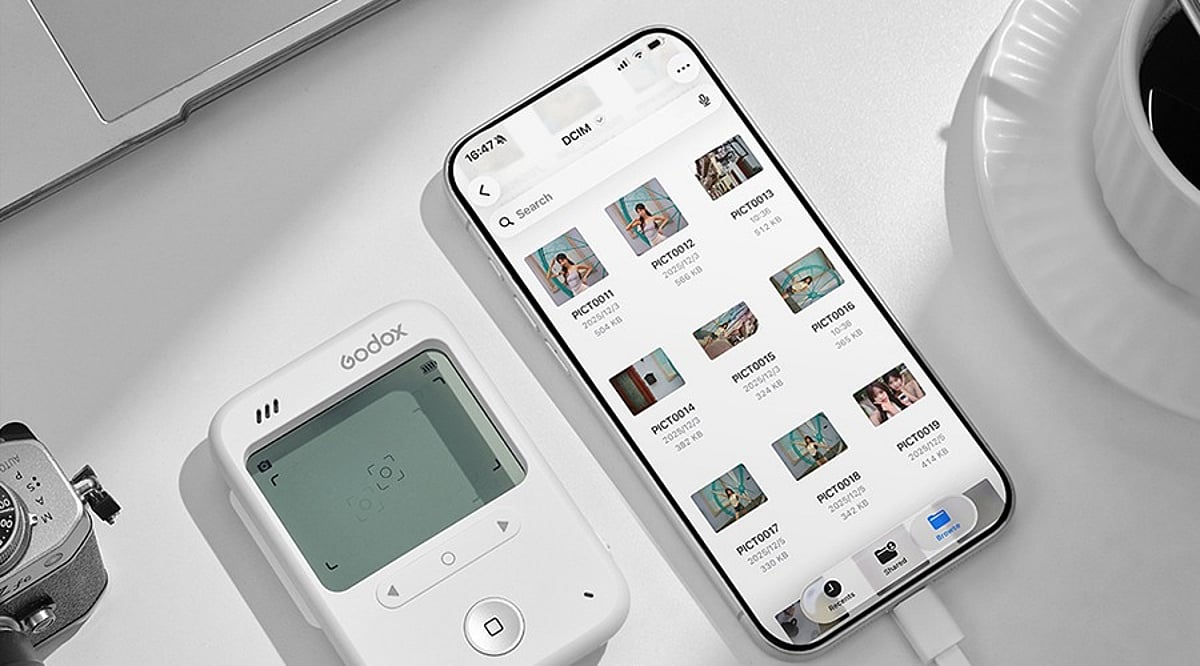
    The Godox C100 is a pocket-sized camera that stands out for its transparent LCD monitor, allowing photographers to see shooting information while looking through the camera. Weighing only 65 grams, it is highly portable and even doubles as a light meter. However, does its novelty justify the price tag? In this review, we explore its features, performance, and overall value.

    Key Specifications

    Specification Details
    Weight 65 grams
    Monitor 3-inch transparent LCD
    Image Resolution 2.1 MP
    Video Resolution 1080p
    Special Feature Light meter function

    Pros and Cons

    Pros

    • Unique transparent LCD screen for a different shooting experience
    • Lightweight and pocket-friendly design
    • Built-in light meter adds utility
    • Fun and quirky for experimental photography

    Cons

    • Low 2.1 MP image resolution
    • Poor color reproduction and highlight handling
    • Noticeable noise in images
    • Inconsistent exposure results
    • No framing options due to transparent screen
    • 1080p video quality is below average
    • Expensive for the performance offered

    Performance and Image Quality

    The Godox C100 captures 2.1 MP stills and 1080p video, but the quality is disappointing. Color reproduction is inaccurate, highlights are often blown out, and noise is prevalent even in good lighting. The transparent LCD, while innovative, makes framing difficult, and the exposure system is unreliable. The camera functions as a light meter, which is a nice addition, but it doesn’t compensate for the overall image shortcomings.

    Final Verdict

    The Godox C100 is undoubtedly a unique piece of equipment that prioritizes novelty over practicality. Its transparent screen and metering capabilities set it apart from typical cameras, but the low resolution, exposure issues, and lack of framing options limit its usefulness. For photographers seeking a retro-styled gadget or a conversation starter, it might be worth considering. However, for anyone looking for a reliable daily-use camera, the Godox C100 falls short. Given its high price, it is hard to recommend unless you specifically value its unusual design.