Tag: Gadgets

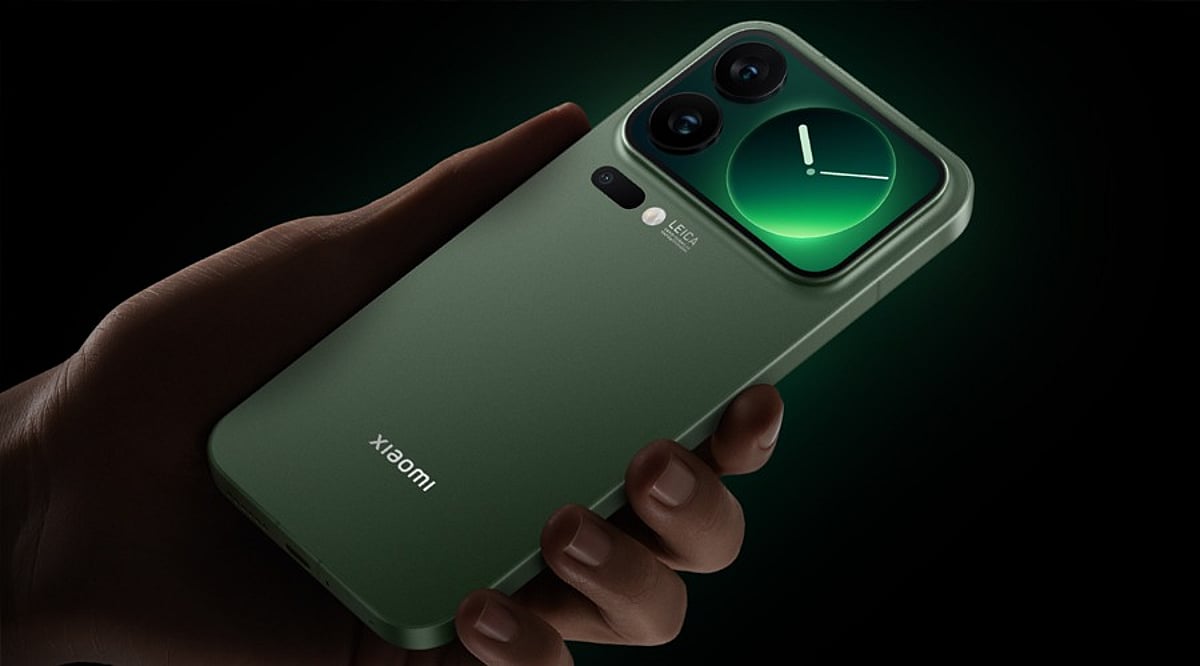
  • Xiaomi 18 Pro Global Model Surfaces Online; Mix Fold 5 Secures 3C Certification in China

    Xiaomi 18 Pro Global Model Surfaces Online; Mix Fold 5 Secures 3C Certification in China

    Xiaomi appears to be gearing up for two major flagship launches, with the global version of the Xiaomi 18 Pro spotted in online databases and the upcoming Mix Fold 5 receiving another regulatory certification in China. The latest developments indicate both premium smartphones are moving closer to their official debut, though Xiaomi has yet to confirm launch dates.

    Xiaomi 18 Pro Global Variant Appears Online

    The Xiaomi 18 Pro has been listed in global databases, hinting at a worldwide release following its China launch. The listing reveals the global model number as 26122PN61G, while the Chinese variant is tagged M261DB. The device is expected to launch in markets such as Turkey, the European Economic Area, Russia, Taiwan, and Japan. Notably, India is not included in the reported release plans.

    Flagship Hardware Expected

    Leaks suggest the Xiaomi 18 Pro may retain the secondary rear display first seen on its predecessor. The phone is rumored to be powered by Qualcomm’s upcoming Snapdragon 8 Elite Gen 6 Pro chipset. For photography, it could feature two 200MP SmartSens camera sensors, including a large 1/1.28-inch 3.0 LOFIC primary sensor. A dedicated AI button is also tipped to provide quick access to artificial intelligence features and camera functions. Xiaomi has not officially confirmed any of these specifications.

    Mix Fold 5 Moves Closer to Launch

    Meanwhile, Xiaomi’s next-generation foldable has passed China’s 3C certification, following earlier approvals from the SRRC and MIIT. The certification confirms support for 67W wired fast charging, signaling the device is nearing launch. Industry tipsters claim the Mix Fold 5 may also support Ultra Wideband (UWB) connectivity, the N79 5G band, and Xiaomi’s in-house AI large language model. The foldable is reportedly being tested with the company’s Xring O3 chipset instead of Qualcomm’s next flagship processor.

    What Else to Expect

    The Mix Fold 5 is rumored to feature a 7.5- to 7.6-inch inner foldable display, a 200MP main camera, a 6,000mAh battery, wireless charging, water resistance, and a side-mounted fingerprint scanner. Xiaomi has not confirmed the specifications or launch timeline, but the latest certifications indicate official announcements may not be far off.

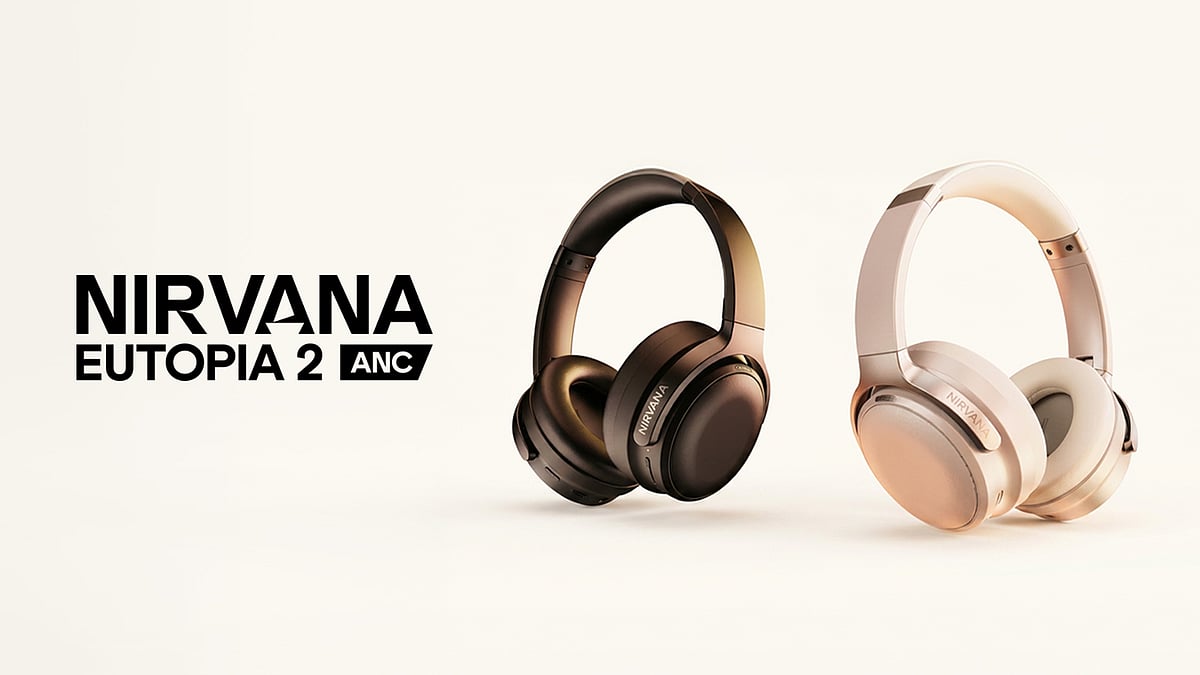
  • boAt Unveils Nirvana Eutopia 2 ANC: Dual Drivers, 45dB Adaptive Hybrid ANC, and 80-Hour Battery at ₹4,999

    boAt Unveils Nirvana Eutopia 2 ANC: Dual Drivers, 45dB Adaptive Hybrid ANC, and 80-Hour Battery at ₹4,999

    boAt, India’s leading audio and wearables brand, has announced the launch of the Nirvana Eutopia 2 ANC, the latest addition to its premium over-ear headphone lineup. Priced at a special launch price of ₹4,999, the new model brings dual drivers, 45dB Adaptive Hybrid Active Noise Cancellation (ANC), Hi-Res Audio support, 3D Spatial Audio, and an impressive 80-hour playback time.

    The headphones are designed to meet the demands of modern users who switch between music, calls, gaming, travel, and work throughout the day. A 10-minute fast charge delivers up to 12 hours of playback, making the Nirvana Eutopia 2 ANC a practical choice for heavy users.

    Key Features

    • Dual Drivers – Delivers powerful bass, clear vocals, and detailed sound separation.
    • 45dB Adaptive Hybrid ANC – Automatically adjusts noise cancellation to suit environments like commutes, cafés, flights, and shared workspaces.
    • Hi-Res Audio & 3D Spatial Audio – Enhances depth and width for music, movies, and gaming.
    • Up to 80 Hours Playback – Long-lasting battery with quick 10-minute charge for 12 hours of use.
    • Bluetooth 5.4 & Google Fast Pair – Fast, stable connections across compatible devices.
    • AI ENx Calling – Reduces ambient noise during calls for crystal-clear conversations.
    • Adaptive Fit & Memory Foam Cushions – Premium comfort for extended wear.
    • boAt Hearables App Support – Customize EQ, controls, and listening preferences.
    • Foldable & Swivel Design – Portable with a premium hard carrying case.

    Pricing & Availability

    The boAt Nirvana Eutopia 2 ANC is available in Cosmic Black and Utopian White at a special launch price of ₹4,999. It can be purchased from the official boAt website and leading e-commerce platforms.

    About boAt

    boAt, owned by Imagine Marketing Limited, is one of India’s most recognized consumer technology brands. Founded in 2015, it has expanded from personal audio into wearables, charging solutions, and lifestyle technology. The company is committed to the Make in India initiative, with 71% of total units produced locally in FY2025. boAt Labs, its in-house R&D center with over 100 engineers, drives innovation across categories.

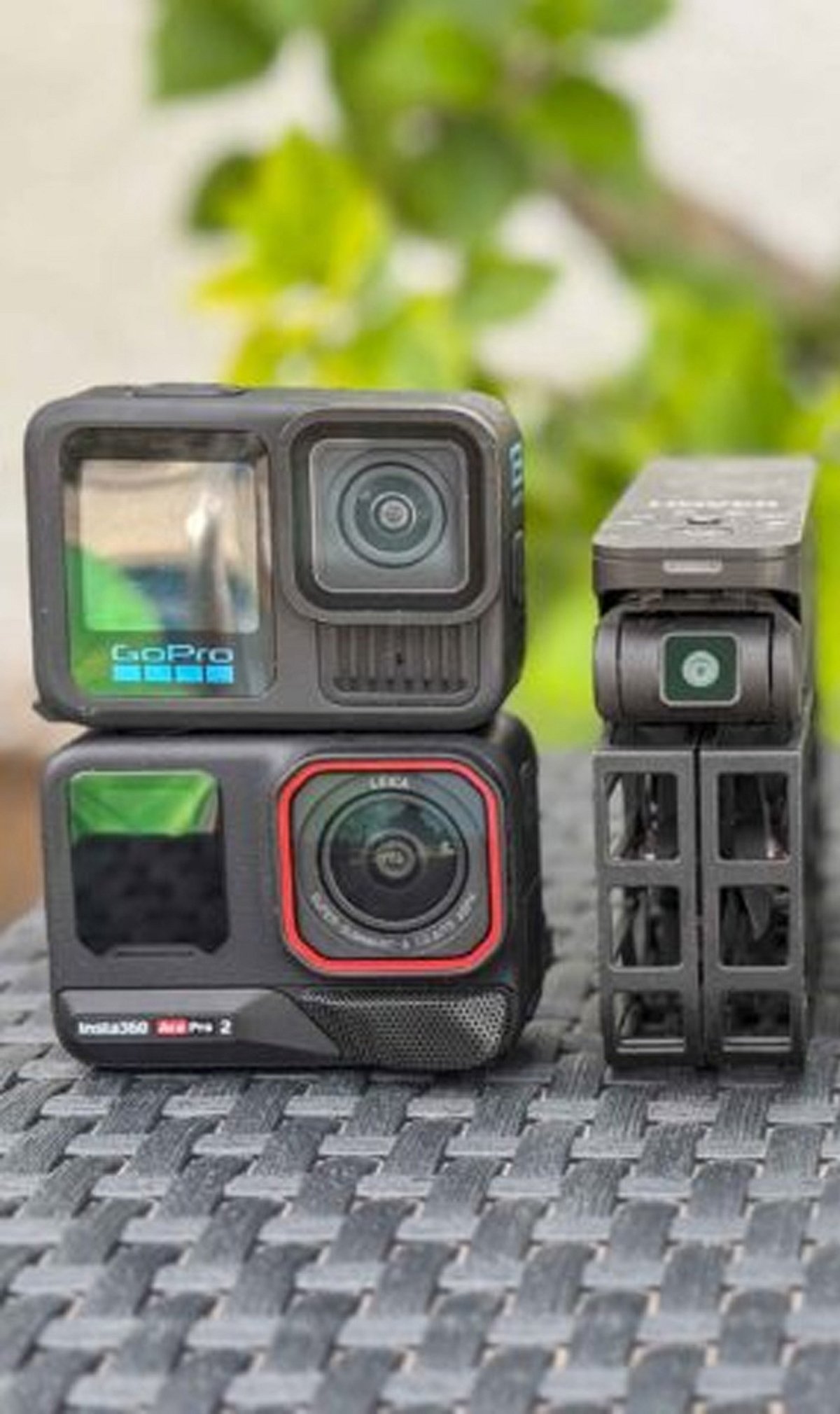
  • AI Wearables vs. Action Cameras: Key Differences and Buying Guide

    AI Wearables vs. Action Cameras: Key Differences and Buying Guide

    Choosing between an AI wearable and an action camera can be challenging, especially when each device excels in different areas. AI wearables like smartwatches and fitness trackers offer health monitoring, AI assistance, and productivity features, making them ideal for everyday use. Action cameras, on the other hand, are built for rugged environments, delivering ultra-wide, stabilized video for adventurers and content creators. This guide breaks down the key differences to help you decide which one fits your needs.

    Health Monitoring

    AI wearables continuously track heart rate, sleep patterns, stress levels, and fitness metrics, providing insights into daily wellness trends. Action cameras lack such health features entirely.

    Video Recording

    Action cameras capture high-resolution footage with superior stabilization, ensuring smooth videos during biking, diving, hiking, and extreme sports. AI wearables may record video, but quality and stabilization are far inferior.

    Battery Life

    AI wearables typically last one to several days on a single charge, depending on usage. Action cameras require frequent recharging, especially during intensive recording sessions outdoors.

    Durability

    Action cameras are designed to withstand water, dust, shocks, and harsh environments, while most AI wearables prioritize comfort and everyday wearability over extreme ruggedness.

    Portability

    AI wearables can be worn comfortably all day without extra accessories. Action cameras often need mounts, cases, or handheld operation, adding bulk to your gear.

    Best For

    Choose an AI wearable if you value health tracking, productivity, and seamless notifications. Opt for an action camera if you’re an adventure enthusiast focused on immersive, high-quality video creation.

    Buying Decision

    Consider your primary purpose, budget, durability needs, and desired features before investing. Both technologies offer long-term satisfaction when matched to the right lifestyle.

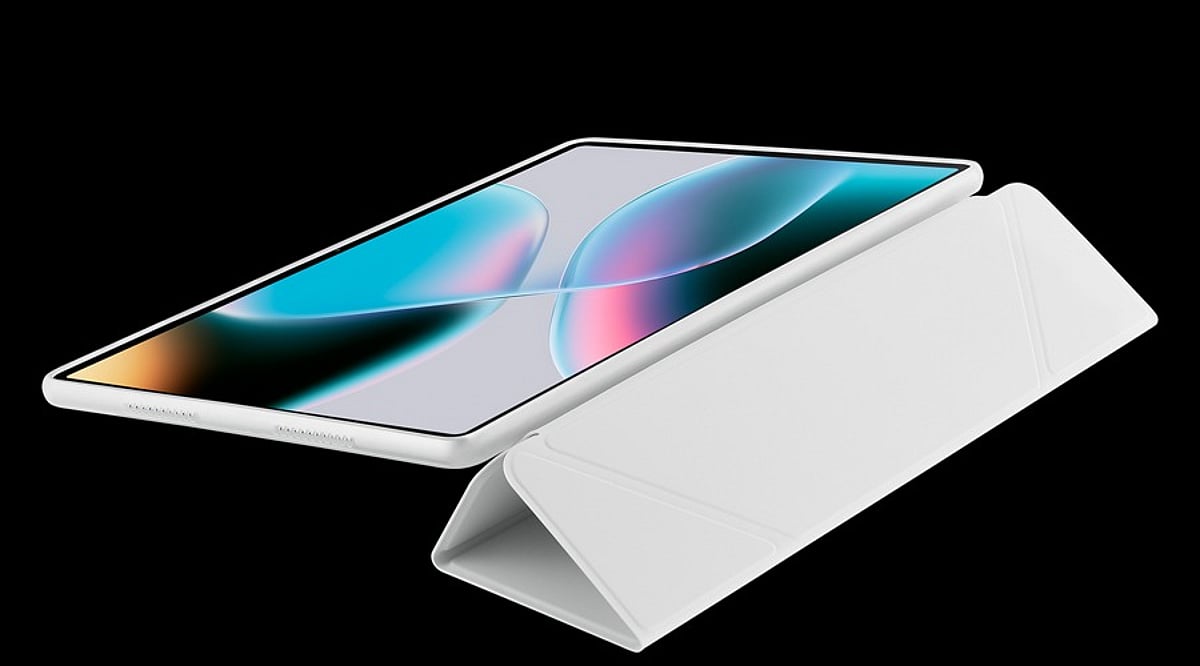
  • ASUS Pad T3201 Arrives in India with 12.2-Inch OLED Display, MediaTek Dimensity 8300, and 9,000mAh Battery

    ASUS Pad T3201 Arrives in India with 12.2-Inch OLED Display, MediaTek Dimensity 8300, and 9,000mAh Battery

    ASUS has officially returned to India’s tablet market with the launch of the ASUS Pad T3201, a premium Android tablet that will be available starting August 6. The device marks the company’s re-entry into a segment it exited several years ago.

    12.2-Inch OLED Display with 144Hz Refresh Rate

    The ASUS Pad T3201 features a 12.2-inch dual-layer OLED screen with 2.8K resolution and a 144Hz refresh rate. According to ASUS, the display delivers sharper visuals, deeper blacks, and smoother scrolling during gaming and video playback. The tablet boasts a 92% screen-to-body ratio, offering a larger viewing area without increasing the device’s overall footprint.

    MediaTek Dimensity 8300 Powers the Tablet

    Under the hood, the device is powered by a MediaTek Dimensity 8300 SoC paired with 8GB of LPDDR5X RAM. It ships with Android 16 pre-installed and includes the Circle to Search feature, enabling users to search directly from text or images on the screen. For audio, ASUS has equipped the tablet with four speakers that support Dolby Atmos technology.

    Battery, Cameras, and Everyday Use

    The ASUS Pad T3201 packs a 9,000mAh battery with 45W fast charging capability. ASUS claims the battery can last an entire day under typical usage conditions. The tablet features a 13MP rear camera suitable for document scanning and photography, along with a 5MP front-facing camera for video calls.

    Sale Begins on August 6

    The ASUS Pad T3201 will be available in India from August 6 through Flipkart, the ASUS eShop, ASUS Exclusive Stores, ROG Stores, Reliance Digital, and other authorized retailers. While pricing for the Indian market has not yet been disclosed, the tablet is expected to compete in the high-end Android segment. Details regarding pricing and accessories are anticipated closer to the launch date.

    The launch of the Pad T3201 represents ASUS’s latest effort to enter the Indian tablet market, where premium Android tablets have seen growing success in recent years. With its OLED display, flagship processor, and substantial battery, the device aims to challenge established competitors in this space.

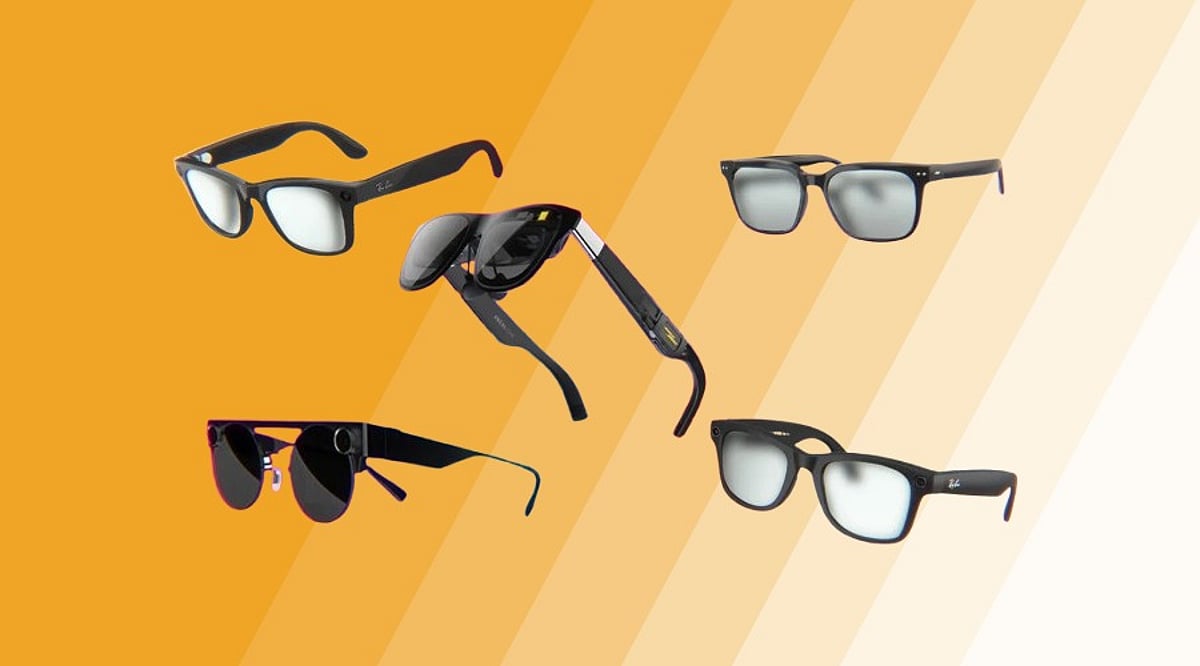
  • Best Smart Glasses 2026: AI, AR Display, and Standalone Models Compared

    Best Smart Glasses 2026: AI, AR Display, and Standalone Models Compared

    Smart glasses now split into three distinct categories: AI camera and audio glasses, tethered AR display glasses, and standalone AR glasses with a built-in HUD. The category matters more than the model. Once the use case is clear, the shortlist narrows fast.

    Every spec here comes from manufacturers or retailers, including weight, battery, and connection type, not just headline features.

    A pair of smart glasses is sold every ninety seconds somewhere in the world, and the surprising part is not the sales figure. It is that three completely different products now share the same shelf. One pair replaces a phone call. Another replaces a monitor. A third tries to replace both at once and pays for it in battery life.

    That split is the real story behind the buying decision. Meta’s Ray-Ban line proved AI glasses could sell at scale, pulling Google, Samsung, and Warby Parker into a competing Android XR platform launching later this year. Meanwhile, the AR display category, led by Xreal, Viture, and RayNeo, moved past prototype status into something people actually use for a workday or a long flight. Anyone shopping this category for the first time needs to understand the split before comparing a single spec.

    Types of Smart Glasses in 2026: AI, AR Display, and Standalone AR Explained

    AI camera and audio glasses (led by Ray-Ban Meta Gen 2) skip the display entirely. They record video, take calls, and run an AI assistant through bone-conduction audio, pairing over Bluetooth rather than a cable. They look like ordinary glasses, which is the point.

    AR display glasses (including the Xreal, Viture, and RayNeo Air series) tether to a phone, laptop, or console over USB-C and project a large virtual screen through micro-OLED panels. Most carry no camera and no battery of their own; power and video come from the connected device.

    Standalone AR glasses (represented here by RayNeo’s X3 Pro) combine a lightweight HUD, a camera, and onboard AI in one frame with their own battery. That independence is the trade for shorter runtime, and the comparison table below shows exactly how much shorter.

    Best Smart Glasses for Work, Travel, Gaming, and Everyday Use

    Compatibility, comfort, and what to check before buying smart glasses:

    Tethered AR glasses need a source device with USB-C video output, often called DisplayPort Alt Mode. Xreal, Viture, RayNeo’s Air line, and Rokid Max 2 work with recent iPhones, most Android phones, Macs, Windows laptops, the Steam Deck, the ROG Ally, and the Nintendo Switch 2. Older phones without Alt Mode need an HDMI-to-USB-C adapter. Ray-Ban Meta Gen 2 pairs over Bluetooth instead, with no cable or Alt Mode requirement. RayNeo X3 Pro connects over Wi-Fi and Bluetooth as a standalone device rather than a tethered display.

    Weight alone does not decide comfort. RayNeo distributes the Air 4 Pro’s 76g at roughly 47 percent in the front and 53 percent in the rear to ease nose pressure, a design choice that matters more over a long session than the raw number on a spec sheet. The VITURE Luma Pro, the heaviest tethered pair here at close to 90g, offsets that with two frame sizes for different IPD ranges. Anyone who wears prescription lenses should confirm exact diopter support directly with the brand before buying, since ranges shift between hardware revisions.

    Best Smart Glasses to Buy in 2026

    Ray-Ban Meta Gen 2

    Ray-Ban Meta Gen 2 carries no screen and no cable, unlike every AR display pair on this list. Battery life roughly doubled over the first generation, and the camera now shoots 3K video. Giving up a private screen is the exchange for a frame that wears like ordinary sunglasses.

    Xreal One

    Xreal One suits a routine built around a laptop and a train seat. Its 50° field of view and 147-inch perceived screen sit below the Pro model’s numbers, though the gap rarely shows up during document work.

    Xreal One Pro

    Xreal One Pro pairs a 57° field of view with a 171-inch perceived screen through Sony’s 0.55-inch micro-OLED panel and X-Prism optics that hold sharpness at the edges. At 87g and a $150 premium over the standard One, it targets people who sit in front of the screen for hours, not casual users.

    VITURE Luma Pro

    VITURE Luma Pro stays visible in bright rooms where most AR glasses wash out, thanks to a 1,000-nit panel. Built-in myopia adjustment removes the need for a lens insert for milder prescriptions. Fixed tint, rather than electrochromic dimming, is the compromise.

    RayNeo Air 4 Pro

    RayNeo Air 4 Pro balances 76g of weight toward the rear of the frame, making it the most wearable tethered pair here over long flights. HDR10 support, rare in this category, is clearly visible during movie playback. It functions as a personal cinema rather than a work display.

    RayNeo X3 Pro

    RayNeo X3 Pro is the only pair here with a true waveguide HUD, a 12MP camera, and onboard AI in one 76g titanium frame. The 245 mAh battery caps active use at roughly three hours, a real limit for anyone expecting a full workday from it. Short navigation stretches or quick capture suits it better than sustained wear.

    Rokid Max 2

    Rokid Max 2 delivers a 215-inch perceived screen and 600-nit brightness in a 75g package, a strong match for Steam Deck and ROG handheld gaming. Without a camera or onboard AI, it stays focused on watching and playing rather than capturing.

    Final Thoughts

    AI glasses have reached a point where they can replace real phone interactions, not just supplement them, while AR display glasses now offer a workable substitute for carrying a second monitor. The category a buyer picks will shape daily use far more than any single spec inside it. Checking a workplace’s camera policy before wearing anything with a lens built in is worth doing before the purchase, not after.

  • Best Smart Air Purifiers Under ₹10,000 to Buy in 2026

    Best Smart Air Purifiers Under ₹10,000 to Buy in 2026

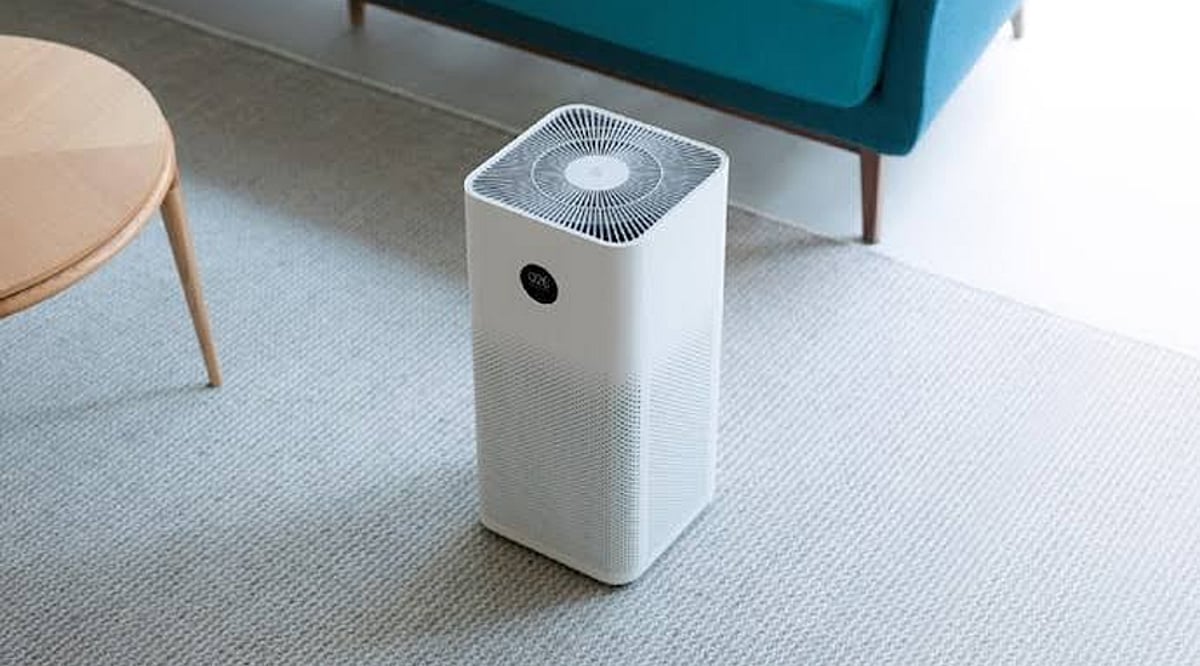
    If you’re looking for a smart air purifier that won’t break the bank, you’re in luck. The market now offers several feature-rich models under ₹10,000 that combine effective filtration with app control, voice assistant support, and quiet operation. Here are the top picks for 2026.

    Xiaomi Smart Air Purifier 4 Lite

    The Xiaomi Smart Air Purifier 4 Lite is a standout choice under ₹10,000. It features a three-layer filtration system with a True HEPA filter that removes dust, pollen, smoke, and allergens. Smart app control, voice assistant support, and quiet operation make it an excellent option for modern homes.

    Philips AC0920 Smart Air Purifier

    Philips AC0920 delivers reliable air cleaning with its NanoProtect HEPA filter. It captures fine particles, allergens, and harmful pollutants effectively. The purifier includes real-time air quality monitoring and automatic mode, adjusting performance based on indoor air conditions while consuming minimal power.

    Qubo Smart Air Purifier Q500

    The Qubo Smart Air Purifier Q500 comes with a True HEPA H13 filter and an activated carbon layer for improved purification. Users can monitor air quality through the companion app and control the purifier remotely. Its compact design and smart features make it ideal for bedrooms and small offices.

    Honeywell Air Touch V1

    Honeywell Air Touch V1 combines efficient filtration with user-friendly controls. It removes PM2.5 particles, dust, smoke, and allergens using a high-quality HEPA filter. The purifier offers multiple fan speeds, low noise levels, and energy-efficient performance, making it a dependable option for everyday indoor air purification.

    AGARO Imperial Air Purifier

    AGARO Imperial is designed for medium-sized rooms and includes a multi-stage filtration system featuring a True HEPA filter and activated carbon filter. It effectively reduces airborne pollutants, unpleasant odors, and pet dander. Simple touch controls and quiet operation make it suitable for daily home use.

    Eureka Forbes Smart Air Purifier 150

    Eureka Forbes Smart Air Purifier 150 offers strong purification performance at an affordable price. Its HEPA filtration system captures fine particles, while the activated carbon filter helps reduce odors. The purifier also features multiple speed settings, sleep mode, and air quality indicators for convenient everyday operation.

    Sharp FP-J30M Air Purifier

    The Sharp FP-J30M is a compact air purifier suitable for small rooms and apartments. It uses Sharp’s trusted filtration technology to reduce dust, allergens, and airborne particles. Low power consumption, quiet operation, and easy maintenance make it a practical choice for buyers seeking value under ₹10,000.

  • Top Digital Voice Recorders of 2026: Audio Quality, Features, and Value Compared

    Top Digital Voice Recorders of 2026: Audio Quality, Features, and Value Compared

    Missing an important point during a meeting or an interview can be frustrating. A good digital voice recorder helps ensure every word is captured clearly, so there is no need to rely solely on memory or handwritten notes. It is a useful device for students, journalists, office workers, and anyone who regularly records conversations.

    Many voice recorders today offer much more than basic recording. Some include noise reduction for clearer sound, while others offer large storage capacity, voice activation, USB support, and longer battery life. With so many models available, finding the right one is not always easy. To help you decide, we compared some of the best digital voice recorders.

    Best Digital Voice Recorders Compared

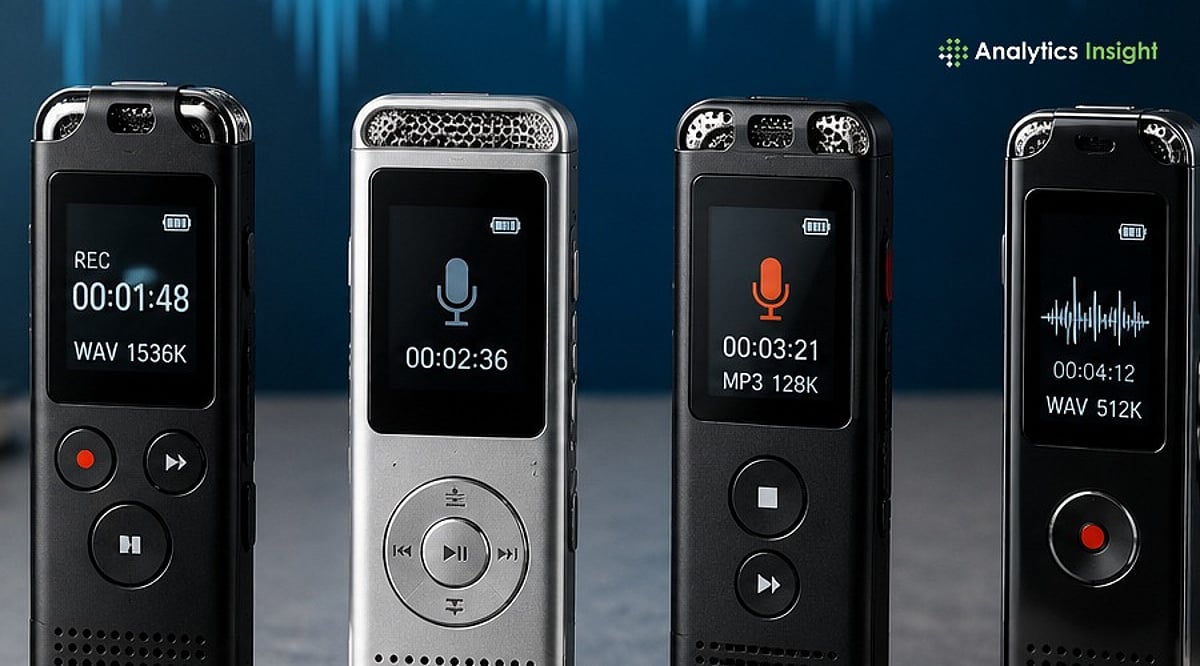
    Each recorder below is designed for different needs. Some focus on affordability, while others offer better sound quality and extra features. Here are the standout models:

    • TECHNOVIEW 360 High Definition HD USB Voice Recorder – A compact, dependable choice for everyday use.
    • Arvox 32GB Voice Recorder – Offers a balanced price-to-performance ratio with good sound quality and ample storage.
    • Remi8 AI Voice Recorder 64GB – Features AI noise reduction for clear audio even in noisy environments, plus large storage.
    • MSTECH Digital Voice MP3 Recorder – A versatile option with good audio playback capabilities.

    Each recorder provides different audio quality to make voices easier to hear, even in locations with high background noise. Some models even allow you to play back audio files in useful ways.

    Which Digital Voice Recorders Would I Recommend?

    After testing all the models mentioned, if I had to choose one, I would definitely go with the Remi8 AI Voice Recorder 64GB. I like the way it records sound, even with background noise. The large storage is another reason for my choice.

    My second choice would be the Arvox 32GB Voice Recorder Device. What impressed me most about this device is its balanced price-to-performance ratio. The sound quality is good, the storage is enough for most users, and the recorder is easy to carry. For daily use, it is a solid option.

    The third recorder I recommend is the TECHNOVIEW 360 High-Definition HD USB Voice Recorder. It is simple, compact, and easy to use. I like products that do their job without adding extra steps, and this recorder does exactly that.

    Final Thoughts

    A digital voice recorder can be useful in many everyday situations. It helps save important conversations, lectures, interviews, and voice notes without missing key details. A clear recording also makes it much easier to listen again whenever needed.

    Before buying one, think about how often you will use it and what features matter most to you. Some people need more storage, while others may prefer better sound quality or longer battery life. Choosing the right recorder based on your needs will give you better value and a much better recording experience.

    Frequently Asked Questions

    Which digital voice recorder has the best audio quality?

    The Remi8 AI Voice Recorder 64GB is one of the best options for clear audio. Its AI noise reduction helps reduce background noise, making voices easier to hear during playback.

    How much storage is enough for a digital voice recorder?

    A 16GB recorder is enough for casual use. If you record meetings, lectures, or interviews often, choosing a 32GB or 64GB model gives you more recording time.

    Is a digital voice recorder better than recording on a phone?

    In many situations, yes. A dedicated voice recorder usually offers clearer sound, longer battery life, and useful features like noise reduction and voice-activated recording.

    Can recordings be transferred to a computer?

    Yes. Most digital voice recorders come with USB support, making it easy to copy recordings to a computer for editing, sharing, or keeping a backup.

    Who should buy a digital voice recorder?

    Students, teachers, journalists, office workers, and content creators can all benefit from a digital voice recorder. It is useful for recording meetings, lectures, interviews, and personal voice notes.

  • Samsung Galaxy Z Fold 8 Appears in Spider-Man Teaser Ahead of Unpacked 2026

    Samsung Galaxy Z Fold 8 Appears in Spider-Man Teaser Ahead of Unpacked 2026

    Samsung has sparked intense speculation after a foldable phone resembling the Galaxy Z Fold 8 appeared in a teaser for Spider-Man: Brand New Day — just days before the company’s Galaxy Unpacked 2026 event. The brief clip, posted across Samsung’s social media channels as part of a Marvel collaboration, shows Spider-Man interacting with an unreleased-looking foldable device for a few seconds before cutting away. While Samsung has not confirmed the gadget’s identity, the fleeting glimpse has set the rumor mill ablaze.

    The phone seen in the teaser appears noticeably thicker and shorter than previous Galaxy Z Fold models, with a thinner overall profile, an updated button layout, and a redesigned rear camera module. These details align with recent leaks suggesting Samsung plans a full redesign for the Galaxy Z Fold 8 series rather than an incremental upgrade. Samsung’s invitation for Unpacked 2026, which promises ‘A New Shape Unfolds,’ further fuels the anticipation.

    Samsung has not officially confirmed that the device in the Spider-Man promo is the Galaxy Z Fold 8. Instead, the company has framed the teaser exclusively as a collaboration with the upcoming Marvel film, leaving product announcements for Unpacked. Still, fans widely believe the timing is intentional and that Samsung is offering a subtle preview of its next-generation foldable.

    Galaxy Unpacked 2026 is scheduled for July 22 in London, where Samsung is expected to unveil the Galaxy Z Fold 8, Galaxy Z Fold 8 Ultra, and Galaxy Z Flip 8. The standard Fold will emphasize size, while the Ultra model will boast improved cameras and premium hardware. Until that event, the Spider-Man teaser remains additional fuel for Samsung’s marketing campaign.

  • 2026 Foldable Phone Buyer’s Guide: What to Look For Before You Buy

    2026 Foldable Phone Buyer’s Guide: What to Look For Before You Buy

    Foldable phones have come a long way in 2026. Better displays, stronger hinges, and longer battery life have made them a practical choice for everyday users who want a phone that offers both portability and a larger screen.

    A few years back, foldable phones felt like expensive gadgets for a premium group of buyers. However, the picture has changed. These foldable devices have become part of the mainstream smartphone market. With better screens, stronger hinges, and longer battery life, models are now much more practical than before.

    Modern smartphone users prefer a device that functions as both a phone and a small tablet. A foldable phone gives them that option without carrying two devices. It is useful for watching videos, reading, gaming, and even working while traveling.

    Still, not every foldable phone is worth buying. Some focus on style, while others are built for people who need a larger screen every day. Before spending a large amount of money, it is worth knowing what really matters.

    How to Choose the Right Foldable Phone

    Foldable phones look impressive, but looks alone aren’t enough. Before you decide to purchase a model, you must cross-check some important aspects.

    1. Hinge Quality

    The hinge is the first thing to evaluate. Since you will open the phone multiple times a day, the hinge should feel smooth. A good hinge also helps the phone last longer.

    2. Display Quality

    The inner screen should be bright enough to read in scorching sunlight. Additionally, the latest models have a small external screen that allows you to reply to messages or check notifications without unfolding the phone.

    3. Battery Life

    If the screen is large, it will use more power. Thus, a bigger battery is always helpful. Fast charging is also worth looking for if you stay away from a charger for long hours.

    4. Performance

    Most users neglect this, but performance matters as much as others. A modern processor with enough RAM keeps apps running smoothly. This becomes even more important if you play games, edit photos, or use multiple apps at once.

    5. Software Support

    Do not ignore software support. Brands that promise several years of Android updates and security patches usually offer better value over time.

    6. Storage

    Photos, videos, and games continue to grow in size every year. Buying a model with enough storage now can save you trouble later.

    7. Budget

    Premium foldable phones offer the best experience, but several mid-range models now provide solid features at a much lower price.

    Foldable vs Flip vs Flat Phones

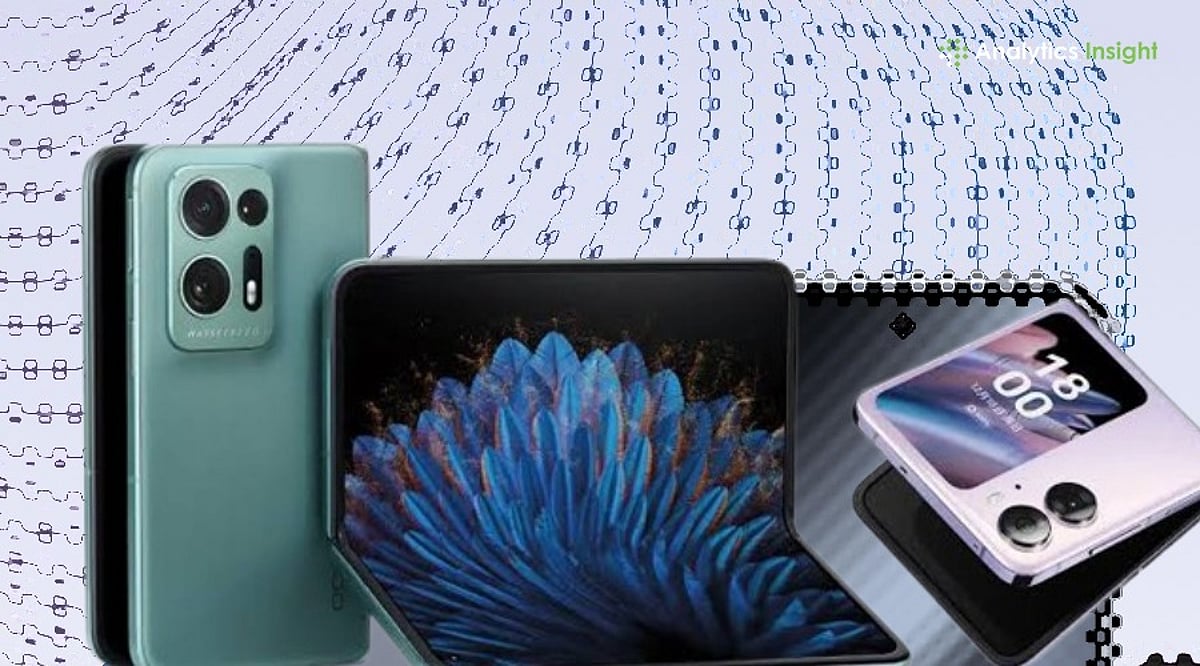
    The easiest way to understand the difference is to compare them side by side. A quick comparison reveals that foldable models offer the highest flexibility. Their biggest strength is larger screens, which make reading documents, editing photos, and using multiple apps simultaneously easier than ever.

    Flip phones are a good option for those who want a compact device that fits into a pocket. They save space but do not provide the same work experience as larger foldables. Flat phones remain the most popular option—they are affordable and reliable.

    For users who spend several hours on their phones every day, a foldable model often feels like a meaningful upgrade rather than just another smartphone.

    Are Foldable Phones Finally Worth Buying?

    If it were a few years back, most experts would tell people to wait. Early foldable phones were expensive, and many buyers worried about durability. Things look very different now. Newer models feel stronger, faster, and far more polished. The hinge has improved, the crease is less noticeable, and battery life is no longer a major concern. Software has also caught up, making better use of the larger screen.

    This does not mean everyone should rush to buy one. If you mainly use your phone for calls, messaging, and social media, a regular smartphone still does the job well. However, if your priority is watching videos, reading documents, or working while traveling, a foldable phone offers obvious advantages. It removes the need for a second screen in many cases.

    In the end, the best phone is the one that matches your daily routine. Foldable phones are no longer new. For many users, they have become a useful option that streamlines daily tasks.

    FAQs

    1. Which type of foldable phone is better for work?
    Book-style foldable phones are usually the better choice. Their larger internal display makes it easier to edit documents, attend video meetings, and use two apps simultaneously.

    2. How long do foldable phones usually last?
    Most modern foldable phones are built for years of regular use. Improved hinges, stronger screens, and better protection have made them much more reliable than older models.

    3. Are foldable phones good for gaming and streaming?
    Yes. The larger display gives games more room, and watching movies or sports feels much more enjoyable than on a standard phone.

    4. Should I buy a foldable phone or a regular smartphone?
    If you mainly use your phone for basic tasks, a flat phone is enough. If you want a bigger screen for work, entertainment, or multitasking, a foldable phone is the better option.

    5. What should I check before buying a foldable phone?
    Look at the hinge quality, display, battery life, processor, software update policy, storage, and price. These features have the biggest impact on long-term use.

  • Top Telescopes for Stargazers: Best Picks for Beginners and Experts in 2026

    Top Telescopes for Stargazers: Best Picks for Beginners and Experts in 2026

    Looking up at the night sky is exciting, but seeing it through a telescope is a completely different experience. The Moon suddenly shows its craters, bright planets become easier to spot, and stars look far more beautiful than they do with the naked eye. Whether you are buying your first telescope or looking for a better one, choosing the right model makes all the difference.

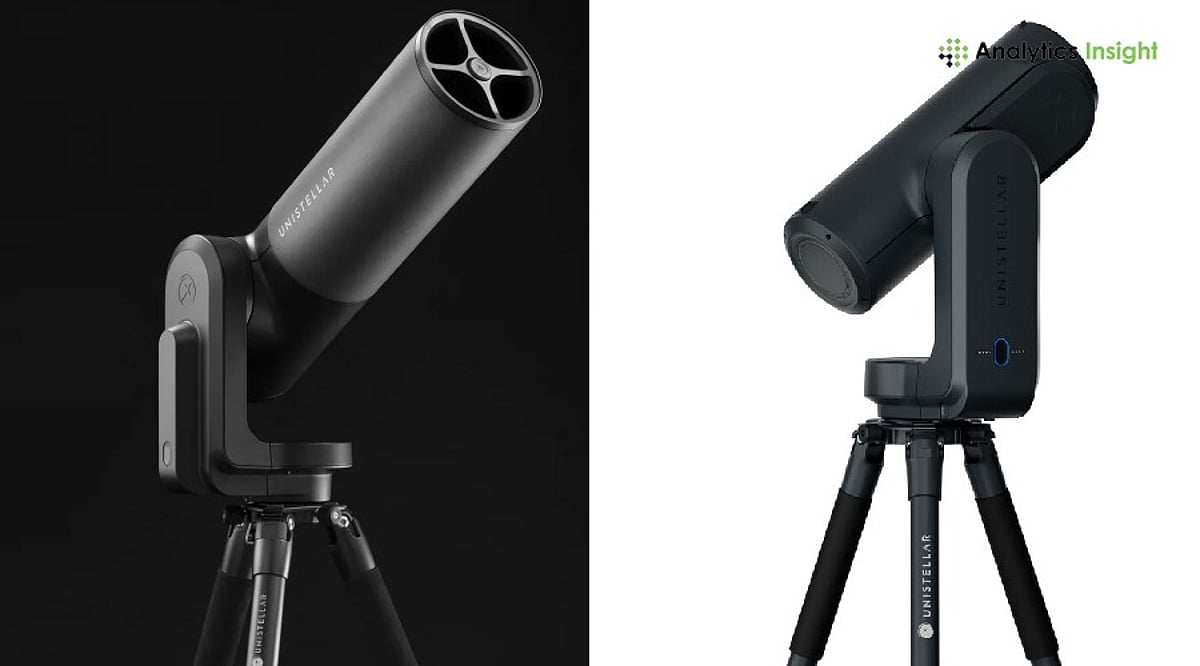
    A good telescope helps you enjoy the Moon, planets, and stars in much greater detail. Beginners should choose simple models, while experienced users benefit from larger and more powerful telescopes. The best telescope depends on your experience, budget, and what you want to observe.

    The first time you look through a telescope, it feels like you are seeing the sky all over again. The Moon no longer looks like a bright circle. You can spot its craters and rough surface. On a clear night, even planets become easier to identify. That’s why picking the right telescope is important.

    Not every telescope is made for everyone. If you’re just getting started, a simple model is usually the better choice, but if you’re a professional who works in astronomical fields, a larger telescope that collects more light and shows finer details will be better.

    To help you choose, we compared some of the most popular telescopes available in 2026. We looked at their features, prices, and how well they suit different users.

    Best Telescopes for Beginners

    Let’s begin the list with the beginner-friendly telescope models that are easy to set up and offer users an out-of-this-world experience. These beginner-friendly models don’t take much time to set up. They are easy to carry and work well for watching the Moon, bright stars, and nearby planets. If you’re buying your first telescope, any of these can be a good place to start.

    Best Telescopes for Professionals

    The next list is for those who work in the field and want a better quality telescope for detailed analysis of everything they see in the sky. Larger telescopes collect more light, which makes distant objects appear brighter and clearer. They also let you enjoy better views of planets, star clusters, and other objects in the night sky. While these models take a little more effort to set up, the viewing experience is worth it.

    Which Telescopes Would I Recommend?

    Even after making the list short, it’s still hard to make a choice. Well, if I have to recommend models based on my testing, I would first recommend the Sounce 40X60 HD Monocular. This one is for the beginners but offers the right balance between price and performance. The model is easy to assemble and simple to use. The best part involves the clarity it offers. I think most beginners will enjoy using it from day one.

    My second choice would surely be the Pie Matrix Phoenix 60700 Refractor Telescope. I have found it to be one of the finest choices when I want to explore the night sky for longer. The larger aperture lets in more light, so planets and star clusters look brighter and more detailed. In my opinion, it will offer users room to learn and improve over time.

    The third telescope I’d recommend is the Sounce 70mm Astronomical & Sky Refractor Telescope. It sits comfortably between beginner and advanced models. It offers better image quality than basic telescopes without becoming too difficult to handle. For someone ready to move beyond a starter model, this is a solid choice.

    Final Thoughts

    A telescope is more than just another gadget. It gives you a chance to enjoy a cosmic view that many people miss. From watching the Moon on a quiet evening to spotting bright planets with family or friends, every session brings something new.

    The best choice depends on what matches your expectations and how you plan to use it. If you’re taking your first step into astronomy, keep things simple and learn as you go. If you’ve been exploring the night sky for a while, investing in a more capable telescope can open up many more sights to enjoy. No matter which one you choose, a clear night and a little curiosity are all you need to begin your journey across the stars.

    FAQs

    1. Which telescope is best for beginners?
    Ans: The Zhizuka ZH400 is one of the best options for beginners. It is simple to set up, easy to use, and offers clear views of the Moon and other bright objects.

    2. What aperture is good for a beginner’s telescope?
    Ans: A telescope with a 50mm to 70mm aperture is a good starting point. It gathers enough light for viewing the Moon, planets, and some bright stars.

    3. Can I use a telescope during the day?
    Ans: Yes. Many refractor telescopes can also be used to observe mountains, birds, and distant landscapes, making them useful beyond night-time stargazing.

    4. Does higher magnification always mean a better telescope?
    Ans: No. Good image quality depends more on the telescope’s aperture and lens quality. A clear image at lower magnification is often better than a blurry high-zoom view.

    5. Which telescope offers the best overall value?
    Ans: The Pie Matrix Pegasus 76700 is an excellent choice for experienced users, while the Zhizuka ZH400 offers great value for beginners who are just starting their astronomy journey.