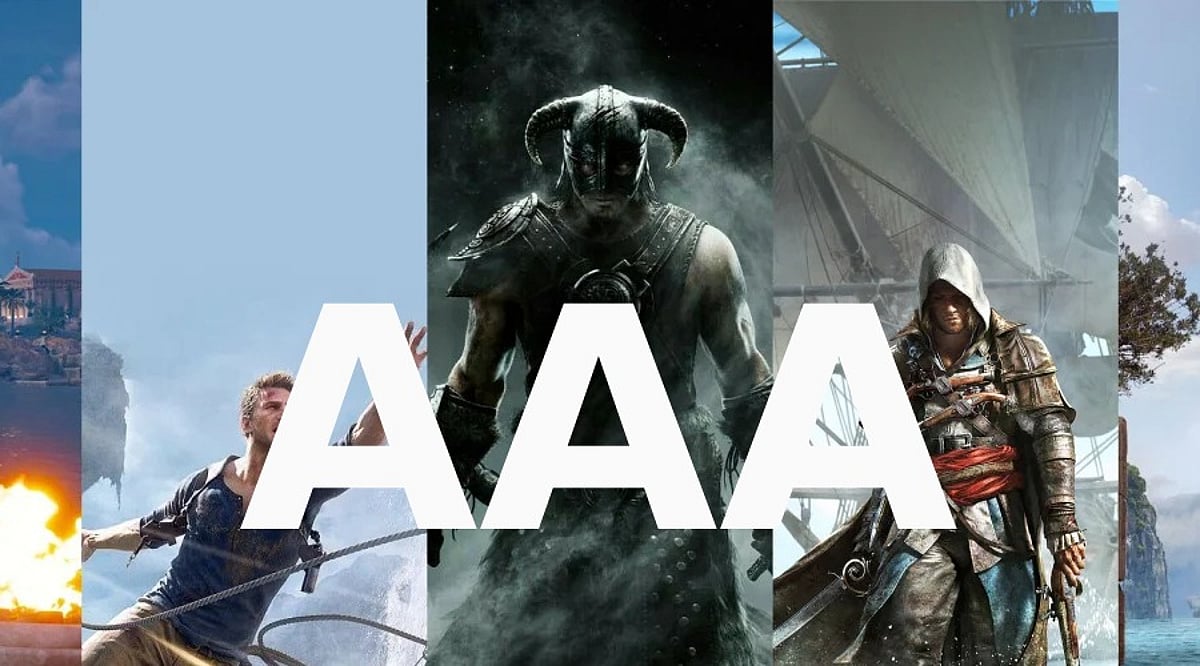
Voice acting has always been one of the most powerful parts of game development. A strong character voice can turn a simple line of dialogue into a memorable moment, make a villain more intimidating, make a companion feel alive, or help players emotionally connect with a story. From cinematic role-playing games to mobile adventures, indie horror titles, visual novels, and open-world experiences, voice gives characters personality.
But professional game voice acting can also be expensive, complex, and time-consuming. Developers often need to hire actors, schedule recording sessions, direct performances, manage revisions, edit audio, and localize dialogue for multiple languages. For large studios, this is already a major production pipeline. For small studios and solo developers, it can feel almost impossible.
This is where Text to Speech AI is beginning to reshape how game characters and voice acting are produced. Modern AI voice tools can transform written dialogue into natural-sounding speech, giving developers a faster way to prototype, test, and even produce voice lines for games. Instead of leaving characters silent until late in development, teams can generate voices early, experiment with different styles, and create more immersive experiences with fewer production barriers.
Text to Speech AI is not just about replacing silence with audio. It is about giving game creators more flexibility, speed, and creative control across the entire voice production process.
What Is Text to Speech AI in Game Development?
Text-to-speech AI is an artificial intelligence technology that turns written text into spoken audio. In game development, this allows a developer to write a character line, choose a voice style, generate the speech, and embed that audio into the game.
Older text-to-speech tools sounded robotic and unnatural and were difficult to use for expressive characters. Modern AI voice systems are far more sophisticated. They can create speech with emotion, rhythm, pacing, accent, tone, and personality. This makes them handy for game dialogue, narration, NPC conversations, tutorials, quest instructions, and placeholder voice acting.
For example, a developer working on a fantasy RPG could write a line for a merchant in a village, choose a warm, slightly nervous voice, and generate a believable voiceover in seconds. A ghost character could whisper dialogue written by a horror game designer. A sci-fi game studio might try out many robotic or synthetic voices for an AI companion before settling on the final direction.
The speed with which text-to-speech AI can be implemented makes it useful for final voice production as well as experimentation during development.
Why Voice Acting Matters in Games
Voice acting gives characters emotional depth. You can write a line of dialogue and convey information, but when you perform a line of dialogue, you can convey fear, sarcasm, humor, anger, sadness, or confidence. Often, the way a character speaks is just as informative to players as what they say.
Voice acting in story-driven games can help players connect to the story. In action games, it delivers mission updates and time-sensitive instructions. It creates tension in horror games. It makes the world of role-playing games feel populated and alive. It adds personality and charm to casual mobile games.
Voice acting also makes games more accessible. Some people prefer to listen; others might find long blocks of text difficult. Spoken dialogue makes games more accessible and more enjoyable for a wider audience.
However, adding voice acting to a game is not simple. Even a small game can contain hundreds or thousands of lines. A large RPG may have tens of thousands. If a developer wants multiple languages, the workload multiplies quickly. Text-to-speech AI helps reduce these barriers by making voice generation faster and more scalable.
How Text to Speech AI Helps Game Developers
1. Faster Dialogue Prototyping
Dialogue changes all the time during development. Writers edit dialogue, designers adjust quests, and developers delete or rearrange scenes. Recording human voiceovers too early can result in wasted time and money if the script changes.
Text-to-speech AI lets teams create temporary voice lines during the prototyping phase. This allows developers to get a feel for how the dialogue plays within the game well before final recording. They can evaluate pacing, emotional tone, scene flow, and character interactions without having to wait for an entire voice session.
This is incredibly useful for narrative designers. A line that looks OK on paper might feel too long in the game. The conversation might require more pauses. Maybe a joke falls flat. Hearing early dialogue allows teams to improve their writing before committing to final audio.
2. Lower Production Costs
Professional voice acting can require actor fees, studio rental, sound engineering, editing, retakes, and direction. These costs can quickly grow, especially for indie developers or small studios.
Text-to-speech AI provides a more affordable way to add voice to game projects. Developers can generate character voices without hiring a full cast for every role. This is helpful for background NPCs, minor characters, tutorial lines, placeholder dialogue, and experimental builds.
This does not mean every game should replace human actors. For major story characters, emotional performances, and high-budget cinematic scenes, skilled human actors can bring depth that AI may not fully match. But for many production needs, AI voice tools can reduce costs and make voice acting accessible to more creators.
3. More Voices for More Characters
Many games have large worlds with many characters. These characters may be silent or static without voice acting. AI voice generation gives developers the ability to give more NPCs unique voices, even on a budget.
Different vocal styles for merchants, guards, villagers, travelers, quest-givers, and others in a town. Unit confirmations and faction-specific responses are possible in a strategy game. A simulation game can respond dynamically to the character. A visual novel can add voice to more scenes without needing to record every single line manually.
Text-to-speech AI enables you to create richer, more populated game worlds.
4. Rapid Iteration for Character Design
Finding the right voice for a character often takes experimentation. A villain might sound better with a calm, controlled voice instead of an aggressive one. A sidekick might need a lighter, more playful tone. A robot companion might need to sound more human than expected.
With text-to-speech AI, developers can test several voice styles quickly. They can generate the same line in different tones, accents, speeds, and emotional deliveries. This helps writers, directors, and designers discover the best fit for each character.
This kind of iteration is difficult with traditional recording because each test may require actor auditions or additional sessions. AI voice tools make the exploration process much faster.
5. Easier Localization
Localization is a major challenge in games. Translating text is only the first step. Fully voiced localization requires native-speaking actors, recording sessions, editing, direction, and quality checks for every language.
Text-to-speech AI can help developers create multilingual voiceovers more efficiently. Some tools support multiple languages, accents, and regional speech patterns. This allows teams to test localized dialogue earlier and potentially produce voice lines for markets that would otherwise be too expensive to support.
For indie games, AI voice localization can make global releases more practical. For larger studios, it can support early testing and reduce bottlenecks before final localized recording.
Common Game Use Cases for Text to Speech AI
NPC Dialogue
Non-player characters are one of the best use cases for text-to-speech AI. Many NPCs have short lines, repeated responses, ambient dialogue, or simple quest instructions. AI-generated voices can make these characters feel more present without requiring a large cast of actors.
For example, NPCs can greet players, react to events, provide hints, or deliver side quest dialogue. Even small bits of spoken audio can make a game world feel more alive.
Dynamic Dialogue Systems
Some games generate dialogue based on player choices, game state, or procedural systems. Traditional recorded voice acting struggles with this because every possible line must be recorded ahead of time.
Text-to-speech AI can support dynamic dialogue by generating spoken lines from text. This is useful for simulation games, AI-driven NPCs, procedural RPGs, educational games, and interactive storytelling projects.
While real-time AI voice generation still needs careful performance optimization, the potential is significant. Games could eventually create more responsive characters that speak naturally based on player actions.
Placeholder Voice Acting
Placeholder audio is one of the most practical uses of text-to-speech AI. Developers can use AI voice lines during development before hiring final voice actors. This gives teams a better sense of scene timing, emotional flow, and gameplay rhythm.
Placeholder voice acting can also help playtesters understand story content more easily. Instead of reading long dialogue boxes, testers can experience scenes closer to the final version.
Game Tutorials and Instructions
Tutorials need to be clear and easy to follow. AI voiceovers can guide players through controls, mechanics, objectives, and interface elements. This is useful for onboarding new players, especially in mobile games, educational games, VR experiences, and simulation titles.
Text-to-speech AI can also make tutorial updates easier. If a mechanic changes, developers can revise the script and generate new audio quickly.
Character Barks and Combat Lines
Many games use short voice lines during combat or gameplay. These are often called barks. Examples include attack calls, damage reactions, victory lines, warnings, and team commands.
AI voice tools can generate many variations of these short lines, helping avoid repetition. A character might have multiple versions of “Look out,” “I need backup,” or “Enemy ahead,” each delivered with slightly different energy.
Accessibility Features
Text-to-speech AI can support accessibility by reading dialogue, menus, quest descriptions, or in-game text aloud. This can help players with visual impairments, reading difficulties, or players who simply prefer audio assistance.
For accessibility-focused design, AI voice should be clear, adjustable, and easy to understand. Developers should give players control over speed, volume, and voice settings when possible.
Text to Speech AI vs. Human Voice Actors in Games
Text-to-speech AI and human voice actors both have important roles in game development. AI is fast, scalable, affordable, and excellent for iteration. It works well for prototypes, background characters, dynamic systems, tutorials, and large volumes of simple dialogue.
Human actors are still powerful for emotionally complex performances. Main characters, dramatic cutscenes, comedic timing, and nuanced storytelling often benefit from human interpretation. A talented actor can bring unexpected depth to a script, adding pauses, emotion, and personality that may not be obvious from the text alone.
Rather than thinking of AI voice tools and human actors as opposites, developers can use them together. Text-to-speech AI can support early development, testing, placeholder audio, minor characters, and localization drafts. Human voice actors can then focus on the most important roles and scenes where performance matters most.
This hybrid approach can make production more efficient while still preserving the emotional value of human performance.
Best Practices for Using Text to Speech AI in Game Voice Acting
Write Dialogue for the Ear
Game dialogue should sound natural when spoken. Avoid sentences that are too long, overly formal, or packed with too much information. Players often hear dialogue while moving, fighting, exploring, or making decisions, so clarity matters.
Before generating AI voice lines, read the script out loud. If it feels awkward to say, revise it. Text-to-speech AI works best when the writing already sounds conversational.
Match Voice to Character Personality
Every character should have a clear voice identity. Consider age, role, attitude, background, emotional state, and relationship to the player. A battle-hardened commander should not sound like a cheerful shopkeeper unless that contrast is intentional.
Use text-to-speech AI to test multiple versions, but choose voices based on character design, not just novelty.
Control Pacing and Pauses
Pacing is crucial in games. Dialogue must fit the scene and gameplay context. A slow emotional line may work in a cutscene, but it may frustrate players during fast action. A quick instruction may work in combat, but it may feel rushed in a tutorial.
Use pauses, speed controls, and line breaks to shape delivery. Small timing adjustments can make AI voiceovers feel more natural.
Check Pronunciation Carefully
Games often include fictional names, fantasy locations, invented languages, sci-fi terms, acronyms, and unusual character names. Text-to-speech AI may mispronounce these unless guided.
Developers should create pronunciation rules or phonetic spellings for important terms. Consistent pronunciation helps preserve immersion and worldbuilding.
Avoid Overusing Similar Voices
If many characters sound too similar, the game world can feel artificial. Try to vary voice types, pitch, pacing, accent, energy, and delivery style. Even small differences can help players distinguish characters.
For major characters, create a clear voice profile and keep it consistent across all lines.
Test Voice Lines in the Actual Game
A voice line may sound good by itself but feel wrong during gameplay. Always test AI-generated voiceovers inside the game environment. Check volume, timing, emotional fit, background noise, music, and how the line feels during player interaction.
Game audio is not just about the voice file. It is about how that voice works inside the full player experience.
Ethical Considerations for AI Voice Acting
AI voice technology raises important ethical questions, especially in creative fields. Developers should avoid cloning or imitating a real actor’s voice without permission. They should also follow licensing terms for any text-to-speech AI platform they use.
Transparency matters. If a game uses AI-generated voices, developers may choose to disclose that in credits or production notes, especially when AI voices are used for major character roles.
Respect for human performers is also important. AI can make voice production more accessible, but it should not be used deceptively or exploitatively. The best approach is to use AI responsibly, protect voice rights, and make sure every generated voice is legally and ethically cleared for game use.
The Future of AI Voice Acting in Games
The future of text-to-speech AI in games is likely to be more interactive, expressive, and adaptive. As AI voices become more advanced, developers may be able to create characters that respond to players in real time, adjust emotional tone based on story context, or generate unique dialogue during gameplay.
This could lead to more dynamic RPGs, smarter NPCs, personalized tutorials, and more immersive virtual worlds. Imagine a companion character who reacts differently depending on your choices, or a strategy advisor who explains events using generated speech based on the current battle situation.
At the same time, developers will need strong creative direction. More voice does not automatically mean better storytelling. AI-generated dialogue must still be well-written, well-paced, and meaningful to the player.
The future of game voice acting will likely be a blend of AI tools and human creativity. AI will help developers produce more audio, test ideas faster, and make voiced games more accessible. Human writers, actors, designers, and audio directors will still shape the emotional heart of the experience.
Final Thoughts
Text-to-speech AI is changing how game developers approach characters and voice acting. It allows teams to prototype dialogue faster, reduce production costs, create more voiced NPCs, support localization, and experiment with character voices throughout development.
For indie developers, it can make voice acting possible where it once felt out of reach. For larger studios, it can speed up iteration and support more flexible production pipelines. For players, it can lead to richer characters, more accessible experiences, and more immersive game worlds.
The key is to use text-to-speech AI thoughtfully. Start with strong writing, choose voices that fit the characters, test audio in the game, review pronunciation, and respect ethical boundaries around voice rights and disclosure.
AI voice technology is not a shortcut for good storytelling. It is a tool that can help bring more stories, characters, and worlds to life. When combined with creative direction and careful design, text-to-speech AI can become a powerful part of modern game voice acting.