
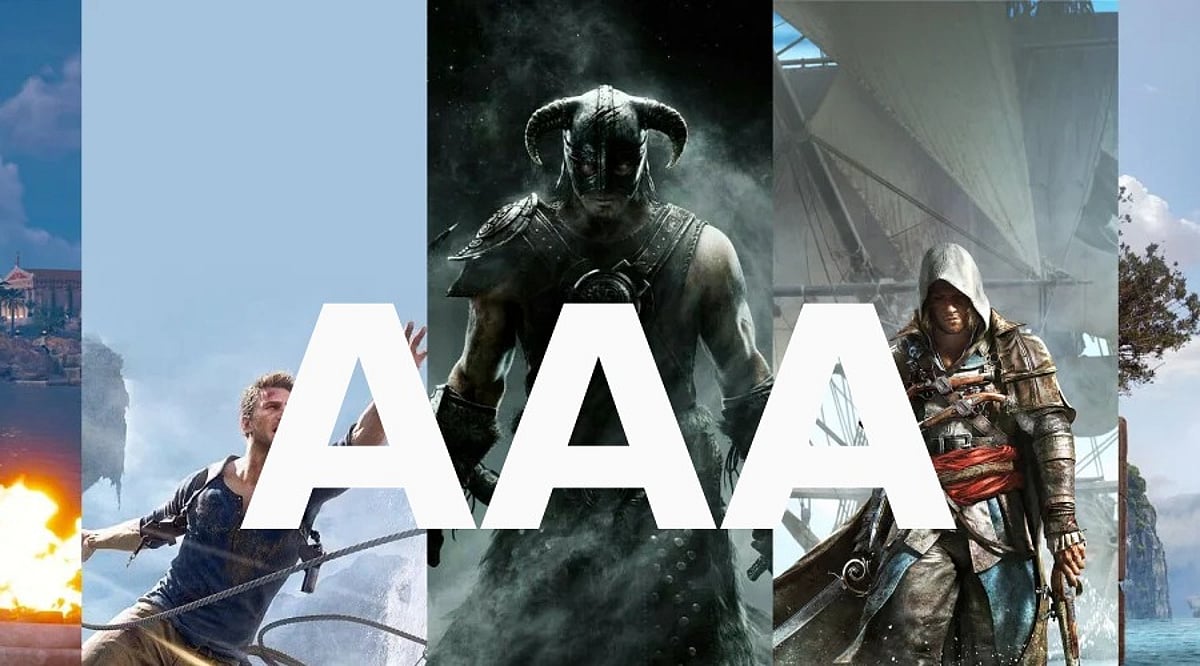
AAA games now take significantly longer to develop than they did a decade ago. Players who once saw a new blockbuster every two or three years now wait five years or more. Titles are announced early, then fans spend years craving updates. Better hardware and game engines should accelerate production, yet development timelines continue to lengthen. The reason is straightforward: modern games are far larger, more detailed, and much harder to build.
Bigger Worlds, Higher Expectations
Today’s AAA titles are packed with content—vast cities, realistic forests, dynamic weather systems, lifelike character models, and intricate animations. Every feature adds work for artists, programmers, designers, writers, and testers. Development costs have soared; some games now cost hundreds of millions of dollars. When companies invest that much, they cannot afford to rush. Player expectations have also risen. A good-looking game is no longer enough—gamers demand smooth gameplay, intelligent enemies, memorable stories, and near-flawless releases. Bugs that were once overlooked now spark heavy online criticism.
Sequels face even more pressure. Each new entry must improve on its predecessor with bigger maps, better graphics, stronger narratives, and fresh ideas. Games like Grand Theft Auto VI, The Witcher 4, Marvel’s Wolverine, and The Elder Scrolls VI illustrate the immense pressure developers face. Fans expect these titles to set new standards, and reaching that level takes years.
Testing and Quality Assurance
Modern games launch on multiple consoles and PC hardware. Developers must ensure everything works properly before release. Fixing problems early is far better than releasing a bug-ridden game. Comprehensive testing adds months—or even years—to the schedule.
Can AI Speed Up Development?
Artificial intelligence has become a valuable tool for game studios. Generative AI can help create early character concepts, enhance animations, generate simple environments, and organize large data sets. It also accelerates code writing for world design and can replay levels thousands of times to find bugs faster than humans. However, AI cannot build a game on its own. It lacks the ability to craft engaging stories, design beautiful worlds, or invent fun gameplay. Human creativity remains irreplaceable. AI will continue to improve and may shave some time off development, but it will not turn a six-year project into a one-year one. Great games still require talented people.
Why It Matters
Long development cycles, rising costs, and high stakes make every release critical. Extended waits can kill player excitement, delay revenue for studios, and leave fans frustrated. Yet rushing a game can be even more damaging—several recent launches have shown how a broken release hurts both players and studios. The key is balance: developers need time to finish a game while keeping fans engaged. Technology will evolve, but the best games depend on human ideas. Good stories, memorable characters, and engaging gameplay cannot be rushed. Sometimes a little extra waiting brings a genuinely great game.
Leave a Reply