Tag: Gemini AI

  • Google Trials ‘Call for Me’ AI Feature for Pixel 11 Users: Gemini Now Handles Phone Calls

    Google Trials ‘Call for Me’ AI Feature for Pixel 11 Users: Gemini Now Handles Phone Calls

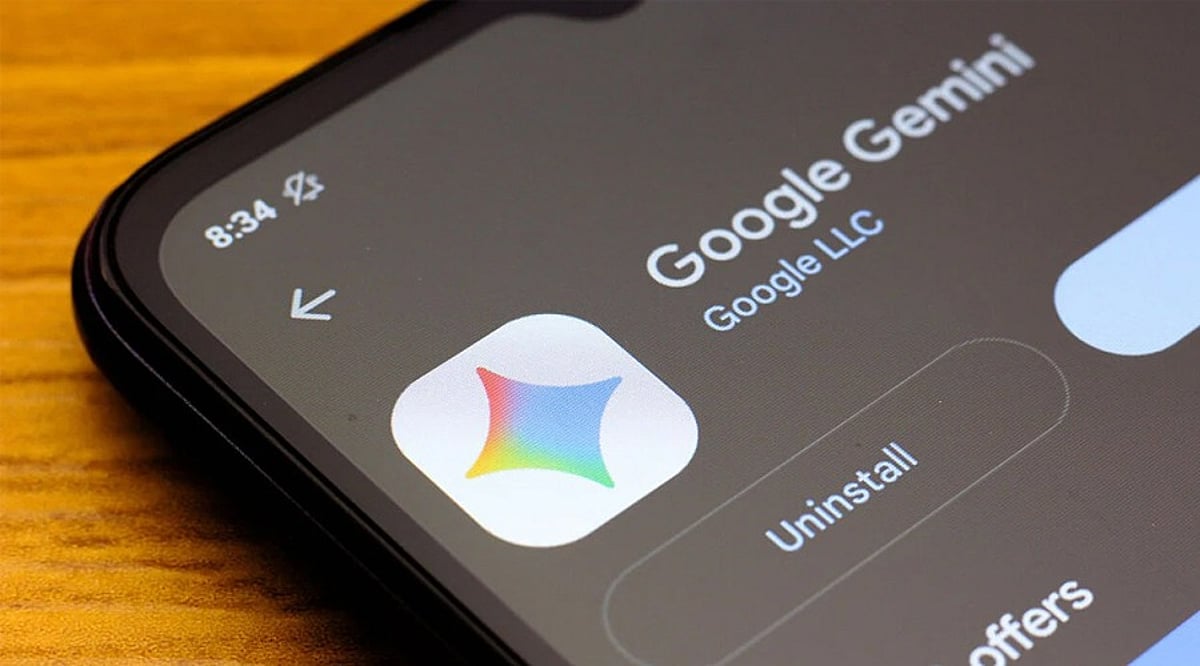
    Google is testing a new Gemini AI feature that can make phone calls to businesses on behalf of users, marking a significant step in AI-powered task automation. Dubbed “Call for Me,” the feature is initially rolling out to Pixel 11 owners in the United States who have a Gemini subscription. Users also need the beta version of Google’s Phone app for Android, as the feature is currently in an experimental phase.

    Unlike previous AI-assisted calling tools from Google, Gemini can now share personal information that users approve for a call. This allows the AI to handle a wider range of tasks while keeping users involved in the process. With “Call for Me,” Gemini can contact a business, introduce itself, navigate automated phone menus, wait on hold, and then speak with an employee. Users can follow the conversation through a live transcript and take over the call whenever they want. All calls are made using the user’s own phone number directly from their device.

    Google says the feature can handle tasks such as checking whether a product is available at a store, making a restaurant reservation, changing an appointment to another date, or placing an item on hold. The company has also noted that Gemini can handle phone conversations after getting through automated systems, rather than simply waiting for a human representative to answer.

    This development builds on several years of Google’s work on AI-assisted phone calls. The company previously demonstrated Google Assistant calling a salon to make a reservation, and later introduced “Ask for Me,” which allowed Gemini to call businesses to ask about prices and services. Pixel users have also had access to “Hold for Me,” which waits on the line until a person answers, and “Talk to a Live Rep,” which can navigate phone systems.

    Google said it is starting “Call for Me” on a small scale because “real-world conversations are nuanced” and the company needs time to improve the feature before making it available more broadly.

  • Googlebook Laptops Hit Pre-Order Stage: $899 Starting Price, Gemini AI Integration, and Global Rollout Details

    Googlebook Laptops Hit Pre-Order Stage: $899 Starting Price, Gemini AI Integration, and Global Rollout Details

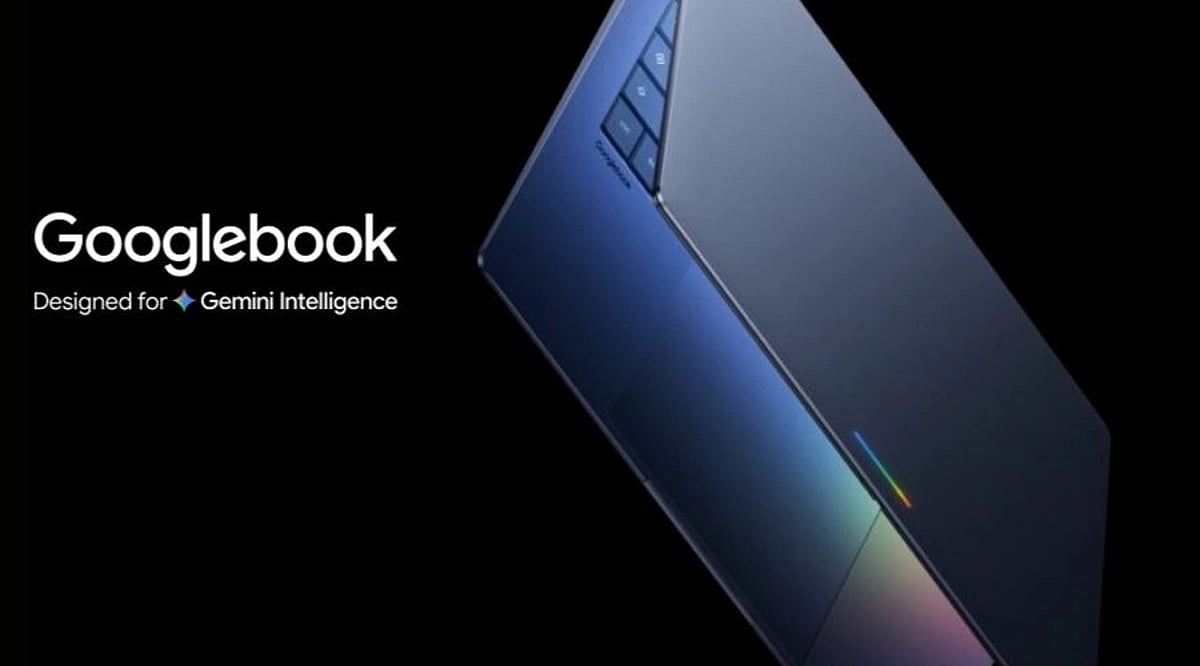
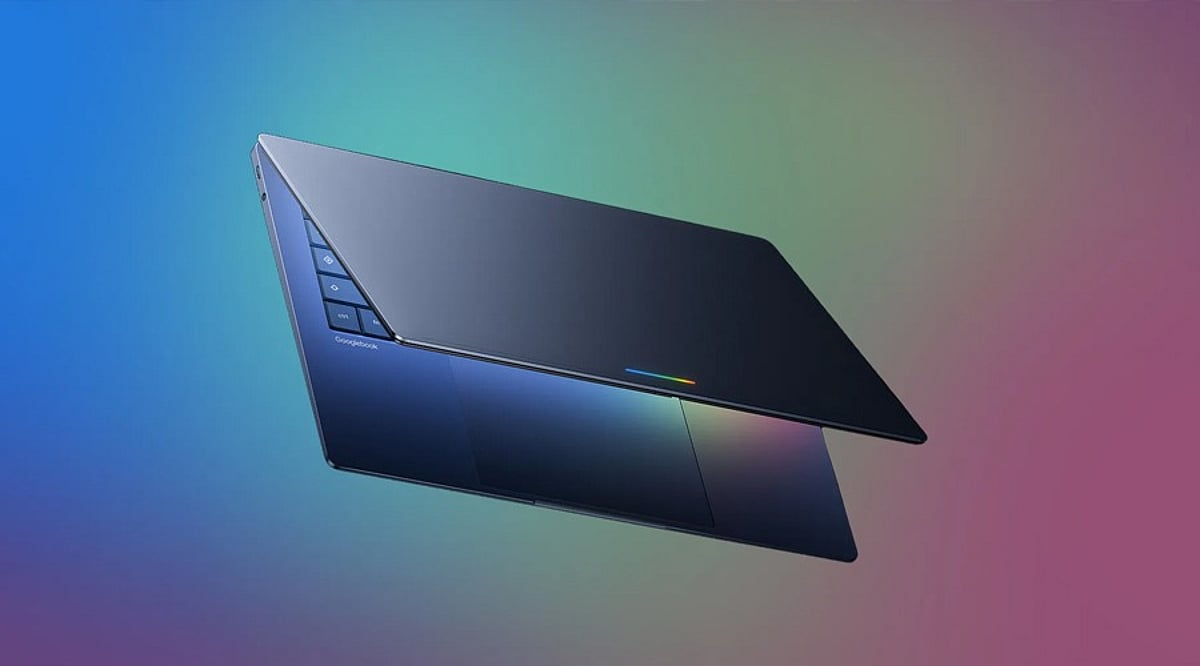
    Google has officially opened pre-orders for its new Googlebook laptops, marking a significant return to the premium laptop segment. Starting at USD 899 in the US, the lineup combines advanced Android integration with powerful Gemini AI features, all built on a foundation of premium hardware from Intel and Qualcomm processors.

    The initial batch of devices is supplied by Acer, ASUS, Dell, HP, and Lenovo. According to Google, the laptops will hit US shelves on October 4, followed by Canada, the UK, Ireland, France, Germany, and Australia on October 5.

    A New Take on Android and Laptop Computing

    Googlebook is built on Android technology with desktop foundations derived from ChromeOS. Google positions the platform as a premium alternative to traditional Chromebooks, emphasizing seamless integration with Android smartphones. Users can continue tasks across devices, access phone files directly, cast Android apps to the laptop, and transfer settings, passwords, Wi-Fi networks, and messages with end-to-end encryption during setup.

    Gemini AI-Powered Features

    Several Gemini-powered features are built directly into Googlebook:

    • Magic Pointer – Invokes Gemini to help with tasks involving on-screen content.
    • Rambler – Converts spoken thoughts into organized notes, checklists, and formatted content.
    • Create My Widget – Lets users describe a requirement to generate a customized desktop widget.

    Pricing and Availability

    The Googlebook range starts at USD 899. Individual models from the five manufacturers carry different price points. Each purchase includes 12 months of Google AI Pro, 5TB of cloud storage, and Gemini Advanced tools. Google also promises software updates for up to 10 years. Pre-orders are available through the Google Store, Best Buy, and select retailers.

    With its AI-first approach and deep Android ecosystem integration, the Googlebook line is poised to redefine the premium laptop experience.

  • Samsung Debuts AI-Powered Family Hub Refrigerator and Bespoke WindFree ACs in India

    Samsung Debuts AI-Powered Family Hub Refrigerator and Bespoke WindFree ACs in India

    Samsung has launched its 2026 Bespoke AI appliance range in India, featuring AI-powered refrigerators and air conditioners. The new lineup was unveiled at ‘The Brief Gurugram’ event, emphasizing artificial intelligence, connectivity, and energy efficiency.

    Gemini AI Comes to Samsung Family Hub Refrigerator

    The Family Hub Refrigerator now integrates Google Gemini AI, equipped with a 32-inch display. It can identify food items, manage use-by dates, recommend recipes based on available ingredients, and offer a Video-to-Recipe experience. Localized Family Care and Pet Care features provide alerts, activity tracking, and reminders through the SmartThings ecosystem.

    SmartThings Central to AI Home Ecosystem

    Samsung positions SmartThings as the central hub for its AI home ecosystem. Select appliances feature an AI Home screen that lets users monitor connected devices, access information, and manage household functions from one interface.

    New WindFree ACs Focus on AI-Powered Cooling

    Samsung also introduced the Bespoke AI WindFree Pro Air Conditioner at Rs. 69,990. This model combines AI-enabled controls with PM1.0 purification and SmartThings connectivity. Its AI Energy Mode can reduce energy consumption by up to 30%. The AC is available in 3.5kW, 5.2kW, and 7.1kW capacities. Additionally, the Infinite 1-Way Cassette AC starts at Rs. 1,60,000.

    Pricing and Availability

    The Family Hub Refrigerator is priced at Rs. 4,00,690, while the Bespoke AI WindFree Pro AC costs Rs. 69,990. The Infinite 1-Way Cassette AC starts at Rs. 1,60,000 and is available through authorized channel partners across India. The new lineup is built around four themes: AI Understands You, AI Adapts to You, AI Connects Your Home, and AI Cares for You.

  • Dell XPS Googlebook DX13267: 13.4-Inch Google Laptop Appears in Official Filing

    Dell XPS Googlebook DX13267: 13.4-Inch Google Laptop Appears in Official Filing

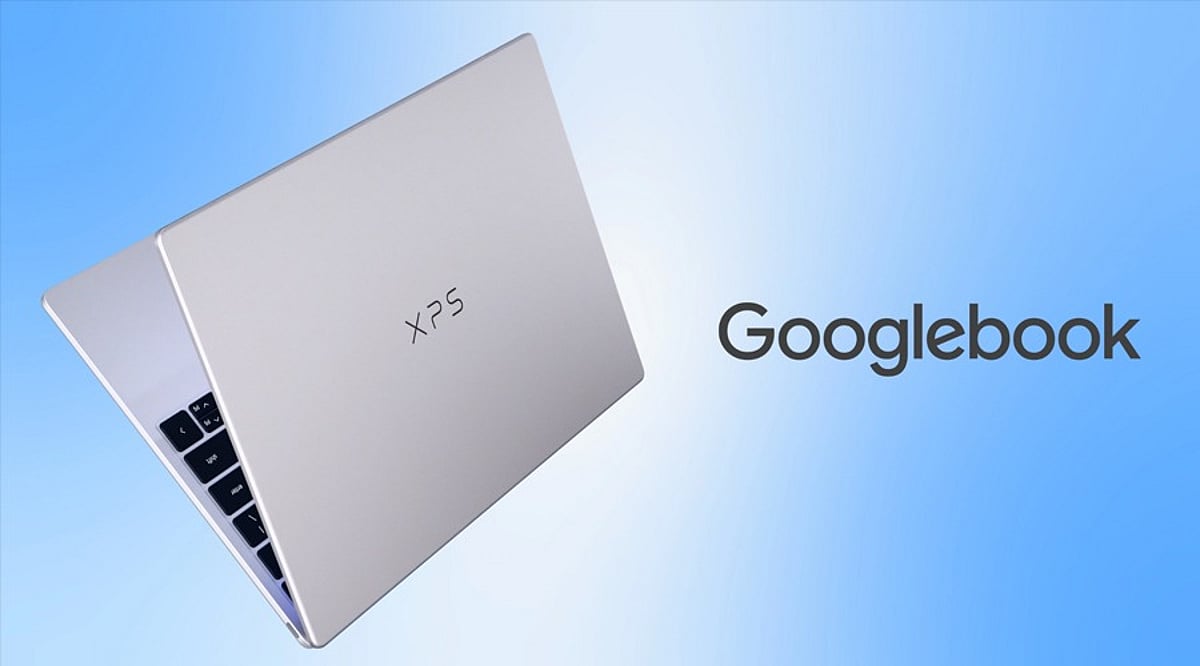
    Dell’s first XPS Googlebook appears to be nearing launch after the model name DX13267 surfaced in an official Dell document. The Product Carbon Footprint report for September 2026, now available on Dell’s website, lists the upcoming laptop and reveals several early details about the device.

    What the Dell Report Reveals

    The filing identifies the Dell XPS Googlebook DX13267 with a 13.4-inch display and an approximate weight of 1.1 kg. It also lists China as the assembly location and assigns the laptop a four-year product lifetime. Those details align with earlier leaks and benchmark sightings that connected the DX13267 to Dell’s XPS 13 design and the internal codename Mica.

    Expected Hardware and Features

    While Dell has not confirmed final specifications, earlier reports point to Qualcomm’s Snapdragon X Elite processor, 16GB or 32GB of LPDDR5X memory, and a 13.4-inch OLED touchscreen with 2,880 x 1,800 resolution. As a Googlebook, the device will combine Android with Chrome, support Google Play apps, and highlight Gemini-powered AI features.

    Googlebook Launch Plans

    Google’s website currently lists September 21 for Googlebook pre-orders, with Dell among the first hardware partners alongside Acer, Asus, HP, and Lenovo. Dell has yet to announce pricing, regional availability, or final configurations for the XPS Googlebook. More details are expected as pre-orders approach.

  • Googlebook Laptop Pre-Orders Open September 21 With Gemini AI and Android Integration

    Googlebook Laptop Pre-Orders Open September 21 With Gemini AI and Android Integration

    Google has confirmed that pre-orders for its upcoming Googlebook laptops will officially open on September 21. The announcement, posted on the official Googlebook website, also gives users the option to sign up for preorder notifications if they aren’t ready to order right away. Google has not yet shared pricing, the exact models that will be available for pre-order, or shipping timelines.

    What Are Googlebook Laptops?

    The Googlebook was first teased during the Android Show I/O Edition in May. It is a new line of flagship laptops designed to combine the best of ChromeOS and Android. While current Chromebooks run on ChromeOS, Googlebook devices will be built on the Android technology stack but still include the Chrome browser and full access to Google Play Store apps.

    Several major PC makers are supporting the new category, including Acer, Asus, Dell, HP, and Lenovo. Google has not confirmed which manufacturer models will be the first to go on sale.

    Gemini AI Features

    Googlebook laptops will lean heavily on Gemini intelligence. The company’s website highlights two key features:

    • Magic Pointer: Select anything on screen and ask Gemini to analyze, compare, or create with it.
    • Create My Widget: Build custom widgets simply by asking Gemini to generate them.

    Deeper Android Phone Integration

    Googlebook is also designed to work more closely with Android smartphones. Two standout features include:

    • Cast My Apps: Use phone apps directly on the laptop without needing to install them separately.
    • Quick Access: Browse and access files stored on your phone right from the laptop’s file manager.

    These features will require a phone running Android 17 or later.

    Design and Availability

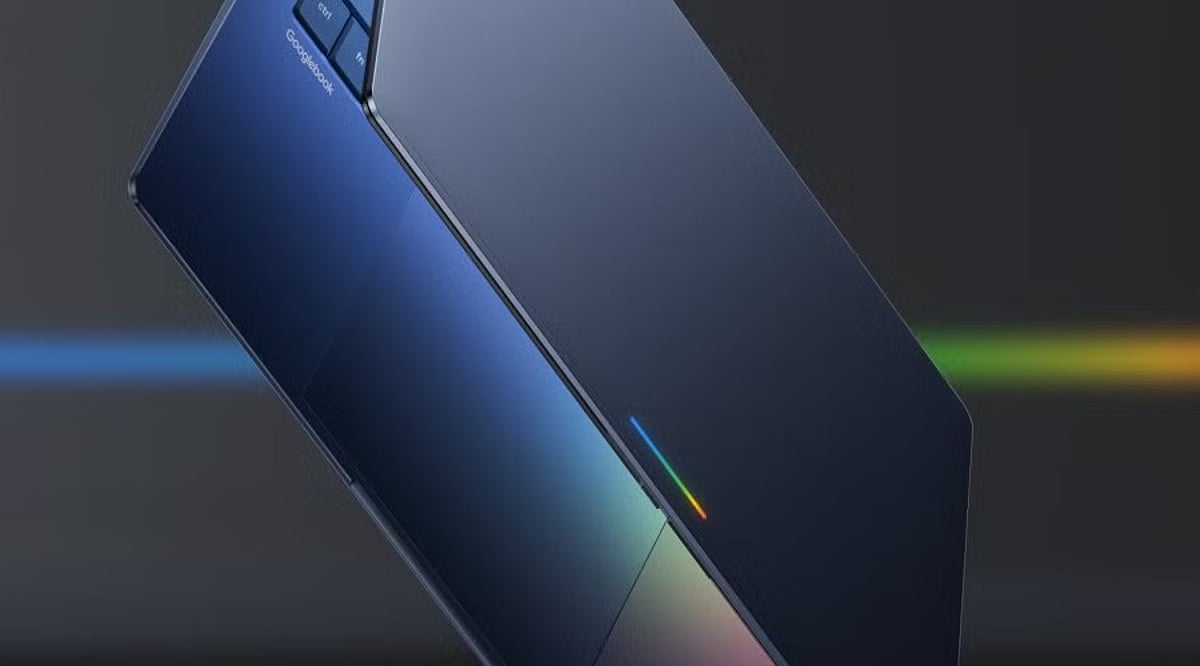
    Googlebook laptops will feature a distinctive Glowbar, described by Google as a functional design element. Since Acer, Asus, Dell, HP, and Lenovo are building the first-generation devices, customers can expect a range of shapes, sizes, and hardware configurations across the lineup.

    Google has not disclosed pricing or confirmed shipping dates, but the first devices are expected to arrive this fall.

  • Googlebook Pre-Orders Launch September 21: Gemini AI, Android Integration, and What to Know

    Googlebook Pre-Orders Launch September 21: Gemini AI, Android Integration, and What to Know

    Google has confirmed that Googlebook pre-orders will open on September 21 at 9 a.m. ET (6:30 p.m. IST), officially launching its new laptop category. The first wave of devices will be produced by Acer, ASUS, Dell, HP, and Lenovo, with Google positioning the lineup as a premium computing experience.

    What we know so far

    • Pre-order start: September 21, 2026, at 9 a.m. ET through Google’s official Googlebook website.
    • Hardware partners: Acer, ASUS, Dell, HP, and Lenovo will supply the initial devices.
    • Unconfirmed details: Pricing, final configurations, shipping dates, and India availability have not been announced.

    Shift from Chromebook to Android

    Googlebook marks a departure from the traditional Chromebook model. Instead of ChromeOS, the new category runs on an Android-based technology stack. The goal is to connect everyday laptop work, AI assistance, and Android phone interactions in a single, seamless experience.

    Magic Pointer brings Gemini to anything on screen

    One of the standout software features is Magic Pointer, which lets users point at on-screen content and ask Gemini for analysis, comparisons, or content creation without switching apps. The feature is designed to make AI assistance feel more natural during routine tasks.

    Create My Widget

    Googlebook also introduces Create My Widget, which builds custom desktop widgets from natural language requests. In a demo, Google showed a travel tracker that combined flight, accommodation, and restaurant details in a single interface, giving Gemini a practical role beyond chatbot-style conversations.

    Android phone integration

    The Android connection goes further with Cast My Apps, which brings Android phone apps to the laptop, and Quick Access, which provides direct access to phone files. Google notes that these capabilities require Android 17 or newer on the connected phone.

    Hardware and design

    While exact launch configurations are unconfirmed, reports point to premium displays and powerful processors across the initial Googlebook lineup. Google is also bringing back the Glowbar, a multicolor light strip above the keyboard first seen on the Chromebook Pixel, now serving as a visual marker for Googlebooks.

    The September 21 opening may reveal more than just availability. Pricing and hardware choices will show whether Google’s Gemini-first strategy can challenge established Windows laptops and premium MacBooks.

  • Google Maps Debuts Gemini-Powered ‘Ask Maps’ Feature in India for Conversational Search

    Google Maps Debuts Gemini-Powered ‘Ask Maps’ Feature in India for Conversational Search

    Google has launched an enhanced version of its Ask Maps feature in India, introducing a conversational search experience powered by the company’s Gemini AI models. The update allows users to search for places using natural, everyday language instead of traditional keyword queries.

    With the new feature, users can ask detailed questions such as “Where can I find a family-friendly restaurant?” or “Suggest a café suitable for working.” Google Maps then provides personalized recommendations based on the context of the query. India is among the first markets to receive this upgraded Ask Maps experience.

    Search That Understands Context

    The system is designed to interpret user needs even when expressed in a conversational format. Instead of entering multiple search terms, users can describe their requirements and ask follow-up questions to refine results without starting a new search session. Google states this aims to make location discovery more intuitive.

    Key Features of Ask Maps

    • Natural Language Search: Ask questions in everyday language instead of using keywords.
    • Conversational Search: Continue the conversation with follow-up questions to refine results.
    • Personalized Recommendations: Discover tailored suggestions for restaurants, cafés, and other places based on preferences.
    • Contextual Responses: Understands the context of the query rather than just matching keywords.
    • Gemini AI Integration: Leverages Google’s Gemini AI for generating suggestions.
    • In-App Recommendations: Results appear directly on Google Maps.
    • Itinerary Planning: Create a day’s itinerary with a single search.
    • Available on Android and iOS: For Google Maps users in India.
    • Discovery Within a Chat: Find relevant places through a single conversational thread.

    Part of Google’s Broader Maps Update

    The Ask Maps rollout is part of Google’s larger effort to integrate AI-powered features into Maps. Alongside conversational search, Google has added improved navigation assistance and route context to help users understand and follow directions more easily. The company says these changes aim to make Maps more useful before, during, and after every journey by combining mapping technology with Gemini’s capabilities.

    With this latest release in India, users can navigate cities more simply without needing to perform multiple searches.

  • Google Pixel 11 Leaks: Everything We Know About Design, Tensor G6, Colors, Price, and Launch Date

    Google Pixel 11 Leaks: Everything We Know About Design, Tensor G6, Colors, Price, and Launch Date

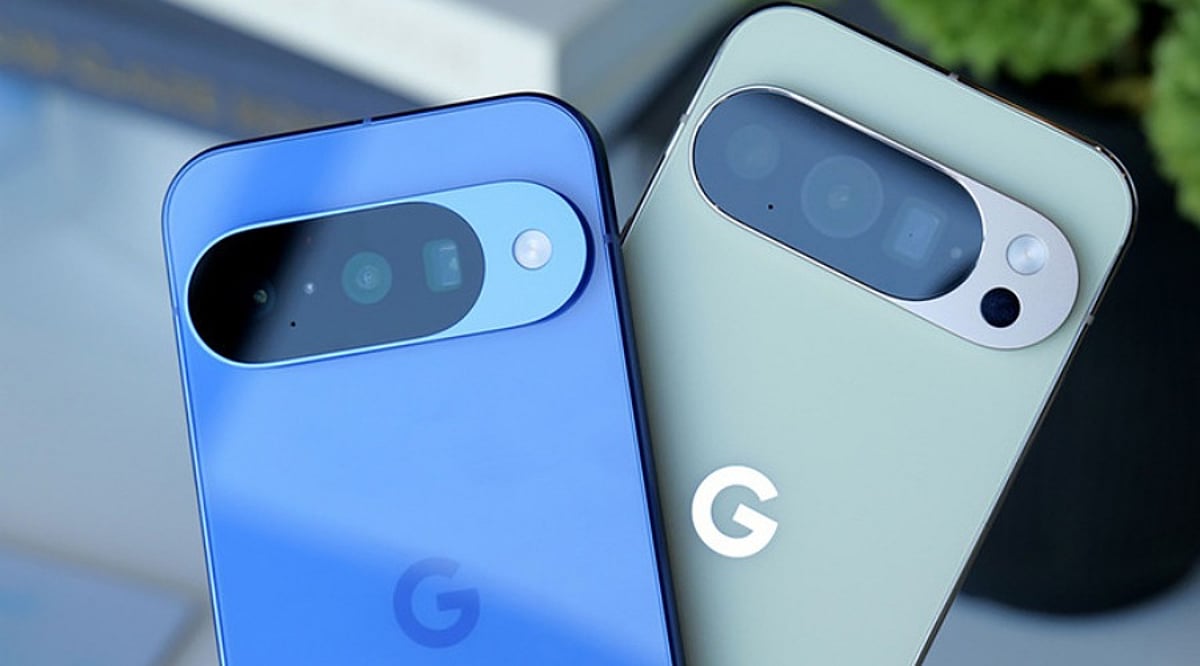
    Google has locked August 12, 2026, for the next Made by Google event, and the Pixel 11 series will likely take the spotlight. Fresh leaks from retail listings, marketing material, and trusted industry sources have already revealed many details ahead of the official launch. The new lineup will include the Pixel 11, Pixel 11 Pro, Pixel 11 Pro XL, and Pixel 11 Pro Fold. Google also plans to introduce the Pixel Watch 5 and the new Pixel Tag at the same event. The company has not shared the final specifications yet, although recent leaks paint a clear picture of the upcoming devices.

    Familiar Design With Small Refinements

    The design language of the Pixel 11 series remains consistent with that of Google over the last few years. According to various leaked images, the camera bar has a cleaner and slimmer look with a one-piece glass design. The frame also appears to be relatively flatter while retaining the same look as it did with the Pixel 10 series. Google makes minute design changes instead of bringing about a new design, which is what gives the Pixel a distinct look while lending refinement to the new smartphones. The Pro Fold model also features a tidier camera section and rear design as shown in the latest pics.

    New Colors Add More Choice

    Google plans to introduce fresh color options across the Pixel 11 family. The standard Pixel 11 will reportedly arrive in Light Sterling, Fuchsia, Midnight Haze, and Moss. The Pixel 11 Pro and Pixel 11 Pro XL may come in Dune, Light Fog, Midnight Haze, and Pine. The Pixel 11 Pro Fold will likely offer Pine and Midnight finishes. These new shades give each model a fresh identity while keeping Google’s clean and simple style. Marketing images also match these color names, which adds more confidence to the recent leaks.

    Tensor G6 Powers Every Model

    Every phone in the Pixel 11 lineup will likely run on Google’s new Tensor G6 processor. Reports also mention the Titan M3 security chip, which will handle device security and sensitive data. The Tensor G6 will support faster AI tasks, better power efficiency, and smoother daily performance. Several reports suggest Google may use a new 2nm manufacturing process for this chip, although the company has not confirmed that detail. Android 17 will arrive as the default operating system, along with new Gemini AI features across the lineup.

    Camera Setup Focuses on Smart Photography

    The standard Pixel 11 may return to a dual rear camera system with wide and ultra-wide sensors. Recent leaks suggest Google has removed the telephoto camera from the base model. The Pixel 11 Pro and Pixel 11 Pro XL will likely keep the triple camera system with wide, ultra-wide, and periscope telephoto lenses. Reports do not mention major hardware upgrades for the Pro cameras, which means Google may rely on software improvements and advanced AI tools for better photo and video quality. The Pixel 11 Pro Fold may also offer enhanced zoom features through machine learning support.

    Storage Improves Across the Range

    One major upgrade comes through storage. Current leaks suggest Google will start every Pixel 11 model with 256GB of internal storage instead of the previous 128GB option. This change gives users much more space for photos, videos, apps, and files from the first day. The Pro models will also offer larger storage options for those who need extra capacity. Reports also claim every model will include 12GB of RAM. This detail surprised many followers since earlier rumors expected higher memory on the Pro versions.

    Higher Prices Expected This Year

    Recent retailer leaks point to higher prices across the Pixel 11 lineup. The standard Pixel 11 may start at $899. The Pixel 11 Pro could cost $1,099, while the Pixel 11 Pro XL may reach $1,299. The Pixel 11 Pro Fold could start at $1,899. Although the prices move higher than the previous generation, Google also plans to double the base storage to 256GB, which adds more value to every model. Final regional prices will become official during the launch event.

    AI Features Take Center Stage

    One of the key components of the Pixel series is artificial intelligence. Pixel 11 series will bring enhanced Gemini features in photography, voice commands, call assistance, live transcription, and photo editing. Tensor G6 is expected to carry many of these tasks out on-device, which greatly improves speed and ensures privacy. Furthermore, Android 17 will bring new software features, which make good use of Google’s AI tools.

    Pixel Tag May Join the Event

    The August 12 event may include more than smartphones. Leaks strongly suggest Google will introduce the Pixel Tag, a Bluetooth tracker that works with the Find Hub network. The accessory will help users locate keys, bags, luggage, and other personal items. Reports also mention the Pixel Watch 5, which may receive extra RAM and stronger AI support. These products show Google’s plan to expand its hardware ecosystem with connected devices that work together.

    Why This Matters

    The Pixel 11 series shows Google’s next step in smartphone development with stronger AI, larger storage, updated hardware, and a refined design. Recent leaks also help buyers understand expected features, prices, and launch plans before the official announcement. This early information supports better purchase decisions and sets clear expectations for Google’s upcoming flagship lineup.

    Final Outlook

    The Pixel 11 series already looks like one of Google’s most polished smartphone launches. Strong leaks reveal refined design, new color choices, Tensor G6 performance, larger base storage, Android 17, and expanded AI features. Higher prices may become the biggest talking point, although the extra storage and new hardware help balance that increase. The official Made by Google event on August 12 will confirm every remaining detail and reveal the complete Pixel 11 lineup.

    FAQs

    1. When will the Google Pixel 11 series launch? Google is expected to unveil the Pixel 11 lineup at the Made by Google event on August 12, 2026.
    2. Which models are expected in the Pixel 11 lineup? The lineup is expected to include the Pixel 11, Pixel 11 Pro, Pixel 11 Pro XL, and Pixel 11 Pro Fold.
    3. What processor powers the Pixel 11 series? Leaks suggest every Pixel 11 model will feature Google’s new Tensor G6 processor with the Titan M3 security chip.
    4. What is the expected starting storage? Current leaks indicate all Pixel 11 models will start with 256GB of internal storage and 12GB of RAM.
    5. Will Google launch other products alongside the Pixel 11? Yes. Google is also expected to introduce the Pixel Watch 5 and the Pixel Tag Bluetooth tracker during the same event.

  • Google Pay Launches ‘Ask Google Pay’ AI Assistant in India for Smarter Personal Finance Management

    Google Pay Launches ‘Ask Google Pay’ AI Assistant in India for Smarter Personal Finance Management

    Google Pay has introduced a new AI-powered feature called ‘Ask Google Pay’ in India, designed to help users manage their personal finances more intuitively. Powered by Google’s Gemini AI model, the conversational assistant allows users to interact with the app using natural language—either text or voice—to track expenses, gain spending insights, and learn about financial concepts.

    Gemini AI Brings Conversational Finance to Google Pay

    With ‘Ask Google Pay’, users can pose queries about their expenditures without manually sifting through transaction history. The assistant analyzes spending patterns, clarifies financial jargon, offers savings advice, and even helps compare credit card options based on individual spending habits. The feature supports 10 Indian languages, making it accessible to a broader audience across the country. Users can also ask about SIP investments and CIBIL scores.

    Privacy Controls Remain at the Core

    Unlike some AI platforms that are automatically enabled, ‘Ask Google Pay’ is an optional feature. Users must activate it by turning on “Personalisation within Google Pay,” giving them control over whether their transaction history is used to generate personalized recommendations. Google assures that all financial data processed by the assistant stays within the Google Pay ecosystem and is not shared with third-party apps. The company also states that user data is not used to train any Google AI models. However, the assistant may occasionally generate incorrect responses and should not be considered a replacement for professional financial advisors.

    Expanding AI Beyond Payments

    This launch aligns with Google’s broader strategy of integrating Gemini across its consumer products. Google Pay is evolving from a simple payment app into a comprehensive financial companion that not only facilitates transactions but also provides budgeting help, financial education, and personalized recommendations. The feature is currently rolling out to select Google Pay users in India, with a wider release expected soon.

    India remains a key market for Google’s digital payment services, and the introduction of AI-powered financial assistance highlights the growing convergence of fintech and generative AI. As digital payment platforms compete to offer more intelligent budgeting and spending analysis, ‘Ask Google Pay’ positions Google Pay as a leader in personalized financial guidance.

  • Maximize Team Efficiency with Gemini AI in Google Workspace: A Practical Guide

    Maximize Team Efficiency with Gemini AI in Google Workspace: A Practical Guide

    Gemini AI is transforming how teams collaborate within Google Workspace, enabling faster writing, analysis, organization, and collaboration. According to recent insights, users can save up to three hours per week by leveraging Gemini’s capabilities across Gmail, Docs, Sheets, Slides, Meet, and Drive.

    Streamline Email Management with Gemini in Gmail

    In Gmail, Gemini helps draft polished emails, summarize lengthy conversations, rewrite messages for clarity, and instantly extract action items from threads. This reduces time spent on email triage and ensures key tasks are never missed.

    Accelerate Document Creation in Google Docs

    Gemini in Google Docs generates first drafts, rewrites content in different tones, summarizes meeting notes, and builds reusable templates. Teams can focus on refining ideas rather than starting from scratch.

    Simplify Data Analysis in Google Sheets

    With Gemini in Sheets, users can clean data, explain complex formulas, analyze trends, generate charts, and organize spreadsheets. This makes data-driven decisions accessible to everyone, regardless of technical expertise.

    Create Impactful Presentations in Google Slides

    Turn documents into professional presentations effortlessly. Gemini in Slides produces outlines, speaker notes, and AI-generated visuals, helping teams communicate ideas clearly and quickly.

    Enhance Meetings with Gemini in Google Meet

    Gemini automatically records notes, creates meeting summaries, highlights next steps, and helps late joiners catch up. This ensures everyone stays aligned without manual note-taking.

    Search and Organize with Natural Language

    Use natural language to search Google Drive and Gmail. Gemini retrieves files, summarizes documents, and organizes shared folders in seconds, saving time on manual browsing.

    Boost Teamwork with Integrated Workflows

    Combine Gemini across Docs, Gmail, Sheets, Drive, and Meet to automate repetitive tasks. Your team can focus on reviewing and refining outputs while Gemini handles the heavy lifting.

    Optimize Results with Clear Prompts

    For best results, provide Gemini with clear prompts that include project details, target audience, desired tone, and format. This yields more accurate and relevant AI-generated content.