Tag: Gemini

  • Google Unveils Gemini 3.8 Live with Interactive AI Avatar for Businesses

    Google Unveils Gemini 3.8 Live with Interactive AI Avatar for Businesses

    Google has announced the release of Gemini 3.8 Live with a new Live Avatar feature, bringing a digital face to its AI assistant. The avatar can see, listen, and speak during conversations, using real-time facial expressions and synchronized lip movements to create a more natural interaction.

    The update, detailed in Google’s official blog post, builds on the momentum of the previous Gemini 3.8 Live launch. According to the company, the Live Avatar delivers “near real-time visual presence” to native live dialogue models. It can simultaneously process voice and visual input while running background tools, all while maintaining a conversation with the user.

    Businesses are the primary target for this feature. Through Gemini Enterprise, organizations can deploy the avatar for customer support, virtual assistance, and interactive product or service walkthroughs. Google supports 97 languages and allows switching between languages mid-conversation. Companies can choose from pre-made avatars or create custom ones, though custom creation is currently limited to approved organizations. All AI-generated content includes Google’s SynthID watermark for authenticity.

    Beyond the Avatar: Practical Impact

    While the avatar itself adds a visual element, it does not inherently improve the quality of AI responses. The more significant advancement is Gemini’s ability to see, listen, and use tools concurrently during ongoing conversations. If these capabilities help solve real-world problems—such as streamlining customer service or enabling hands-free assistance—the avatar gains a clear purpose. Otherwise, it may simply serve as a more engaging interface for the same underlying AI.

    Gemini 3.8 Live reflects Google’s broader strategy to make AI feel less like a text-based tool and more like a conversational partner. The feature’s success will ultimately depend on whether it makes everyday tasks easier for users and businesses alike.

  • Googlebook 2026: Google’s AI-Powered Laptop Lineup, Pricing, and Features

    Googlebook 2026: Google’s AI-Powered Laptop Lineup, Pricing, and Features

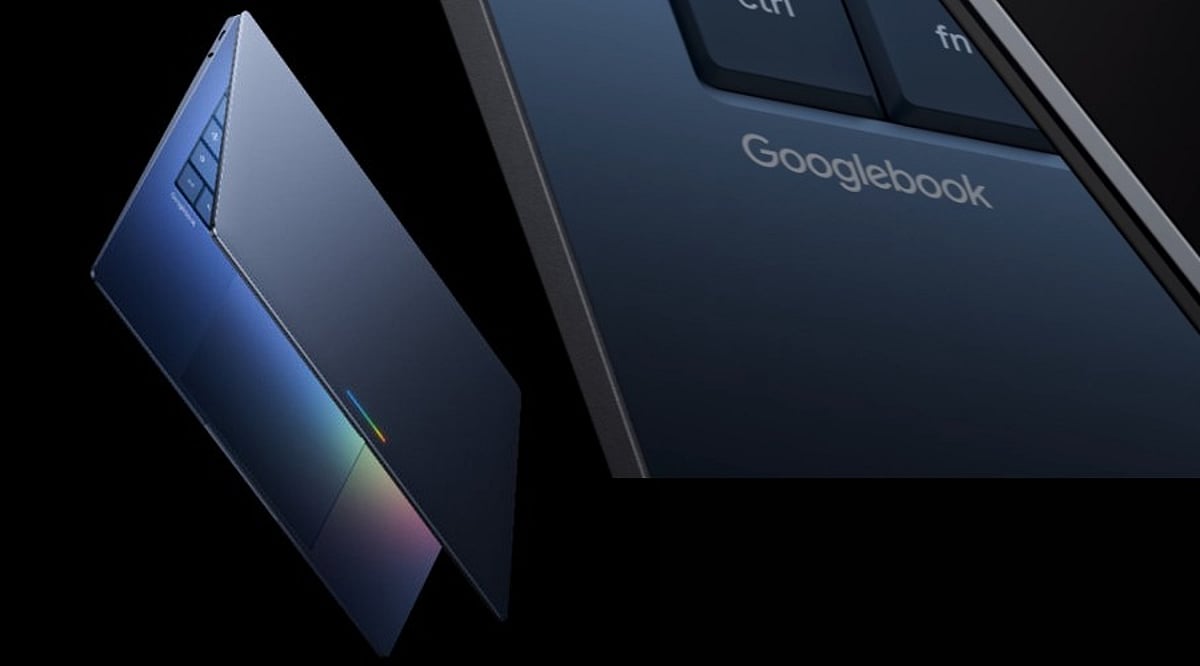
    Google is taking a significant step into the premium laptop market with the introduction of Googlebook, a new device category designed to put AI at the center of everyday computing. The first generation of Googlebook laptops combines conventional laptop hardware with Google’s software ecosystem, including ChromeOS, Android app support, and deep integration with the company’s Gemini AI assistant.

    The lineup includes five models from Acer, ASUS, Dell, HP, and Lenovo, with prices starting at USD 899. Each device offers a distinct design and feature set, giving buyers a range of choices across portability, screen size, and security.

    Five Googlebook Models, Five Different Approaches

    Unlike a single flagship design, Google is letting its partners take different approaches to the first Googlebook lineup:

    • Acer Googlebook 14 – The only convertible model, featuring a display that folds into tablet mode for flexible work.
    • ASUS Googlebook 14 – A lightweight, portable option weighing just 2.2 pounds, with HDMI and multiple ports.
    • Dell Googlebook 14 – Borrows Dell’s popular XPS design language, adding a fingerprint reader and a slim profile.
    • HP Googlebook 14 – Supports both facial recognition and fingerprint authentication, with storage options up to 1TB.
    • Lenovo Googlebook – Offers a larger 15.3-inch display, aimed at users who need more screen real estate.

    Premium Hardware and Everyday Practicality

    Googlebooks are built with a mix of aluminum, magnesium alloy, and carbon fiber. The displays are touchscreens with resolutions up to 2.8K, and Google highlights features like haptic glass trackpads and backlit keyboards.

    Audio is a strong focus across the lineup. Some models include up to six speakers with Dolby Atmos support, and noise-canceling microphones are designed to make voice calls and recordings clearer. Battery life varies by configuration, but Google promises up to 14 hours of video playback and up to 16 hours of web browsing on supported models.

    Gemini Is the Core of the Experience

    The biggest differentiator for Googlebook is how deeply Gemini is integrated into the system. One feature, Magic Pointer, brings Gemini contextually to whatever appears on screen. Users can highlight content and ask the AI to organize information, translate text, or analyze suspicious messages.

    Another tool, Rambler, is built around voice-based writing. You can speak naturally while Rambler turns your thoughts into structured notes. There is also Create My Widget, which lets users describe a widget in plain language and have it generated without writing code.

    Closer Android Phone Integration

    Googlebook is designed to work seamlessly with Android smartphones. Files can be accessed directly from the computer, and tasks can be moved between devices without constant file transfers. The Files feature can display photos and documents stored on a connected phone, while Cast My Apps can bring selected phone applications onto the Googlebook screen.

    This tight Android connection makes the laptop feel like an extension of your phone rather than a separate device, a strategy that could appeal to people already in the Google ecosystem.

    Software, Apps, and Developer Tools

    The software experience combines a desktop version of Chrome with Android applications. Users can run a range of tools, including Adobe Photoshop, Lightroom, and CapCut. Streaming apps and Android games are also supported, and every purchase includes a complimentary year of GeForce NOW.

    Developers get access to Google Antigravity and a full terminal environment, allowing them to use development tools and AI coding agents directly on the device. Security features include Titan hardware security, on-device malware detection, and an isolated Linux environment powered by pKVM technology.

    Pricing, Availability, and What to Expect

    The Googlebook lineup starts at USD 899, with higher-end configurations going up to USD 1,299. Every device includes 12 months of Google AI Pro and 5TB of cloud storage. Buyers also receive promotional access to YouTube Premium and select creative software. Google says the devices will receive updates for up to 10 years.

    The first Googlebooks will be available in the United States starting October 4, followed by the UK, Canada, Australia, France, Germany, and Ireland.

    By bringing Gemini, Android integration, and premium hardware together, Google is positioning Googlebook as a serious entry into the AI laptop space. The variety across the five models also gives users the flexibility to choose a laptop that fits their particular workflow.


  • Viture Unveils Vonder AI Glasses: Voice-Powered Wearable with ChatGPT, Gemini, and Claude Support

    Viture Unveils Vonder AI Glasses: Voice-Powered Wearable with ChatGPT, Gemini, and Claude Support

    Viture has introduced the Vonder, a new pair of AI-powered smart glasses that prioritize voice interaction and privacy over cameras and displays. Designed to resemble conventional eyewear, the Vonder weighs under 30 grams and relies on microphones, speakers, and onboard processing to deliver a screen-free AI experience.

    Unlike many smart glasses on the market, the Vonder does not include a camera or display. Instead, it focuses on voice-based features such as note-taking, hands-free calling, and memory recall. Audio recording is activated only when the user prompts it, and a physical Meeting Mode switch with an LED indicator provides additional control. After recording, the original audio is deleted and converted into text and memories stored in the companion app.

    At the core of the Vonder is its Personal Memory Graph, an AI system that organizes captured conversations and voice interactions. Users can choose from multiple AI models through the app, including Google Gemini, Anthropic Claude, and OpenAI ChatGPT. This approach allows the glasses to provide useful context from accumulated memories rather than simply storing raw recordings.

    Customization is a key selling point: buyers can select different frame shapes and finishes, and the glasses support prescription, progressive, and transition lenses. In the US, pre-orders begin on September 28 at a starting price of USD 299, with premium acetate frames starting at USD 399. Shipments are expected from November. International customers can register interest now.

    Viture emphasizes data privacy, stating that user data is protected with financial-grade encryption and that the company does not sell advertising or user data. The Vonder aims to offer a discreet, everyday wearable that blends AI assistance with the look and feel of ordinary glasses.

  • Google Pixel 11 Pro Fold Review: AI-First Foldable with Stunning Displays and Cameras

    Google Pixel 11 Pro Fold Review: AI-First Foldable with Stunning Displays and Cameras

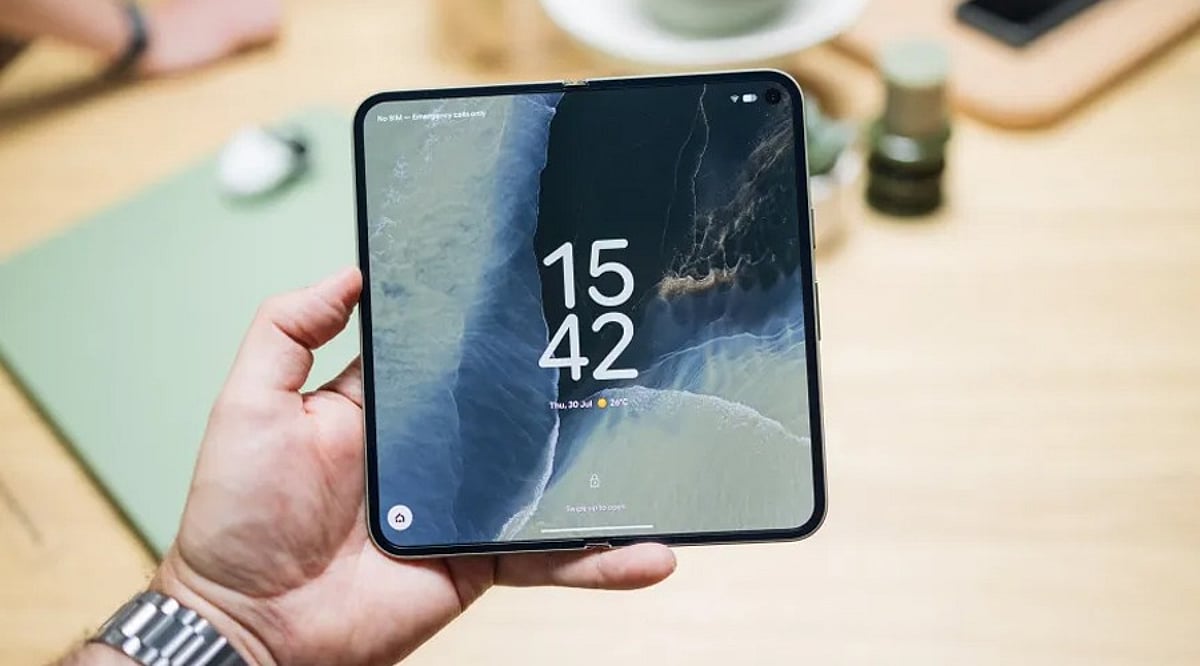
    The Google Pixel 11 Pro Fold is a premium foldable smartphone that prioritizes AI and software multitasking over raw performance. With its dual displays, advanced camera system, and integration with Google’s Gemini AI, it offers a compelling experience for users who value intelligent features and long-term durability.

    Key Specifications

    • 6.5-inch external OLED display
    • 8-inch internal folding OLED panel
    • 120Hz refresh rate and up to 3,600 nits peak brightness
    • Triple rear camera: 48MP main, 10.5MP ultrawide, 10.8MP telephoto with 5x optical zoom

    Pros and Cons

    Pros:

    • Excellent displays with high brightness and smooth refresh rate
    • Impressive camera versatility
    • Dust and water resistance
    • Seamless Gemini AI integration for multitasking

    Cons:

    • Heavier than some competitors
    • Moderate charging speed
    • Tensor G6 processor lags behind rivals in raw performance
    • Visible crease on the internal display

    Final Verdict

    The Google Pixel 11 Pro Fold is a solid choice for those who prioritize software experience and AI capabilities. Its bright displays, capable cameras, and Gemini features make great use of the foldable form factor. While it may not be the lightest or fastest foldable on the market, it promises several years of reliable use. If you’re more interested in Google’s ecosystem than benchmark scores, this foldable deserves your attention.

  • Sergey Brin Takes Hands-On Role in Google’s Gemini AI Development

    Sergey Brin Takes Hands-On Role in Google’s Gemini AI Development

    Google co-founder Sergey Brin is returning to a hands-on role in artificial intelligence research, focusing on the development of Gemini, Google’s flagship AI model. The move comes as Google accelerates efforts to compete with OpenAI and Anthropic in the rapidly evolving AI race.

    Brin, who stepped away from day-to-day management years ago, does not hold an executive title but has become increasingly involved in decisions surrounding Gemini, according to current and former Google employees. He has established a base inside a converted microkitchen at Google’s Gradient Canopy building in Mountain View, California, where he works closely with a small group of leaders and engineers.

    Pushing Gemini to Move Faster

    Brin’s renewed involvement comes as Google faces intense competition in generative AI. Reuters reported in August that Brin urged key AI staff to go all in on Gemini as Alphabet sought to close the gap with rivals. During an April town hall, Brin addressed hundreds of employees and urged Google DeepMind to move faster. Google has delayed a new flagship version of Gemini by two months after internal testing showed its performance lagged behind rivals in some areas.

    Brin has also shown particular interest in recursive self-improvement (RSI), the point at which AI systems could improve themselves, according to Business Insider.

    Google’s Wider AI Research Push

    Brin’s increased involvement coincides with a broader expansion of Google’s AI research. Google DeepMind’s current research includes generative AI, robotics, scientific discovery, and projects like AlphaGenome Atlas, WeatherNext 3, and Gemini Robotics. Google has also highlighted Gemini for Science and its Co-Scientist system. At Google I/O 2026, the company said Gemini had expanded to more than 70 languages across 230 countries.

    From Garage to Microkitchen

    Brin and co-founder Larry Page launched Google from a Silicon Valley garage in 1998. Nearly three decades later, Brin is once again working closely with researchers and engineers. While he has no formal executive role, his involvement gives him considerable influence over Google’s AI strategy. His return follows a major leadership reshuffle at Google DeepMind.

    For Google, the challenge is no longer just building powerful AI models. The company is competing with top AI labs while turning research advances into products used by billions. Brin’s renewed presence puts one of Google’s original technical leaders closer to that effort.

    FAQs

    Why is Sergey Brin returning to Google’s AI research?

    Brin is becoming more hands-on with AI as Google accelerates Gemini development and competes with leading artificial intelligence companies.

    What AI project is Sergey Brin focusing on?

    Brin is focusing on Gemini, Google’s flagship AI model, and working closely with researchers and engineers involved in its development.

    Does Sergey Brin have an executive role at Google?

    No, Brin does not hold an executive role but remains involved in Google’s AI work and technical discussions surrounding Gemini.

    What is Brin’s interest in recursive self-improvement?

    Brin has shown interest in recursive self-improvement, referring to AI systems potentially reaching a stage where they improve themselves.

    Which companies compete with Google in AI?

    Google faces competition from companies including OpenAI and Anthropic as it works to improve Gemini and expand its artificial intelligence capabilities.

  • 2026’s Top Smartwatches: Bluetooth Calling and Voice Assistant Showdown

    2026’s Top Smartwatches: Bluetooth Calling and Voice Assistant Showdown

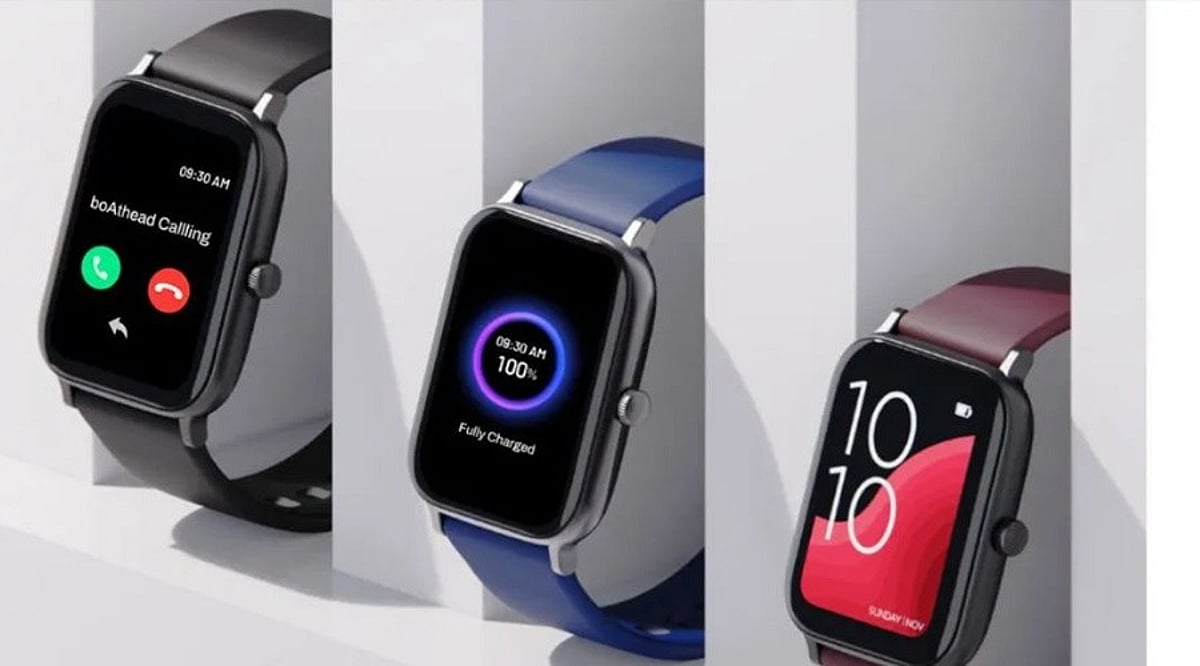
    A smartwatch today needs more than just a bright screen and fitness tracking. Clear wrist calls and fast voice assistance add real value. Premium Apple and Samsung models now compete with long-life Wear OS watches and affordable picks. The key differences lie in voice assistant quality, phone compatibility, battery life, and price.

    Top Smartwatches Compared

    Samsung Galaxy Watch8

    The Samsung Galaxy Watch8 stands out as a strong Android all-rounder. It supports Bluetooth calls through its built-in microphone and speaker. Gemini provides a more advanced voice assistant experience, with Samsung’s software focused on AI help. Battery life is about 30 to 40 hours, so daily charging may still be needed. Best for Samsung phone owners, but works well with other Android devices. Price near Rs. 23,999.

    Apple Watch Series 11

    The Apple Watch Series 11 remains a top choice for iPhone users. It supports Bluetooth calls and Siri voice control. Battery lasts about 24 hours, making daily charging likely. Price near Rs. 40,999 places it in the premium class. A score of 4.8 from about 13,000 reviews confirms its high-end status.

    OnePlus Watch 3

    The OnePlus Watch 3 puts battery life at the center of its appeal, with up to 120 hours of use. It works with Google’s assistant ecosystem and Gemini. The 43 mm model costs around Rs. 20,710, with a 4.8 rating from about 1,200 reviews. Ideal for buyers who want long battery life at a lower price.

    CMF Watch 3 Pro

    The CMF Watch 3 Pro takes a different route with a low price and strong AI focus. It supports Bluetooth calls, ChatGPT access, voice recording, transcription, and voice assistant access. Battery life can reach up to 13 days. India launch price was Rs. 7,999 (early price Rs. 6,999), making it one of the most affordable options with calls, voice tools, and long battery life.

    Samsung Galaxy Watch8 Classic

    The Galaxy Watch8 Classic adds a more traditional watch look to Samsung’s Wear OS range. Bluetooth calls and Gemini voice assistant are included. Battery life is near 30 to 40 hours. Price around Rs. 35,499. It fits buyers who want a formal watch style with voice help and wrist-based calls.

    Moto Watch Ultra

    The Moto Watch Ultra brings one of the newest options, with Wear OS 6, Gemini, Motorola’s Qira assistant, LTE, and a built-in speaker and microphone for calls. Battery life reaches about two days. Its 46 mm stainless-steel case suits those who prefer a large premium design. US price is USD 349.99, with sales starting September 10, 2026.

    Why Bluetooth Calling and Voice Assistants Matter

    Bluetooth calls let you take calls without reaching for your phone. Voice assistants provide quick access to information and controls. Battery life, phone support, and assistant quality shape the overall experience, so the right choice depends on your needs.

    What Sets These Watches Apart

    The Galaxy Watch8 offers a strong Android package, while Apple Watch Series 11 is best for iPhone users. OnePlus Watch 3 leads on battery life. CMF Watch 3 Pro offers the lowest price with strong AI features. Galaxy Watch8 Classic adds a traditional design, and Moto Watch Ultra brings newer software and assistant options. Voice tools now mark the biggest shift—Bluetooth calls are common, but assistant quality varies sharply from basic phone assistants to Gemini or ChatGPT.

    FAQs

    1. Which smartwatch is best for Android users? Samsung Galaxy Watch8 is a strong overall choice, especially for Samsung smartphone owners.
    2. Which smartwatch has the longest battery life? OnePlus Watch 3 offers up to 120 hours, while CMF Watch 3 Pro can reach up to 13 days.
    3. Which smartwatch is best for iPhone users? Apple Watch Series 11 is the natural choice due to close integration with iPhone and Siri.
    4. Which smartwatch is the most affordable? CMF Watch 3 Pro is the most budget-friendly, with an India launch price of Rs. 7,999.
    5. Which watches support voice assistants? Models include Gemini, Siri, ChatGPT, or other voice-assistant features, depending on the watch and phone ecosystem.
  • How Criminals Stole $240M in Bitcoin Using Only Deception

    In August 2024, a cryptocurrency investor in Washington, D.C., lost more than $240 million in Bitcoin — without a single breach of an exchange or any malware. The scheme was a carefully orchestrated social engineering attack that netted over 4,100 BTC and led to charges against 18 people.

    Impersonating Google and Gemini

    The scammers reportedly posed as employees of Google and Gemini, a major cryptocurrency exchange. They convinced the victim that something was wrong with his accounts and needed urgent fixing. By building false trust, they gained access to his Google Drive and security codes, unlocking the crypto wallet.

    A 22-Year-Old Mastermind?

    Malone Lam, a 22-year-old school dropout from Singapore, was found guilty for his role, marking the 11th conviction among 18 people tied to the case. The stolen Bitcoin was laundered through multiple crypto exchanges in an attempt to cover the group’s tracks.

    The case cracked open when another suspect, Jeandiel Serrano, failed to hide his IP address while creating an exchange account intended to hold nearly $30 million in stolen cryptocurrency. Serrano was later arrested on September 18, 2024, at Los Angeles International Airport wearing a watch worth about $500,000. He initially denied involvement but ultimately admitted to the scheme.

    No Hacking Required

    The group didn’t rely on advanced software or brute-force techniques. Instead, they created a fake security emergency and manipulated the victim into voluntarily handing over sensitive information. This ‘simple trick’ continues to prove effective as crypto scams grow more sophisticated on the human side.

    Lavish Spending and Other Crimes

    Prosecutors noted the group used similar scams in other crypto thefts, with some members meeting through online gaming forums. Proceeds were spent on luxury vehicles, high-end homes, and pricey nights out. Lam allegedly purchased more than 30 luxury cars and was known for heavy nightclub spending.

    Authorities are also warning that crypto theft is increasingly physical. In a separate U.S. case, criminals kidnapped the parents of a Bitcoin holder to pressure him into revealing his wallet access. In another New York case, a crypto holder was reportedly kidnapped and tortured for his password.

  • AI Photo Trend Brings Back 1950s Bollywood Glamour with Vintage Prompts

    AI Photo Trend Brings Back 1950s Bollywood Glamour with Vintage Prompts

    The latest AI photo trend is turning ordinary snapshots into retro Bollywood classics, inspired by the golden era of Hindi cinema. Social media users are now using AI image tools like ChatGPT and Gemini to transform their portraits into vintage movie stills reminiscent of iconic films and stars from the 1950s.

    This trend captures the visual essence of classic Indian cinema—grainy black-and-white photography, studio lighting, dramatic expressions, vintage costumes, and hand-tinted colors. By uploading a clean, well-lit photo and using detailed prompts, anyone can recreate the nostalgic look of films like Shree 420, Mother India, and Pyaasa, or channel the charm of stars like Madhubala, Guru Dutt, and Dev Anand.

    From Shree 420 to Classic Black-and-White Portraits

    One popular prompt draws from the Raj Kapoor-Nargis era, especially the visual treatment of Shree 420. This style features soft studio lighting, film grain, a silver-gelatin-print effect, period clothing, and a classic Bombay studio backdrop.

    For a more glamorous look, another prompt is inspired by Madhubala’s Technicolor cinema, using saturated colors, vintage grain, bridal styling, soft lighting, and the appearance of a classic Bollywood poster.

    A third option takes a serious turn, recreating the mood of a Guru Dutt-style scene from Pyaasa. Deep shadows, a monochrome palette, close-up framing, and a smoky studio atmosphere combine to evoke the melancholic feel of classic Hindi cinema.

    Mother India and Dev Anand-Inspired Looks

    The trend also includes a rustic Mother India-inspired treatment, placing the subject against a village backdrop with traditional Indian clothing, dramatic natural lighting, hand-painted color effects, and the texture of an old film poster.

    For a romantic hero aesthetic, a fifth prompt takes cues from Dev Anand, featuring a black-and-white, soft-focus finish, a 1950s suit and scarf, a vintage Bombay street or studio setting, and classic film-grain effects.

    These varied approaches let users choose between glamour, romance, drama, or rural-period imagery while keeping the same basic photograph.

    How to Create Your Own Vintage Bollywood Picture

    To try the trend, start with a clean, well-lit picture where your face is clearly visible. Upload the photo to an AI image editor, copy the prompt, and adjust elements like clothes, hairstyle, lighting, or background. For better consistency, you can instruct the AI model to preserve your facial features and pose.

    This viral trend not only celebrates the timeless allure of 1950s Bollywood but also showcases the creative potential of AI in photography and digital art.

  • Google’s AI Leadership Reshuffle: Key Changes and Strategic Focus

    Google’s AI Leadership Reshuffle: Key Changes and Strategic Focus

    Google’s AI Leadership Reshuffle: Key Changes and Strategic Focus

    Google has recently undergone a significant overhaul of its artificial intelligence leadership structure, signaling a strategic pivot to accelerate innovation and sharpen its competitive edge in the rapidly evolving AI landscape. This restructuring aims to streamline decision-making, foster collaboration, and place AI at the core of the company’s future roadmap.

    Leadership Reshuffle and Centralized Teams

    In a move to break down silos and enhance coordination, Google has reorganized its AI leadership, assigning key executives broader responsibilities. The company has also centralized its major AI teams under a unified leadership framework. This consolidation is designed to improve collaboration on flagship AI products and reduce operational redundancies, enabling faster progress from research to deployment.

    Emphasis on Gemini AI Model

    Central to this strategic shift is a renewed focus on the Gemini AI model. The leadership changes place Gemini at the heart of Google’s product strategy, underscoring its importance as a foundational technology for future innovations. By prioritizing Gemini, Google aims to deliver more advanced and integrated AI capabilities across its ecosystem.

    Faster Product Delivery and Enhanced Competition

    The restructuring is intended to accelerate the entire AI lifecycle—from research and development to product release. This agility is crucial as Google contends with formidable rivals such as OpenAI, Microsoft, Anthropic, and Meta in the generative AI space. By streamlining operations, Google seeks to bring new AI features to market more efficiently and maintain its competitive stance.

    Expanded Executive Roles and Product Integration

    Senior AI leaders have been given expanded mandates, overseeing research, infrastructure, product integration, and commercialization under a more coordinated strategy. This holistic approach supports deeper integration of AI across Google’s diverse platforms, including Search, Workspace, Android, Cloud, and developer tools, ensuring that AI capabilities are woven seamlessly into user experiences.

    Infrastructure Investment and Long-Term Vision

    Underpinning these changes is a continued commitment to substantial investment in AI infrastructure, custom chips, and computing resources. This investment is critical for supporting larger, more capable AI models and services. The leadership overhaul reflects Google’s long-term vision of making AI the foundation of its products, services, and overall business growth strategy.

    In summary, Google’s AI leadership overhaul represents a decisive move to consolidate its position as a leader in artificial intelligence, focusing on centralized management, product-centric innovation, and robust infrastructure to drive future success.

  • 8 Must-Know Crypto Apps for Investors: Trading, Staking, and Security Compared

    8 Must-Know Crypto Apps for Investors: Trading, Staking, and Security Compared

    Cryptocurrency investing has become far more accessible thanks to powerful mobile apps that combine trading, portfolio tracking, staking, and secure wallets in one place. Choosing the right platform, however, depends on several factors, including security, supported cryptocurrencies, fees, and overall user experience. Before entering the digital asset market with confidence, here are eight popular crypto apps every investor should know.

    Binance and Coinbase

    Binance offers one of the most extensive cryptocurrency listings in the industry, along with advanced trading tools, staking options, and competitive fees for global users. Coinbase, on the other hand, is known for its beginner-friendly interface, strong security measures, educational resources, and regulated services. For first-time cryptocurrency investors seeking simplicity and reliability, Coinbase is an ideal starting point.

    Kraken

    Kraken has earned a strong reputation for robust security, transparent fee structures, and advanced trading features. The platform supports spot trading, futures, staking, and institutional services. Its blend of accessibility and depth appeals to both beginners and experienced traders who want dependable cryptocurrency investing backed by comprehensive market access and reliable customer support.

    Crypto.com

    Crypto.com brings together cryptocurrency trading, staking, rewards, and a digital wallet within a single platform. Users can access a wide range of cryptocurrencies, earn rewards through staking programs, and spend digital assets using the company’s crypto-linked payment cards. This all-in-one approach makes it a versatile option for everyday crypto users around the world.

    Bybit and OKX

    Bybit is especially popular for derivatives trading, advanced charting, and fast execution speeds. OKX offers spot trading, futures, staking, decentralized finance services, and Web3 wallet integration. Both platforms provide comprehensive tools designed for active traders and experienced cryptocurrency investors who want diverse investment opportunities.

    Gemini and Bitget

    Gemini emphasizes regulatory compliance, security, and user protection, making it an attractive choice for cautious investors. Bitget has expanded rapidly with copy trading, derivatives, spot trading, and AI-powered features. Together, these platforms offer diverse options for users with different trading goals and investment strategies globally.

    Choosing the Right Crypto App

    The best crypto app ultimately depends on your investment goals, supported assets, fees, security standards, and the features you value most. Beginners often prefer simple interfaces, while experienced investors prioritize advanced analytics and trading tools. Comparing platforms carefully helps you select the most suitable app for long-term cryptocurrency investing success.