Tag: green technology

  • Google Launches Five Sustainability Projects to Accelerate India’s Climate Ambitions

    Google Launches Five Sustainability Projects to Accelerate India’s Climate Ambitions

    On September 10, 2026, Google announced five sustainability initiatives across India, focusing on solar energy, agriculture, research, and climate technology. The company aims to accelerate India’s clean energy transition by leveraging artificial intelligence, satellite data, and local partnerships.

    The initiatives target more than 300 million Indian rooftops, farmers in Telangana, and new solar capacity in Rajasthan. Google will combine geospatial AI, clean energy investments, and research support to address climate challenges.

    Expanding Solar Potential with AI

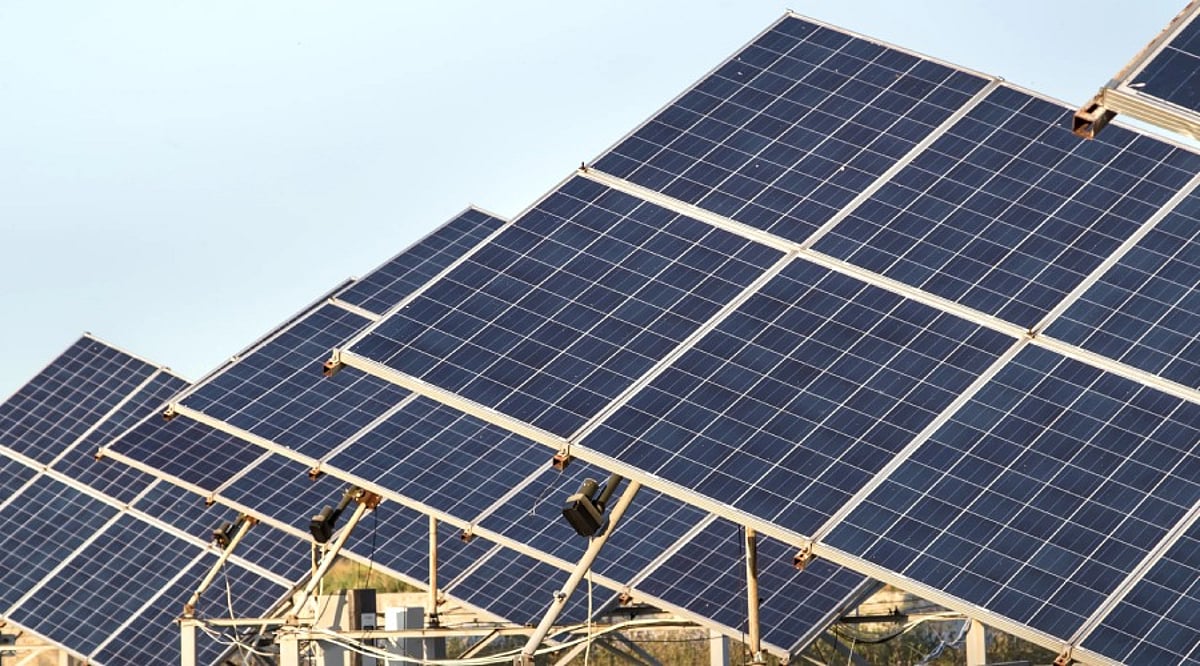
    Google is expanding its Solar API to cover over 300 million rooftops in India. The tool uses AI and imagery to assess solar potential without requiring an initial site visit. Companies like Solar Ladder and OpenSolar have already integrated the technology into their solar workflows.

    New Solar Project in Rajasthan

    The company signed a long-term agreement with ReNew Power for a 150 MW solar project in Rajasthan. This marks Google’s second Scope 3-focused solar project in India. Together, both projects will bring 300 MW of contracted solar capacity with ReNew.

    Supporting Sustainable Agriculture

    Agriculture forms another major part of the sustainability push through a partnership with Mitti Labs. The initiative will help tens of thousands of smallholder rice farmers in Telangana adopt Alternate Wetting and Drying (AWD) practices. AWD periodically drains and refills rice fields, reducing methane formation while lowering irrigation demand. Google expects the programme to mitigate nearly three million tonnes of CO₂e under the GWP20 measure. NASA-enabled satellite monitoring will help verify results alongside field networks.

    Expanding Climate Research

    Google is also expanding the Google Center for Climate Technology with new research areas. Water stewardship and waste and circularity will join green workforce training and low-carbon construction materials. The center selected three inaugural projects from 77 applications and will invite proposals through the government’s Manthan Platform. The programme aims to turn climate research into scalable, data-driven environmental solutions.

    AI for the Planet Accelerator

    Google DeepMind’s AI for the Planet accelerator includes four Indian climate-tech startups: Terrastack, Varaha Climate, Farmers for Forests, and Climitra Carbon. These startups will apply AI, Geo-AI, drones, and satellite models to environmental challenges.

    “Digital innovation and environmental stewardship can go hand in hand to create practical, lasting impact for India,” said Vrushali Gaud, Google’s Director of Climate Operations.

    The initiatives show Google broadening climate action beyond corporate energy use into India’s homes, farms, research ecosystem, and startup economy.
  • Top 5 Budget-Friendly Electric Cars to Watch in 2026

    Top 5 Budget-Friendly Electric Cars to Watch in 2026

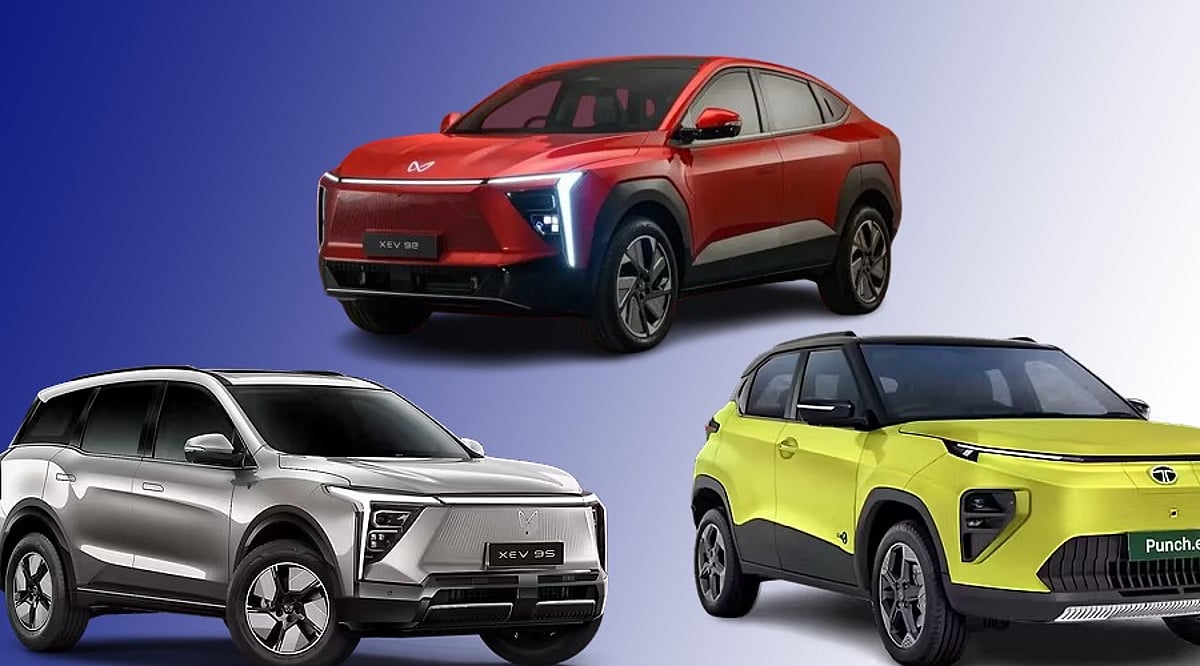
    Electric cars are becoming more accessible, with several affordable models now targeting everyday drivers. These vehicles prioritize practical range, simple interiors, and low running costs. However, the cheapest sticker price doesn’t always mean the best value—buyers should consider range, charging speed, safety, and equipment. Here are five affordable electric cars worth considering in 2026.

    Dacia Spring

    Dacia Spring remains one of Europe’s most affordable electric cars. Its compact size is ideal for urban driving, and its small battery and modest motor keep costs down while improving efficiency around town. The cabin is basic but offers essentials for city commuters. It’s a great choice for short daily trips where luxury isn’t a priority.

    BYD Dolphin Surf

    BYD Dolphin Surf (known as the Seagull in some markets) brings affordable electric driving to a wider audience. This small hatchback combines a compact body with modern electric technology and a more sophisticated interior than many budget EVs. Battery options provide varying ranges, allowing buyers to balance cost and driving distance. BYD’s strong reputation in battery tech gives the Dolphin Surf an edge in this segment.

    Citroën ë-C3

    Citroën ë-C3 offers familiar hatchback practicality with electric power. Its design feels like a conventional car, making the transition to electric easier. It provides enough space for everyday family use, and its comfortable suspension is a major selling point. Range varies by battery and market configuration, with the longer-range version suitable for occasional highway trips.

    Leapmotor T03

    Leapmotor T03 is a tiny, city-focused electric hatchback that excels in tight spaces. Its compact dimensions make parking and navigating busy streets a breeze, while packing more technology than its size suggests. Pricing is highly competitive in markets where Leapmotor operates, but buyers should verify local service support before purchasing.

    Hyundai Inster

    Hyundai Inster sits slightly above the cheapest EVs but offers a more complete package. Its compact dimensions hide a surprisingly flexible interior, configurable for various passenger and cargo needs. The Inster provides useful driving range and supports faster charging than many budget rivals. Hyundai’s established dealer network adds long-term ownership confidence.

    What Budget EV Buyers Should Check

    The purchase price is only part of the equation. Consider insurance, charging, servicing, and battery coverage. Home charging can significantly reduce running costs, while public charging may be more expensive. Battery warranties, local service availability, and government incentives also affect the final expense. Range figures should be evaluated based on driving conditions—cold weather, highway speeds, and heavy A/C can reduce range.

    Bottom Line

    Affordable EVs are becoming more competitive, with choices ranging from the super-budget Dacia Spring to the more rounded Hyundai Inster. Prices and availability vary by country, but these models show that electric mobility is increasingly within reach for everyday drivers.

  • Next-Generation Solar Panels: Perovskite, Multi-Junction, and Flexible Technologies Set to Boost Efficiency

    Next-Generation Solar Panels: Perovskite, Multi-Junction, and Flexible Technologies Set to Boost Efficiency

    Solar power has become one of the most important clean energy sources worldwide. Millions of homes, offices, and factories already use solar panels to generate electricity from sunlight. Most conventional panels rely on silicon, a material that has served the industry well for many years. However, scientists now believe that silicon has nearly reached its maximum performance. This has spurred research into new solar technologies that can generate significantly more electricity from the same amount of sunlight. These future solar panels could help homeowners save money, reduce carbon emissions, and make better use of limited roof space.

    Perovskite-Silicon Tandem Panels Show the Greatest Promise

    Among emerging solar technologies, perovskite-silicon tandem panels are attracting the most attention. These panels combine a silicon cell with a very thin layer of perovskite. Because each material absorbs different parts of the sunlight spectrum, they work together to capture more solar energy than ordinary silicon panels alone.

    Lab tests have achieved efficiencies exceeding 34.5%, far above the typical performance of current commercial silicon panels. Experts believe commercial models will soon reach over 30% efficiency. This could allow homeowners and businesses to generate 20–30% more energy from the same rooftop without adding extra panels. Moreover, manufacturers can adapt existing silicon production lines rather than build entirely new infrastructure.

    All-Perovskite Panels Could Transform the Industry

    Researchers are also developing solar panels made entirely from perovskite materials, known as all-perovskite panels. Unlike tandem panels, these do not use silicon at all. This technology promises to be lighter, cheaper, and easier to produce at scale. These panels can bend without damage, making them suitable for curved roofs, portable devices, and surfaces where heavy glass panels are impractical. Some experts believe all-perovskite panels could even surpass the efficiency limits of silicon. However, a major challenge remains: improving durability against heat, moisture, and sunlight so the panels can last for decades outdoors.

    Multi-Junction Solar Cells Deliver Record Efficiency

    Another breakthrough is the multi-junction solar cell, which uses multiple layers to absorb different colors of sunlight. This design can utilize nearly the entire solar spectrum to generate electricity. Such cells have already achieved efficiencies above 40%, with some advanced designs reaching almost 47%—the highest ever recorded. These cells are already used in satellites due to their exceptional performance. The main drawback is high manufacturing cost, which currently prevents widespread residential use.

    Quantum Dot Solar Cells Open New Possibilities

    Quantum dot solar cells represent another exciting area of research. Quantum dots are extremely small semiconductor particles whose light absorption properties change with their size. This allows scientists to design cells that collect a broader range of sunlight. Researchers believe this technology could boost electricity production, especially in cloudy or low-light conditions. Some studies explore using quantum dots alongside silicon panels rather than replacing them entirely. Although more research is needed before mass production, many experts see strong long-term potential for capturing more solar energy.

    Flexible Printed Solar Cells Expand Where Solar Can Work

    Future solar panels may not look like the heavy glass panels we know today. Flexible printed solar cells could revolutionize how solar power is integrated into everyday life. These ultra-thin films can be applied to walls, windows, curved structures, cars, buses, trains, and even portable electronics. Japan has invested heavily in printed perovskite technology, aiming to turn ordinary surfaces into clean electricity generators. This approach could dramatically increase the total solar power capacity in cities.

    Challenges Before Widespread Adoption

    Despite impressive progress, several challenges remain. Future panels must reliably generate electricity for 25–30 years without major performance loss. They need better protection against rain, humidity, high temperatures, and constant sunlight. Large-scale manufacturing must also reduce production costs to keep prices affordable for homeowners and businesses. Researchers are also focusing on recycling methods to minimize waste at the end of a panel’s life. Steady progress is being made on all these fronts.

    The Future Looks Bright

    The next generation of solar panels will transform clean energy. Perovskite-silicon tandem panels currently offer the best balance of efficiency, manufacturability, and commercial readiness. All-perovskite panels, multi-junction cells, quantum dot technology, and printed flexible films are set to expand the frontiers of solar energy. As research progresses, future solar panels will generate more power from the same sunlight while unlocking new ways to harvest energy from buildings and vehicles.

    Frequently Asked Questions

    1. What is the most promising future solar panel technology? Perovskite-silicon tandem panels are considered the most promising because they combine high efficiency with compatibility with existing silicon manufacturing.
    2. Why are perovskite solar panels important? They can achieve higher efficiencies than traditional silicon panels while potentially reducing manufacturing costs and enabling flexible designs.
    3. Why aren’t multi-junction solar cells used on homes today? Although they offer record-breaking efficiency, they remain too expensive for residential use due to complex materials and manufacturing.
    4. What makes quantum dot solar cells different? Quantum dots absorb different wavelengths of light depending on their size, allowing solar cells to capture more sunlight, especially in low-light conditions.
    5. What challenges must future solar panels overcome? They need improved durability, lower production costs, better resistance to heat and moisture, and effective recycling solutions for long-term commercial success.
  • Global Leaders in Waste-to-Energy: Pioneering Nations Turning Trash into Power

    Global Leaders in Waste-to-Energy: Pioneering Nations Turning Trash into Power

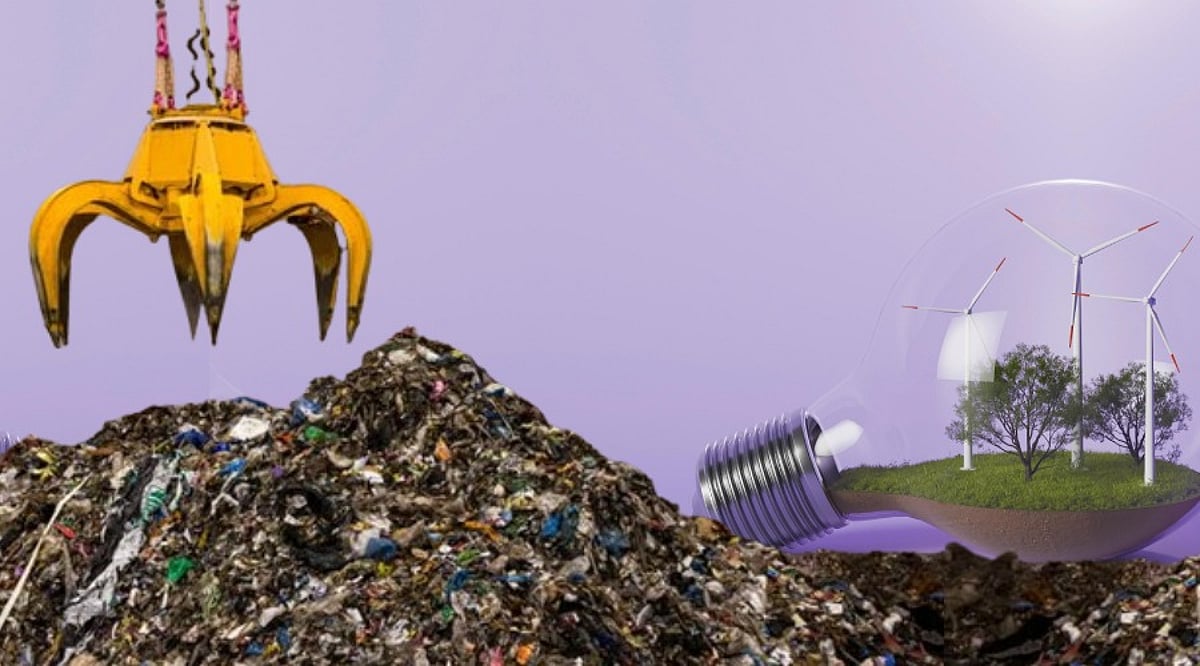
    Waste-to-energy (WtE) technology is rapidly transforming the way nations handle non-recyclable waste, converting it into electricity, heat, or fuel while drastically reducing reliance on landfills. Countries such as China, Sweden, Denmark, Japan, Singapore, Germany, and the Netherlands are at the forefront, leveraging advanced technologies, efficient systems, and sustainable policies to lead the global shift.

    Key Takeaways

    • China operates the world’s largest waste-to-energy network, generating immense electricity capacity.
    • Sweden and Denmark integrate waste-to-energy with district heating, optimizing clean energy production.
    • Innovations in incineration, gasification, and carbon capture are making WtE cleaner and more efficient.

    China: The Undisputed Market Leader

    China has built the world’s biggest waste-to-energy industry in just over a decade, driven by rapid urbanization and strict government policies. Electricity production from WtE surged from 5 TWh in 2010 to approximately 120 TWh in 2023, while annual waste treatment capacity expanded from 14 million to 327 million tonnes. Today, China operates more than 1,000 waste-to-energy plants—over half of the global total.

    Sweden: From Waste to Resource

    Sweden’s waste management system is among the most efficient globally. Approximately 50% of household waste is converted into electricity and district heating. Swedish plants are so efficient that the country imports about 800,000 tonnes of waste annually from neighboring nations to keep facilities operating at full capacity, all while maintaining low emissions through advanced pollution control.

    Denmark: Urban Integration and Clean Energy

    Denmark has embedded waste-to-energy into urban life, with modern facilities supplying both electricity and district heating to surrounding areas. The iconic Amager Bakke facility in Copenhagen not only generates energy but also features a public park on its roof, exemplifying how industrial structures can blend with cityscapes. Denmark continues to invest in carbon capture and more efficient waste treatment technologies.

    Japan: High Tech, High Standards

    With limited landfill space, Japan relies heavily on WtE. The country uses highly efficient combustion technology to maximize electricity output while minimizing harmful emissions. Strict environmental laws ensure every plant meets rigorous air quality standards.

    Singapore: Smart Waste Management in a Tiny Island

    Singapore faces severe land shortages, making efficient waste management a national priority. Most non-recyclable municipal waste passes through modern incineration plants, reducing volume by nearly 90% and significantly extending the life of the offshore Semakau Landfill.

    Germany and the Netherlands: Circular Economy Champions

    Both countries combine high recycling rates with effective waste-to-energy solutions. They prioritize recycling and composting, then send only non-recyclable waste to energy recovery. Europe’s approximately 500 WtE facilities process nearly 100 million tonnes of waste annually, generating heat and electricity while diverting waste from landfills. Germany and the Netherlands are advancing sorting technologies, carbon capture, and energy efficiency.

    Why This Matters

    Mounting waste volumes make traditional landfills unsustainable. Waste-to-energy technology cuts garbage volume by 90% while producing clean electricity and heat. According to the World Bank, about 20% of global waste is incinerated, while recycling, composting, and anaerobic digestion account for another 21%.

    Future Outlook

    Urban growth will continue to increase waste generation, requiring WtE capacity to expand. Emerging technologies such as AI-driven operations, carbon capture, and advanced pollution controls will make new plants cleaner and more productive. Countries like China, Sweden, Denmark, Japan, Singapore, Germany, and the Netherlands have demonstrated that it is possible to slash landfill use and generate usable energy simultaneously.

    Frequently Asked Questions

    What is waste-to-energy?

    Waste-to-energy is the process of converting non-recyclable waste into electricity, heat, or fuel using technologies like incineration, gasification, pyrolysis, and anaerobic digestion.

    Why is waste-to-energy important?

    It reduces landfill dependence, lowers pollution from open dumping, recovers energy from waste, and supports more sustainable waste management.

    Which country leads globally?

    China is the global leader, operating over 1,000 waste-to-energy plants and accounting for more than half of the world’s waste incineration capacity.

    Does waste-to-energy replace recycling?

    No. The best practice is to recycle and compost first; only non-recyclable waste should be sent to WtE facilities.

    What is the future of waste-to-energy?

    The future includes AI-driven operations, carbon capture technologies, advanced emission controls, and more efficient energy recovery to make plants cleaner and more productive.

  • Modern Energy Storage Technologies: A Comprehensive Guide to Batteries, Hydrogen, and Grid Solutions

    Modern Energy Storage Technologies: A Comprehensive Guide to Batteries, Hydrogen, and Grid Solutions

    Energy storage is essential for saving electricity generated from renewable sources and ensuring a stable power supply when demand peaks. As the world shifts toward cleaner energy, understanding the various storage technologies becomes critical for homes, businesses, and utilities alike.

    Why Energy Storage Matters More Than Ever

    Global electricity demand continues to rise, driven by electric vehicles, air conditioning, and smart devices. Renewable sources like solar and wind are intermittent—solar panels generate only during daylight, and wind turbines depend on sufficient wind. Energy storage bridges this gap by capturing excess power when production is high and releasing it when generation drops or demand surges. Storage also provides backup during outages, supporting hospitals, factories, and homes.

    Main Types of Energy Storage Technologies

    Electrochemical Storage (Batteries)

    Rechargeable batteries are the most widespread storage technology. Lithium-ion batteries power electric cars, smartphones, laptops, and home backup systems. Other chemistries include lead-acid, sodium-ion, and flow batteries. They store energy via chemical reactions and release it almost instantly.

    Pros: High efficiency, fast charging/discharging, easy installation, suitable for homes and EVs.

    Cons: Degradation over time, expensive materials, recycling challenges.

    Mechanical Storage

    Mechanical methods use motion rather than chemicals. Pumped hydro storage lifts water to a higher elevation during excess generation; when demand rises, water flows down to spin turbines and produce electricity. Other forms include compressed air and flywheels that store energy in rotating mass.

    Pros: Large capacity, long operating life, reliable for grids.

    Cons: High construction cost, geographic constraints, not practical for homes.

    Thermal Storage

    Thermal storage saves energy as heat or cold. Solar thermal plants use molten salt to store heat for electricity generation after sunset. Ice storage systems cool large buildings during off-peak hours, reducing strain on the grid.

    Pros: Enables better use of renewable energy, cuts peak demand, improves overall efficiency.

    Cons: Heat loss over time, limited applications, high installation costs.

    Electrical Storage

    Supercapacitors store energy in electric fields and can charge in seconds, delivering power rapidly. They are used in buses, trains, factories, and backup systems where quick bursts of energy are critical.

    Pros: Ultra-fast charging, long cycle life, instant power delivery.

    Cons: Low energy density, unsuitable for long-term storage, expensive.

    Chemical Storage (Hydrogen)

    Chemical storage converts electricity into fuels like hydrogen. Electrolysis splits water into hydrogen and oxygen; the hydrogen can later be turned back into electricity or used as fuel for transport and industry. Experts see hydrogen as a key enabler of long-duration, large-scale storage.

    Pros: Long-term storage, high energy density, supports clean transport and industry.

    Cons: High production costs, difficult storage and handling, infrastructure still developing.

    The Future of Clean Power Depends on Storage

    No single storage technology fits all needs. Batteries excel for homes and EVs; pumped hydro handles grid-scale demands; hydrogen shows promise for seasonal storage. Together, these technologies form a resilient energy system. As renewables expand, storage will become even more vital to ensure clean electricity is available whenever needed.

    Modern energy storage technologies are making a sustainable future possible—by storing energy wisely, we can power the world reliably without depending on weather conditions.

  • India’s First Hydrogen Train to Launch on July 17 with PM Modi Inauguration

    India’s First Hydrogen Train to Launch on July 17 with PM Modi Inauguration

    India is set to mark a significant milestone in green mobility as Prime Minister Narendra Modi is expected to flag off the country’s first hydrogen-powered passenger train on July 17. The train will operate on the Jind-Sonipat route in Haryana, under the Northern Railway zone, showcasing Indian Railways’ commitment to clean energy and sustainable transport.

    The hydrogen train utilizes fuel cell technology, where electricity is generated through a chemical reaction between hydrogen and oxygen. Unlike conventional diesel locomotives, this system emits only water vapor and heat, making it a zero-emission solution during operation. This technology is gaining traction globally, particularly for routes where full electrification is not feasible.

    The train will be equipped with modern passenger amenities, though specific details regarding speed and passenger capacity have not yet been disclosed by Indian Railways. Given hydrogen’s high combustibility, the project incorporates dedicated systems for fuel storage, handling, and onboard safety measures. Officials have confirmed that the hydrogen used will be produced through environmentally sustainable methods.

    The July 17 launch serves as a pilot for the technology. If the trial yields positive results, Indian Railways plans to expand hydrogen-powered services to additional routes in the coming years. This initiative aligns with the national transporter’s broader strategy to reduce reliance on fossil fuels and increase the use of cleaner energy across its network.

  • 10 Innovative Green Technologies Combating Climate Change

    10 Innovative Green Technologies Combating Climate Change

    10 Green Technologies Fighting Climate Change

    By Humpy Adepu

    The fight against climate change is being waged with a growing arsenal of green technologies. Here are ten key innovations making a significant impact:

    1. Solar Power Systems: Advanced photovoltaic panels convert sunlight into electricity, reducing dependence on fossil fuels while providing clean, renewable energy for homes worldwide.
    2. Wind Turbines: Modern wind farms generate electricity efficiently using powerful turbines, significantly lowering greenhouse gas emissions compared to conventional energy sources.
    3. Green Hydrogen: Produced using renewable electricity, green hydrogen offers carbon-free fuel for industries, transportation, and long-term energy storage applications globally.
    4. Carbon Capture Technology: Captures carbon dioxide emissions from industrial facilities, preventing greenhouse gases from entering Earth’s atmosphere and accelerating global warming.
    5. Electric Vehicles: Battery-powered transportation reduces fuel consumption, lowers urban air pollution, and supports cleaner mobility through advancing charging infrastructure worldwide.
    6. Smart Grids: Intelligent electricity networks optimize power distribution, integrate renewable energy sources, and improve efficiency while reducing transmission losses.
    7. Vertical Farming: Indoor agriculture uses less water, minimal land, and controlled environments, reducing transportation emissions while increasing sustainable food production.
    8. Biodegradable Packaging: Eco-friendly packaging materials naturally decompose, minimizing landfill waste and reducing environmental pollution caused by conventional plastic products.
    9. Ocean Cleanup Systems: Innovative floating technologies collect plastic waste from oceans, protecting marine ecosystems while preventing pollution from spreading across waterways.

    Read more stories and join our WhatsApp Channel to get the latest news, exclusives, and videos.