

Tag: GST

  • Why Indian Smartphone Buyers Are Delaying Upgrades: Price Hikes, GST Uncertainty, and the Refurbished Shift

    Why Indian Smartphone Buyers Are Delaying Upgrades: Price Hikes, GST Uncertainty, and the Refurbished Shift

    Key Takeaways

    • Record-high smartphone prices are pushing budget-conscious buyers to postpone upgrades.
    • Refurbished phones are gaining traction as consumers seek better value.
    • Premium sales remain resilient through EMI financing, while affordable segments face steeper declines.

    India’s smartphone market is experiencing a pronounced slowdown as rising prices and economic uncertainty make buyers think twice before upgrading. According to Counterpoint Research, smartphone shipments fell 10% year-on-year in Q2 2026 — the steepest June-quarter decline in six years. IDC reports an even sharper 11.1% drop, with shipments totaling 33.2 million units. Both research firms point to the same underlying issue: consumers no longer see enough value in new phones at current prices.

    Higher Prices Have Changed the Buying Decision

    The average selling price of a smartphone in India reached a record $315, according to IDC, a 14.4% increase over the previous year. Counterpoint estimates that phone prices climbed roughly 15% by the end of Q2 2026, driven by multiple price hikes across major brands. This surge hits the mass market hardest, where even a modest price increase can push a purchase beyond a household’s budget.

    Memory costs are at the heart of the problem. Smartphone memory prices have nearly quadrupled since September 2025, Counterpoint notes, and now account for more than 45% of the bill of materials for phones priced below ₹15,000 — up from less than 20% before. Some models have seen price increases of over 100% from their launch price.

    The impact on price-sensitive buyers has been severe. Shipments of phones in the sub-₹15,000 segment fell 45% year-on-year in Q2. IDC also recorded a 74.3% drop in phones priced below $100. These figures demonstrate how quickly rising component costs can alter consumer behavior at the entry level.

    Buyers Can Get More Value From Older Phones

    A new phone no longer offers the same clear value at the lower end. Consumers can keep their current handset for another year rather than pay more for only modest improvements. Longer replacement cycles have become a key market dynamic, according to Counterpoint.

    The refurbished market provides strong evidence of this shift. India’s refurbished smartphone market grew 13% in the first half of 2026, while new phone sales fell about 11%. Refurbished devices often offer better cameras, displays, and processors at a lower price than comparable new models. Counterpoint expects the refurbished market to grow 16% in 2026.

    This trend also underscores that demand for smartphones hasn’t disappeared. Consumers still want better devices, but price has become a stronger determining factor. A used premium phone now looks more attractive than a new budget handset, especially for buyers focused on camera quality, display performance, and processor speed.

    GST Uncertainty Gives Buyers Another Reason to Wait

    Tax policy adds another layer of hesitation. Smartphones currently carry an 18% Goods and Services Tax (GST). Reports have suggested possible cuts to 12% or even 5%, though no reduction has been confirmed.

    The next GST Council meeting has been rescheduled to October 7, 2026, from the earlier September 12 date. This change gives buyers another reason to postpone a purchase until there is greater clarity on smartphone taxes.

    A lower GST rate could create a meaningful difference at retail. On a phone priced at ₹15,000 before tax, moving from 18% GST to 12% would reduce the tax component by about ₹676. A move to 5% would cut it by roughly ₹1,950, assuming retailers pass the full benefit to buyers. Actual retail savings may vary.

    EMI Plans Keep Premium Phones Strong

    The slowdown does not affect every market segment equally. Premium phones continue to attract buyers, thanks in part to EMI financing that reduces upfront costs. More than half of mainline smartphone sales used some form of financing in Q2, according to Counterpoint. The average EMI tenure reached 10 months, with Apple having the highest average at 17.2 months.

    Google Pixel posted 68% year-on-year growth in the ultra-premium segment above ₹45,000. Samsung grew 2% among the top five brands, while Nothing posted 105% growth. These results reveal a market split between buyers who can stretch budgets for premium devices and those who must delay purchases.

    The Wait Could Make Phones Costlier

    The biggest tension lies between hopes for a GST cut and rising component costs. A buyer may wait for a possible tax reduction, yet memory prices may push phone prices higher before any relief arrives. Counterpoint expects memory prices to rise further, possibly to five times their September 2025 level, and forecasts a 13% decline for India’s smartphone market across 2026.

    India’s smartphone slowdown looks less like a loss of interest and more like a value problem. Buyers still want better phones, but higher prices have shifted the point at which a replacement makes financial sense. For mass-market consumers, the choice now often boils down to three options: keep the old phone, buy refurbished, or wait for a price cut. That shift could keep India’s smartphone market under pressure well beyond a single sales quarter.

  • Meesho Denies GST Allegations, States No SEBI Notice Received

    Meesho Denies GST Allegations, States No SEBI Notice Received

    Meesho has denied allegations concerning its Goods and Services Tax (GST) treatment, following reports that proxy advisory firm InGovern had asked the Securities and Exchange Board of India (SEBI) to review the company’s tax practices. The e-commerce platform clarified that it has not received any notice or communication from SEBI or any other regulatory body.

    The controversy emerged after ET Now reported that InGovern raised concerns about Meesho’s GST treatment. The representation to SEBI reportedly highlighted potential financial, disclosure, and regulatory risks linked to the company’s tax position. However, there is no confirmation that SEBI has initiated an investigation or requested clarification from Meesho.

    A Meesho spokesperson stated, “Meesho rejects the claims in this representation, which reflects no finding by SEBI or any tax authority. We have not received any communication from SEBI or any regulator on this matter.” The spokesperson added that the company remains confident in its tax position, asserting that its GST treatment complies with the existing legal framework and that it continues to meet all disclosure requirements.

    Meesho also questioned the authenticity of the documents attached to the representation. According to the company, the sample invoice included in the complaint appears to belong to an Amazon employee whose LinkedIn profile identifies the person as a finance manager. This raises questions about the credibility of the supporting material.

    The issue arises at a time when Meesho is already contesting a separate GST demand of Rs. 14.29 crore. Despite the latest allegations, the company reiterated that it has received no communication from any regulator. SEBI has not yet issued any public statement on the matter.

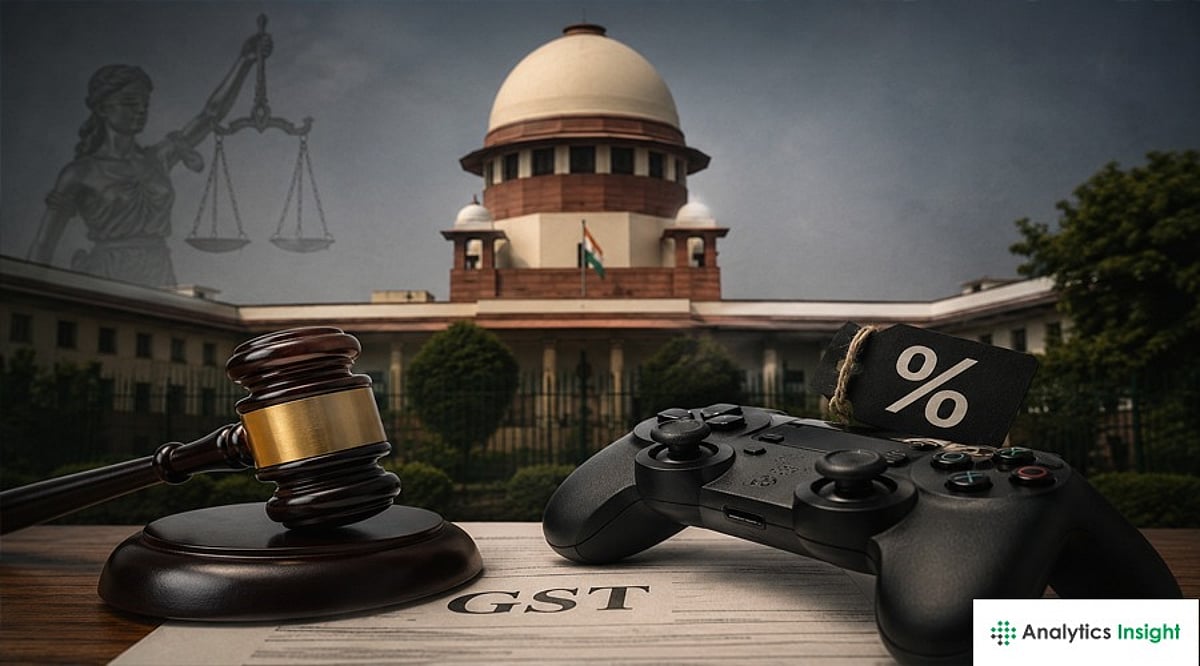
  • India’s Online Gaming Firms Make Last-Ditch Supreme Court Challenge Against 28% GST on Player Entry Fees

    India’s Online Gaming Firms Make Last-Ditch Supreme Court Challenge Against 28% GST on Player Entry Fees

    India’s online real-money gaming industry is back in the Supreme Court, with major companies filing review petitions to challenge the government’s decision to levy a 28% Goods and Services Tax (GST) on the full entry fee paid by players. This legal battle could determine the future of the country’s gaming sector.

    According to reports, Play Games24x7 and Junglee Games have already filed review petitions, and several other online gaming companies are expected to follow suit. The tax demands in question exceed Rs. 1.5 lakh crore, making this one of the most significant tax disputes in the industry’s history.

    Why Gaming Companies Are Fighting the Tax

    Gaming companies argue that the GST rules were not clear when the tax was initially applied, making it unfair to impose retrospective tax demands. They contend that GST should be charged only on the platform fee they earn from each contest, not on the total amount players pay to join games. The government, however, maintains that the full entry fee constitutes a taxable supply.

    Potential Impact on the Industry

    The Supreme Court’s decision will have far-reaching consequences. If the companies win, they could avoid paying massive tax dues, preserving the current business model. If the government prevails, many gaming platforms may have to restructure their operations or face financial strain.

    How India Compares to Other Countries

    India’s tax regime for online gaming is considered one of the harshest globally. In the UK, gaming companies pay tax only on the money they retain after payouts, not on total player deposits. Singapore takes a similar approach for licensed operators. In the US, taxation varies by state but is generally based on gaming income rather than entry fees. The Philippines taxes licensed operators on profits, while Brazil is building its online betting market with a comparable framework. India’s 28% GST on the entire contest entry amount stands out as particularly stringent.

    The outcome of this case is being closely watched by investors, operators, and policymakers alike, as it will set a precedent for how online real-money gaming is taxed in one of the world’s largest markets.

  • Key Financial Policy Updates Taking Effect This Month: Taxes, UPI, Credit Cards, and More

    Key Financial Policy Updates Taking Effect This Month: Taxes, UPI, Credit Cards, and More

    A wave of financial policy changes is rolling out this month, affecting everything from income tax and bank accounts to UPI transactions, credit card rewards, and retirement savings. Here’s a quick guide to what’s changing and how it may impact your wallet.

    Income Tax Updates

    New tax provisions could alter deductions, exemptions, filing requirements, and overall tax planning strategies for eligible taxpayers nationwide. Review your withholding and consult a professional to adjust your plan.

    Bank Account Rules

    Banks may introduce revised minimum balance policies, revised service charges, upgraded digital banking features, and new customer compliance requirements. Check your bank’s notifications to avoid surprise fees.

    UPI Transaction Changes

    Updated transaction guidelines aim to enhance payment security, streamline digital transfers, improve user experience, and strengthen fraud prevention measures across the country. Users may notice new limits or authentication steps.

    Credit Card Benefits

    Several issuers are revising reward structures, cashback offers, lounge access, annual fees, and spending-based privileges. Compare your card’s new terms to ensure you’re still maximizing value.

    Fixed Deposit Rates

    Banks are adjusting fixed deposit interest rates, which influences investment returns, savings decisions, and long-term financial planning. Lock in rates now if you expect further declines.

    EPF Regulations

    Revised provident fund guidelines affect withdrawals, contributions, account management, and retirement planning for salaried employees in eligible organizations. Check your EPF statement for changes in contribution caps or withdrawal rules.

    GST Compliance Rules

    Businesses must follow updated GST compliance measures, including invoicing requirements, return filing procedures, and digital reporting obligations. Non-compliance may lead to penalties, so update your systems promptly.

    Insurance Premium Changes

    Revised premium structures and policy features are affecting health, life, and general insurance costs for both new and existing policyholders. Shop around or review your renewal notices to avoid unexpected hikes.

    Stock Market Regulations

    Updated regulatory measures strengthen investor protection, market transparency, trading efficiency, and compliance standards across financial markets this month. Stay informed about new reporting or disclosure requirements.

    Stay ahead of these changes by reviewing your finances and consulting with a professional as needed.