Tag: hardware wallet

  • Ledger Consolidates Security and IT Leadership Amid Surging AI Crypto Attacks

    Ledger Consolidates Security and IT Leadership Amid Surging AI Crypto Attacks

    Ledger SAS has appointed Oded Blatman as chief information officer and chief security officer, combining technology and security oversight in a single leadership role as AI-driven threats expand across the crypto industry. The Paris-based hardware wallet maker said Blatman will oversee cyber and infrastructure security, product security, physical and workplace security, internal IT, and enterprise risk.

    One Role for Security and Technology

    Blatman joins Ledger after five years as CIO and CISO at Fireblocks. He previously served as global CISO at Bank Hapoalim and held both CIO and CISO roles at ClickSoftware. At Fireblocks, he led global security and enterprise technology during a period of international expansion and rising operational complexity, experience Ledger says fits its broader effort to strengthen organizational resilience.

    Ledger described the combined CIO and CSO structure as a deliberate organizational change. The company said information systems and security now require closer coordination as tokenization, AI agents, and institutional digital-asset use develop together.

    AI Makes Crypto Attacks Faster and More Scalable

    Blatman said artificial intelligence is reducing the cost and time attackers need to search for weaknesses, while also allowing attacks to become more sophisticated and operate at greater scale. As phishing campaigns and deepfake impersonation schemes become more advanced, Ledger said security teams must evolve at a comparable pace.

    The appointment follows a rise in reported crypto security incidents. Data from DefiLlama cited by Ledger shows hackers stole about $1.4 billion across 250 attacks in 2026 so far, after losses reached $2.7 billion across 146 attacks in 2025.

    Recent Incidents Add Pressure on Digital Asset Defenses

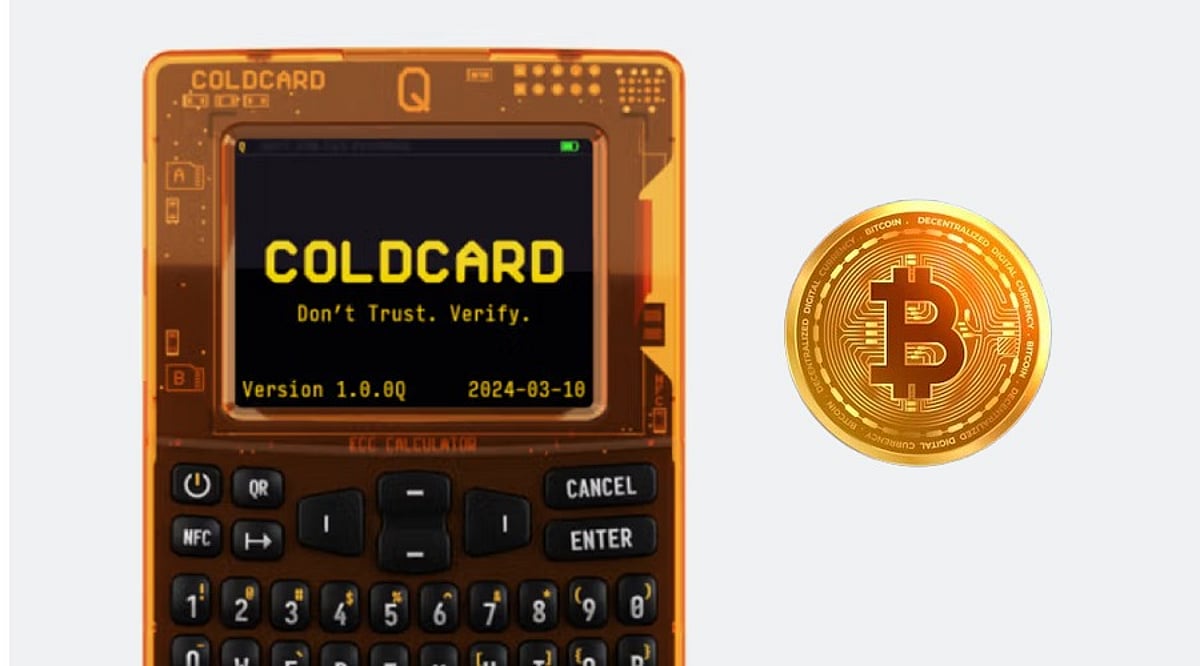
    Several high-profile incidents have put digital-asset companies on alert. About $320 million in Bitcoin left the Liquid Network during a hack earlier this week. Trezor also disclosed a breach involving one of its shipping providers last week, exposing personal information belonging to tens of thousands of customers. Earlier this year, a Coldcard hack raised further questions about offline wallet security.

    Ledger said hardware-backed verification remains central to protecting high-value digital ownership, and pointed to secure software, resilient operations, and verifiable human intent as additional layers of protection.

    Leadership Backed by Deep Security Experience

    Blatman said Ledger’s hardware-security work, user trust, and Donjon research team provided a strong foundation for the role, and that he joined to connect product security, enterprise technology, and resilience. Chairman and CEO Pascal Gauthier said Ledger considers security central to its business and that Blatman’s experience protecting systems at Fireblocks and Bank Hapoalim prepared him to oversee both information technology and security.

  • 7 Essential Strategies to Safeguard Your Cryptocurrency

    7 Essential Strategies to Safeguard Your Cryptocurrency

    Cryptocurrency security is paramount in a digital landscape where threats evolve constantly. Whether you’re a seasoned investor or new to crypto, implementing robust protective measures can prevent theft and loss. Below are seven critical steps to keep your digital assets safe.

    Use a Hardware Wallet

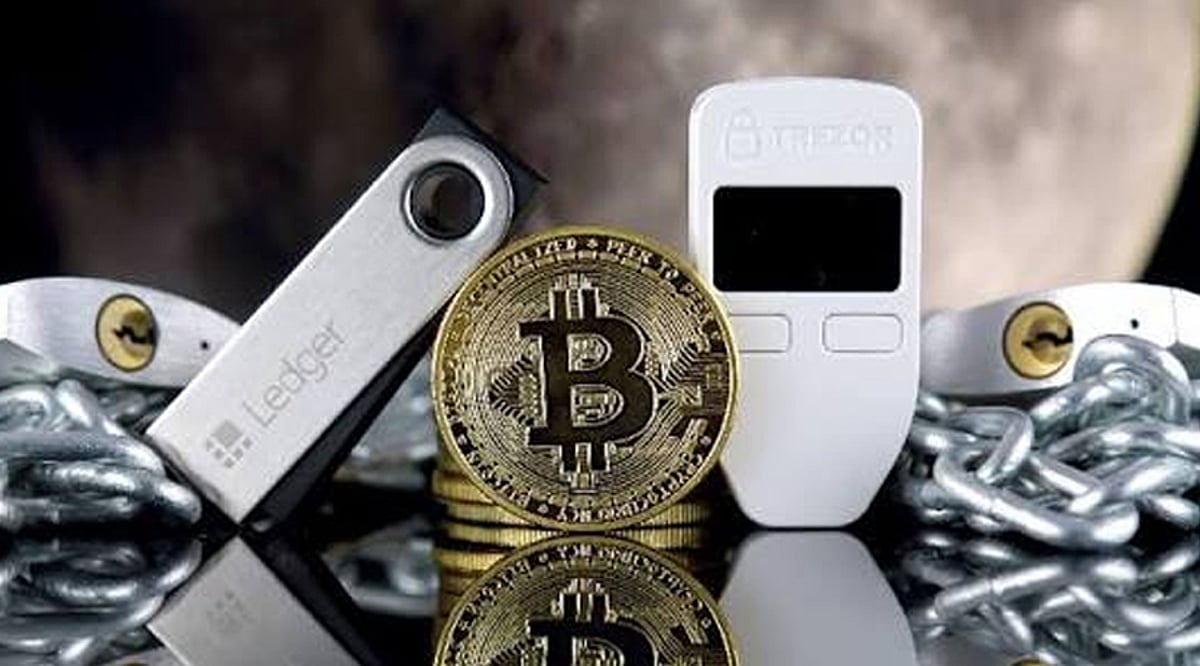
    Hardware wallets keep cryptocurrency private keys offline, reducing exposure to online threats. Devices such as Ledger and Trezor provide an additional security layer for long-term holdings. Always purchase wallets from official sources, protect recovery phrases carefully, and follow the manufacturer’s security instructions when setting up and accessing your assets.

    Secure Your Private Keys

    Private keys provide access to cryptocurrency holdings and should never be shared. Store them securely and avoid saving them in easily accessible digital locations. Losing a private key can permanently restrict access to funds, while exposing it can allow unauthorized transactions. Treat private keys as highly sensitive financial information.

    Protect Your Recovery Phrase

    A recovery phrase can restore access to a cryptocurrency wallet, making its protection essential. Write the phrase down and store it somewhere secure and private. Avoid screenshots, cloud storage, emails or messaging apps. Never share recovery phrases with anyone claiming to provide wallet support or security assistance.

    Enable Multi-Factor Authentication

    Multi-factor authentication adds another layer of protection to cryptocurrency exchanges and related accounts. Whenever available, use an authenticator application or security key instead of relying exclusively on SMS. Strong authentication reduces the risk of account compromise, particularly if passwords are exposed through phishing attacks, data breaches or reused credentials.

    Create Strong, Unique Passwords

    Use long, unique passwords for cryptocurrency exchanges, wallets and associated email accounts. Avoid reusing passwords across multiple services because one compromised account can create additional security risks. A reputable password manager can help generate and store unique credentials, reducing the temptation to use predictable passwords or repeat the same password.

    Beware of Scams and Phishing

    Cryptocurrency users frequently encounter fake websites, investment schemes, impersonation attempts and phishing messages. Verify website addresses before entering credentials or approving transactions. Be particularly cautious about unexpected messages requesting payments, private keys or recovery phrases. Legitimate wallet providers and exchanges will not require users to reveal sensitive recovery information.

    Keep Software and Backups Updated

    Regularly update wallet applications, operating systems and security software to address known vulnerabilities. Maintain secure backups where appropriate and verify that recovery information remains accessible. For larger holdings, consider separating funds between wallets and keeping long-term assets offline. Security should combine technology, careful habits and protection against human error.

  • Coldcard Firmware Flaw Exposes $130M in Bitcoin: What Hardware Wallet Users Must Know Now

    Coldcard Firmware Flaw Exposes $130M in Bitcoin: What Hardware Wallet Users Must Know Now

    A series of hacks targeting Coldcard hardware wallets has reignited concerns about cryptocurrency self-custody, proving that even offline devices can fall prey to software vulnerabilities. According to blockchain security firms, hackers stole an estimated 1,596 BTC (worth roughly $130 million) from around 7,300 affected addresses, marking one of the largest hardware wallet security incidents in recent years.

    The exploit does not mean Bitcoin’s cryptography has been compromised. Instead, researchers say attackers exploited a weakness in certain Coldcard firmware versions that produced insufficient randomness when generating seed phrases, making them predictable.

    Firmware Vulnerability Enabled Seed Phrase Prediction

    Hardware wallets are widely regarded as one of the safest ways to store digital assets because private keys remain offline. However, security researchers at Block discovered that some Coldcard devices generated seed phrases using weak entropy. This allowed attackers to reconstruct private keys through brute-force methods.

    Blockchain analytics firm K33 reported that the attacks triggered an unusual spike in on-chain activity: approximately 890,000 BTC moved across the Bitcoin network over the past week—the highest weekly total recorded this year. K33 noted, “Therefore, the recent acceleration in BTC transaction activity is very likely driven by the Coldcard attacks.”

    Victims believed they followed industry best practices. One affected user, Jonathan Goodman, who lost $1.6 million, wrote on X, “I never shared my seed phrase with anybody. My devices never touched the internet.” He added that the vulnerability originated from “one line in their code from 2021.”

    What the Incident Means for Hardware Wallet Users

    The vulnerability is specific to certain Coldcard wallet implementations and does not compromise Bitcoin itself—only the wallet implementation. So far, no evidence suggests that hardware wallets from manufacturers like Ledger, Trezor, BitBox, Foundation, Cypherock, or KeepKey share the same flaw.

    After the announcement, Coinkite (Coldcard’s manufacturer) recommended that affected users immediately upgrade their firmware and create a new wallet using a fresh seed phrase. Restoring the old recovery phrase would not eliminate the susceptibility.

    The incident has also brought multi-signature (multisig) wallets back into focus. Multisig setups require approvals from several devices before funds can be transferred, greatly mitigating the risk if any single device is compromised.

    Why This Matters

    The Coldcard exploit proves hardware wallets are not foolproof. Flawed seed phrase generation exposed offline funds, highlighting that true crypto security requires constant firmware updates, multi-signature setups, and multi-layered protection rather than relying on a single device.

    Final Thoughts

    TRM Labs reports that the crypto sector has experienced over 200 hacks so far in 2026, totaling more than $950 million in losses. The Coldcard event underscores that hardware wallets remain one of the most secure storage solutions available, but security is a matter of layers: keeping firmware updated, using strong seed phrases, spreading assets, and monitoring security advisories. Ultimately, this attack serves as a stark reminder to long-term Bitcoin investors that cybersecurity is not a one-time setup, but an ongoing journey.

    Frequently Asked Questions

    1. What caused the Coldcard hardware wallet hack? The attack stemmed from a firmware vulnerability that generated predictable seed phrases due to insufficient randomness. This allowed attackers to reconstruct private keys without breaking Bitcoin’s underlying cryptography.
    2. Does this mean all hardware wallets are unsafe? No. The vulnerability appears specific to certain Coldcard firmware versions. There is currently no evidence that major brands like Ledger, Trezor, BitBox, Foundation, Cypherock, or KeepKey are affected by the same flaw.
    3. What should affected Coldcard users do immediately? Update the device to the latest firmware, generate a completely new wallet with a fresh seed phrase, and transfer Bitcoin to the new wallet. Simply restoring the old seed phrase does not eliminate the vulnerability.
    4. What is a multisignature (multisig) wallet, and why is it safer? A multisig wallet requires approvals from two or more devices or private keys before funds can be transferred. This significantly reduces theft risk because compromising one wallet is insufficient to access assets.
    5. What lessons can Bitcoin holders learn from the Coldcard incident? This attack highlights that hardware wallets remain highly secure but should not be the only layer of protection. Keeping firmware updated, securely backing up seed phrases, following official security advisories, and considering diversified custody or multisig setups can greatly improve long-term security.
  • Coldcard Firmware Bug Led to $70M Bitcoin Heist, Researchers Say

    Coldcard Firmware Bug Led to $70M Bitcoin Heist, Researchers Say

    Galaxy Research has linked a firmware flaw in Coldcard hardware wallets to the theft of 1,082.65 Bitcoin, worth approximately $70 million. The coordinated withdrawals, which occurred across 1,196 addresses on July 30, took place within just 41 minutes, marking one of the largest reported hardware wallet incidents this year.

    Galaxy Tracks a Coordinated Bitcoin Theft

    Galaxy Research identified a consistent transaction pattern across the stolen funds, pointing to a single attacker behind the operation. However, the firm cautioned that the observed transfers may not include all exposed wallets. Other vulnerable addresses could remain inactive or be moved later. Blockchain records cannot distinguish between theft and a legitimate owner transfer when both use valid private keys, leaving the true extent of the breach uncertain.

    Coinkite Expands Warning Across Coldcard Models

    Coinkite initially warned owners of Coldcard Mk3 devices running firmware version 4.0.1, released in March 2021, that seeds created with the affected software could expose user funds. The company later widened the advisory to include selected firmware versions on Coldcard Mk4, Mk5, and Coldcard Q devices. Emergency updates were issued for every impacted model. Coinkite CEO Rodolfo Novak (NVK) accepted responsibility and apologized to customers, stating that the company’s internal review process failed to catch the defect before release.

    AI-Assisted Analysis Raises New Security Concerns

    Novak suggested that attackers may have discovered the flaw through artificial intelligence-assisted code analysis. Such tools can detect subtle weaknesses faster than traditional manual reviews, creating a growing challenge for software developers. While AI can help defenders inspect code, it also shortens the path from public release to exploitation.

    What Affected Users Should Do

    Coinkite urged affected users to take the following steps:

    • Install the latest firmware version.
    • Create new wallet seeds.
    • Move Bitcoin into new wallets after testing small transfers first.
    • Keep original backups until every transfer succeeds.

    Coldcard wallets store private keys offline, but firmware bugs, supply chain risks, and configuration errors can still create attack paths. Galaxy Research linked the July 30 theft to vulnerable Coldcard wallet seeds across affected firmware versions. Coinkite released emergency updates and told users to create fresh seeds, test new wallets, and transfer funds while keeping original backups until every move succeeds.

  • How to Select the Best Crypto Exchange in 2026: Essential Factors for Investors

    How to Select the Best Crypto Exchange in 2026: Essential Factors for Investors

    Over the last few years, the collapse of several crypto platforms has changed investors’ outlook on cryptocurrency exchanges. Security is no longer about enabling two-factor authentication (2FA). Investors should seek exchanges that publish Proof of Reserves (PoR), store customers’ funds in cold wallets, provide withdrawal protections, and undergo frequent third-party security audits.

    According to CoinMarketCap’s June 2026 Exchange Report, the reserves of all tracked exchanges totaled approximately $192.6 billion. Binance leads with 67.7% of all tracked reserves, highlighting the significance of reserve transparency.

    Check Liquidity, Fees, Available Features

    Security on the exchange is just one part of the equation. Liquidity is key, as higher trading volumes will typically lead to tighter spreads and quicker order execution, particularly in volatile markets.

    Before you sign up, have a look at the maker and taker fees, the deposit and withdrawal charges, check available cryptocurrencies, staking opportunities, and advanced trading features. If you are an active trader, API access, recurring purchases, and auto investment plans are also potential benefits.

    Industry reviews increasingly evaluate exchanges across trading features, transparency, fees, and security rather than relying solely on the number of listed cryptocurrencies.

    Regulatory Compliance

    With governments increasingly tightening regulations for digital assets, adherence to regulatory standards is emerging as a crucial metric for platform security. Choosing exchanges that adhere to KYC requirements, anti-money laundering (AML) procedures, and tax reporting requirements can minimize operational risks for Indian investors.

    Compliance also helps enhance banking access and ensures seamless tax filing as per the cryptocurrency norms in India. The regulation around crypto exchanges, known as the Markets in Crypto-Assets (MiCA) framework, has been tightened by several jurisdictions, including the European Union, making it more crucial than ever for exchanges to ensure they can be compliant with the evolving regulatory landscape.

    Customer Support & User Experience

    A good exchange should offer more than just competitive trading fees. Fast customer support, a stable mobile application, educational resources, and transparent communication during periods of market stress can significantly improve the user experience.

    A simple interface with INR deposit and withdrawal features is essential for beginners, while advanced charting, derivatives, institutional trading platforms, and portfolio management are preferred for experienced traders.

    Final Thoughts

    When it comes to selecting the right cryptocurrency exchange, it’s not just about which platform offers the most coins. When placing a deposit, investors must thoroughly consider security, proof of reserves, liquidity, regulatory compliance, fee structure, and customer support.

    Risk-free exchanges don’t exist, and diversification is important. For larger holdings, security experts still recommend using a personal hardware wallet to manage long-term investments instead of storing them on exchanges. One of the more secure methods for cryptocurrency investors is to adopt a balanced strategy that includes a trusted exchange and robust self-custody practices.

    FAQs

    1. What is the most important factor when choosing a cryptocurrency exchange? Security should be the top priority. Look for exchanges that offer Proof of Reserves (PoR), cold wallet storage, two-factor authentication (2FA), regular security audits, and strong withdrawal protection to safeguard user funds.
    2. Why is liquidity important in a crypto exchange? High liquidity ensures faster trade execution and lower price slippage, especially during periods of market volatility. It also allows investors to buy or sell cryptocurrencies at prices closer to the market rate.
    3. Should Indian investors choose only KYC-compliant exchanges? Yes. Exchanges that comply with KYC, AML, and Indian tax regulations generally offer better banking support, improved security, and smoother compliance with the country’s cryptocurrency tax framework.
    4. Is it safe to keep cryptocurrencies on an exchange? Exchanges are suitable for active trading, but storing large holdings on them carries risks. For long-term investments, experts recommend transferring crypto assets to a personal hardware wallet for enhanced security.
    5. What additional features should traders compare before choosing an exchange? Besides security and fees, compare supported cryptocurrencies, staking services, API access, recurring investment options, customer support quality, mobile app performance, and advanced trading tools before selecting an exchange.
  • Ultimate Crypto Security Guide: Safeguard Your Digital Assets from Scams, Hacks, and Theft in 2026

    Ultimate Crypto Security Guide: Safeguard Your Digital Assets from Scams, Hacks, and Theft in 2026

    Cryptocurrency has revolutionized how people invest, trade, and store wealth. Unlike conventional banks, the crypto world offers no safety net—a forgotten password, lost seed phrase, phishing attack, or malicious smart contract can wipe out your entire savings instantly, often with no recourse. As crypto adoption grows and cybercriminal tactics become more sophisticated, securing your digital assets is essential. Whether you’re a first-time Bitcoin buyer or a seasoned investor with a diverse portfolio, understanding the risks is the first step to protecting yourself. This comprehensive guide covers the most critical crypto security practices for 2026.

    Common Cryptocurrency Scams and How to Avoid Them

    Crypto scams evolve alongside the industry. The most prevalent include fake investment platforms, giveaway scams, celebrity or exchange impersonation, rug pulls, and pump-and-dump schemes. Scammers often promise guaranteed returns or claim you’ve won free crypto. Others create fake customer support accounts on social media to steal wallet credentials.

    How to stay safe:

    • Never trust guaranteed profits.
    • Verify social media accounts and websites.
    • Avoid clicking unknown links.
    • Research projects thoroughly before investing.
    • Ignore unsolicited investment advice in messaging apps. If something sounds too good to be true, it almost certainly is.

    How to Secure Your Crypto Wallet: Essential Safety Tips for Beginners

    A crypto wallet doesn’t actually store coins—it stores the private keys that provide access to blockchain assets. For beginners, security starts with choosing a trusted wallet provider and keeping software updated. Basic wallet safety includes:

    • Download wallets only from official sources.
    • Enable password protection.
    • Use biometric authentication when available.
    • Update wallet software regularly.
    • Never install unofficial wallet extensions. If you’re holding significant funds, avoid keeping everything in a single wallet. Diversifying storage reduces overall risk.

    How to Protect Your Private Keys and Seed Phrase from Theft

    Your private key and seed phrase are the master keys to your crypto holdings. Anyone with access to them can transfer your assets permanently.

    Best practices include:

    • Write your recovery phrase on paper or metal backup plates.
    • Store backups in secure physical locations.
    • Never take screenshots of your seed phrase.
    • Never save recovery phrases in cloud storage or email.
    • Never share them with anyone—even customer support. Many scams begin with fake “wallet verification” requests asking users to enter their seed phrase. Legitimate wallet providers never ask for it.

    Hot Wallet vs Cold Wallet Security: Which is Safer for Your Crypto?

    Choosing the right wallet depends on how often you use your crypto. Hot wallets are ideal for trading and small balances. Cold wallets, including hardware wallets, offer stronger protection because private keys never leave the device. Many experienced investors use a combination of both: a hot wallet for spending and a cold wallet for long-term holdings.

    How to Spot Crypto Phishing Scams, Fake Apps, and Fraudulent Websites

    Phishing remains the biggest threat in cryptocurrency. Attackers build fake exchange login pages, counterfeit wallet apps, and malicious browser extensions that look identical to legitimate services. Warning signs include:

    • Misspelled URLs
    • Unexpected login requests
    • Poor grammar
    • Pressure to act immediately
    • Fake customer support chats

    Always bookmark official websites instead of relying on search engine advertisements, which can sometimes promote fraudulent sites. Before approving wallet connections, verify the domain carefully.

    How to Keep Your Crypto Exchange Account Safe from Hackers

    Even major cryptocurrency exchanges face ongoing cyber threats. Protect your account by:

    • Using unique, complex passwords.
    • Enabling strong two-factor authentication.
    • Whitelisting withdrawal addresses when available.
    • Reviewing login history regularly.
    • Avoiding public Wi-Fi for financial transactions.

    Don’t leave large amounts of cryptocurrency on exchanges for extended periods. Exchanges are designed for trading—not permanent storage. Move long-term holdings into private wallets whenever possible.

    Best Two-Factor Authentication (2FA) Methods for Crypto Security

    Two-factor authentication provides an additional layer of protection beyond passwords. Not all 2FA methods offer equal security.

    Recommended options:

    • Authenticator Apps: Generate time-based security codes that are resistant to SIM swap attacks.
    • Hardware Security Keys: Devices like FIDO-compatible security keys provide among the strongest protection available.

    Avoid SMS Authentication: SMS verification remains vulnerable to SIM swapping, where criminals convince mobile carriers to transfer your phone number. Whenever possible, choose app-based authentication or physical security keys instead.

    How to Recover Lost or Stolen Cryptocurrency: What You Can and Can’t Do

    Crypto transactions are generally irreversible. If your assets are transferred to another wallet, blockchain networks typically cannot reverse the transaction. However, you should immediately:

    • Contact the exchange if funds were stolen from your exchange account.
    • Report the theft to law enforcement.
    • Notify blockchain analytics firms if large amounts are involved.
    • Preserve wallet addresses and transaction IDs.

    Recovery may be possible only if stolen assets pass through regulated exchanges willing to cooperate with investigations. If you lose your wallet but still have your recovery phrase, restoring access is usually straightforward. If both the wallet and seed phrase are lost, the assets are almost certainly unrecoverable.

    How to Safely Store Large Cryptocurrency Holdings for Long-Term Investment

    Long-term investors should prioritize security over convenience. Recommended strategy:

    • Store assets in hardware wallets.
    • Maintain multiple encrypted backups of recovery phrases.
    • Consider geographic separation for backups.
    • Use multi-signature wallets for substantial holdings.
    • Periodically verify backup integrity.

    Avoid discussing large crypto holdings publicly, as this can increase the risk of targeted phishing or social engineering attacks. Estate planning is also becoming increasingly important, ensuring trusted family members can access assets if necessary.

    Smart Contract and DeFi Security Risks Every Crypto Investor Should Know

    Decentralized Finance (DeFi) offers innovation but introduces unique risks. Common threats include:

    • Smart contract vulnerabilities
    • Flash loan attacks
    • Oracle manipulation
    • Rug pulls
    • Malicious token approvals

    Before interacting with any decentralized application:

    • Verify whether the protocol has undergone independent security audits.
    • Review community reputation.
    • Limit token approvals instead of granting unlimited permissions.
    • Revoke unused wallet permissions periodically.

    Even audited protocols can contain undiscovered vulnerabilities, so diversification remains essential.

    Common Crypto Security Mistakes That Put Your Digital Assets at Risk

    Many crypto losses stem from user mistakes rather than technical failures. Frequent errors include:

    • Reusing passwords
    • Ignoring software updates
    • Keeping all assets on exchanges
    • Clicking unknown links
    • Saving seed phrases digitally
    • Falling for urgency tactics
    • Using public computers for crypto transactions

    Security habits matter far more than expensive tools. Small precautions consistently applied provide significant protection over time.

    Best Crypto Security Practices Every Investor Should Follow in 2026

    Cybersecurity continues to evolve alongside blockchain technology. Core best practices include:

    • Enable strong 2FA.
    • Use hardware wallets for significant holdings.
    • Verify wallet addresses before every transfer.
    • Double-check blockchain networks before sending funds.
    • Keep operating systems updated.
    • Separate trading funds from long-term investments.
    • Regularly review connected wallet permissions.
    • Maintain offline backups of recovery phrases.
    • Test recovery procedures periodically.

    Staying informed about emerging scams is just as important as maintaining secure technology.

    Future of Cryptocurrency Security: AI, Multi-Signature Wallets, and Emerging Protection Technologies

    Crypto security is becoming increasingly sophisticated. Artificial intelligence is helping exchanges detect suspicious transactions, identify phishing attempts, and flag unusual account activity in real time. Multi-signature wallets continue to gain popularity because they require multiple approvals before funds can move, reducing the risk of a single compromised device or key. Other emerging technologies include:

    • Biometric authentication
    • Passkey-based wallet access
    • Zero-knowledge identity verification
    • Hardware isolation chips
    • Real-time blockchain threat intelligence
    • AI-powered fraud detection

    As institutional investors enter the crypto market, security standards are expected to become more advanced, benefiting retail investors as well. However, technology alone cannot eliminate risk. User awareness will remain the strongest defense against scams and theft.

    Market Outlook

    Cryptocurrency offers financial freedom, but it also demands personal responsibility. Unlike traditional banking, there is rarely a customer service hotline that can reverse fraudulent transactions or recover forgotten credentials. Protecting digital assets requires a combination of secure technology, careful online behavior, and ongoing vigilance. Using hardware wallets, safeguarding private keys, enabling strong authentication, verifying every transaction, and staying informed about new threats can dramatically reduce the chances of becoming a victim. As blockchain technology continues to mature in 2026 and beyond, investors who prioritize security alongside investment strategy will be best positioned to protect and grow their digital wealth over the long term.

  • Crypto Security Best Practices: Safeguard Your Investments with These Expert Tips

    Crypto Security Best Practices: Safeguard Your Investments with These Expert Tips

    Storing cryptocurrency securely is essential for every investor. Hardware wallets such as Ledger or Trezor provide offline storage that keeps private keys away from hackers and malware. For long-term holdings, a hardware wallet is the safest option.

    Your recovery seed phrase must be protected at all costs. Write it down on paper or metal and store it in a safe place. Never save it in cloud storage, emails, screenshots, or phone notes—any digital copy increases the risk of theft.

    Enable two-factor authentication (2FA) using an authenticator app or a hardware security key instead of SMS-based 2FA. This prevents SIM-swap attacks and adds an extra layer of security to your exchange accounts.

    Use a unique, strong password for every crypto account and store them in a trusted password manager. Activate withdrawal whitelists and security alerts to monitor any suspicious activity.

    Phishing scams are rampant. Always bookmark the official websites of your exchanges and use those bookmarks to log in. Never click login links from emails, social media posts, ads, or random direct messages.

    Additional best practices include keeping most of your funds in cold storage, regularly updating your devices, verifying wallet addresses before sending any transaction, and never sharing your seed phrase or private keys with anyone.

  • How to Safeguard Your Crypto Private Keys and Seed Phrases from Theft

    How to Safeguard Your Crypto Private Keys and Seed Phrases from Theft

    Private keys and seed phrases are the foundation of cryptocurrency security. This guide explains simple ways to prevent theft, avoid phishing scams, use secure storage, and protect digital assets from cybercriminals.

    Cryptocurrency gives complete control over digital assets without the need for a bank or another financial institution. This freedom also comes with full responsibility for security. A private key or seed phrase works like the master key to a crypto wallet. If either falls into the wrong hands, every asset within the wallet can disappear within minutes.

    Why This Matters

    Unlike a bank transfer, a blockchain transaction cannot usually be canceled or reversed. Once funds leave a wallet, recovery is extremely difficult. For this reason, strong security habits are just as important as smart investment decisions.

    Recent reports show that crypto theft remains a serious problem. According to the 2026 Crypto Crime Report from TRM Labs, infrastructure attacks, including theft through private keys, seed phrases, and wallet access, caused about $2.2 billion in losses during 2025. These attacks made up 76% of all cryptocurrency losses that year. Another report found that crypto theft reached nearly $400 million in January 2026 alone, with phishing scams responsible for a large share of the stolen funds.

    Difference Between a Private Key & a Seed Phrase

    The private key represents a secret code that allows for the transfer of cryptocurrencies from a wallet. Indeed, there is at least one private key associated with every cryptocurrency wallet.

    On the other hand, the seed phrase is a sequence formed by 12, 18, or 24 random words. The seed phrase is used to create and restore the crypto wallet. A person possessing this phrase will be able to restore the wallet on another device and thus access its contents.

    Since both mechanisms provide complete access to crypto assets, they must be safeguarded at all times. Even the slightest error may cause an irreversible loss of funds.

    Keep the Seed Phrase Offline

    Offline storage remains one of the safest ways to protect a seed phrase. A simple piece of paper kept in a secure place offers much better protection than a digital copy stored on an internet-connected device.

    Many crypto owners also choose metal backup plates. These plates can survive fire, water damage, and other accidents that may destroy paper records. A backup stored in a secure safe or another protected location adds another layer of safety.

    Cloud storage, email accounts, messaging apps, and online note applications should never hold a seed phrase. If hackers break into those accounts, the recovery phrase may become easy to steal.

    Choose a Hardware Wallet for Better Security

    A hardware wallet keeps the private keys in a small metal device and does not leave them on the computer or mobile phone. Since the keys are only in the hardware wallet, hackers cannot reach them through the internet.

    After requesting a transaction, the wallet will demand physical confirmation. This additional requirement prevents many attacks on software wallets from being carried out. Even if malware gets onto the computer, it won’t be able to steal the private keys.

    If you keep your cryptocurrencies for a long time, using hardware wallets is a great option for storing your investment.

    Stay Alert for Phishing Scams

    Phishing has become one of the biggest threats in the cryptocurrency world. Criminals create fake emails, websites, text messages, and social media accounts that look almost identical to trusted companies.

    The goal is simple. Victims receive a request to enter a seed phrase or private key to fix a fake problem or verify a wallet. Once that information becomes available to the attacker, the wallet can disappear within minutes.

    A recent case in Australia showed how dangerous these scams have become. Criminals sent fake letters through the mail with QR codes that led to fraudulent websites. These scams caused more than $1.47 million in reported losses within only a few days. Authorities warned that no legitimate crypto company will ever ask for a private key or seed phrase.

    Avoid Digital Copies

    Digital copies create unnecessary risks. A screenshot, photo, text document, or email draft may appear safe, but hackers often search for exactly these types of files after they break into a device.

    Many types of malware scan computers and smartphones for wallet information. Once a recovery phrase appears, criminals can send it to remote servers within seconds. For this reason, physical storage remains much safer than digital storage.

    Use Strong Account Security

    Although two-factor authentication cannot directly protect a private key or seed phrase, it can protect exchange accounts and other crypto services.

    Security becomes much stronger with unique passwords, authentication apps instead of text messages, biometric verification, and login alerts. These simple steps make unauthorized access much more difficult.

    Every crypto account should have its own password. Password reuse increases the chance that one stolen password may expose several accounts.

    Check Every Website Carefully

    Fake wallet websites continue to fool many cryptocurrency users. Some fake pages look almost identical to official websites, with only one small change in the web address.

    Wallet software should always come from official sources. Before any login or download, every website address deserves a careful check. A few extra seconds can prevent a major financial loss.

    Suspicious links received through email, text messages, or social media deserve special attention because many phishing attacks begin this way.

    Watch Out for Social Engineering

    Not every crypto theft depends on advanced technology. Many criminals simply trick people into giving away valuable information.

    Fake customer support agents, investment experts, giveaway organizers, and recovery services often claim that wallet details are necessary to solve a problem. These stories may sound believable, but the goal remains the same: steal the recovery phrase.

    Security experts also reported cases where hidden cameras secretly recorded seed phrases during wallet setup. This type of attack shows that physical privacy matters just as much as online security.

    Stay Updated on New Threats

    Crypto crime changes quickly. New scams appear every year, and attackers continue to find different ways to target wallet owners.

    Recent investigations found malware disguised as cryptocurrency recovery software. Instead of helping users recover lost wallets, the software stole passwords, wallet information, and personal files from infected computers.

    Regular software updates help close known security weaknesses. Updated operating systems, wallet applications, web browsers, and antivirus programs reduce the chance of a successful attack.

    Final Thoughts

    Private keys and seed phrases confer full ownership of cryptocurrency assets. When stolen, it is typically impossible to reverse losses, as blockchain transactions are irreversible.

    The most effective ways of protecting against theft include safe offline storage, hardware wallets, thorough checks of websites, strong account security, and understanding of new scams. Recent reports reveal that stolen wallet credentials are among the most common causes of loss of funds in the cryptocurrency business. As cryptocurrencies expand in popularity, the importance of proper security practices cannot be underestimated.

  • Must-Follow Crypto Security Tips for Every Investor in 2026

    Must-Follow Crypto Security Tips for Every Investor in 2026

    Why Crypto Security Matters More Than Ever

    The crypto market has grown more advanced, but so have the threats. Cybercriminals now use AI-powered tools like deepfakes, voice cloning, and phishing to trick investors. Strong security habits are just as important as smart investment choices. A few simple steps can protect years of savings.

    Choose a Hardware Wallet for Long-Term Storage

    A hardware wallet keeps private keys offline, making it much harder for hackers to steal your assets—even if your computer is infected with malware. It also requires on-device approval for every transaction, stopping fake transfers. Keep only trading funds on exchanges; store long-term holdings in cold storage with a trusted hardware wallet.

    Protect Your Recovery Phrase at All Costs

    Your recovery phrase gives full control of your wallet. Never store it online—no cloud storage, email, notes apps, or screenshots. Write it on paper or a metal backup device. Recent attacks have targeted cloud services like Google Drive to steal recovery phrases.

    Stronger Authentication: Move Beyond SMS

    SIM swap attacks are rising, making SMS two-factor authentication risky. Use authenticator apps, passkeys, or physical security keys instead. Also, create strong, unique passwords for every exchange and wallet.

    Verify Every Transaction Before Approving

    Hackers often use fake approvals to gain control of your assets. Read all on-screen details—wallet addresses, token amounts, and smart contract permissions. Use transaction simulation tools available in many crypto wallets.

    Use Separate Wallets for Different Activities

    Spread your crypto across multiple wallets: one for long-term investments, one for trading, and another for DeFi or NFTs. This limits damage if one wallet is compromised.

    Stay Alert to AI-Powered Scams

    AI enables convincing fake videos, voice calls, emails, and websites. If you receive a message urging immediate action, pause. Visit the official website directly instead of clicking links. A few minutes of verification can save your assets.

    Secure Your Devices and Online Activity

    Malware can replace wallet addresses, steal passwords, or log keystrokes. Keep your OS, wallet software, and hardware firmware updated. Download apps only from official sources, remove unused browser extensions, and avoid pirated software. Use a dedicated browser profile for crypto to reduce risk.

    Review Permissions and Exchange Security

    Revoke old smart contract approvals after you stop using a DeFi platform. Enable withdrawal whitelists on exchanges to limit withdrawals to approved addresses. Remember: exchanges are for trading, not long-term storage. Not your keys, not your coins.

    Don’t Ignore Physical Security

    Protect your hardware wallet and recovery phrase from theft, fire, and water damage. Store backups in secure, separate locations. Avoid sharing details about your crypto holdings on social media or with strangers.

    Final Thoughts

    Crypto security depends on smart habits, not expensive technology. Combine hardware wallets, offline recovery phrases, strong authentication, careful transaction checks, and separate wallets. Stay vigilant against AI scams, malware, and hidden approvals. No single step stops every threat, but these layers greatly reduce risk.

    FAQs

    1. Why is a hardware wallet safer than a software wallet?
    Hardware wallets keep private keys offline, making them resistant to online hacks and malware.

    2. Is SMS two-factor authentication still safe in 2026?
    No—SIM swap attacks are common. Use authenticator apps, passkeys, or security keys.

    3. Why should I use different wallets for different activities?
    Separate wallets limit risk. If one is compromised, your other assets remain safe.

    4. What are AI-powered crypto scams?
    Scams that use AI to create fake videos, voice calls, emails, and websites that appear genuine.

    5. Should I keep all my crypto on an exchange?
    No. Exchanges are for trading; long-term holdings belong in a self-custody hardware wallet.

  • Safe Storage Strategies for Large Cryptocurrency Holdings: Cold Wallets, Multisig & More

    Safe Storage Strategies for Large Cryptocurrency Holdings: Cold Wallets, Multisig & More

    A large cryptocurrency portfolio demands stronger security measures than a modest one. While a few tokens can be stored in a mobile wallet, long-term investments in Bitcoin, Ethereum, stablecoins, and blue-chip altcoins require a layered security approach.

    In 2025, over $3 billion in cryptocurrency was stolen as attackers exploited predictable weak points: account takeovers, compromised credentials, and platform security gaps. The FBI’s 2025 Internet Crime Report documented over 181,000 crypto-related complaints with losses exceeding $11 billion, up 22% from 2024.

    Use Cold Storage for Long-Term Holdings

    For large balances, cold storage is the safest starting point. A cold wallet keeps private keys offline, minimizing risks from malware, phishing, fake browser extensions, and wallet-draining sites. Hardware wallets like Ledger and Trezor require physical confirmation for transactions, adding an extra layer of security.

    However, a hardware wallet is only as safe as its recovery phrase. Never photograph your seed phrase, store it in cloud storage, or type it into any app.

    Split Funds Across Multiple Wallets

    Avoid storing all holdings in a single wallet. Split your portfolio according to use: long-term investments in cold storage, medium-term on an exchange, and DeFi investments in a separate hot wallet. This eliminates single-point failures; if one wallet is compromised, the rest of your portfolio remains unaffected.

    Use Multi-Signature Protection

    Multi-signature (multisig) wallets require more than one approval to move funds. A 2-of-3 arrangement, for example, needs two separate keys for any transaction. This protects against seed phrase loss, device theft, and insider misuse, making it ideal for family offices, businesses, and large investors.

    Protect Against Human Error

    Human error remains a top risk. Address poisoning—where attackers send small transactions from fake addresses to trick victims into copying the wrong address—is increasingly common. In 2025, a study found 270 million address poisoning attempts targeting 17 million on-chain addresses, resulting in at least $83.8 million in losses.

    Always verify the full address when sending or receiving transactions. Send a small test transaction first, and avoid copying addresses from your transaction history.

    Plan for Recovery and Inheritance

    Long-term investors need a recovery plan. Store seed phrases offline in a bank locker or safe, and consider metal backups for fire and water protection. Trusted heirs should know where recovery instructions are stored, without having direct access to funds.

    Why This Matters

    With crypto theft exceeding $11 billion in 2025, standard wallets are insufficient for large portfolios. Implementing layered security—cold storage, multisig, wallet separation, offline backups, and transaction verification—is critical to making theft difficult, recovery possible, and mistakes less costly.

    FAQs

    1. What is the safest way to store large crypto holdings?

    Cold storage is generally the safest option for long-term holdings, as private keys stay offline. Hardware wallets reduce exposure to phishing, malware, and wallet-draining sites.

    2. Should I keep all my crypto in one wallet?

    No. Storing all crypto in one wallet creates a single point of failure. Splitting funds across cold storage, exchange wallets, and DeFi wallets reduces portfolio-wide risk.

    3. What is a multi-signature wallet?

    A multi-signature wallet requires more than one approval before funds can be moved. This shields large holdings from device theft, seed phrase loss, insider misuse, and unauthorized transactions.

    4. How can investors avoid address poisoning scams?

    Always verify the full wallet address before sending funds, avoid copying addresses from transaction history, and send a small test transaction first to catch errors.

    5. Why is recovery planning important for crypto investors?

    Recovery planning ensures funds aren’t permanently lost if a device is damaged, stolen, or inaccessible. Store seed phrases offline, and let trusted heirs know where recovery instructions are kept.

    Disclaimer: This article is for informational purposes only and does not constitute financial or investment advice. Always conduct your own research before making any investment decisions.