
Tag: hardware wallet

  • Essential Tips to Protect Your Crypto Exchange Account from Hackers

    Essential Tips to Protect Your Crypto Exchange Account from Hackers

    Cryptocurrency exchange accounts remain a prime target for cybercriminals. Every year, hackers steal millions of dollars from both platforms and individual users. While exchanges improve their security, your own account hygiene is just as critical. This guide covers practical steps to keep your digital assets safe.

    Enable Two-Factor Authentication (2FA)

    A strong password alone is not enough. Activate two-factor authentication (2FA) to add a second layer of protection. The most secure option is an app-based authenticator like Google Authenticator or Authy, which generates a new code every few seconds. Avoid SMS-based 2FA when possible, as hackers can use SIM swap attacks to intercept your codes.

    Use a Strong, Unique Password

    Many people reuse passwords across multiple sites—a dangerous habit. Create a long, complex password with a mix of letters, numbers, and symbols. Never reuse the same password on any other website. If a different service is breached, attackers often try the same credentials on crypto exchanges.

    Secure Your Email Account

    Your email is the gateway to your exchange account. If compromised, hackers can reset your exchange password and take control. Protect your email with a strong password and 2FA. Regularly review account activity and remove old recovery methods like unused phone numbers or backup email addresses.

    Beware of Fake Websites

    Scammers create convincing replica exchange sites to steal login credentials. Always verify the URL before signing in. Bookmark the official exchange website and use that bookmark every time. Never click login links from unsolicited emails, social media messages, or ads.

    Enable Withdrawal Whitelisting

    Many exchanges offer a withdrawal whitelist feature. This restricts withdrawals to only those wallet addresses you approve. Even if a hacker gains access to your account, they cannot send funds to an unapproved address. This gives you time to detect and stop the attack.

    Avoid Keeping All Crypto on an Exchange

    Remember the crypto mantra: “Not your keys, not your coins.” Exchanges are convenient for trading but not ideal for long-term storage. Keep only the amount you need for active trading on the exchange. Move the rest to a hardware wallet or another secure offline cold wallet.

    Keep Your Devices Clean and Updated

    Malware on your phone or computer can compromise your exchange account. Install security updates as soon as they are available. Use trusted antivirus software. Avoid downloading cracked software or unknown apps. Lock your devices with a password, fingerprint, or face unlock.

    Monitor Your Account Activity

    Most exchanges let you view login history, active devices, IP addresses, and API keys. Check these details every few weeks. If you spot an unrecognized device or login, change your password immediately and revoke access.

    Never Share Your Private Information

    Scammers often impersonate exchange support staff via email, Telegram, Discord, or social media. They may ask for your password, verification code, recovery phrase, or private key. Legitimate exchanges will never request these details. Never share them with anyone.

    Recent Major Crypto Exchange Hacks

    Recent events underscore the importance of personal security:

    • Bybit (February 2025): The largest crypto exchange hack in history. Approximately 400,000 ETH (worth $1.4–$1.5 billion) was stolen from a third-party wallet system. U.S. authorities linked the attack to North Korea’s Lazarus Group.
    • CoinDCX (July 2025): An Indian platform lost $44 million due to a security incident affecting an operational account. Customer assets were reportedly not impacted, but the breach highlighted risks to internal privileged accounts.
    • WazirX (July 2024): Hackers exploited vulnerabilities in a third-party multi-signature wallet, stealing about $235 million. Investigators also tied this to the Lazarus Group.
    • Nobitex (2025): Iran’s largest crypto exchange lost $90 million in an attack linked to the Predatory Sparrow hacking group, showing that exchanges can be targeted for political motives.

    Final Thoughts

    Cryptocurrency gives you full control over your funds, but with that comes responsibility. Strong passwords, app-based 2FA, secure email, withdrawal whitelisting, and self-custody significantly reduce risk. Regularly review your account activity, and stay informed about the latest threats. The recent Bybit, CoinDCX, WazirX, and Nobitex attacks serve as stark reminders that cybercriminals are relentless—your vigilance is your best defense.
  • Hot Wallets vs Cold Wallets: A Complete Security Comparison for Cryptocurrency Holders

    Hot Wallets vs Cold Wallets: A Complete Security Comparison for Cryptocurrency Holders

    Cryptocurrency has become more popular than ever, with millions of people now owning Bitcoin, Ethereum, and other digital coins. As the number of crypto owners grows, hackers continue to search for new ways to steal digital assets. Wallet security has become one of the most important aspects of crypto ownership.

    A crypto wallet does not actually store coins—it stores the private keys that give access to those coins on the blockchain. If someone obtains those private keys, they can take the crypto. This makes wallet security just as important as choosing the right cryptocurrency. Two of the most common options are hot wallets and cold wallets. Both have advantages, but they also carry different risks.

    What Is a Hot Wallet?

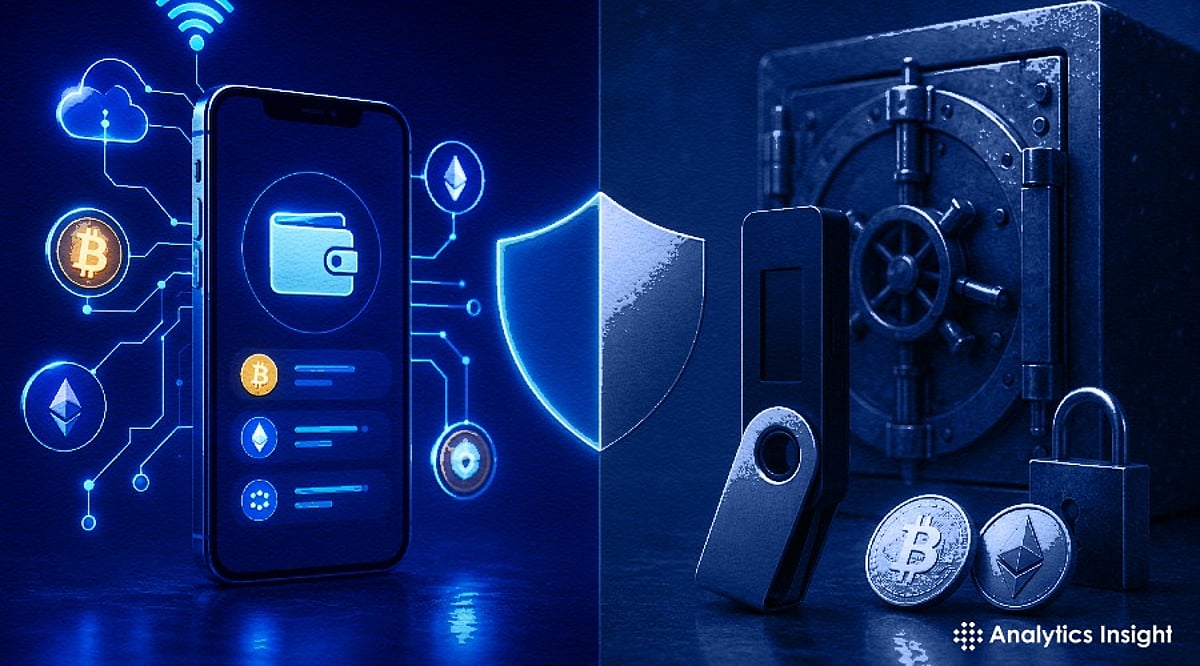
    A hot wallet is a wallet that stays connected to the internet. It can be a mobile app, desktop software, browser extension, or web wallet. Popular examples include MetaMask, Trust Wallet, Phantom, and Coinbase Wallet.

    The biggest benefit of a hot wallet is speed. It allows fast access to crypto at any time, making it a good choice for frequent traders, NFT buyers, decentralized finance users, and those who make regular crypto payments. Everything happens quickly because there is no need to connect an extra device before each transaction.

    However, the internet connection also creates the biggest weakness. Hackers can use many methods to reach online wallets: fake websites, phishing emails, harmful browser extensions, malware, and fake apps remain common tricks. Recent security research also found that some browser extension wallets may expose user privacy through address tracking and other online methods. This shows that online wallets require careful use even when they come from trusted companies.

    What Is a Cold Wallet?

    A cold wallet stores private keys without an internet connection. Hardware wallets such as Ledger and Trezor are the best-known examples. Paper wallets and air-gapped devices also belong to this category.

    Because the wallet stays offline, hackers cannot directly reach the private keys through the internet. Even if a computer has malware, crypto stored in a cold wallet usually remains safe—unless the attacker also gains physical access to the device and its recovery information.

    Many long-term investors prefer cold wallets because they offer much stronger protection. Security experts continue to recommend offline storage for large crypto holdings. Although cold wallets require a few extra steps before sending crypto, many people accept this small inconvenience for the added safety.

    Which Wallet Offers Better Security?

    Cold wallets generally provide better security than hot wallets. The main reason is that they remain offline. Most cyber attacks depend on internet access, so an offline wallet removes many common risks.

    Hot wallets focus more on convenience than maximum protection. They make daily transactions simple, but they also create more opportunities for hackers. A single mistake—such as opening a fake website or approving a harmful transaction—can lead to the loss of digital assets.

    Cold wallets are not perfect, however. A lost hardware wallet, forgotten PIN, damaged device, or missing recovery phrase can also cause permanent loss of crypto. Good storage habits remain important because there is no customer support that can recover lost private keys.

    Recent Security Incidents

    Recent events have shown that wallet security requires much more than good technology. In 2025, the Bybit cryptocurrency exchange suffered one of the biggest crypto thefts in history. Attackers manipulated the transaction approval process connected to the company’s cold wallet system and stole about $1.5 billion worth of Ethereum-related assets. The incident proved that even cold storage requires strict security procedures and careful verification before every transaction.

    Another major attack happened in 2024 when Indian crypto exchange WazirX lost hundreds of millions of dollars after attackers found weaknesses in its multisignature wallet system. The event showed that advanced wallet technology alone cannot stop every attack if operational security becomes weak.

    Security experts also warned about a new malware called Crypto Clipper. Microsoft researchers discovered that this malware can replace copied wallet addresses with the attacker’s address before a transaction takes place. It can also steal seed phrases and collect screenshots from infected computers. Online wallets remain the main target because they stay connected to the internet.

    Which Wallet Should You Choose?

    There is no single wallet that fits every situation. The best choice depends on how you use crypto. Hot wallets work well for small amounts that need quick access. They make trading, payments, and blockchain activities much easier because everything happens within seconds.

    Cold wallets are a better choice for large investments that remain untouched for a long time. Many experienced investors keep most of their crypto in a cold wallet while placing only a small amount in a hot wallet for daily use. This method reduces the chance of losing valuable assets if an online wallet becomes compromised.

    Simple Ways to Keep Your Crypto Safe

    Strong security habits matter just as much as the wallet itself. Recovery phrases should always stay offline in a secure place where no one else can reach them. Wallet software and device firmware should remain updated because updates often fix newly discovered security problems.

    Every wallet address deserves careful checking before sending crypto, because malware can secretly change copied addresses. Private keys and recovery phrases should never appear online or be entered into unknown websites. Official wallet applications remain the safest option, as fake apps continue to appear on the internet.

    Final Verdict

    When it comes to cryptocurrency protection, cold wallets are the best option due to their offline nature, which eliminates the risk of many online attacks. They are mostly used by long-term investors and people with high-value crypto holdings.

    However, hot wallets have their own importance. The speed and simplicity they provide for exchanges, payments, and decentralized apps are valuable. It is important to note that hot wallets are riskier because they are online.

    Therefore, the best strategy involves using both types of wallets together. A hot wallet can handle small payments while a cold wallet keeps larger assets safe. Recent attacks on Bybit and WazirX made it clear that proper security is not just about technology—it also requires good practices, careful verification, and responsible handling of private keys.

  • Crypto Wallet Security Guide: Essential Tips to Protect Your Digital Assets

    Crypto Wallet Security Guide: Essential Tips to Protect Your Digital Assets

    Digital money has become a popular choice for millions of people across the world. More users are stepping into the crypto market every day, and this growth has also attracted cybercriminals. Most crypto theft does not happen because hackers break the blockchain. Instead, criminals often trick wallet owners into sharing private information or approving fake transactions. A single mistake can lead to a complete loss of funds because crypto payments usually cannot be reversed. Strong wallet security has become one of the most important parts of every crypto journey.

    Select the Right Wallet for Every Purpose

    A crypto wallet comes in two main forms. A hot wallet stays connected to the internet and works well for quick payments, trading, or regular use. A cold wallet, also known as a hardware wallet, keeps private keys offline. This extra layer of protection makes it much harder for online attackers to reach stored assets.

    Many security experts recommend a simple approach. A hot wallet can hold a small amount for daily activity, while a hardware wallet can protect larger investments. This balance offers both convenience and stronger protection.

    Protect the Recovery Phrase at All Costs

    Every crypto wallet creates a recovery phrase, also called a seed phrase. This group of words acts as the master key to the wallet. Anyone with access to this phrase can open the wallet and transfer every asset without permission.

    Cloud storage, email accounts, note applications, and screenshots create unnecessary risk because hackers often target these places. A written copy stored in a secure location remains one of the safest options. Some people also choose metal backup plates because they offer better protection against fire, water, and physical damage. Safe storage of the recovery phrase remains the strongest defense against wallet theft.

    Strong Passwords and Extra Security Add More Protection

    A weak password creates an easy path for attackers. A long and unique password makes unauthorized access much more difficult. Password reuse across different accounts also increases security risk as a data leak from one website can expose other accounts.

    Two-factor authentication adds another level of protection for crypto exchanges and wallet-related accounts. Security specialists generally recommend authentication applications instead of SMS verification because phone numbers may become targets of SIM swap attacks. This simple security step can stop many common attacks before they succeed.

    Fake Websites and Scams Continue to Grow

    Phishing remains one of the biggest dangers in the crypto world. Criminals often create fake websites that look almost identical to official wallet providers, exchanges, or NFT marketplaces. Some even pretend to offer customer support and ask for confidential details.

    The recovery phrase should never appear on any website unless a wallet recovery process takes place through trusted official software. Honest support teams never request this information. Careful attention to website addresses and unexpected messages can prevent major financial losses.

    Every Transaction Needs Careful Review

    Crypto transactions move very quickly. Once a transfer receives confirmation on the blockchain, there is usually no way to cancel it. That makes careful review extremely important before every payment.

    The wallet address, transfer amount, and blockchain network deserve close attention before approval. Extra care also becomes necessary during interaction with decentralized applications. Many recent attacks rely on fake smart contract approvals instead of password theft. A few extra seconds of review can prevent expensive mistakes.

    Regular Updates Close Security Gaps

    Wallet software, hardware wallet firmware, browsers, and operating systems receive updates throughout the year. Many of these updates contain security fixes that protect against newly discovered threats.

    Old software may contain weaknesses that attackers already understand. Regular updates reduce this risk and help maintain a safer environment for digital assets. Security experts continue to stress the importance of current software across every device connected to crypto accounts.

    Official Sources Reduce Risk

    Fake wallet applications and counterfeit browser extensions continue to appear across the internet. Some fake versions look almost identical to legitimate products and aim to steal recovery phrases or private keys.

    Official websites and trusted app stores remain the safest places for wallet downloads. Search advertisements and unknown links deserve extra caution because criminals sometimes use these methods to attract victims. Careful selection of software sources greatly reduces the chance of malware installation.

    Separate Wallets Create Better Protection

    Many experienced crypto users avoid keeping every asset inside a single wallet. Separate wallets provide an extra layer of safety. One wallet may support long-term savings, another may handle trading activity, while a third may connect with decentralized finance platforms, blockchain games, or NFT marketplaces.

    This approach limits damage if one wallet becomes compromised. Large investments remain protected even if a wallet used for daily activity faces a security problem.

    Device Security Also Plays an Important Role

    A secure wallet cannot fully protect digital assets if the connected device becomes infected with malware. Strong device security remains an essential part of crypto protection.

    Reliable antivirus software, secure screen locks, biometric protection, and trusted applications all help reduce risk. Rooted or modified devices may remove important security features and create additional weaknesses. Research published in 2026 also highlights privacy concerns related to browser wallet extensions, which may expose user information if unnecessary permissions remain active. Careful management of installed extensions and regular software updates improve both privacy and wallet security.

    Final Thoughts

    Security in cryptocurrency relies more on the right habits than on technical expertise. Good storage of recovery phrases, strong passwords, the use of hardware wallets, trusting software sources, and careful review of the transaction steps form a solid base of security. Most successful crypto frauds are caused by user mistakes rather than vulnerabilities of blockchain technology. By paying attention to the practices outlined above, it is possible to ensure relatively safe use of cryptocurrency.

    Frequently Asked Questions

    1. What is the safest type of crypto wallet? A hardware wallet offers the highest level of protection because private keys remain offline.
    2. Why is the recovery phrase so important? The recovery phrase gives complete access to a crypto wallet. Anyone with this phrase can control the stored assets.
    3. Is two-factor authentication necessary? Yes. Two-factor authentication adds an extra layer of security and helps block unauthorized access.
    4. Why should wallet software stay updated? Software updates fix security weaknesses and improve protection against newly discovered threats.
    5. Can a fake website steal crypto? Yes. Fake websites often trick users into revealing recovery phrases or approving fraudulent transactions, which can result in permanent asset loss.
  • Top Crypto Wallets for Security in 2025: Hardware and Software Options Reviewed

    Top Crypto Wallets for Security in 2025: Hardware and Software Options Reviewed

    When it comes to safeguarding digital assets, choosing the right crypto wallet is critical. The market is flooded with options, but only a few combine robust security with user-friendly features. Below is a curated list of the best crypto wallets that offer top-tier protection for both beginners and seasoned holders.

    Hardware Wallets: The Gold Standard for Offline Security

    Ledger Flex – This hardware wallet provides secure offline private key storage, Bluetooth connectivity, a convenient touchscreen, and support for thousands of cryptocurrencies. Its enterprise-grade protection makes it ideal for users who prioritize cold storage.

    Trezor Safe 5 – Featuring open-source firmware and secure element protection, the Trezor Safe 5 offers touchscreen verification and advanced backup options. It is a favorite among long-term crypto holders who value transparency and maximum security.

    SafePal S1 – An air-gapped hardware wallet that uses QR code transactions. Its secure element technology and offline storage minimize exposure to online threats, making it a solid choice for privacy-conscious users.

    Software Wallets: Convenience Meets Control

    MetaMask – A popular self-custody wallet that supports Ethereum and compatible networks. It enables secure access to DeFi, NFT management, and browser-based transactions, making it a versatile tool for everyday crypto use.

    Trust Wallet – Supporting millions of digital assets across multiple blockchains, this mobile wallet offers self-custody, staking features, and an easy-to-use interface. Security is built into every transaction.

    Coinbase Wallet – Unlike the exchange version, this wallet gives users complete control of their private keys. It supports NFTs, decentralized applications, and multiple blockchain networks without dependency on exchange custody.

    Rabby Wallet – Automatically detects blockchain networks and improves transaction safety with simulation tools. It offers better phishing protection for DeFi users who interact with dApps daily.

    Phantom Wallet – Originally built for Solana, Phantom now supports Ethereum and Bitcoin. It delivers fast transactions, NFT management, staking, and intuitive wallet security, all within a sleek interface.

    Bitget Wallet – A multi-chain wallet that offers decentralized trading, asset management, staking, and strong security features. It supports thousands of cryptocurrencies globally, making it a versatile option for active traders.

    Choosing the right crypto wallet depends on your specific needs. For maximum security, combine a hardware wallet for long-term storage with a software wallet for daily transactions. Stay safe and always verify your wallet’s authenticity.